
This Texas Aquarium Is A Hidden Gem For Families Who Want Something Different From Theme Parks
Roller coasters are loud. Lines are long. Sometimes families want a day that feels calmer but still full of surprises.
In Texas, there is an indoor spot where kids can touch a stingray, hand a snack to a sloth, and watch a tortoise stroll past their sneakers. Inside, thousands of animals live under one roof.
Sharks glide behind thick glass. Lemurs chatter to each other.
Rainforest rooms hold chameleons, iguanas, frogs, and caiman alligators. Kangaroo joeys, wallabies, capybaras, and porcupines round out the crew.
The best part? Air conditioning.
Texas summers can hit hard, and this place stays cool from the moment you walk in. Families often plan for an hour and end up staying four or five.
Tokens unlock feeding sessions, so kids get real jobs instead of just watching.
Staff walk the floor with animals in their arms and answer every question a curious 7-year-old can throw at them.
Meet Your Cool Indoor Escape
Texas heat has a way of ruining outdoor plans. Austin Aquarium is indoors and climate controlled, so rain, wind, or a 100-degree afternoon does not matter one bit.
Visitors often show up expecting a quick walk-through. Instead, they lose track of time.
Five hours can slip by when kids find touch tanks, bird cages, and rainforest rooms stacked one after another.
The building is compact, which works in your favor with little ones. No long marches between exhibits.
No stroller marathons across hot pavement.
Doors open at 10 AM every day of the week. Friday and Saturday stretch until 8 PM, which makes evening visits easy after a lazy morning.
Parking sits right out front, so unloading car seats and diaper bags takes seconds. Restrooms are close by, and hand washing stations are placed throughout since guests touch animals here.
Ever tried explaining a jellyfish to a toddler who has only seen cartoons? Watching one pulse in real life does the job instantly.
Families in Texas often treat this as a rainy-day backup plan. Plenty of them come back on sunny days too.
The mix of fish, reptiles, mammals, and birds gives kids something new to spot on every visit, which is rare for a spot this size.
Touch Tanks Steal The Show
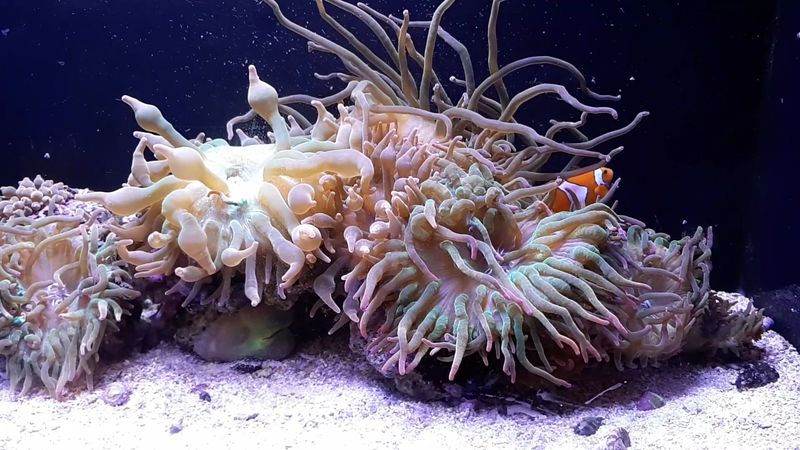
Hands go in the water here, and that changes everything. Shallow touch tanks hold starfish, sea urchins, anemones, bamboo sharks, and stingrays that glide right up to waiting fingers.
Stingrays feel smooth and slightly rubbery. Bamboo sharks feel like wet sandpaper.
Kids gasp every single time.
Guides stand nearby and show the correct way to touch, using two fingers and a slow, calm motion. That coaching keeps animals comfortable and teaches respect at the same time.
Krill snacks are available with tokens, and feeding a stingray is a memory that sticks. The rays circle, lift their wings, and take food straight from small hands.
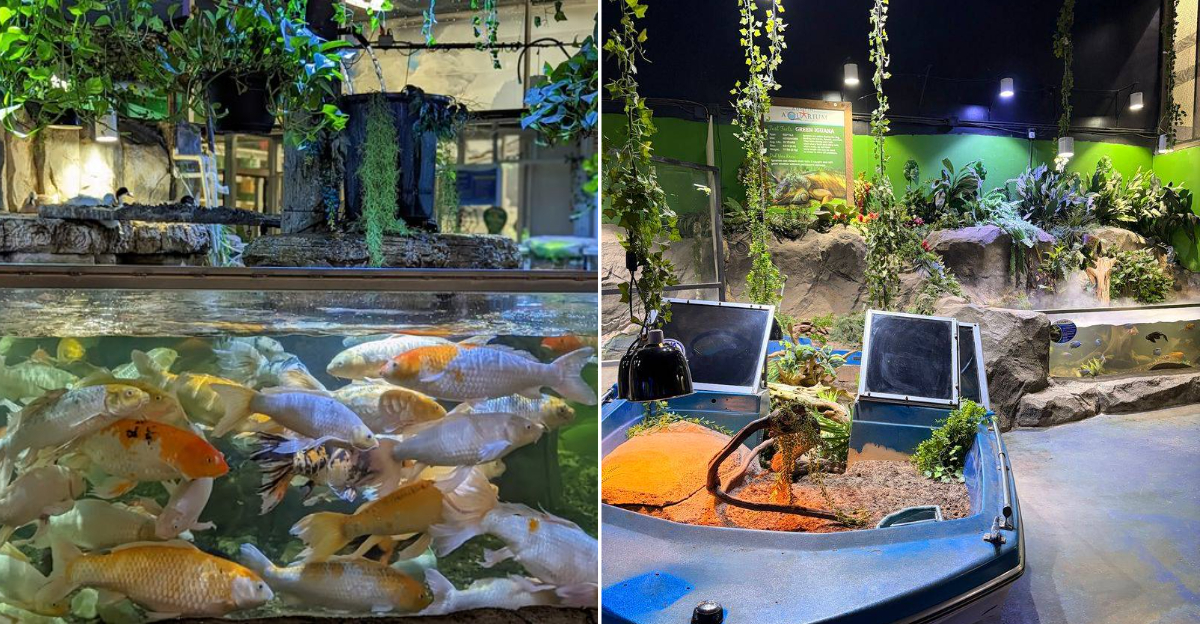
One visitor mentioned petting both a stingray and a sturgeon on the same trip, then feeding koi in the same style. Not a bad afternoon in Texas.
What is the first sea creature you would want to touch if you had the chance?
A tip for parents: bring a small towel. Sleeves get soaked, especially with excited kids who lean too far over the edge.
Older kids and teens love these tanks just as much. A group of teenagers who visited spent ages at the stingray pool, all of them smiling.
Handwashing stations sit close to the tanks, so cleanup takes about twenty seconds before the next exhibit.
Lemurs You Can Actually Pet

Here is a claim worth repeating: the Austin and San Antonio locations are the only spots in the United States where guests can interact with and pet lemurs. That fact alone pulls people off the highway.
Ring-tailed lemurs have striped tails, orange eyes, and voices that carry. Guests often describe them chattering back and forth, almost like a conversation.
The lemur encounter is a paid experience, purchased with tokens. Staff bring guests into the space, explain the rules, and stay right there the whole time.
Hands stay soft. Movements stay slow.
Lemurs decide how close they want to get, and that patience makes the moment feel earned.
Families walk out talking about it for days. One tourist admitted the lemurs and wallabies beat every fish tank in the building.
Would your family sign up for a lemur meet-and-greet or watch from a safe distance?
Encounters run on a schedule, so ask at the front desk when you arrive. Popular slots fill quickly on weekends.
Sloths, kinkajous, baby kangaroos, wallabies, and even a giant Pacific octopus have their own paid encounters too. Armadillo meetings pop up as well.
Free interactions exist for budget-minded families. Snakes, tortoises, toucans, ducks, and macaws can all be met without spending extra tokens, which softens the cost of a Texas day out.
Rainforest Room Full Of Reptiles
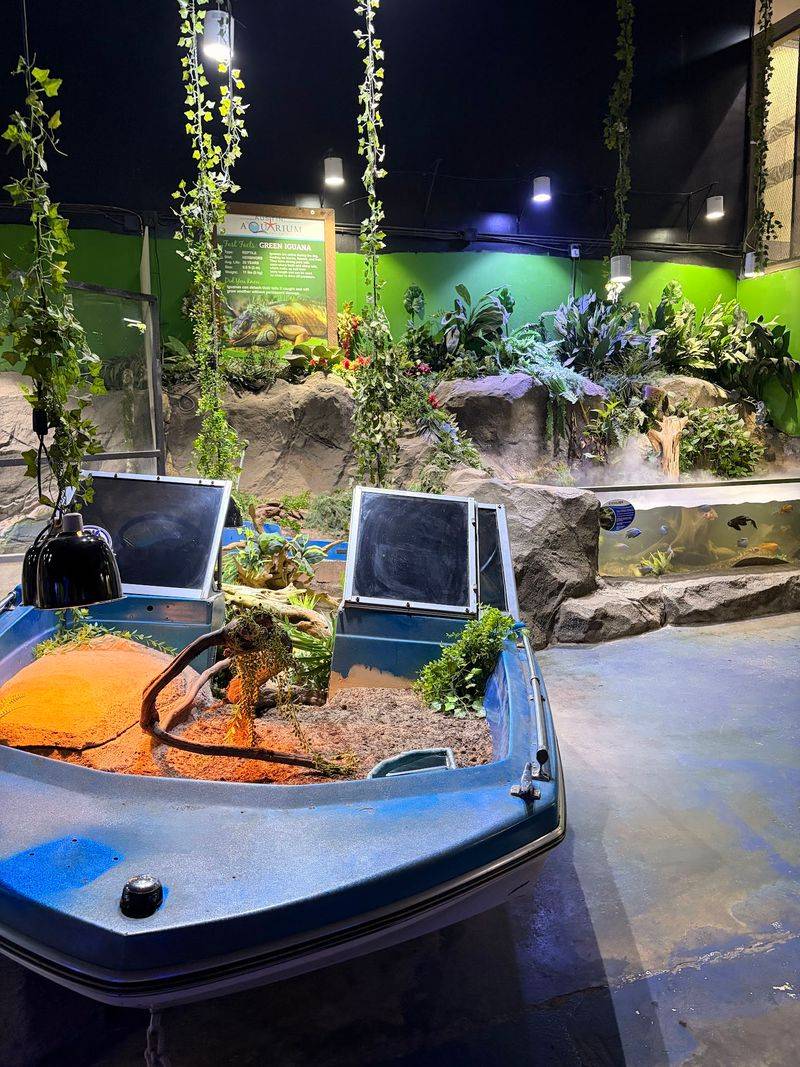
Green plants, warm air, and the feeling of a jungle hallway. The rainforest section pulls visitors away from ocean blues and into leafy shadows.
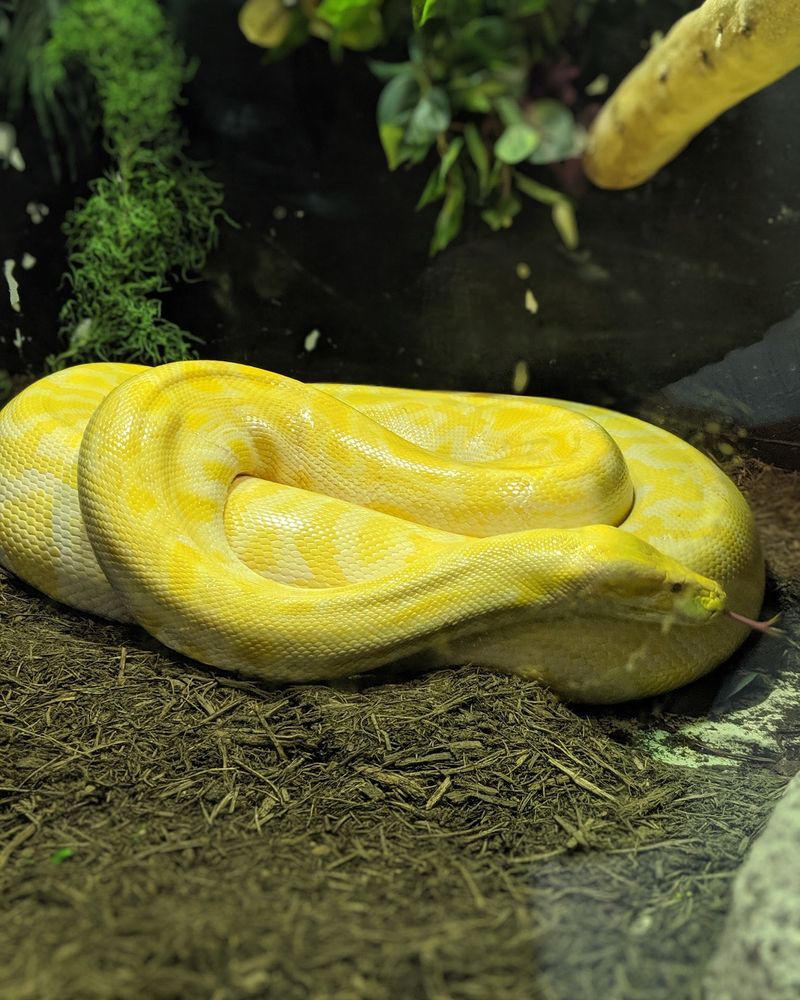
Snakes coil behind glass. Iguanas perch on branches with prehistoric confidence.
Chameleons swivel one eye at a time, which never stops being funny.
Tiny frogs hide in plain sight, and finding them turns into a family competition. Caiman alligators sit still, watching everything with those unblinking eyes.
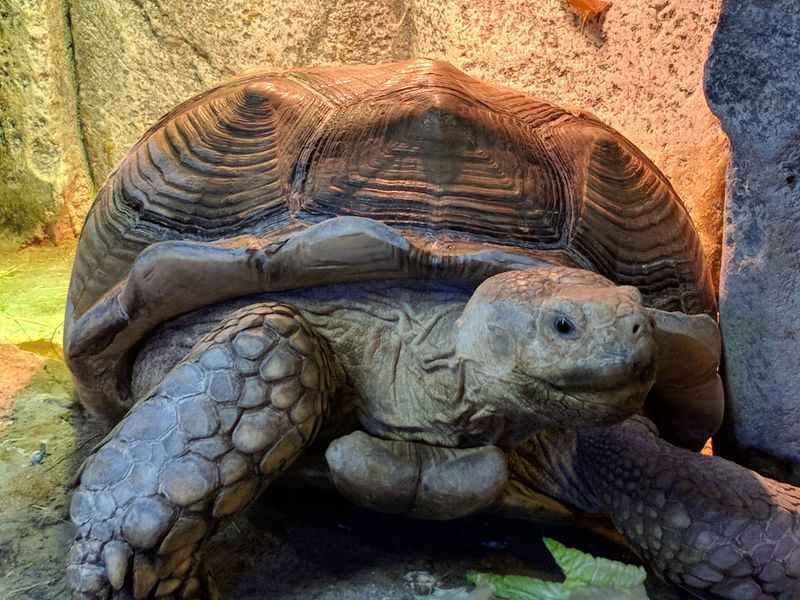
Tortoises are the surprise stars. Some of them roam the floor of the facility, moving at their own unhurried pace, and guests can pet them for free.
A tourist who travels often called seeing a tortoise casually walking around the building one of the most unexpected highlights of the day. Hard to argue with that.
Snake petting is also free, and staff hold the animal while nervous first-timers reach out. Plenty of adults are shakier than the kids.
Which reptile would you be brave enough to touch first?
Bring a phone with a good camera. The lighting in this section is dim and moody, so get close and skip the flash to keep the animals calm.
Feeding Time With Tokens
Tokens turn watching into doing. Buy a handful at the counter and suddenly your kids have missions instead of just eyeballs.
Stingrays get krill. Sharks get their share.
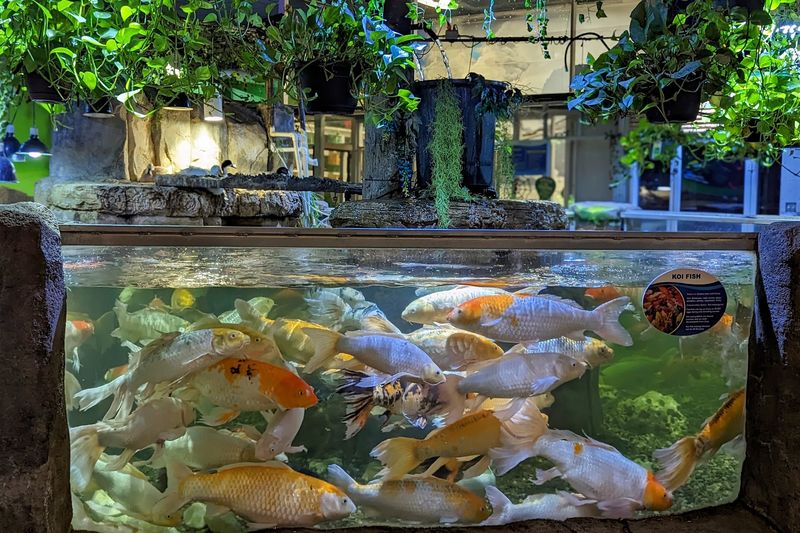
Koi swarm the surface in an orange and white traffic jam.
Aviary birds are the wild card. Parakeets, lorikeets, toucans, and macaws fill walk-in spaces, and a food cup makes you instantly popular.
Birds land on arms, shoulders, and occasionally heads.
Sloths accept snacks with those famously slow arms. Tortoises chomp greens with real enthusiasm.
Capybaras take food with the calm energy of animals who have never rushed anywhere.
A family who visited on a Thursday grabbed ten tokens and fed capybaras, fish, and sharks. The kids talked about it for the rest of the week.
Another visitor whose teenager loves sloths said feeding and petting one was worth every dollar spent on tokens.
How many animals do you think your family could feed in one visit?
A practical tip: buy tokens in a bundle rather than a few at a time. Kids will absolutely ask for more, and going back to the counter twice wastes exhibit time.
Staff supervise the feedings and explain what each animal eats and why. That mix of fun and learning is what separates this Texas attraction from a standard theme park ride line.
Sharks, Rays, And Jellyfish
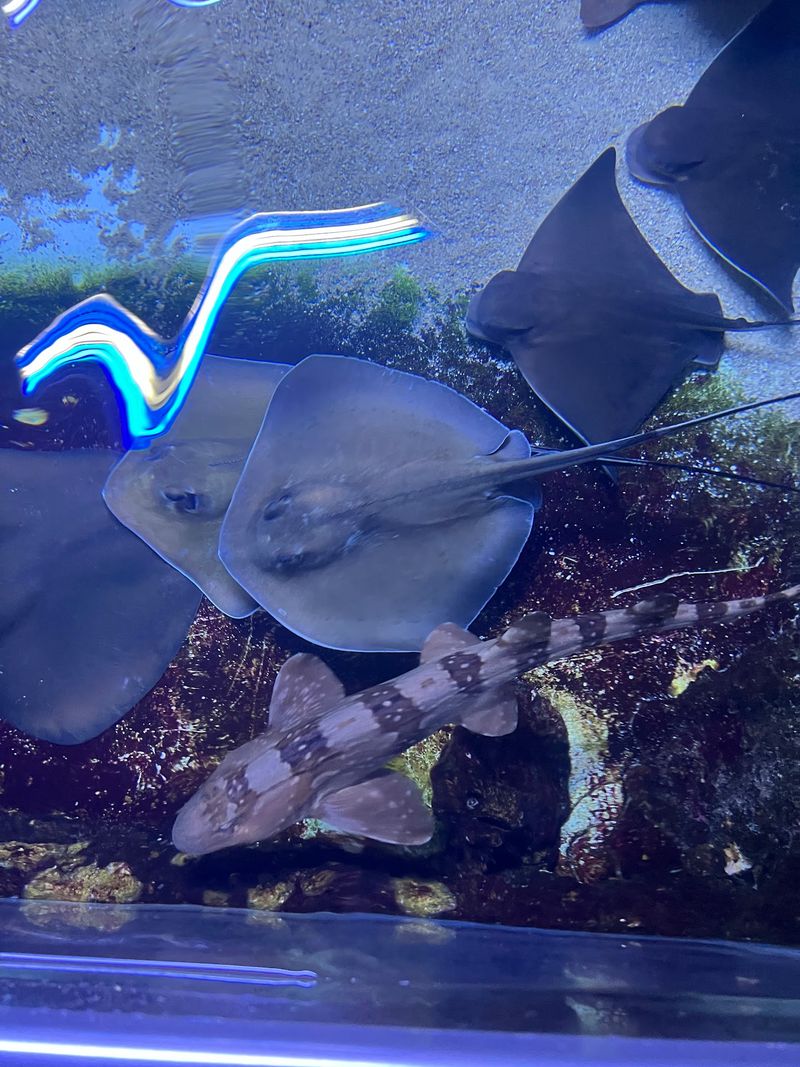
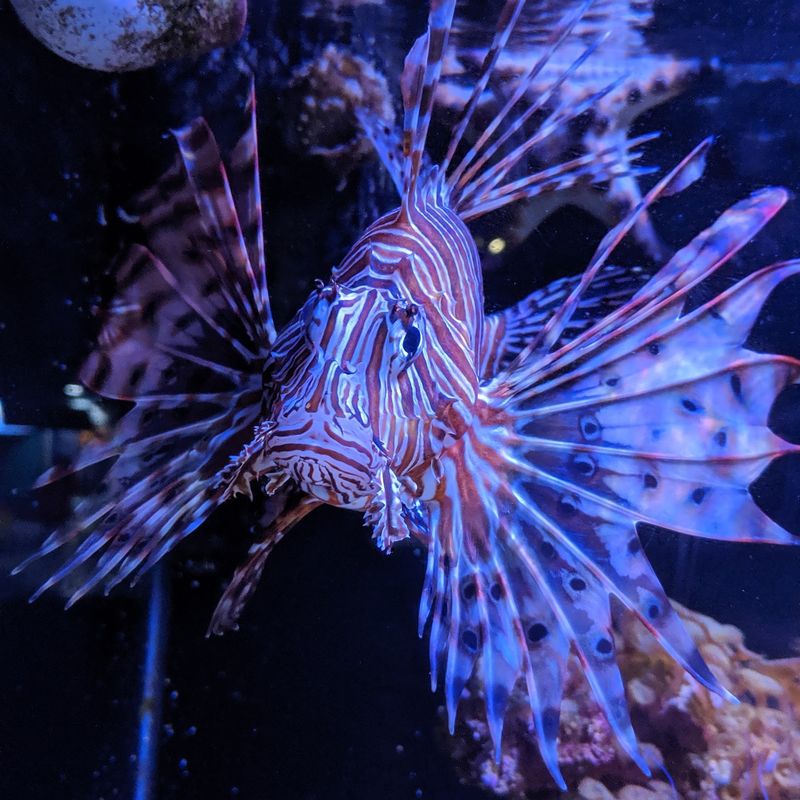
Marine life still anchors the whole experience, and the tanks deliver quiet drama. Sharks patrol behind thick glass, turning laps that hypnotize kids into total silence.
Rays glide with wings that look like slow-motion wings of a bird. Watching one pass overhead through the glass feels strangely peaceful.
Seahorses cling to plants with curled tails, barely moving. Spotting one takes patience, and finding it feels like winning a small prize.
Jellyfish at 13530 US-183 #101, Austin, TX 78750, get their own glowing display. Lit from above, they pulse and drift like floating lanterns, and every guest stops to stare.
Tropical fish bring the color. Yellows, electric blues, and neon stripes fill the reef-style tanks, and no two look alike.
The collection pulls species from wildly different places, from Oregon coastlines to remote Indonesian islands. That range packs a lot of ocean into a modest Texas building.
Some huge fish surprise guests who expected only small species. A sturgeon big enough to pet ranks high on visitor favorites.
Which tank would you park yourself in front of for twenty minutes straight?
Informative displays sit beside the glass, explaining habitats, diets, and threats these animals face in the wild. Staff on the floor add extra details for anyone who asks.
Go early on weekdays if you want unhurried viewing. Crowds thin out and the tanks feel like your own private window.
Sleepovers And Birthday Adventures
Camping out in front of a shark tank sounds like something from a movie. The Sleep with the Sharks program makes it real.
Groups spend the night inside the building, get a private tour, and wake up to a continental breakfast. Sleeping bags go down near the glass while fish keep swimming all night.
Morning Rounds offers a different angle. Guests shadow husbandry staff while animals are fed and habitats are prepped before opening.
It is behind-the-scenes access most attractions never offer.
Princess Makeovers add sparkle for young visitors who want a royal transformation before touring the exhibits. Face painting and washable tattoos show up too, and a mermaid performer sometimes appears in costume.
Birthday parties are a big draw. Packages can include interactive educational tours and animal feeding, which beats a plain party room by a mile.
Private events work for schools, homeschool groups, and community gatherings. One parent brought four kids for a homeschool field trip and stayed most of the day.
What would your kids pick: a sleepover with sharks or a morning shadowing animal keepers?
An Animal Outreach Program also travels out to schools and events across Texas, bringing mammals, reptiles, and birds along with educators to teach kids who cannot make the trip.
Plan Your Visit Smartly
A little planning turns a good trip into a great one. Start with timing, since weekdays are calmer and school buses usually clear out by early afternoon.
Hours run 10 AM to 6 PM Sunday through Thursday, with Sunday closing at 7 PM. Friday and Saturday stay open until 8 PM, so late arrivals still get plenty of time.
Wear comfortable shoes and clothes you do not mind getting damp. Touch tanks and bird feedings are messy in the best way.
Budget for tokens on top of admission. Feedings and premium encounters run on tokens, and they are the highlight for most families.
Ask about memberships if you live nearby. Annual passes have been worth it for local families who return often, and some include perks at a nearby play center.
Expect noise. Excited kids fill the space, which is part of the charm but worth knowing if your group prefers quiet.
What time of day would suit your family best, a slow morning or a lively evening?
Leave room for the gift shop at the end. Plush animals and souvenirs give kids something to carry home from their Texas wildlife adventure, and it makes a nice finish to the day.