
This Remote Nevada Canyon Trail Near Elko Feels Like A Different Planet
Nevada can change the scenery on you fast. Leave the sagebrush behind, climb into the high country, and suddenly granite walls, cold streams, pine trees, and green meadows take over.
The quiet is part of the reward. Traffic disappears. Crowds thin out. Every step feels farther removed from the usual desert road trip.
This is not a polished roadside stop. You will want good shoes, patience, and a little willingness to follow gravel before the real scenery begins.
Then the canyon opens up. Mountains rise sharply from the valley, water cuts through the landscape, and the whole place feels almost borrowed from another state.
If you like peaceful trails and big mountain views without a packed parking lot, this one earns the effort. The drive in may feel remote, but the payoff makes that part of the adventure.
Where The Ruby Mountains Change Everything
Most people picture Nevada as flat desert with long empty highways. The Ruby Mountains break that picture completely.
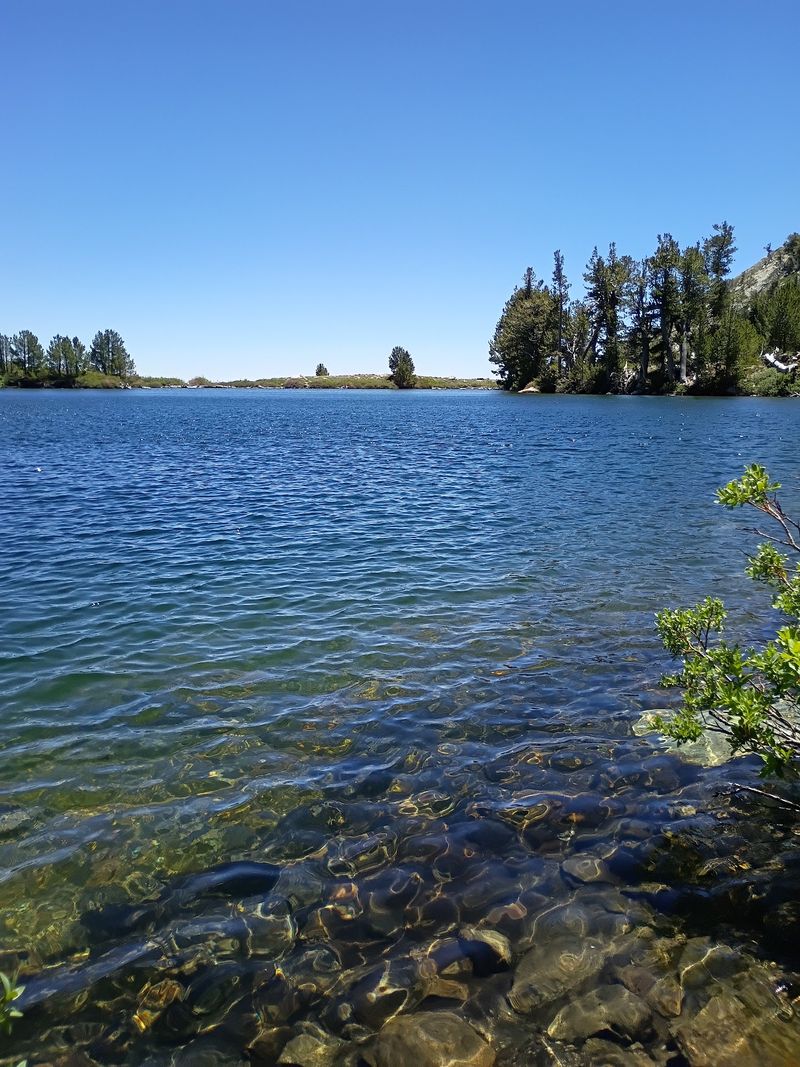
Rising above the valley floor southeast of Elko, these peaks hold snow well into summer and shelter creeks that run clear and cold. Locals sometimes call the range the Alps of Nevada, and once you see the glacier-carved bowls, the nickname makes sense.
Soldier Creek Trailhead sits on the western edge of that world, where sagebrush gives way to aspen and pine within a few minutes of walking.
You climb through open slopes dotted with wildflowers, then find yourself beside water that sounds nothing like the dry country you just drove through.
The contrast is what makes the hike memorable. One moment you are looking across miles of pale grassland, and the next you are standing under trees with granite walls above your shoulders.
Elevation plays a big role here. Higher ground means cooler air, different plants, and weather that shifts faster than it does down in town. Give yourself time to notice the change. It happens quickly, and it is the reason so many visitors describe the canyon as feeling like another planet.
Getting There Without Losing Your Way
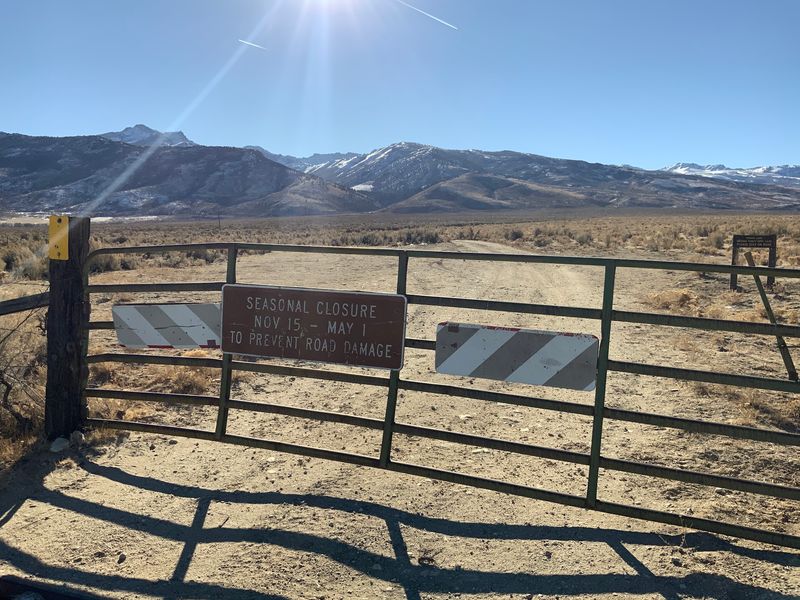
Half the adventure happens before your boots touch dirt. The route runs through ranch country and open range, so expect cattle guards, dust, and stretches where your phone shows no bars at all.
You will find Soldier Creek Trailhead in the northern Ruby Mountains, with the Soldier Basin area roughly 36 miles from Elko. Plan on paved highway followed by gravel and dirt roads, and check conditions before heading out.
A vehicle with decent clearance makes the last stretch easier. Passenger cars can often manage it in dry months, but slow down and watch for washboard sections and loose rock.
Download offline maps before you leave town. Cell service disappears quickly once you turn off the main road, and a paper map in the glove box never hurts. Fill your gas tank in Elko. Services are limited past that point, and there is no shop waiting at the trailhead.
Arriving early helps in more ways than one. Parking is limited, mornings are cooler, and the light across the canyon walls is at its best.
What The Climb Actually Feels Like
Steady effort. That is the honest summary of the walk uphill.
The path leaving Soldier Creek Trailhead gains elevation without much delay, following the drainage upward through open slopes and shaded pockets of aspen. You are already above 6,000 feet at the start, so your lungs will let you know if you live closer to sea level.
Footing varies. Some sections are smooth dirt, others cross loose rock or old washouts where spring water carved small channels. Trekking poles help on the descent more than the climb. Knees appreciate the extra support on the steeper pitches.
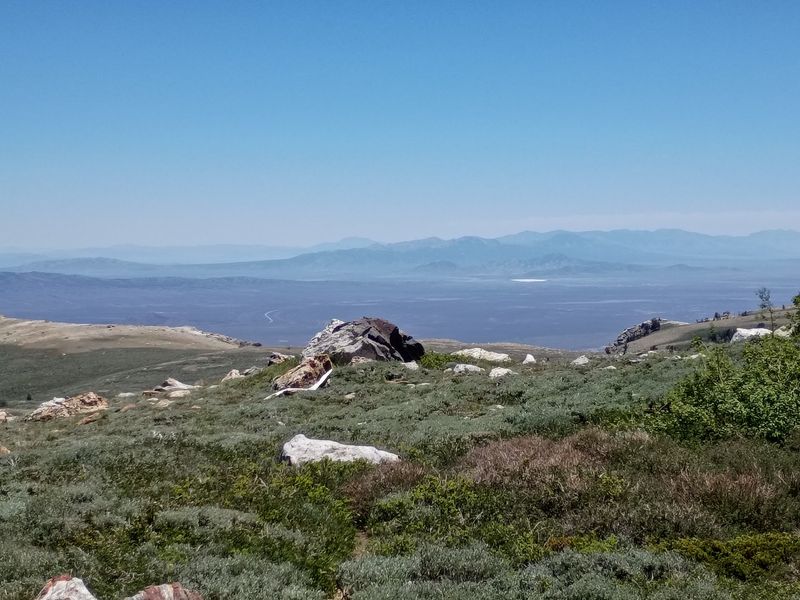
Take short breaks and turn around now and then. The valley view behind you widens with every hundred feet of gain, and that alone justifies stopping.
You control the length of the day. Some hikers explore the lower canyon and turn around, while others continue higher toward Soldier Basin and its lakes.
Pace yourself, drink often, and treat the return trip as part of the plan. Nevada high country rewards hikers who move deliberately rather than fast.
Water, Wildflowers, And Aspen Shade
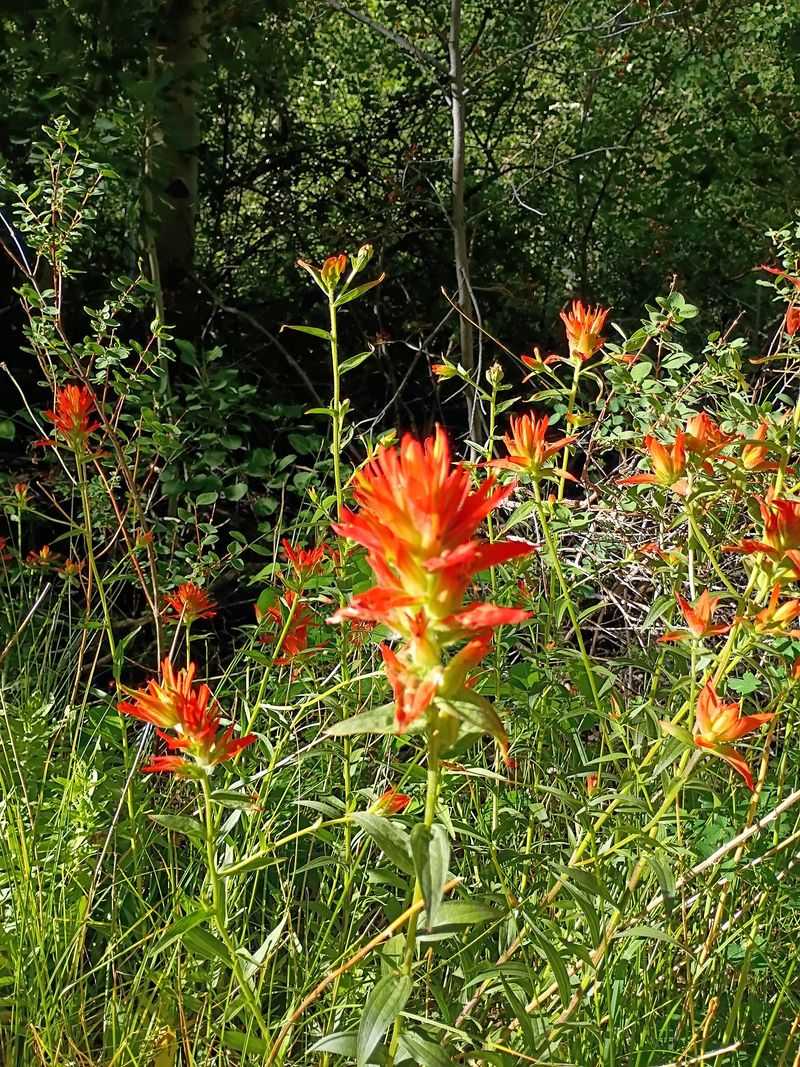
Snowmelt does remarkable things to a dry landscape. The creek that gives this canyon its name runs strongest in late spring and early summer, feeding meadows that turn surprisingly green.
Lupine, paintbrush, and columbine appear along the banks once the snow pulls back, usually peaking in June and July depending on the winter. Aspen groves provide patches of shade that feel ten degrees cooler than the open slopes.
Photographers do well here. Morning light filters through the aspen leaves, and the water surface picks up reflections of the canyon walls.
Near Soldier Creek Trailhead, the sound of moving water follows you for much of the lower route, which makes the climb feel less like work. Creek flow varies considerably with snowpack and the time of year, so conditions can look different from one visit to the next.
Never count on drinking straight from the stream. Carry a filter or bring all the water you need, and figure on more than you think.
Autumn brings a different show entirely. Aspen leaves turn gold across the slopes, and the canyon takes on colors that most people do not associate with this part of the country.
Animals You Might Spot Along The Way
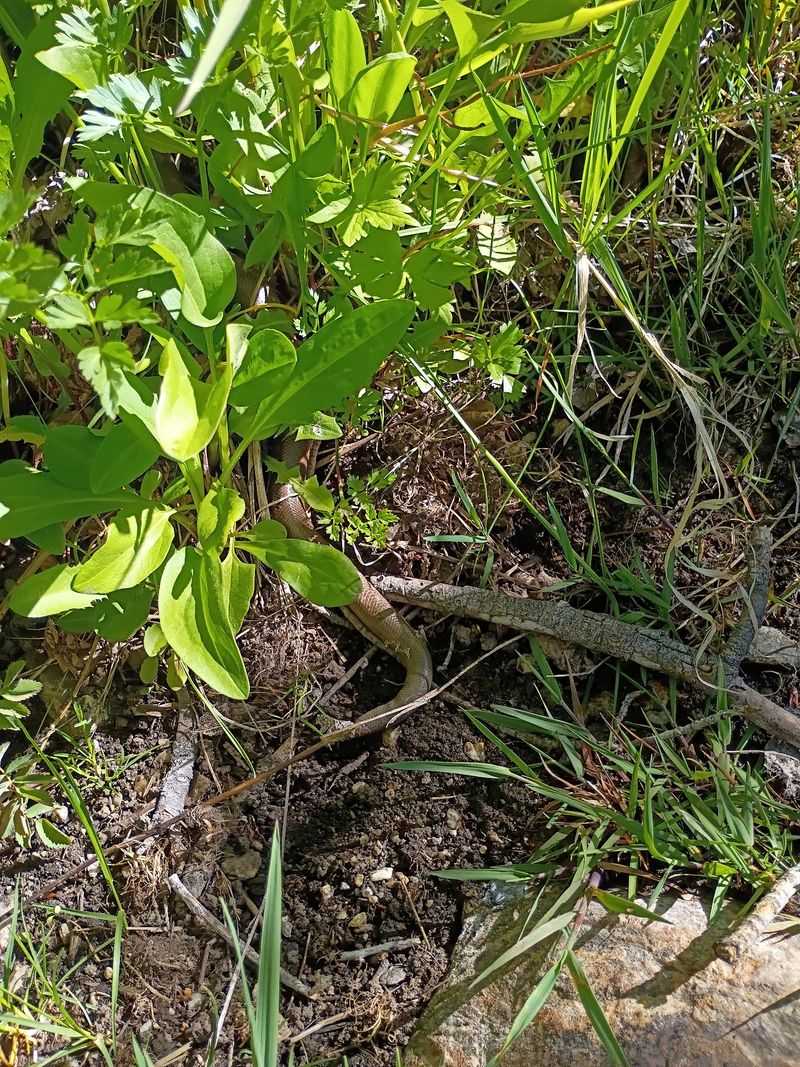
Keep your eyes up on the rock faces. Himalayan snowcock, an introduced bird with an exceptionally limited North American range, live in the Ruby Mountains and nearby East Humboldt Range.
Closer to the ground, mule deer browse the meadows at dawn and dusk. Marmots whistle from boulder piles, and chipmunks dart across the trail with little concern for hikers.
Mountain goats and bighorn sheep roam the upper slopes above Soldier Creek Trailhead, though seeing them takes luck and a decent pair of binoculars. Golden eagles and hawks ride the thermals along the canyon rim.
Mountain lions occur in northeastern Nevada, and occasional black bear sightings have also been reported in Elko County. Encounters are uncommon, but making noise on blind corners and keeping food packed away is simply good practice.
Watch for rattlesnakes on warm rocky stretches at lower elevations. Give them space and they will move along.
Bring a small notebook or use a phone app to log what you see. Nevada holds far more wildlife than its reputation suggests, and this canyon offers one of the better places in the state to prove it.
Choosing The Right Season For Your Visit
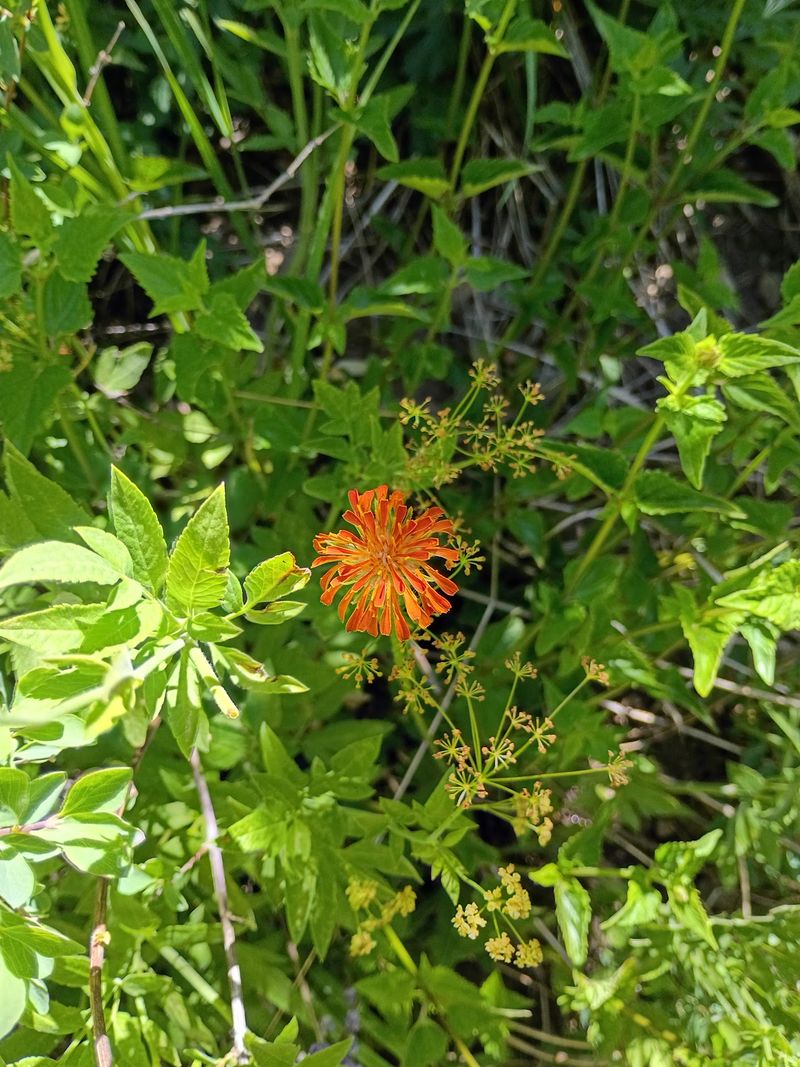
Timing shapes the entire experience here. Snow lingers on the upper slopes into June most years, and the access road can stay muddy or blocked well past the calendar start of spring.
July through September tends to offer the most reliable conditions. Days are warm, nights cool off quickly, and the trail is usually clear of drifts. Afternoon thunderstorms build fast in mid summer. Start early, watch the sky, and turn back if clouds stack up over the ridges.
Fall may be the finest window of all. Crowds thin out, temperatures ease, and the aspen color near Soldier Creek Trailhead peaks somewhere around late September into early October.
Winter transforms the canyon into backcountry terrain. Deep snow, avalanche risk, and an unplowed road mean the area belongs to experienced skiers and snowshoers during those months.
Check the weather forecast for Lamoille rather than Elko. Mountain conditions can differ sharply from those in the Elko valley. Layers solve most problems. A wind shell, a warm mid layer, and a hat handle the swings that Nevada high country throws at you in a single afternoon.
Packing Smart For A Backcountry Day
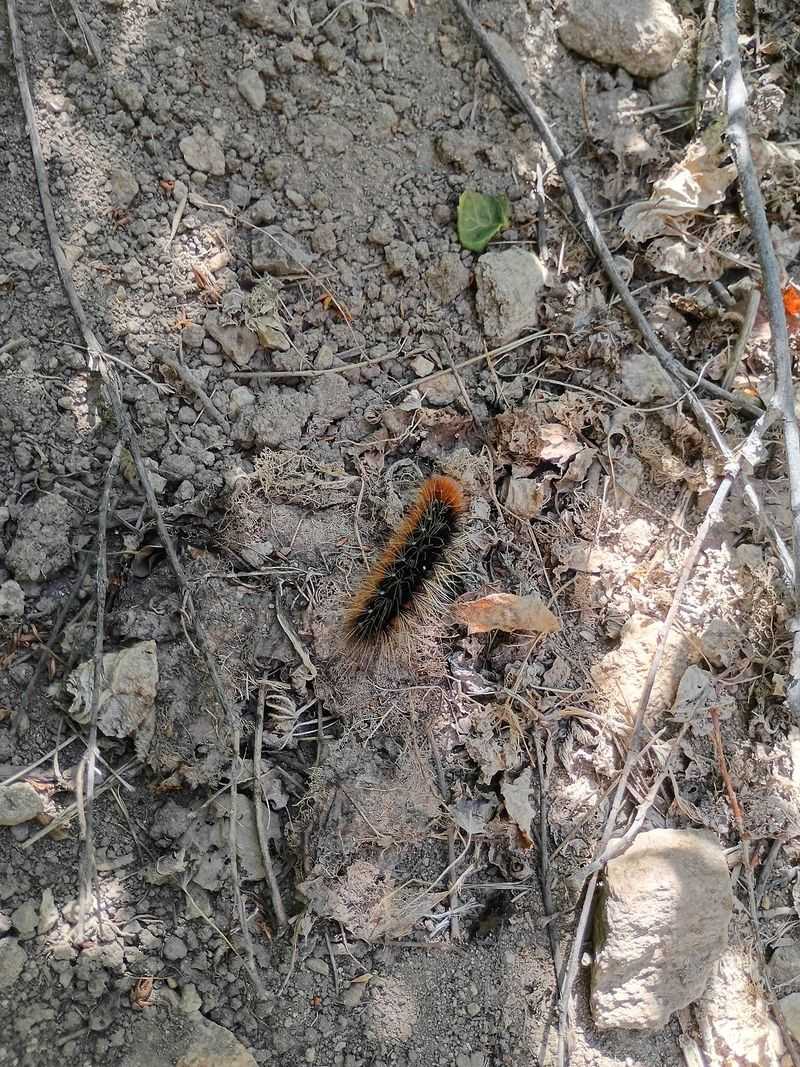
Preparation matters more here than on a trail with a parking attendant and a snack bar. There are no services, no water fountains, and no quick help if something goes sideways.
Carry at least two to three liters of water per person. Dry air and elevation pull moisture out of you faster than you notice.
Sun protection is not optional. A wide brim hat, sunglasses, and sunscreen make a real difference on exposed sections above the tree line. Sturdy boots with good tread handle the loose rock far better than sneakers. Blisters ruin more hikes than steep grades do.
Pack a small first aid kit, a headlamp, extra food, and a warm layer even for a short outing near Soldier Creek Trailhead. Weather turns quickly and daylight fades fast in the canyon shadows.
Tell someone your plan and your expected return time. With no cell coverage, that single step is your best safety net. Bring a trash bag and carry out everything you brought in. Keeping this corner of Nevada clean takes very little effort and preserves it for the next person on the trail.
Why The Detour Pays Off
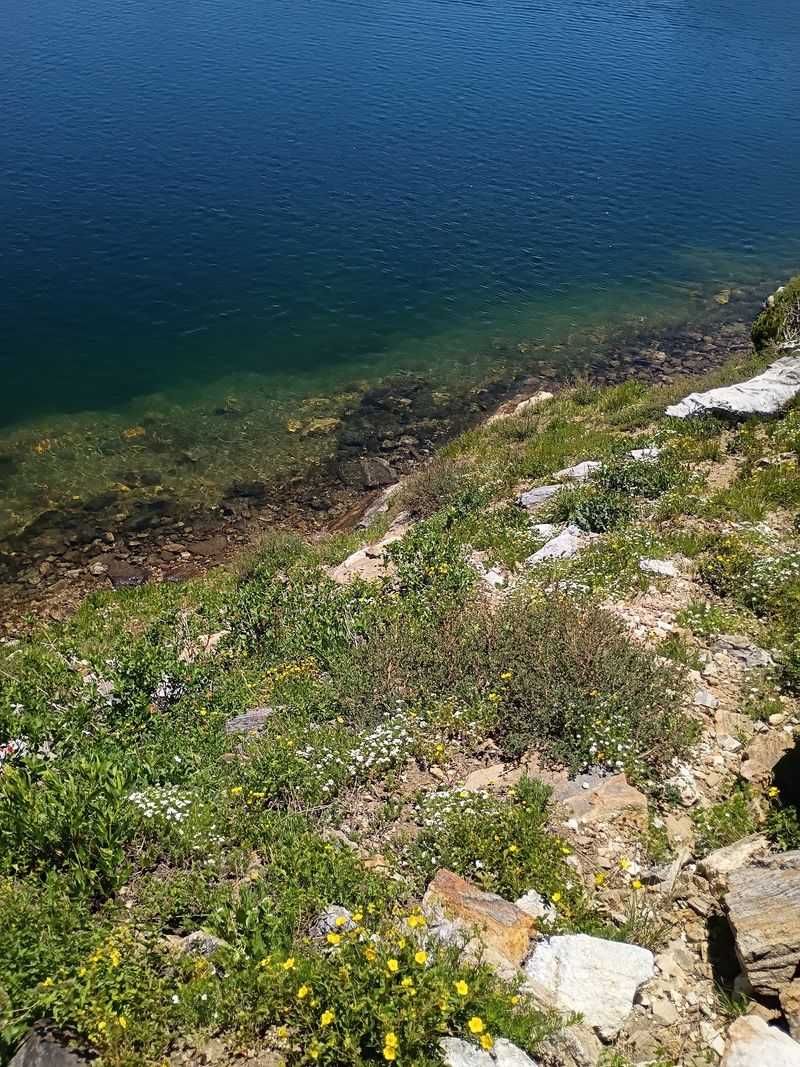
Long drives on gravel roads test patience, and plenty of travelers skip places like this in favor of easier stops. That choice leaves something remarkable behind.
What you get in return for the effort is quiet. Real quiet, the kind where wind through aspen leaves is the loudest sound around.
Soldier Creek Trailhead delivers scenery that most visitors never associate with this part of the map, and it does so without ticket lines or crowded overlooks. You share the canyon with a handful of hikers at most, sometimes no one at all.
The nearby village of Lamoille and the scenic drive up Lamoille Canyon make a natural pairing, so you can build a full day around the area. Elko sits close enough for a comfortable base with lodging and supplies.
Go with modest expectations about facilities and high expectations about views. That balance sets you up for a great trip.
Northeastern Nevada keeps surprising people who take the time to look past the highway. Spend a morning walking up this canyon and you will understand why the comparison to another planet keeps coming up.