
Locals Say This Rhode Island Coastal Town Has Changed Dramatically As Tourism Has Grown
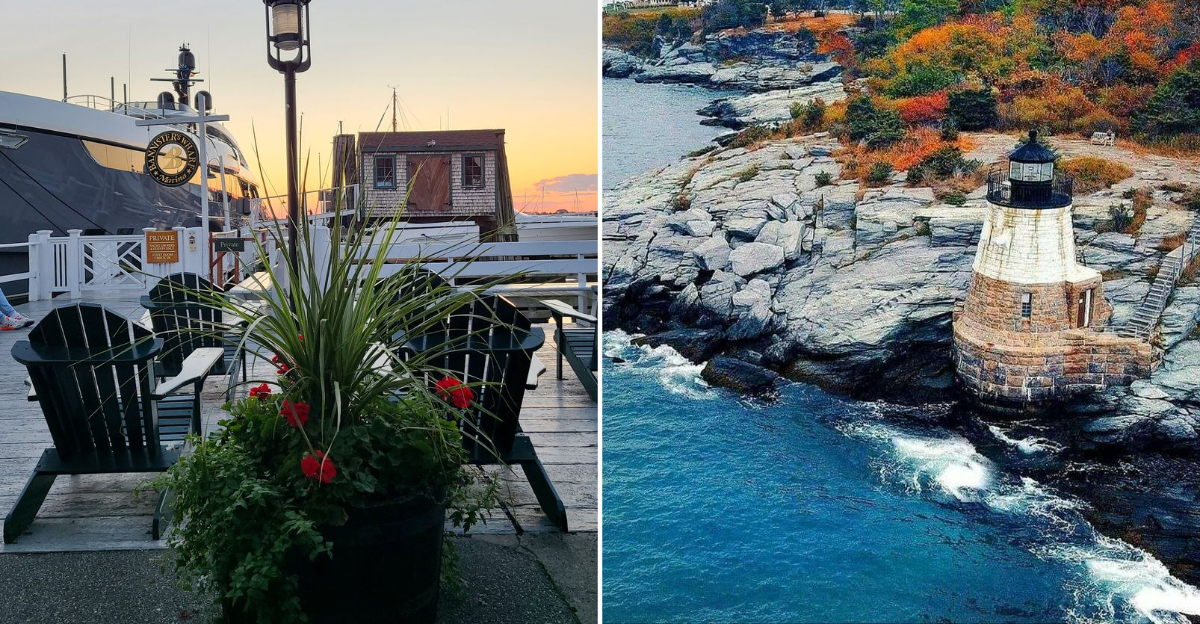
Some towns change their character slowly, but this Rhode Island coastal town has been shifting faster than locals can keep up with. Tourism has grown steadily over recent years, transforming what was once a quieter destination.
Streets fill with visitors throughout the summer season, a shift longtime residents still aren’t fully used to. Shops and restaurants along the water stay busy now, benefiting from the surge in foot traffic.
Visitors come for the coastline but often stay for the town itself, walkable and easy to explore. Longtime residents notice the shift most, comparing today’s crowds to quieter summers not that long ago.
Nothing about the appeal has changed, only the sheer number of people trying to experience it. This town proved that popularity, once it arrives, tends to grow faster than anyone expects.
Economic Shifts In Coastal Businesses
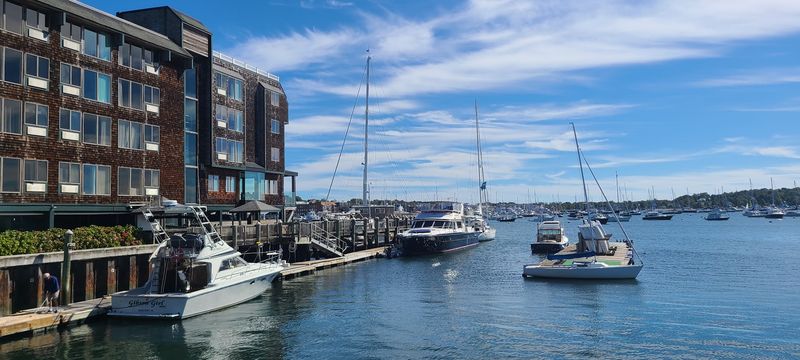
Money moves differently in a city that empties and refills with the seasons. Shops along Thames Street and Bellevue Avenue lean hard on summer foot traffic, and the tax revenue from all those visitors helps pay for roads and city services.
Between 2013 and 2023, small businesses across the Greater Newport area grew by about 7 percent, beating the statewide pace. Tourism, hospitality, professional services, and marine trades carried most of that growth.
Growth does not automatically mean comfort, though. Health insurance costs, technology upgrades, financing, and holding onto reliable staff have all gotten heavier, and plenty of small and midsize firms report that expenses climb faster than revenue does.
Statewide numbers help explain the pull. Visitor spending in Rhode Island reached 6 billion dollars in 2024, generating a total economic impact of 8.8 billion dollars and supporting 88,509 jobs.
Food and beverage businesses claimed the biggest slice at roughly 1.5 billion dollars, or 26 percent of that spending. Lodging followed with 1.3 billion, about 22 percent.
Here is where residents get frustrated. Storefronts increasingly stock souvenir sweatshirts and vacation trinkets instead of the practical goods a year-round household actually needs.
The result is a downtown that hums beautifully in July and feels a little hollow in February.
Environmental Concerns And Preservation Efforts
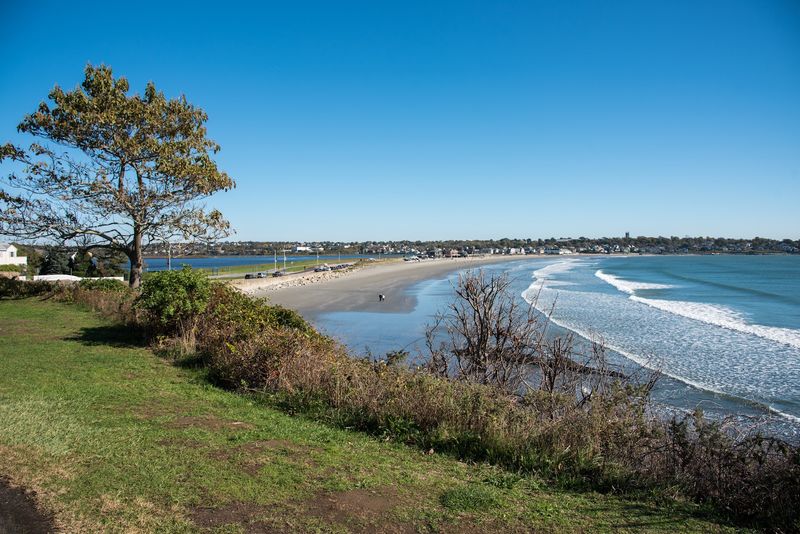
Three and a half miles of cliffside path draw enormous crowds, and the ground underneath is not thrilled about it. Erosion along the Cliff Walk has become a recurring headache, with sections needing repair and closure over the years.
Beaches collect litter faster during peak months. Residents often end up picking up trash they did not leave, which wears on goodwill in a hurry.
Natural resources feel the squeeze too, from water use to parking lots pressed against fragile shoreline. More feet mean more wear, and the Atlantic does not exactly go easy on the coast either.
There is a hopeful side to all this. The blue economy, meaning ocean technology and aquaculture, has been growing in the region with real environmental upside.
Oyster beds planted near undersea listening equipment have been found to filter and clean the surrounding water. Shellfish doing double duty as scientific neighbors is a genuinely delightful detail.
Preservation also pays. Heritage tourism in Rhode Island was valued at nearly 1.4 billion dollars in 2018, which gives old buildings a very practical argument for staying standing.
The Newport Mansions welcomed 871,683 visitors in 2024, up from 797,750 the year before. Protecting those properties and the coastline around them has become both a cultural mission and an economic necessity.
Cultural Traditions And Community Identity
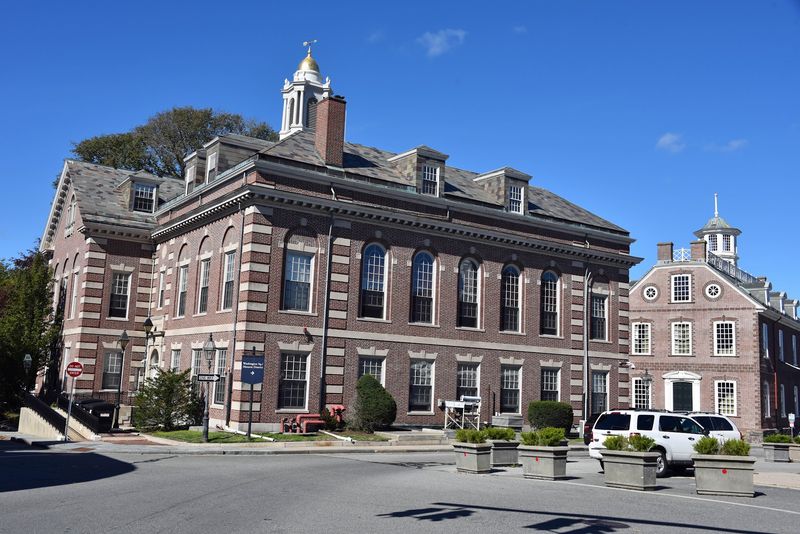
Few small cities carry a nickname as bold as Sailing Capital of the World, and Newport wears it without apology. The harbor stays packed with masts, and the Newport International Boat Show remains a major fixture on the calendar.
Music matters just as much here. The Newport Jazz Festival has drawn listeners for generations and helped shape the city’s reputation far beyond New England.
Architecture is the other signature. The city holds one of the largest collections of preserved historic buildings anywhere in the United States, ranging from colonial-era homes to those show-stopping Gilded Age mansions.
All that fame comes with tension. Many longtime residents feel local businesses now design their menus, hours, and inventory around visitors rather than neighbors.
When enough shops shift that direction, a city can start feeling like a destination people pass through instead of a place people belong to. That worry shows up in conversations across the island.
Anti-tourism sentiment has grown as a result, sharpened by new hotel proposals and the steady spread of short-term rentals. Residents are not against visitors so much as they are against losing the version of home they remember.
The traditions remain strong. Keeping them rooted in community rather than performance is the balancing act now.
Seasonal Population Variations Effects
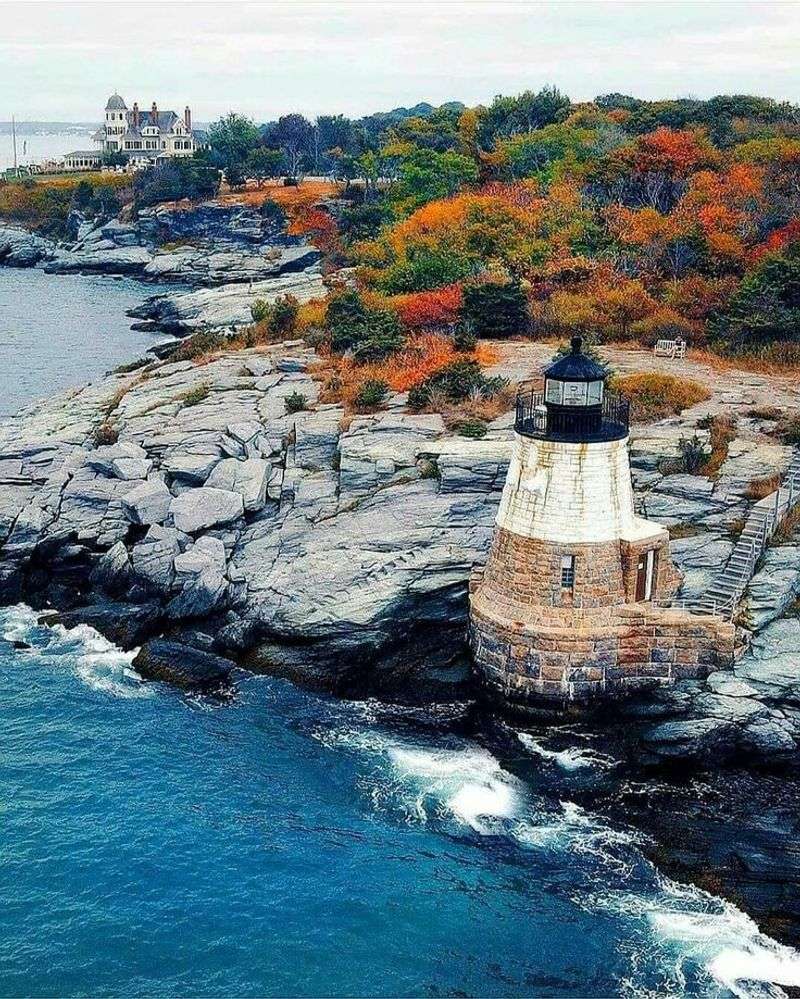
Picture a city that roughly doubles in mood overnight once the weather turns warm. Spring and summer bring the heaviest waves of visitors, and the whole rhythm of daily life changes with them.
Autumn no longer offers much of a break. Tens of thousands arrive for fall foliage, plenty of them stepping off cruise ships right into the historic district.
More than 3.5 million visitors now come through annually. Some residents joke that the off-season has quietly disappeared, replaced by a slightly less busy season.
That constant demand nudges prices upward on ordinary things. Groceries, clothing, and dining all tend to creep higher when a market is built around people spending vacation money.
Nightlife swells too. Summer evenings get considerably louder, and neighborhoods near the entertainment corridors absorb most of that noise.
Jobs follow the same curve. Retail and restaurant employment can climb by as many as 1,500 positions during peak months, then contract when the crowds thin out.
For workers, that means chasing hours in July and stretching them in January. For families, it means a neighborhood that feels crowded half the year and unusually quiet the rest.
Learning to live with two versions of the same city has become a local skill set.
Infrastructure Developments To Accommodate Visitors
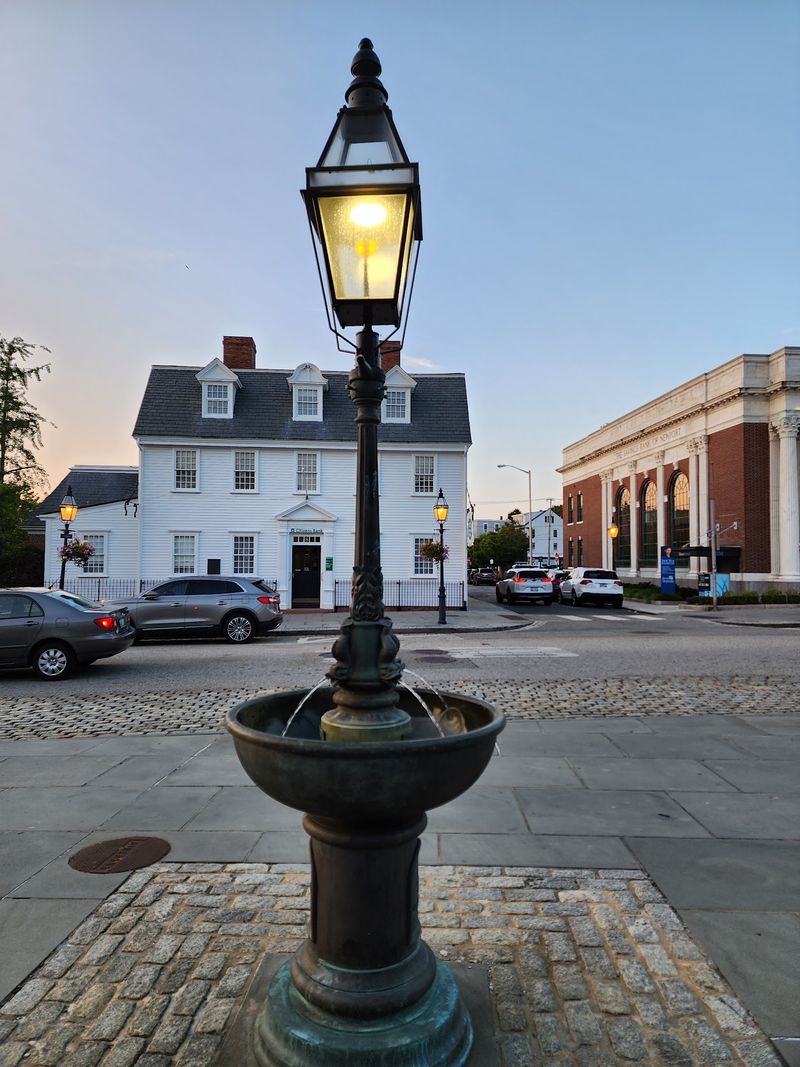
Ask about parking and watch a local’s expression change instantly. Spaces are limited, restaurant waits stretch long, and commutes that should take ten minutes can double during busy stretches.
Summer weekends hit hardest. Major roads slow to a crawl, and sidewalks near the harbor fill up shoulder to shoulder.
Hotel construction keeps the debate lively. A proposed roughly 90-room hotel near Bellevue Avenue and Memorial Boulevard drew significant pushback from residents concerned about traffic and scale.
City surveys reveal how deep the frustration runs. Only 13 percent of respondents felt the city government does a good job balancing resident quality of life against visitor satisfaction.
Interestingly, residents are not opposed to tourism itself. About 89 percent agreed that planned and controlled tourism development is necessary for the city’s future.
The disagreement is about speed. Roughly 65 percent said development is moving too fast for the infrastructure to keep up.
Streets laid out centuries ago were never designed for millions of cars. Retrofitting a colonial-era street grid for modern tourism is a puzzle without a tidy solution.
Shuttle services, better signage, and smarter parking policies get discussed often. Whether those fixes arrive quickly enough to satisfy residents is the open question hanging over every new project.
Local Culinary Specialties Evolving With Demand
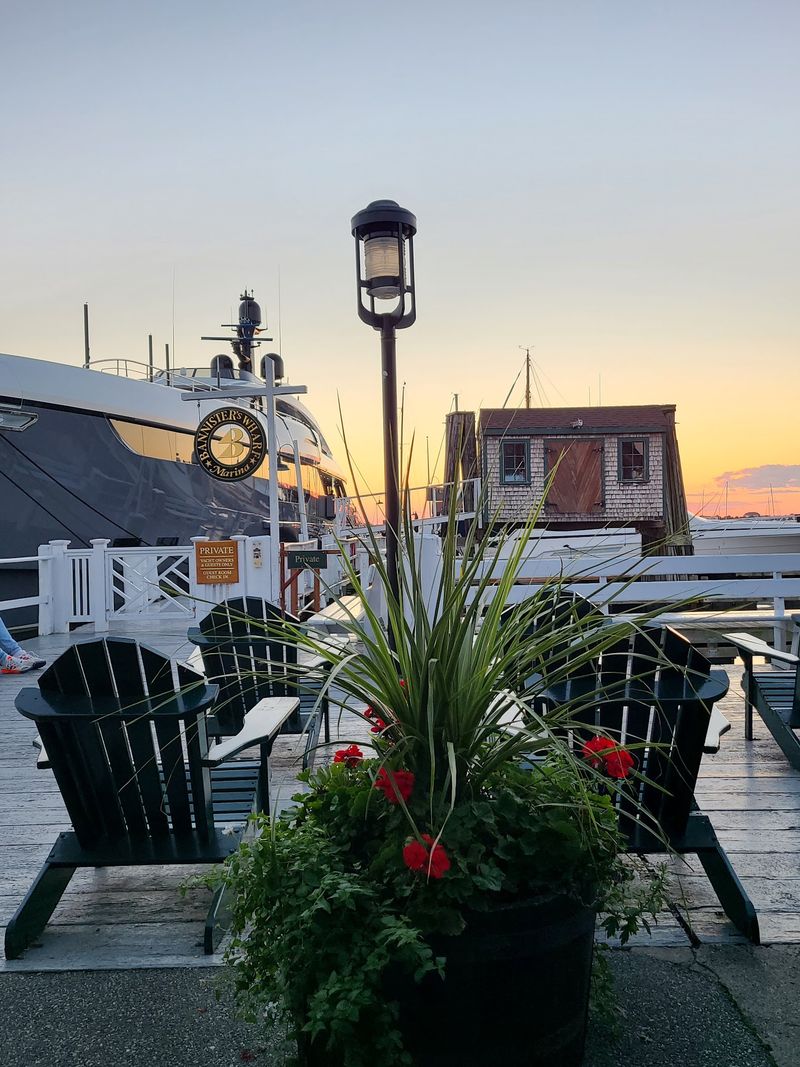
Food is where visitor dollars land hardest. In 2024, food and beverage establishments captured the largest share of Rhode Island visitor spending at roughly 1.5 billion dollars.
That kind of demand reshapes a dining scene fast. Newport now offers everything from polished fine dining rooms to casual counters, plus rooftop decks with harbor views that fill up the moment the sun cooperates.
Popularity has a physical footprint. Some cafes and restaurants set out stanchions during busy periods just to organize the lines snaking down the sidewalk.
Rhode Island’s food reputation reaches well beyond state borders, which keeps pulling curious travelers in. Seafood remains the anchor, though menus have broadened considerably over the past decade.
Residents notice the trade-offs. Casual neighborhood spots that once served regulars year-round sometimes give way to seasonal concepts built around summer volume.
Reservations have become a strategic decision rather than a casual afterthought. Locals often shift their dining habits to weekday evenings or the shoulder months when tables open up.
Kitchens here have adapted with real creativity. Chefs source from nearby waters and farms while designing menus flexible enough to handle both a packed August and a slow March.
The food keeps getting better. It just requires more planning to enjoy it.
Recreational Activities Popular Among Tourists
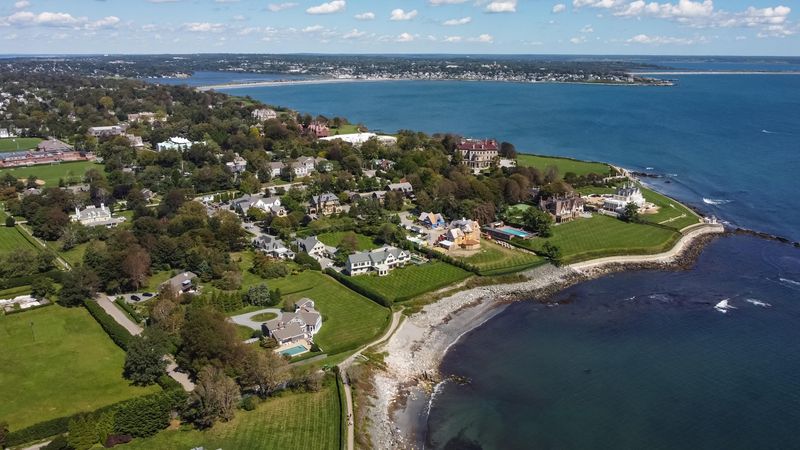
Sailing is basically the local language. Newport’s reputation as the Sailing Capital of the World was earned over decades of hosting world-class racing, including many years of the America’s Cup.
The Cliff Walk pulls a different crowd. Walkers get the Atlantic on one side and enormous Gilded Age estates on the other, which is a fairly unbeatable combination for a free activity.
Mansion tours stay wildly popular. The Breakers, an 1895 estate modeled after a Renaissance palace, remains the headliner among the Bellevue Avenue properties.
Heritage tourism drives much of this. Travelers come specifically for history, architecture, and the stories attached to old walls, and Rhode Island has built real economic strength around that interest.
Beaches round out the appeal. The state offers nearly 400 miles of coastline and more than 100 public and private beaches, so shoreline options are never in short supply.
Events fill the calendar year-round, from music festivals to boat shows to seasonal celebrations. There is rarely a weekend without something scheduled.
Locals still enjoy all of it, just on their own timing. Early mornings on the Cliff Walk and off-season mansion visits are the quiet workarounds that keep the fun accessible.
Housing Market Trends And Affordability Issues
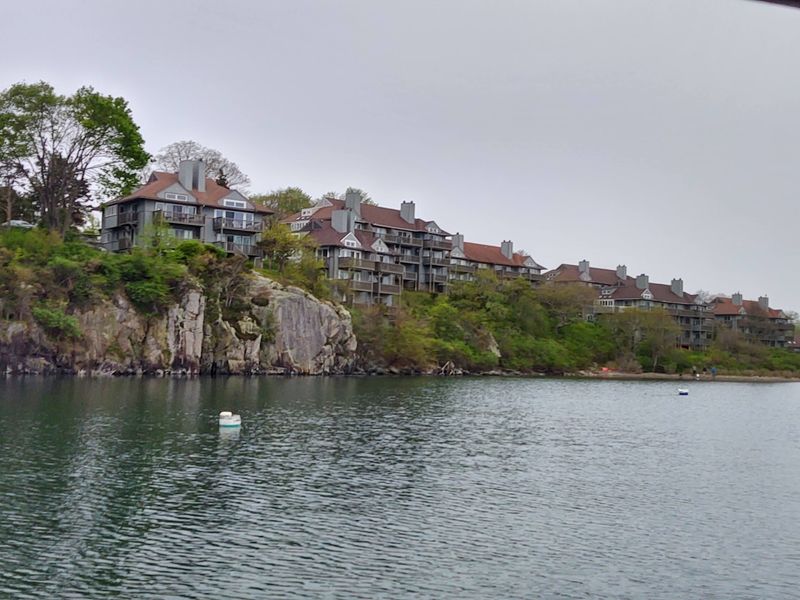
Numbers tell this story better than adjectives can. As of December 2024, the median home price in Newport sat at 810,000 dollars, requiring an estimated annual income of 284,479 dollars to afford comfortably.
Between December 2024 and December 2025, the median listing price jumped 22 percent to roughly 1.1 million dollars. That is a steep climb in a single year.
Renting is not much gentler. A two-bedroom apartment in 2024 required an annual income of at least 76,920 dollars.
Short-term rentals sit at the center of local complaints. Housing that could shelter year-round families instead cycles through weekend guests, and residents point to the strain it puts on municipal services.
Developers have leaned toward luxury condos and hotels when land becomes available. Workforce housing and public amenities frequently lose out in those decisions.
Peak-season lodging rates climb high enough that visiting relatives get genuine sticker shock, with minimum-stay requirements common on top of it.
Newport has actually exceeded the state’s low-income housing goal, which sounds encouraging. The gap sits squarely with low-to-middle-income households who earn too much to qualify for assistance and too little to buy in.
More workers now commute into Newport County from elsewhere. Living where you work has become the harder option.