
These 6 Places In Georgia Are Seeing More Copperheads During The Summer Months
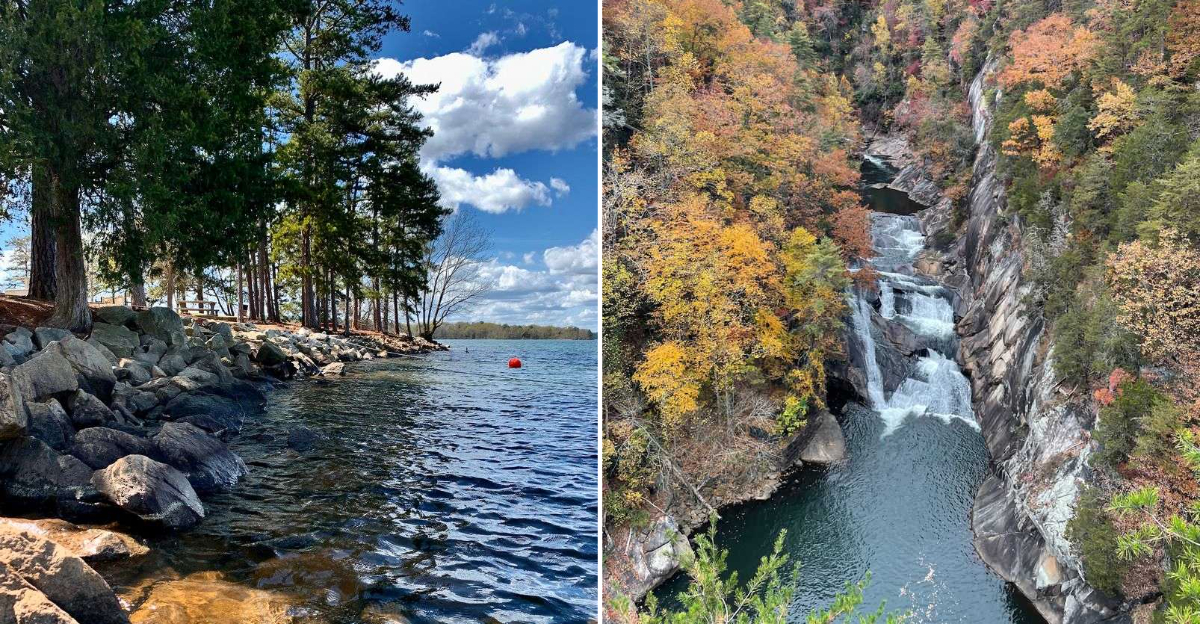
Copperheads are one of nature’s more striking creatures, deserving respect from a safe distance rather than fear up close. These Georgia locations have seen increased activity during the summer months this year.
Wildlife officials tracked the rise across these specific areas compared to previous seasons. Warmer temperatures likely played a role, pushing snake activity higher earlier in the season than usual.
Wooded areas and rocky terrain tend to see the highest concentrations, especially near water sources. Homeowners report more frequent encounters close to houses, sometimes in gardens or near woodpiles.
Officials recommend basic precautions like watching where you step and clearing brush near living spaces. These areas remain worth extra caution as sightings continue through the rest of the season.
1. Blood Mountain Shelter
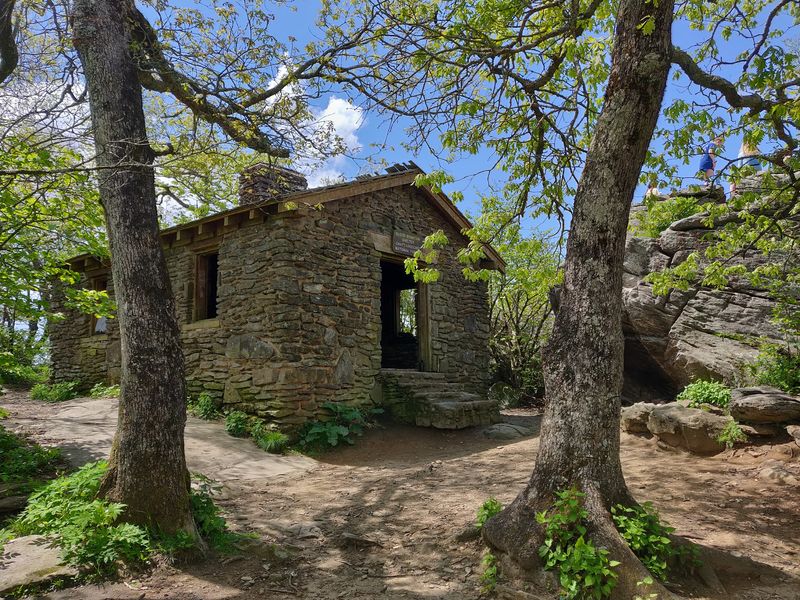
Georgia’s tallest peak on the Appalachian Trail tops out at 4,458 feet, and the climb earns every one of them. Boulders wear coats of gray-green lichen, and rhododendron crowds the path like it owns the place.
The name comes from old stories of fierce battles between Creek and Cherokee people on these slopes. Whether the legend is exact history or mountain folklore, it stuck, and it fits the moody feel of the ridge.
Two main routes get hikers to the top. The Appalachian Trail section from Neels Gap is the classic, while the Byron Reece Trail offers a shorter, steeper approach with fewer crowds at the trailhead.
Near the summit, the trees open up, and the payoff arrives. Yonah Mountain sits off in the haze, and Lake Winfield Scott glints below like someone dropped a coin in the valley.
Now for the scaly part. Copperhead sightings climb here during summer, especially along shaded trail edges and sun-warmed rock outcrops where their pattern melts into fallen leaves.
Those hourglass markings are honestly impressive camouflage. A copperhead lying still on brown leaf litter can look exactly like a pile of brown leaf litter, which is the entire point.
Rock scrambles are worth extra care. Hands go on ledges without eyes checking first, and that’s the situation most likely to surprise both parties.
Hiking poles help more than people expect. Tapping ahead on narrow, overgrown sections gives a snake plenty of warning to slip away quietly.
Boots that cover the ankle are smart on this mountain anyway, since the footing is uneven and roots are everywhere. The extra protection is a bonus.
Early morning starts also cut down on encounters. Copperheads shift toward evening and nighttime movement when temperatures spike, so a sunrise hike lines up well with a quieter trail.
If one does appear, the answer is refreshingly simple. Stop, back up a few steps, and go around with a wide margin.
Bites almost always happen when someone tries to grab or pose with the snake. Skipping that step keeps the day pleasant.
The stone shelter near the top has watched over hikers since the 1930s. Copperheads have been part of this landscape far longer.
It is located at Appalachian Trl, Blairsville, GA 30512.
2. Chattahoochee River National Recreation Area
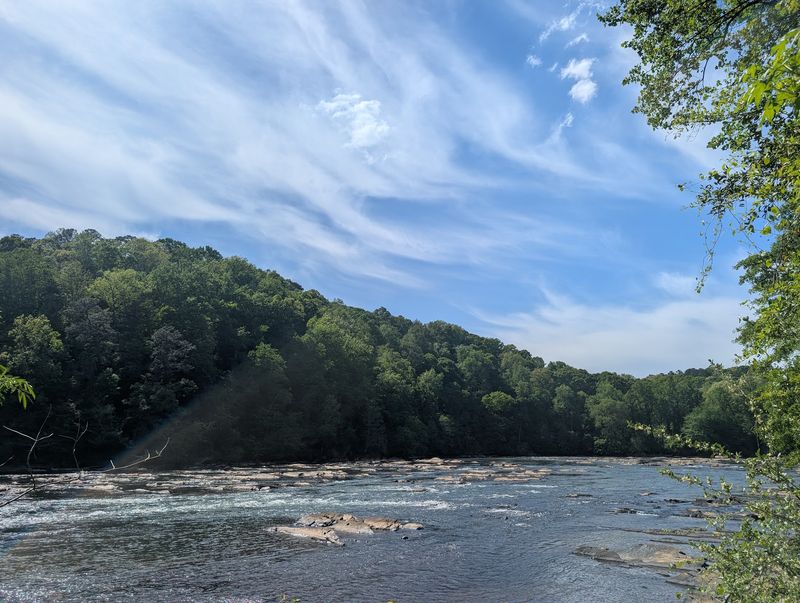
Forty-eight miles of river, chopped into a string of parks, sitting right next to metro Atlanta traffic. It’s a strange and wonderful setup where herons and highway noise share the same afternoon.
The habitat mix along the corridor is what makes it so lively. Damp riverbanks, marshy pockets, hardwood slopes, and steep rock cliffs all stack together within short distances.
Sope Creek is one of the best sections for wandering. Crumbling walls of an old paper mill sit right beside the water, plus crossing points tied to Civil War troop movements.
Copperheads happen to be the venomous snake people run into most often across this recreation area. They favor shaded, weedy ground near water, which describes a huge chunk of the property.
Riverside trails give them everything on the wish list. Cool leaf cover, plenty of frogs and mice, and rocks that hold warmth after the sun drops.
Tubing and paddling crowds usually never see one. The snakes stay in the brush, not the current, and prefer to avoid all the splashing.
Where people should slow down is at the transition zones. Trail shoulders, log piles, and the strip of vegetation between path and water are prime spots.
Flip-flops are the real hazard on these paths. Closed shoes handle roots, mud, and any accidental close encounters far better.
Dog walkers deserve a special note. A leashed dog stays out of the thick stuff, and thick stuff is exactly where a resting copperhead is likely to be.
Nonvenomous water snakes get blamed constantly around here. They’re common, they swim in the open, and they look nothing like a copperhead once you know the hourglass pattern.
Actual copperheads have a coppery head, dark bands wider at the sides, and a habit of freezing instead of fleeing. That freeze response is why walking past one happens more often than anyone realizes.
Island Ford has a visitor center worth a quick stop before hitting the trail. Rangers there share current wildlife notes and trail conditions.
Summer evenings bring the most snake movement, so daylight outings are the easy call. Fireflies over the water are a fair trade for heading home before dark.
Visit it at 1978 Island Ford Pkwy, Sandy Springs, GA 30350.
3. Stone Mountain Park
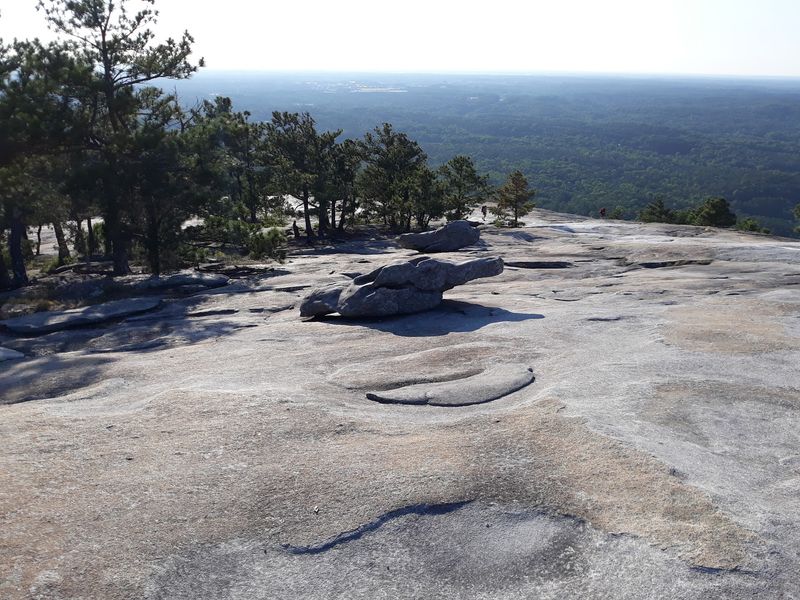
A single hunk of granite rising out of the Georgia woods, surrounded by 3,000 acres of park. The scale of that dome never quite makes sense until you’re standing at the base of it.
More than 15 miles of trails loop through the property. Some are flat, shady strolls, and one is the Walk-Up Trail that hauls you straight to the summit.
The view from the top delivers. Atlanta’s skyline sits on one horizon, and on a clear day the far-off Appalachians show up as a faint blue smudge.
Terrain here reads like a copperhead habitat checklist. Granite outcrops, hardwood forest, brushy edges, and quiet lake shoreline all in one place.
Sun-baked rock is the big draw. Stone holds heat long after sunset, which is exactly the kind of warm surface a snake will settle against on a summer night.
The Walk-Up Trail has crumbling rock and small crevices along the sides. Those gaps make excellent hiding spots during the hottest hours.
Cheekiness aside, the odds of trouble are low. Foot traffic here is heavy, and heavy foot traffic pushes shy snakes toward the quieter fringes.
The quieter fringes are where hikers should pay attention. Cherokee Trail loops around the base through woods and along the lake, and that’s a different vibe entirely.
Kids exploring off-path is the main thing to manage. Reaching into rock cracks or lifting logs is how a calm outing gets exciting for the wrong reasons.
Sticking to the marked route solves nearly everything. Copperheads are not chasing anyone; they’re waiting to ambush a mouse.
The carving on the north face pulls most of the attention, but the ecology of a granite outcrop is genuinely rare. Shallow soil pools support plants found almost nowhere else.
Those same pools attract frogs, and frogs attract snakes. The food chain here is compact and efficient.
Bring water, because the exposed rock turns into a skillet by midday. Heat exhaustion sends far more people home early than any snake ever will.
Evening laser shows draw big crowds in summer, and walking the paths afterward in the dark is when a flashlight earns its keep.
The address is 1000 Robert E Lee Blvd, Stone Mountain, GA 30083.
4. Providence Canyon State Park
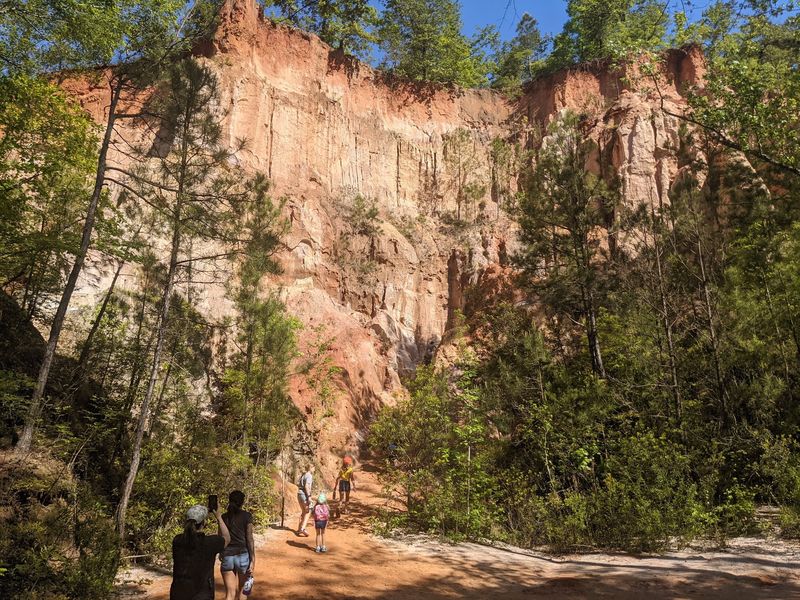
Southwest Georgia hides a canyon that looks like it wandered over from Arizona and decided to stay. Walls climb up to 150 feet, striped in orange, white, pink, and deep purple.
The wild part is the origin story. These gullies were carved by bad farming practices in the 1800s, meaning the whole spectacle is an accidental monument to soil erosion.
Nine canyons branch off the main area, and the Canyon Loop Trail drops right down onto the floor. Sandy creek beds run between those towering, crumbly walls.
Footing down there is its own adventure. Park guidance points hikers toward the middle of the creek beds, since the soft edges behave like quicksand.
Mud is basically guaranteed. Shoes come out orange, and that stain is a badge of honor around Lumpkin.
Snakes fit into this picture naturally. Mixed woodlands along the rim and the shaded canyon floor both offer copperheads cover and hunting ground.
Copperheads have been spotted in the park, which surprises nobody who knows their habits. They like edges, and this place is nothing but edges.
Fallen trees and washed-out root tangles line the creek beds. Those hollows are ideal daytime shelter when the sun is punishing.
Because eyes tend to drift upward at the canyon walls, watching the ground takes conscious effort. Splitting attention is the whole trick here.
Long pants help with more than snakes. Briars and scratchy brush along the loop are relentless in summer.
Rusted-out old cars sit in one section, left behind by families who once lived on this land. Nature has been slowly swallowing them for decades.
Those vehicle shells are exactly the kind of shaded, cluttered spot snakes appreciate. Admiring them from a few feet back is the smart move.
Spring brings blooming plumleaf azalea, a rare flower that grows almost exclusively in this corner of the state. Summer visitors get the color of the canyon walls instead.
Cell service is patchy, so telling someone your plan before heading down is worth doing. Help is not around the next bend.
Find it located at 8930 Canyon Rd, Lumpkin, GA 31815.
5. Lake Hartwell
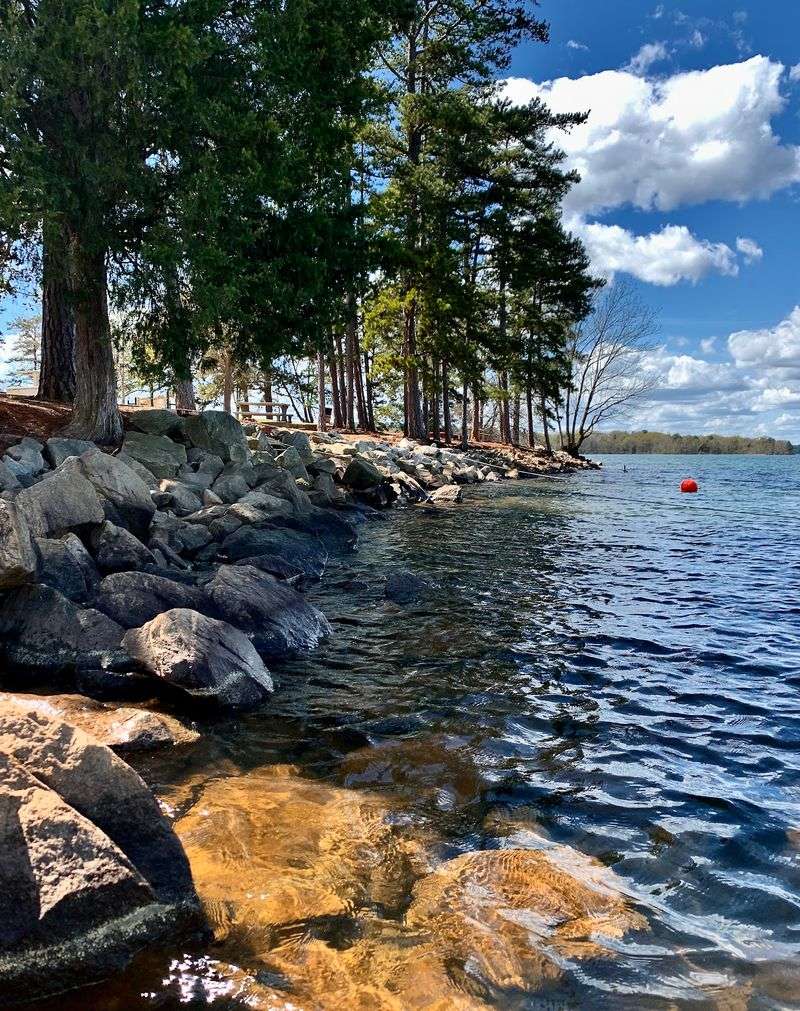
Over 400 miles of shoreline. That number alone explains why Lake Hartwell turns into a summer headquarters for half the Southeast.
Boats, waterskiing, tubing, swimming, and fishing tournaments that pull national attention for bass and stripers. The lake stays busy from Memorial Day straight through Labor Day.
What most people overlook is how much wooded, brushy shoreline surrounds all that open water. Rocky banks, downed timber, and shady coves ring the entire reservoir.
Copperheads favor exactly that combination. Water nearby, thick cover, and small prey moving through the leaf litter at dusk.
Campgrounds and picnic areas sit right against those wooded edges. A cooler set down in tall grass is a small gamble not worth taking.
Boat ramps and rip-rap rock walls deserve a second look too. Warm stone with gaps between the rocks is prime snake real estate.
Most water snakes people spot here are harmless. Northern water snakes swim boldly across coves and get accused of being copperheads constantly.
A copperhead’s head is a coppery tan, and its bands pinch narrow along the spine. Water snakes have blotchier, less tidy patterns and a rounder face.
Fishing along the bank calls for a little extra awareness. Reaching into brush after a snagged lure is the classic setup for an unhappy surprise.
Headlamps make night walks between campsite and dock much safer. Copperheads move more after dark once daytime temperatures get brutal.
Kids playing in shoreline weeds should wear shoes. Bare feet plus tall grass is a combination worth skipping.
The lake was created in the 1950s when the Corps of Engineers dammed the Savannah River. Whole roadbeds and foundations still sit underwater, which anglers absolutely love.
Those flooded structures hold fish, and the shoreline holds everything else. It’s a full ecosystem stretched across two states.
Georgia and South Carolina share this water, so signage and rules shift depending on which shore you’re standing on. Wildlife, naturally, ignores the state line completely.
Keep campsites clean and food sealed. Fewer mice around means fewer reasons for a copperhead to visit.
6. Tallulah Gorge State Park
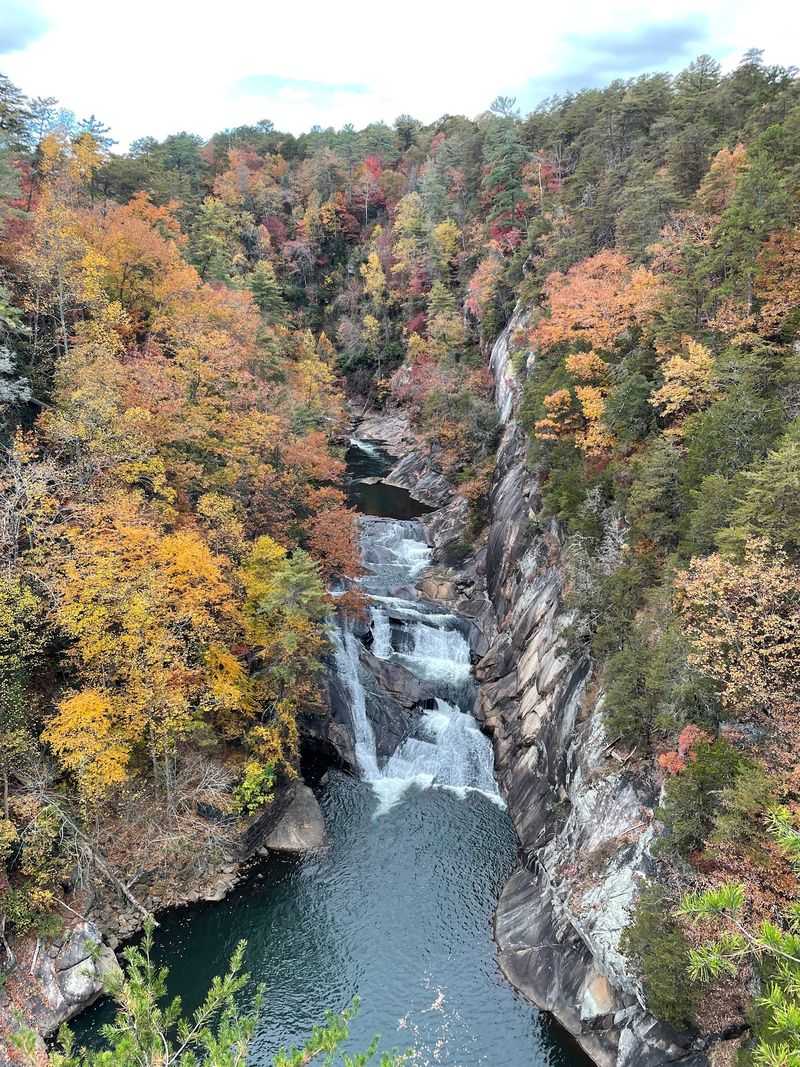
Nearly 1,000 feet deep and two miles long, this gorge is one of the most dramatic canyons east of the Mississippi. Standing at an overlook, the scale is almost hard to process.
Waterfalls do the heavy lifting for the scenery. Hurricane Falls drops into the chasm with a roar that carries all the way up to the rim trails.
A suspension bridge hangs 80 feet above the rocky bottom and sways just enough to get your attention. The view down the river from the middle is the money shot.
Rim trails handle the sightseeing. Getting to the gorge floor requires a permit, and only a limited number are issued each day.
Down there, the route means scrambling across boulders and wading around slick rock. It’s a genuine workout, not a casual stroll.
Copperheads have been reported along the Tallulah River and the trails threading through the area. Rocky, shaded, heavily wooded ground suits them perfectly.
The boulder field on the gorge floor might be the single best snake habitat in the park. Endless crevices, cool shade, and warm rock all within a few feet.
Hands become feet during those scrambles, so looking before grabbing matters. A glance at each ledge costs nothing.
Staircases along the rim have hundreds of steps and plenty of leafy edges. Snakes occasionally rest right where the sun hits the wooden treads.
Rangers at the interpretive center track conditions and answer wildlife questions. Stopping in before a floor hike is genuinely useful.
Here’s a fun bit of history: Karl Wallenda walked a tightrope across this gorge in 1970 while thousands watched. The anchor points are still visible from the overlooks.
Scheduled water releases from the dam send whitewater through the gorge on certain weekends. Paddlers show up in droves for those days.
Heat and humidity down in the canyon get intense, so extra water is not optional. Cramping hikers cause more rescues here than any snake.
Give any copperhead a wide berth and keep moving. The gorge has plenty of room for both of you.
Head to 338 Jane Hurt Yarn Rd, Tallulah Falls, GA 30573.