
This Map Reveals Florida’s Worst Mosquito Hotspots This Summer

Grab a pen, because Florida just handed you a warning worth studying. Cities up and down the coast are staging their biggest mosquito takeover of the summer.
Warm rain fills every gutter, canal, and forgotten flowerpot, turning quiet neighborhoods into breeding grounds almost overnight.
Tides, storms, and shade shape the risk differently in each spot. A new map traces exactly where the trouble builds fastest across the state, and the pattern might genuinely surprise you.
Coastal breezes bring relief in certain corners, while inland pockets turn brutal once the sun drops low. Florida rewards travelers who plan their days around the buzz instead of fighting it blind.
Curious which spots made the cut? The full breakdown waits just below, ready for your next trip.
Fort Lauderdale
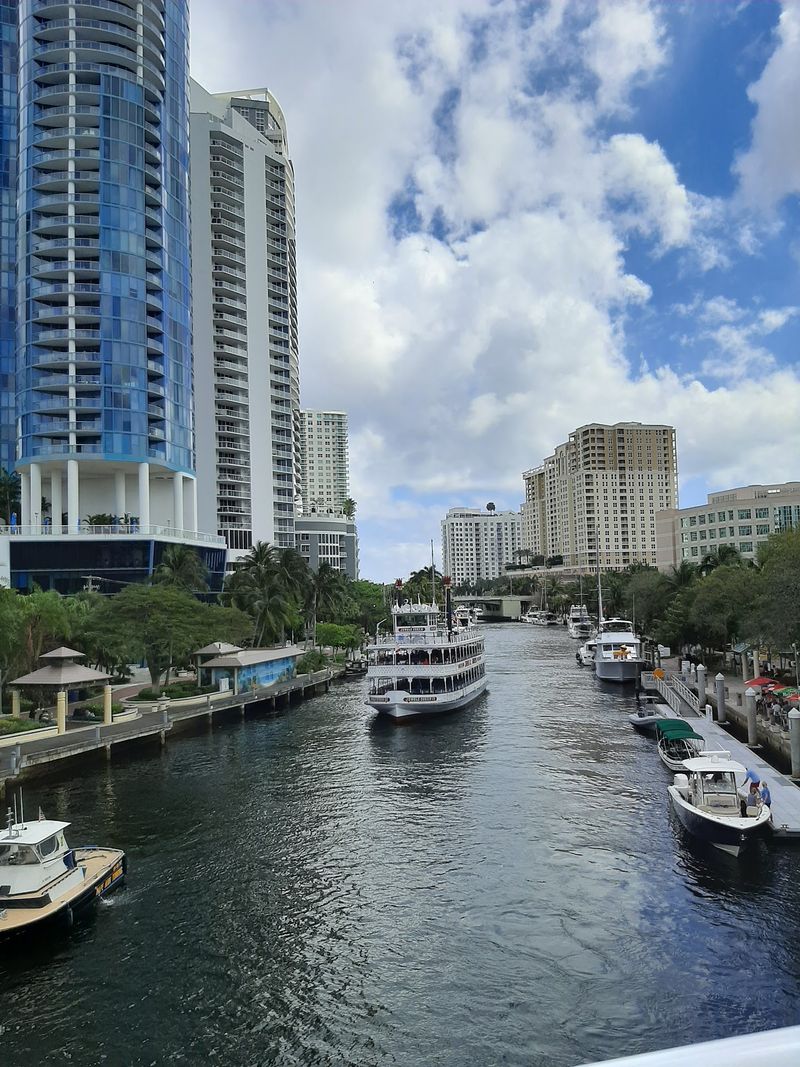
Canals everywhere, boats everywhere, mosquitoes everywhere. Water defines this city, and insects notice.
Activity runs all year in Broward County. The real surge starts with the rainy season, roughly May through October.
August and September hit hardest. Afternoon thunderstorms refill every low spot, planter, and drainage ditch almost daily.
Salt marsh species show up near the coastal edges. Freshwater species handle the neighborhoods and backyards.
Las Olas Boulevard stays lively after sunset. That is also when biting picks up, so treat your ankles before you stroll.
Beach mornings tend to be easier. Wind off the Atlantic keeps the worst of it moving along.
Kayak trips through the canals need extra thought. Shaded mangrove edges hold resting mosquitoes waiting for a passing paddler.
Pack a repellent with a proven active ingredient and reapply after swimming. Sweat and saltwater wear it down faster than people expect.
Hotels with screened pool decks make evenings far more pleasant. Ask before booking if you plan to linger outdoors.
Local mosquito control crews do treat problem areas. Coverage varies, so personal protection still carries most of the weight.
Enjoy the water city, but let the bugs know you came prepared.
West Palm Beach
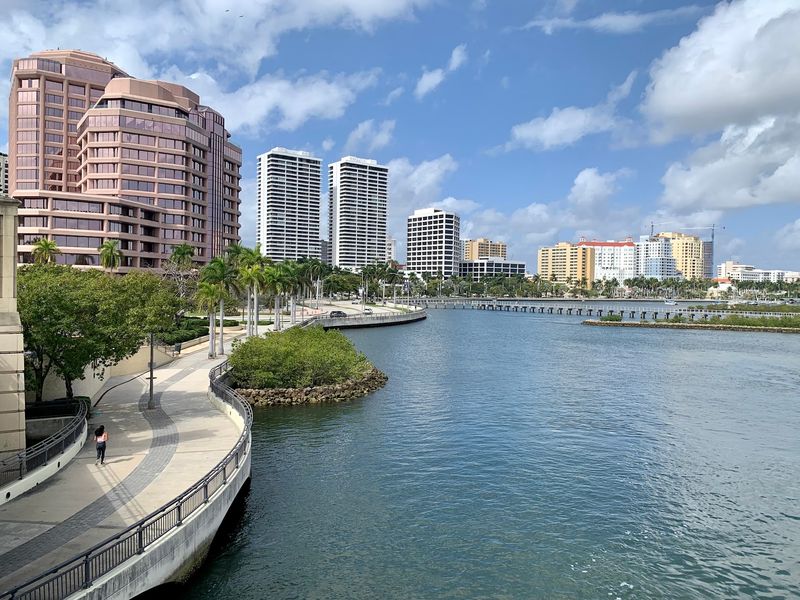
Beautiful landscaping comes with a catch. Those glossy bromeliads collect water in their leaves, and mosquitoes move right in.
Palm Beach County sees activity nearly year round. Peak months run May through October, with late summer feeling especially heavy.
Container-breeding species cause the biggest headache here. They lay eggs in tiny water pockets and bite during daylight hours.
Spray trucks struggle against them. Fogging reaches flying adults, not larvae hiding inside a plant leaf or a bottle cap.
County health officials have posted mosquito-borne illness advisories in past seasons. Checking current notices takes a minute and saves guesswork.
If you stay in a vacation rental, walk the yard once. Tip out birdbaths, buckets, wheelbarrows, and clogged gutter corners.
Golf outings and garden tours deserve daytime repellent. Waiting until dusk misses the species that bite at noon.
Light-colored clothing helps a little. Dark fabrics attract more attention from biting insects in open sunlight.
Waterfront dining stays pleasant when a breeze runs. Sheltered courtyards feel calmer and buggier at the same time.
A clip-on fan for outdoor seating sounds silly. It works, because mosquitoes fly poorly against moving air.
Come for the palms and museums, and let the bromeliads keep their secrets.
Tampa
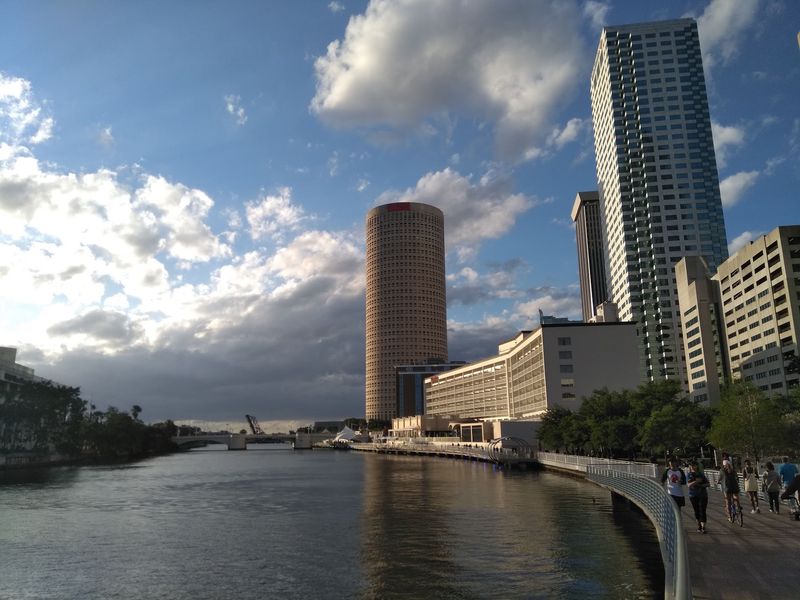
Bay breezes feel wonderful until you wander inland. Marsh edges and retention ponds change the mood fast.
Hillsborough County keeps mosquitoes busy nearly all year. Peak pressure lands between May and October.
Warm air, heavy rain, and tidal flats build steady breeding habitat. Add neighborhood ponds and the numbers climb.
The county has reported dengue cases in recent seasons. Local advisories offer the clearest picture during your visit.
Riverwalk evenings stay popular. Bring repellent if you plan to sit near the water after sunset.
Salt marsh mosquitoes can travel surprising distances. A calm night pushes them into neighborhoods well away from the shoreline.
Morning bike rides usually beat the worst activity. Midday heat also slows biting in open, sunny stretches.
Nature parks around the bay reward early starts. Cover your legs, because tall grass hides resting insects.
Baseball, cafes, and Ybor City streets keep you busy after dark. Repellent in a pocket handles the rest.
Standing water on your rental patio deserves a quick dump. Even a saucer under a plant counts as a nursery.
Tampa rewards planning. Time your outdoor hours well and the bay keeps its charm without the itch.
Miami

Humidity here does not take days off. Miami sits at the top of almost every mosquito conversation in Florida.
Pressure builds between May and August. Warm air, daily storms, and standing water create ideal breeding conditions across Miami-Dade County.
Health officials have issued alerts here before. Dengue transmission has flared in late summer, so local advisories are worth checking before you plan long outdoor evenings.
City life adds to the problem. Empty lots, clogged gutters, and neglected yards hold water long enough for eggs to hatch.
Dawn and dusk bring the heaviest activity. Plan patio dinners a little later, or keep repellent in your bag for the walk back.
Long sleeves in linen work better than you expect. They breathe well and cover the ankles and forearms mosquitoes love most.
Beach breezes help along the shoreline. Step inland toward gardens and shaded courtyards, and the biting picks up quickly.
If you rent a place with a yard, tip out saucers under potted plants. Small water pockets do most of the damage.
Screened balconies are worth asking about when booking. That single detail changes how much time you actually spend outside.
Miami still delivers on food, music, and color. Just treat repellent as part of the outfit, not an afterthought.
Orlando

Theme park magic has a buzzing side plot. Orange County stays active with mosquitoes throughout the year.
Numbers climb hard in the hot months. Rain fills retention ponds in nearly every neighborhood and resort area.
Dense landscaping gives adults shady daytime hiding spots. Lakes, wetlands, and drainage ditches supply the rest.
The county has issued advisories tied to West Nile virus activity in past seasons. Local updates are the reliable source.
Areas near Lake Nona, Winter Park, and Eastwood tend to see noticeable activity. Waterside walking paths feel it most.
Park days help you more than you think. Crowds, pavement, and open sun are not mosquito favorites.
Evening fireworks are another story. Grab a spot with airflow and treat exposed skin beforehand.
Resort pool decks near landscaped ponds get lively at dusk. A quick repellent pass before dinner solves most of it.
Family trips run smoother with kid-safe formulas. Check labels for age guidance before applying to small children.
Long, lightweight pants beat shorts during nature trail visits. Ankles take the worst hits on shaded boardwalks.
Orlando still delivers thrills. Pack repellent beside the sunscreen and the itch never enters the highlight reel.
Jacksonville
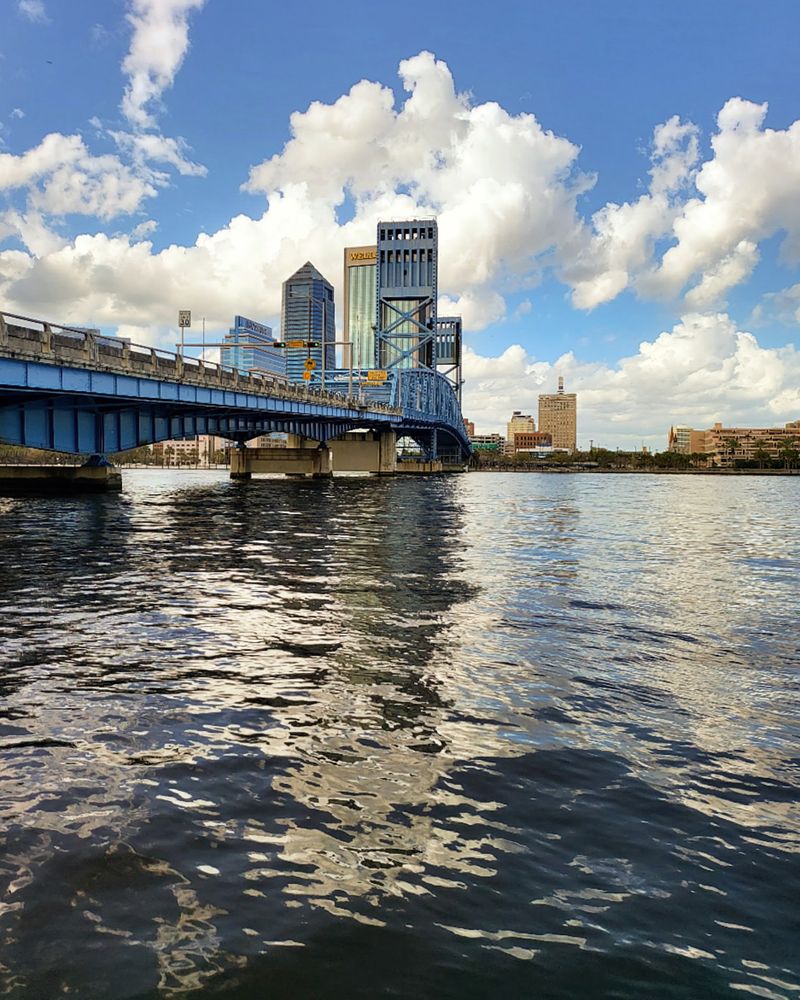
North Florida does not get a pass. Duval County runs one of the region’s longest mosquito seasons.
Peak months stretch from May through October. Warmth, humidity, and steady rain keep populations going.
Tidal marshes surround much of the city. Salt marsh species hatch in waves after high tides soak the mud.
Summer thunderstorms add freshwater breeding sites. Ditches, yards, and low ground fill quickly and drain slowly.
Riverfront parks look wonderful at sunset. That timing overlaps with the busiest biting window, so plan accordingly.
Beach areas east of the city catch more wind. Inland creeks and wooded trails feel much heavier.
Fishing trips deserve extra protection. Marsh edges at dawn bring both good bites and bad ones.
Repellent on clothing lasts longer than on skin alone. Treat hats, sleeves, and pant cuffs before heading out.
If you rent a home with a yard, check for water in tarps and toys. Small containers create big problems.
Sprawl means conditions vary across town. One neighborhood feels fine while another buzzes constantly.
Jacksonville rewards visitors with river views and quiet beaches. Guard your skin and those views stay the main memory.
Fort Myers

Ten months of mosquito season sounds like an exaggeration. In Lee County it is closer to routine.
Activity peaks from June through October. Warm temperatures and afternoon rain keep the cycle running.
Canals and retention ponds sit everywhere across the area. Each one offers quiet water for eggs and larvae.
The county has confirmed cases of West Nile virus, Eastern equine encephalitis, and dengue fever in past years. Advisories change, so check current notices.
Mosquito control here goes further than most places. Crews use truck spraying, aerial work, and drones releasing sterilized male mosquitoes.
Even with that effort, personal protection matters. Control programs reduce numbers rather than erase them.
Waterfront dining feels best when a breeze runs off the river. Still evenings get noticeably itchier.
Beach days on the barrier islands tend to be easier. Wind helps, and open sand offers little shelter for insects.
Nature preserves nearby deserve morning visits and covered legs. Shaded trails hold resting mosquitoes through the day.
Keep repellent in the car, not the hotel room. The moment you need it is rarely the moment you planned.
Southwest Florida sunsets are worth the effort. Prepare a little and you will actually enjoy watching them.
Naples
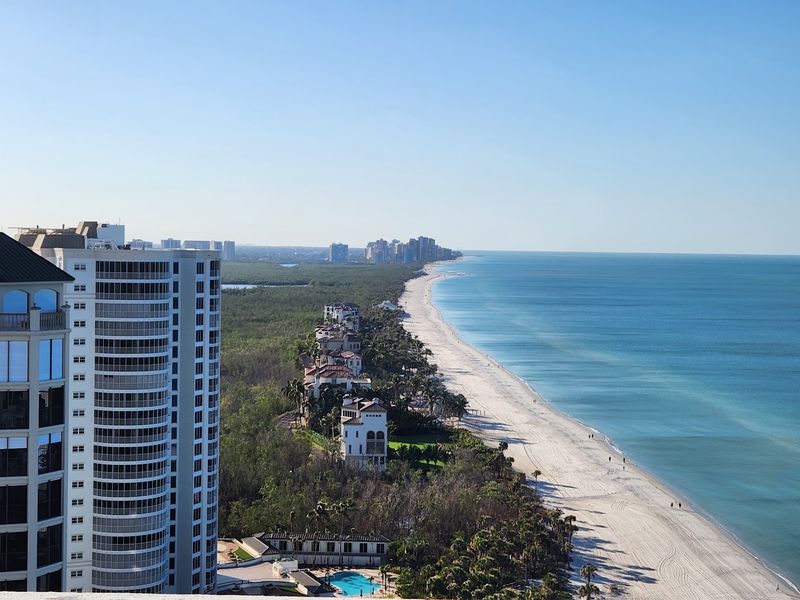
Mangroves make the coastline gorgeous. They also hold eggs that wait patiently for the next high tide.
Collier County stays warm and humid nearly all year. Wet season brings peak populations, roughly June through October.
Salt marsh mosquitoes arrive in late spring. Dormant eggs in mangrove beds hatch in huge batches after flooding tides.
The Everglades sit just to the east. Canals, sloughs, and preserves add endless breeding room.
Sunset on the pier draws crowds for good reason. Apply repellent before you walk out, not after the first bite.
Gulf breezes offer real relief along the shore. Step into a shaded garden and the calm air changes everything.
Boardwalk nature trails reward early morning visits. Bring covered shoes and lightweight long sleeves.
Local mosquito control runs active programs during peak months. Aerial and ground treatments help, though results shift with rainfall.
Vacation rentals with screened lanais are worth seeking out. Outdoor breakfasts become far more relaxing.
Golf courses and manicured lawns still hold water in odd corners. Sprinkler puddles count more than people realize.
Naples keeps its polished, quiet charm all summer. Bring repellent, respect the tides, and the mangroves stay a highlight instead of a hazard.
Sarasota
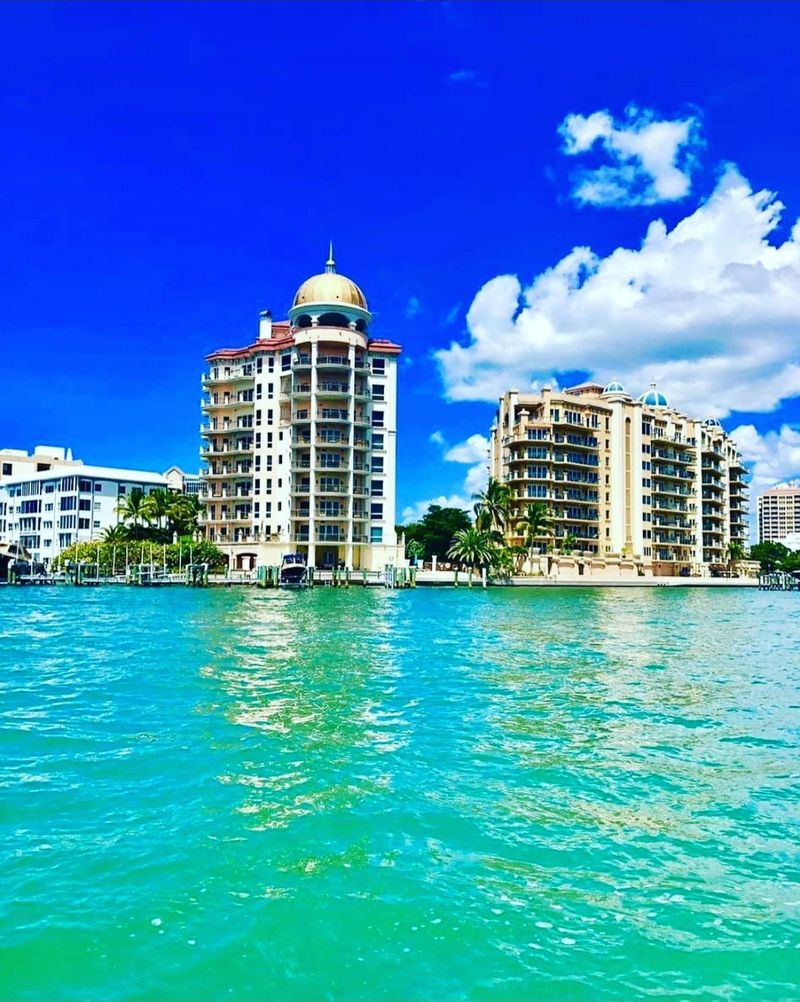
White sand and turquoise water get all the attention. Rainy season quietly brings a second story.
Sarasota County sees peak mosquito activity from May through October. Storms and standing water drive the surge.
Mosquito Management Services monitors for West Nile virus throughout the season. Ground treatments for adult mosquitoes run on a regular schedule.
Officials repeat the same simple advice every year. Drain standing water and limit outdoor time from dusk to dawn.
The county has also reported locally acquired malaria cases in a recent season. Local health updates carry the current details.
Beaches along the barrier islands usually feel breezy and comfortable. Mainland parks and shaded trails get busier with insects.
Evening arts events are popular here. A quick repellent application before walking to the venue keeps the mood pleasant.
Check your rental for water in plant saucers, buckets, and pool covers. Even a small amount supports larvae.
Kayaking through mangrove tunnels is a highlight. Cover your arms and legs, because shade holds resting adults.
Screened porches turn humid nights into relaxing ones. Many rentals include them, so ask when booking.
Sarasota balances culture, sand, and greenery beautifully. Stay aware of local advisories and your summer stays comfortable instead of scratchy.