
This North Carolina Fabric Shop Has Thousands Of Bolts Waiting To Be Discovered
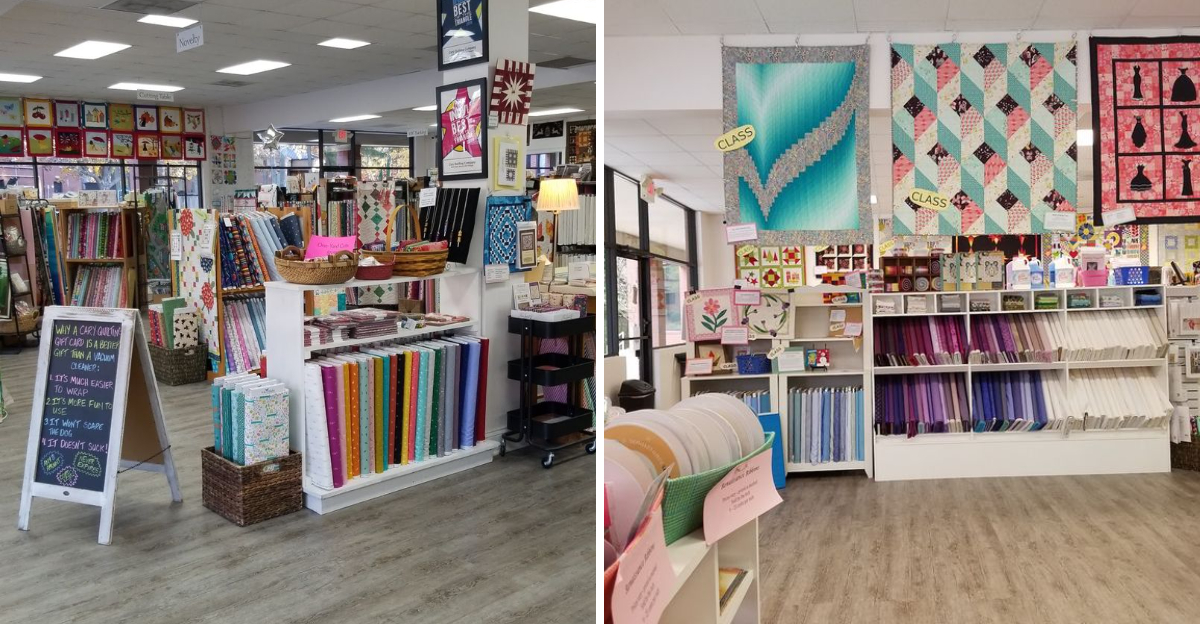
Anyone who has ever bought fabric knows the danger of finding a store where every aisle gives you another reason to change your plans. North Carolina has a shop that takes that feeling to another level.
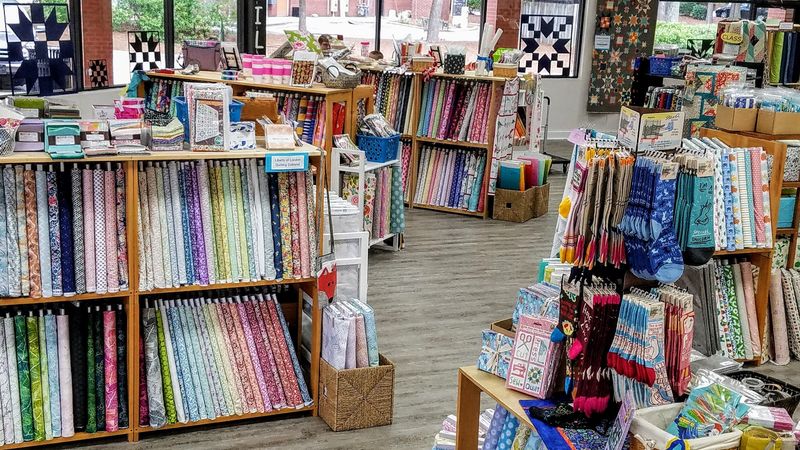
Thousands of bolts fill the space, with colors, patterns, textures, and prints stretching farther than you expect. You might walk in needing fabric for one project and leave mentally planning three more.
That is what makes this North Carolina stop so much fun. The selection invites you to slow down, pull out a few bolts, compare ideas, and see what catches your eye next.
Quilters can lose track of time here, but sewing fans, crafters, and curious shoppers have plenty to browse too. With so much material waiting on the shelves, this is the type of state destination where a quick shopping trip can easily become the highlight of the day. And this state has very few fabric stops quite like it.
A Wall Of Bolts That Stops You In Your Tracks
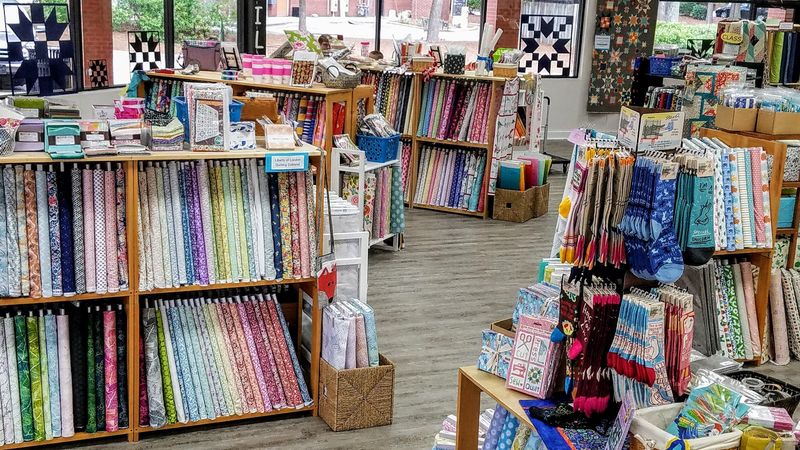
Color hits you first, before anything else registers. Bolts climb the shelves in careful rainbows, and the effect is genuinely hard to look away from.
The selection here leans heavily toward quality quilting cotton rather than bargain-bin remnants. Designer lines rotate often, which means the shop looks different from one season to the next.
Shoppers regularly mention that fabric moves quickly once it lands on the floor. If a print speaks to you, grabbing it that day is the smart move.
Prints range from cheerful novelty designs to quiet neutrals and modern geometrics. Holiday collections appear well before the holidays, so gift-makers can plan ahead.
Wandering slowly is half the fun, and nobody rushes you along. Some folks spend an hour just circling the aisles before choosing a single yard.
Fabric quality gets praised often, and that matters when you plan to sew something meant to last decades. Cheap cloth frays and fades, while good cotton holds up through countless washes.
Bring a color idea, or bring nothing at all. The shelves will give you plenty of suggestions.
Cut By The Inch, Not Just The Yard
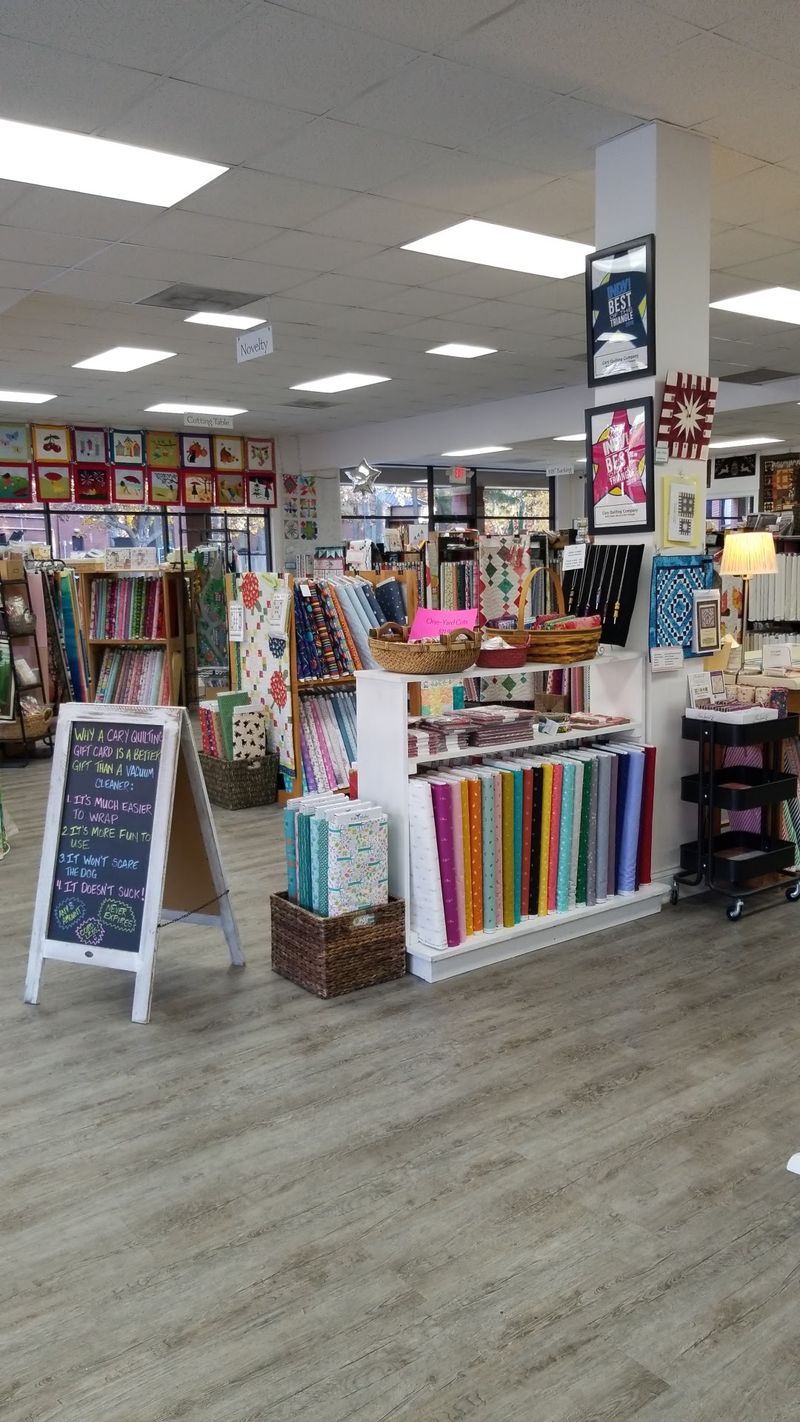
Here is a small policy that quilters absolutely love. In-store fabric gets cut by the inch, not rounded up to the nearest quarter yard.
That sounds minor until you have a pattern calling for an odd amount. Paying for exactly what you need saves money and keeps your scrap bin from overflowing.
The cutting table sits in the flow of the shop, so it is easy to find. Staff measure carefully and fold your pieces neatly before they head to the register.
Note that the by-the-inch option applies to in-shop purchases rather than online orders. Worth knowing before you plan a trip around it.
Beginners benefit most from this setup. Trying a new print in a tiny amount costs very little, which makes experimenting far less scary.
Seasoned sewers use it differently, buying a few inches of many prints to build a scrappy palette. Both approaches work beautifully.
Little details like this separate a real quilt shop from a general craft store. Precision is part of the culture here.
Planning Your Visit To North Harrison Avenue
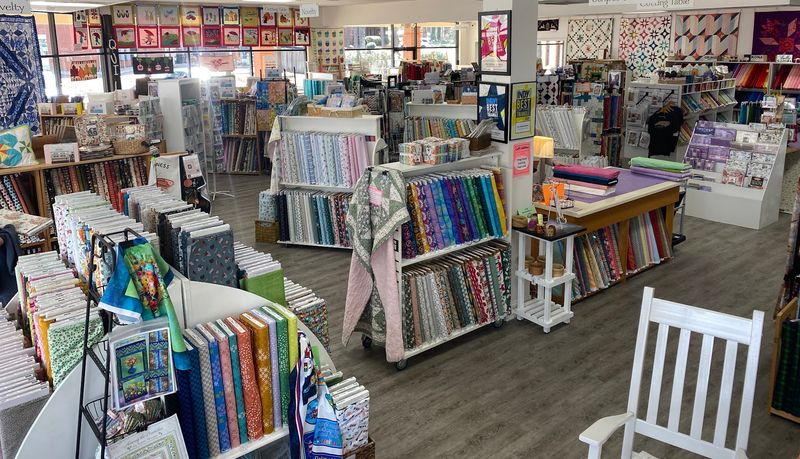
Getting here is refreshingly simple, which is not always true of specialty shops. The address is 935 N Harrison Ave in Cary, North Carolina sitting in the heart of the Triangle.
Parking sits right out front, and both the lot and the main entrance are wheelchair accessible. The store itself is easy to move through with a cart or a stroller.
Drivers coming from Durham, Raleigh, or Chapel Hill can reach the door in well under an hour. Plenty of people fold the trip into a larger errand day.
Cary Quilting Company previously operated closer to the downtown strip before moving to this roomier space. The extra square footage gave the shelves and classroom much more breathing room.
Visibility improved with the move too, so first-timers spot the storefront without circling the block. That alone earns goodwill.
Hours run 10 AM to 5 PM most days, with Sunday opening at 1 PM. Tuesday stretches later, closing at 7 PM for after-work shoppers.
Check the schedule before a long drive. It saves disappointment.
Classes For People Who Have Never Threaded A Needle
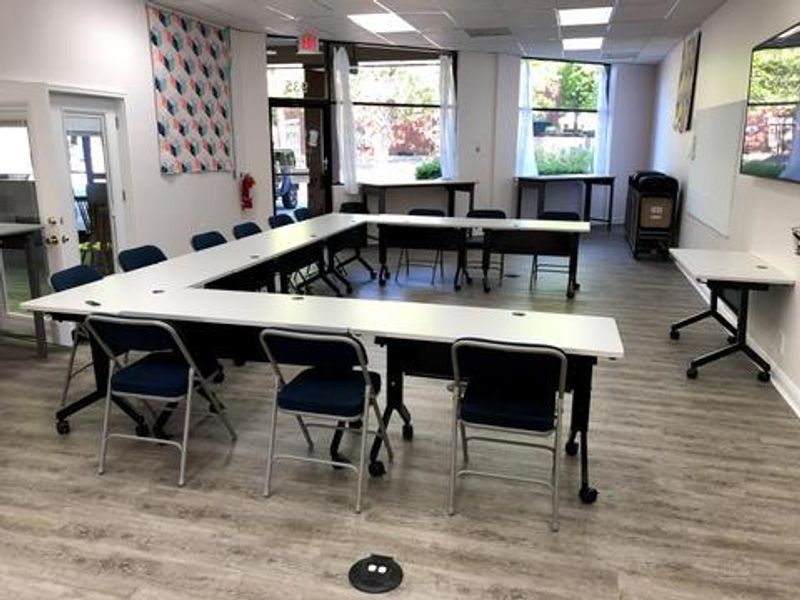
Nobody is born knowing how to piece a quilt block. Classes here start at true beginner level and climb from there.
Group sizes stay small, which means you get actual attention instead of watching from the back row. Instructors adapt patterns on the fly when a project takes an unexpected turn.
Subjects rotate through the calendar, covering everything from basic piecing to specialty techniques. T-shirt quilts are a favorite, turning attic boxes of old shirts into something usable.
Being inside a fully stocked shop is a quiet advantage. Forget an item mid-class and it is fifteen steps away on a shelf.
Cary Quilting Company treats teaching as a core part of the business rather than an add-on. Award-winning teachers lead many of the sessions.
Classes also work as a social outlet. Sitting beside other makers for a few hours builds friendships that outlast the project.
Sign-ups happen through the shop, and popular sessions fill fast. Booking early is the sensible approach.
Kits And Patterns That Take The Guesswork Away
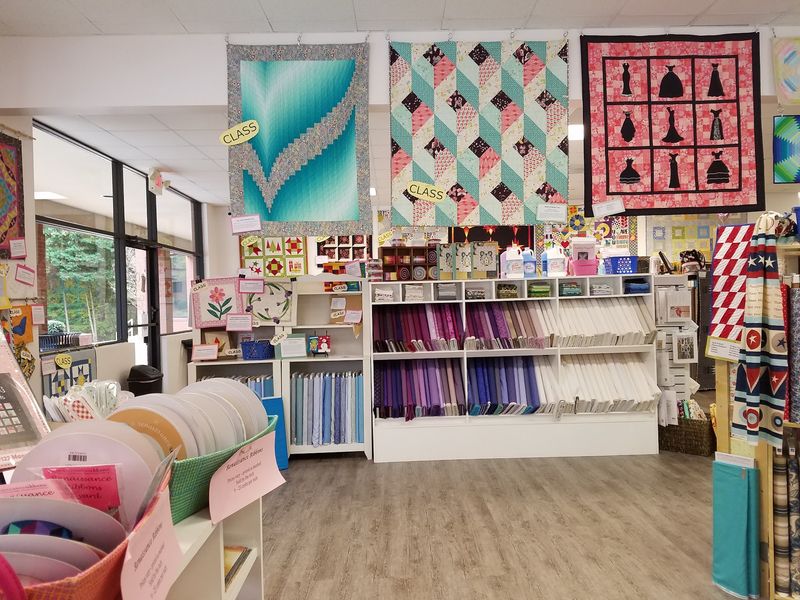
Choice paralysis is real when thousands of prints surround you. Ready-made kits solve that problem in one tidy bundle.
Each kit pairs coordinated fabrics with a pattern, so the hardest decisions are already made. Some displays offer a choice of free pattern with the kit purchase.
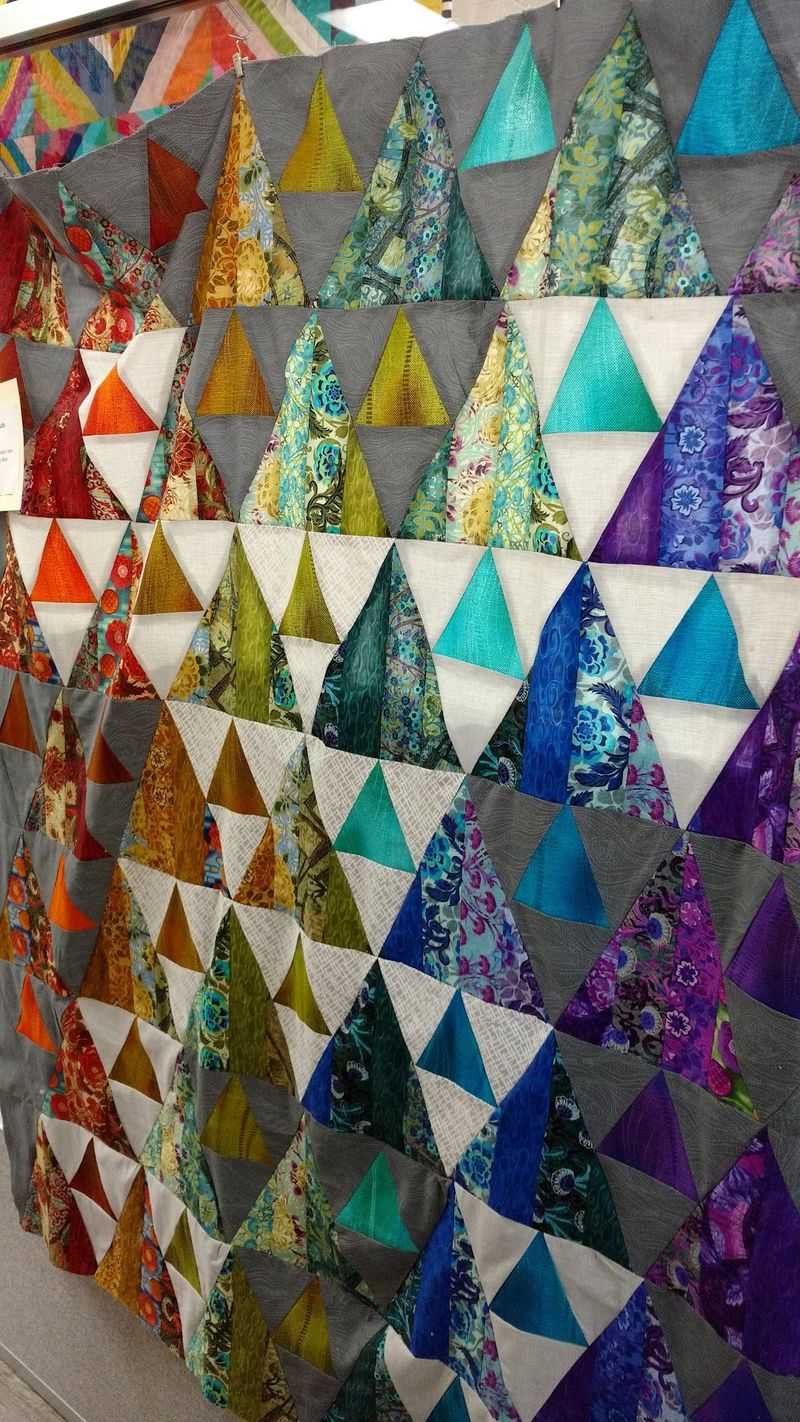
Finished samples hang nearby for reference, which helps enormously. Seeing the actual result beats imagining it from a flat photo.
Pattern selection extends well beyond the kits themselves. Wall hangings, table runners, bags, and full-size bed quilts all get shelf space.
Holiday planning starts early around here. Shoppers hunting for handmade gift ideas find whole displays built around that goal.
Kits also make excellent presents for someone else who sews. You are handing over a project rather than a pile of homework.
Prices vary with size and fabric line, so there is something at most budgets. Small table-topper kits cost far less than a queen-size project.
Grabbing one is a low-risk way to try a designer you have never sewn with before.
Notions, Zippers, And The Tiny Things You Forgot
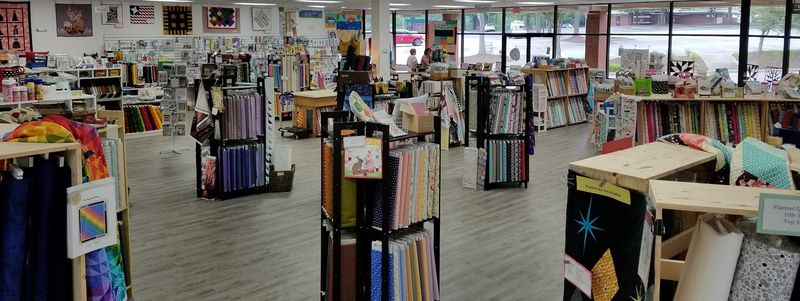
Every sewing project eventually stalls over something small. A missing zipper, the wrong needle, a ruler you swore you owned.
Notions here fill a solid section, covering rotary cutters, rulers, marking tools, pins, and thread. The zipper wall in particular gets singled out by shoppers.
Having these on hand matters more than people expect. Driving across town for one presser foot ruins an afternoon of momentum.
Staff can point you toward the right tool rather than the most expensive one. That kind of honesty keeps people coming back.
Displays get refreshed regularly, so new gadgets appear alongside the reliable classics. Tempting supplies sit throughout the store, not just in one corner.
Long-arm quilting services are also available, which handles the finishing step many home sewers cannot manage. Big quilts are genuinely difficult on a household machine.
Combining fabric, tools, and finishing under one roof saves real time. Fewer stops means more hours actually sewing.
That practicality is part of the appeal.
Order Online, Pick Up In Person
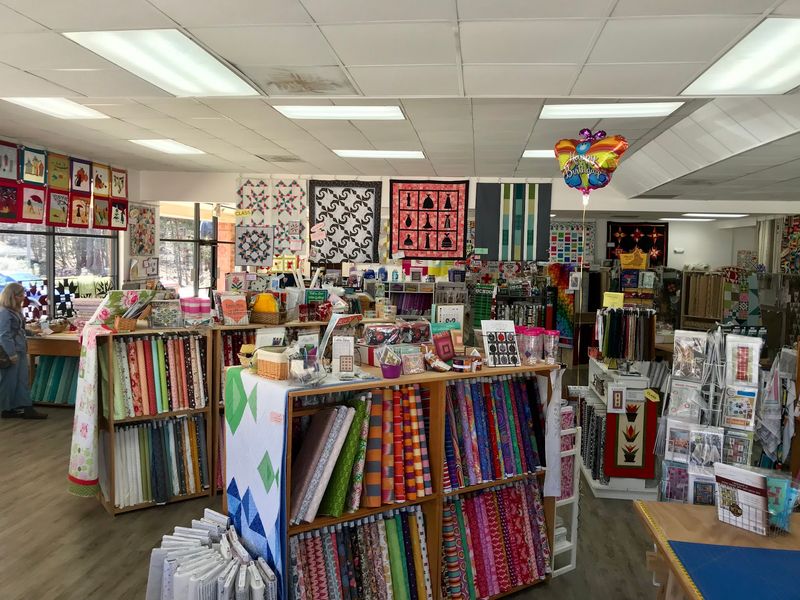
Not everyone lives within driving distance, and the shop plans for that. Online ordering ships nationwide through the website.
Packages arrive carefully wrapped rather than crammed into a mailer. People have received orders in Florida within a couple of days of placing them.
Shipping goes out through USPS Priority Mail and First Class Mail, with same-day dispatch whenever possible. Delivery timing then depends on the postal service.
Local shoppers can order online and collect in store, which suits a tight schedule. Grab your parcel, then browse if time allows.
Remember that the by-the-inch cutting applies in person only. Online orders follow standard increments.
Cary Quilting Company keeps its inventory listed on the site, so you can check availability before driving over. That is helpful when hunting a specific designer line.
Distance shoppers who have never set foot in the building still describe it as their regular source. Consistency builds that kind of loyalty.
Either route gets good fabric into your hands.
A Shop That Doubles As A Community Hub
Sewing sounds solitary until you meet the people who do it. Around here, the shop functions as a gathering point as much as a store.
A Show and Tell group runs online, where makers post finished projects for everyone to admire. Sharing the result is half the reward.
Contests and community events pop up through the year, and the business has supported local fundraising efforts with donated goods. That neighborly streak runs deep.
Regulars greet each other by name in the aisles. Newcomers get folded into conversations without much effort.
A punch card program rewards repeat shopping with a discount, which frequent quilters appreciate. Small perks add up over a year of projects.
The atmosphere stays warm without being pushy. You can browse quietly or chat for twenty minutes, and both are fine.
Quilting has always carried a social history, from frontier bees to modern guilds. Places like this keep that thread going.
Belonging somewhere makes the hobby stick.
Planning The Perfect Fabric-Hunting Afternoon
A little preparation turns a good trip into a great one. Bring your pattern, your measurements, and any fabric you already own.
Photos on your phone help too, especially of the room where a quilt will live. Matching colors from memory rarely works.
Give yourself at least an hour, and more if you enjoy browsing. Rushing through thousands of bolts defeats the purpose entirely.
Tuesday evenings run until 7 PM, which is the easiest slot for anyone working daytime hours. Weekend mornings tend to be livelier.
Cary Quilting Company sits in a part of the state loaded with other stops, so pairing the trip with lunch nearby is easy.
Set a rough budget before you walk in. Good intentions dissolve fast when the new arrivals table catches your eye.
Above all, ask questions. The whole point of a shop like this is the knowledge standing behind the counter.
Then go home and start cutting.