
This Mennonite Owned Missouri Sausage Kitchen Serves Handmade Sausage And Custom Butchered Meats Worth The Drive
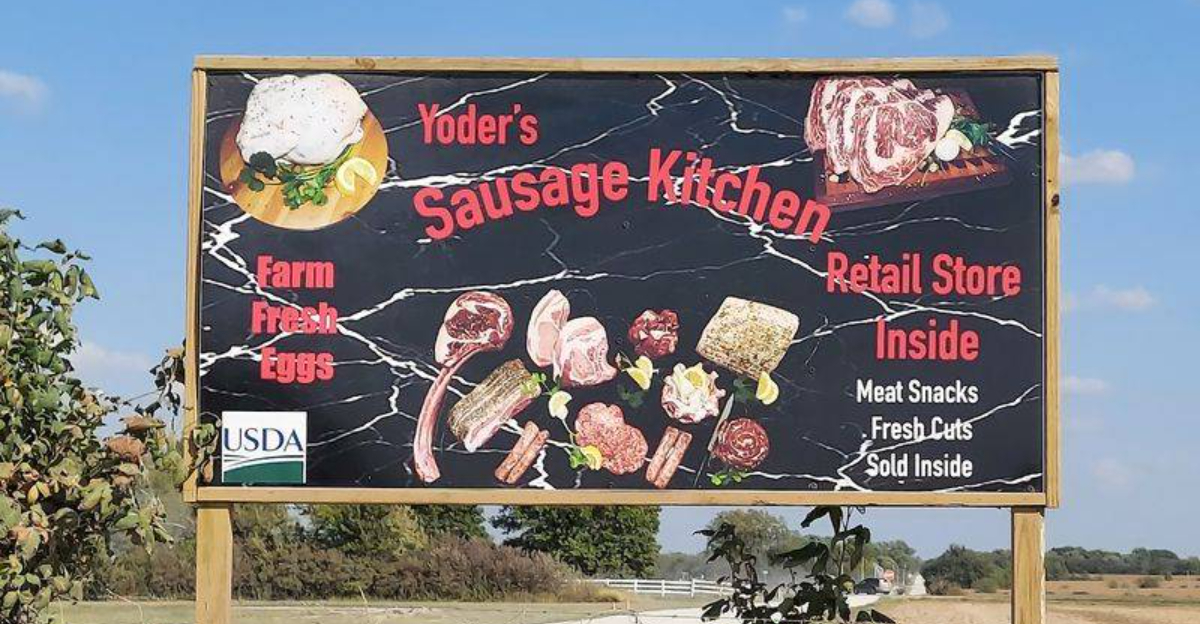
Many would call this kind of craftsmanship a lost art, but Mennonites are here to prove otherwise. This Missouri sausage kitchen serves handmade sausage and custom butchered meats worth every mile of the drive.
Sausages here get made fresh each morning, never sitting around long enough to lose their quality. Meat gets cut to order, never pre-packaged for convenience over actual craftsmanship.
Nothing about the process gets rushed despite the steady demand throughout the week. Recipes stay rooted in tradition, passed down rather than adapted from any factory process.
Portions stay generous, matching the reputation this kitchen built through actual conversation rather than advertising. This kitchen proved that sometimes the best meat still comes from someone who cuts it by hand.
History Behind Handmade Sausage Making
Sausage making in Mennonite communities was never a business idea first. It started as a practical way to use every part of an animal, waste nothing, and feed a family through winter.
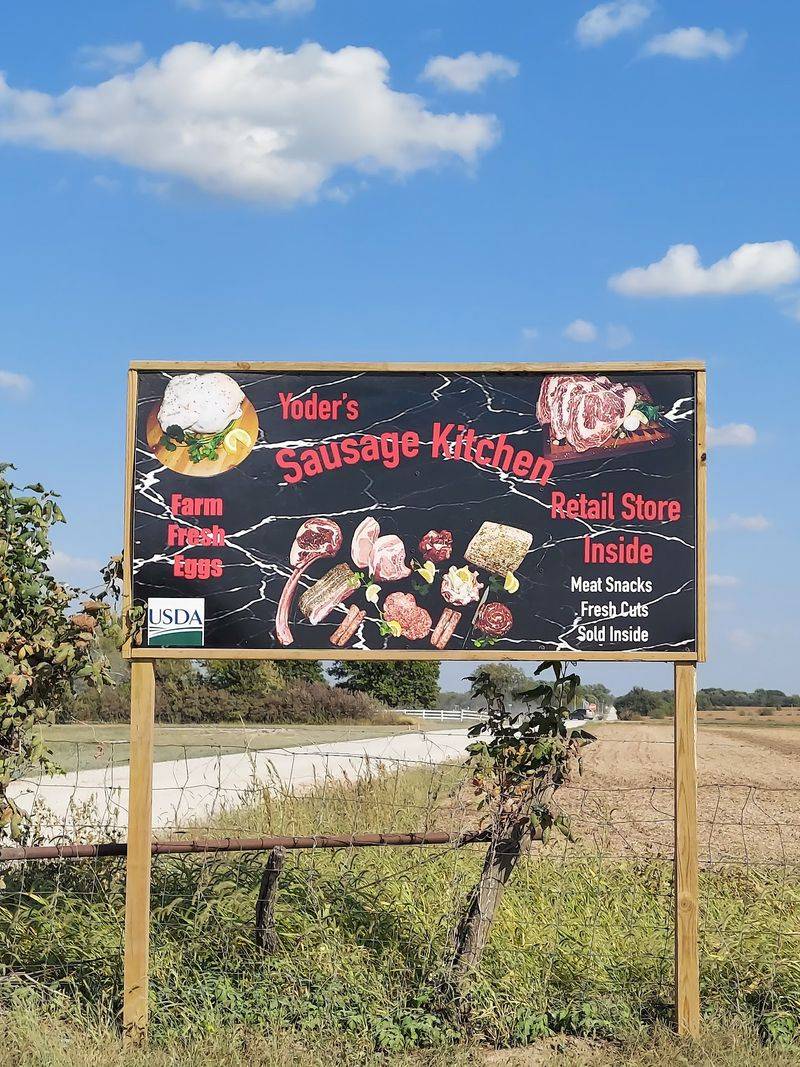
Yoder’s Sausage Kitchen grew out of that same thinking. The family runs the operation themselves, and the guiding rule is simple: do the job the right way instead of the fast way.
That philosophy sounds like a slogan until you see how it plays out. Grinding, mixing, stuffing, and packaging all follow steps that have been passed down rather than reinvented for speed.
Mennonite values put real weight on hard work, honesty, and craftsmanship. In a meat shop, those words turn into clean equipment, careful trimming, and labels that actually match what is inside the package.
What makes the story interesting is how little has changed. Machines help, sure, but the decisions still come from people who learned the trade from someone standing right beside them.
Word spread the old-fashioned way too. One neighbor told another, that neighbor told a cousin two counties over, and eventually the customer base stretched far past Daviess County.
For anyone curious enough to make the trip, the shop sits at 32596 July Ave, Jamesport, MO 64648. Bring a cooler.
That advice comes up more often than you would expect.
Varieties Of Meats Offered At The Shop
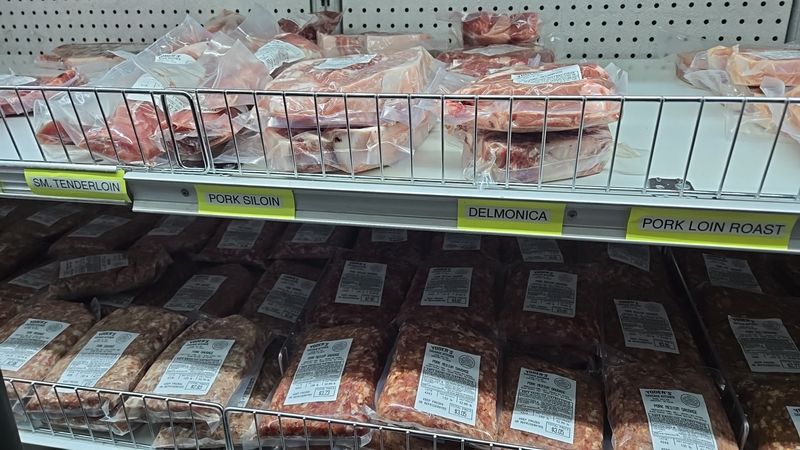
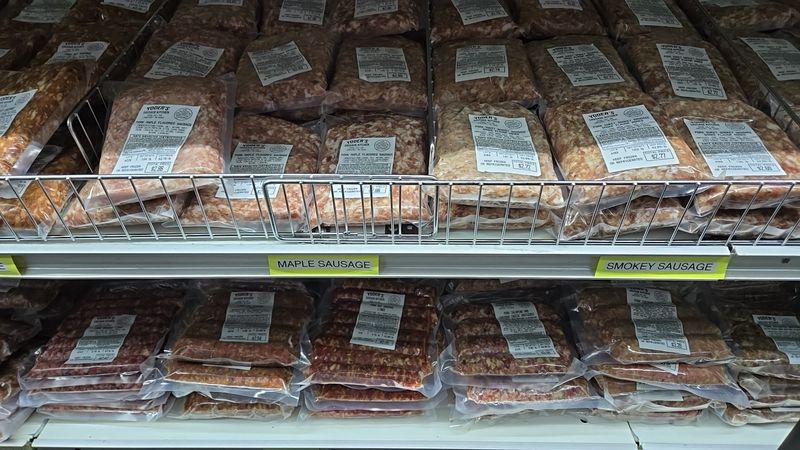
Walk-in customers usually head straight for the freezer, and honestly, that is where the fun is. Packages of brats, summer sausage, steaks, pork burgers, and roasts sit stacked and labeled, ready to go home the same day.
The custom butchering side covers more ground than most people expect. Beef, pork, lamb, and goat all get handled here, with pork also getting curing and smoking treatment.
Deer hunters have their own season on the calendar. Venison processing runs from mid-September through April, which keeps the place busy long after the fields go brown.
Buying big is common. Customers order a quarter, a side, a half, or an entire animal, then split the haul with family or friends who all pitch in.
Honey BBQ brats have developed a following of their own. Fresh side pork, which is genuinely hard to track down in most grocery stores, shows up in the case too.
There is even a bonus category some shoppers stumble into by accident. Beef and chicken scraps get packaged as dog food when available, which has made a few Missouri dogs very loyal customers.
Hours matter here. The shop closes Sunday and Tuesday, opens at eight most other days, and wraps up at noon on Saturday, so plan the drive accordingly.
Benefits Of Custom Butchered Meats
Here is something supermarket shoppers rarely get to say: you decide how thick your steaks are cut. Custom butchering hands that choice back to the customer, right down to package size and portion count.
Say you want roasts instead of extra ground beef, or ribs left whole rather than split. Those requests get written down before the work begins.
Butchers also know animal anatomy in a way most home cooks never will. That knowledge lets them steer you toward cuts that match how you actually cook, whether that means a hot skillet or an all-day smoker.
Fat content and marbling get considered instead of ignored. A cut with good marbling stays juicy, and someone who handles meat daily can spot the difference instantly.
Buying a half or whole animal changes the math on your freezer. Instead of running to the store every few days, you have months of meat organized and ready.
Vacuum sealing and sticker labels round out the process at Yoder’s. Frozen packages stay protected, and nobody has to play the guessing game with a mystery bundle in February.
Whole cow orders often get split three ways among friends. It is a practical arrangement, and it turns grocery shopping into something closer to a group project.
Sourcing Quality Ingredients Locally
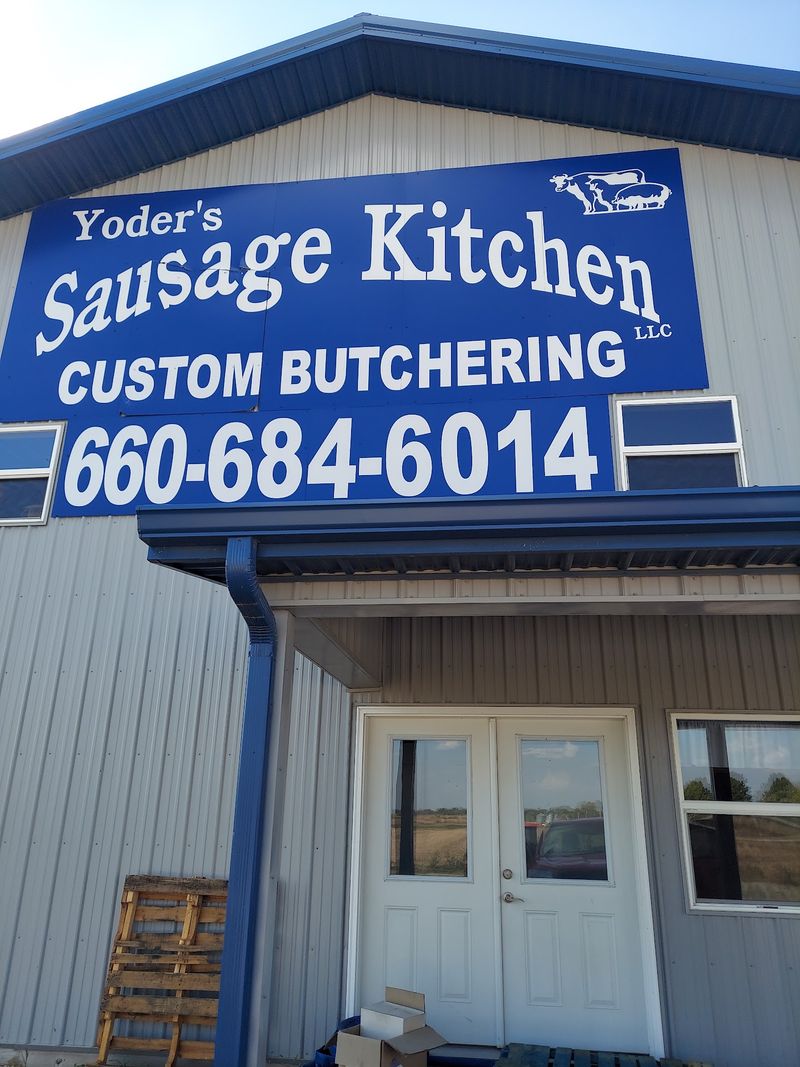
Drive around Jamesport and the sourcing story tells itself. Tidy farms, fenced pastures, cattle and hogs raised within a few miles of the shop door.
Mennonite tradition puts real emphasis on knowing where things come from. That mindset shapes how meat gets selected and handled long before it reaches a grinder.
Yoder-affiliated meat businesses elsewhere make a point of using locally grown beef and pork, and the same regional approach fits naturally in this farming community.
Short distances matter more than people realize. Less travel time means less stress on animals and fresher product moving through the cooler.
The custom side reinforces the whole idea. Farmers bring their own animals in for processing, which means some of the meat leaving the building started just down the road.
That arrangement builds a strange kind of trust. A customer can drive past the pasture, then pick up packages from the shop a week later.
Quality control gets easier at this scale too. A small operation notices problems fast because the same few people touch every step.
Roadside stands around town sell homemade goods with the same logic behind them. Grow it close, make it well, sell it honestly.
For anyone tired of packages stamped with a plant number and nothing else, the transparency alone justifies the mileage.
Traditional Mennonite Techniques In Meat Preparation
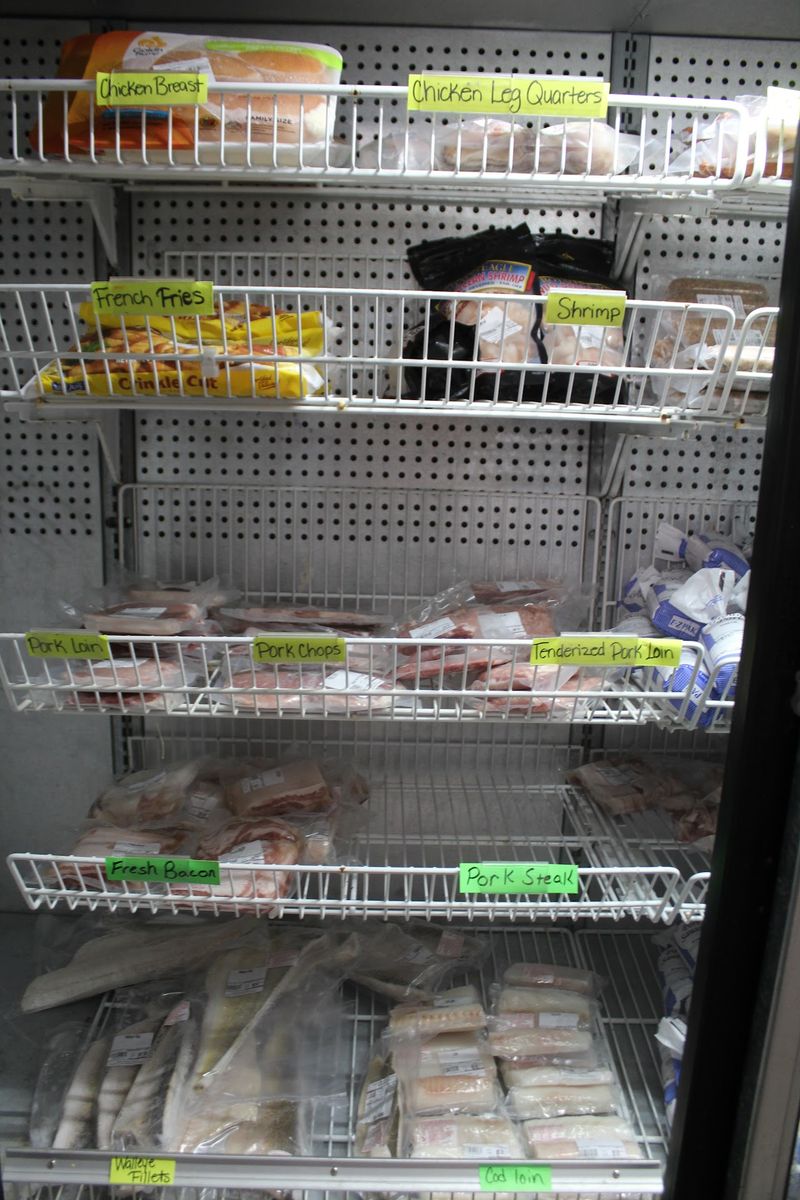
Speed is the enemy of good meat, and the crew here seems to have accepted that a long time ago. Every stage moves at a pace that lets people pay attention.
Hard work, honesty, and careful craftsmanship guide the process from animal handling all the way to the final wrapped package. Those are not decorative words in this shop; they are the working instructions.
Pork gets special treatment through curing and smoking. Both take time, both require patience, and neither can be faked with shortcuts.
Curing draws moisture out and builds flavor slowly. Rushing it produces something that looks right and tastes wrong, which is why the traditional timing sticks around.
Cleanliness runs through everything. A tight, well-organized operation makes careful work possible, and messy shortcuts have a way of showing up on the plate later.
Hand work still matters in sausage production. Mixing, seasoning, and stuffing done by people leaves room for adjustment that automated lines simply cannot match.
The whole-animal mindset comes from farming families who never had the option to waste anything. Trim becomes sausage, bones become broth, scraps become dog food.
Watching an operation like this run is a decent reminder that older methods survived for practical reasons. They work, and the results speak clearly enough.
Seasoning And Flavoring Methods Used
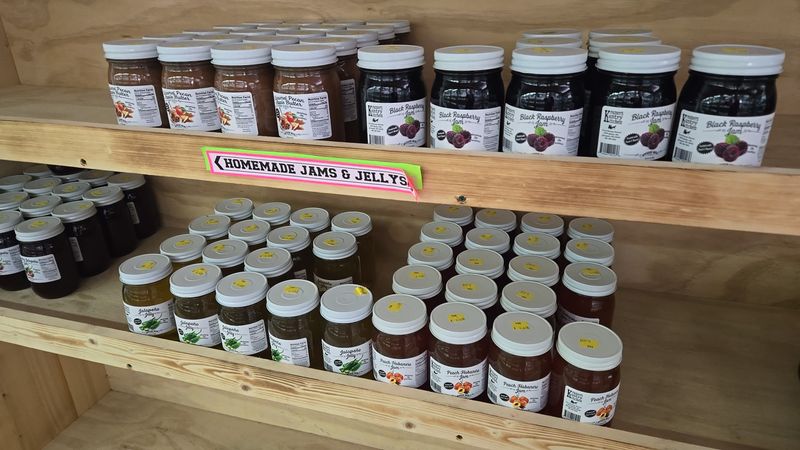
Flavor around here does not come from a bottle labeled with a marketing name. It comes from salt, smoke, time, and seasoning blends mixed with intention.
Pork curing and smoking form the backbone of the flavor work. Smoke moves through the meat slowly, leaving something you can taste in every bite rather than just on the surface.
Yoder-affiliated meat businesses commonly rely on custom seasoning blends and natural wood chips like hickory and cherry. Hickory hits bold and classic, while cherry brings a milder, slightly sweet note.
Summer sausage shows off the method nicely. The seasoning has to hold up through the curing process, so balance matters more than heat or novelty.
Brats get their own personality. Honey BBQ has become a standout, proving that a little sweetness against pork is a combination people keep coming back for.
Pork burger sits in a category most shoppers overlook completely. Seasoned ground pork cooks up differently than beef, and once folks try it, the habit tends to stick.
Blends stay consistent from batch to batch. That reliability is the whole point, because customers driving ninety minutes want the same taste they remember.
Nothing about this approach is flashy. It is just careful seasoning, honest smoke, and enough patience to let both do their jobs properly.
Tips For Choosing The Right Cut
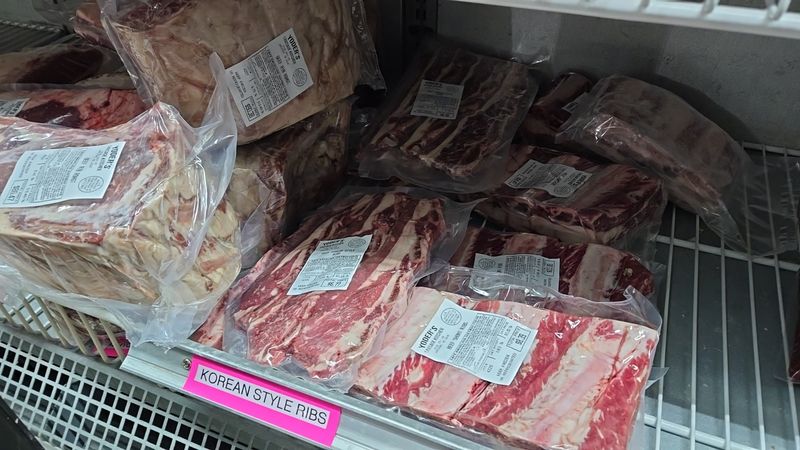
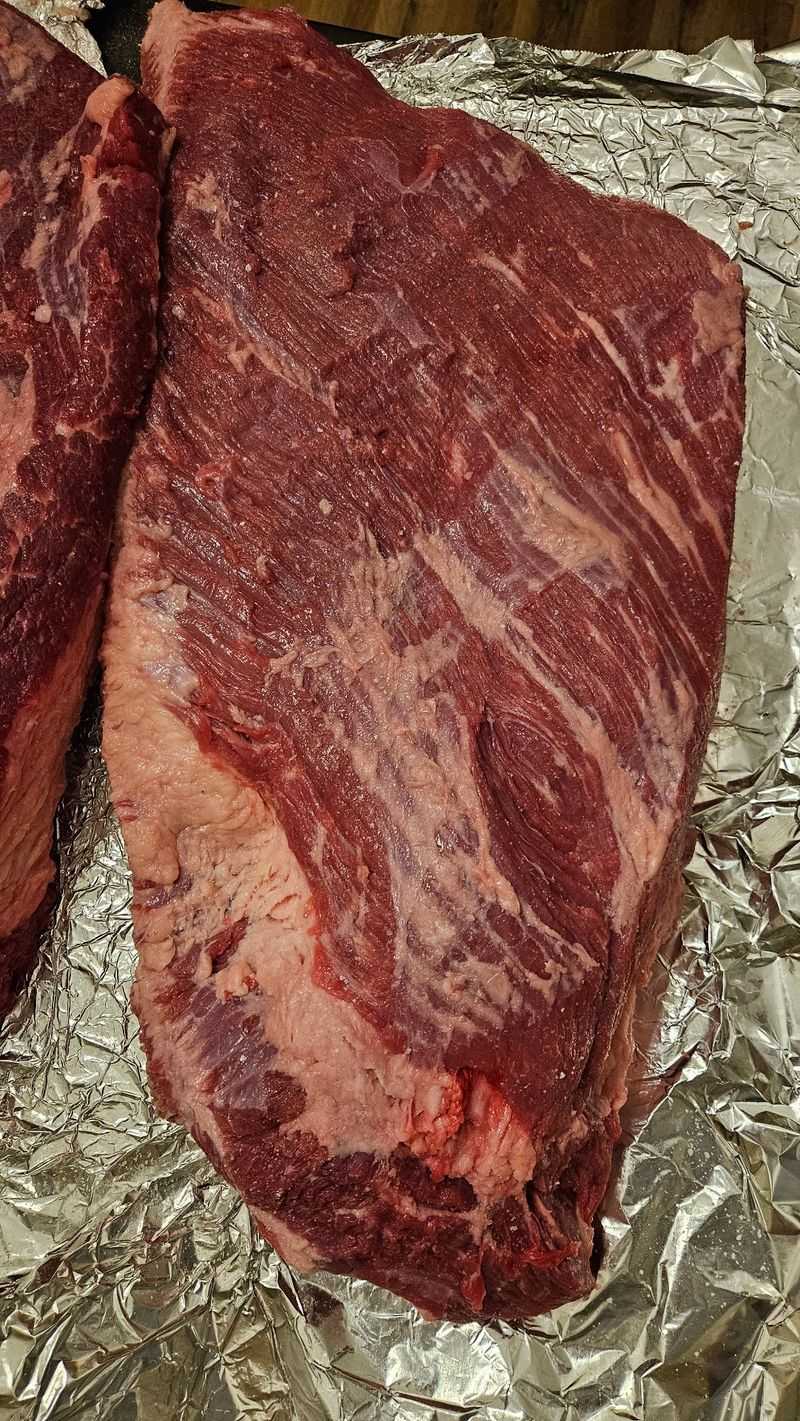
Picking meat gets a lot easier once you know what to look at. Marbling, those thin white streaks running through a cut, is the first clue worth learning.
More marbling generally means more flavor and better tenderness. The fat melts during cooking and does the work for you.
Color tells another part of the story. Beef should look bright red, pork should look pink, and fresh meat should smell clean with nothing sharp or sour about it.
Match the cut to the method before you buy. Tenderloin handles fast, high heat beautifully, while brisket needs low temperatures and hours of patience to turn tender.
Roasts, ribs, and shoulder cuts reward slow cooking. Steaks and chops want a hot pan or grill and a short trip from heat to plate.
Asking questions is free, and butchers usually enjoy the conversation. Tell them what you plan to cook, and they will point you toward the right package.
Knowing where meat comes from matters just as much as the cut itself. A shop focused on quality and freshness gives you a better starting point no matter what you choose.
One last practical note. Clear vacuum-sealed packaging with printed labels means you can actually see and identify what you bought months later.
How To Store And Cook Fresh Meat Properly
Buying great meat and then wrecking it at home is a genuine tragedy. A few habits prevent that entirely.
Vacuum-sealed packaging is your best friend for storage. It blocks air, prevents freezer burn, and keeps quality intact far longer than plastic wrap ever will.
Organize the freezer by cut and date. Future you will appreciate not excavating through a frozen pile searching for pork chops on a Tuesday night.
Overcooking is the most common mistake with lean cuts. They dry out fast, and once the moisture is gone, no sauce truly fixes it.
A meat thermometer removes the guesswork completely. Pork is safe at 145 degrees Fahrenheit, and a little pink in the center is perfectly fine.
Let cooked meat rest a few minutes before slicing. The juices redistribute, which makes the difference between tender and disappointing.
Thaw frozen packages in the refrigerator rather than on the counter. It takes longer, but the texture holds up much better.
Summer sausage and brats need less babysitting. Brats cook gently over moderate heat, and rushing them just splits the casings.
Handle the meat well, and the drive pays off twice. Once at the counter, and again at the dinner table when everybody goes quiet for a minute.