
The Forgotten New York Ghost Town With Ruins So Massive You Can See Them From The Highway
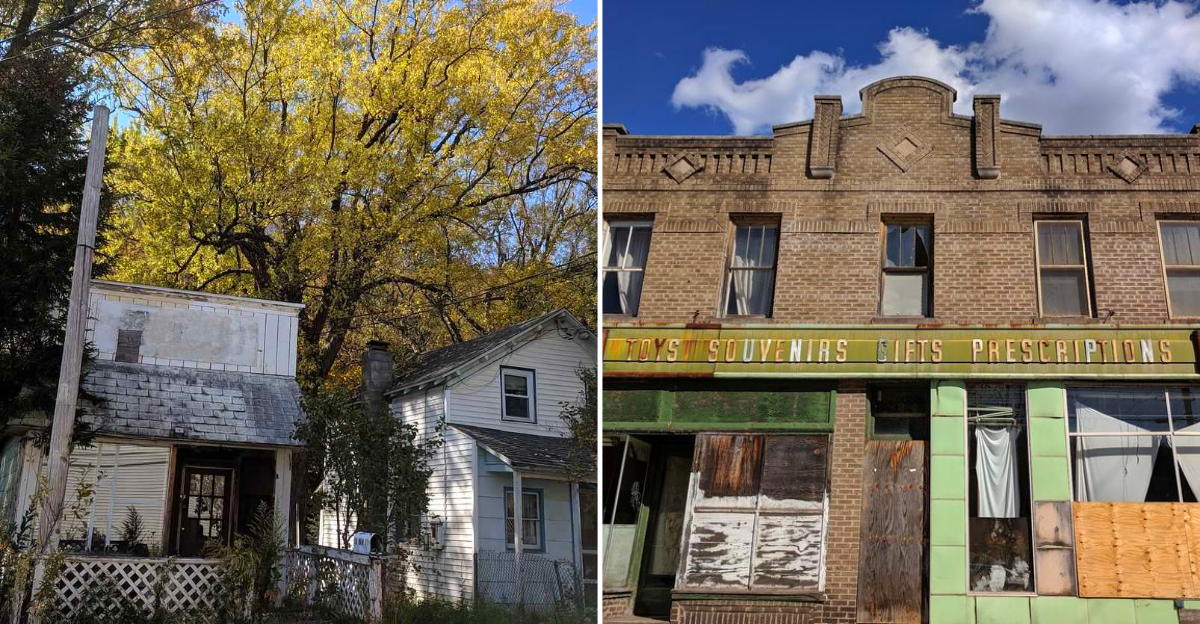
Drivers catch the vacant buildings for about half a second at highway speed. Then they wonder about them for the next fifty miles, which is roughly how long it takes to talk yourself out of turning around.
This hamlet in New York used to be a summer stop with hotels and a train station and crowds that arrived by the trainload. Most of that world is still standing beside one of the busiest mountain highways in the state, empty and in plain view of everyone passing.
Nothing about it is hidden. That is the strange part. Thousands of people see it every day and almost nobody stops.
What follows is what the place still holds, and how to see it properly rather than at seventy miles an hour.
Ruins You Can Clock At Highway Speed
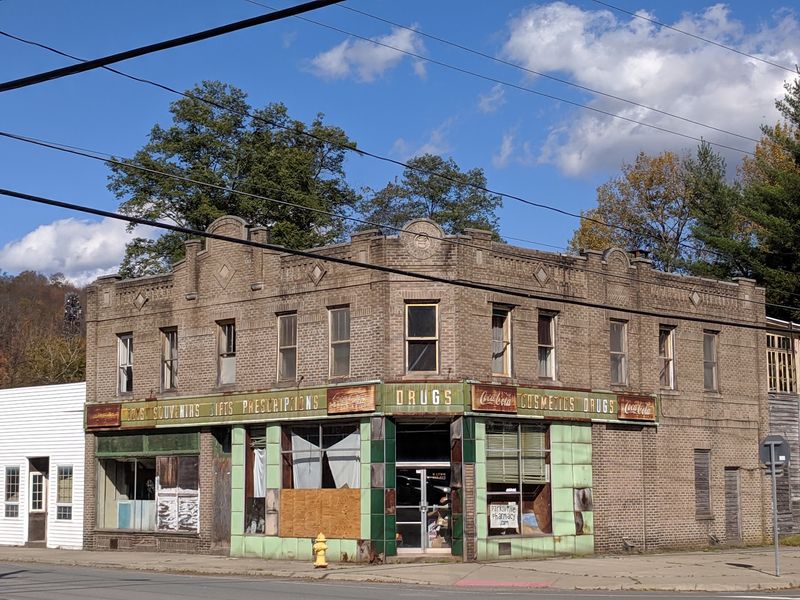
Sullivan County has a habit of leaving its history out in the open. Travelers rolling through the western Catskills catch quick flashes of empty buildings near the road. Peeling paint, sagging porches, and blank windows blur past in seconds.
What looks like a few forgotten houses is really the skeleton of a vacation empire. Large hotels once stood in this valley, complete with dining halls, ballrooms, and pools. Guests arrived by train and stayed for weeks at a stretch.
Scale is what makes the sight stick. Instead of one lonely ruin, there is a scattered collection of them across a narrow valley floor. Highway travelers get an accidental history lesson at 65 miles per hour.
Curiosity usually wins the argument. Drivers take the exit, coast down the ramp, and land in a hush where a resort town used to buzz. The silence lands heavier than any photo of the place.
Numbers help explain the mood. Hundreds of hotels and bungalow colonies once operated across this county, and nearly all of them closed. The leftovers make a strong case for slowing down.
Few roadside sights in New York offer that much story for zero admission. Autumn brings the clearest views, since bare branches open up sightlines the summer canopy hides completely.
Parksville Sits Just Off Exit 98
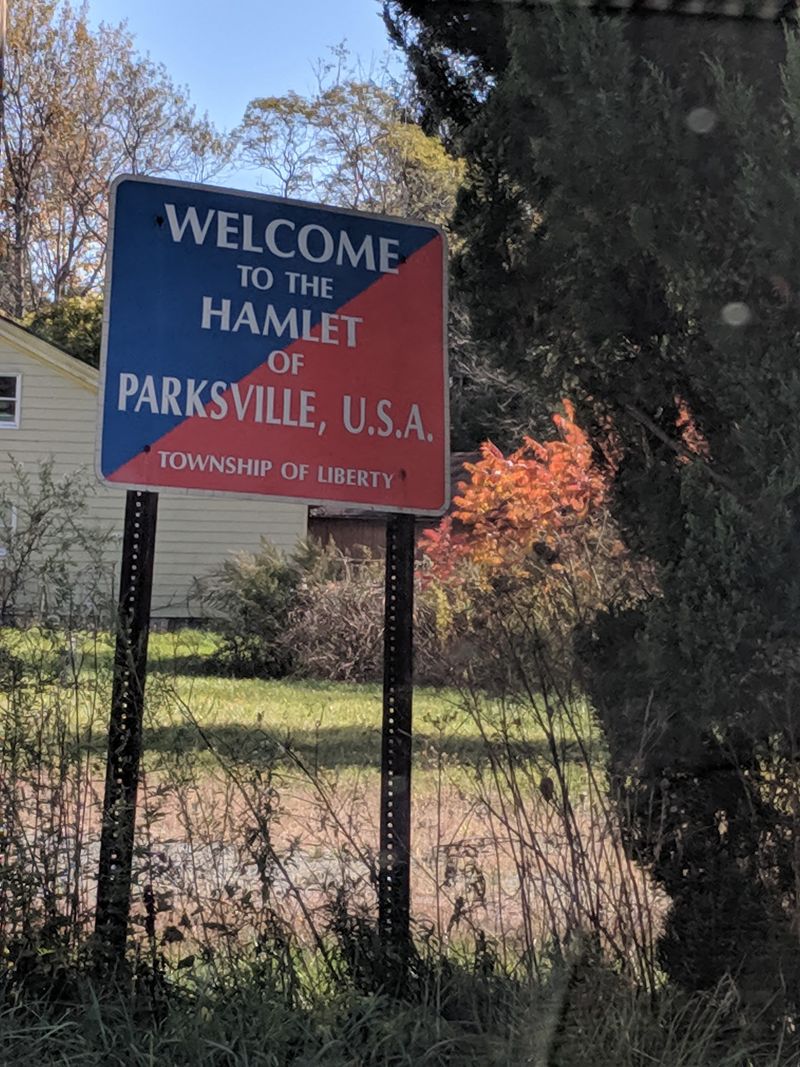
Names matter, so here it is: Parksville, a hamlet in the town of Liberty in Sullivan County. Mail arrives with a Liberty, NY 12768 address, though the hamlet behaves like its own small world.
Getting there is simple. The community lies east of exit 98 on State Route 17, and the old center gathers around the junction of County Route 85 and County Route 176. Signs for Liberty and Livingston Manor bracket the ramps, so overshooting is easy on a first pass.
Traffic on the highway moves fast while the hamlet keeps a slower clock. Two county roads, a creek, a church, a fire station, and rows of older buildings make up most of the layout. Hills press close on both sides, which shades the valley by late afternoon.
Parking is painless because no crowd competes for it. Pull over safely, then walk the roadside with a camera in hand. Ten minutes covers the heart of the place.
Anyone expecting a welcome center will be surprised. No ticket booths, guides, or gift shops operate here. Bring your own coffee and patience.
Cell service holds in the valley, though it thins on the back roads climbing into the hills.
When Summer Meant Sullivan County
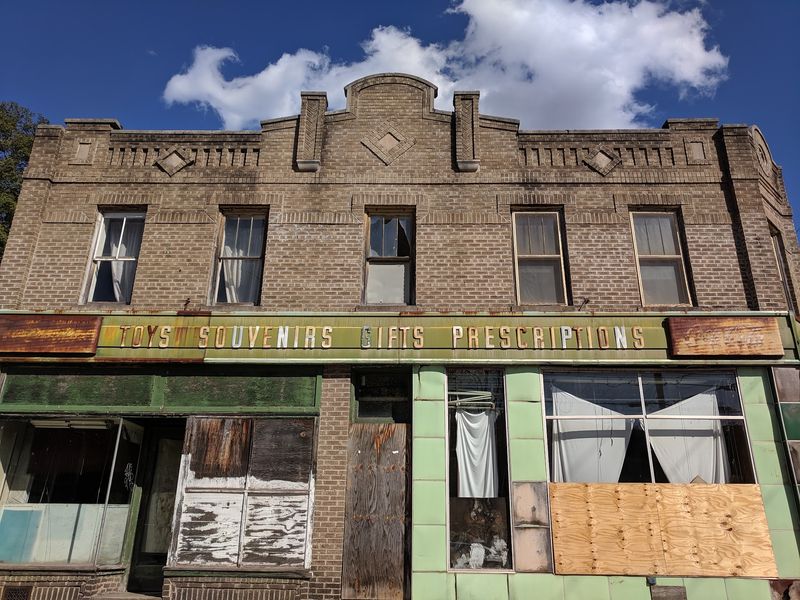
Long before interstate travel, city families escaped summer heat by heading north into the Catskills. Farmhouses rented spare rooms, then added porches, then added wings. Word spread quickly among neighbors back home.
The region earned the nickname Borscht Belt because most guests were Jewish families from New York City. Comedians worked the ballrooms, musicians played nightly, and children ran wild between meals. Weekly rentals called kuchaleins let families cook for themselves in shared kitchens.
Trains made the whole arrangement possible. Passengers boarded in the city, rode north for hours, and stepped off near hotels that sent porters to greet them. Cars were optional.
Meals were the main event. Dining rooms served enormous spreads, and nobody left the table hungry. Staff worked long shifts, and many were students earning tuition money.
Parksville held its own share of hotels and bungalow colonies during those decades. Guests measured a good vacation by second helpings and card games on the veranda.
Understanding that boom explains the ruins. Buildings that large were never meant for a hamlet of a few hundred residents. They were built for July, and that single month carried the whole year.
The Railroad Left, The Highway Passed By
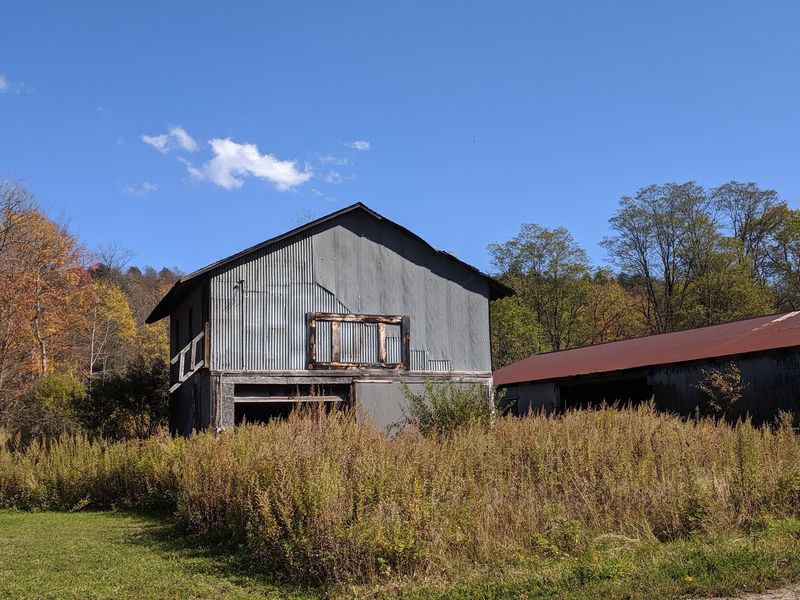
Two changes hollowed out the valley. The New York, Ontario and Western Railway ended service in 1957, cutting the direct link that carried vacationers north. Freight had already thinned out for years before the final run.
Highway building finished the shift. Route 17 was rebuilt as a fast four lane route across Sullivan County during the 1960s, and traffic began skipping older main streets. Old Route 17 still runs nearby as a quieter local road.
Vacation habits changed as well. Cheap flights opened Florida and the Caribbean to the same families who once booked a Catskills room. Central air conditioning made city summers bearable, so a week upstate stopped feeling like the only option.
Hotels closed one by one across the 1970s and 1980s. Some burned, some came down, and others were simply locked and left behind. Roofs failed, then floors, then walls.
History here is no mystery, just an economy that moved on. Insurance and taxes handled the rest of the math. Knowing the timeline makes the empty buildings readable, since every broken window has a date behind it.
The Crossroads That Still Holds On
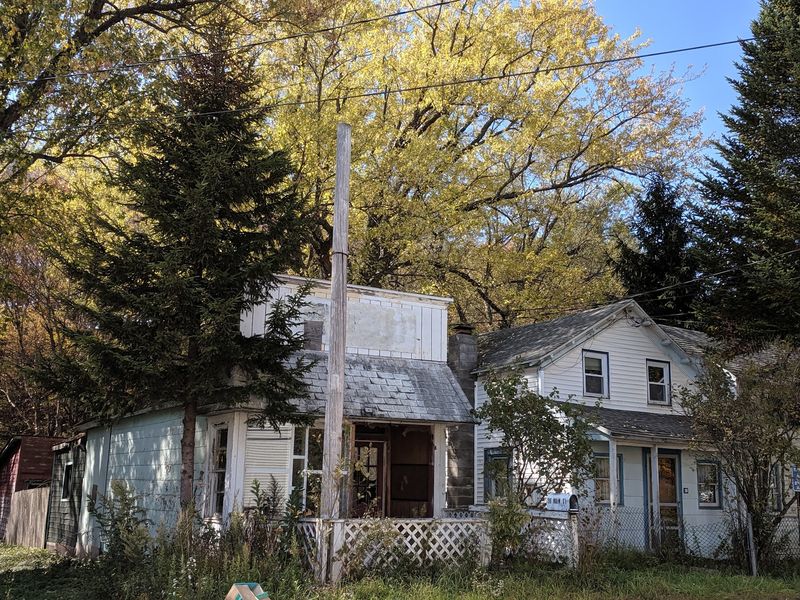
Parksville is quiet, not vacant. Residents live here, plow the roads in winter, and keep the fire company staffed. Neighbors know each other’s trucks by sound.
The hamlet keeps its own zip code, 12768, a small point of pride in a county full of consolidations. Mail still comes, buses still run, and volunteers handle much of what a bigger town would hire out.
Older buildings line the county roads at every stage of repair. A few have been fixed up with fresh siding and porch chairs. Renovation moves slowly in the mountains, one season at a time.
Walking the center takes almost no time, which is part of the appeal. Look for stone foundations, wide doorways built for luggage carts, and signs faded past reading. The Little Beaverkill runs close by, adding a steady soundtrack of moving water.
Respect goes a long way in a place this size. Wave at people, stay off private lawns, and skip the engine revving. A friendly hello costs nothing and earns plenty.
Curiosity is welcome here. Carelessness is not.
Trout Water And Mountain Air
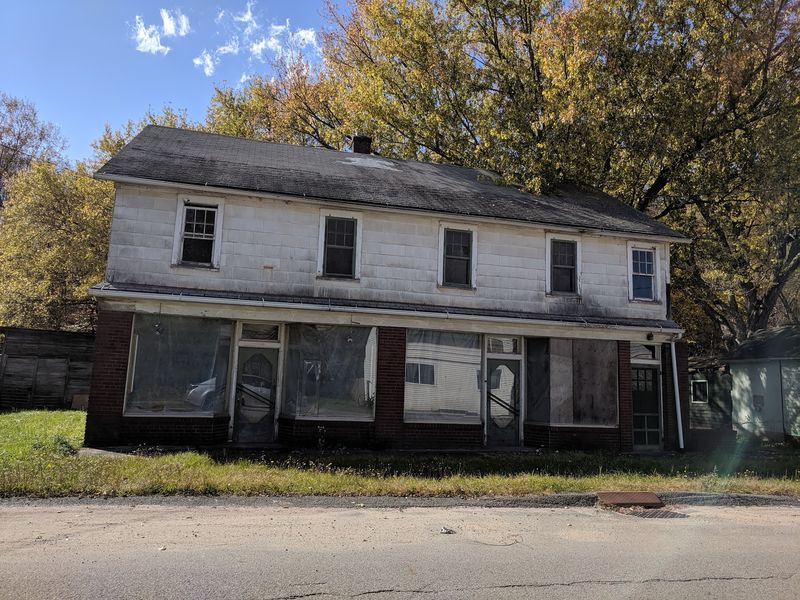
Anglers know this corner of New York for an entirely different reason. The Beaverkill and the Willowemoc run nearby, and both rank among the birthplaces of American fly fishing. Fishing here is a tradition older than the resorts.
The Little Beaverkill flows through Parksville itself, narrow and cold and shaded by trees. Waders, not boats, are the tool of choice. Kids skip stones where hotel guests once wandered.
Livingston Manor sits a short drive west and holds the Catskill Fly Fishing Center and Museum. Exhibits cover rods, flies, and the writers who made these streams famous. The setting along the Willowemoc pairs nicely with a ghost town drive.
Public access points appear along the larger rivers, marked with state signs. Licenses are required, and rules change by stretch of water, so read the state regulations before casting. Catch and release stretches are common.
Even people who never fish benefit from the surroundings. Hills climb steeply on both sides, hawks work the ridgelines, and the air smells like wet stone after rain. Mornings stay cool even in July, so bring a jacket.
How To Look Without Trespassing
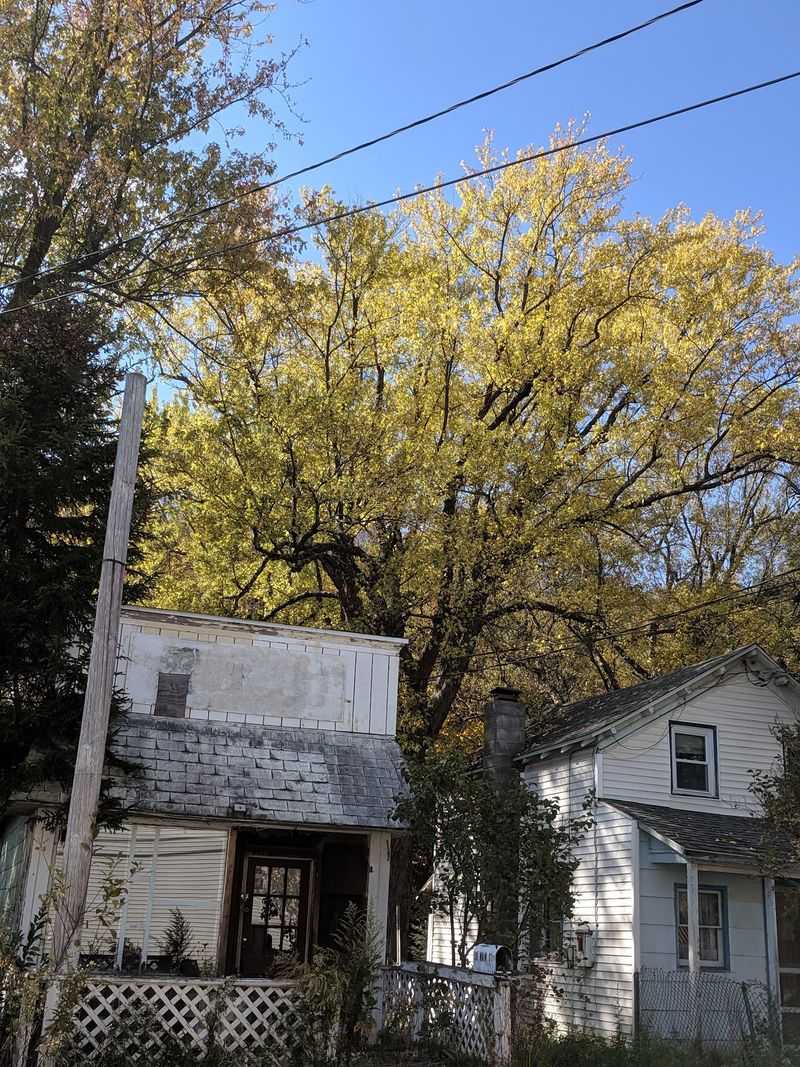
Ruins tempt people, and that is exactly where trouble begins. Nearly every abandoned building around the hamlet sits on private property. Signs go up for a reason, and owners carry the liability.
Photograph from public roads and sidewalks only. Long lenses solve most framing problems, and a phone zoom performs fine in daylight. Ask permission if a resident happens to be outside and friendly.
Old structures are genuinely unsafe. Floors rot from below, stairs give way, and broken glass hides under fallen leaves. Asbestos and mold linger inside old walls too.
Local police and property owners keep watch on the sites. Fines are real, and trespassing charges follow you home. Nobody wants to explain a collapsed porch to a rescue crew.
Better plan: park in a legal spot, get out, and read the landscape. Stone walls, empty pools, and cracked driveways tell most of the story from the shoulder. Notice how wide the old parking areas are, then think about the crowds they once handled.
Binoculars earn their space in the bag. Treat every driveway as somebody’s front yard and the day stays easy.