
This Peaceful Minnesota State Park Is A Hidden Gem With Stunning Scenery And Almost No Crowds
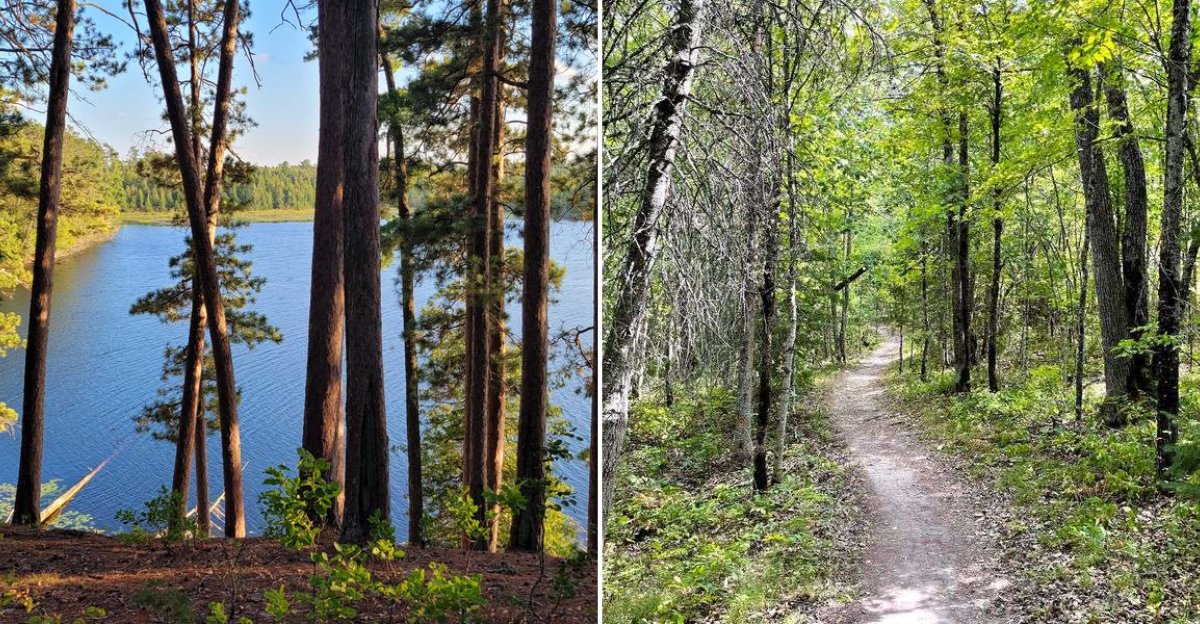
Peace and quiet are sometimes priceless, and when you add nature into that mix, some people would practically pay a fortune for it. This Minnesota state park offers exactly that combination, with stunning scenery and almost no crowds to interrupt it.
Trails wind through landscapes that surprise most first time visitors expecting something far more ordinary. Water features throughout the park stay clean and clear, rarely crowded even during peak weekends.
Wildlife shows up regularly along quieter trails, adding another reason to slow down and pay attention. Facilities stay well maintained despite the lower visitor numbers compared to bigger name parks.
Photography opportunities exist around nearly every turn, often without another visitor in the frame. This park proved that sometimes the most beautiful places stay overlooked simply because nobody bothered to look.
Breathtaking Views Across Landscapes
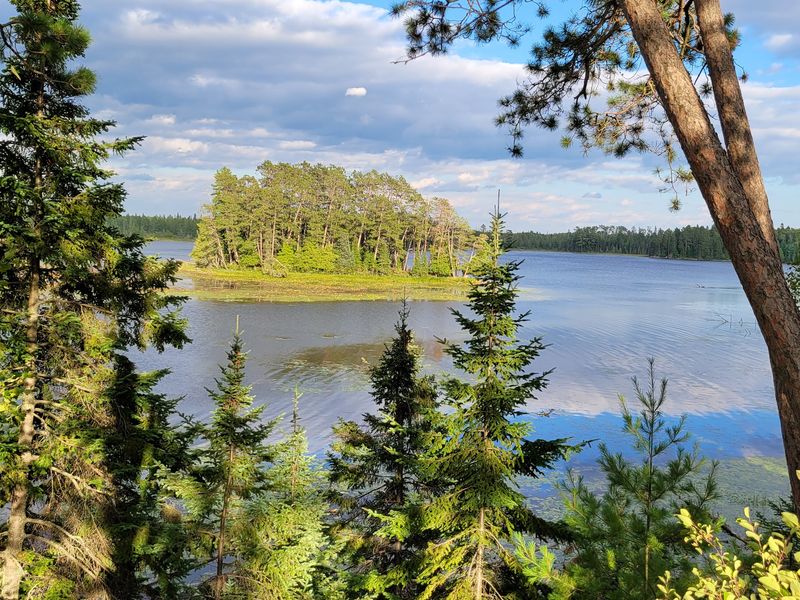
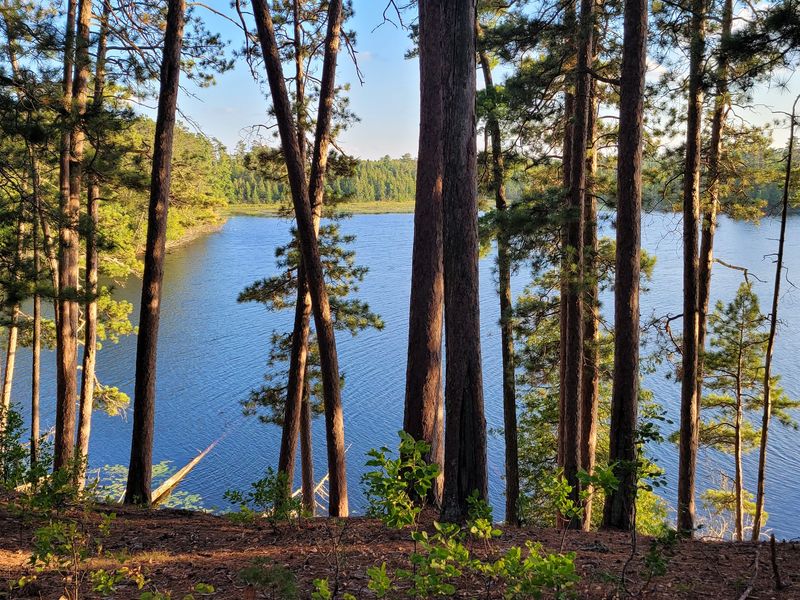
Chase Point is the star here, and it earns every bit of attention. A long, narrow peninsula pushes out into the water with steep drops on both sides, giving you Coon Lake on one side and Sandwick Lake on the other.
The ridge itself is an esker, a gravel ridge left behind by glaciers thousands of years ago. Red pine and white cedar grow right along the spine of it, which makes walking the path feel a bit like crossing a natural bridge.
What really sets the views apart is what is missing. No cabins, no boat lifts and no pontoons blasting music.
The shorelines stayed undeveloped, so the tree line runs unbroken around the water.
Several overlooks scattered through the park open up across the lakes and mixed forest. Some sit at water level near the boardwalk, others perch on higher ground where you can see the shape of the whole basin.
Old-growth white and red pines tower over much of the park, and a few of them are genuinely enormous. Standing under trees that escaped the logging era is a strange kind of privilege in this part of the state.
You will find the park at PC7J+96, 56956 Scenic Hwy, Bigfork, MN 56628, United States, which is a bit of a haul from the Twin Cities but worth every mile.
Flora And Fauna Unique To Northern Settings
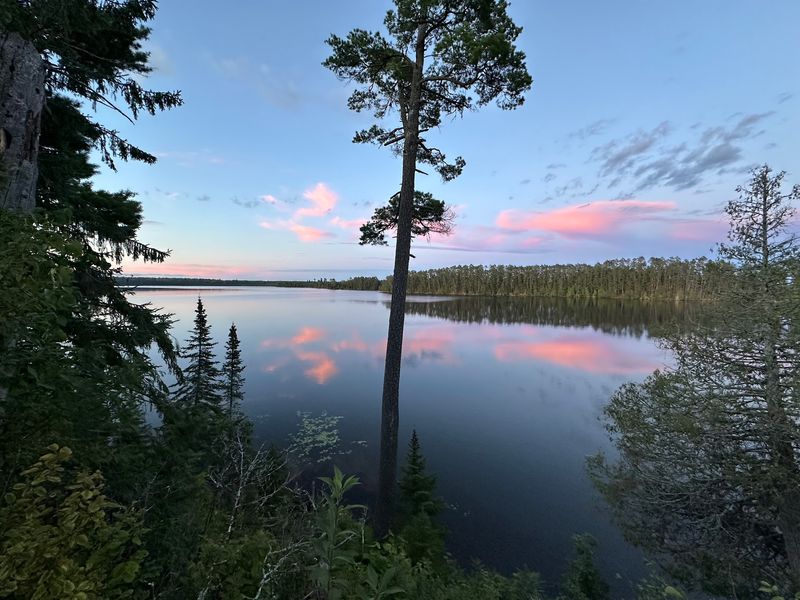
Few places in Minnesota stack up this much variety in one park. Alder, aspen, birch, basswood, tamarack, white cedar, willow, and dogwood all grow here, mixed in with cattail and sedge along the wet edges.
All that thick vegetation does something useful. It creates layers of habitat, which is exactly why the bird and mammal list runs so long.
Loons are the soundtrack. Deer wander the forest edges, songbirds fill the canopy, and ospreys, eagles, and woodpeckers show up regularly for anyone paying attention.
Here is the fun part for wildlife nerds. The park is one of the better places in Minnesota to look for moose, and it also happens to be a known spot for spruce grouse, a bird most people never see in their lifetime.
Black bears live here too, which is why some campsites come equipped with bear vaults for food storage. Gray wolves are documented residents as well, though sightings are rare and mostly a matter of luck.
Lady slippers bloom in June along some of the trails, and the state flower showing up wild in the woods is a small thrill.
Beavers work the shorelines, leaving gnawed saplings and lodges as evidence. Between the plants and the animals, the whole place functions like a working Northwoods ecosystem rather than a manicured park.
Trails Offering Solitude And Adventure
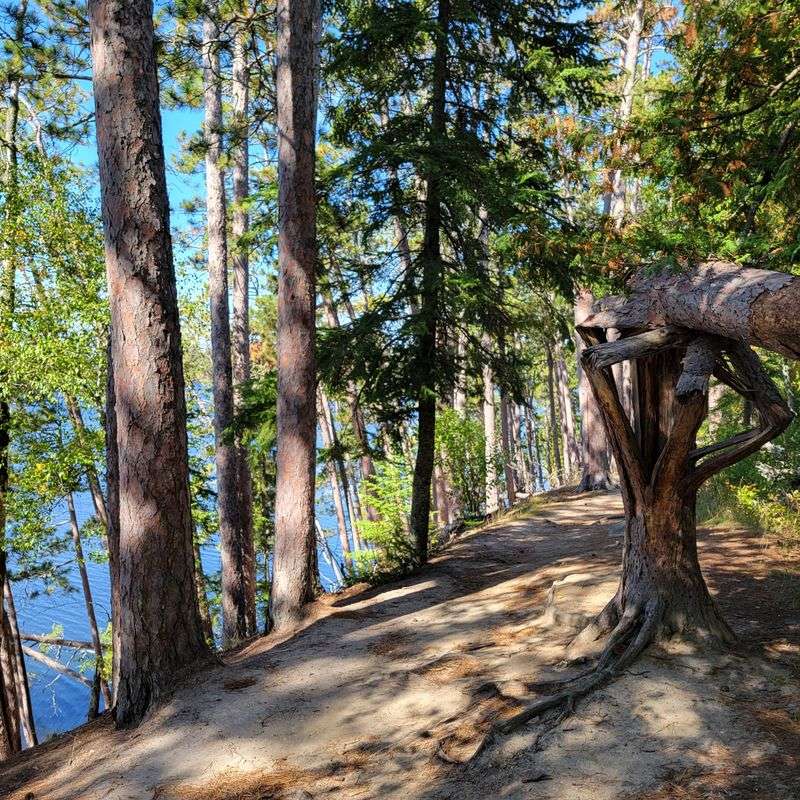
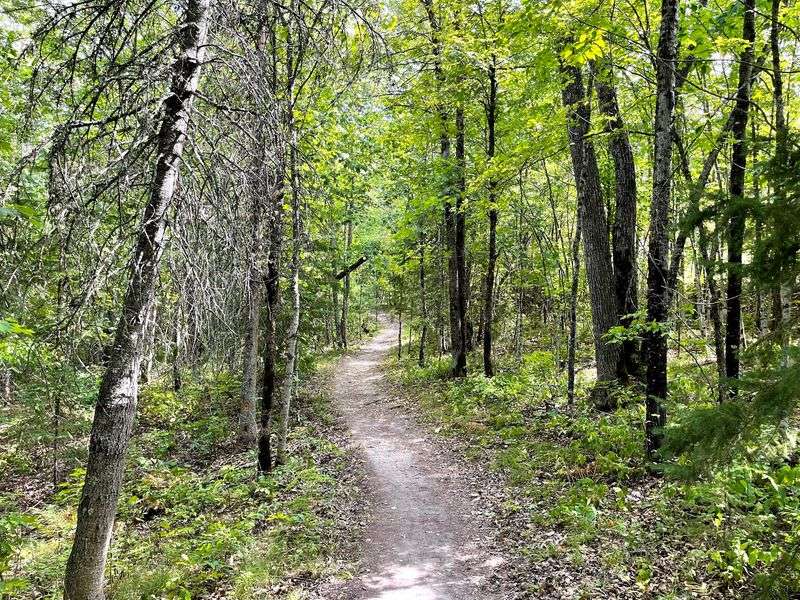
Fourteen miles of hiking trails run through this park, and two of those miles are self-guided routes with information along the way. For a smaller park, that is a solid amount of ground to cover.
Chase Point Trail gets the most love, and rightly so. The path follows that glacial ridge with water falling away on both sides, and it stays easy enough that kids can handle it without complaint.
The Scenic Loop Trail is the mellow option, curving through mixed forest with lake views and decent odds of spotting something on four legs.
Want more distance? Scenic Lake Trail hugs the shoreline through quiet woods, mixing in overlooks and changing terrain over a longer stretch.
North Woods Connector Trail rolls up and down through more isolated forest, and it tends to feel emptier than the rest. Ridge View Trail climbs higher ground for ridge-top walking and the widest lake vistas in the park.
There is also a fire tower trail, though the tower itself is out of service. The walk is still lovely, with grouse drumming somewhere in the trees.
One practical note. Some of the less-traveled paths get overgrown and buggy in midsummer, so long pants and repellent make a real difference on those routes.
Seasonal Changes And Their Visual Impact
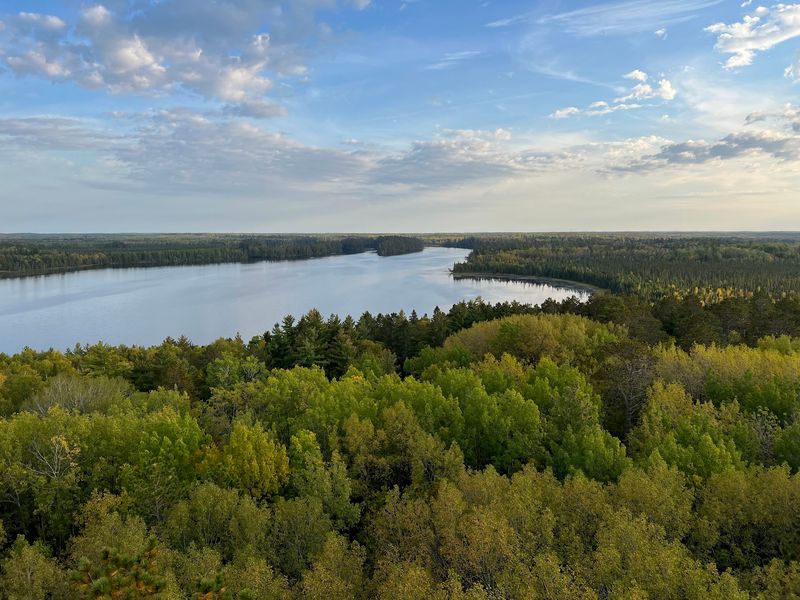
Four seasons, four completely different parks. Late spring through early fall is the busy stretch, when the lakes turn into paddling and fishing water, and the forest hits peak green.
Autumn is the showstopper. Birch and aspen light up gold and orange against the dark green pines, and the colorful tree line wrapping around Coon-Sandwick Lake reflects on the water like a second forest.
Cooler air in fall also fixes two problems at once. The bugs thin out dramatically, and hiking those longer trails stops feeling like a sweaty chore.
Winter flips the whole thing into something hushed. Cross-country skiing is part of the picture here, which means snow-blanketed pines and trails where you might not cross paths with another person all day.
Spring arrives slowly this far north. Wildflowers push up through the leaf litter, lady slippers appear in June, and the forest goes from bare gray branches to full canopy in a matter of weeks.
Timing matters if privacy is the goal. Mid-May visits mean sparse leaves and more visible campsites, while late June onward gives you thick screening between sites.
Night skies deserve a mention too. Stargazing is excellent, and the northern lights occasionally put on a show over the water.
Wildlife Observation Tips And Best Times
Dawn and dusk are when the park comes alive. Animals move most during those low-light hours, so the people sipping coffee outside their tents at sunrise tend to see the good stuff.
Binoculars change everything. A loon two hundred yards out is just a dark shape without them, and a total showoff with them.
Slow and quiet beats fast and chatty every time. Stop often, listen more than you walk, and resist the urge to close the distance on anything you spot.
Scan the transition zones. Forest edges, meadow openings, pond margins, and treetops hold far more activity than the middle of a dense stand of trees.
Tracks tell stories too. Mud along the shoreline and snow in winter both record who passed through, and gnawed saplings near the water usually mean beavers are working nearby.
Worth knowing: the park office sometimes has bird-watching kits available, which makes identifying warblers a lot less frustrating for beginners.
Paddling opens up sightings you cannot get on foot. Quiet canoe trips along the undeveloped shoreline put you close to loons, beavers, and eagles without much effort.
Bald eagles, woodpeckers, and warblers all turn up regularly. Patience is the only real equipment requirement.
Camping Facilities Designed For Quiet Stays
Two main campgrounds split the difference between convenience and privacy. Lodge Campground sits closer to the beach and fishing pier, with mostly open sites and moderate shade overhead.
Chase Point Campground runs a bit larger and looks out over the lake. Several of its sites are roomy and screened by trees and brush, which is a real luxury when you want to pretend nobody else is around.
Drive-in sites are the norm, and some come with electric hookups. Many electric spots are pull-throughs, which saves a lot of backing-up drama with a trailer.
Each site has a picnic table and fire ring, and the campgrounds include restrooms, showers, and an outdoor dish-washing station. Recycling stations sit next to the dumpsters in both campgrounds.
Craving something more remote? Boat-in and backpack sites put you well away from vehicles, with storm shelters and bear vaults at some of them.
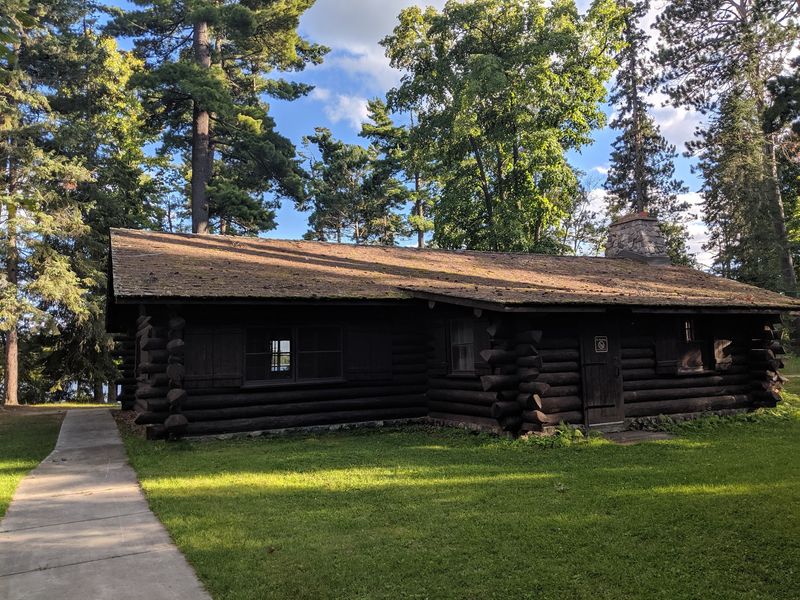
A group camp handles larger gatherings, and a historic Civilian Conservation Corps cabin is available to rent for anyone who wants walls and a roof.
Two practical warnings. The ground is rocky, so bring a real hammer for tent stakes.
And weekends book up early, sometimes months ahead, through mid-September.
Conservation Efforts Preserving Natural Beauty
Back in 1921, someone looked at the birch and pine around Coon and Sandwick Lakes and decided the saws should stop there. That single decision is why old-growth white and red pines still stand in this park while so much of northern Minnesota got cut over.
Land purchases since then have nearly doubled the original acreage. More protected ground means more intact habitat for moose, wolves, and everything smaller.
History got preserved alongside the trees. Between 1933 and 1935, the Civilian Conservation Corps built structures here in Rustic Style architecture, using local timber and stone.
Those buildings are now listed on the National Register of Historic Places and considered irreplaceable. The lodge and cabins look like they grew out of the forest rather than getting dropped into it.
Day-to-day stewardship keeps things running. Habitat restoration, invasive species removal, and trail maintenance are ongoing work across Minnesota state parks, and this one is no exception.
Visitors get to help in small ways. Recycling stations in both campgrounds, staying on marked trails, and packing out trash all add up over thousands of guests.
Park staff also run educational programs, including bear seminars that teach people how to coexist with the neighbors.
Photography Opportunities In Untouched Nature
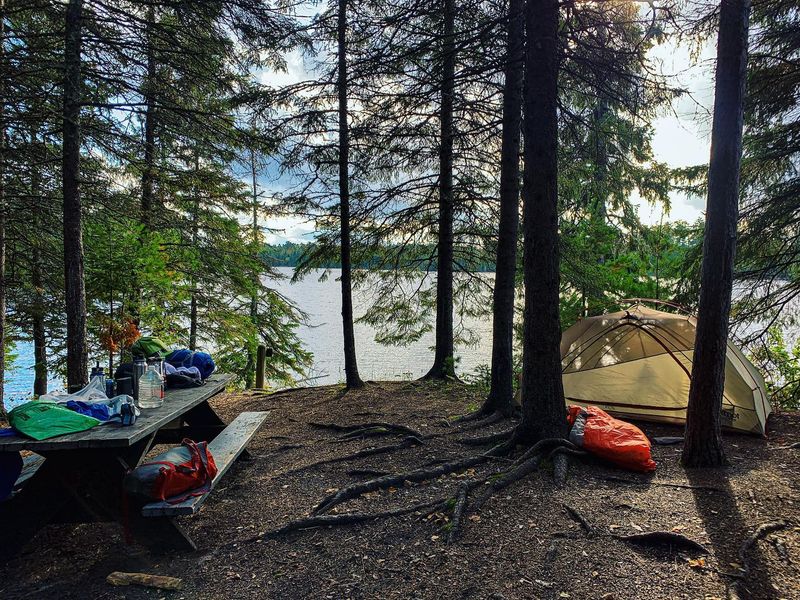
Photographers get spoiled here, mostly because there is no man-made cluttering up the frame. Undeveloped shorelines mean clean compositions in almost every direction.
The boardwalk at sunrise is the classic shot. Mist sits on the water, the light goes gold, and the pines across the lake turn into silhouettes.
Moonrise over Coon Lake is the underrated one. A bright moon reflecting off still water with a dark tree line behind it needs almost no editing to look dramatic.
Chase Point delivers from both the trail and the peninsula tip. Shooting along the ridge gives you water on both sides of the frame, which is a rare setup anywhere.
Massive virgin pines make excellent anchors for wide shots. Get low, shoot up the trunk, and the scale reads immediately.
Seasonal detail rewards close-up work. Wildflowers, lady slippers in June, tamarack turning gold in fall, and frost on cedar branches all give texture without requiring a long lens.
Wildlife subjects show up on their own schedule. Loons, deer, moose, eagles, and ospreys are all possibilities, so keep a longer lens handy.
Do not skip the CCC buildings. Stone and timber against pine forest make for photos with genuine character.