
10 Secret Islands In Rhode Island That Belong On Your 2026 Bucket List
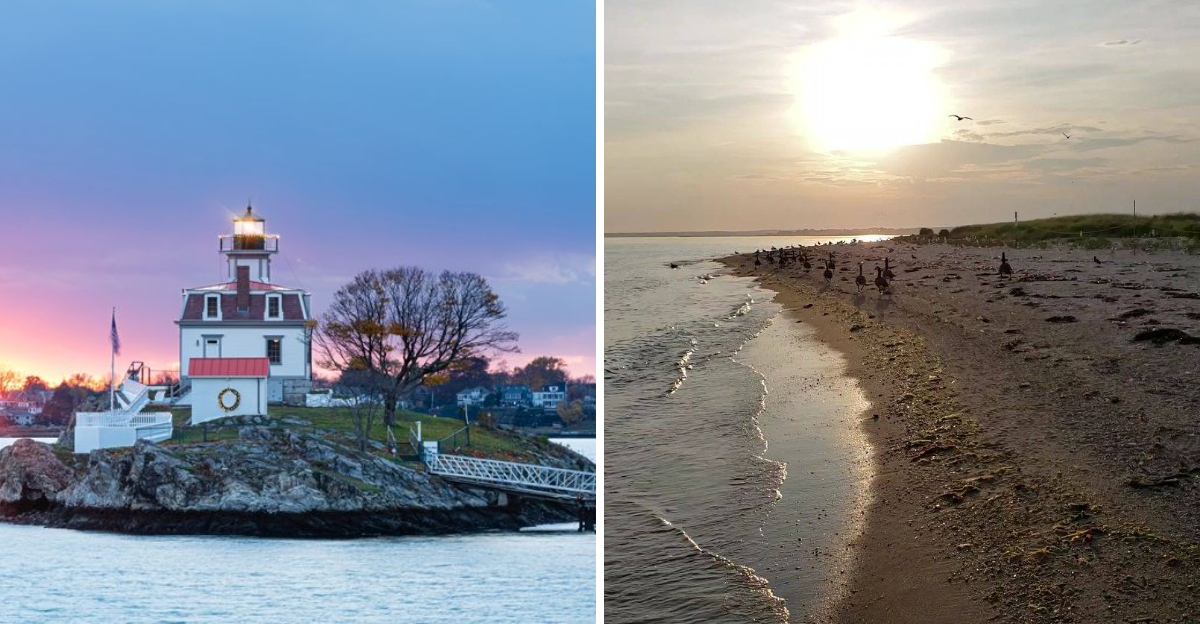
Rhode Island may be tiny, but its coastline is full of places that feel surprisingly far removed from everyday life. A short boat ride can put you somewhere quieter, wilder, and much harder to forget.
These islands are the kind of places that make you want to stay longer than planned. You might find empty shoreline, old ruins, wooded paths, or views that make the trip feel bigger than the map suggests.
The state is famous for its beaches, but its islands add another layer to the experience. Many travelers never think to seek them out, which is exactly why they feel so special.
If your 2026 bucket list needs something different, this is a good place to start. The state has more island escapes than most people realize, and several deserve a spot near the top.
1. Prudence Island
Ferries do not usually feel like time machines. The short ride from Bristol, Rhode Island changes that idea fast.
Peace settles in the moment you step off the boat. Roughly 80 percent of the island sits protected, laced with hiking trails.
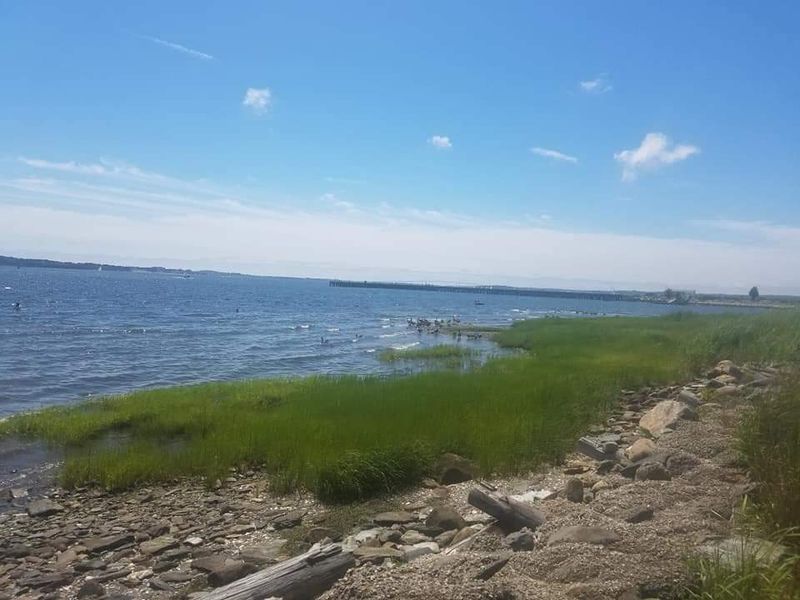
Quiet paths wind past mossy rock walls and cold creeks. Those creeks spill onto empty stone beaches where nobody competes for a towel spot.
Water views stretch a full 360 degrees around the shoreline. The bay looks different from every angle, which never quite gets old.
White-tailed deer roam here in surprising numbers. Red foxes, raccoons, and cottontail rabbits share the same woods and fields.
Large salt marshes cover the northern end of the island. Great blue herons and snowy egrets feed there through the warm months.
From September through May, harbor seals haul out along the rocks. Bring binoculars and patience, because they spook easily.
A small general store sits near the ferry landing. Hours and stock stay limited, so pack snacks and water before boarding.
One of the last one-room schoolhouses in the area still stands here. That single detail tells you plenty about island life.
Plan your return ferry carefully before exploring too far. Miss it, and the island keeps you overnight whether you packed for it or not.
2. Patience Island
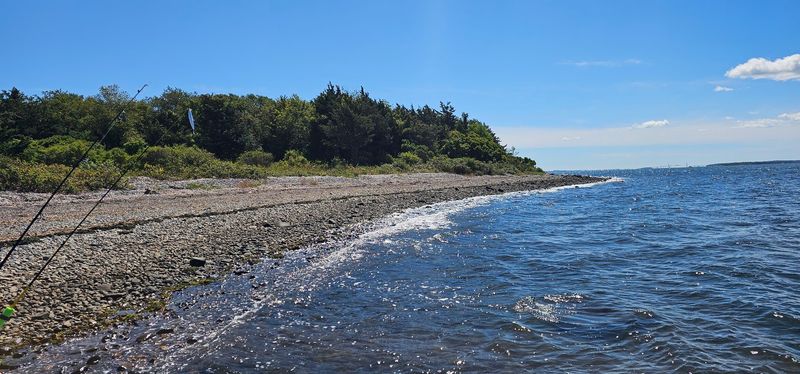
Wildlife gets the run of the place here. People are very much the guests.
Patience Island belongs to the Narragansett Bay National Estuarine Research Reserve. That protected status shapes everything about a visit.
Tall shrubs blanket most of the land. Red cedar and black cherry trees rise above the thicket.
Bayberry, highbush blueberry, and shadbush fill in the gaps. In late summer the blueberry patches draw plenty of birds.
A deciduous forest is slowly taking hold in certain sections. Nature is redrawing the map at its own unhurried pace.
A small salt marsh sits along the southeastern shore. Seablite grows there, a plant considered rare across this part of the state.
Upland areas support white-tailed deer, red fox, and Eastern cottontail rabbits. For such a compact island, that is a busy guest list.
Public access stays limited by design. Private boat is the only way to reach the shoreline.
That restriction keeps the habitat intact for research and conservation. Scientists benefit, and so do the animals living here.
Paddling the surrounding waters offers a fine alternative view. Calm days reward you with reflections and birdsong drifting across the surface.
Check reserve guidelines before planning any approach. Respecting the rules keeps this quiet corner exactly as it should be.
3. Hope Island
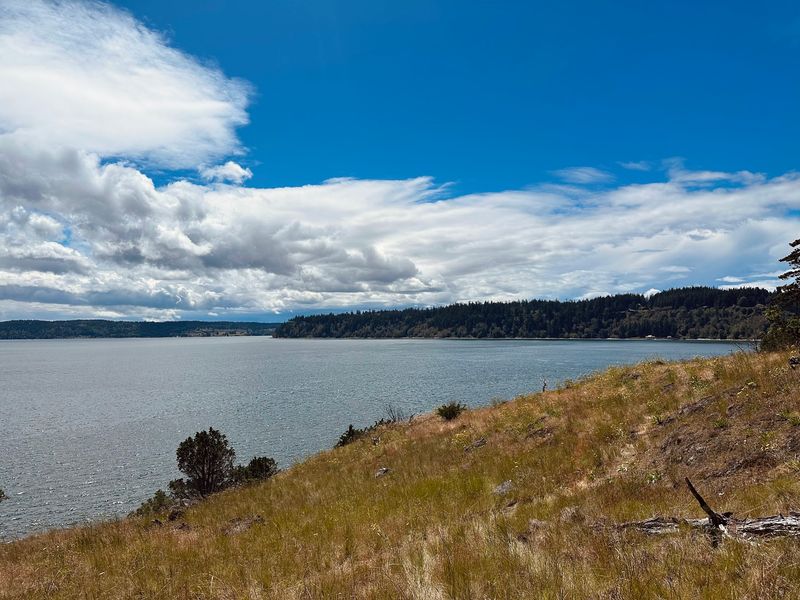
Roughly 91 acres of grass, shrub, and rock make up this bird sanctuary. Few people ever set foot on it.
Hope Island shares protected status with Prudence and Patience within the same estuarine research reserve. Together they form a quiet trio in the bay.
Colonial wading birds treat the island as a nursery. Spring and summer bring the busiest nesting activity.
Low hills and rocky outcrops give the terrain real texture. The shoreline stays steep and stubbornly rocky.
Grasses cover the northern portion of the island. Bayberry and rose shrubs take over other stretches.
Taller shrubs and trees fill the central area. Red cedar and black willow dominate that inner pocket of green.
Only a few small spots allow safe dinghy landings. That geography alone keeps crowds away year after year.
Private boat is the standard method of arrival. Many boaters simply circle and admire from the water instead.
History runs deep here too. The island was a gift from Chief Miantonomi to Roger Williams, the Rhode Island’s founder.
Few places carry that much backstory in so little acreage. The name feels earned rather than decorative.
Bring a camera with a long lens for the birds. Distance protects the nests and still delivers excellent photos.
4. Dyer Island
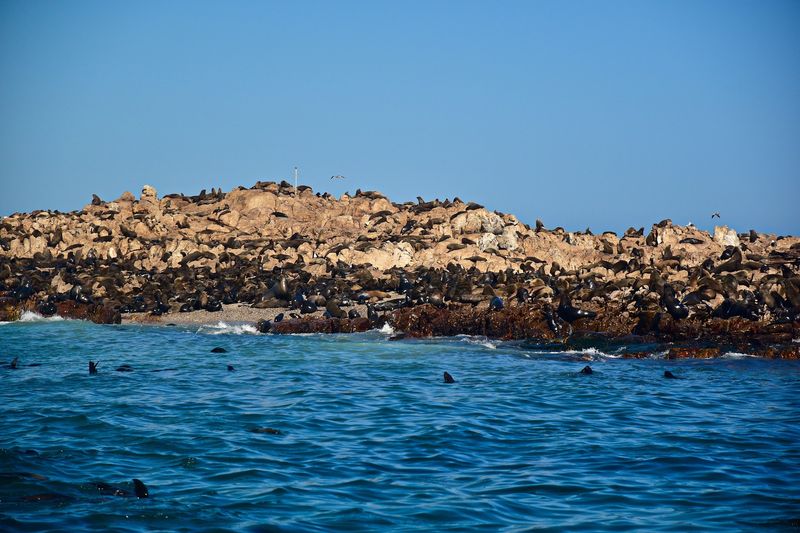
Not every island wants visitors, and that is oddly refreshing. Dyer Island falls firmly into that category.
This lesser-known landmass sits within the wide sweep of Narragansett Bay. Most boaters pass it without a second glance.
Inclusion in the Narragansett Bay National Estuarine Research Reserve gives it official protection. Conservation is the entire point of the place.
Direct public access stays generally restricted. Pristine conditions matter more than foot traffic here.
Natural coastal flora defines the environment. Salt-tolerant plants handle the wind and spray without complaint.
Ecological function is the island’s real job. It quietly supports the health of the surrounding estuarine system.
Local wildlife gets an undisturbed patch of ground. In a busy bay, that kind of calm has genuine value.
Viewing from a distance remains the recommended approach. A private boat trip past the shoreline shows off its unspoiled outline.
No cafes, shops, or facilities exist on the island. Pack everything you need before leaving the mainland.
Kayakers often fold it into a longer bay paddle. The silhouette makes a satisfying midpoint on the horizon.
Charm here comes from what is missing rather than what was built. Untouched land is getting harder to find along any coast.
5. Rose Island
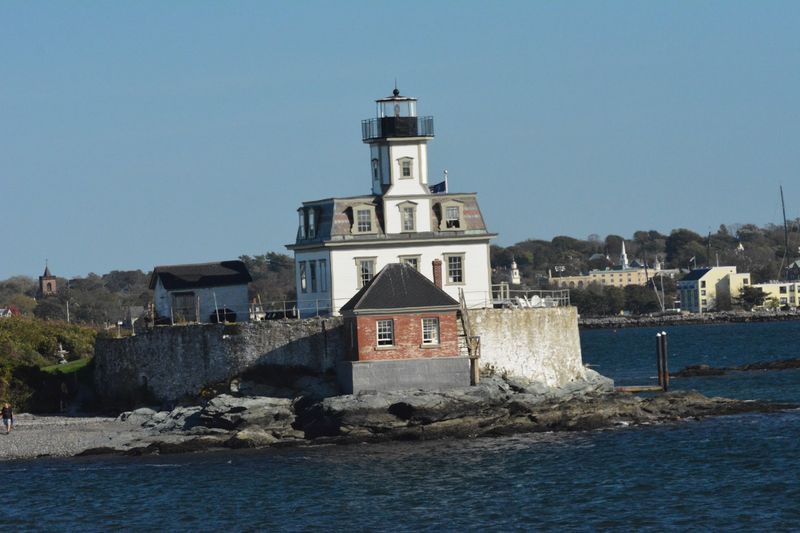
A lighthouse standing guard since 1870 sets the mood immediately. Rose Island wears its history proudly.
The 18-acre island sits off Newport inside Narragansett Bay. Getting there feels like a small expedition.
Restoration work returned the lighthouse to its 1912 to 1915 appearance. Details were handled with real care.
Inside the kitchen sits a coal stove from that era. A working Victrola plays classic records for guests.
Remnants of Fort Hamilton Barracks still occupy part of the island. A wildlife refuge shares the same ground.
Views reach across Newport and the wide bay beyond. Sunset light on the water is the reason many people come.
Daily trips run during the warmer months. Overnight stays are available for travelers who want something more immersive.
The Rose Island Lighthouse Foundation manages the property and offers tours. Their stewardship keeps the site in excellent shape.
The Jamestown-Newport Ferry makes stops at the island. That connection makes planning refreshingly simple.
No restaurants operate on site, so bring provisions. History and scenery fill the plate instead.
The island once served as a quarantine site for many years. That chapter adds another layer to an already storied place.
Book ahead during peak season, since space fills quickly.
6. Pomham Rocks
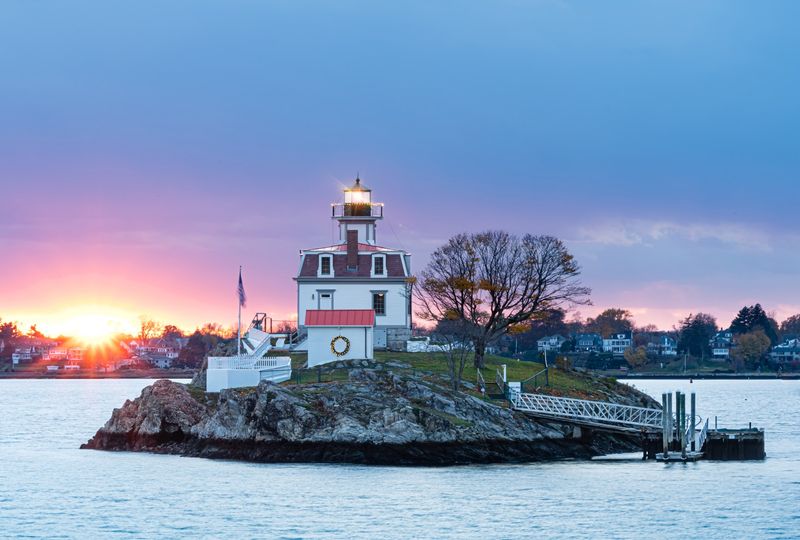
Half an acre of rock holds one of the region’s prettiest lighthouses. Pomham Rocks packs a lot into a tiny footprint.
The island sits roughly 800 feet from shore in the Riverside section of East Providence. Drivers along the shoreline spot it constantly.
Builders completed the lighthouse in 1871 to mark the eastern side of the Providence River. Mariners have relied on it ever since.
A thorough restoration revived both the interior and exterior. The results look sharp from every angle.
From the lantern room, views open across the bay and the busy Providence port. Ships come and go while you watch.
The light still operates as a working navigational aid. Function and history share the same small building.
Inside sits a fourth-order Fresnel lens, a genuine artifact of lighthouse engineering. Glass rings catch the light beautifully.
Rocky terrain surrounds the structure on all sides. Sturdy shoes are the sensible choice.
Public visits happen through escorted, guided boat tours only. Those tours depart from the Edgewood Yacht Club in Cranston.
Private boats, canoes, and kayaks cannot land here. Rules exist to protect both the site and visitors.
A gift shop inside the lighthouse sells mementos. Small souvenirs from a very small island feel appropriate.
7. East Island
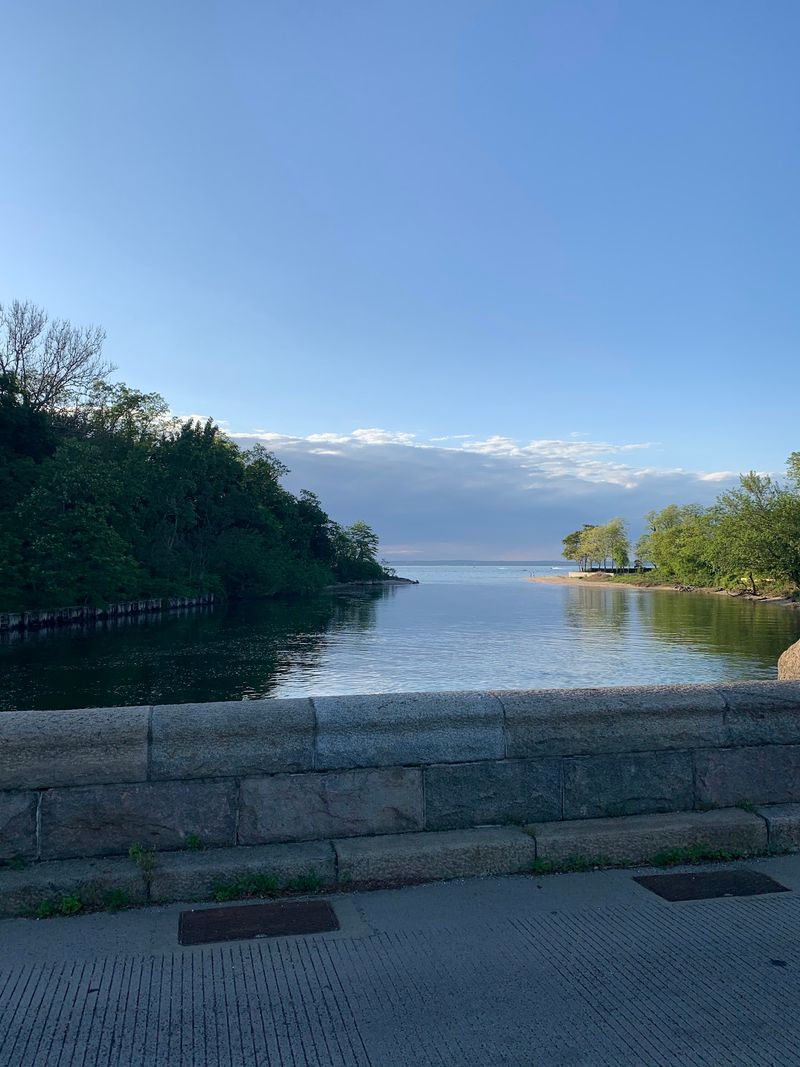
Raw coastline does not get much rawer than this. East Island sits just off the southern tip of Sakonnet Point.
Rocky ground and open water define the whole scene. Softness is not part of the package.
One of two offshore outcrops in the immediate area, it stays wild and largely untouched. Nature runs the show completely.
A small dwelling stood here during the late 19th century. Someone clearly enjoyed a serious ocean view.
Fire and the powerful 1938 hurricane removed the buildings. Only bare land remains today.
No public structures or establishments exist on the island now. That emptiness is exactly what draws photographers.
Rugged shorelines are constantly shaped by the surrounding ocean. Every storm rewrites the edges a little.
Seabirds use the island as important habitat. Coastal plants cling to whatever soil they can find.
Access typically happens by private boat. Conditions can shift quickly, so check the forecast twice.
Many visitors simply cruise past for the view. Watching swells crash against stone is entertainment enough.
The island adds real character to this stretch of seascape. Sakonnet Point would feel incomplete without it.
Come at low light for dramatic photos and calmer water conditions.
8. West Island
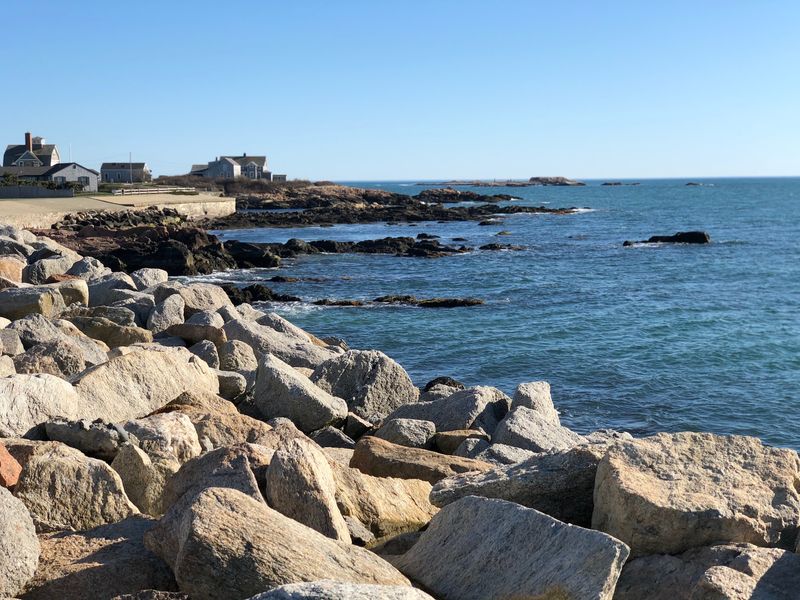
Presidents once fished from this rock. Seagulls have since claimed the property outright.
West Island sits uninhabited near Sakonnet Point in Little Compton. It covers about 9.6 rocky acres.
An exclusive sport fishing club operated here from 1865 to 1906. Prominent guests included former U.S.
Presidents.
Three stone columns from the West Island Club still stand. Weeds and brush have grown up around them.
Arson damaged the structures, and the 1938 hurricane finished the job. Very little architecture survived.
Today the island functions as a shorebird nesting sanctuary. Gull nests cover the ground in remarkable numbers.
Expect noise and a distinctive aroma during nesting season. Thousands of birds are not subtle neighbors.
Kayaks and other small boats launch from Sakonnet Harbor. The protected northwest shore offers suitable landing spots.
Public access is permitted during the nesting off-season. Timing your trip properly matters more here than almost anywhere.
The Sakonnet Preservation Association manages the island for conservation. Their work keeps the birds and the ruins safe.
Exploring the old columns feels like finding a forgotten postcard. History and wildlife share the same overgrown ground.
Wear sturdy footwear, since the terrain stays uneven throughout.
9. Sandy Point Island
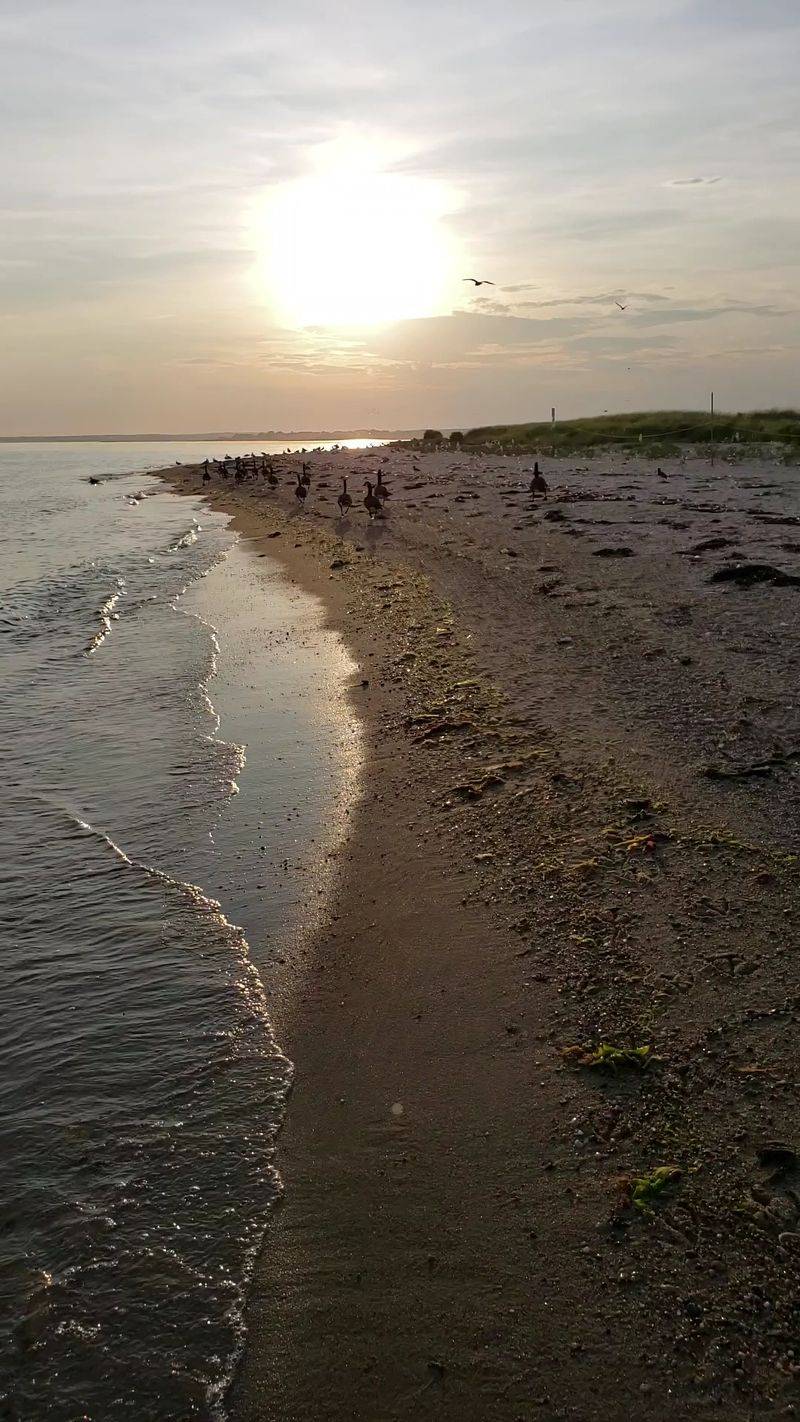
A hurricane created this island, which is quite an origin story. The 1938 storm cut it loose from the mainland.
Sandy Point Island stretches across 35 acres in Little Narragansett Bay. Most of it falls within Westerly, with a portion reaching into Connecticut.
The U.S. Fish and Wildlife Service manages it as a nature preserve and wildlife refuge.
Protection here is taken seriously.
Horseshoe crabs use the shoreline as a significant breeding ground. Watching them arrive is a genuinely prehistoric sight.
American Oystercatchers, Piping Plovers, and Least Terns nest on the sand. All three are protected species.
Migratory birds treat the island as an important stopover. Spring and fall bring constant activity overhead.
Shifting sandbars shape the landscape year after year. The outline you see today may not match next season.
Boat access only, usually by kayak or shallow-draft vessel. Shallow water rules out anything with a deep hull.
During nesting season, certain areas are roped off. Staying outside those lines keeps chicks safe.
A beach pass is required for public access in summer months. Sort that out before launching.
No dogs, fires, or overnight camping are allowed. The ecosystem is sensitive, and the rules reflect that.
10. Goat Island
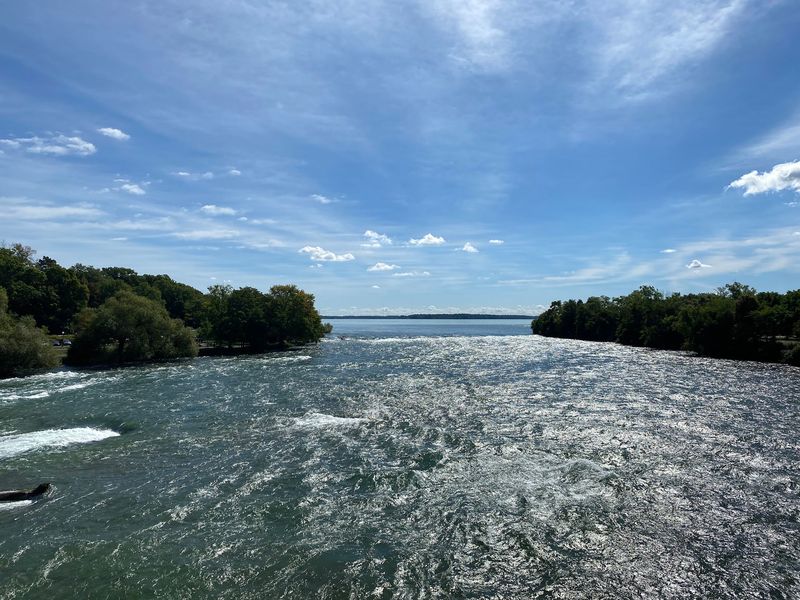
Here is the island for travelers who like comfort with their coastline. Goat Island connects to downtown Newport by causeway.
Scenic views and a calm atmosphere define the place. Walking paths loop past lush landscaping and open water.
Panoramic vistas take in the Newport Bridge and the wider bay. Sunsets from the seawall are legendary among photographers.
The historic Newport Harbor Light stands on the island. Its maritime charm anchors the whole setting.
Upscale lodging includes the Newport Harbor Island Resort. A waterfront restaurant and full-service marina sit on the property.
The Pineapple Club serves guests with dramatic harbor and bridge views. Watching boats drift past makes any meal better.
Belle’s Cafe is another dining option on the island. Casual mornings feel easy here.
Water taxi services link the island to other parts of Newport. Skipping the drive is often the smarter move.
History runs deep beneath the polished surface. The island once served as a military fort and a torpedo manufacturing site.
Amenities include a pool and tennis courts for guests. Vacation mode arrives quickly.
Of all ten stops, this one requires the least planning. Park, stroll, and let the harbor do the rest.