
This Beautiful Tennessee State Park Has Scenic Trails But Venomous Snakes Also Call Them Home
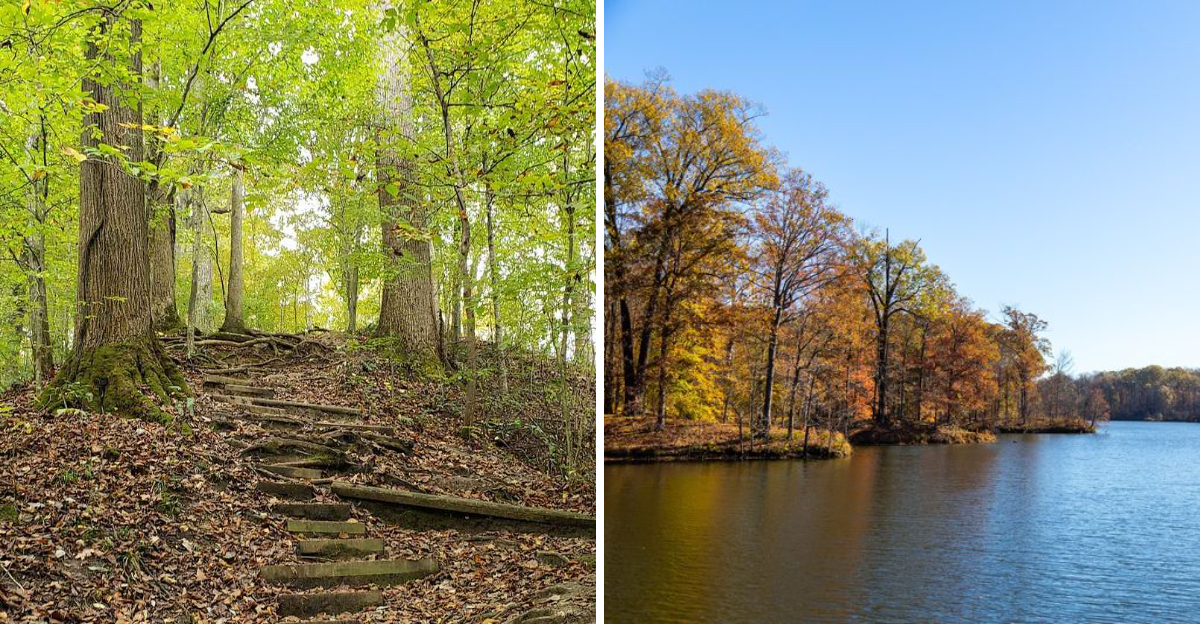
A quiet trail can feel very different once you know a venomous snake might be nearby. That little bit of tension is part of what makes this Tennessee park so memorable.
Wooded paths lead past wetlands, tall trees, and stretches of wild country where the scenery does most of the talking. It is peaceful, but it is not tame.
Cottonmouths, copperheads, and timber rattlesnakes have all been documented here, so watching where you step is more than casual advice.
That does not mean the trails should be avoided. It just means visitors need to pay attention. Snakes usually want space, and most encounters end quickly when people keep their distance.
The park still feels calm enough for a slow hike, a quiet morning, or an afternoon outside. Just keep your eyes open. Around here, the wildlife is not always hiding in the trees.
A Wilderness Shaped By The Mississippi River
Big rivers write the landscape, and this one wrote a masterpiece. The Mississippi carved the bluffs here long before anyone thought to build a trail on them. What remains is a mix of low, wet bottomland and high, dry ridges.
Meeman-Shelby Forest State Park spreads across roughly 13,000 acres just north of Memphis. That size matters.
Large forests hold more species, more quiet, and more genuine wildness than small ones.
Hardwood bottomland covers much of the lower ground. Oaks, hickories, and sweetgums grow thick, and the canopy stays dense through summer. Higher up, the Chickasaw Bluffs rise sharply, giving hikers real elevation change.
A mature bald cypress and tupelo swamp sits within the park too. Those knobby cypress knees poking from the water look almost prehistoric. Standing water like that supports frogs, herons, and yes, snakes.
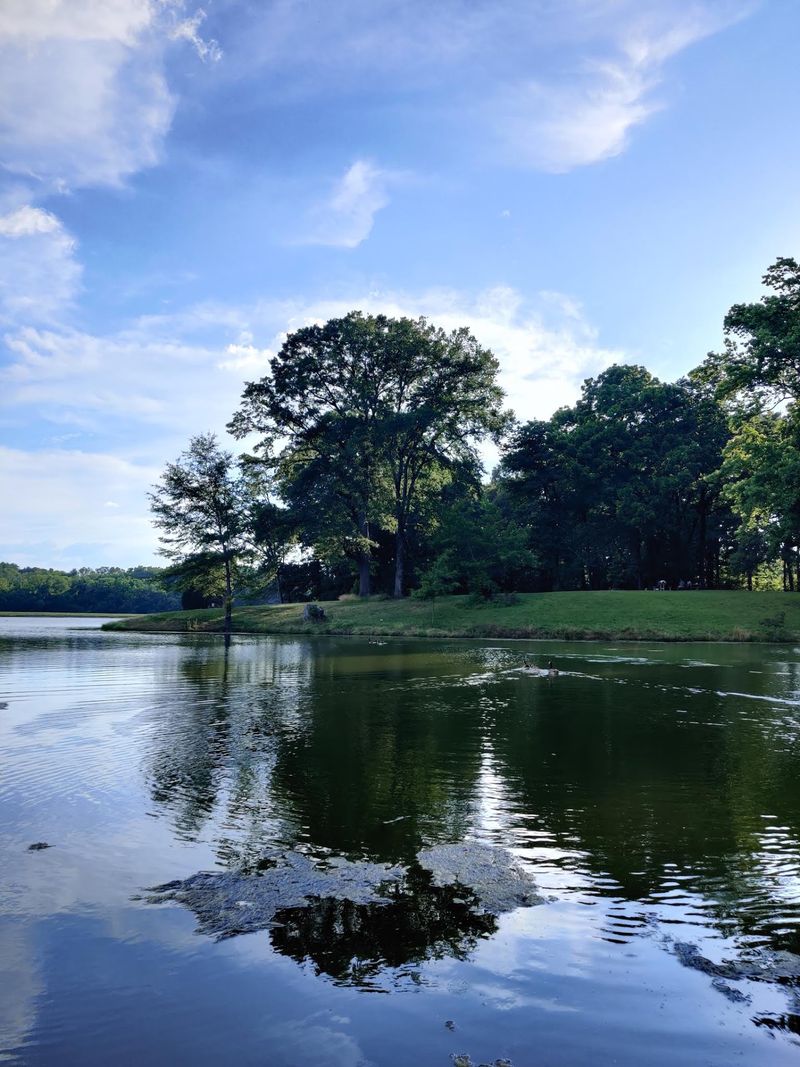
Two lakes round out the picture. Poplar Tree Lake is the larger and busier of the pair, while Lake Piersol stays calmer. Both reflect the surrounding trees on still mornings.
Understanding the terrain helps you plan. Wet areas mean insects and slick footing.
Bluff trails mean climbing. Knowing which you are stepping into makes every mile more enjoyable and far less surprising.
How A Newspaper Editor Saved This Forest
Not every forest survives by luck. This one had an advocate with a printing press.
Edward J. Meeman edited a Memphis newspaper and pushed hard for conservation in West Tennessee.
The land became the Shelby Forest Recreational Area in 1944, growing out of a New Deal project. Federal programs bought up worn farmland and gave it back to the trees. Patience did the rest.
The Civilian Conservation Corps built much of the early infrastructure. Young workers cut trails, raised buildings, and shaped roads that people still use.
Their craftsmanship shows in the rustic stonework and heavy timber.
Later, the park took Meeman’s name alongside Shelby County’s. The full title, Meeman-Shelby Forest State Park, honors both the man and the place. It is a mouthful, and it is earned.
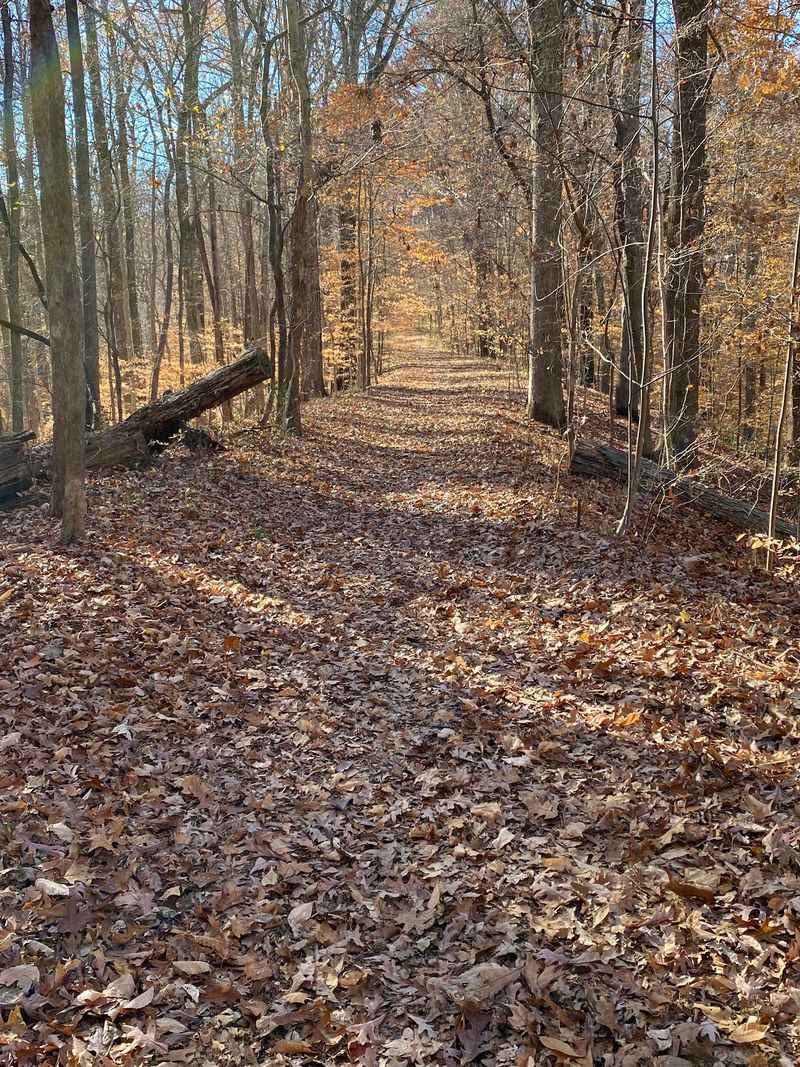
Second-growth forest now looks ancient to anyone walking through it. Trees have had eighty years to stretch upward. Fallen logs rot slowly into the soil, feeding the next generation.
Restored forests also rebuild full food chains. Rodents return, then the predators that eat them.
Snakes are part of that recovery story, not a flaw in it. A healthy woodland needs every link, including the ones that slither.
Twenty Miles Of Trails For Every Kind Of Hiker
Trail variety is the quiet luxury here. More than twenty miles of paths thread the forest, and they range from stroller-friendly to seriously sweaty. Choosing well makes the difference.
Chickasaw Bluff Trail stretches nearly eight miles along the high ground. Long views open where the trees thin near the bluff edge. Bring water and give yourself the whole morning.
Pioneer Springs Trail runs about four miles and stays gentler. It suits families and anyone easing back into hiking. Shade covers most of it, which helps in August.
Woodland Trail has become a favorite among trail runners. Short, steep sections keep the legs honest. Loops of different lengths branch off, so you can turn back whenever you like.
Horseback riders get an eight-mile equestrian trail, though you must bring your own horse. Cyclists have a five-mile intermediate route with enough roots and turns to stay interesting.
Stop at the visitor center for a map before you set out. Cell service inside the park is spotty at best, so a paper map beats a dead phone.
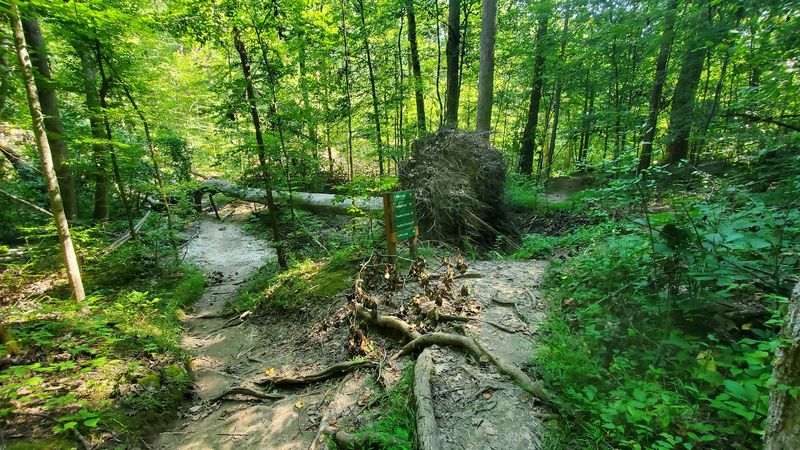
Trail conditions shift after storms. Fallen trees across the path are common in this forest. Step over them carefully, since shaded logs are exactly where a snake likes to rest.
Meet Tennessee’s Four Venomous Snake Species
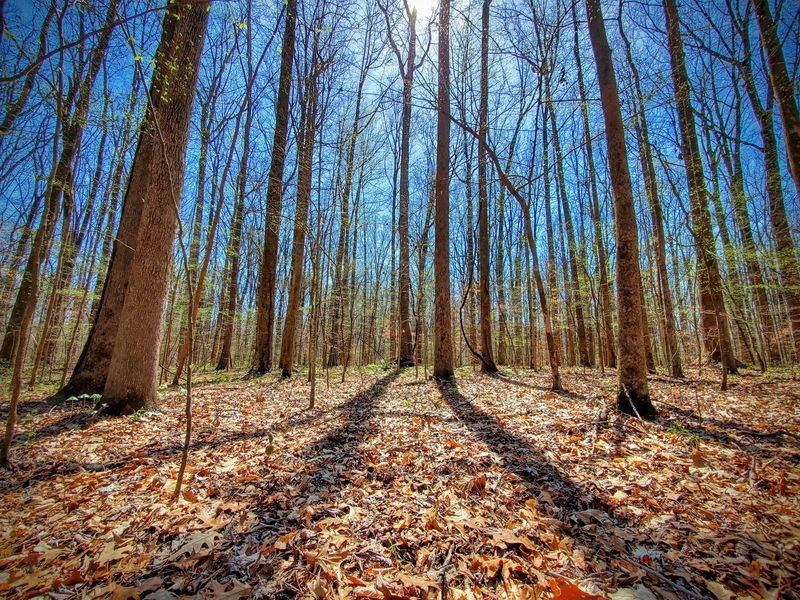
Four venomous species live in Tennessee, and this corner of the state hosts them. The timber rattlesnake, copperhead, cottonmouth, and pygmy rattlesnake round out the list.
Learning the basics takes five minutes.
Timber rattlesnakes are the largest and most potent of the group. They favor mature woods and rocky hillsides, which describes the bluff country well. They also rattle first when they can.
Copperheads are the ones you are most likely to notice. Their hourglass-shaped bands blend beautifully with dead leaves. That camouflage is exactly why looking down matters.
Cottonmouths stick close to freshwater. Swamp edges, lake shores, and sluggish creeks suit them. If you are near the cypress swamp, scan the ground before stepping off the path.
Pygmy rattlesnakes stay small and are rarely encountered. Their rattle sounds more like an insect buzz than a warning shake.
Sightings do happen on wooded trails and near water, especially in warm months. Snakes bask on fallen logs and sun-warmed dirt in the morning.
None of these animals hunt hikers. They eat mice, voles, and frogs, and they would rather you never noticed them at all.
Recognizing them turns an alarming moment into an interesting one, which is a much better souvenir.
Simple Habits That Keep Trail Encounters Calm
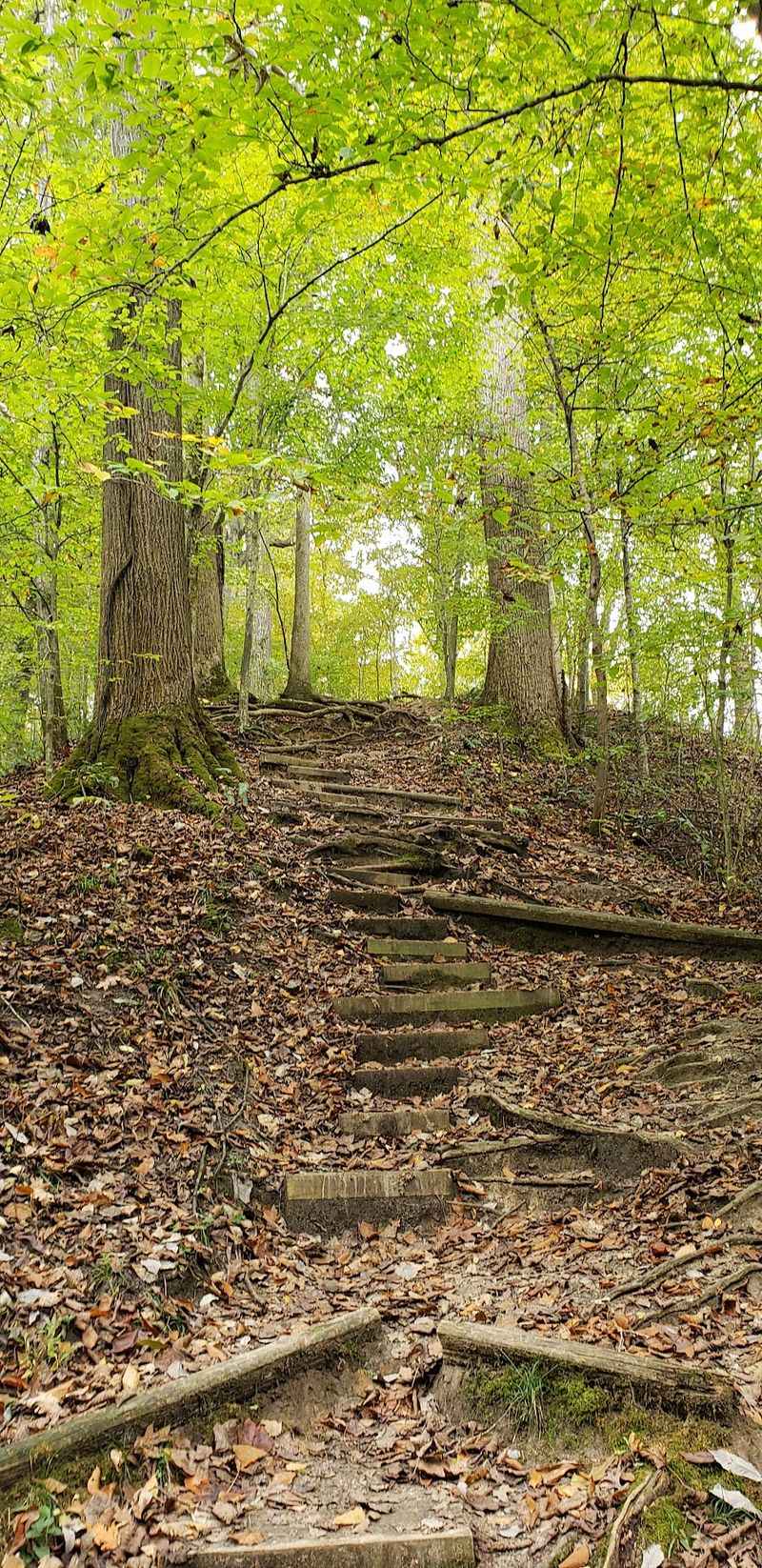
Good trail manners solve almost every snake question. Stay on marked paths and you eliminate most surprise meetings. Snakes hide in thick brush, not on packed dirt.
Closed-toe shoes are the easiest upgrade you can make. Sturdy boots or trail runners protect your ankles from more than reptiles. Rocks, roots, and thorns all lose interest.
Watch where hands and feet land. Reaching blindly over a log or into a rock crevice is the classic mistake. Look first, then move.
Keep dogs leashed. Curious noses find trouble faster than human eyes do, and a leash keeps your companion within arm’s reach. Park rules require it anyway.
If a snake appears on the path, stop and give it room. Most will move along within a minute or two. Photograph it from a comfortable distance if you like.
Never try to move or handle one. Bites are rare and nearly always happen when someone crowds the animal. Respect solves the problem entirely.
Snakes earn their keep by controlling rodent populations across the forest. Fewer mice means healthier woods and fewer pests around campsites.
Long pants, a walking stick, and unhurried steps cover the rest. Simple gear, simple attention, and the trail stays exactly as pleasant as it looks.
An Important Bird Area With Eagles Overhead
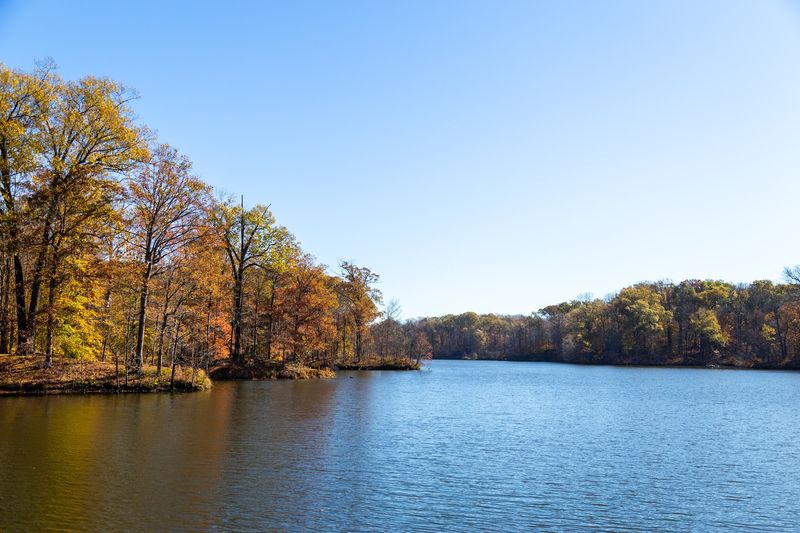
Birders arrive here with long lenses and longer patience. More than 200 species have been recorded across the park. That number puts it in serious company.
The National Audubon Society designated the area an Important Bird Area. Size, water, and habitat variety explain the honor. Migrants funnel down the Mississippi corridor every spring and fall.
American bald eagles nest in the region and soar above the water. Spotting one circling the lake tends to stop conversation cold. Winter mornings offer some of the best chances.
Warblers pour through in migration, filling the canopy with tiny flashes of yellow. Woodpeckers hammer at standing dead trees year round. Barred owls call at dusk near the campground.
Mammals share the stage too. Deer browse the roadsides at dawn, and wild turkeys strut across open woodland. Otters, beavers, foxes, and bobcats all live within park boundaries.
Hummingbird feeders hang outside the park office, drawing a busy crowd in summer. Sitting nearby with a cold drink counts as legitimate wildlife watching. Binoculars change everything on these trails. Quiet feet help even more.
Move slowly, pause often, and this Tennessee forest gradually reveals how many residents were watching you first.
Paddling, Fishing, And Thirty-Six Baskets Of Disc Golf
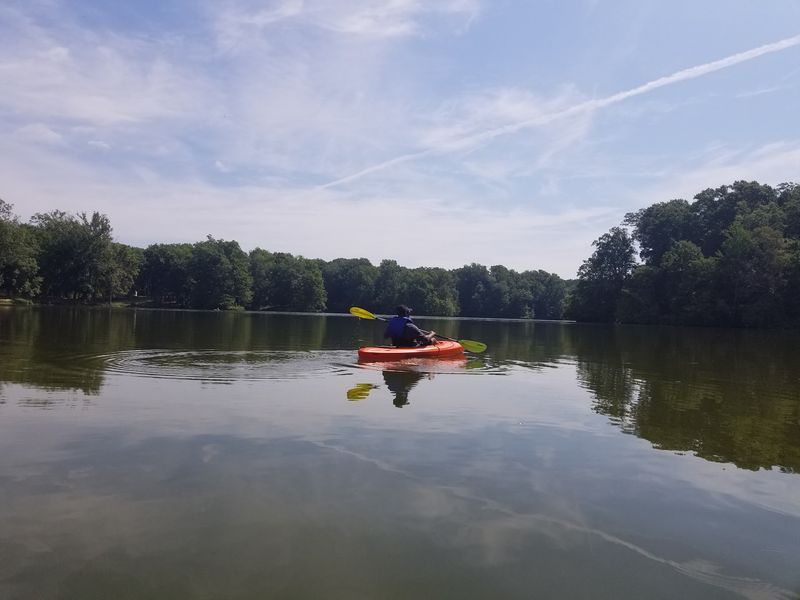
Hiking is only the opening act. Poplar Tree Lake handles the water side of things, and it does so without a single roaring motor.
Canoes, kayaks, pedal boats, and jon boats are available to rent seasonally. A slow lap around the shoreline reveals turtles, herons, and cypress reflections. Ranger-led paddles run at times as well.
Anglers cast for bass, bream, and catfish. Early morning and late afternoon bring the best action. A Tennessee fishing license is required, so sort that out first.
The disc golf course is the surprise favorite. Thirty-six baskets wind through the trees, which is generous by any standard.
Beginners and veterans both find holes that suit them.
Picnic pavilions of various sizes handle family gatherings, and rental rates stay reasonable. A playground keeps younger kids busy while the grill heats up.
The nature center houses live animal displays and educational exhibits. It is a smart first stop, especially if someone in your group is nervous about wildlife. Seeing a snake safely behind glass builds confidence fast.
Planning Your Stay Just Outside Millington
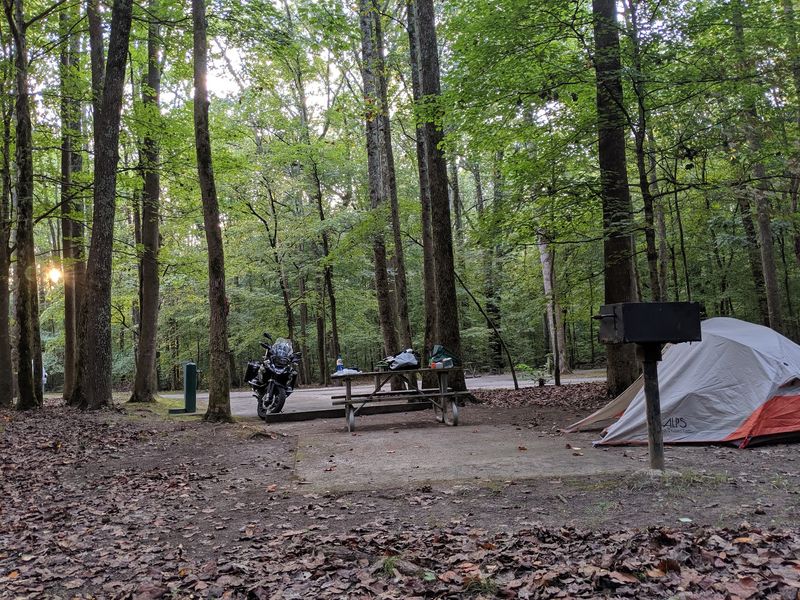
Staying overnight changes the whole experience. Forty-nine campsites offer modern amenities, and recent renovations brought new bathhouses with hot showers.
Concrete pads suit RVs particularly well.
Six furnished cabins provide the comfortable option. Several look out over the water, and fireplaces make cool evenings genuinely cozy. Book early, because they fill quickly in autumn.
You will find the entrance at 910 Riddick Rd, Millington, TN 38053. Gates open at 7 AM and close at 7 PM daily. Memphis sits only a short drive south.
Cell reception ranges from weak to nonexistent inside the park. Some people consider that a bug, others a feature. Download your maps before arrival either way.
Mosquitoes deserve a mention. Bottomland forest and standing water make repellent essential from late spring through early fall. Long sleeves help on humid evenings.
Autumn brings excellent color and cooler hiking weather. Snakes grow far less active once temperatures drop, which suits cautious walkers.
Meeman-Shelby Forest State Park rewards the prepared far more than the impulsive. Pack water, wear real shoes, grab a map, and keep your eyes moving.
Do that, and this stretch of Tennessee woodland becomes the kind of place you plan your next weekend around.