
North Carolina Is Home To One Of America’s Largest Natural Habitat Zoos
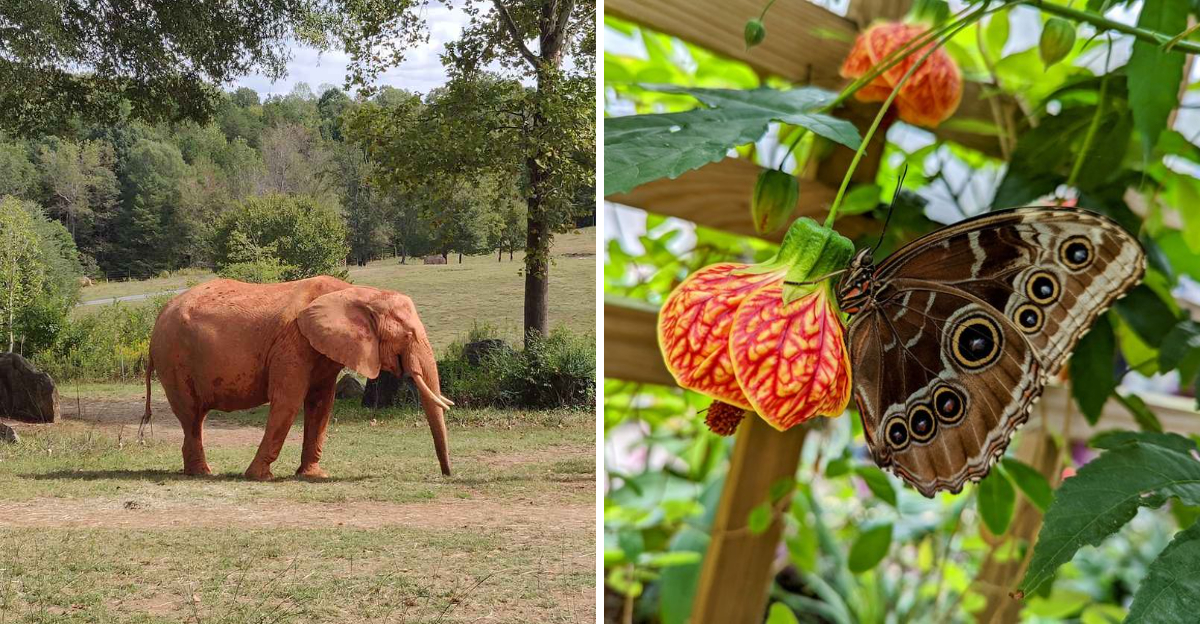
A gorilla might stroll right up to the glass and study you back, no bars in sight. That happens daily inside one massive natural habitat zoo in North Carolina.
Elephants roam grasslands so wide they vanish completely from view. Polar bears swim past underwater windows, and red wolves, among the rarest animals alive, den quietly in nearby woods.
Miles of shaded trails link one continent to the next, with trams ready for tired legs. A butterfly garden waits for anyone craving a calmer twenty minutes.
North Carolina holds acres of terrain built to feel wild instead of caged. Every loop of trail seems to reveal another animal doing something unexpected.
Wonder what else roams those sprawling acres? Plan a full day and find out yourself.
A Bold Idea Born In The 1960s
Back in 1967, state lawmakers asked a simple question. Could North Carolina build a zoo unlike any other?
A study commission dug into the idea and landed on something ambitious. Instead of rows of cages, the plan called for natural habitat exhibits, with animals and plants displayed together.
That concept barely existed anywhere in the country at the time. It made the project both risky and exciting.
A two-year search for land ended in Randolph County, near the ancient Uwharrie Mountain range. The site was dedicated in 1972, and construction started in 1974.
An interim zoo opened first, giving the public a preview of the vision. The North Carolina Zoo officially welcomed guests on August 13, 1976.
Visitors today can find it at 4401 Zoo Pkwy, Asheboro, North Carolina, roughly an hour south of the Triad.
The founding philosophy never faded. Every region added since has followed that same habitat-first thinking.
Knowing the backstory changes how the paths feel underfoot. What looks like a pleasant woodland stroll is actually a decades-long experiment that worked.
Acres Upon Acres Of Roaming Room
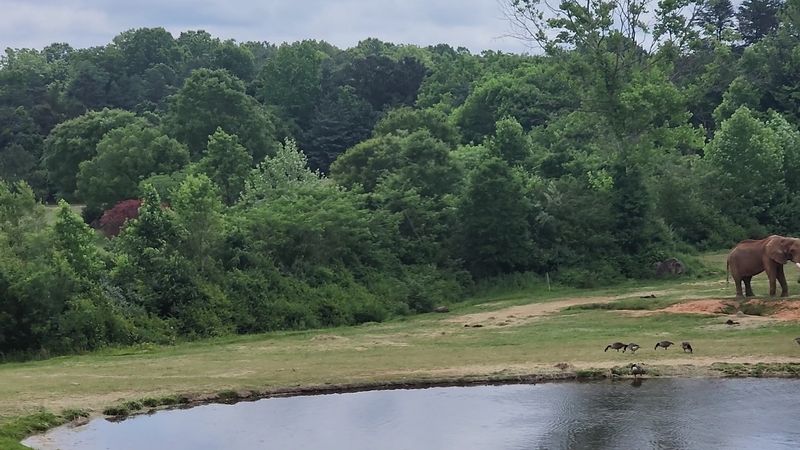
Numbers tell the story fast. The North Carolina Zoo spans about 2,800 total acres, with roughly 500 acres developed for guests.
That scale earns it recognition as one of the largest natural habitat zoos anywhere. Some individual habitats here rival entire zoos elsewhere.
More space means fewer walls and more room for animals to behave like themselves. A bear can wander uphill and out of sight whenever it likes.
For visitors, the tradeoff is walking. Around five miles of paths link the two main continents, with gentle inclines and declines mixed in.
Free trams and buses shuttle guests between the North America entrance, Junction Plaza, and Africa. Many regulars park on the North America side and walk toward Africa, since that direction trends downhill.
Trees line most of the route, which keeps shade generous on warm days. Water refill stations appear often enough to matter.
Repeat visits reveal different things each time. One trip might deliver active chimpanzees, the next a bison herd resting near the fence.
Big spaces reward patience more than speed here.
Watani Grasslands And The Africa Region
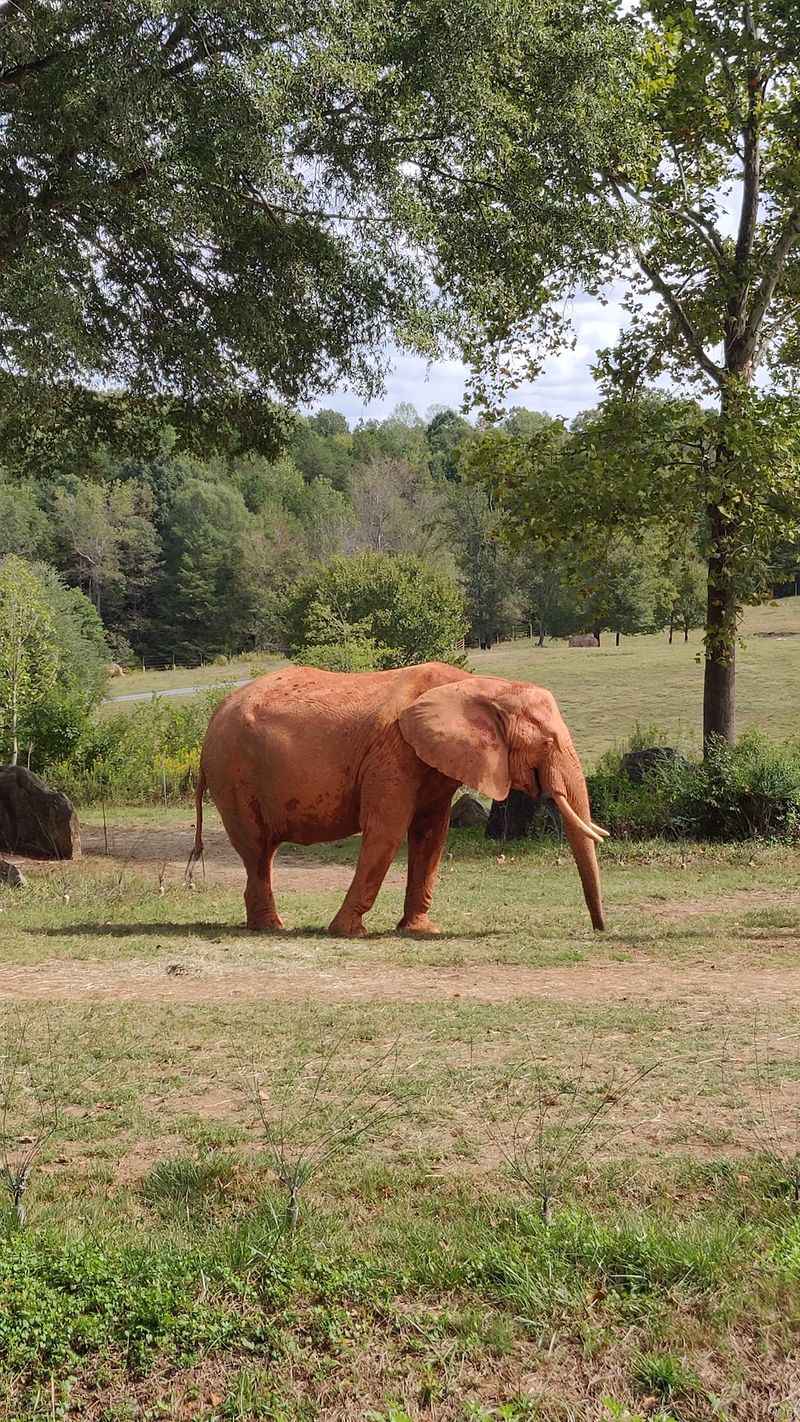
Elephants first, everything else second. That is how many guests plan their morning in the Africa region of the North Carolina Zoo.
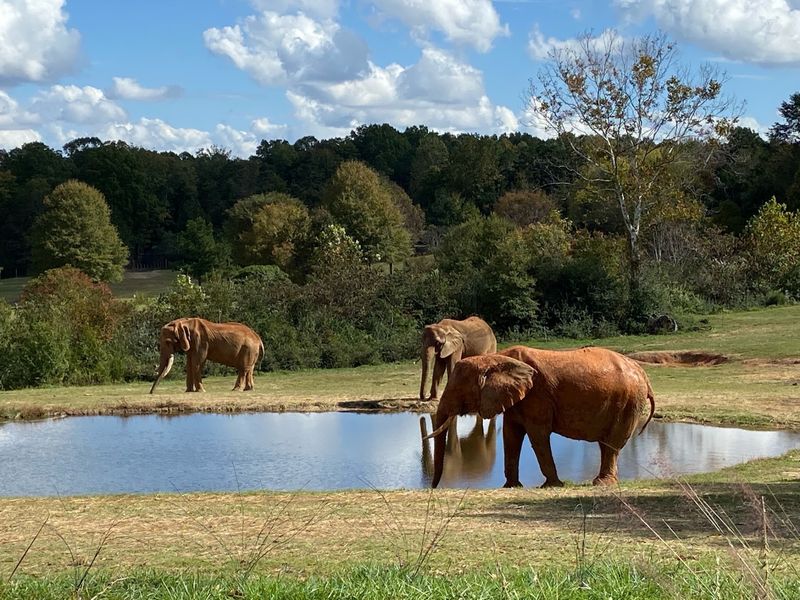
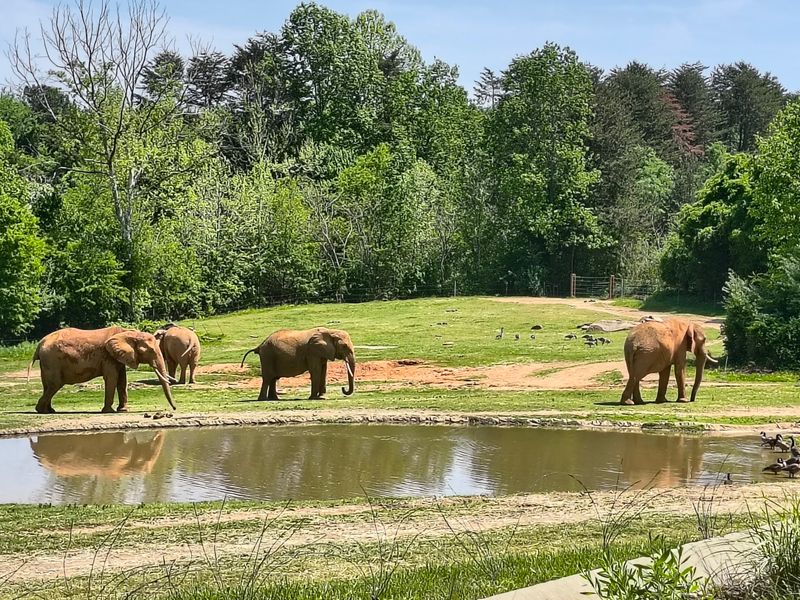
The 40-acre Watani Grasslands Reserve anchors the area. Elephants, rhinos, zebras and antelope share sweeping open terrain that stretches farther than the eye tracks.
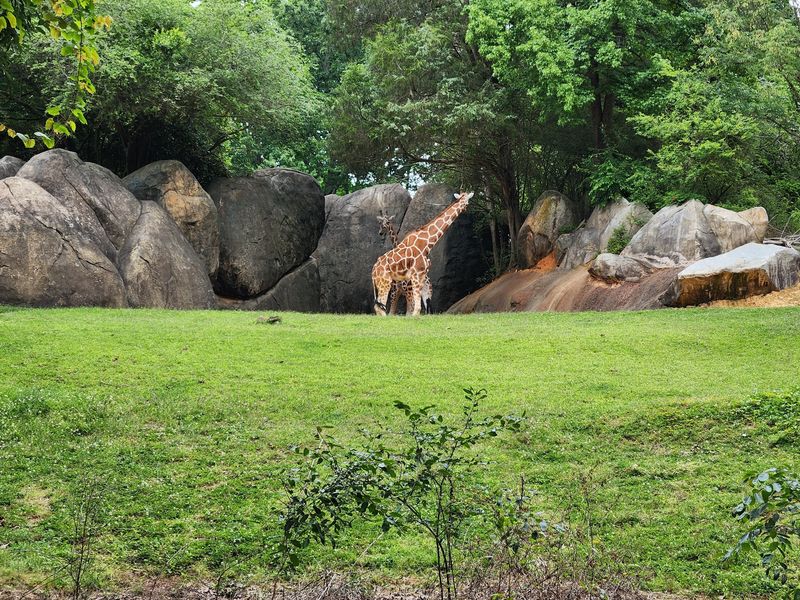
Addra gazelles and fringe-eared oryx blend into the grass. Giraffes browse near the Acacia Station deck, where elevated feeding experiences sometimes bring guests eye to eye with them.
Forest Edge holds the primates. One of the country’s largest chimpanzee troops lives here, and their squabbles, grooming sessions and sudden sprints hold crowds for long stretches.
Gorillas occupy a neighboring habitat. Occasionally a curious one strolls close to the viewing glass and studies the humans right back.
Lions round out the roster with their usual talent for napping in dappled shade.
Because habitats are so large, animals can drift out of view. Circling back later often solves the problem.
Africa alone can swallow half a day, and honestly, that feels like time well spent.
Polar Bears On A Rocky Carolina Coast
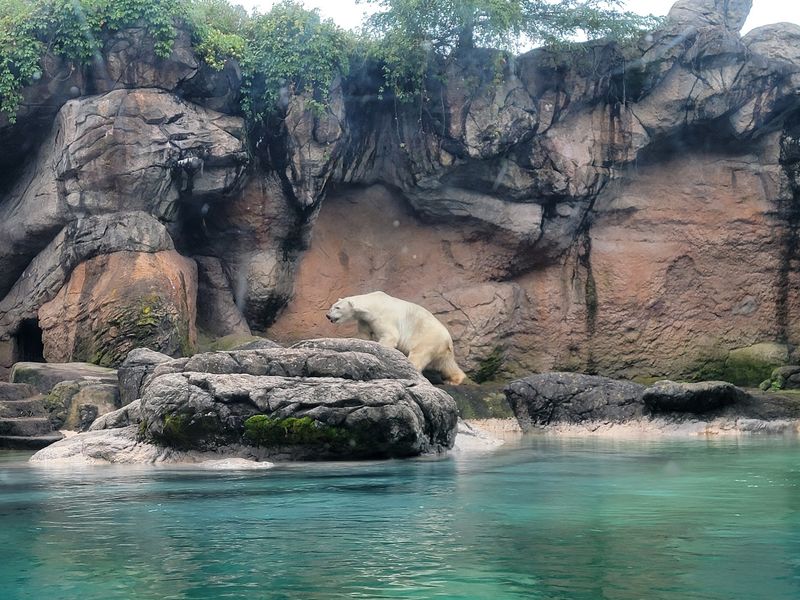
Polar bears in the Piedmont sound improbable. Yet the Rocky Coast habitat at the North Carolina Zoo makes it happen, complete with stone ledges and deep swimming water.
Guests mention polar bears more than almost anything else here. Underwater viewing windows explain why.
Arctic foxes share the northern theme nearby, small and quick against the rocks.
The rest of the North America region sweeps across the continent’s climates. Grizzly and black bears forage through wooded enclosures, and catching a feeding session turns claws and muscle into an unforgettable close-up.
Cougars prowl their shaded ground. River otters supply the comedy, tumbling and diving without pause.
Northwoods and cypress swamp settings host bison, alligators and native reptiles. American red wolves live here too, one of the rarest carnivores on Earth.
Not every animal cooperates on cue. Polar bears sometimes stay tucked away, especially in heat.
Morning visits raise the odds of activity across this whole region.
Standing between arctic rock and southern swamp within one walk still feels quietly remarkable.
The Desert Dome’s Surprising Residents
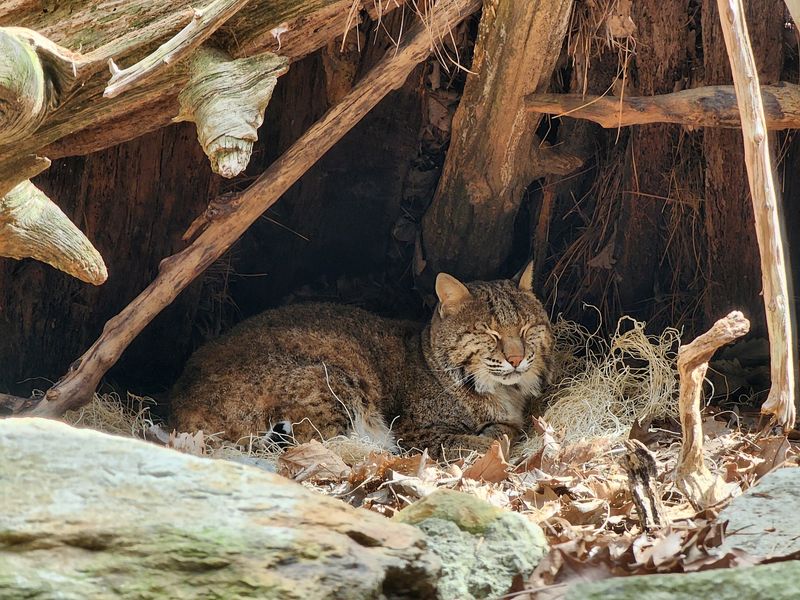
Sand cats melt hearts faster than lions do. Several families name them their favorite stop inside the desert habitat at the North Carolina Zoo.
The building shifts the mood completely. Warm air, pale sand and rock formations replace the leafy trails outside.
Reptiles headline the cast. Gila monsters sit motionless, spiny-tailed monitors scuttle across ledges, and desert tortoises lumber along at their own unhurried pace.
Tiny desert pupfish dart through shallow pools, proof that water hides in the harshest places.
Birds add unexpected color and noise. A crested coua might appear overhead, while a laughing kookaburra occasionally cuts loose with its unmistakable call.
Mouse lemurs and the elusive sand cat represent the mammals, both easier to miss than to spot.
Because it sits indoors, this area doubles as relief during summer heat or sudden rain. Air conditioning has rarely felt so welcome mid-hike.
Slow looking pays off most here. Camouflage is the whole point, and half the residents reveal themselves only after a patient minute or two.
Desert life turns out to be far busier than it first appears.
Butterflies, Carousels And The Kidzone
Small feet need somewhere to run. Kidzone answers that need with a natural stream for splashing, a fort-building area and a mud cafe.
Getting messy is encouraged, so packing spare clothes counts as smart planning.
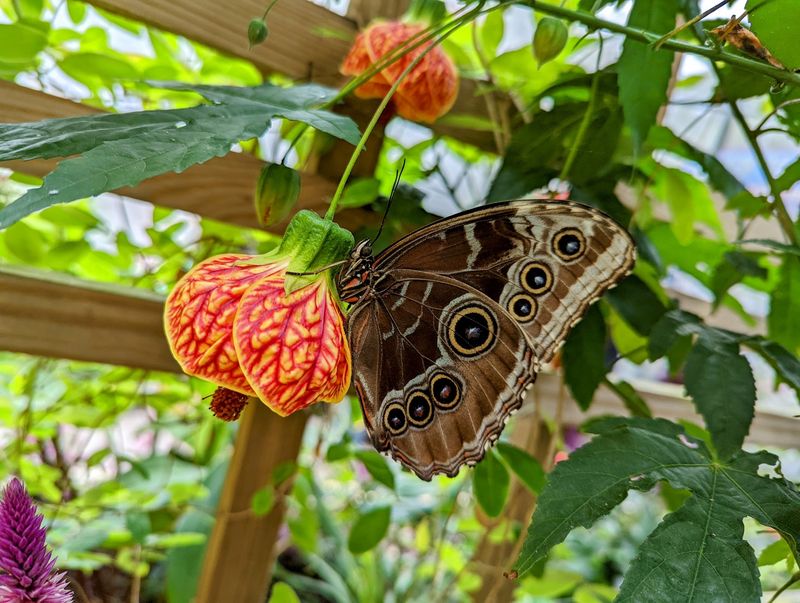
The Kaleidoscope Butterfly Garden offers the opposite energy. Inside the walk-through space, wings drift past shoulders and settle on flowers without warning.
Guests often describe it as the calmest twenty minutes of their day at the North Carolina Zoo.
An endangered species carousel spins nearby, each hand-painted animal representing a real conservation story. Kids pick their ride, adults read the plaques.
Ropes courses add a jolt of adrenaline for anyone still full of energy after miles of trail.
Zoo Explorer missions give young visitors tasks to complete around the park, with pins as rewards. It transforms a long walk into a scavenger hunt.
Some of these attractions carry a separate fee, so checking at the gate helps with budgeting.
Mixing one or two extras between animal regions keeps everyone cheerful. Momentum matters more than mileage when children are involved.
Keeper Talks And Behind The Scenes Tours
Ever wondered what a rhino eats for breakfast? Keeper talks answer questions like that, straight from the people doing the feeding.
Meet the Keeper sessions pop up across the park throughout the day. Schedules shift, so glancing at the daily listings on arrival saves guesswork.
Animal care staff share diets, personalities and training routines. Their enthusiasm tends to be contagious.
Docents and instruction stations offer another layer. Curious kids can handle artifacts and ask endless follow-up questions without anyone rushing them.
The zoo society also arranges behind-the-scenes tours. Depending on availability, these can include feeding opportunities and access to areas ordinary tickets never reach.
Zoofari rides carry small groups through the Watani Grasslands, bringing rhinos, antelope and gazelles unusually close. Many visitors call it the highlight of their trip to the North Carolina Zoo.
Extra experiences usually require advance booking and separate tickets. Spots fill quickly during busy months.
Talking with staff changes the whole visit. Animals stop being exhibits and start being individuals with histories, quirks and favorite snacks.
Red Wolves And Homegrown Conservation Work
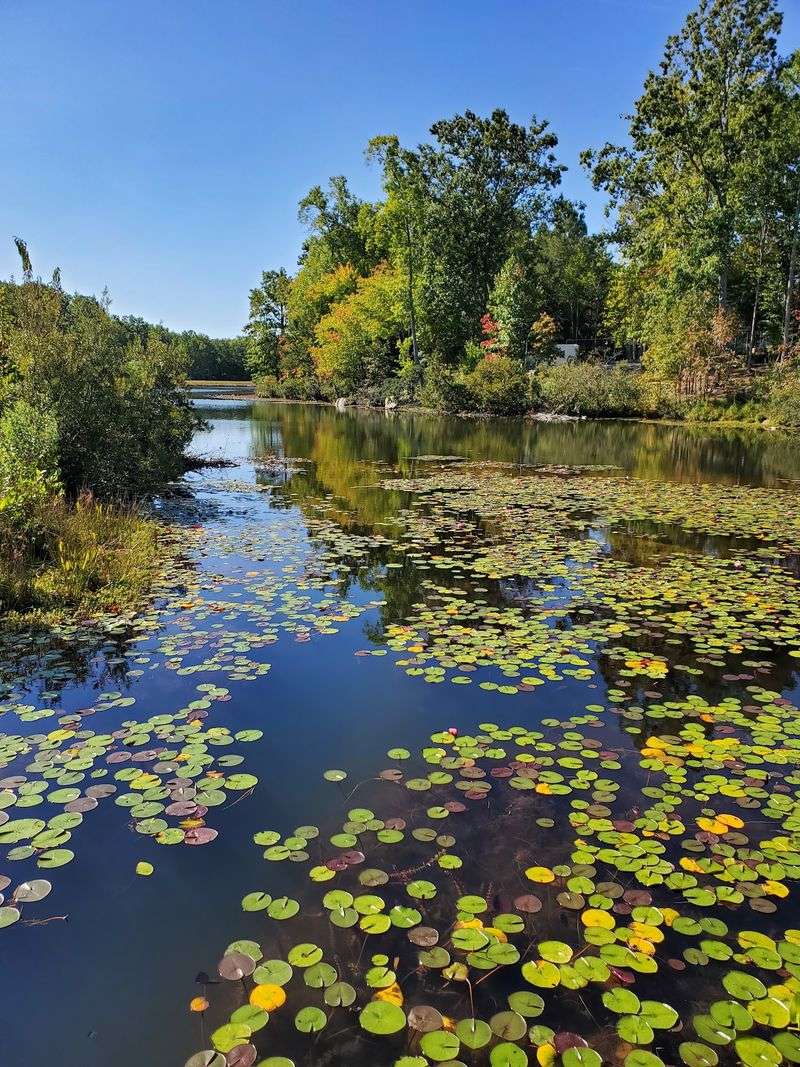
The American red wolf ranks among the most endangered mammals on the planet. Its future runs partly through Asheboro.
The North Carolina Zoo houses the second-largest breeding pack of red wolves in the country, behind only one other zoo. Staff also help coordinate the broader Red Wolf Recovery Program alongside many partners.
Seeing one is never guaranteed. Wooded habitats let these shy canids stay hidden, which is exactly what wolves prefer.
Local conservation reaches beyond wolves. Over 2,800 acres of surrounding land sit under zoo management, with large portions protected for their geology and plant life.
Amphibian and reptile projects target species native to the state. A native wildlife rehabilitation center treats injured local animals behind the scenes.
Habitat protection here is not abstract. Streams, forests and rocky outcrops of the Uwharrie region benefit directly.
Signage throughout the park connects these efforts to what guests are watching. That link turns a fun outing into something with weight.
Support arrives through admission, memberships and donations. Quiet, unglamorous work continues year-round while visitors stroll the trails above it.
Conservation Reach That Crosses Oceans
Ranger patrols in Africa and a zoo in North Carolina share a surprising connection. Technology built here helps protect wildlife thousands of miles away.
For over two decades, the North Carolina Zoo has run field conservation programs abroad. Work spans eight African countries, plus the Caribbean and the Mariana Islands.
SMART technology sits at the center of much of it. The system helps rangers record patrols and respond to threats more effectively.
Anti-poaching support goes hand in hand with that tool. Teams on the ground gain better information and coordination.
Elephant conservation in West Africa forms a major focus. Big cat protection extends into Zambia, Zimbabwe, Namibia and Nigeria.
Habitat loss and wildlife trafficking drive these projects. Both problems demand long-term commitment rather than quick fixes.
Animals living in Asheboro serve as ambassadors for wild relatives facing those pressures. That framing appears throughout the park’s education material.
Global fieldwork rarely gets photographed by visitors. Still, it may be the most consequential thing happening under this zoo’s name.
Timing The Visit And Packing Smart

Comfortable shoes rank above every other item on the list. Miles of trail with rolling inclines will find any weak footwear.
Spring and fall bring the friendliest conditions. April and October usually land in the low seventies, and animals tend to move around more in mild weather.
Summer heat pushes many residents toward shade or indoor spaces. Arriving early beats both crowds and temperature.
Weekdays feel noticeably calmer than weekends and holidays. Parking fills fast on peak days, so an early start helps there too.
Refillable water bottles pay off, since refill stations appear throughout the North Carolina Zoo. Packing a lunch for the picnic areas is a common money-saving move.
Trams and buses connect the major regions at no extra cost. Strollers usually need folding before boarding.
Wheelchairs and electric scooters are available to rent, which opens the park to visitors who cannot manage long distances.
Buying admission online ahead of time speeds up entry considerably.
Plan four hours minimum. Plan a full day if seeing everything matters.
The Asia Region Rising Next
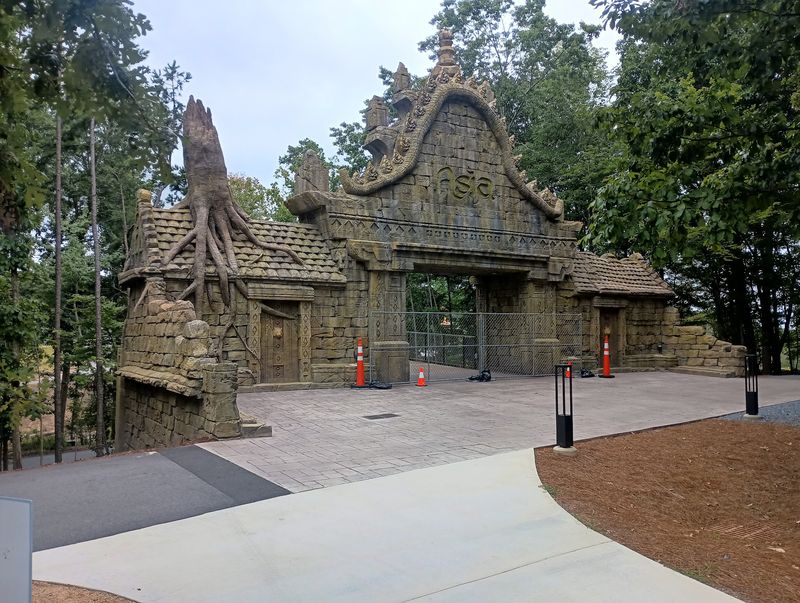
The 12.5-acre Asia region at the North Carolina Zoo is fully built and its animals are already settled in, with a public opening expected once state budget approval allows the zoo to hire the staff needed to safely welcome guests.
Plans point toward iconic species including tigers, Komodo dragons and Asian otters. A third continent will join Africa and North America on the map.
Longtime members already talk about return trips built around the opening. Some reviews mention saving the butterfly garden or giraffe feeding for that future visit.
Funding approval marked a significant milestone for the project. Growth on this scale takes years of planning and steady support.
Existing regions stay open during the work, though occasional closures happen for maintenance across the park. Checking current exhibit status before arriving prevents disappointment.
Expansion fits the founding pattern rather than breaking it. Habitat-first design guided 1976, and it guides the new construction too.
More continents mean more conservation stories to tell. Each region doubles as an education platform for species under pressure.
Anticipation is half the pleasure. For anyone in North Carolina, a reason to come back is already under construction.