
You can walk out onto a Lake Erie lighthouse pier in Marblehead, Ohio
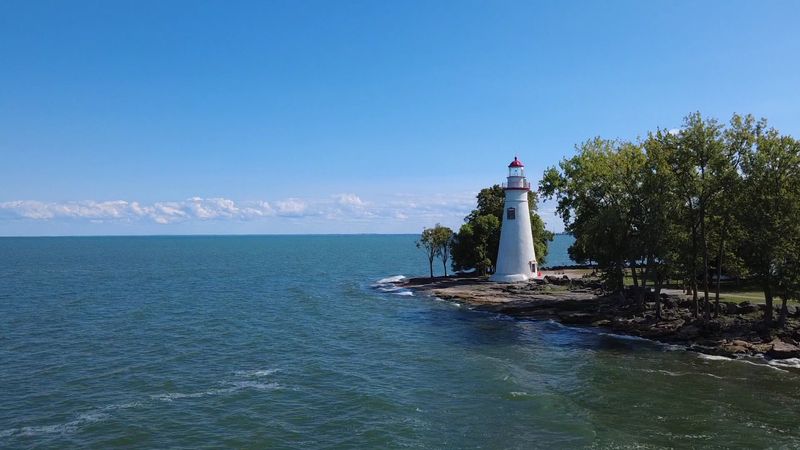
Somewhere along the northern edge of Ohio, the road runs out and the water takes over. What looks like a quick photo stop turns into an hour of scrambling across pale limestone slabs while waves smack the shore and boats slide past in the distance.
There is a tower here that has been lit since 1822, still doing the job it was built for. It is the kind of place you pull into on a whim and leave already planning the next trip back.
A Limestone Headland Where the Road Meets the Water
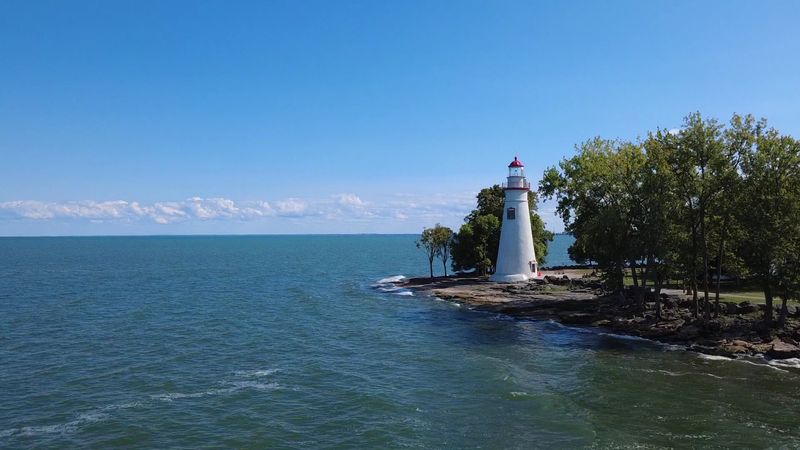
Follow Lighthouse Drive to its end in Marblehead, Ohio, and the pavement gives way to a rocky point pushing straight into Lake Erie. Marblehead Lighthouse State Park sits at 110 Lighthouse Dr, occupying a shelf of Columbus Limestone that forms the natural edge of the Marblehead Peninsula.
The park is small, and nobody pretends otherwise. What it lacks in acreage it makes up for in position, because almost every step delivers open water in at least two directions.
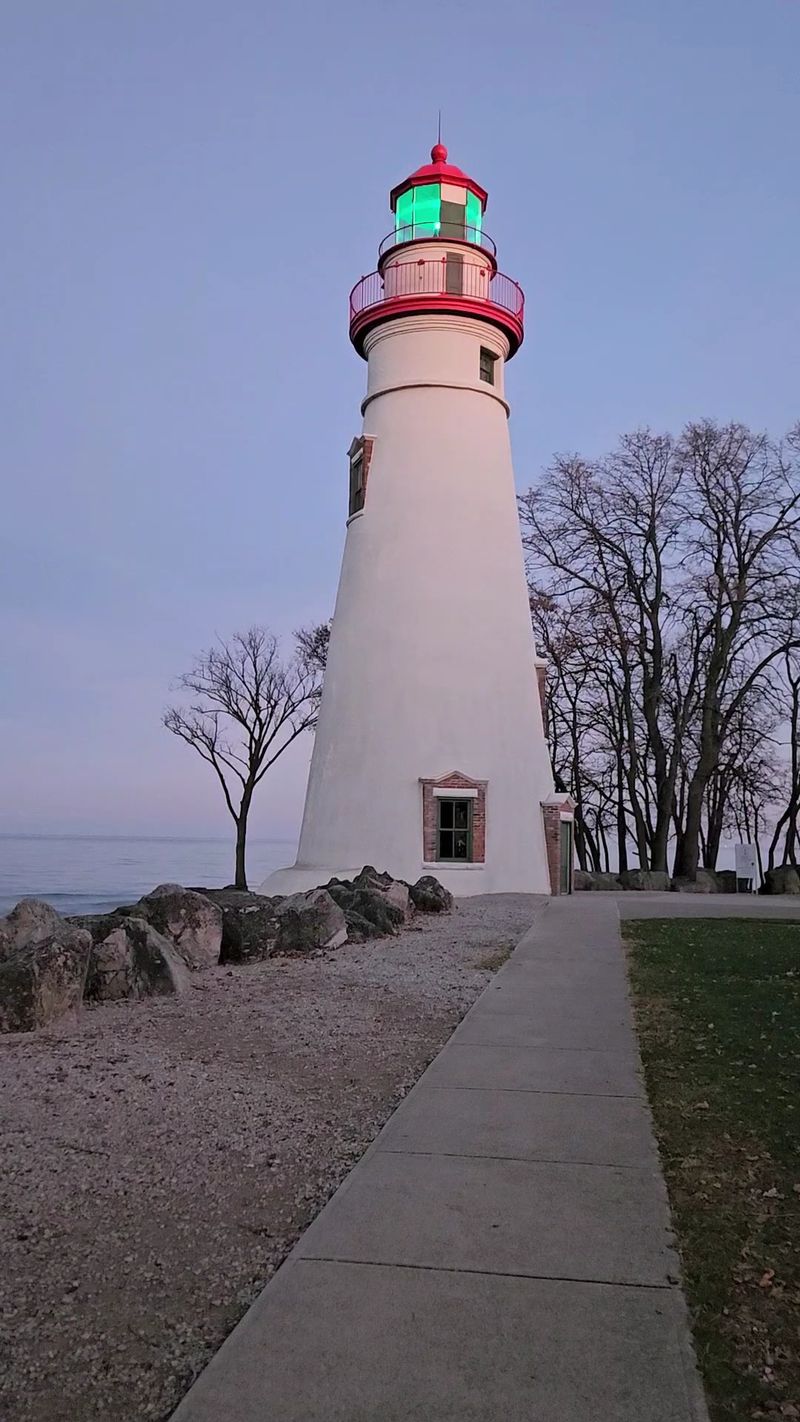
The centerpiece is the lighthouse itself, a stout white tower that has guided sailors since 1822 and holds the title of oldest continuously operating light on the Great Lakes. Around it sit mowed lawns, paved paths, picnic tables, restrooms and a scattering of historical markers.
Visitors consistently describe the grounds as spotless and easy to wander, with a short walk from the parking area to the tower. It functions as a park, a museum site and a working navigational aid all at once.
Ohio Department of Natural Resources manages the property, and it shows in the upkeep. Few roadside stops in the state pack this much into so compact a footprint.
Two Centuries of Continuous Light
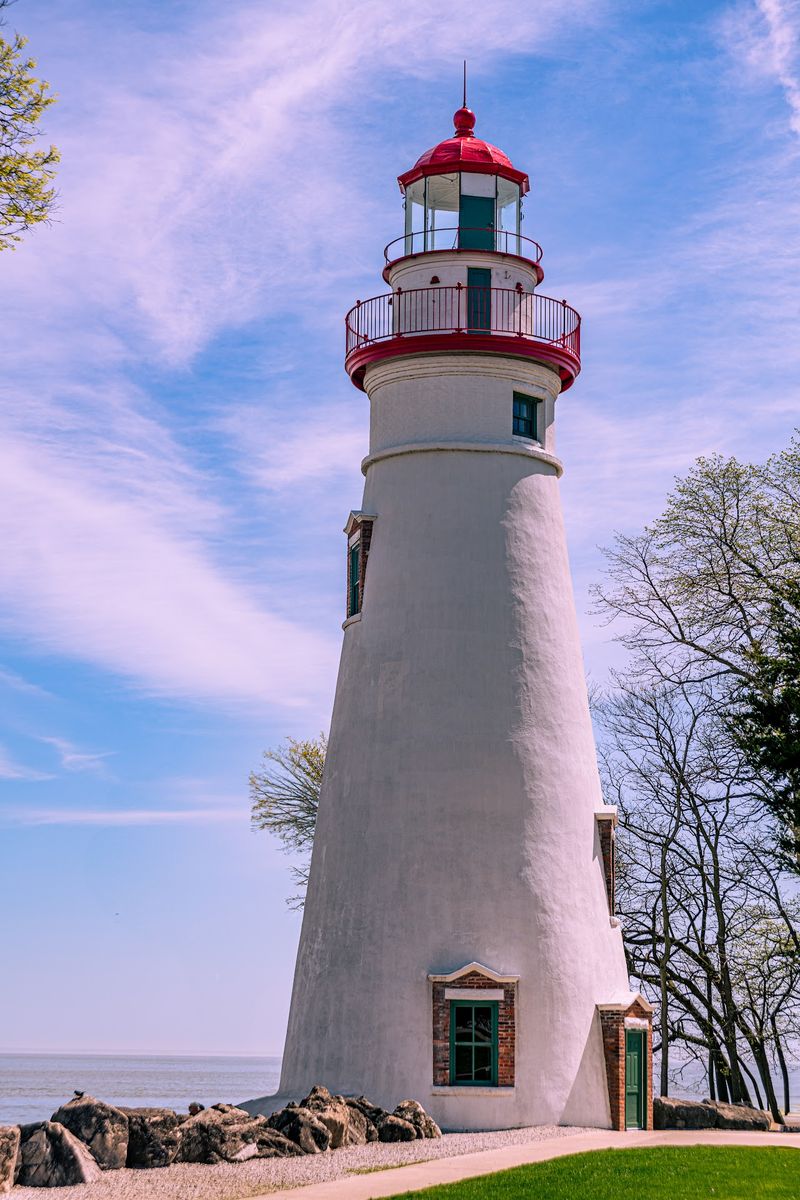
Back in 1822, when this tower first threw its beam across Lake Erie, Ohio was barely two decades into statehood and the lake carried far more cargo than pleasure craft. That light has never gone dark for long since, which earns Marblehead the distinction of being the oldest lighthouse in continuous operation anywhere on the Great Lakes.
Longevity like that is rare. Storms, shifting shipping routes and changing technology have retired plenty of other beacons, yet this one kept working while the world around it rearranged itself.
Historical markers positioned around the grounds fill in the details, and guests frequently mention how much they learn simply by strolling and reading. The signs cover the keepers, the construction and the maritime traffic that once depended on the beam.
Standing beside the tower, it takes very little imagination to picture a schooner crew watching for that flash through a squall. The stonework has weathered, the lens technology has modernized, but the purpose has not budged in more than two hundred years.
Anyone with a soft spot for American history gets a genuine payoff here, and it costs nothing to stand on the lawn and take it in.
Seventy-Seven Steps to the Top
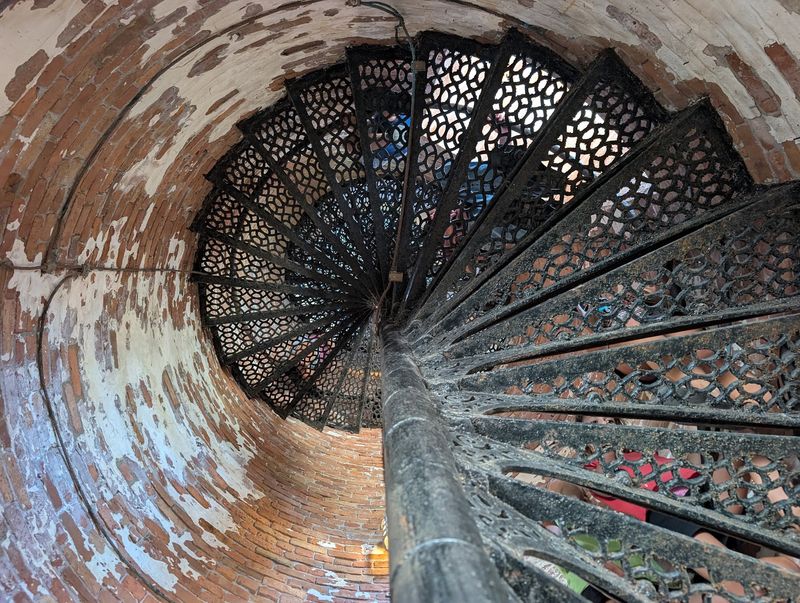
Seventy-seven steps stand between the ground floor and the gallery at the top of the tower. They wind, they narrow, and by the time you reach the lantern room your legs will have registered the effort.
The reward arrives all at once. From up there the view stretches across Lake Erie and Sandusky Bay, out toward Kelleys Island and South Bass Island, with Cedar Point riding the horizon on clear afternoons.
Climbs are seasonal. Tours typically run daily from Memorial Day Weekend through Labor Day, generally between noon and 4 PM, and there is a fee to go up.
High winds or heavy storms can shut the climb down without much warning, so a backup plan never hurts.
Plenty of visitors have shown up a day early or an hour late and missed the tower entirely. They almost always report having a fine time anyway, wandering the rocks and grounds instead.
If reaching the top matters to you, build the trip around those hours rather than hoping the timing works out. Guests who did make the climb describe it as the moment the whole peninsula finally makes sense.
Scrambling the Rocky Shoreline
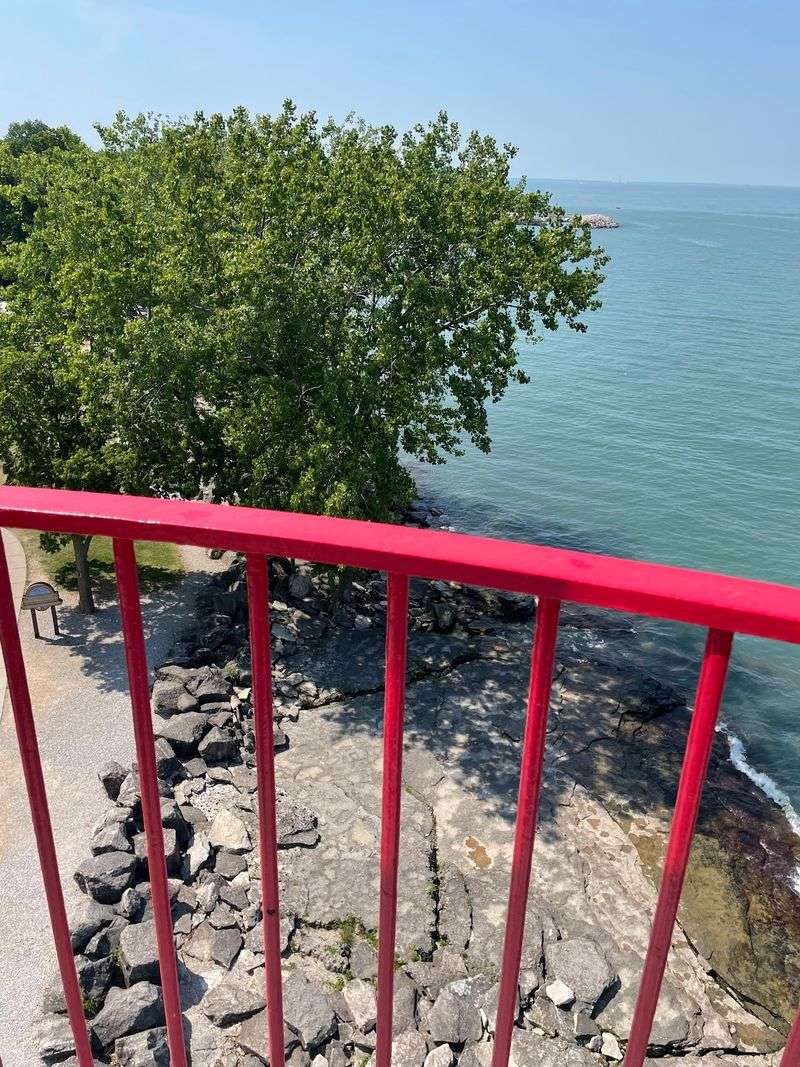
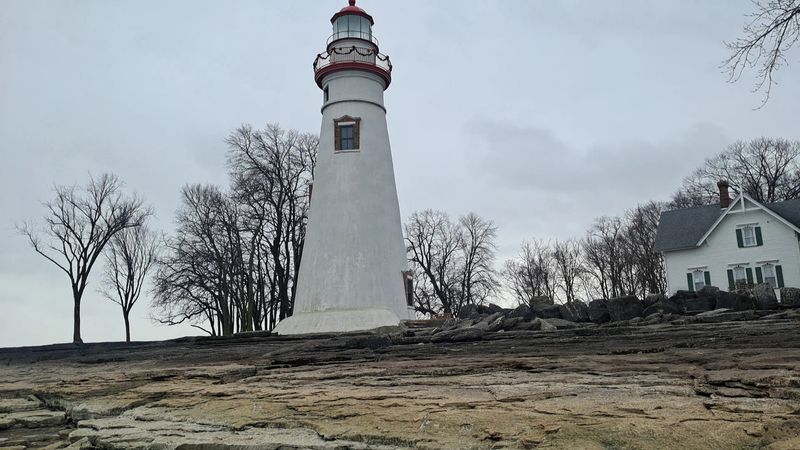
Forget a sandy beach. The shoreline here is a jumble of flat limestone shelves, ledges and boulders that step down toward the water in uneven tiers, and walking on them is half the fun of the visit.
Waves roll in and slap the stone, sometimes gently, sometimes with real force. Families with kids tend to gravitate straight to the edge, where shallow pockets of water collect between the rocks.
Guests mention finding fossils pressed into the limestone, a reminder that this rock was seafloor long before anyone thought to build a tower on it. The layers are ancient Columbus Limestone, the same stone that made the peninsula worth quarrying.
Footing deserves respect. Surfaces get slick when wet, edges are uneven, and shoes with grip beat flip-flops every single time.
On calm days the rocks double as the best seats in the park, warm from the sun and angled toward open water. On blustery days the spray puts on a show and the wind makes conversation a shouting match.
Either way, the shoreline is what keeps people lingering longer than they planned.
Views Reaching Cedar Point and the Islands
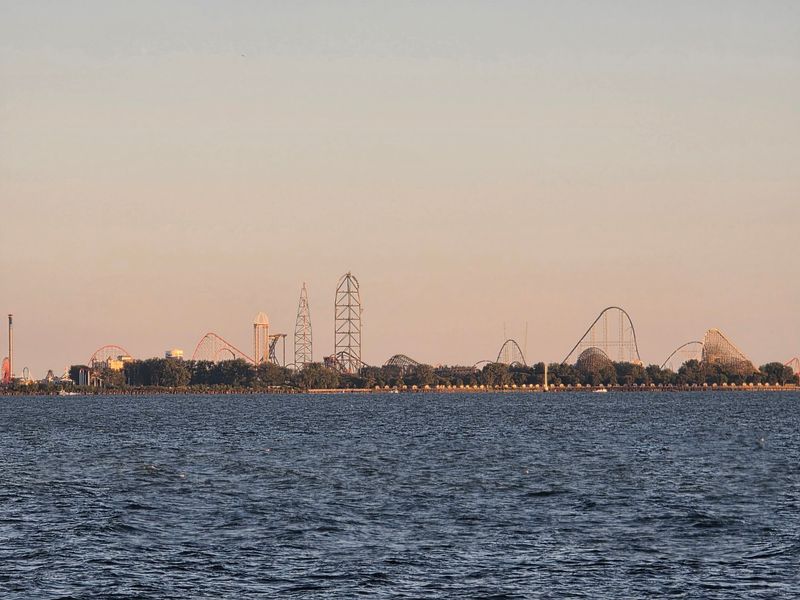
Squint across the water on a clear day and you will spot the skeletal outlines of roller coasters rising from the far shore. That is Cedar Point, and spotting it ranks among the most talked-about surprises of a stop here.
The sightlines are genuinely generous. Lake Erie fills the northern view, Sandusky Bay curves off to the southwest, and Kelleys Island and South Bass Island sit out in the channel where ferries and pleasure boats trace slow lines between them.
Lake views come up more than any other topic among visitors, which tells you something about what people remember. Watching freighters and sailboats drift past from a picnic table is a legitimate way to spend an afternoon.
Weather changes the character of the panorama completely. Sunny days deliver that deep blue-green water and drifting clouds; overcast ones turn the lake silver and the horizon soft.
Eagles work the airspace above the point, so keeping an eye upward pays off. Between the birds, the boats and the distant coasters, there is almost always something moving out there worth pointing at.
The Keeper’s House Museum and Lifesaving Station
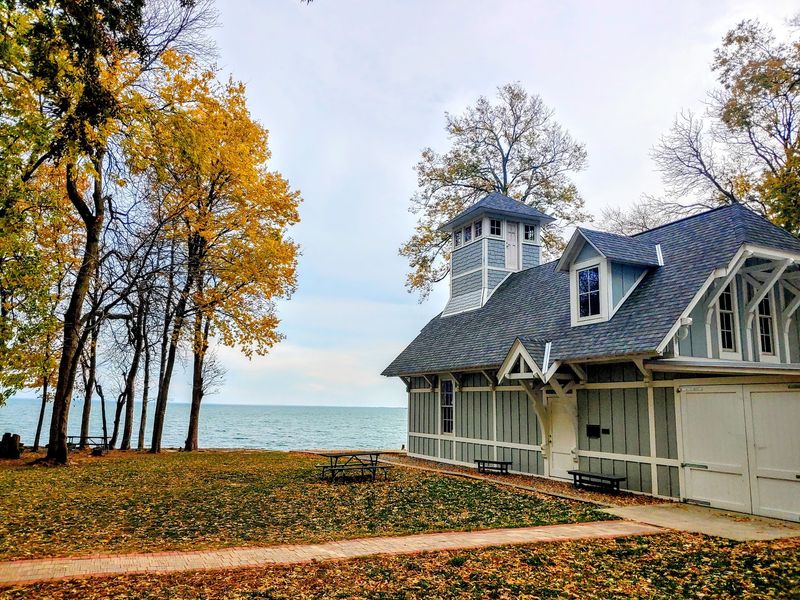
Rain shut down the tower climb? The old keeper’s house is still open, and that is where a surprising amount of the story lives.
Operated by the Marblehead Lighthouse Historical Society, the museum occupies the original keeper’s residence next to the tower. Inside you will find exhibits on the families who tended the light, the shipping traffic they served and the peninsula’s maritime past.
A replica U.S. Coast Guard lifesaving station sits nearby, adding another layer to the history on display.
Together the two buildings turn a quick photo stop into something closer to a proper visit.
Guests who arrived during bad weather often say the museum saved their trip. Others simply enjoy the gift shop and the chance to put names and faces to the keepers who kept that beam burning.
Children tend to move through faster than adults, but the artifacts and photographs hold attention well enough. For anyone curious about how a lighthouse actually operated day to day, the keeper’s house answers questions the exterior never could.
It pairs naturally with the historical markers scattered across the lawn outside.
Picnic Tables, Paved Paths and Clean Restrooms
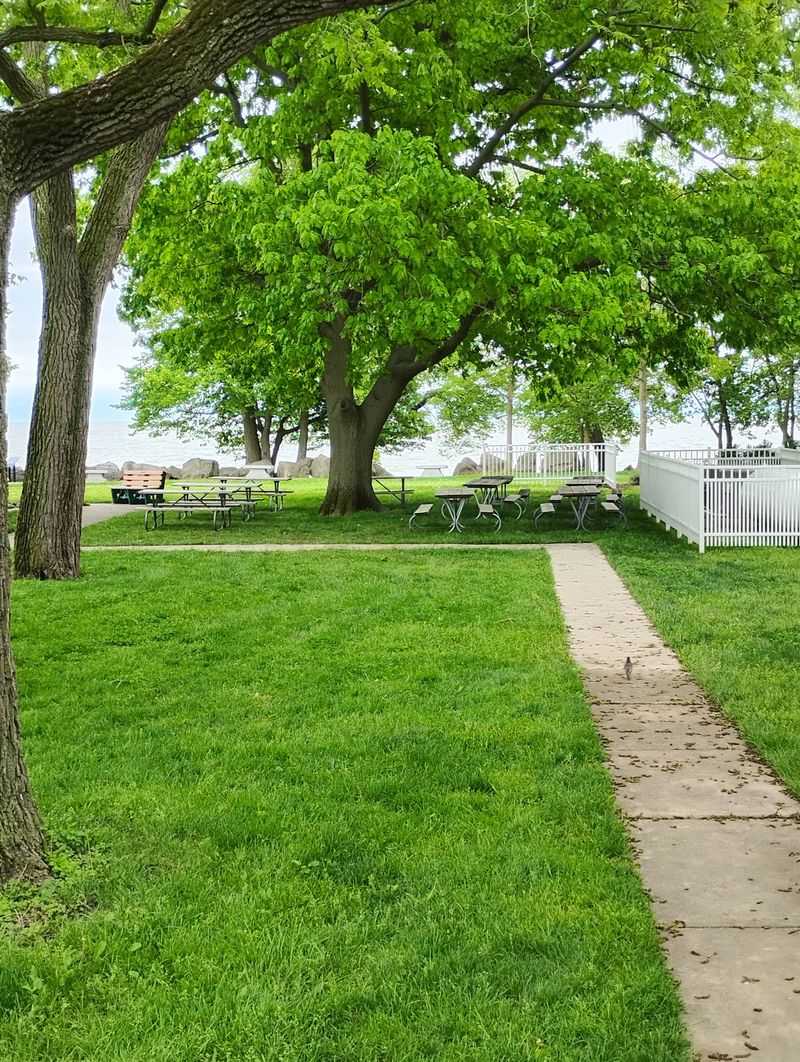
Small parks live or die on their basics, and this one handles them well. Restrooms on site come up repeatedly in visitor comments, usually described as clean, which is not something every lakeside stop can claim.
Picnic tables are scattered across the grounds, several with water views, and packing a lunch is one of the smartest moves you can make here. Nine separate mentions of picnic tables among visitor topics suggests plenty of people have figured that out.
Paved paths run through the property and are described as accessible, making the short walk from the parking area to the tower manageable for most mobility levels. The rocks themselves are another story, but the maintained portions of the park are straightforward.
Groundskeeping earns steady praise. Even off-season visitors report finding the lawns tidy and the buildings well maintained, which speaks to consistent care rather than a summer-only polish.
Parking is described as plentiful. Combine that with the short approach walk, and the logistics of visiting stay refreshingly simple for a place that draws steady summer traffic.
A Photographer’s Standing Invitation
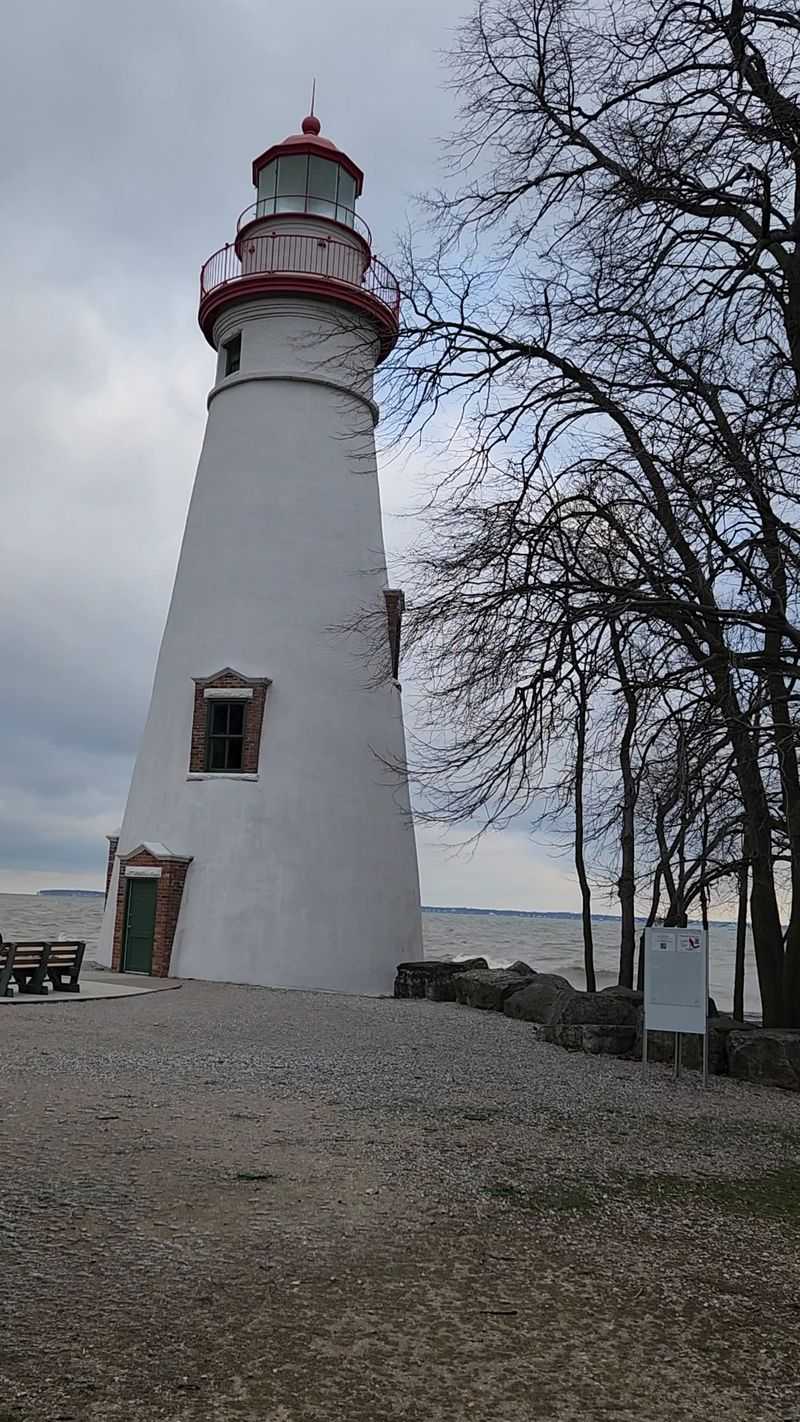
Cameras come out within thirty seconds of arrival. The composition practically builds itself: white tower, red cap, layered gray rock, and a horizon of water behind it all.
Photographers who visit repeatedly say the site works year-round, not just in peak summer. One guest brought black and white film specifically to shoot the architecture, which gives you a sense of how seriously some people take this location.
Light shifts change everything. Morning gives you soft side lighting on the stonework, while late afternoon warms the tower and stretches shadows across the limestone.
Winter and early spring strip away the crowds entirely, leaving clean shots of the tower against bare sky and, on the right day, ice-crusted rock. Visitors who came in the off-season report the grounds looking just as sharp as they do in July.
Wildlife adds unpredictability in the best way. Eagles overhead, boats sliding past, waves breaking against the shelf, all of it gives a still subject some motion to play against.
Bring a wide lens for the shoreline and something longer for the islands and the distant coasters.
The Old Limestone Quarry Across the Street
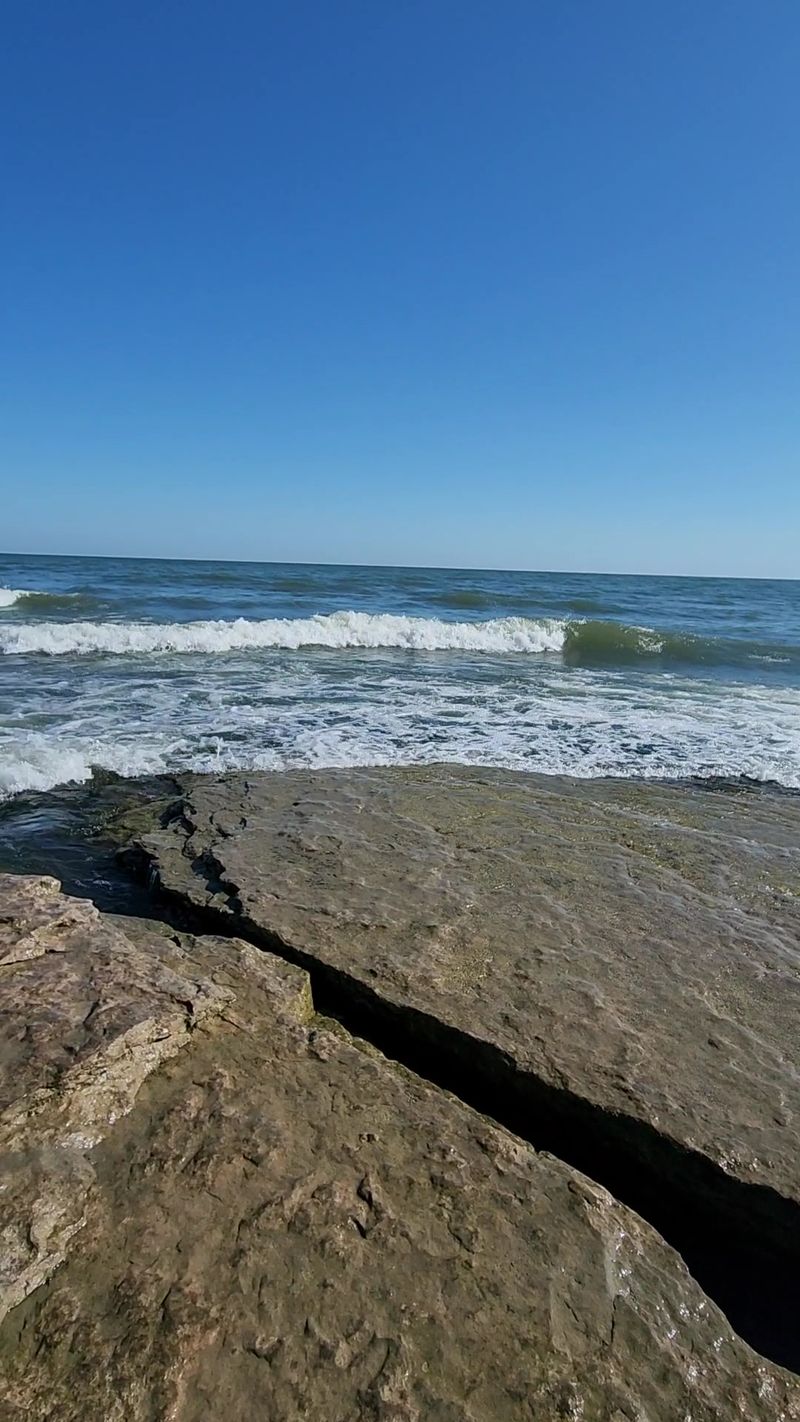
Most people drive right past it. Pull out of the main parking lot, look for the second lot, and across the street sits the remnants of an old limestone quarry that a lot of visitors never realize is part of the story.
Interpretive signs explain what happened here. Columbus Limestone was cut from this ground, shipping out to build things across the region, and the exposed rock faces still show the marks of that work.
Walking there from the main lot is entirely doable, adding maybe ten or fifteen minutes to a visit. One guest went out of their way to flag the quarry specifically because it does not appear on the map alongside the park itself.
Industrial history and natural beauty do not always sit comfortably together, but here they explain each other. The same rock that made the headland a good foundation for a lighthouse also made it valuable to cut and haul away.
For anyone who likes poking around traces of the past, the detour rewards the curiosity. It is quieter than the lighthouse grounds, too.
Piers and Water Access Elsewhere on the Peninsula
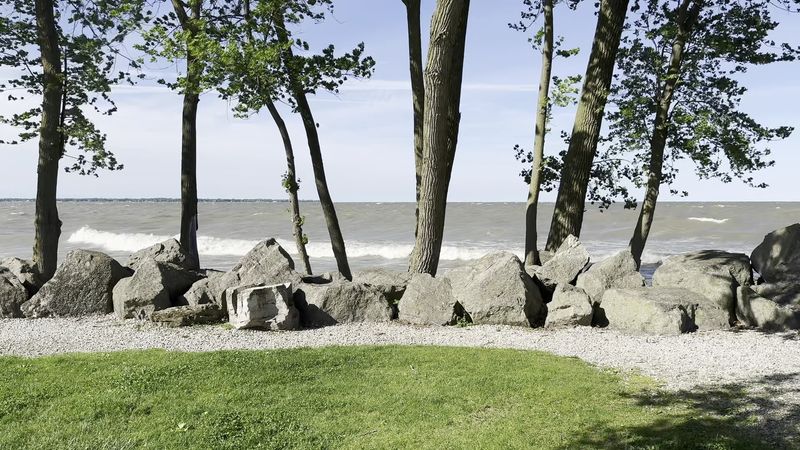
A quick clarification worth knowing before you arrive: the lighthouse sits on natural rocky shoreline, not a constructed pier. You can walk out among the limestone formations, but there is no built walkway extending over the water at the tower itself.
The Marblehead Peninsula does deliver piers, just at other spots. Mazurik Access offers a handicap-accessible pier for lake access, while Dempsey Fishing Access features a long pier of its own.
Both make sensible add-ons for anyone who wants that over-the-water feeling or plans to fish. They sit close enough to combine with a lighthouse visit in a single afternoon.
Honestly, the rock shelves at the park scratch a similar itch. Stepping out onto the ledges puts you right at the waterline with waves breaking a few feet away, which is what most people are after anyway.
Knowing the difference ahead of time saves confusion when you park and head toward the tower. Plan the lighthouse for history and views, and add a pier stop if getting out over open water is the real goal.
Crowds, Seasons and the Best Time to Show Up
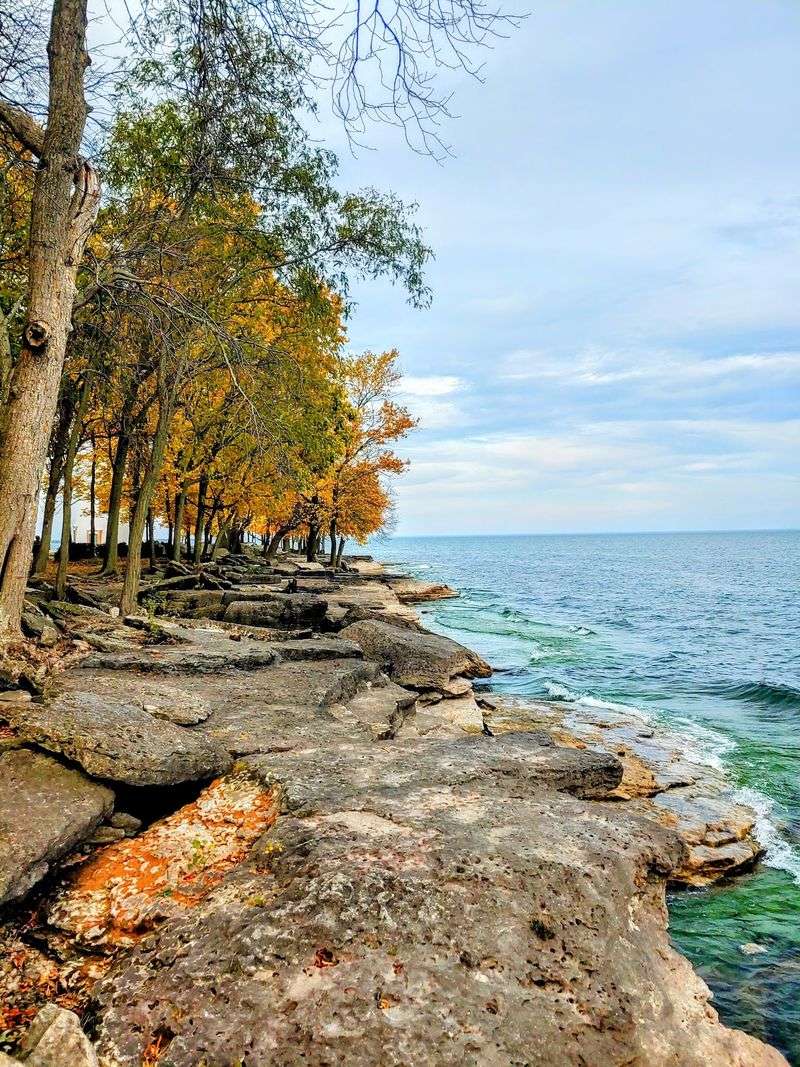
Summer weekends bring people. Regulars suggest arriving early to beat the rush, though several note that afternoons tend to thin out compared with midday.
Cold and windy days are a different experience entirely. One visitor described a chilly Sunday stroll with almost nobody around, calling the whole thing relaxing rather than bleak.
Off-season trips have their own appeal. The grounds stay well maintained through winter, the light hits differently, and you can have long stretches of shoreline to yourself.
Bugs deserve a mention. Flies can be a nuisance on certain summer weekends, and more than one guest recommends packing bug spray if you plan to settle in at a picnic table for a while.
Wind is close to constant out on the point, so a layer beyond what the forecast suggests is usually the right call. That same wind can cancel tower tours, which is worth factoring into summer plans.
Spring and fall split the difference nicely: fewer visitors, comfortable temperatures, and water that still puts on a show against the rocks.
Hours, Costs and Getting There
Grounds hours are generous. The park opens at 6 AM and stays open until 11 PM, seven days a week, year-round, so sunrise and evening visits are both fair game.
Walking the grounds, using the picnic tables and exploring the rocks costs nothing. The fee applies to climbing the tower, which operates seasonally from roughly Memorial Day Weekend through Labor Day, typically noon to 4 PM daily.
The address is 110 Lighthouse Dr, Marblehead, OH 43440, at the tip of the peninsula. Parking on site is described as plentiful, with a short, easy walk to the lighthouse from the lot.
Questions can go to 419-734-4424, and the Ohio Department of Natural Resources maintains the official property page online with current details.
Because tour hours and weather cancellations shift, calling ahead makes sense if the climb is your main reason for driving out. Storms and high winds close the tower with little notice.
Restrooms on the grounds handle the practical side, and the museum and gift shop give you somewhere to go when the lake turns unfriendly.
Why This Little Point Sticks With People
Ohio does not get much credit for coastline, and that is exactly why this spot lands the way it does. Waves breaking on limestone, a working tower from 1822, ferries crossing to the islands, and a strong 4.9-star average from more than two hundred visitors add up to something people remember long after the drive home.
It works for a wide range of travelers. History readers get markers and a museum, kids get rocks and shallow water, photographers get a subject that never disappoints, and anyone needing quiet gets a bench facing open lake.
Expectations should stay proportional. This is a compact park, not a full-day destination, and an hour or two covers it comfortably unless you settle in with lunch.
Pair it with the quarry across the street, a pier stop elsewhere on the peninsula, or a swing toward Cedar Point, and you have a solid day built around the lakeshore.
Come for the lighthouse. Stay because the rocks, the wind and the water make it hard to leave on schedule.