
One Of Idaho’s Most Spectacular Rivers Remains Far Off The Tourist Trail
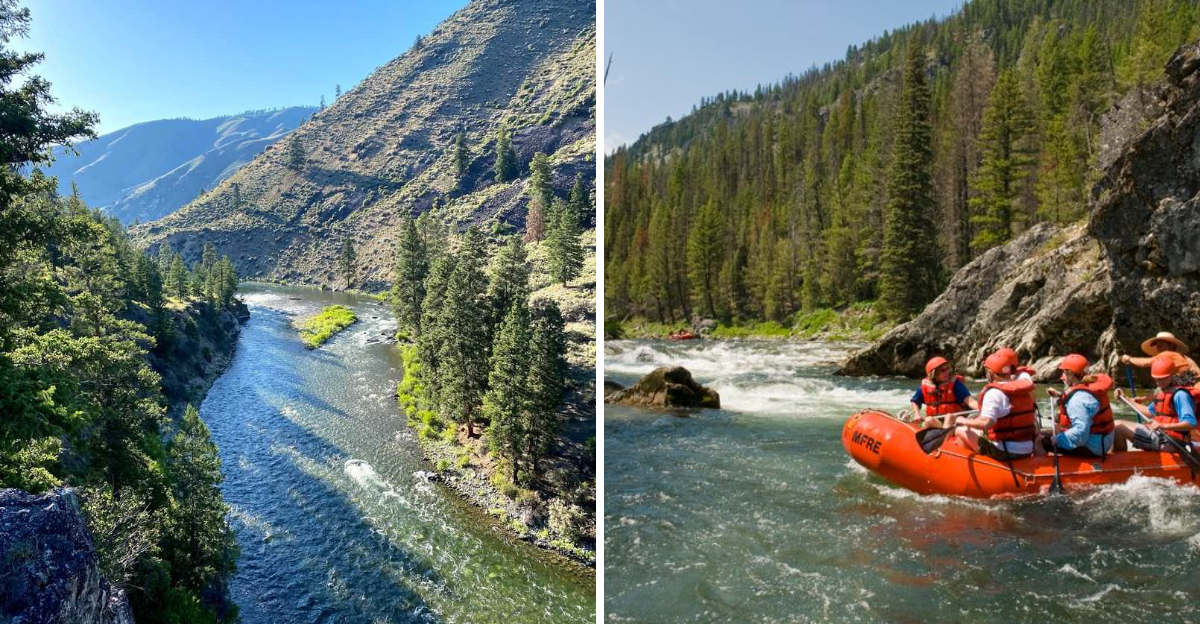
A river this beautiful should probably be famous. Somehow, it is not. Deep in Idaho, miles of wild water still flow past rugged canyon walls, forested slopes, and quiet stretches where crowds rarely interrupt the view.
That is exactly what makes the trip feel special. Idaho travelers who prefer empty pullouts, big scenery, and long peaceful drives can still find a corner of the state that feels wonderfully removed from busy vacation routes.
The farther you follow the river, the easier it becomes to understand why people remember this drive long after they leave. In a state known for dramatic landscapes, this overlooked stretch still manages to surprise, and its distance from the usual tourist trail may be its greatest advantage.
One Of America’s First Wild And Scenic Rivers
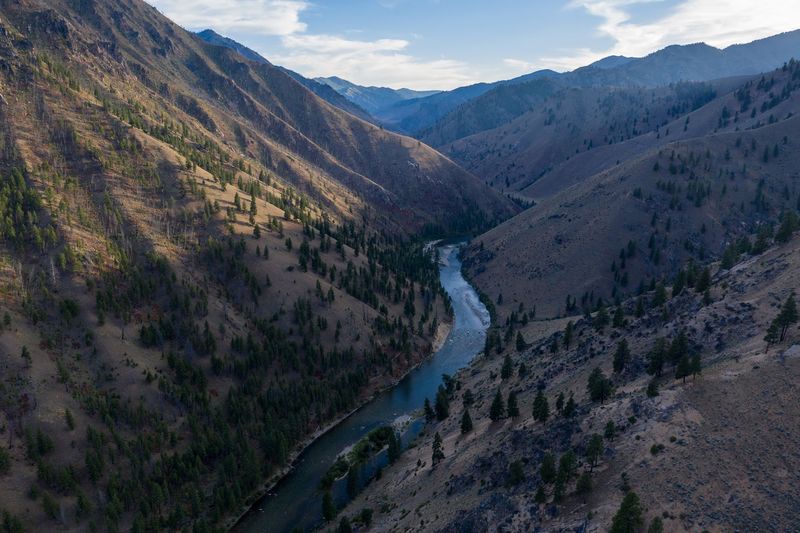
Back in 1968, Congress took a hard look at America’s most precious waterways and decided some needed protection from dams and development. The Middle Fork Salmon River made that exclusive first list of eight rivers to receive Wild and Scenic designation on October 2nd.
Starting about 20 miles northwest of Stanley, Idaho, this 106-mile stretch flows through the Challis, Payette, and Salmon National Forests before joining the Main Salmon River. Federal protection ensures it stays free-flowing and largely unaltered by human hands.
The designation wasn’t just about pretty scenery. It recognized the river’s outstanding natural, cultural, and recreational values that needed preserving for future generations.
Today, the Middle Fork stands as a testament to early conservation efforts, dropping over 3,000 feet through one of North America’s deepest gorges while maintaining its wild character in the heart of Idaho’s rugged interior.
The River Cuts Through The Frank Church Wilderness
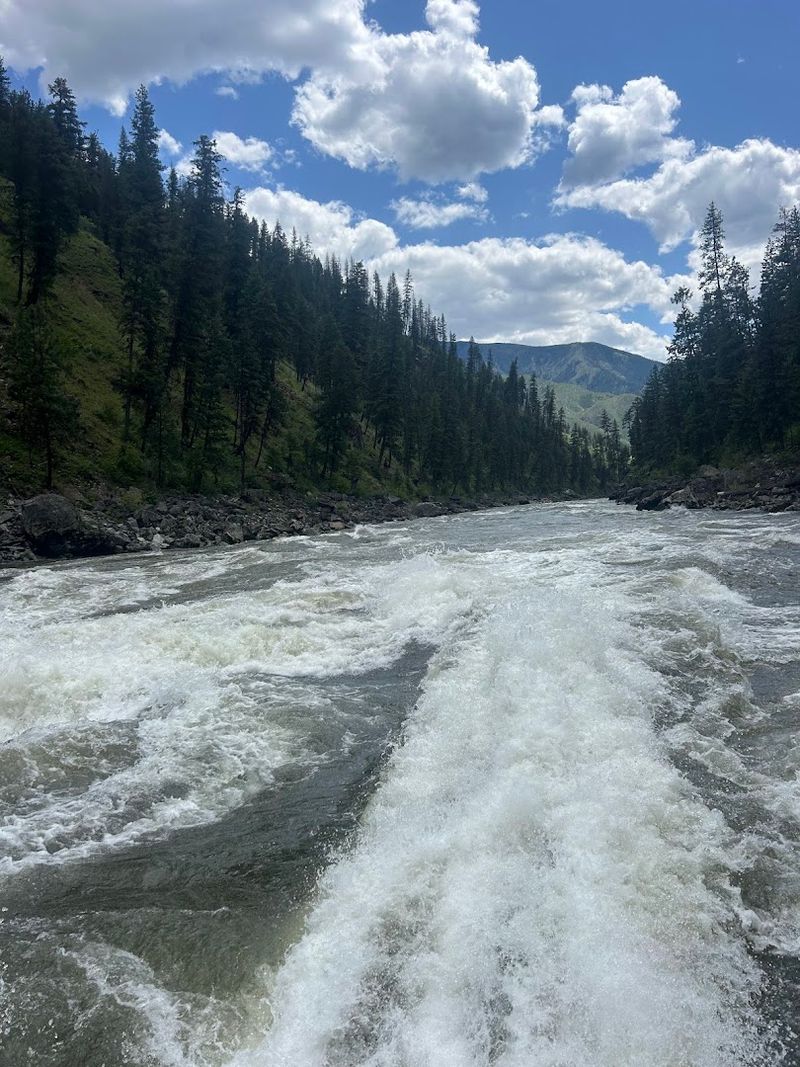
Isolation takes on new meaning when you’re floating through 2.3 million acres of protected wilderness. The Frank Church-River of No Return Wilderness, established in July 1980, is the second-largest wilderness area in the lower 48 states and one of the biggest roadless tracts anywhere.
Out here in Idaho, you won’t find paved roads, cell towers, or bustling towns interrupting the landscape. Just a few trails, scattered Forest Service stations, and rare private ranches hint that humans exist at all.
The wilderness designation strictly limits development to preserve natural conditions.
As the Middle Fork carves through this massive protected area, it reveals diverse ecosystems ranging from alpine forests to high mountain deserts and sheer rock walls. The river’s dramatic 3,000-foot elevation drop creates constantly changing scenery.
Trading your smartphone for genuine solitude might be the best deal you’ll make all year.
Reaching The Launch Can Mean Twenty Six Miles Of Dirt Road
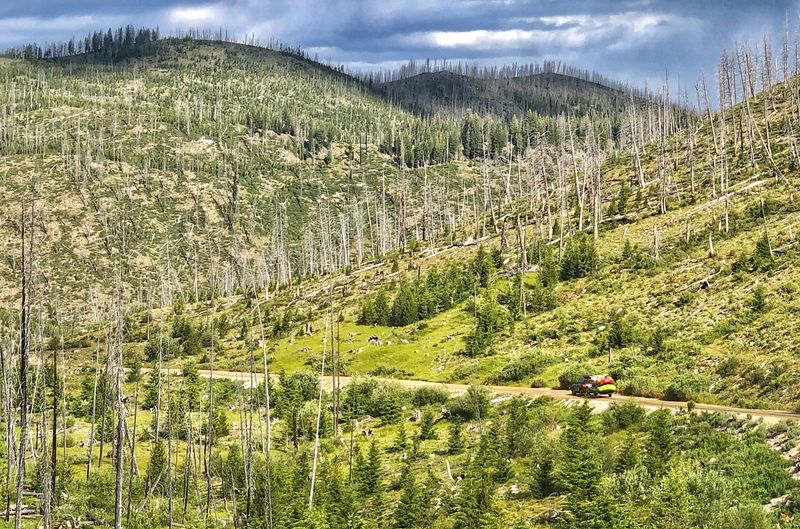
Getting to the starting line is half the adventure on the Middle Fork. Most river trips begin at Boundary Creek boat launch, roughly 45 miles northeast of Stanley, Idaho.
Reaching it means navigating a long, unmaintained dirt road that’s closed in winter and can be sketchy in spring due to snowdrifts and fallen trees.
The bumpy approach quickly reminds you just how remote this place really is. For those who prefer flying or need an alternative when water levels aren’t ideal at Boundary Creek, backcountry flights to Indian Creek Airstrip offer a dramatic entry point.
Soaring over the vast Frank Church-River of No Return Wilderness provides breathtaking aerial views before you even touch a paddle. Whether you bounce along dirt roads or glide through mountain air, the journey to launch sets the tone for the wild Idaho experience ahead.
Ready to leave pavement behind for good?
Only Seven Boating Groups Are Allowed To Begin Each Day
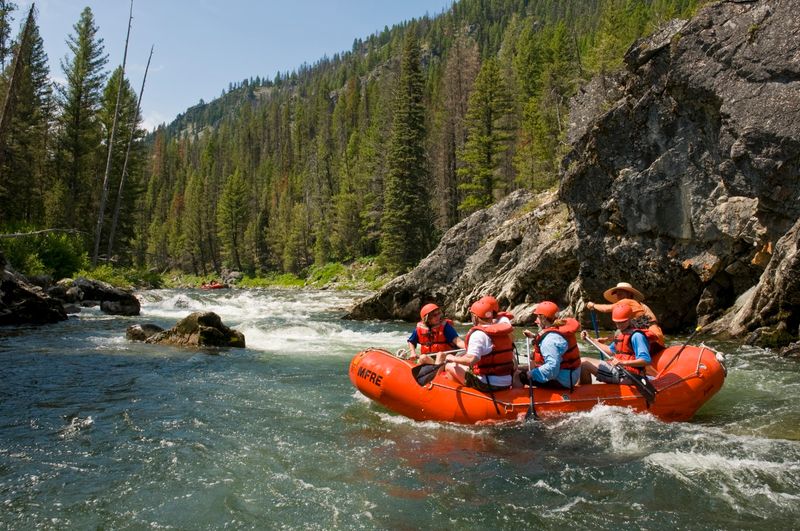
Protecting wilderness means controlling crowds, and the Middle Fork takes this seriously. During the peak floating season from late May through early September, only seven float boat parties can launch each day.
This strict limit covers both commercial outfitters and private groups.
The U.S. Forest Service manages permits through Recreation.gov using a randomized lottery system.
If you want a non-commercial permit during the control season, you’ll need to apply between December 1st and January 31st and cross your fingers. Outside the control season, permits switch to first-come, first-served, though conditions can be trickier.
These restrictions aren’t red tape for the sake of bureaucracy. They prevent overuse, protect campsites from damage, and ensure every visitor experiences genuine solitude on this Idaho treasure.
Limited access means the Middle Fork stays wild and uncrowded, preserving the very qualities that make it special in the first place.
Class III And IV Rapids Keep Nearly Every Mile Interesting
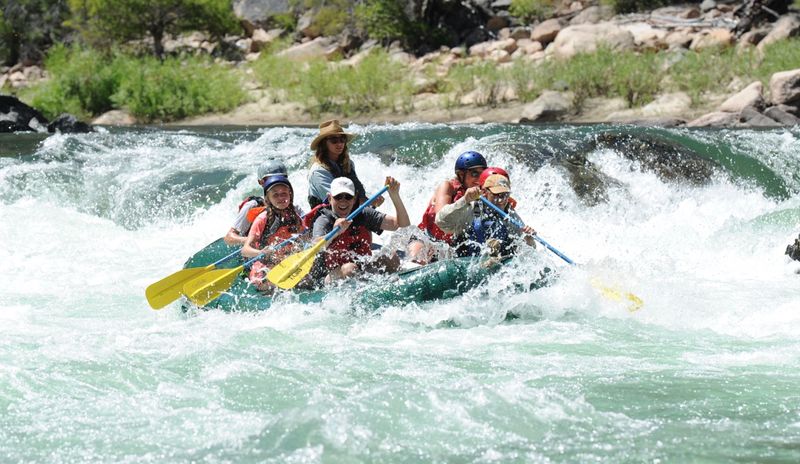
Adrenaline junkies will find their happy place on the Middle Fork. This river delivers roughly 300 raftable rapids over its 100-mile course, with most falling into the Class III and IV categories that demand solid skills and keep your heart pumping.
From the first bend, the action starts and rarely lets up. Famous runs like Velvet Falls, Pistol Creek, Tappan Falls, and Cramer Creek offer technical challenges and thrilling drops.
The river’s average gradient of 27 feet per mile ensures you’re constantly reading water and making quick decisions.
Water levels change the game throughout the season, with lower flows creating more straightforward runs and higher water ramping up the difficulty. Either way, the Middle Fork consistently delivers excitement through scenic Idaho canyons.
Every rapid is a reminder that this river earned its wild reputation honestly, keeping paddlers engaged and alert from launch to takeout.
A Full River Journey Can Stretch Into Eight Days Of Wilderness Camping
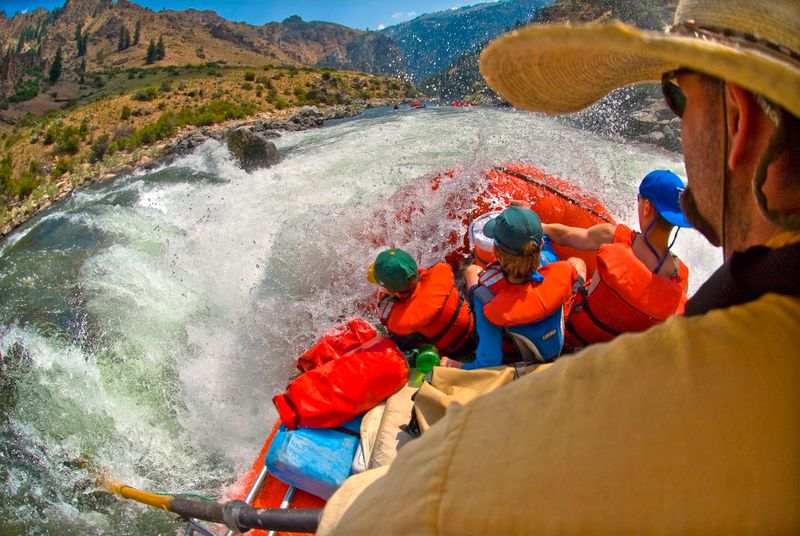
Time moves differently when you’re living on river time. While many Middle Fork trips average six days to cover the 100-mile stretch, groups can stay up to eight nights during peak season.
This extended duration lets you truly unplug and sink into the rhythm of Idaho’s wilderness.
Camping is fundamental to the experience, with assigned sites ensuring minimal impact and fair distribution. All group members must camp together, and while sites are assigned, they’re not always exclusive since backpackers and other Forest Service users might share the space.
Leave No Trace principles aren’t suggestions here but strict requirements. You’ll pack out all trash, human waste, and ashes using required equipment like portable toilet systems and fire pans.
This commitment to responsible recreation protects the Middle Fork’s pristine character for everyone who follows.
Can you imagine eight mornings waking to nothing but birdsong and rushing water?
Natural Hot Springs Offer A Warm Break Between Rapids
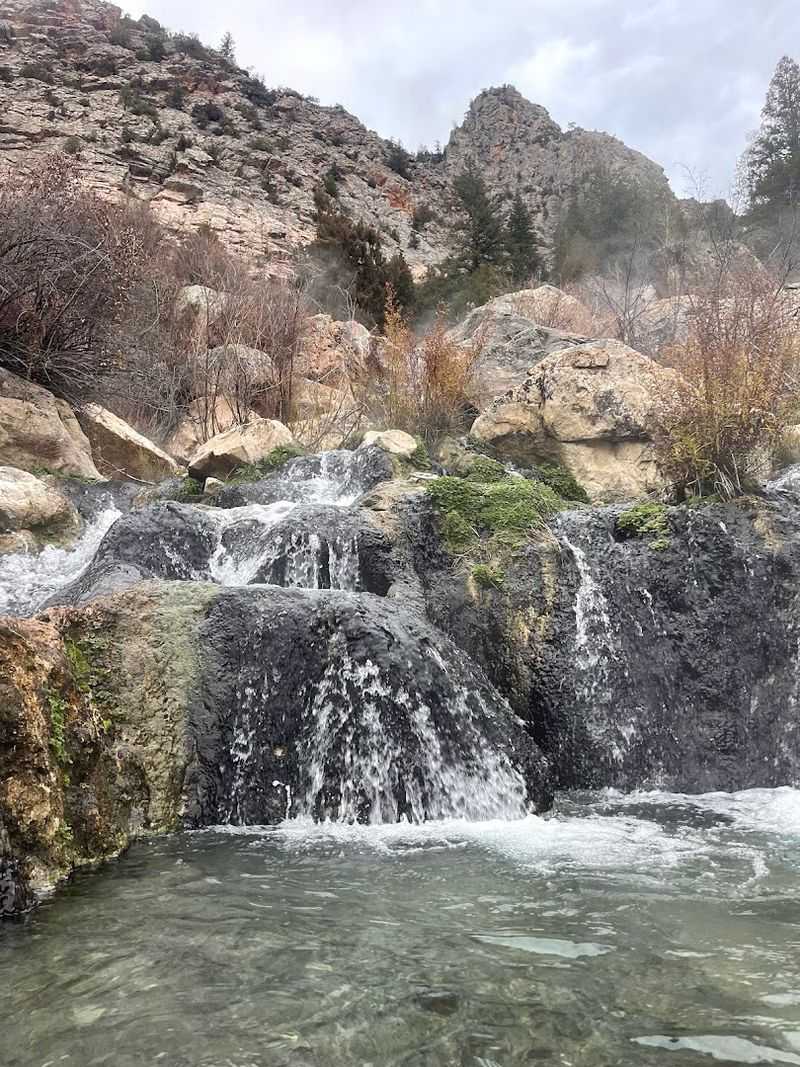
Just when you think the Middle Fork can’t get any better, you discover hot springs bubbling right from the earth along the riverbank. These geothermal oases provide the perfect reward after a long day of paddling through Idaho’s wilderness.
Dotting the first 50 miles especially, these springs vary wildly in size and temperature. Popular spots include Trail Flat, Sheepeater, Sunflower, Loon Creek, and Hospital Bar.
Sunflower Hot Spring stands out with multiple pools at different temperatures and a natural waterfall that creates an unforgettable wilderness shower.
These aren’t developed resort spas with chlorine and cocktails. They’re raw, natural features where geothermally heated groundwater emerges from deep underground.
Soaking in warm, mineral-rich water while the cool river rushes past creates a surreal contrast.
The combination of thrilling rapids and relaxing hot springs makes the Middle Fork a truly unique adventure in the heart of Idaho.
Wild Chinook Salmon Still Return To Ancient Spawning Grounds
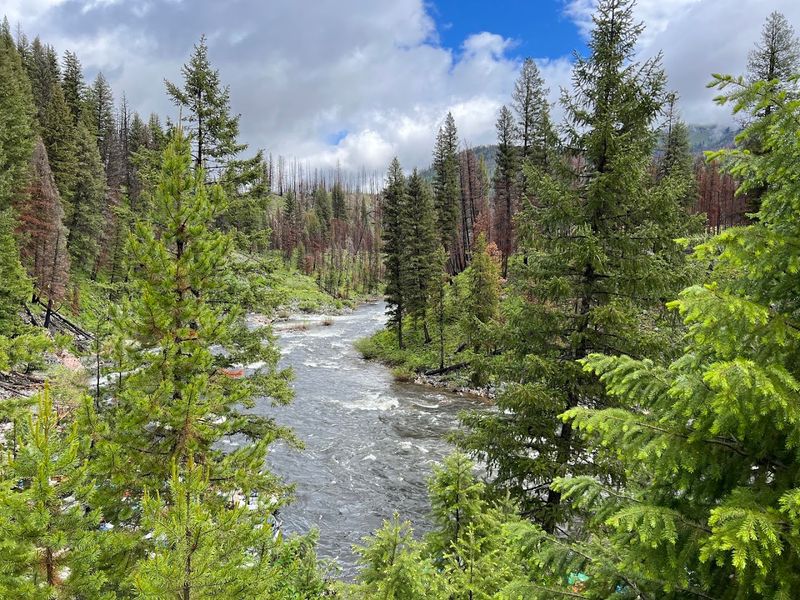
Long before rafters discovered the Middle Fork, wild salmon claimed it as home. Today, this Idaho river stands as one of the world’s most important strongholds for native Chinook salmon and steelhead, with spawning grounds largely unaltered by human interference or hatchery programs.
For nearly 75 years, agencies have surveyed the river for salmon and their nests called redds. These remarkable fish swim thousands of miles from the Pacific Ocean, fighting their way up the Columbia, Snake, and Salmon Rivers to reach the Middle Fork’s pristine waters for reproduction.
Their numbers have crashed since the 1950s, with lower Snake River dams taking a heavy toll. But the Middle Fork remains a sanctuary for genetically pure Chinook salmon in the continental United States.
Strict fishing rules protect them, including catch-and-release only for trout, barbless hooks, and no bait allowed to safeguard these vulnerable populations.
Historic Campsites Preserve Stories Of Earlier River Communities
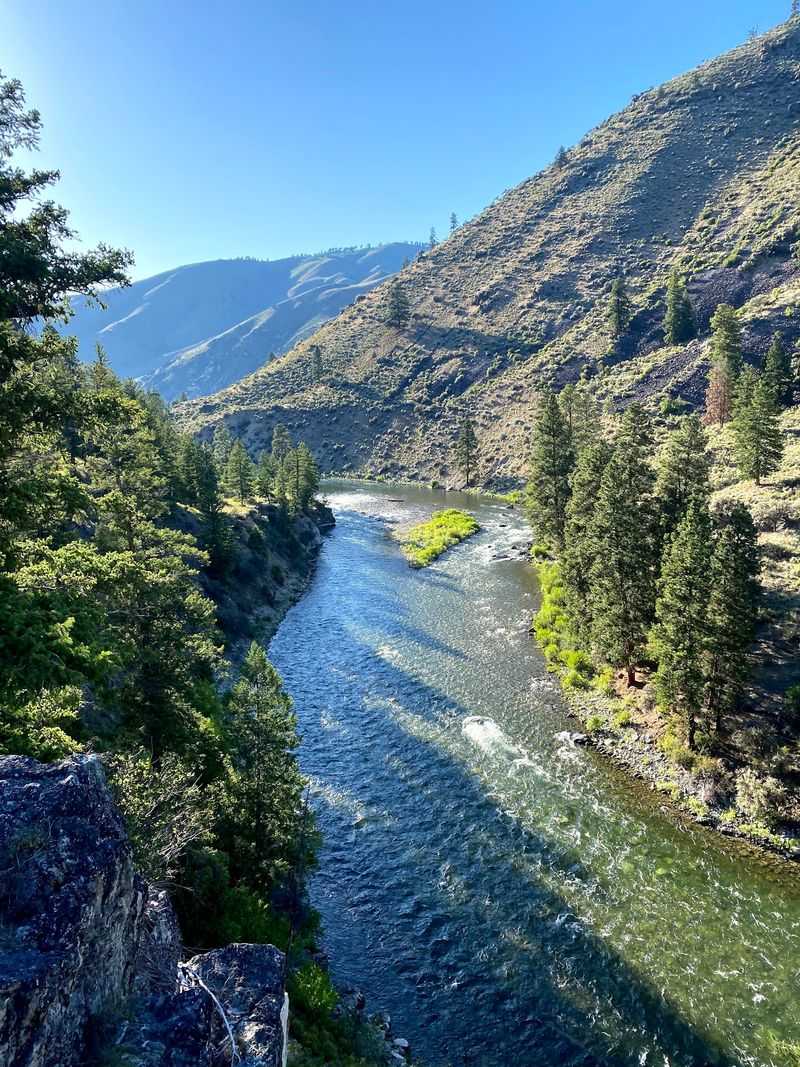
Floating the Middle Fork isn’t just about whitewater and scenery. You’re also traveling through a living museum where human history stretches back centuries.
Ancient pictographs left by the Tukudeka, or Sheep Eater Indians, mark canyon walls with stories from long before modern rafters arrived in Idaho.
These indigenous communities made the Middle Fork home for generations, leaving behind a rich cultural heritage that still whispers from the rocks. Later arrivals, including homesteaders, miners, and trappers, also left their mark with scattered relics and structures that offer glimpses into their rugged lives.
Forest Service stations and a few private ranches represent the limited historical footprint in this vast wilderness. Boaters assigned to heritage campsites receive special information and restrictions designed to protect these invaluable artifacts.
Exploring these sites adds profound depth to your adventure, reminding you that countless others have called this Idaho river corridor home throughout history.
Wildlife Encounters Add Unexpected Magic To Every Day
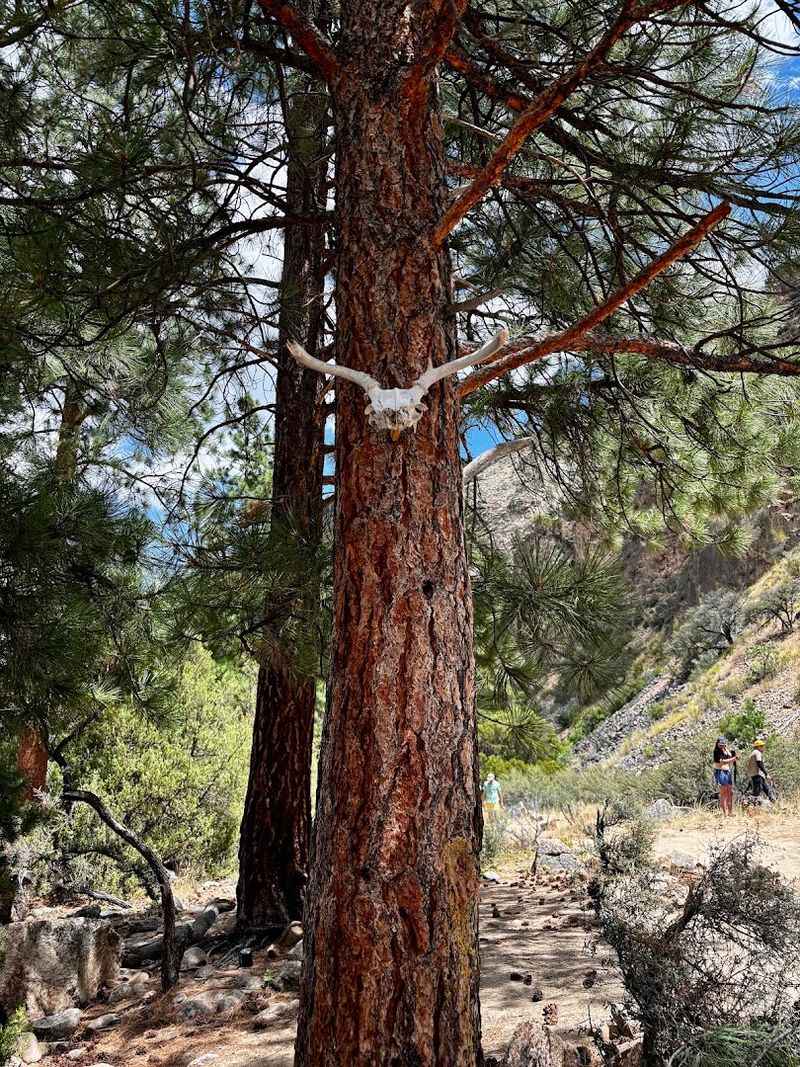
Sharing the Middle Fork with its original residents adds another layer of wonder to the journey. Black bears, elk, moose, bighorn sheep, river otters, and countless bird species call this Idaho wilderness home.
You’re the visitor in their living room.
Early mornings and evenings offer the best wildlife viewing opportunities when animals come to the river to drink or fish. River otters especially seem curious about rafters, sometimes following boats and playing in the current.
Bighorn sheep navigate impossible cliff faces with casual grace that defies gravity.
Bald eagles and ospreys patrol from above, diving for fish with stunning precision. The Frank Church-River of No Return Wilderness provides protected habitat for these creatures, ensuring they thrive far from human development.
Every wildlife encounter, whether it’s a bear on the shoreline or an osprey overhead, reminds you that wilderness isn’t empty but vibrantly alive with residents who belong here far more than we do.
The Journey Ends But The Wilderness Connection Stays With You
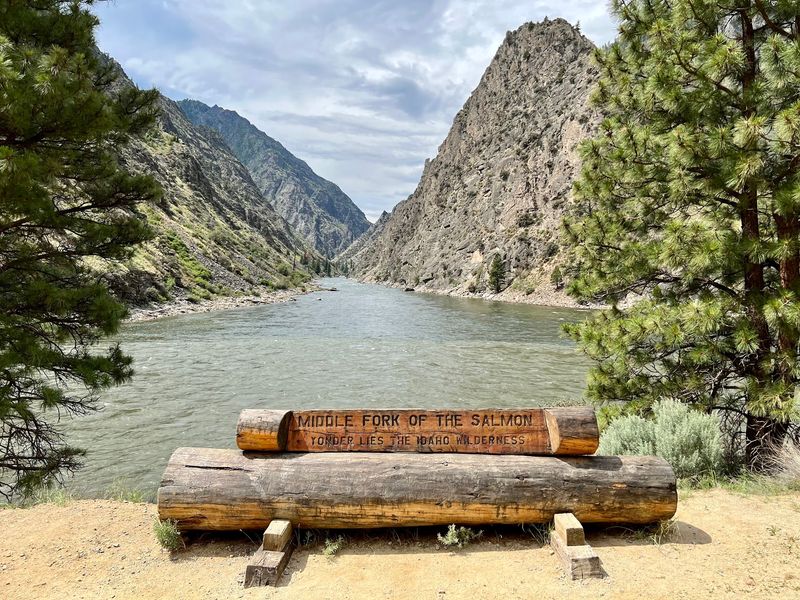
All good things must end, even eight days of wilderness perfection. The Middle Fork journey concludes where the river meets the Main Salmon, but what you take away lasts far longer than the trip itself.
Most rafters describe the experience as transformative rather than simply recreational. Living without technology, sleeping under Idaho’s vast starry skies, and navigating rapids together creates bonds and memories that outlast typical vacations.
The river strips away modern distractions and reveals what matters.
After leaving the Middle Fork, ordinary life feels different somehow. You’ll catch yourself missing the simplicity of camp coffee at sunrise and the evening ritual of watching the canyon walls glow at sunset.
The wilderness connection stays with you, a quiet reminder that places like this still exist if you’re willing to seek them out.
Idaho’s most spectacular river remains gloriously off the tourist trail, waiting for those ready to answer its call.