
11 Reasons Families Keep Packing Up And Moving To Tennessee In 2026

Moving trucks keep rolling into Tennessee, and the reasons have less to do with country music than most people assume. Families arriving in 2026 talk about paychecks that stretch further, weekend drives that cost the price of a tank of gas, and neighborhoods where kids still ride bikes until the streetlights buzz on.
Some of it shows up in hard numbers like tax rates and home prices, and some of it only shows up once you have lived here a season or two. Here are eleven reasons the Volunteer State keeps landing at the top of family relocation lists.
1. No State Income Tax On Your Paycheck
Payday feels different here. Tennessee charges no individual income tax on wages or salaries in 2026, which means the number on your offer letter is much closer to the number that lands in your bank account.
For a household earning $80,000, that difference can run into the thousands each year compared with states that take a 4 or 5 percent bite. Families often describe that money in practical terms: a paid-off car, a funded 529 account, or simply groceries that stop feeling like a math problem.
The old Hall Tax on dividends and interest is gone too, fully phased out as of January 2023. Retirees moving in from the Midwest and Northeast frequently mention that detail, since investment income is no longer taxed at the state level.
There is a tradeoff worth understanding before you sign anything. Tennessee leans on sales tax instead, with a 7 percent state rate and combined local rates commonly landing between 9 and 10.25 percent depending on the county.
Groceries get a break at a reduced 4 percent state rate, which softens the blow for larger households. Rates and local add-ons can change, so check your target county before budgeting.
2. Home Prices That Still Make Sense
Around $330,000 buys a typical Tennessee house in 2026, roughly 15 to 20 percent below the national average. For families relocating from California, Colorado, or the Northeast, that figure often means trading a townhouse for a yard and a garage.
The average home value statewide sat near $336,508 in July 2026, up a modest 0.5 percent year over year. Slow, steady appreciation is exactly what buyers hoping to build equity without a bidding war tend to want.
Something else has shifted in the buyer’s favor. Homes spent a median of 64 days on the market in August 2026, and inventory has climbed, which gives families room to tour twice, sleep on it, and negotiate instead of writing panicked offers.
Prices do vary widely by region. The statewide median sale price hit $344,667 in June 2026 and the median closed price reached $364,900 by August, with Nashville projected to rise about 2.1 percent and smaller markets like Martin and Morristown expected to climb faster.
Honest caveat: housing costs have outpaced income growth over the past decade, so affordability is relative, not universal. Rural counties stretch a budget considerably further than metro suburbs.
3. Property Taxes Among The Lowest In The Country

Ask a newcomer from Illinois or New Jersey what surprised them most, and the property tax bill usually comes up before the barbecue does.
Tennessee’s effective rate on owner-occupied housing runs roughly 0.50 to 0.52 percent, placing it in the bottom tier nationally. The median homeowner pays about $1,442 a year on a home valued near $286,700, which is roughly 46 percent below the national average.
Why does that matter beyond one annual bill? Lower carrying costs change what families can qualify for and afford long term, since escrow payments stay manageable even as home values inch upward.
Retirees on fixed incomes feel this most directly. A predictable four-figure tax bill instead of a five-figure one is often the deciding factor between staying put and finally listing the old house.
Tennessee also skips estate and inheritance taxes entirely, which simplifies planning for multigenerational families who want to pass along a home or farmland.
Rates are set locally, so your county and city both factor in. Rural West Tennessee and parts of East Tennessee tend to run cheapest, while Williamson and Davidson counties sit higher.
Verify current rates with the county trustee before you commit.
4. A Cost Of Living That Leaves Room To Breathe

Ninth most affordable state in the nation during the first quarter of 2026. That ranking sounds abstract until you notice that overall costs here run 10 to 15 percent below the national average.
Utilities, childcare, auto insurance, and dining out all tend to land lower than in coastal metros. Families frequently report that the same household budget suddenly covers youth sports fees, a second vehicle, or a real vacation fund.
Renters get some breathing room too. Median rent sat around $1,900 in August 2026, and apartment rent growth is forecast to dip slightly, by about 1.63 percent, across 2026.
A falling rent forecast is unusual and genuinely useful for families who want a year to explore before buying. Renting in one county while scouting schools in another has become a common first move.
Weekend costs matter just as much as monthly ones. Plenty of Tennessee state parks charge nothing for admission, so a Saturday hike, a picnic, and gas money often totals under $30 for a family of four.
Costs still climb fastest in the fast-growing suburbs south of Nashville, so compare a few counties rather than trusting the statewide figure.
5. Job Growth And A Low Unemployment Rate

Hiring managers in Nashville, Chattanooga, and the Tri-Cities have been busy. Tennessee’s unemployment rate hit a two-year low of 3.4 percent in July 2026, comfortably under the national 4.1 percent.
Projections point to roughly 31,400 new jobs in 2026, a 0.9 percent gain that beats the national forecast of 0.5 percent. Real GDP is expected to advance around 2 percent for the year.
Which fields are actually adding people? Healthcare and social assistance lead the way, followed by administrative and support services and durable goods manufacturing, a category that includes automotive and appliance plants scattered across the state.
That mix helps two-income families, because a nurse and a plant supervisor can often find work within the same commuting radius. Relocating households frequently mention landing both offers before the moving truck arrives.
Growth has cooled from the frantic pace of a few years back, and that is worth acknowledging. Job gains are steady now rather than explosive, which favors people with credentials in healthcare, skilled trades, logistics, and advanced manufacturing.
Remote workers benefit differently. No income tax on wages means a coastal salary paired with Tennessee housing costs, a combination that keeps drawing families inland.
6. Schools Making Real Academic Gains

Test score charts rarely excite anyone, but Tennessee’s recent numbers made educators across the country look twice. Between 2022 and 2025, the state ranked 2nd out of 38 states in math academic growth and 4th out of 35 in reading growth.
Average student performance now sits above 2022 levels in both subjects, which is not something every state can claim. Overall, Tennessee’s education system ranks 18th nationally for 2026.
Growth matters more to relocating parents than raw scores, because it measures how much a school actually moves a child forward during the year.
Standout public options draw plenty of attention. Central Magnet School, Merrol Hyde Magnet School, and McFadden School of Excellence all rank among the top public schools for the 2026-27 year, and each pulls applicants from surrounding counties.
Quality does vary sharply from district to district, and that is the honest picture. Rutherford, Williamson, Sumner, and parts of Knox County tend to score well, while some rural districts struggle with staffing.
Practical advice from families who have done it: tour two or three schools in person, ask about magnet lottery deadlines, and confirm bus routes before you pick a neighborhood.
7. State Parks And Trails Built For Kids
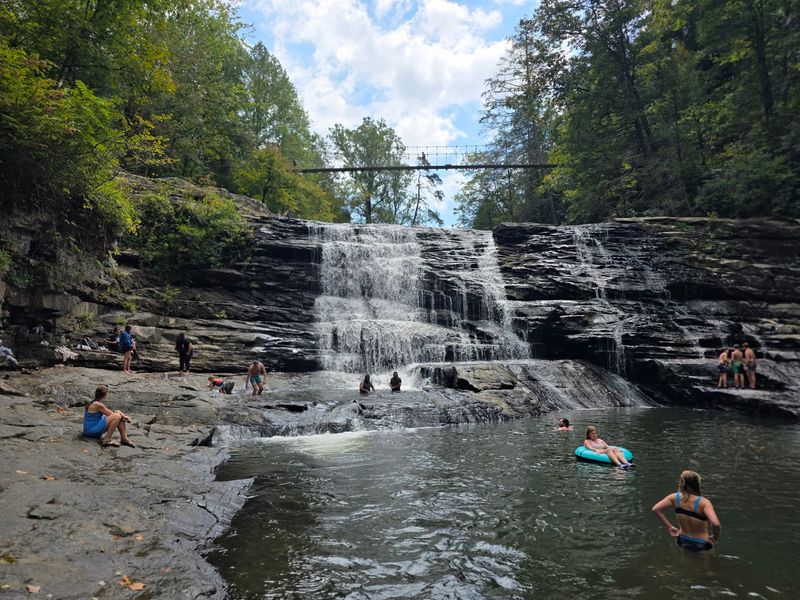
Fifty-plus state parks, and a surprising number of them charge nothing at the gate. That single fact reshapes how Tennessee families spend Saturdays.
Bicentennial Capitol Mall State Park in Nashville, Long Hunter near Percy Priest Lake, and Cumberland Mountain State Park all offer stroller-friendly paths and low-cost programs led by park staff. Ranger-guided hikes and junior naturalist activities often run just a few dollars per child.
Short trails are the secret weapon for parents of little kids. Sugarlands Valley Nature Trail in the Great Smoky Mountains is a paved half-mile loop, Cataract Falls delivers a waterfall in under a mile round trip, and the Gatlinburg Trail allows both strollers and dogs.
Fall is when East Tennessee earns its reputation. Foliage drives along the Cherohala Skyway, up Roan Mountain, or down a stretch of the Natchez Trace cost only fuel and a packed cooler.
Lake days round out the calendar, with Norris, Douglas, Old Hickory, and Percy Priest all within reach of a metro. Between free admission and picnic tables, a full outdoor day for four commonly stays under $25, though seasonal hours change, so check before driving.
8. Museums, Aquariums, And Rainy-Day Escapes

Rain forecasts do not cancel weekends in Tennessee. The Tennessee Aquarium in Chattanooga, the Memphis Zoo, and Zoo Knoxville all give families several hours indoors and out, and each one anchors an easy day trip from a nearby city.
Hands-on museums have multiplied too. Muse Knoxville and Chattanooga’s Creative Discovery Museum are built for touching, building, and getting slightly messy, which is exactly what a six-year-old needs on a gray February afternoon.
History lands better when kids can see it. The Tennessee State Museum in Nashville includes a Children’s Gallery and interactive exhibits, and admission there has traditionally been free, a rare thing for a museum of its size.
Dinosaur fossils and ancient artifacts fill the McClung Museum of Natural History and Culture in Knoxville, another campus stop that has kept costs low for families.
Smaller towns compete surprisingly well. The Museum of Scott County has been named among the ten most child-friendly destinations in the state, with a Frontier Village and an interactive Learning Lodge.
Andrew Jackson’s Hermitage and the state’s historic sites round things out with grounds, architecture, and family tours. Hours and pricing shift seasonally, so confirm ahead.
9. Four Real Seasons Without The Extremes
Snow shovels rarely get much use here, and neither do desert-grade air conditioners. Winters average around 40 degrees, cool and mild, with the occasional flurry that thrills kids and melts by lunch.
Summers run warm and humid, averaging near 83 degrees, which is hot but manageable with morning hikes and shaded creek walks. Families arriving from Minnesota often mention the shorter, gentler winter first.
Spring arrives early and dramatically. Wildflowers carpet the Smokies foothills by April, and dogwood and redbud blooms turn ordinary neighborhood streets into something photo-worthy.
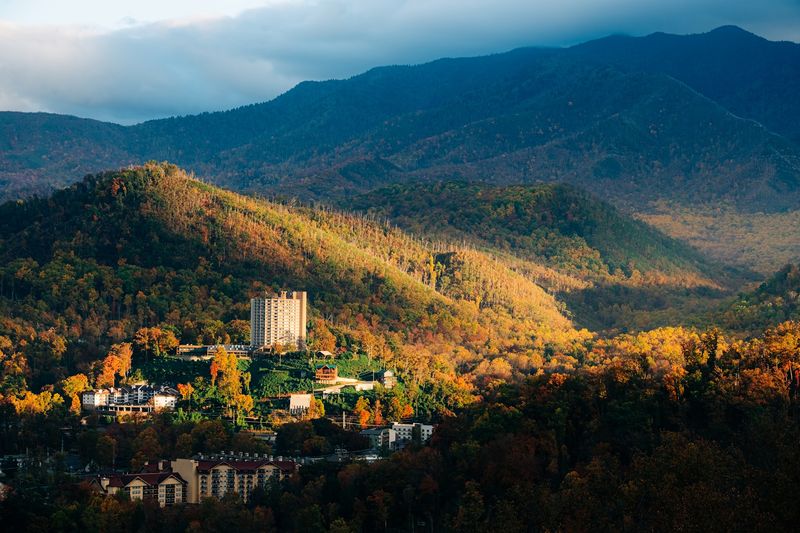
Autumn is arguably the state’s best-kept promise. Color peaks at higher elevations in East Tennessee first, then works downhill through late October and into November, which stretches leaf season across several weekends instead of one.
All four seasons showing up means the family calendar never repeats itself. Apple orchards and pumpkin farms in September and October, Appalachian craft fairs in the fall, holiday light drives and Christmas towns in December, then back to trails by March.
Severe storms do pass through in spring, so a weather radio belongs on the moving list. Otherwise, the climate cooperates with outdoor plans most of the year.
10. Neighborhoods Where People Actually Know You

Casserole on the porch after a new baby. A neighbor mowing your strip of grass because the mower was already out.
Newcomers keep describing the same small gestures when they explain why they stayed.
Southern hospitality gets repeated so often it sounds like a slogan, but the mechanics behind it are concrete: church groups, volunteer fire departments, Friday night football, and recreation leagues that fill up fast every spring.
College towns add a different energy. Cookeville blends university life with a walkable square, community events, and an arts scene that punches above its population, which appeals to families wanting culture without traffic.
Civic involvement comes easy in places this size. Parents land on booster clubs and library boards within a year, and kids grow up recognizing half the faces at the grocery store.
Fairness requires the other side of the ledger. A CNBC ranking in July 2026 placed Tennessee last for quality of life, citing factors like crime data and inclusiveness measures, and that assessment deserves consideration.
Community feel varies enormously by town, so visit on an ordinary Tuesday, not just a festival weekend, before deciding where to plant roots.
11. Central Location With Easy Roads Everywhere
Pull up a map of the eastern United States and Tennessee sits almost dead center. Most major U.S. markets fall within a single day’s drive, which is why so many relocating families cite the geography before anything else.
Seven interstate highways cross the state, so a weekend at the beach, a visit to grandparents in Ohio, or a business trip to Atlanta rarely requires a plane ticket.
Freight moves just as easily, and that shapes the job market. Six of the seven Class 1 rail lines run through Tennessee, nearly 1,000 miles of navigable waterways cut across it, and Memphis International Airport anchors global air cargo.
For families, the payoff is practical. Shorter drives mean cheaper vacations, more spontaneous day trips, and grandparents who visit more than once a year.
Public transit exists but stays limited outside the big cities. Nashville state employees can use the Swipe and Ride program for free rides, though most households here still plan around one or two cars.
Population growth of about 0.82 percent annually through 2030 suggests more people will keep arriving, which means checking commute times during actual rush hour before choosing a neighborhood.
Add it all up and Tennessee keeps making a very simple case: your money, your weekends, and your time all stretch a little further here.