
Every September, This Apple Orchard Near Las Vegas Becomes A Fall Paradise
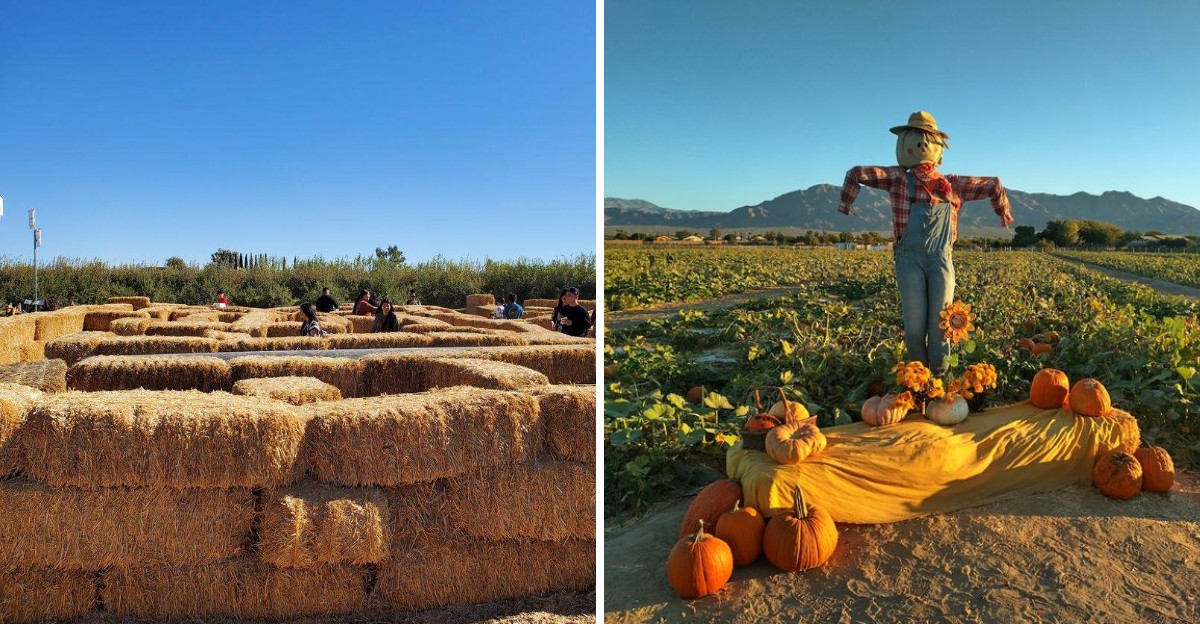
Rows of apple trees stretch across dusty desert soil, and somehow it still feels like paradise. Crisp fruit hangs low enough for tiny hands to reach.
Nevada heat finally breaks every September, and that shift changes everything out here. Wheelbarrows roll past sunflowers while pumpkins start turning orange in the same fields.
Cider donuts get pulled hot and rolled straight into cinnamon sugar. One bite explains why lines form before the gates even open.
Kids race through corn mazes while grandparents ride slow wagons past the trees. A desert tortoise shuffles along, completely unfazed by the crowd around it.
This pocket of Nevada turns farm chores into a full afternoon of family fun. Grab a basket, because fall only sticks around here for a few short weeks.
A Working Farm Hiding In Plain Sight
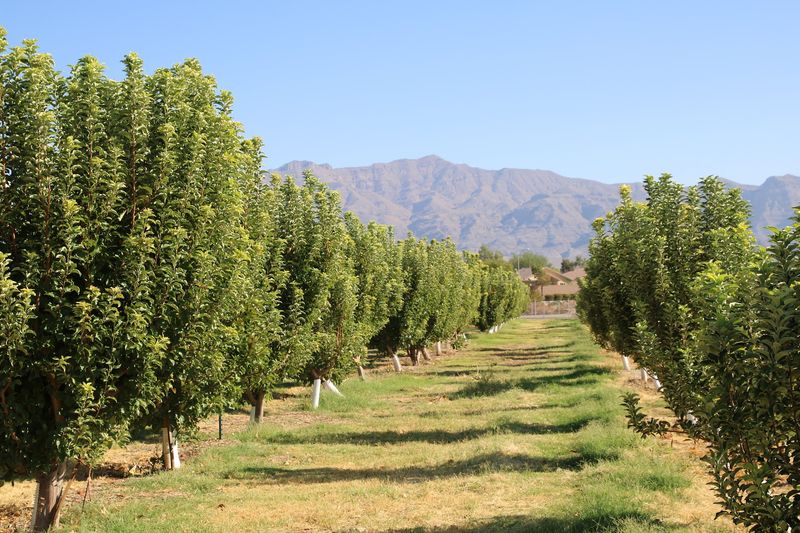
Farmland in Las Vegas? It exists, and it has for generations.
Gilcrease Orchard spreads across roughly 60 acres on the northwest edge of the valley. Rows of fruit trees replace parking lots and sidewalks.
The setting feels rural in the best way. Dirt paths crunch underfoot, and desert mountains frame the horizon.
Visitors find the address at 7800 N Tenaya Way, Las Vegas, NV 89131, in Nevada, United States. Parking sits on a gravel lot, and getting here is simple by car.
Mornings bring the strongest contrast. Cool air settles between the trees while the city hums somewhere far behind.
Wheelbarrows wait near the entrance for anyone hauling produce or tired toddlers. Staff point guests toward whatever crop is ready that day.
Seasons shape everything. The orchard grows a rotating mix of fruits and vegetables, so no two visits look identical.
September marks the shift toward autumn. Apples take center stage, and pumpkins start appearing in the fields.
Anyone expecting a tourist attraction may be surprised. This place operates as a real farm first, with visitors welcomed into the harvest.
Roots Planted A Century Ago
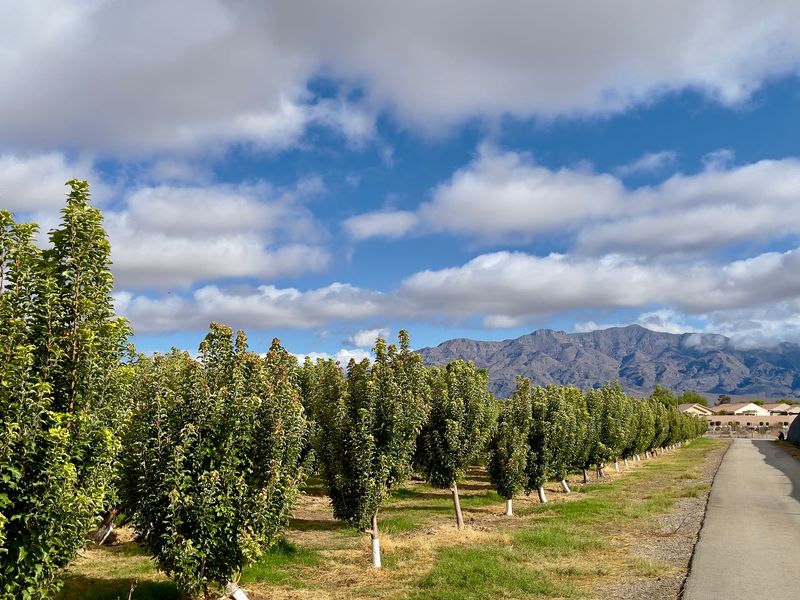
Long before hotel towers crowded the skyline, this land grew crops.
The Gilcrease family arrived in the Las Vegas Valley around 1920 and began building a working ranch. Chickens, turkeys, and field crops came first.
Alfalfa filled the acreage for decades. Farming eventually shifted as the economics changed.
During the 1970s, fruit trees started replacing hay fields. Family members experimented with apple varieties that could handle the desert climate.
That trial-and-error approach shaped the orchard visitors walk today. Trees here survive heat, wind, and sandy soil.
In 1997, the Gilcrease Orchard Foundation formed to protect the property. The nonprofit still manages the land and keeps it open to the public.
Preservation matters in a city that rebuilds itself constantly. Farmland rarely survives that kind of growth.
An old truck parked near the entrance nods to those earlier decades. Guests photograph it constantly.
Understanding the backstory changes the visit. Picking an apple at Gilcrease Orchard connects a person to more than a hundred years of stubborn desert farming.
History rarely tastes this good.
Apples Worth Reaching For
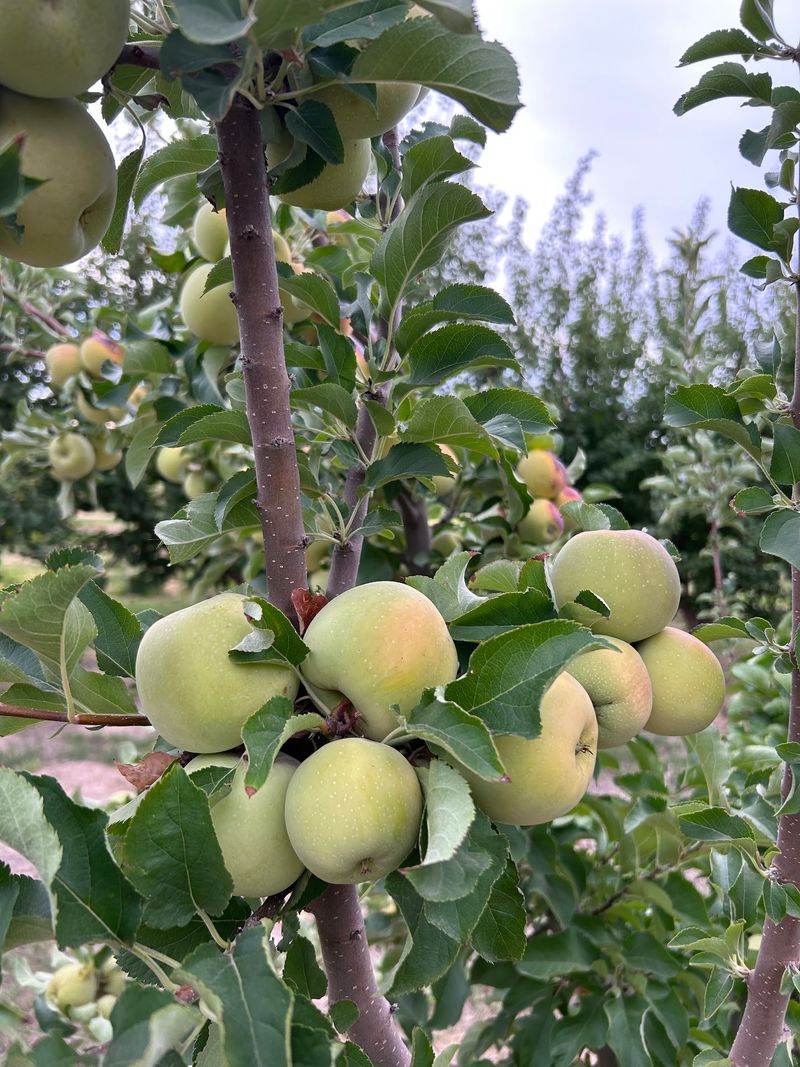
Reaching up, twisting gently, and hearing that soft snap never gets old.
Apple picking anchors the fall season at Gilcrease Orchard. Guests walk the rows, choose their own fruit, and pay by weight at the entrance.
Several varieties grow across the property, including Gala and early red types. Availability shifts week to week depending on ripeness.
Calling ahead helps. Crop charts can lag behind what is actually ready in the field.
Lower branches make picking easy for small children. Taller trees reward anyone willing to stretch a little.
Desert-grown apples surprise first-timers with their crispness. Warm days and cool nights help build that snap.
Popular weekends get picked over quickly, so early arrival matters. Tuesday and Thursday mornings often feel calmer.
Bring reusable bags or use a provided wheelbarrow. Both beat juggling armfuls of fruit down a dirt path.
Wash everything at home before eating. Farm produce comes straight from the tree, dust included.
Few grocery runs compare to filling a bag under Nevada sunshine while the trees still hold their leaves.
Pumpkins By The Thousand
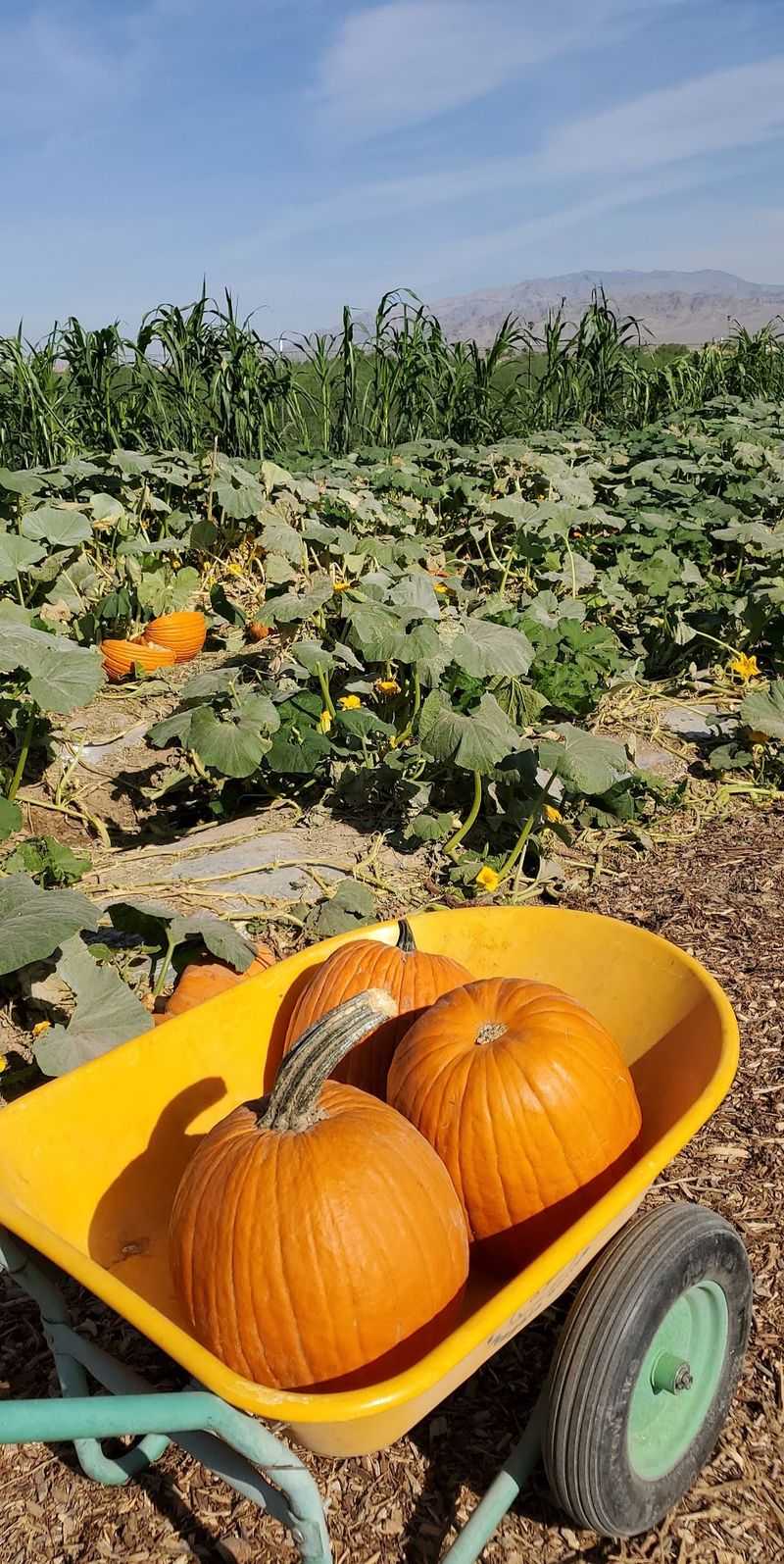
Orange takes over in late September.
The pumpkin patch at Gilcrease Orchard opens toward the end of the month and runs through October. Families spread out across the field hunting for the perfect gourd.
Sizes range from tiny palm-sized pumpkins to hefty two-armed hauls. Kids treat the search like a treasure hunt.
Wheelbarrows become essential equipment. On busy days, they disappear fast.
Photo opportunities appear everywhere. Rows of pumpkins against dry desert hills make an unusual autumn backdrop.
Crowds peak on October weekends. Arriving at opening gives the best parking and the calmest experience.
Tickets are often required in advance during the fall harvest season, sometimes with timed entry. Checking the schedule before driving out prevents disappointment.
Locals treat the patch as an annual ritual. Some families have marked every childhood autumn here.
Sun protection helps, since shade in the field is limited. Hats and sunscreen earn their keep.
Carrying a pumpkin back across the dirt while the sun climbs is oddly satisfying. That weight in the wheelbarrow means the season officially started.
Cider Donuts That Steal The Show
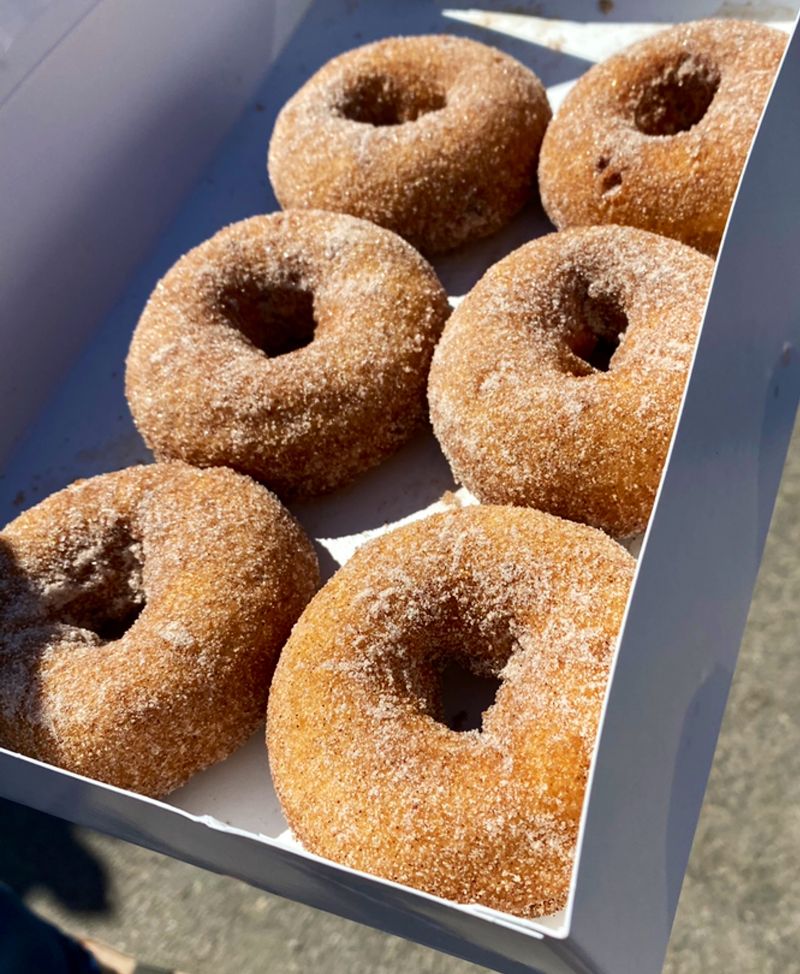
Ask any regular what to eat first. The answer arrives instantly.
Apple cider donuts made on-site have become the most talked-about item at Gilcrease Orchard. Warm, soft, and rolled in cinnamon sugar, they vanish quickly.
Lines form early during fall weekends. Patience pays off.
Fresh apple cider pairs with them naturally. The orchard blends its own varieties for the pressing.
Other snacks rotate through the concession area. Kettle corn, caramel apples, and seasonal donut flavors show up depending on the day.
Picnic tables under shade canopies give families a place to rest. Sticky fingers are part of the deal.
Carrying cash is a smart backup, since some visitors recommend it for smaller purchases. Availability of items can vary throughout the season.
Buying a dozen to take home is common. Surviving the drive back with them intact is another matter.
Breakfast is sometimes available on-site during busier periods, which turns an early visit into a full outing.
Sugar, cinnamon, and cool morning air make a combination no candy aisle in Nevada can copy.
Sunflowers Before The Apples Arrive
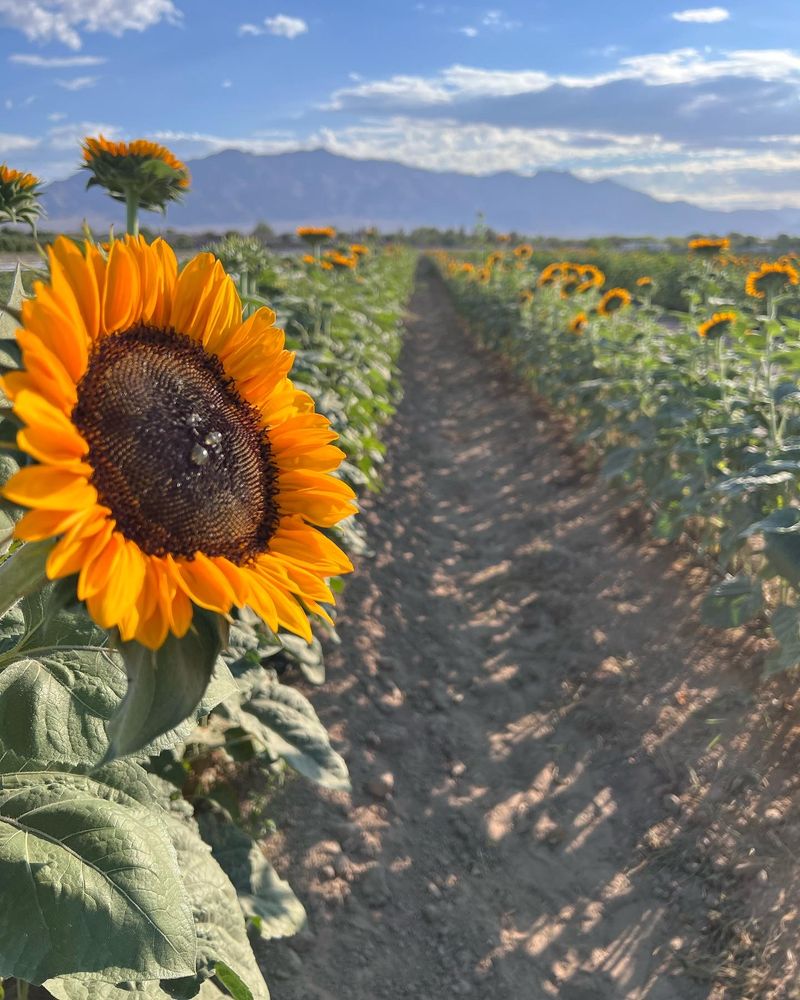
Yellow gets its moment first.
Sunflower blooms typically run from August into September at Gilcrease Orchard. Tall stems form bright walls across the field.
Guests can cut their own stems to take home. Reservations are sometimes needed during peak bloom.
Photographers arrive at opening for soft light. The flowers face the rising sun, which helps enormously.
Bees work the blooms constantly. Visitors with allergies should stay alert and move calmly.
Sunglasses help more than expected. Open fields with pale soil reflect a lot of glare.
Bloom timing shifts with weather, so nothing is guaranteed from year to year. Checking before driving out saves a wasted trip.
The overlap with early apple season makes September special. Flowers and fruit share the property for a few weeks.
Families often combine a bouquet with a produce haul. One wheelbarrow handles both.
Kids love standing beside stems taller than they are. Height comparisons become an annual photo tradition.
Bright petals against dry Nevada hills create a contrast that never quite looks real in pictures.
Mazes Built For Wandering
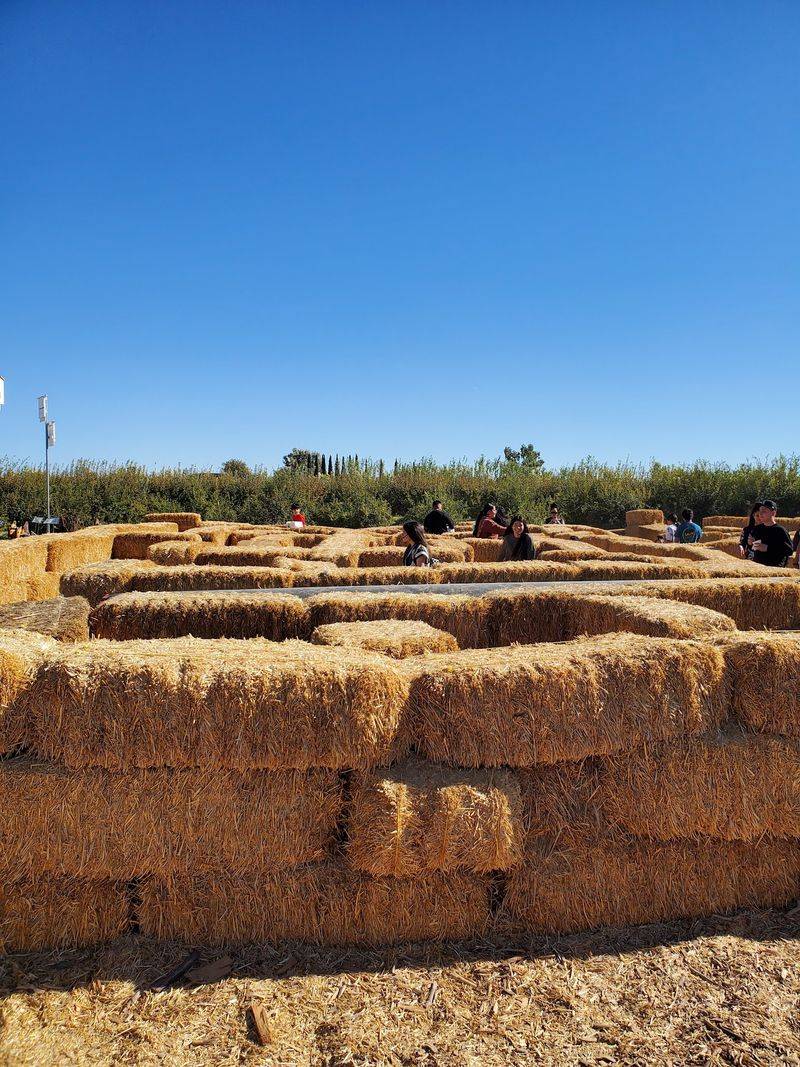
Getting lost on purpose counts as entertainment here.
A corn maze appears during fall at Gilcrease Orchard, giving older kids and adults a proper navigation challenge. Paths twist, double back, and reward stubbornness.
Younger visitors get a gentler option. A smaller straw maze offers short, safe routes without the confusion.
Both draw steady laughter throughout the morning. Parents often finish last.
Closed-toe shoes matter, since the ground stays dusty and uneven. Sandals rarely survive the visit.
Water bottles help too, especially before the desert sun climbs. Shade inside the maze is minimal.
Maze availability depends on the season and the crop, so features can change year to year. Confirming ahead avoids surprises.
Groups sometimes split up and race. Cell reception makes reunions easier than the old days.
Time inside varies with attention span. Some families breeze through, others linger for a while.
Between apple rows and pumpkin fields, the maze adds a burst of pure play that keeps restless kids happily occupied.
Chickens, Tortoises, And Curious Kids
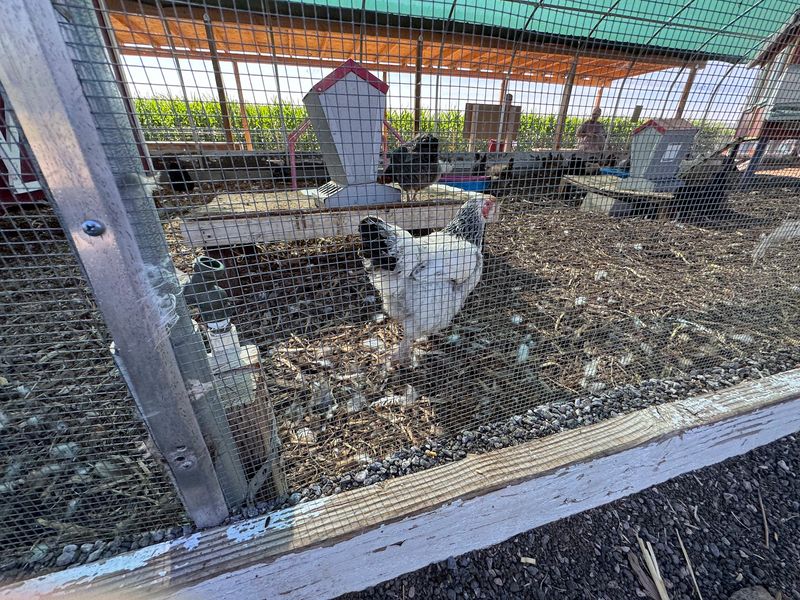
Feathers and shells add an educational twist.
A chicken coop sits on the property, drawing steady crowds of fascinated children. Watching hens scratch and strut beats any screen.
A desert tortoise habitat offers another stop. Nevada’s official state reptile moves at its own unhurried pace.
Both features turn a produce run into a small nature lesson. Kids ask questions constantly.
Animals stay behind enclosures, so viewing is hands-off. Signage helps explain what visitors are seeing.
Pets are not permitted at Gilcrease Orchard for food safety reasons. Leaving dogs at home is required, not optional.
Mornings work best for animal watching. Heat slows everything down later in the day.
Parents appreciate the natural teaching moments. Where eggs come from becomes an easy conversation.
The coop pairs nicely with the picking experience. Food, animals, and soil all connect in one visit.
Little details like these separate a working farm from a staged attraction. Nothing feels manufactured for tourists.
Curiosity gets rewarded here, and that alone justifies the early alarm clock.
Photo Spots Around Every Corner
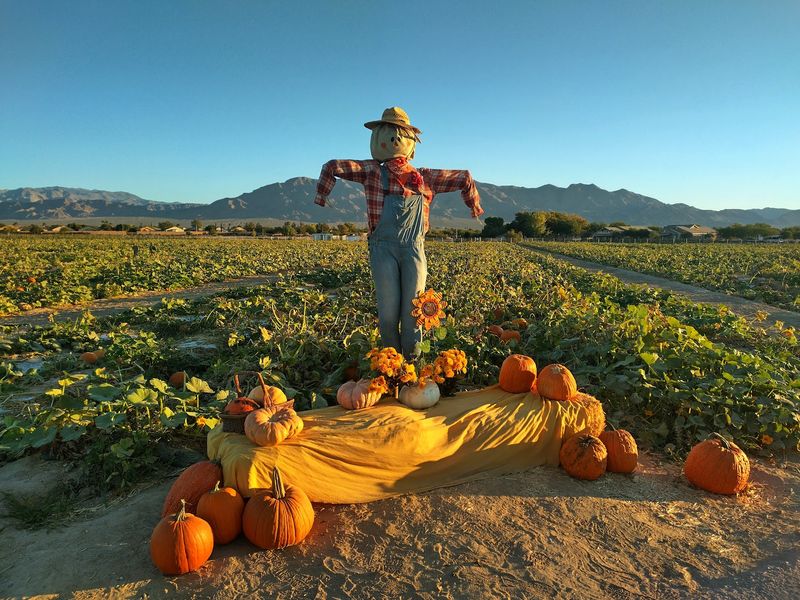
Cameras come out within minutes of arrival.
Photo backdrops and selfie stations sit throughout Gilcrease Orchard during the fall months. Rustic props and painted signs give families easy framing.
The pumpkin patch remains the most popular setting. Orange against dry hills photographs beautifully.
Apple rows work well too. Dappled light through the branches softens harsh desert sun.
Golden hour arrives early because the orchard opens at dawn. Morning light does most of the work.
The vintage truck parked on the property attracts a steady stream of portraits. It anchors countless holiday cards.
Sunflower fields earlier in the season provide another backdrop entirely. Timing determines which one visitors get.
Bringing a small step stool for kid portraits helps in tall crops. Nothing fancy is required.
Respecting other guests keeps the mood friendly. Fields get busy, and everyone wants their shot.
Autumn in southern Nevada does not announce itself with red maples. It shows up in pumpkins, apples, and dust-lit sunbeams instead.
Those images end up framed on walls for years.
A Seasonal Tradition Locals Guard Closely
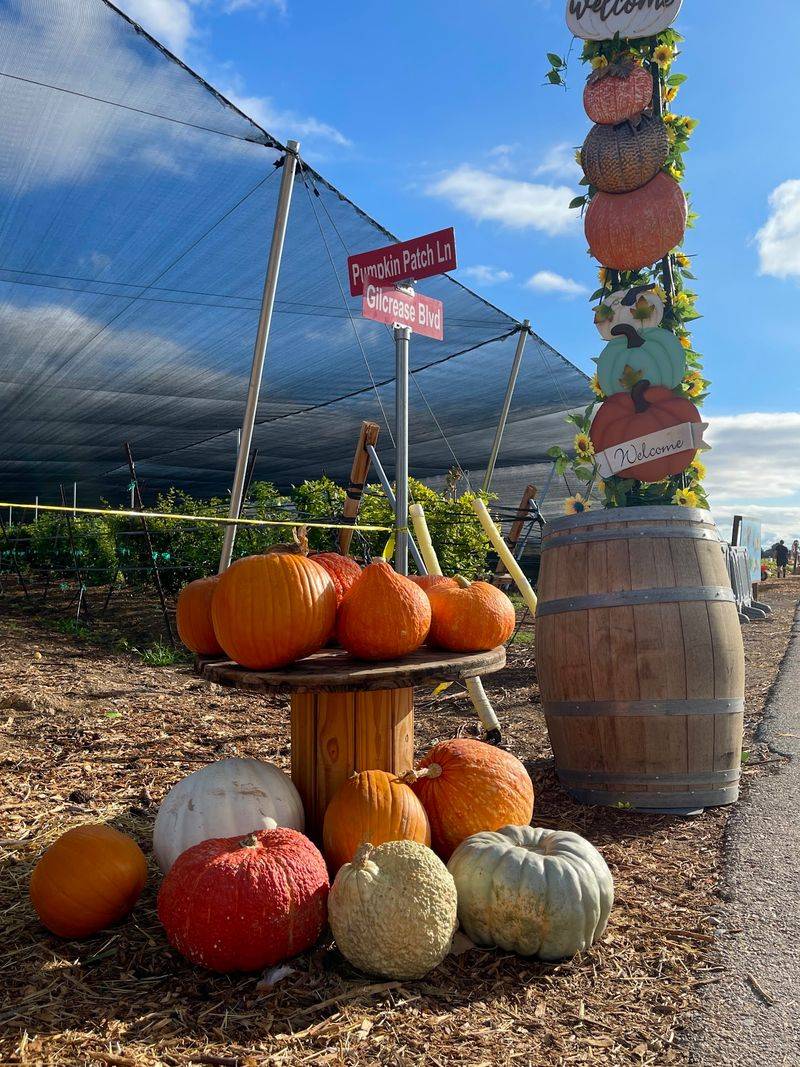
Traditions form fast around here.
Many Las Vegas families return to Gilcrease Orchard every single autumn. Kids grow up marking their height against pumpkin piles.
Transplants from other states often say the orchard eases their homesickness. Fall finally feels familiar.
The nonprofit foundation keeps the property working and accessible. Community access sits at the center of that mission.
Seasonal events extend beyond September. Christmas trees typically go on sale after Thanksgiving, along with holiday activities.
Produce rotates all year, from berries and peaches in warmer months to apples and pumpkins in fall. Each visit brings something different.
Staff answer questions patiently and point guests toward ripe crops. That guidance makes first visits easier.
Prices stay modest compared with most family outings in the city. Value shows up in the memories more than the receipt.
Word spreads quickly when a crop peaks. Social media posts drive weekend crowds.
September remains the sweet spot, when Nevada heat finally eases and the harvest hits full stride. Grabbing a wheelbarrow at sunrise is the closest thing to autumn magic the desert offers.