
Inside This Nevada Fabric Warehouse, The Rolls Just Keep On Going
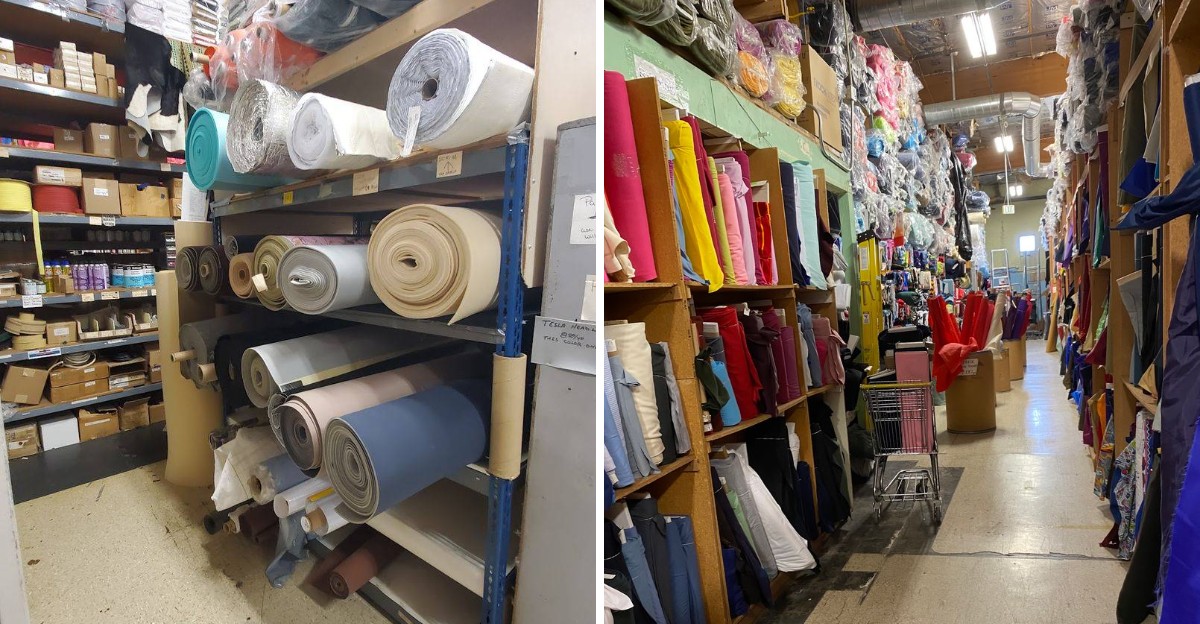
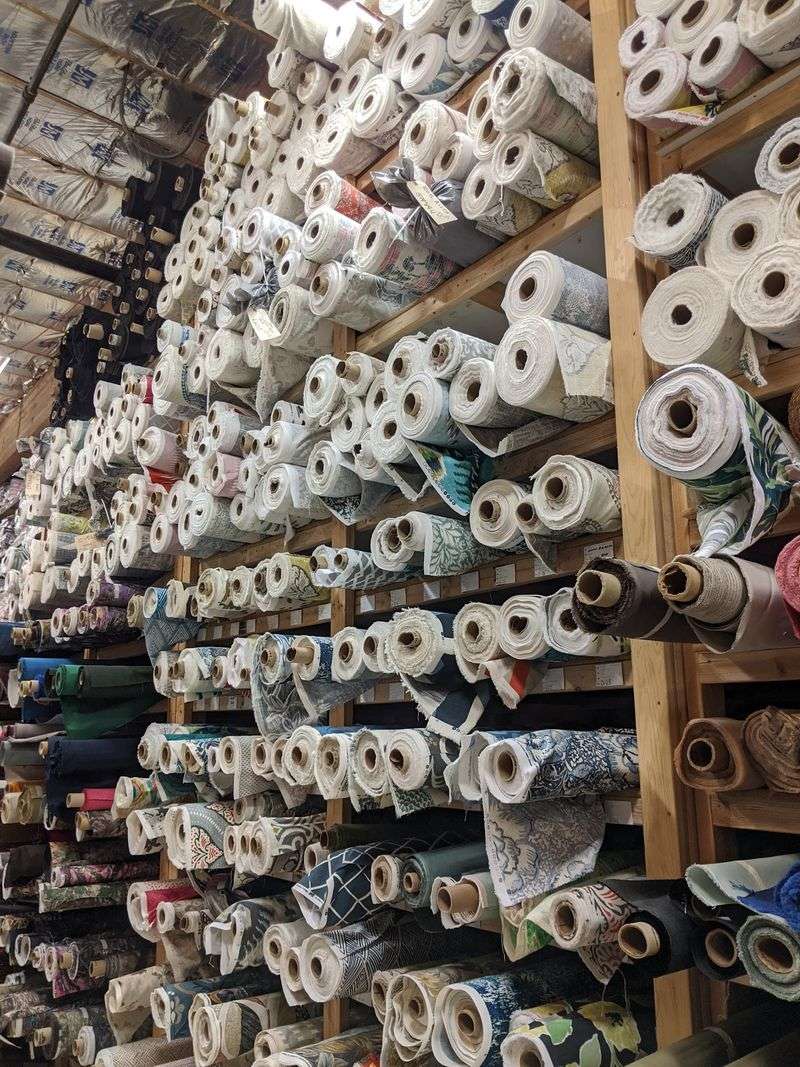
Bolts of fabric stretch farther than you can see from the front door. A pickup truck started all of this, decades before the aisles existed at all.
Nevada shoppers still drive in from hours away for this kind of selection. Velvet, denim, leather, and foam sit stacked in categories that blur together the deeper you wander.
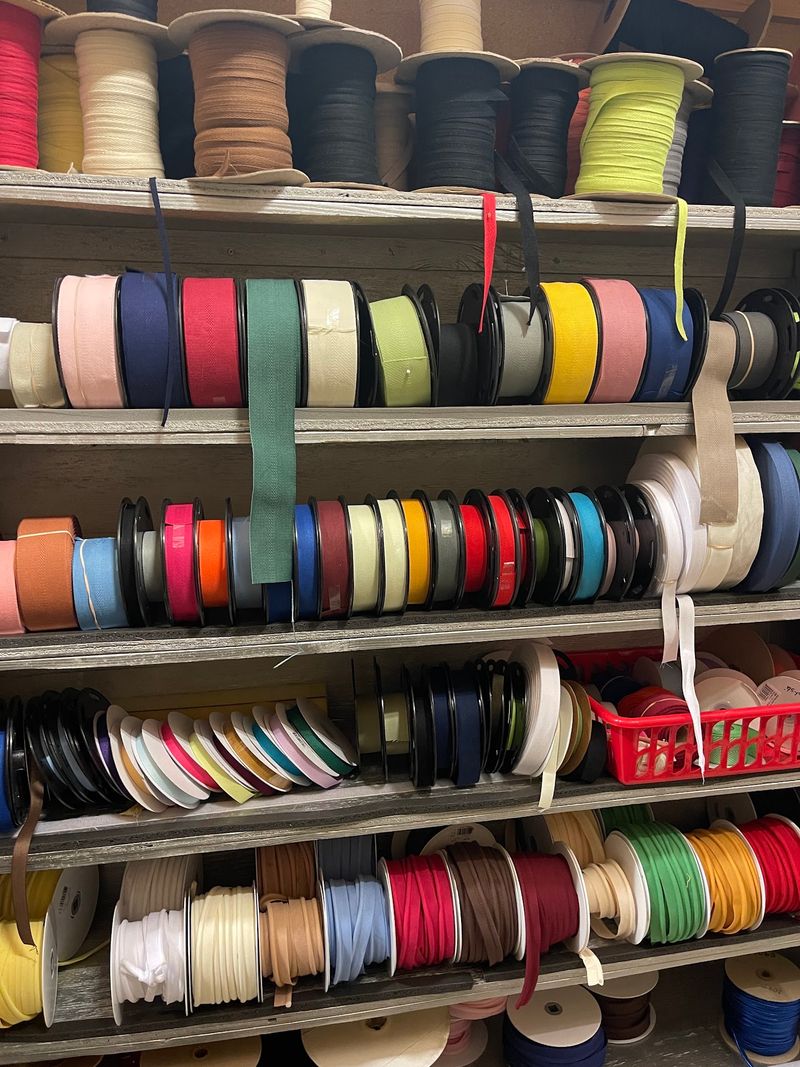
Buttons fill entire walls. Zippers hang in every length imaginable, waiting for a project nobody has finished yet.
Staff here seem to know exactly which shelf hides what you need. That kind of knowledge rarely survives this long in retail anymore.
Nevada keeps this warehouse busy because the rolls never stop shifting and neither does the treasure hunt. Grab a cart, pack patience, and expect to leave carrying more than you planned.
A Truck Bed Beginning In 1973
Every big store starts somewhere small. For Mill End Fabrics, that somewhere was the back of a truck in 1973.
The founders sold leftover fabric runs, the industry scraps known as mill ends. Buyers loved the value, and word traveled fast around northern Nevada.
Demand grew quickly. Over the years the family business expanded across Nevada, Oregon and Idaho, though the number of active locations has shifted as some stores have closed.
The Reno store stayed the anchor. It became the largest and best known of the group, the place other shops measured themselves against.
More than fifty years later, the business remains family run. That continuity shows in small ways, like staff who remember returning customers and their long-running projects.
The original sourcing idea never changed either. Surplus and overrun fabrics still form the backbone of the inventory.
You can find the warehouse at 1745 Kuenzli St, Reno, NV 89502, a short hop from downtown. The building looks plain from the outside, which makes the interior even more surprising.
History here is not displayed behind glass. It sits in the shelves, the systems, and the steady rhythm of a shop that outlasted decades of retail change.
Aisles That Seem To Stretch Forever
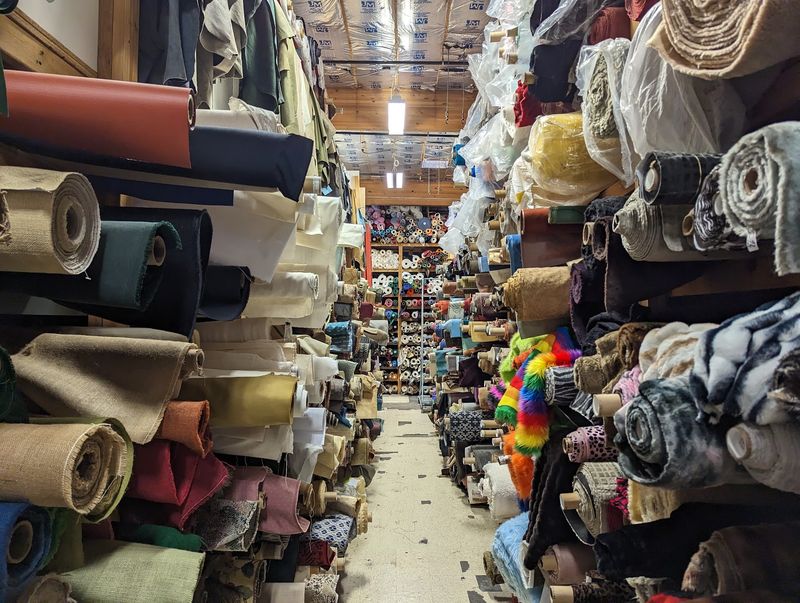
Scale hits first. The ceiling sits high, the shelves climb toward it, and the aisles run long enough to lose track of a shopping companion.
Mill End Fabrics fills a true warehouse footprint. Carts are not a luxury here, they are practically required equipment.
Color arrives in waves. One row glows with brights, the next drops into deep neutrals and moody upholstery tones.
The layout groups fabrics by type, though the boundaries blur where overflow stock lands. Quilting cottons sit in their own zone.
Apparel fabrics claim another.
Foam occupies a serious chunk of floor space, stacked in blocks and sheets of many thicknesses.
Shoppers frequently describe feeling pleasantly overwhelmed. That reaction seems built into the design.
Sound stays low. Mostly it is carts rolling, scissors snipping, and quiet conversation over a bolt someone cannot decide about.
Give the visit real time. Thirty minutes will not cover it, and rushing means walking past the exact thing you came for.
Plenty of Reno regulars treat a trip here as the afternoon plan rather than an errand squeezed between stops.
What Mill Ends Actually Means
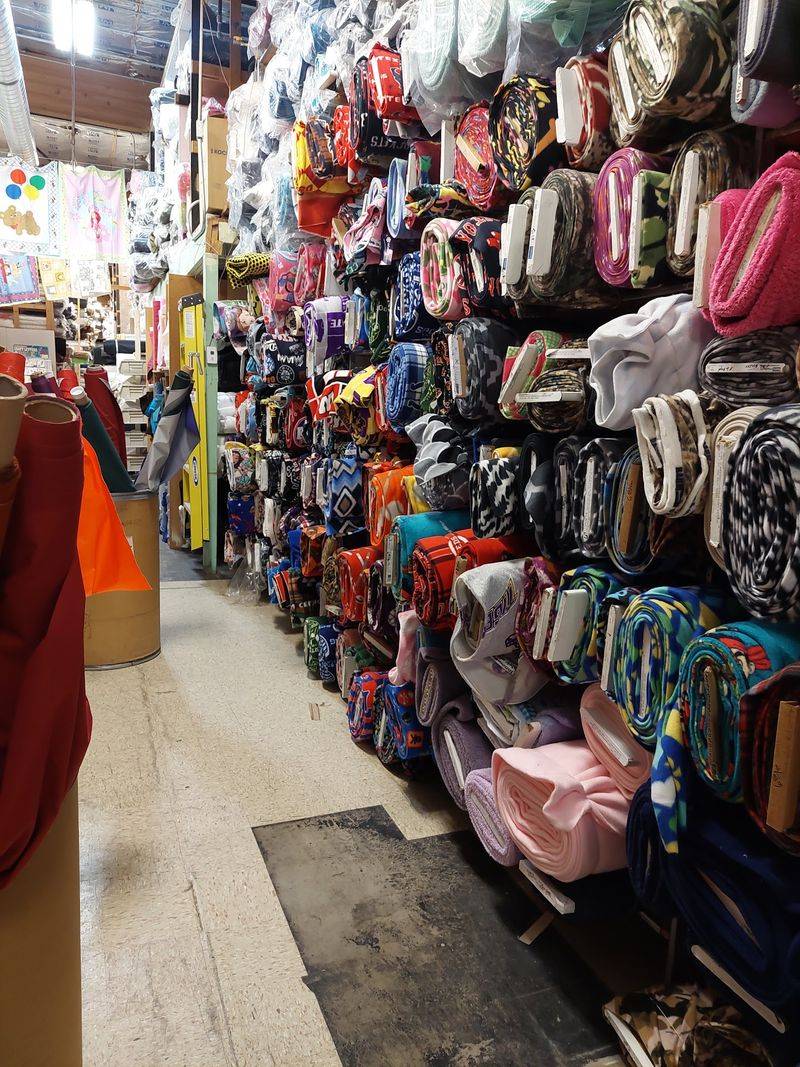
The name is not decoration. Mill ends are the leftover portions of manufacturing runs, the yardage that never fits a standard retail order.
Buying that surplus is the entire business model at Mill End Fabrics. It explains both the pricing reputation and the unpredictability.
Designer overruns turn up. So do specialty weaves and textures that never reach big chain shelves.
Quantities vary. A bolt might arrive as a single roll, meaning once it sells, that pattern is gone for good.
Shoppers learn the lesson fast. If a fabric speaks to you, buy the yardage now rather than planning a return trip.
Experienced sewists often buy a little extra as insurance. Running short mid-project on a one-time fabric is a real risk.
The upside is discovery. Materials here often carry a quality level that surprises people expecting bargain-bin leftovers.
Nothing about the selection feels curated for trends. It feels collected, sourced piece by piece from wherever good surplus appears.
That approach turns ordinary shopping into a hunt, and the hunt is exactly why people keep coming back.
Upholstery Fabric With Serious Muscle
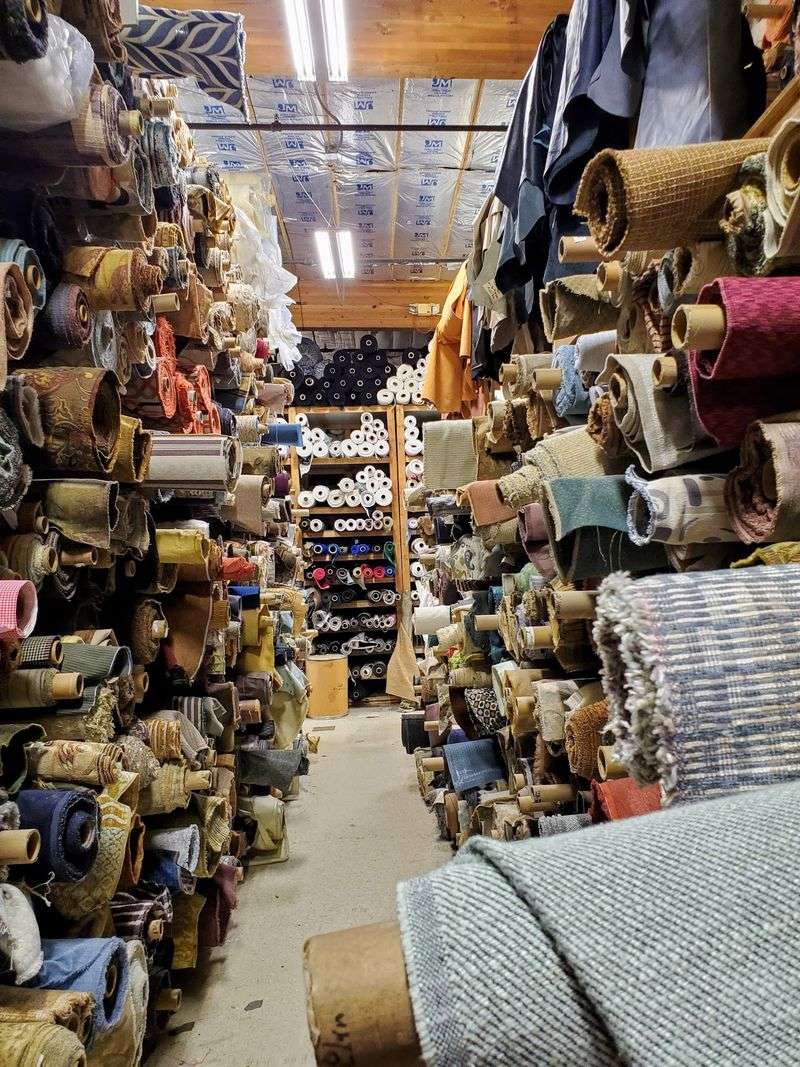
Furniture projects find their match here. Upholstery fabric is one of the most talked-about sections at Mill End Fabrics, and the reason is simple volume.
Heavyweight wovens, textured jacquards and rich velvets share space with practical outdoor-grade options.
Performance names like Sunbrella and Cordura appear in the mix. Those hold up under sun, weather and hard daily use.
Automotive and decorator fabrics round out the category. People restoring car interiors treat the store as a legitimate supply stop.
Foam sits nearby, which makes sense. A seat cushion needs both the cover and the core, and getting them in one trip saves a headache.
Bringing a color palette helps enormously. Paint chips, a pillow, or a photo of the room narrows options quickly.
Measure before arriving. Yardage math for a sofa or chair is far easier when the dimensions are already written down.
Staff regularly help estimate how much is needed. That guidance saves both money and second trips.
Reupholstering suddenly feels doable when the material wall in front of you offers this many directions to go.
Buttons, Zippers And Everything Small
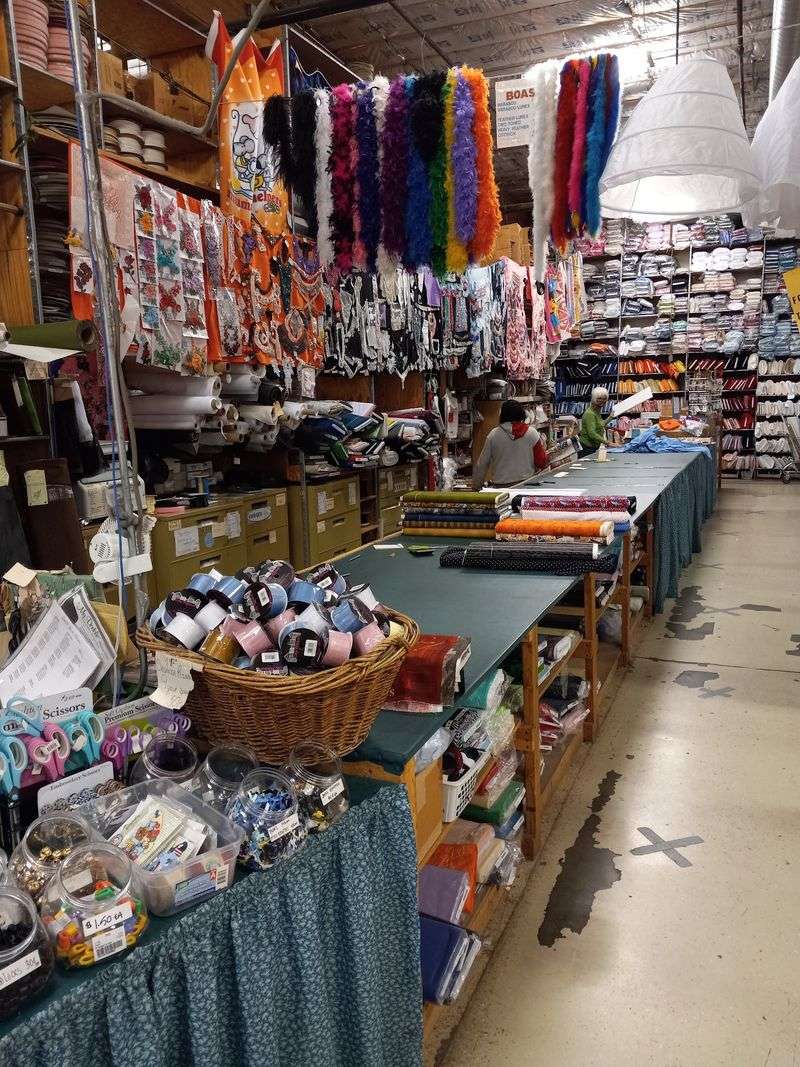
Small things make or break a project. Notions get real estate here, not a leftover corner.
Buttons come in staggering quantity. One longtime customer described billions of them, which is charming exaggeration with a grain of truth.
Zippers hang in ranges of length and color. Elastic, cording, webbing and Velcro fill out the practical side.
Ribbons, laces, trims and appliques handle the decorative work. Some trims lean traditional, others lean bold and unexpected.
An entire wall of scissors greets shoppers who need proper cutting tools. Shears for fabric, snips for thread, and heavier options for tough materials.
Patterns, adhesives, interfacing, batting, netting, tulle and felt sit within reach too.
Mill End Fabrics earns loyalty largely because of this depth. Finishing a project usually stalls on one missing tiny part.
Bringing a fabric swatch helps when matching thread or trim colors. Memory lies, swatches do not.
Walking out with the fabric and every fastener, closure and finish in the same bag feels like a small victory worth celebrating.
Staff Who Know Where Everything Hides
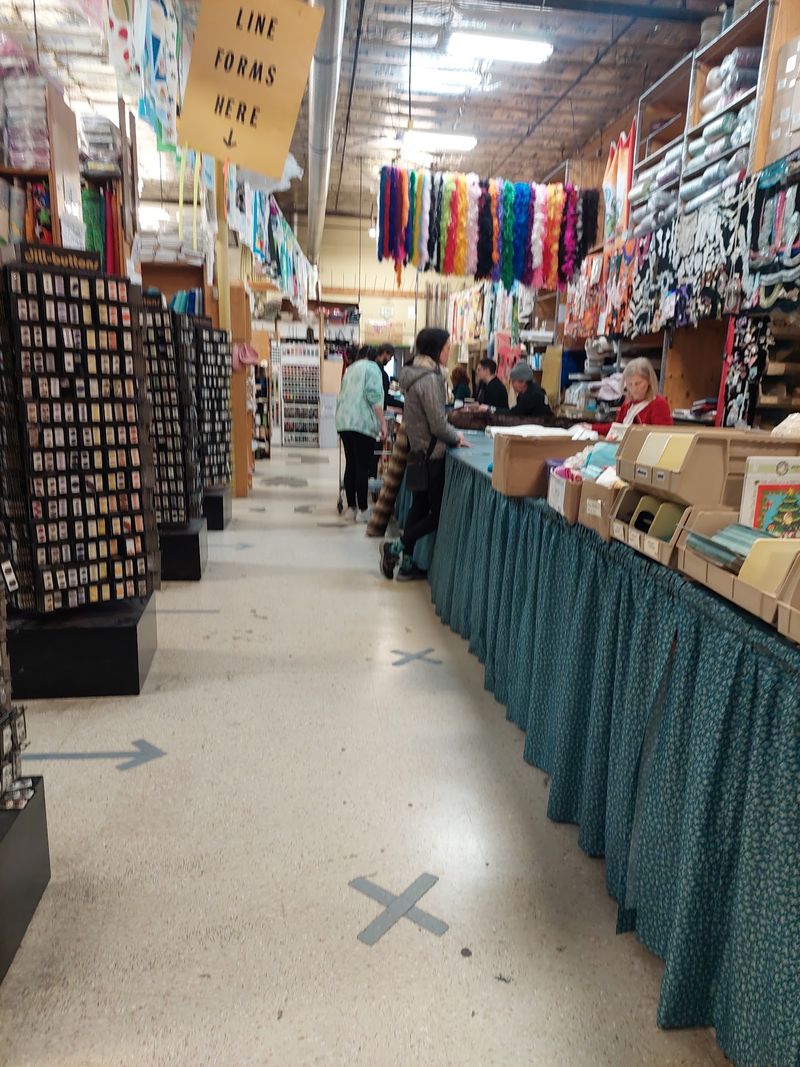
Ask a question and watch the magic happen. Employees here navigate thousands of rolls with an accuracy that borders on uncanny.
Helpful staff shows up in customer feedback more than almost any other topic at Mill End Fabrics.
Their knowledge goes past location. People arrive unsure what material suits a project, and leave with a plan.
Advice covers needle types, stitch choices and fabric weight. That kind of guidance matters most for beginners.
First-timers should not hesitate to speak up. The store is big enough that wandering alone can waste an hour.
Describing the finished goal works better than naming a fabric. Say you want durable work gloves or a lined jacket, and suggestions follow.
Cutting happens at the counter, so bring your intended yardage or ask for help calculating it.
The pace stays friendly rather than pushy. Nobody rushes a decision about a fabric someone will live with for years.
That mix of expertise and patience turns a giant Nevada warehouse into something surprisingly approachable.
Leather, Faux Fur And The Wild Stuff
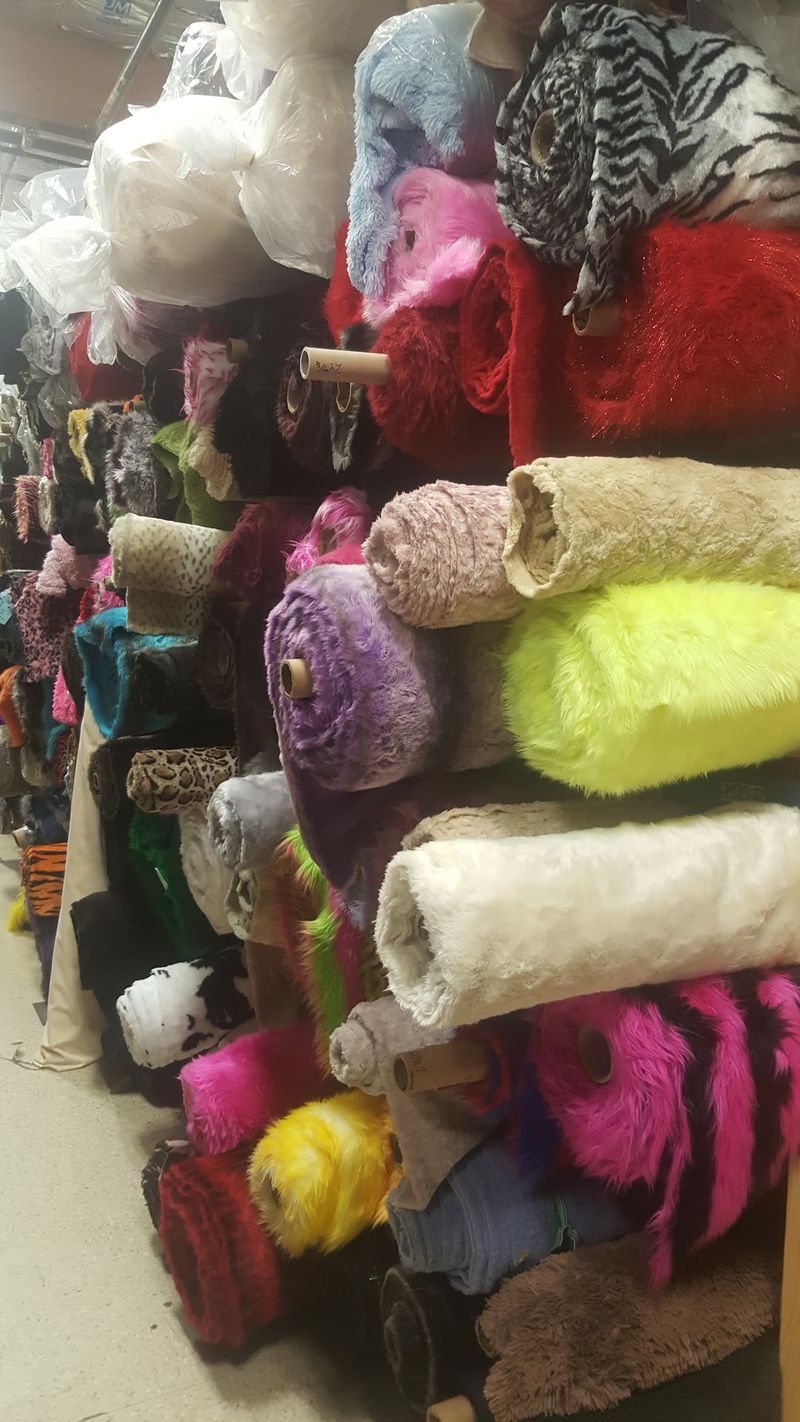
Costume makers, take note. The specialty materials section is where projects get interesting.
Leather draws particular praise from shoppers, several calling the selection the best they have found anywhere nearby.
Faux fur arrives in a range of pile lengths and colors. Minky brings softness for baby quilts and blankets.
Vinyl and suede handle bags, seats and structured builds. Fleece covers the cozy department.
Batik fabrics have their own following, and quilters mention that section often.
Silk, linen, brocade, chiffon, satin and spandex give dressmakers plenty of range. Denim, flannel and knits cover everyday sewing.
Mill End Fabrics stocks these categories side by side, so one cart can hold a dance costume and a couch cushion.
Handle materials before buying. Drape and stretch tell you far more in person than any online listing ever could.
Cosplay builders, theater crews and craft-fair sellers all shop this section hard.
Ambition tends to grow in these aisles, which explains why so many people leave with more than the list called for.
Foam Blocks And Cushion Solutions
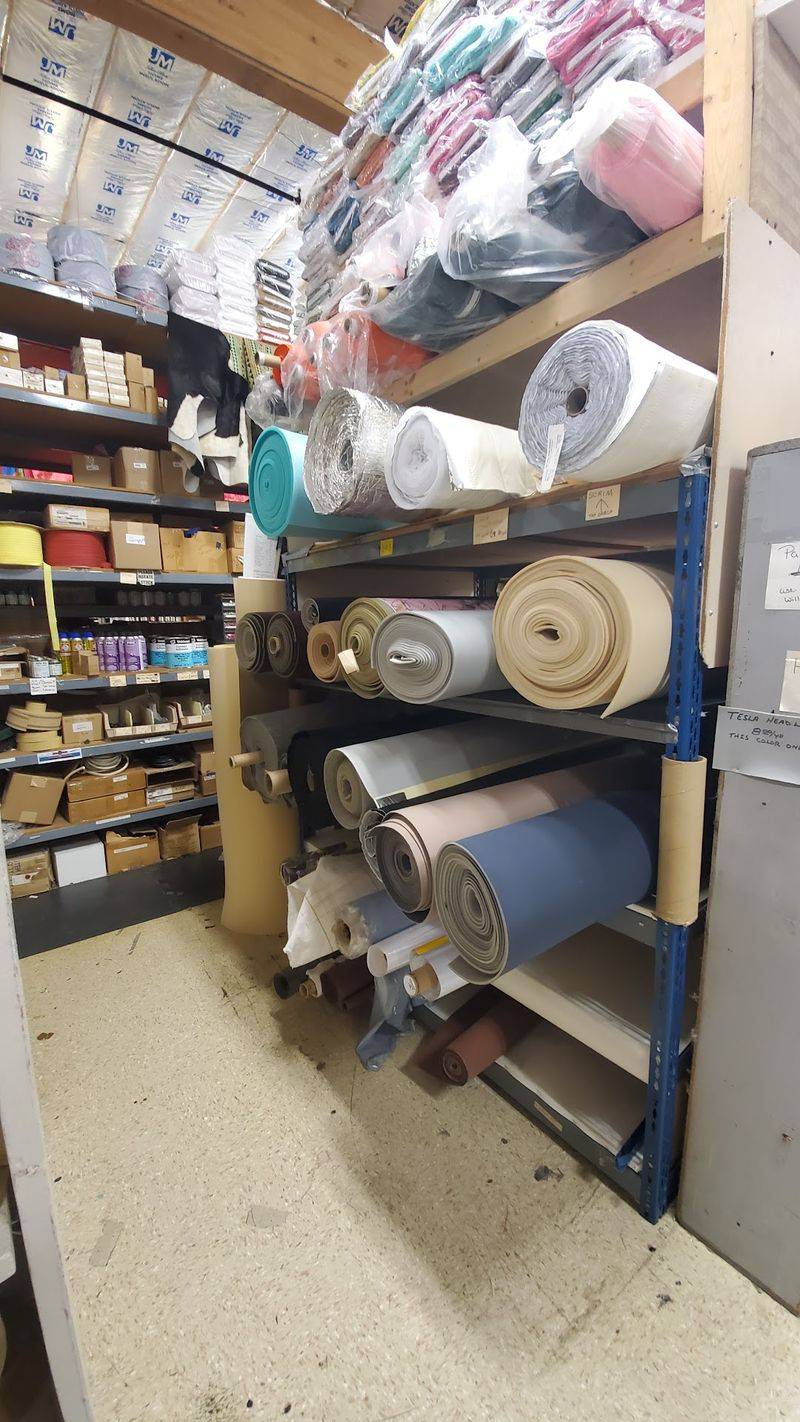
Foam gets a whole department. That surprises people expecting a fabric-only shop.
Sheets, blocks and memory foam appear in multiple densities and thicknesses. Styrofoam sheets show up too.
Boat seats, window benches, dining chairs and camper cushions all start with the right foam choice.
Density matters more than most beginners realize. Soft foam collapses under daily sitting, while firm foam holds shape for years.
Staff can walk you through the differences. Explaining the intended use gets a better recommendation than guessing at numbers.
Pairing foam with a matching upholstery fabric in one visit keeps a project moving. No waiting on shipments, no mismatched orders.
Mill End Fabrics also carries batting and interfacing, which handle the layers between foam and finish.
Bring measurements written down. Foam mistakes are expensive and hard to undo once cut.
A tape measure in the pocket is the single smartest thing to pack for this section.
Plenty of RV owners and boat owners across Nevada make the drive specifically for the foam wall.
Inventory That Refuses To Stand Still
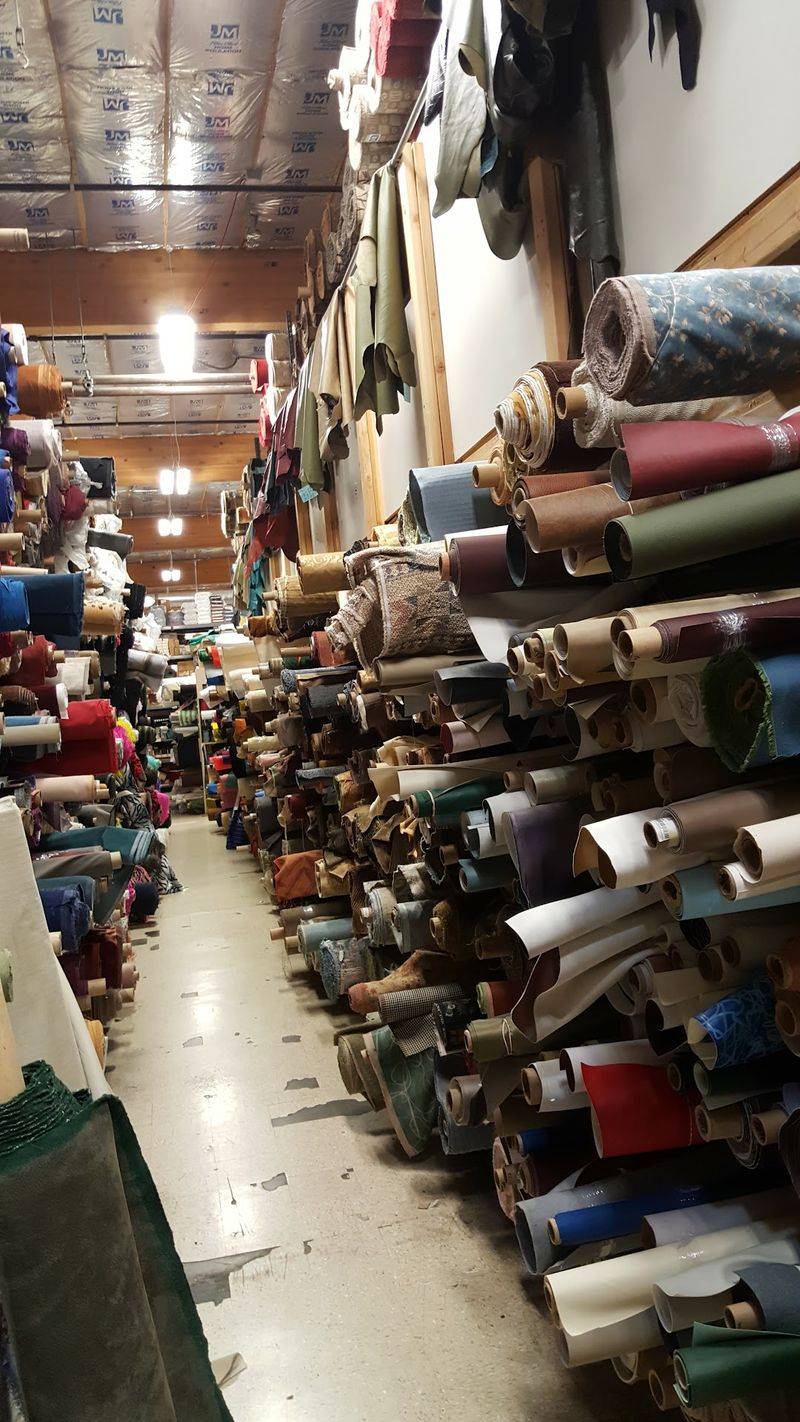
Come back next month and the shelves will have shifted. Surplus sourcing guarantees turnover.
One stretch might overflow with velvet. Another might fill the same racks with vintage-style cotton prints.
Designer overruns arrive without announcement. Specialty weaves appear, sell through, and vanish.
Regulars adapt by shopping often rather than waiting for a specific need. Many describe the routine as checking in.
Photographing a bolt tag helps if you might want more later, though repeats are never promised.
Mill End Fabrics never markets a fixed catalog for this reason. The stock writes its own schedule.
Newcomers sometimes arrive hunting one exact print and leave slightly disappointed. Flexibility solves that problem instantly.
Arriving with a project idea rather than a rigid material requirement produces far better results.
The shifting inventory keeps the store lively even for people who visit weekly.
Treasure hunting sounds like a cliche until you find a designer fabric at a price that makes no logical sense.
A Gathering Spot For Makers
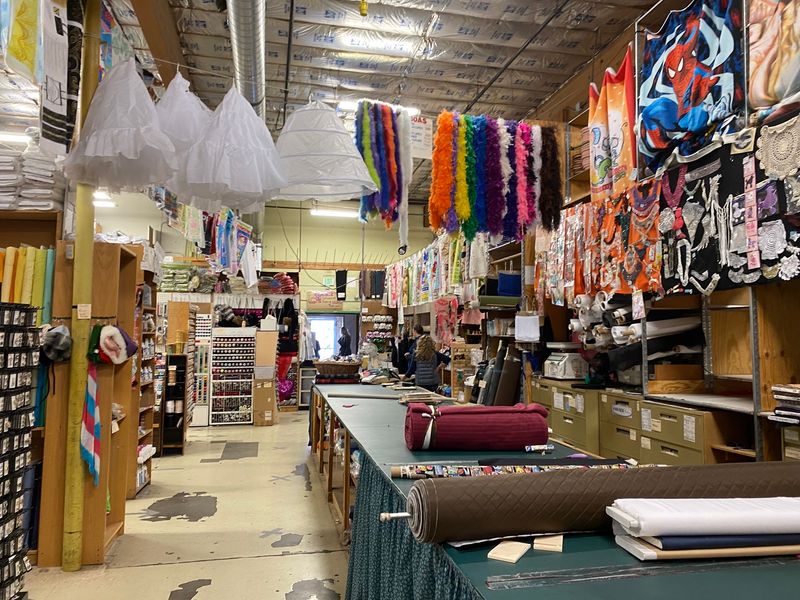
Reno is not the first city people associate with textiles. Within the sewing world, though, this address carries weight.
Makers drive in from across northern Nevada and neighboring states. Some plan whole weekends around the trip.
Quilters, tailors, costume designers and furniture restorers all cross paths in the aisles.
Conversations start easily. Someone admires a bolt, someone else explains what they built with it last year.
Mill End Fabrics has served the community for decades, and multi-generation visits are common. Parents bring the kids they once came here with.
The store also welcomes dogs, which adds to the relaxed feel.
Beginners get treated the same as pros. Nobody makes a first-time sewist feel out of place for asking basic questions.
That inclusiveness matters in a hobby where equipment and terminology can feel intimidating.
Local sewing groups and hobbyists rely on the store as a shared resource rather than just a retailer.
Community grows in odd places, and here it grew between rows of cotton and canvas.
Smart Ways To Plan The Visit
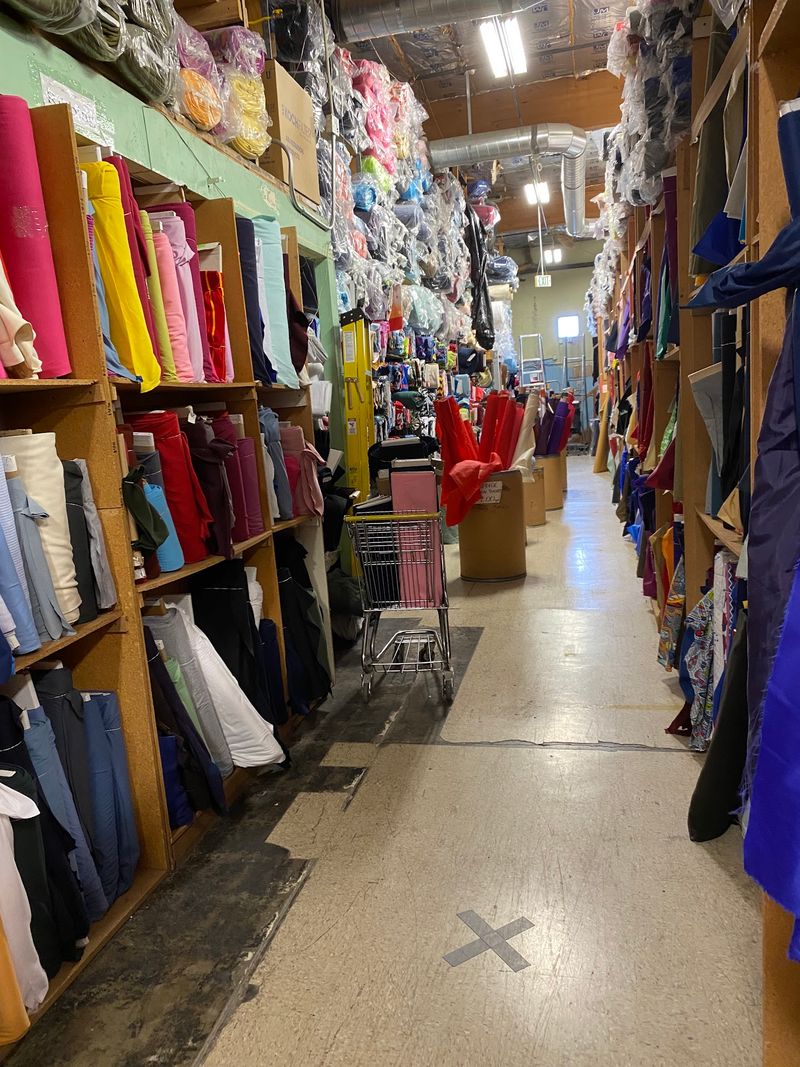
Strategy beats wandering. A little preparation transforms this trip from overwhelming to productive.
Write down measurements before leaving home. Yardage guesses made on the spot rarely end well.
Pack swatches, paint chips or photos of the room or garment you are matching.
Grab a cart at the door even for a short list. Bolts get heavy faster than expected.
Block out real time. Mill End Fabrics rewards slow browsing, and the best finds sit deep in the aisles.
Note the store closes on Sundays, so plan around that when scheduling a weekend drive.
Weekday mornings tend to feel calmer than Saturday afternoons for anyone who prefers space to think.
Ask about cutting minimums for anything unusual before falling in love with it.
Keep the budget flexible. Almost everyone leaves with something unplanned, and pretending otherwise is optimistic.
Comfortable shoes deserve a mention too, because the concrete floor covers a lot of ground.
Arrive curious, leave inspired, and expect the return trip to already be forming in your head.
Why The Rolls Keep Going
Fifty-plus years in, the momentum has not slowed. That says something in an era when fabric shops keep closing.
The formula stays simple. Buy surplus well, price it fairly, hire people who know their materials.
Shoppers repeat the same themes in feedback: enormous selection, helpful staff, fair prices.
Family ownership keeps decisions grounded. Nothing feels dictated by a distant corporate office.
Mill End Fabrics also fills a practical gap. Sewing supply options have thinned nationwide, making a full-service warehouse rare.
Beginners find a place to learn. Professionals find materials they cannot source elsewhere.
Both groups leave with projects in mind rather than just bags in hand.
The Reno location remains the flagship of a story that began with a pickup truck and stubborn resourcefulness.
Every bolt on those shelves represents something unmade, waiting for someone with an idea.
That potential is the real product here, and it explains why the rolls, and the customers, keep on coming.
Nevada holds plenty of famous attractions, yet few reward curiosity quite like this warehouse full of color.