
10 Tennessee Hiking Trails Where You Need To Watch For Rattlesnakes In September
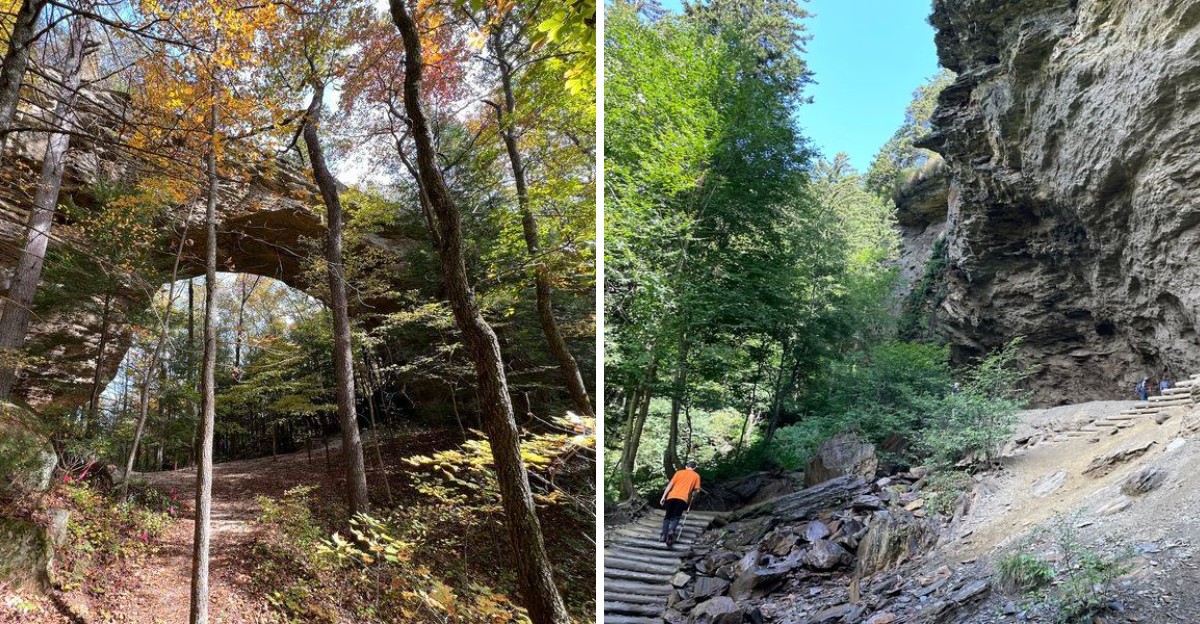
September hiking in Tennessee comes with cooler mornings, changing leaves, and one extra reason to watch where you step.
Timber rattlesnakes are still active during late summer and early fall, especially around rocky hillsides, wooded slopes, bluffs, and ledges.
That does not mean every hike turns into a snake encounter. Most people rarely see venomous snakes at all.
Still, certain trails pass through the exact kind of terrain rattlesnakes prefer, so a little extra awareness makes sense this time of year.
Rocky overlooks, boulder fields, forested ridges, and narrow paths can all create places where a snake may be resting or warming itself. Staying on the trail and checking carefully before placing hands or feet near rocks can go a long way.
These Tennessee hikes are beautiful in September, but they are also places where paying attention matters just as much as enjoying the view.
1. Virgin Falls Trail
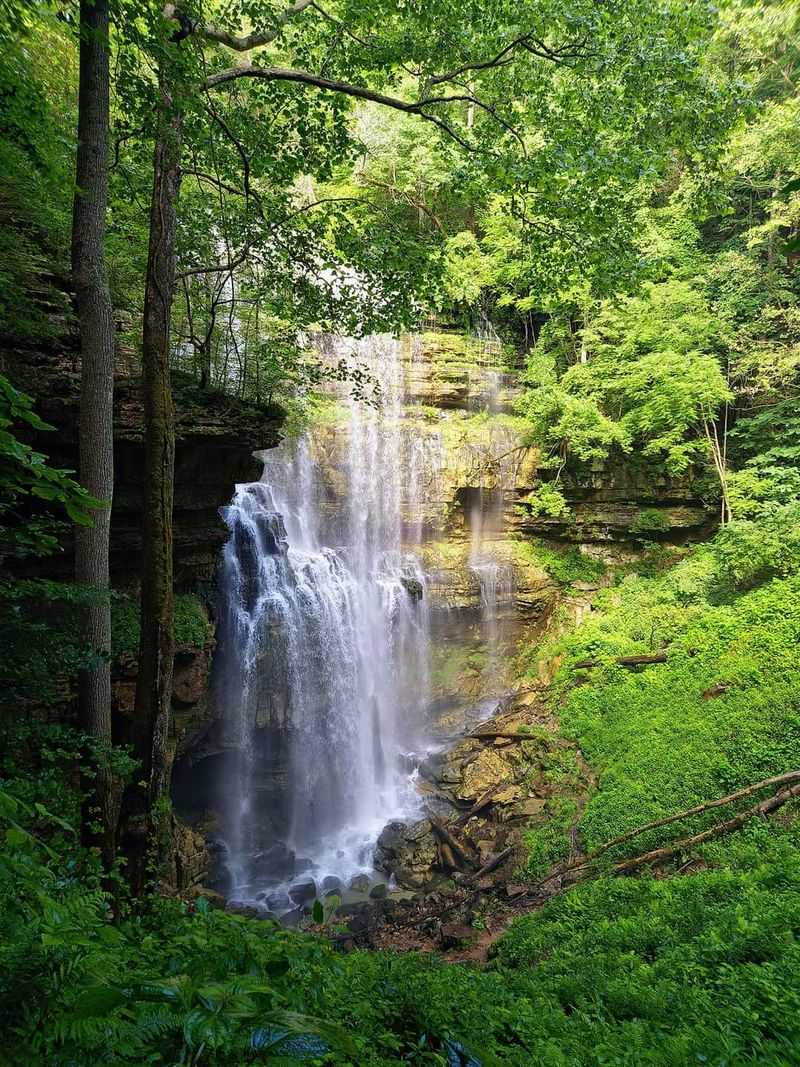
Few trails in the state pack this much geology into one out-and-back. The route sits inside Virgin Falls State Natural Area near Sparta, and it earns its strenuous rating honestly.
Roughly 4.2 miles one way, the path drops about 900 feet as it works down into the gorge. Footing gets uneven fast, with long stretches of loose stone and wide boulder fields.
Rockhouses, caves, and steep ridges show up along the way, carved right into the Cumberland Plateau. The forest shifts too, moving from upland oak and hickory to cooler hemlock and mixed woods deeper in the gorge.
That mix of sun-warmed stone and shady cover is exactly what timber rattlesnakes look for. Rock ledges hold heat, and nearby leaf litter offers hiding spots.
The practical move here is simple. Look before you plant a hand on a boulder, and step over logs rather than blindly beside them.
The waterfall itself is the payoff, dropping into a sinkhole and vanishing underground. It is one of Tennessee’s strangest and most memorable sights.
Plan for a full day, carry more water than feels necessary, and wear boots with real ankle support. Slow, deliberate hiking keeps you safe and lets you actually notice the scenery.
2. Fiery Gizzard Trail
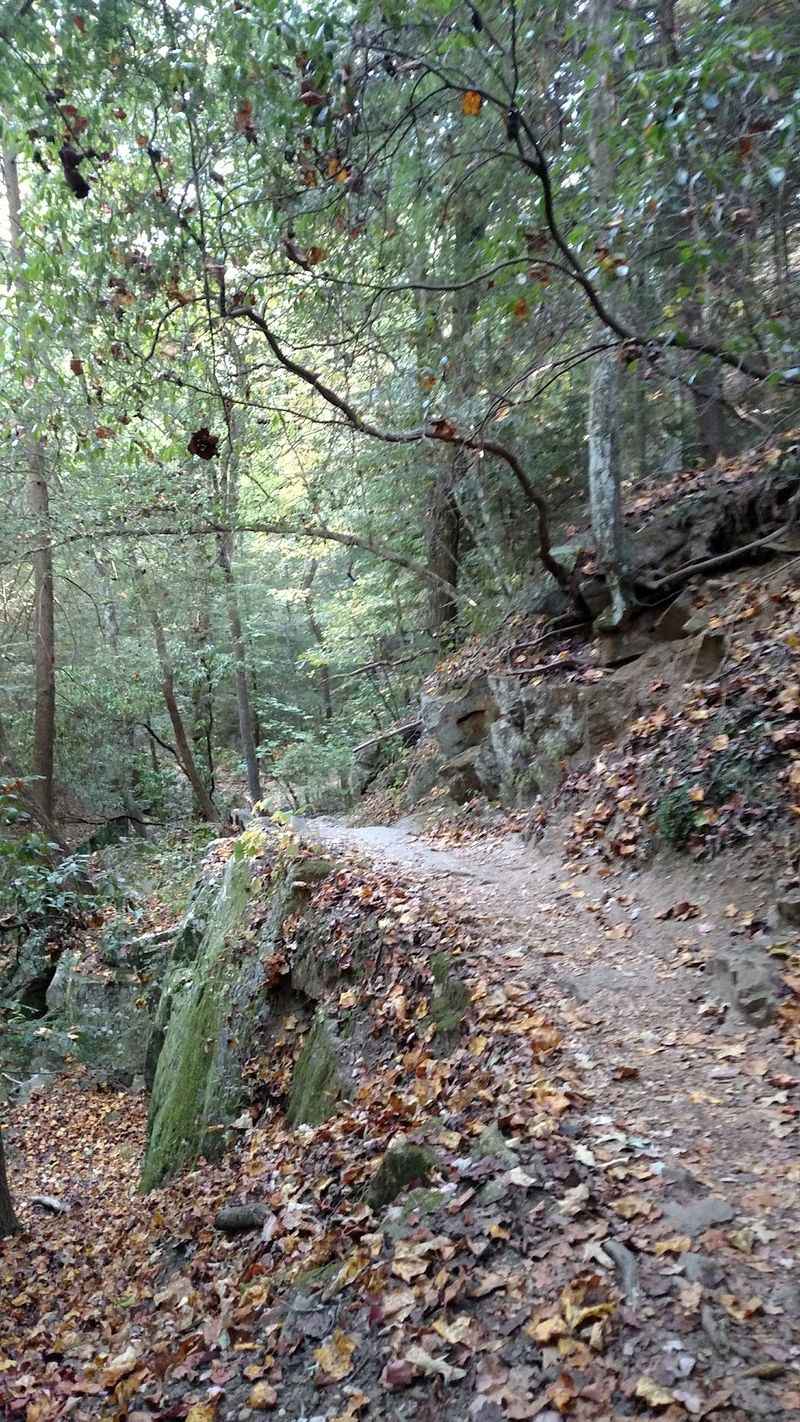
The name alone suggests something wild, and the trail delivers. Stretching 12.5 miles between Tracy City and Foster Falls, it is regularly ranked among the finest footpaths in the country.
The route traces its namesake creek through deep gorges, past towering sandstone bluffs and long cliff lines. Sections are very rocky, rooty, and slick after rain.
Boulder fields appear again and again, forcing hikers to hop and scramble. Steep climbs lead to overlooks like Raven Point, where South Cumberland State Park spreads out below.
All that exposed stone soaks up September sunshine. Warm rock next to cool shade creates ideal basking conditions for timber rattlesnakes.
Awareness is the whole strategy. Keep your eyes a few steps ahead, and pause before reaching into rock crevices for a handhold.
Trekking poles help with balance, though they also give you a gentle way to check ahead on brushy sections. Bright daylight hours are the best time to spot anything sunning itself.
Hikers who prefer a shorter taste can do the northern loops near Tracy City and still see waterfalls and bluffs. The scenery stays dramatic no matter how far you go, which makes the extra caution worth every careful step.
3. Stone Door Trail
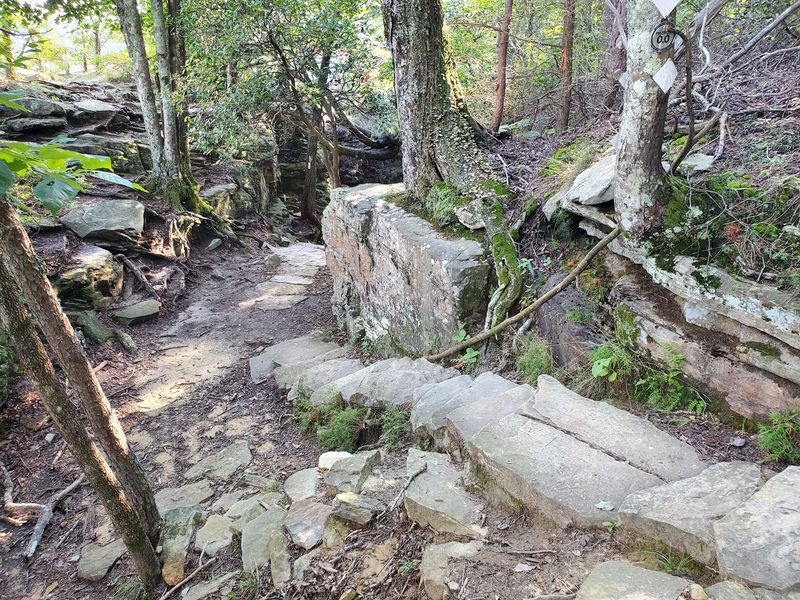
Imagine a doorway cut straight through a cliff by nothing but time and water. That is the Great Stone Door, reached by a short trail in Savage Gulf State Park near Beersheba Springs.
Distances run from about 0.9 to 2 miles out and back, which makes it one of the more approachable hikes on this list. Families and casual walkers manage it easily.
The formation itself is a crevice roughly 100 feet deep, split between huge sandstone cliffs. Natural stone steps lead down through the gap like something from a storybook.
Before the big reveal, the path passes through classic plateau forest of white oak, sassafras, and shortleaf pine. It starts near the Stone Door Ranger Station.
Savage Gulf as a whole is a maze of rugged canyons, ledges, and stacked rock. Timber rattlesnakes favor exactly that combination of deep crevices and warm exposed stone.
Because the trail is popular, people sometimes wander off the marked tread for photos. Staying on the path is the easiest safety habit there is.
Closed-toe shoes beat sandals on those stone steps. Take your time on the descent, glance at ledges before sitting down, and the view across the gulf will do the rest.
4. Big Creek Gulf Trail
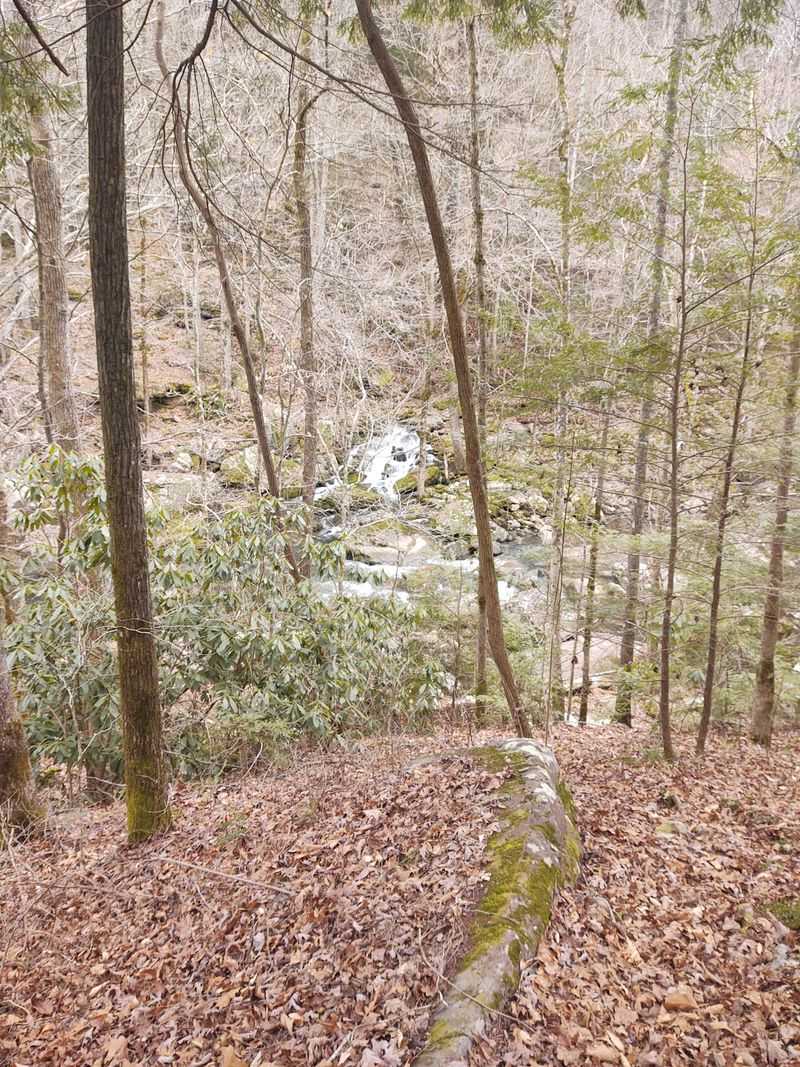
Serious elevation change is the theme on this one. Also inside Savage Gulf State Park near Beersheba Springs, the Big Creek Gulf Trail plunges into the heart of the gorge.
The descent is strenuous and unrelenting, dropping hikers well below the rim. Extensive sandstone cliffs and bluff lines loom overhead the entire way.
Climbs pop up throughout, and the rocky slopes seem to go on forever. Loose stone means every footstep deserves attention.
Down near Big Creek, the forest turns damp and almost rainforest-like in places. Ferns, moss, and dripping stone create a completely different feel from the dry rim above.
That contrast matters for snake awareness. Sunny bluff bases and warm rockfall areas draw timber rattlesnakes, especially on cool September mornings.
Hands often go on rock here for balance. Look first, then grip, and you eliminate most of the risk in a single habit.
Pack a headlamp even for a day hike, since the climb back out takes longer than most people expect. Water is essential, and long pants save your shins from scrapes.
Reward comes in the form of solitude. Fewer hikers make the trip down, which means the gorge often feels like your own private slice of Tennessee wilderness.
5. Black Mountain Trail
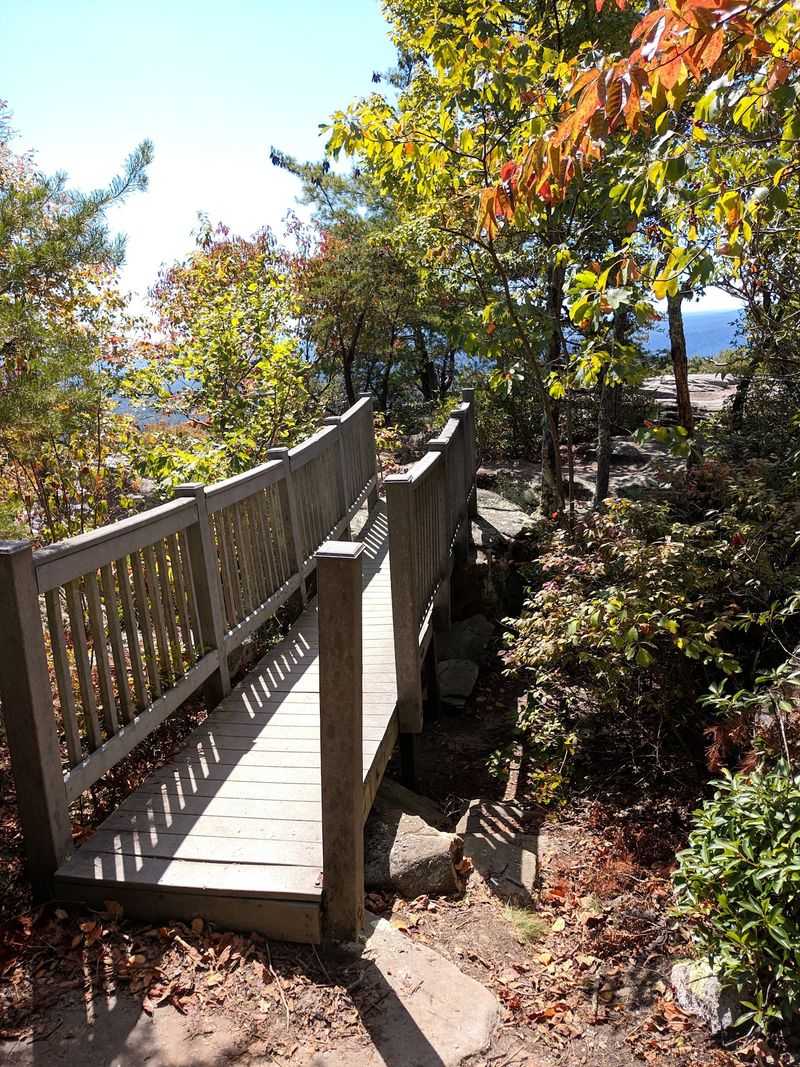
Giant rocks stacked like a natural playground pretty much sum up this hike. Part of the Cumberland Trail State Park system near Crossville, it climbs through pretty forestland to the summit of Black Mountain.
Boulder fields dominate the upper section. Some of the rocks are house-sized, and the trail threads between them through narrow passages.
Hallways and short tunnels form naturally where cliffs and boulders lean together. Kids love the maze feel, and adults tend to slow down for photos.
Bluff sections open to broad views across the plateau. Wooded slopes fall away below, catching morning sun.
Every one of those features doubles as prime timber rattlesnake real estate. Rocks give shelter, sunlit ledges give warmth, and crevices give cover.
Squeezing through tight gaps means hands land on stone constantly. A quick visual check before each grab is the whole trick.
Sticking to the main tread also helps, since the temptation to explore side crevices is strong here. Admiring from a step back works just as well.
Timing helps too. Mid-morning hikes give good light for spotting anything basking, and the cooler September air makes the climb far more pleasant than a July attempt.
6. Window Cliffs Trail
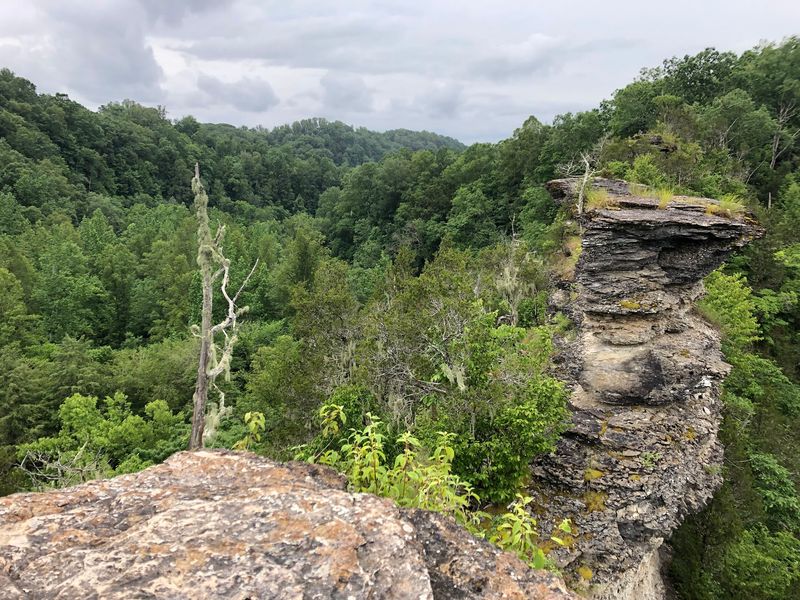
Nature carved actual windows into a rock fin here, and hikers get to walk out and see them up close. The 5.5-mile roundtrip route sits in a 275-acre state natural area near Baxter, in Putnam County.
Difficulty lands somewhere between difficult and strenuous. Steep slopes, narrow ledges, and cliffs rising 200 feet above Cane Creek keep things interesting.
Then there are the crossings. Eighteen of them total, nine each direction, which means wet feet are guaranteed.
The landscape alternates between shaded woods and open fields. That variety is part of the appeal, and part of the reason to stay alert.
Sunny field edges and rocky ledges both attract timber rattlesnakes in September. Creek banks with warm flat stones are worth an extra glance.
Water shoes or quick-dry footwear make the crossings easier. Watching where you place your feet on slick rock protects your ankles and your peace of mind.
Check water levels before going, since heavy rain can make crossings unsafe. Cancel and come back another day if the creek looks pushy.
The final ledge walk to the windows is the highlight. Standing there with the valley framed by stone makes all eighteen soggy crossings feel completely reasonable.
7. Walls Of Jericho Trail
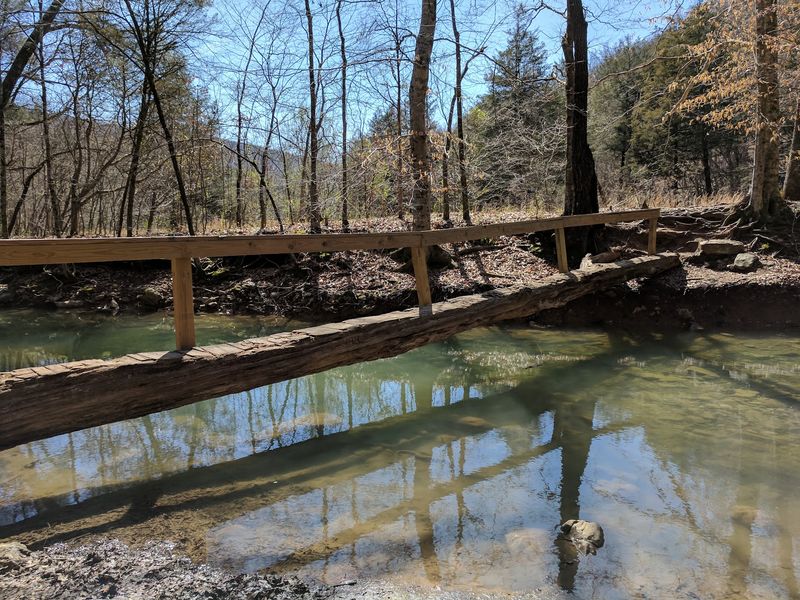
A stone amphitheater carved by water waits at the bottom of this hike, and getting there takes real effort. The trail straddles the Tennessee and Alabama border near Belvidere.
Plan on about 7 strenuous miles. The route drops into a limestone-walled canyon before opening into a bowl-shaped natural amphitheater.
Sheer rock walls rise roughly 200 feet inside that bowl. Water spills through, and the acoustics make the space feel enormous.
Surrounding forestland is loaded with bluffs, large outcroppings, caves, and sinkholes. Stream crossings through the Turkey Creek drainage add to the adventure.
All those rock formations create excellent shelter for timber rattlesnakes. Sunny outcrops near cover are the spots most worth scanning.
Hiking poles help on the steep, rocky return climb. They also let you probe ahead where the path narrows through brush.
Start early, because the climb back up is where most people run low on energy and attention. Fatigue is the real reason hikers stop watching their footing.
Bring plenty of water and a snack for the bottom. Sitting on the smooth stone floor of the amphitheater, listening to water echo off those walls, is easily one of the best rest stops in the region.
8. Twin Arches Trail
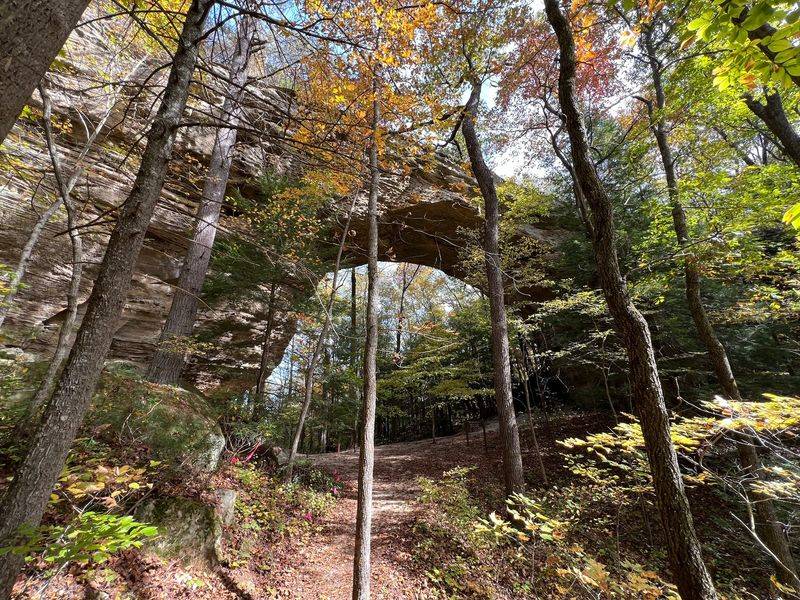
Two of the largest natural land bridges in the eastern United States sit side by side out here. Reaching them means hiking a moderate 4.5-mile loop in Big South Fork National River and Recreation Area near Oneida.
Massive sandstone bluffs frame the route. Exposed rock shows up constantly, and the North and South Arches are genuinely jaw-dropping in person.
The trail descends into a valley through hardwood forest. It runs along cliff lines and passes reminders of old homesteads.
Dry upper slopes, rock overhangs, and deep forested gorges fill out the landscape. Those exact features match what timber rattlesnakes prefer.
Rock shelters are especially worth a careful look. Cool shade under a warm overhang is appealing to more than just hikers.
Stairs and boardwalks handle some of the steepest parts, which keeps footing predictable. Elsewhere, stone and roots demand normal trail attention.
Walking on top of the arches is possible, and the view is fantastic. Stay well back from the edges and keep kids close.
September brings early color to the gorge and far fewer bugs than midsummer. Combine that with a slower pace and a habit of scanning ahead, and you get one of Tennessee’s most rewarding half-day hikes.
9. Alum Cave Trail
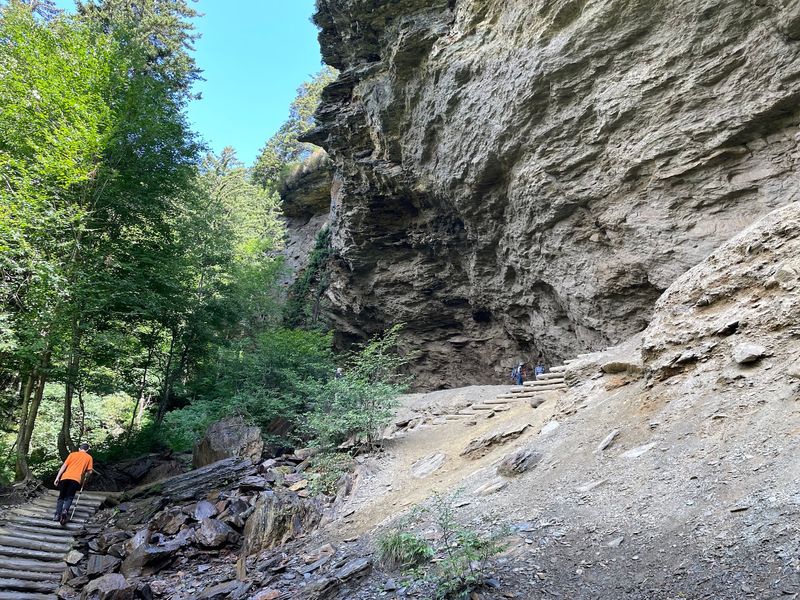
Arch Rock alone is worth the trip, and it is only the warm-up. The Alum Cave Trail climbs toward Mount Le Conte inside Great Smoky Mountains National Park near Gatlinburg.
Difficulty is moderately strenuous. Log bridges carry hikers over mountain streams, and old-growth hardwoods shade the lower miles.
Arch Rock is a narrow tunnel cut through black slate, with stone steps leading up through it. Cables give you something to hold.
Above that, the trail steepens across rocky mountain slopes. Alum Cave Bluff is the big finish, a dramatic concave sandstone cliff around 80 feet high.
Timber rattlesnakes are native to the Smokies, usually near rocky outcrops and open hillsides. Encounters stay uncommon, since the snakes generally avoid people.
Still, this trail involves plenty of hand-on-rock moments. Looking before you reach is the same advice rangers give visitors across the park.
Crowds are heavy, so arriving early helps with both parking and peace. Weekday mornings are noticeably calmer.
Layers matter as you gain elevation, because the bluff area runs cool and breezy. Between the tunnel, the ledges, and the views, this remains one of the most iconic hikes in Tennessee for good reason.
10. Rainbow Falls Trail
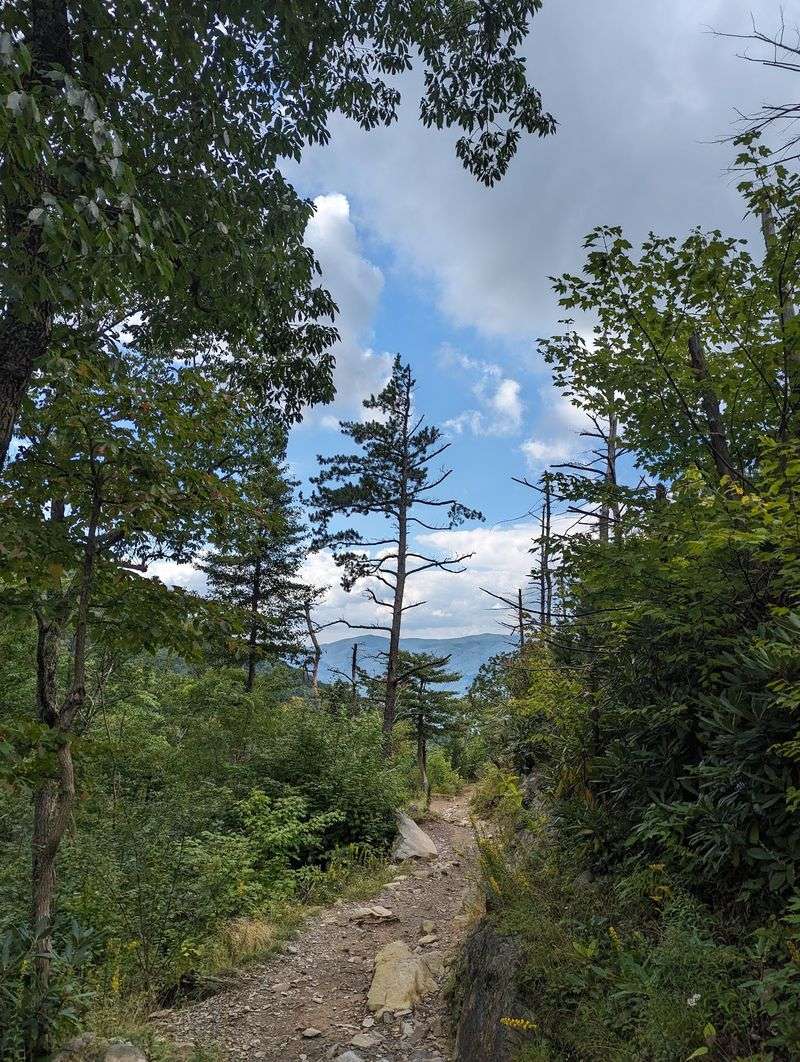
Ask around about the rockiest trail in the Smokies and this one comes up fast. Rainbow Falls Trail begins near Gatlinburg inside Great Smoky Mountains National Park.
The hike runs 5.4 miles roundtrip with a steady gain of more than 1,500 feet. There is no gentle warm-up to speak of.
Large boulder fields and uneven, stone-laden tread define the route. The first two-thirds of a mile is especially chunky underfoot.
The National Park Service regularly reminds Smokies hikers to watch where they place hands and feet. Timber rattlesnakes live in the park, and rocky ground is their preferred neighborhood.
That advice fits perfectly here, where balance often means grabbing a rock or root. A one-second look beforehand costs nothing.
Sturdy boots with good tread are close to mandatory. Twisted ankles are far more common on this path than any wildlife encounter.
The falls drop roughly 80 feet, and on sunny afternoons mist can throw a faint rainbow across the base. Rocks near the water are slippery, so admire from a safe spot.
September light through the forest makes the climb feel shorter than it is. Go steady, stay observant, and the trail rewards patience beautifully.