
The Most Impressive Meat Market In Ohio Is A Must-Visit Destination In 2026
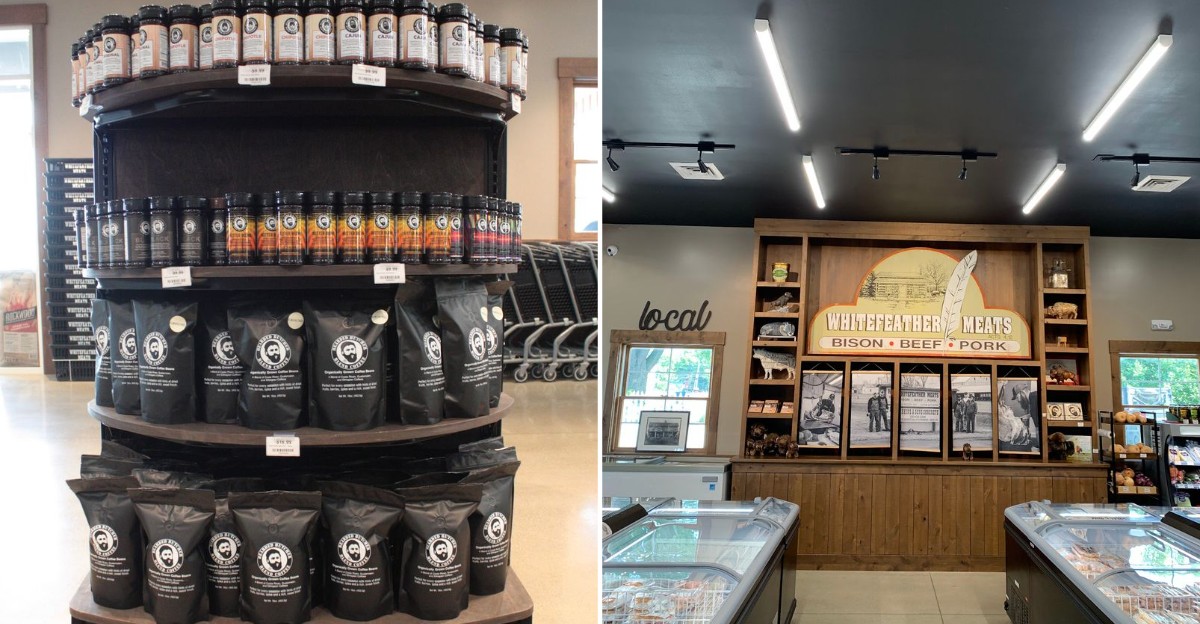
Places known for great meat tend to get remembered quickly, and word spreads even faster between people. This Ohio meat market has built exactly that kind of reputation.
Cuts here get prepared fresh daily, never sitting pre-packaged for convenience over quality. Regulars know exactly which days certain specialty items become available throughout the week.
Nothing about the selection feels generic or mass produced like larger grocery store chains nearby. Every cut gets handled with real precision, honed through years of hands-on experience.
Food lovers travel well beyond the immediate area, drawn by quality most local markets simply can’t match. Prices stay reasonable despite the attention to detail put into every cut.
A Commitment To Unrivaled Sourcing
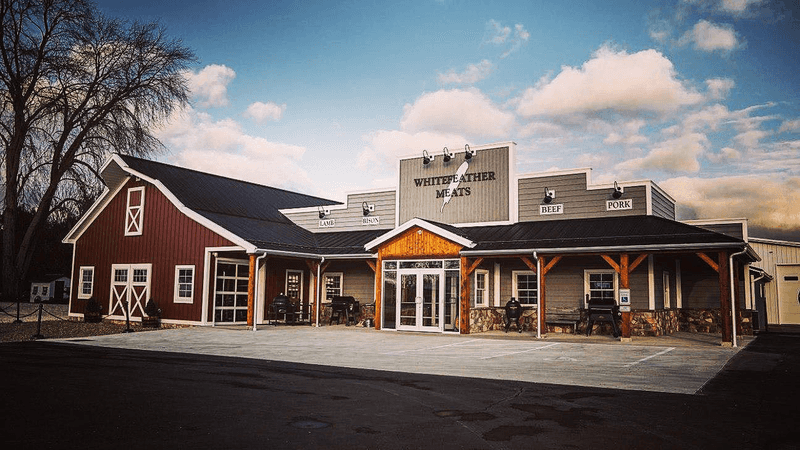
Most butcher shops buy from wherever the price works out. Whitefeather Meats does the opposite, sourcing animals straight from farms and skipping sale barns and stockyards entirely.
That decision narrows things down fast. The shop works with a small circle of only five or six farms, and some of the animals are raised by the family themselves.
Knowing exactly where each animal came from is not a marketing angle here. It is the whole operating system, and it is why the lineage behind every cut can actually be traced.
The family also follows a philosophy about humane harvesting, drawn from an old proverb about a righteous man caring for the life of his beast. That belief shapes how animals are handled from start to finish.
As a USDA-inspected processor, the operation meets federal standards while staying family-owned and family-run. Big rules, small crew.
For shoppers, the practical benefit is simple. If a question comes up about where a roast or a rack of ribs originated, there is a real answer waiting behind the counter instead of a shrug.
That kind of tight sourcing also means selection changes with the seasons and the farms. Flexibility is part of the deal when nothing arrives from an anonymous warehouse.
The shop sits at 14079 Cleveland Rd, Creston, OH 44217, which puts it right in the middle of Ohio farm country where all of this makes perfect sense.
The Artistry Of Butchery And Aging
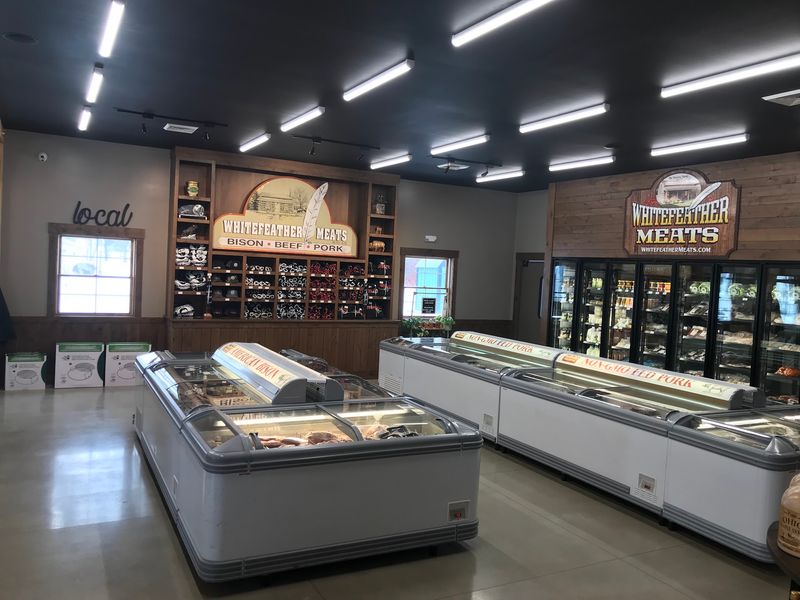
Butchery done well looks less like chopping and more like careful surgery. At Whitefeather, experienced cutters separate choice cuts by hand and trim away connective tissue and gristle before anything reaches a package.
Before the knives come out, the meat is thoroughly chilled and dry-aged in a low-pathogen-risk environment. Aging improves safety, tenderness, and texture all at once, which explains why the dry-aged beef gets so much attention.
Brothers Scott and Seth Perkins run the butcher floor themselves. They hold the co-CEO titles, yet they are still standing at the tables doing commercial butchery for the shop.
That combination is rare. Owners usually drift toward desks, not band saws.
The crew handles roughly seven different species, managing the full path from live animal to sealed, consumer-ready product. Learning the anatomy of that many animals takes years, and it shows in how cleanly the cuts are separated.
Shoppers can also watch part of the action. A window looks into the production area, so sausage making happens in plain view rather than behind a locked door.
If a specific cut or thickness is needed for a recipe, asking is worthwhile. Skilled butchers can usually accommodate requests that a supermarket case never could.
The takeaway for anyone planning a visit is to arrive curious. Watching real craftsmanship changes how you think about the meat you cook at home.
In-House Smoked Specialties And Custom Blends
Hickory smoke does a lot of heavy lifting in this building. Smoking happens in-house, without chemical nitrites or MSG, which is unusual for a shop producing this much cured product.
The bratwurst lineup is the headliner. Dozens of flavors fill the cases, including combinations like mushroom and Swiss that fans plan entire cookouts around.
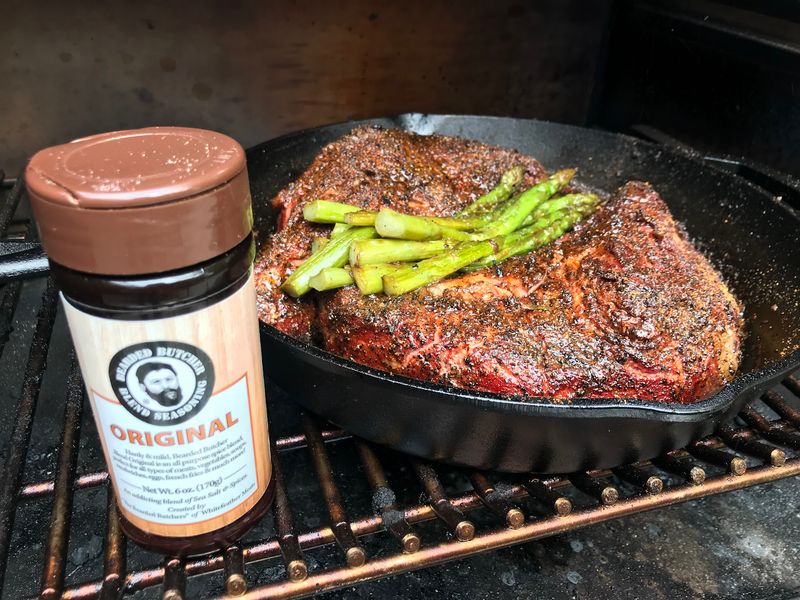
House seasonings carry much of the flavor, and many of them are sugar-free and built from fresh, high-quality ingredients. Those recipes were not thrown together last spring.
The proprietary spice blends came out of more than three decades of hands-on work in the meat business. Trial, error, and a lot of taste testing went into them.
Beyond brats, the shop turns out hickory-smoked meats, homemade sausages, hot dogs, snack sticks, and jerky. Road trip snacks basically solve themselves here.
Bacon deserves its own mention. The uncured hickory pork version balances salt and smoke instead of letting one bully the other.
Anyone who cooks at home can also grab the seasonings to use on their own meat. That turns a single visit into weeks of better dinners.
A smart approach is to pick up two or three unfamiliar brat flavors alongside a favorite. Comparing them on the grill is a low-risk experiment with a delicious outcome, and it makes choosing next time much easier.
A Vast Array For Every Culinary Need
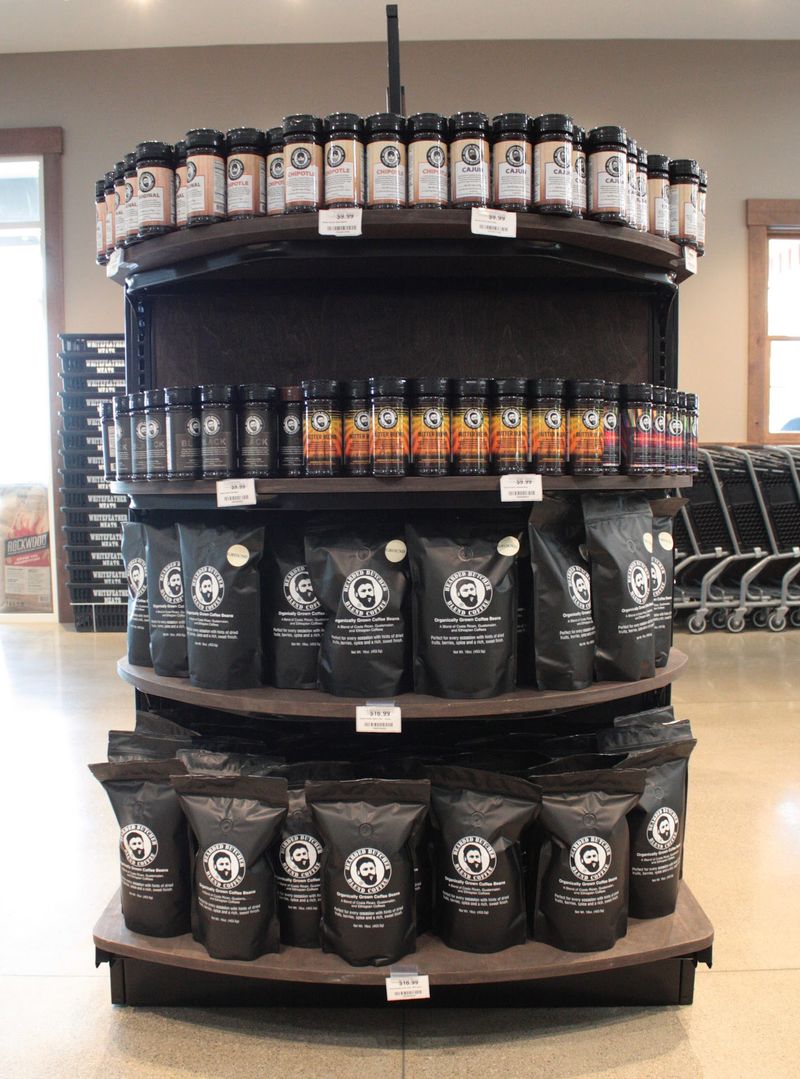
Twenty thousand pounds of product sits in this store at any given time. That is not a typo, and it explains the nickname people use: meat mall.
Bison has been a staple since the very beginning, and it still anchors the freezer cases. Elk, venison, and 100% grass-fed beef sit nearby.
Then things get adventurous. Non-GMO pork, free-range chicken, lamb, wild boar, and 100% American Wagyu all share the floor with more familiar options.
Kangaroo and alligator have turned up too, which makes for an entertaining shopping list. Few Ohio errands include the phrase pick up some kangaroo.
Most meats come pre-packaged and can be bought individually, so there is no pressure to commit to a bulk order. Both fresh and frozen options are merchandised throughout the store.
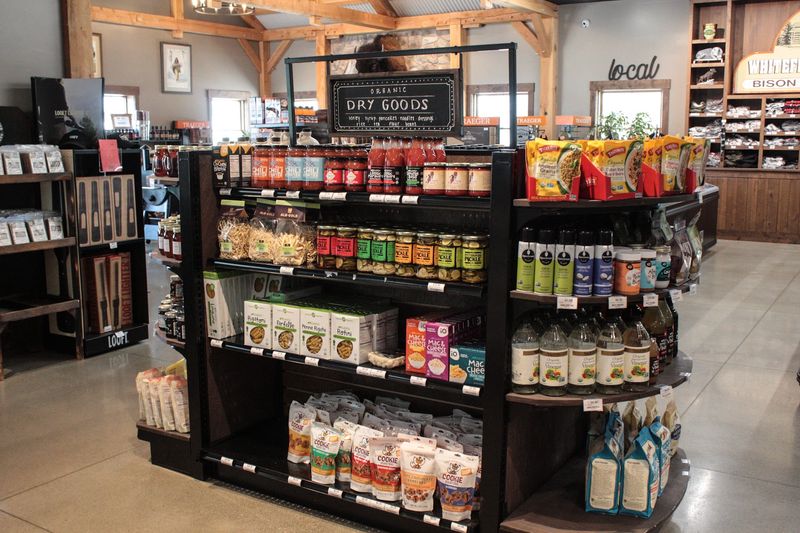
The inventory reaches past meat as well. Pet foods and dry goods fill out the shelves, plus bread, buns, dairy, and other grocery basics.
Chicken breast packs and four-to-a-package burger patties make weekly meal planning easy, and the square burgers have become a small signature.
Bringing a cooler is genuinely useful advice. Frozen items travel well when packed properly, and plenty of shoppers drive an hour or more each way.
Making a list before arriving helps, though most people abandon it within five minutes. There is simply too much worth exploring on that retail floor.
The Journey From Farm To Retail
Back in 1987, this story started with bison and two people willing to bet on them. Freddie and Bunny Perkins founded Whitefeather Bison Company with a focus on raising the animals themselves.
Processing had to happen somewhere, so their bison went to a local abattoir down the road. That arrangement eventually turned into a purchase.
The family acquired that facility in 1993 and renamed it Whitefeather Meats in 1994. Owning the processing side changed everything about what the business could do.
For years, the shop handled custom processing for other farms as well. Later, the company narrowed its focus to its own sourcing and retail meat sales instead.
Dropping custom work was a strategic move, not a retreat. It let the team control quality from the first step to the last.
Today the entire process happens inside their own facilities, from livestock to finished packaged product. Nothing gets handed off to a third party along the way.
That vertical setup is why the shop can speak so confidently about its meat. There are no gaps in the chain where information disappears.
Bison remains part of the identity nearly four decades later, which is a nice bit of continuity. The animal that launched the whole thing never got demoted from the freezer case.
Understanding that history makes a visit more interesting than a routine grocery run.
The Reach Of The Bearded Butchers
Five million followers is a strange number for a butcher shop in a town of a few thousand. The Bearded Butchers built that audience on YouTube and other social platforms, filming right inside this Creston facility.
Their videos break down meat processing in plain language, covering everything from primal cuts to recipes most people would never attempt alone. Curiosity did the rest.
The brand extends into a product line too. Seasonings, sauces, biltong, and do-it-yourself kits all carry the Bearded Butchers name, and they are stocked right at the shop.
Visitors often arrive because they watched a video first. Meeting the actual shop after months of screen time is part of the appeal.
The butcher shop doubles as the main content studio, which means filming and retail happen under the same roof. Sausage making sometimes has an audience of both shoppers and cameras.
Big news landed recently. A new culinary studio and recipe center called The Timber Shed broke ground in 2026.
That facility is built to centralize filming, recipe testing, and product development in one dedicated space. Expect the content to get more ambitious once it opens.
For anyone planning a 2026 visit, the timing is interesting. Watching a small Ohio operation expand its creative side while still cutting meat every morning is a genuinely fun thing to witness.
A Legacy Rooted In Ohio Heritage
The name comes from a feather, and the feather comes from a peace offering. Reuben Perkins, an early Ohio settler and ancestor of the current owners, received a white feather from local Native American tribes as a symbol of peace.
More than two centuries later, that story still shapes the business. Freddie and Bunny Perkins chose Whitefeather for their bison company as a nod to that pioneering chapter of the family.
Names carry weight when they are borrowed from ancestors. This one connects a modern butcher shop to Ohio history in a way marketing departments cannot manufacture.
The Perkins family has owned and operated the butcher shop continuously since 1994. Three generations have now been involved in some form.
Staying local matters to them too. Operations and job opportunities remain in Creston and the wider Wooster area rather than moving somewhere cheaper or flashier.
That commitment keeps money and skilled work inside a rural community. Small towns notice when a business chooses to stay.
Visitors picking up brats or bison steaks are participating in that local economy, whether they think about it or not. It is a nice bonus attached to a great dinner.
Ask a staff member about the feather sometime. The story is short, memorable, and a good reminder that some businesses are built on more than spreadsheets.
More Than Just A Meat Counter
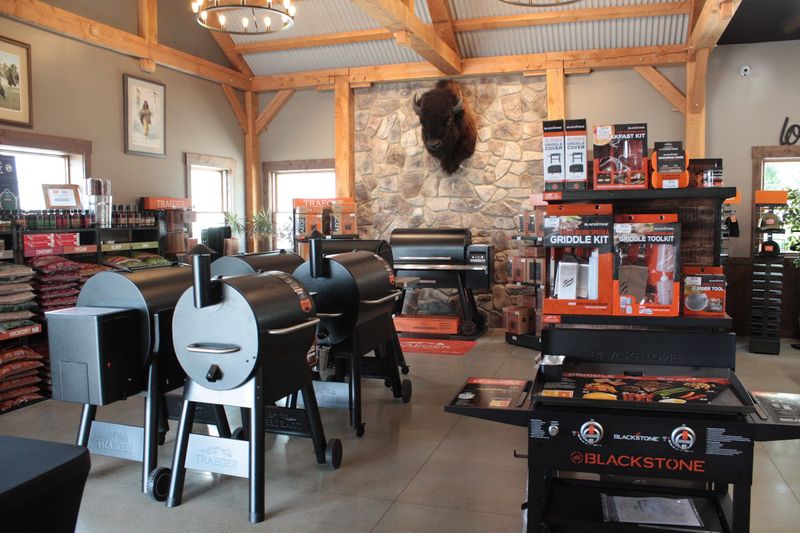
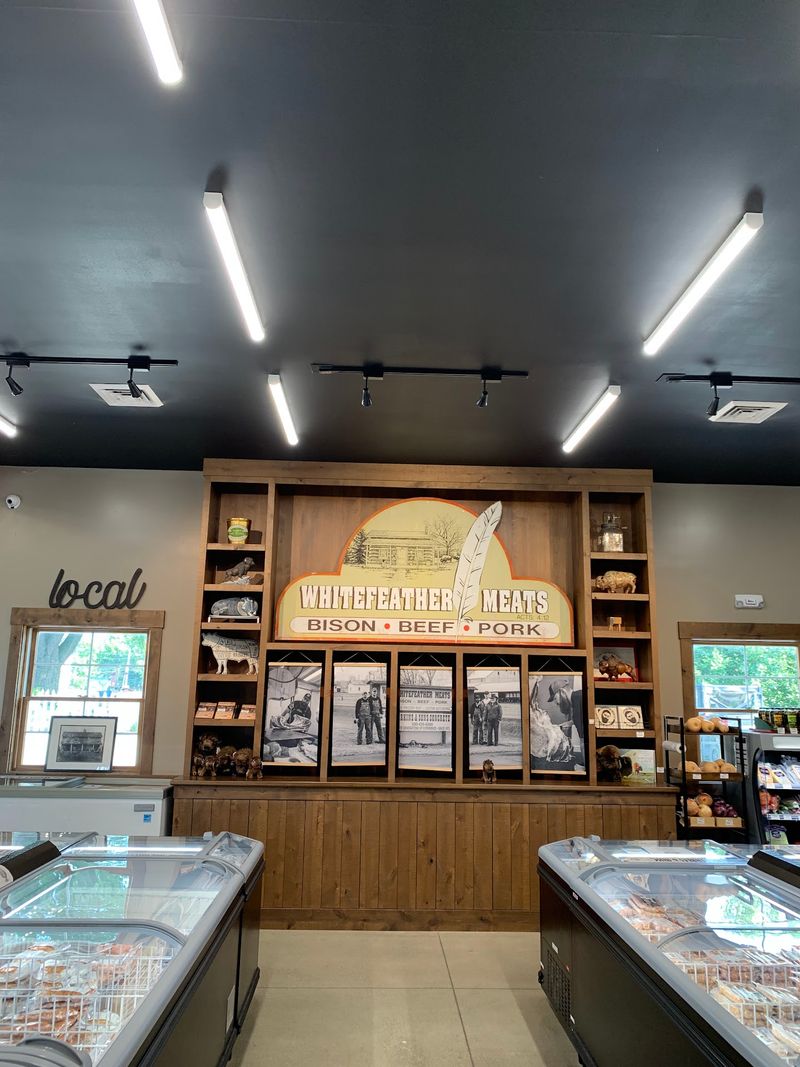
Calling it a butcher shop undersells the building. The retail space leans into a country farmhouse look, designed so shopping feels closer to visiting a family home than pushing a cart through fluorescent aisles.
Wood, warmth, and a wide-open layout do the work. The architecture alone gets people taking pictures in the parking lot.
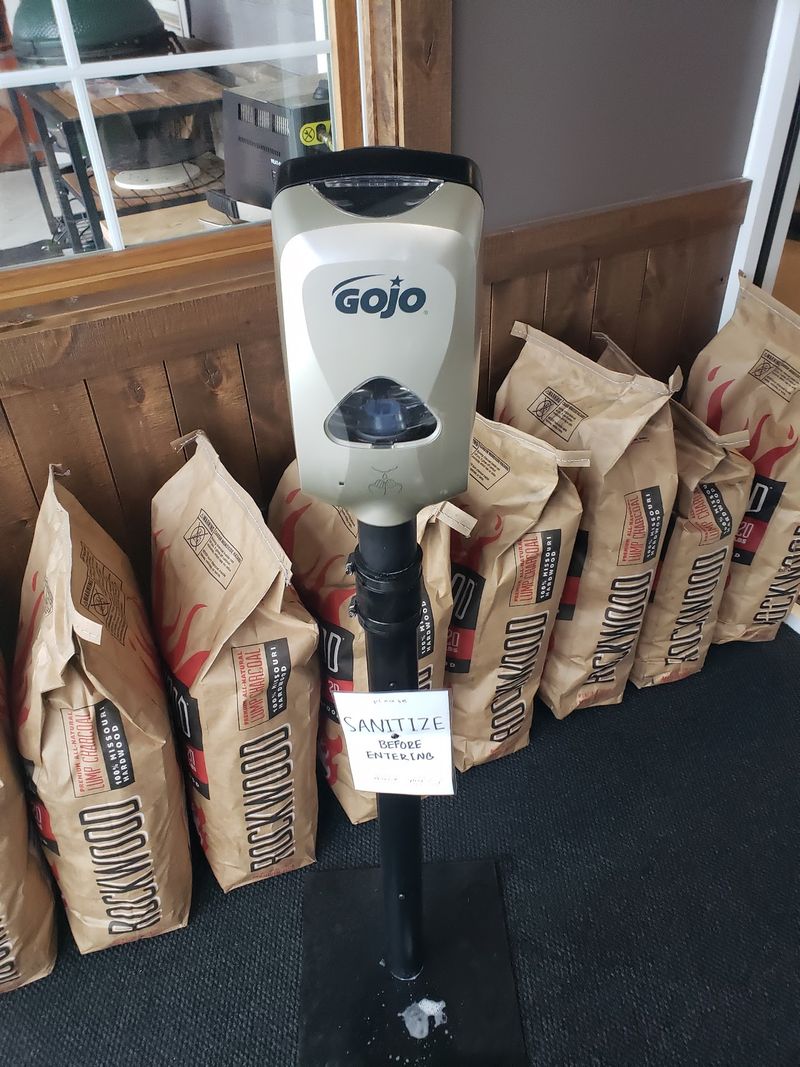
Grills and cooking equipment share the floor with the meat. Big Green Egg and Traeger setups are available, along with accessories and wood pellets for smoking.
Pairing quality meat with the tools to cook it properly makes sense. One purchase supports the other.
Transparency is treated as a core value, and staff is ready to answer questions about where the meat came from. Friendly service shows up in conversation after conversation about this place.
Getting there is easier than the rural address suggests. The shop sits on State Route 3, almost exactly between Medina and Wooster, with Interstates 71 and 76 both close by.
Hours run 8 AM to 5:30 PM Monday through Friday, with Saturday closing at 2 PM and Sunday closed entirely. Saturday mornings get busy, so arriving early helps.
Plan for more time than a normal errand. Between the selection, the viewing window, and the grill display, a quick stop rarely stays quick.