
Nobody Pays To Get Into This Tennessee State Park, Where Three Rivers Meet At A Waterfall
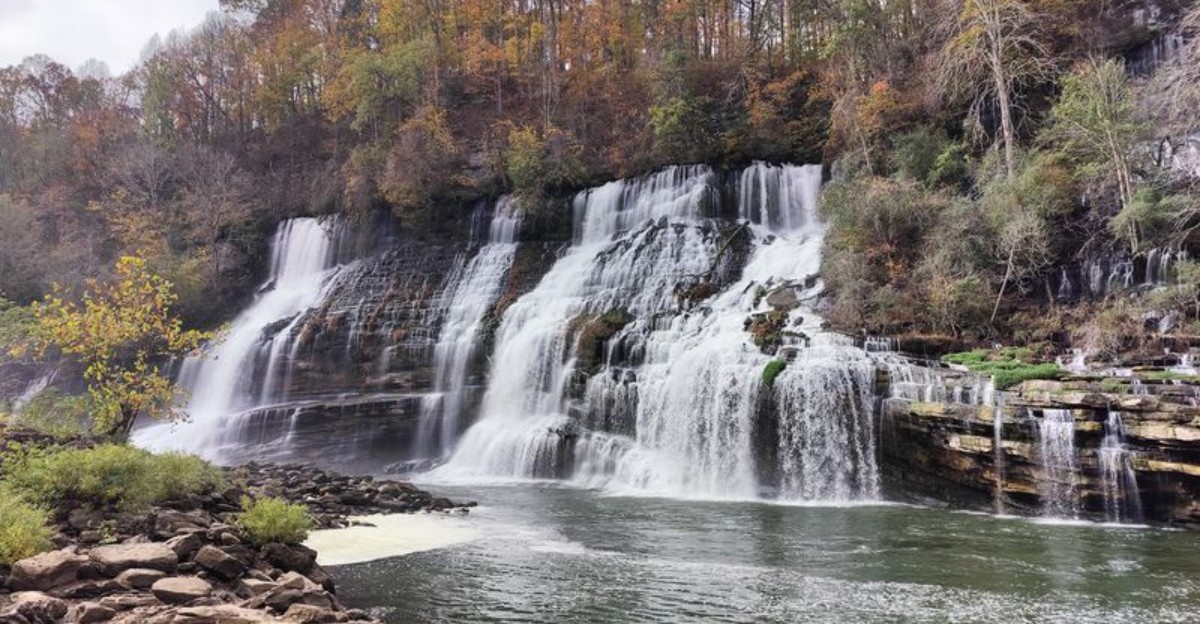
Somewhere between Nashville and Chattanooga, three rivers quietly run into each other and drop over a limestone ledge like they planned it. I went looking for a cheap Saturday in Tennessee and ended up standing on wet rock, watching water pour straight out of a cliff face.
The whole day cost me gas money and a sandwich, because getting in the gate costs nothing at all. If you have been putting off a road trip because of the price tag, this one removes the excuse entirely.
Where Three Rivers Collide In Middle Tennessee
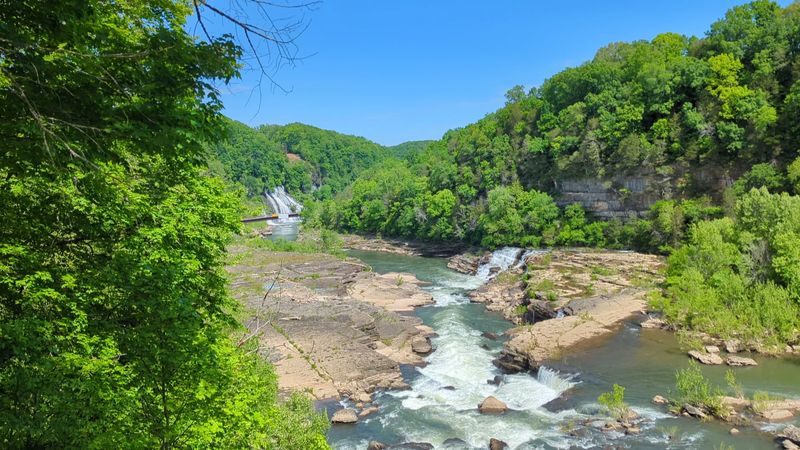
Warren and White counties share the credit for this one. Rock Island State Park sits at 82 Beach Road in Rock Island, Tennessee, roughly 90 minutes from downtown Nashville and about the same drive from Chattanooga.
What makes the geography unusual is the meeting point. The Caney Fork, the Collins, and the Rocky rivers all converge here at the headwaters of Center Hill Lake, which means calm open water on one side and a rugged rock gorge on the other.
Park literature puts the acreage above 2,000, though some sources list a tighter 883 acres of core park land. Either way, it plays smaller than it sounds, and that is part of the appeal.
Visitors often describe it as compact and feature-packed, with waterfalls, trails, a beach, and historic ruins clustered close enough to cover in one day.
The park stays open year-round from 7 a.m. to 10 p.m., and the office runs daily from 8 a.m. to 4 p.m. Google reviewers have given it a 4.8-star average, which for a free state park in Tennessee is a strong signal that the drive pays off.
The 1892 Cotton Mill Still Standing On The Bluff
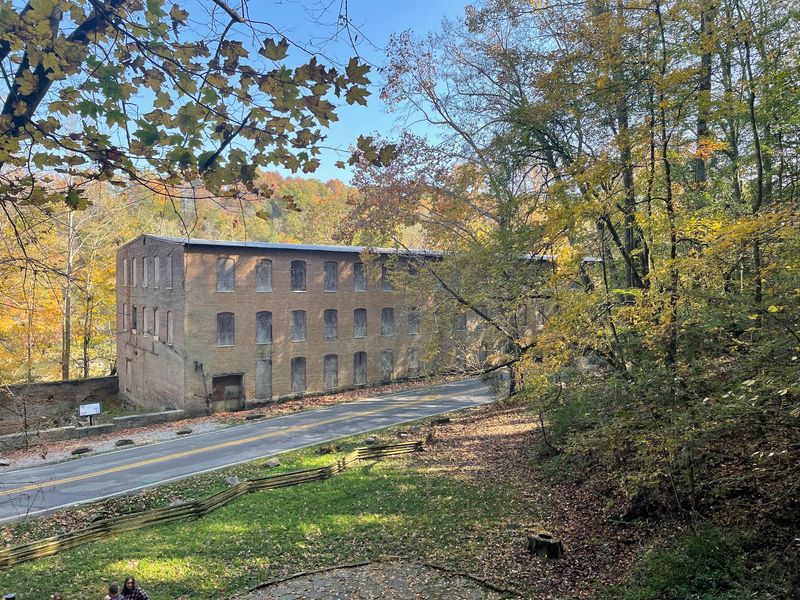
Long before anyone came here with a camera, this stretch of river was industrial. The Great Falls Cotton Mill went up in 1892 on the bluffs above the Caney Fork, powered by the same waterfall people now photograph from the overlook.
Its shell is still there, weathered stone and empty window openings framing the gorge behind it. The structure carries a listing on the National Register of Historic Places, so what you are walking past is protected history rather than a leftover pile of rubble.
Kids tend to react to it faster than adults expect. A building that used river power instead of electricity makes more sense when the river is roaring twenty yards away, and the mill parking area doubles as the launch point for the walk down into the gorge.
The visitor center nearby fills in the rest of the story, and guests regularly mention that staff there are genuinely helpful with trail advice and route planning. Stopping in first is smart, especially if you want to know which parts of the gorge are open that day before you commit to the hike.
Great Falls And Its Horseshoe Drop
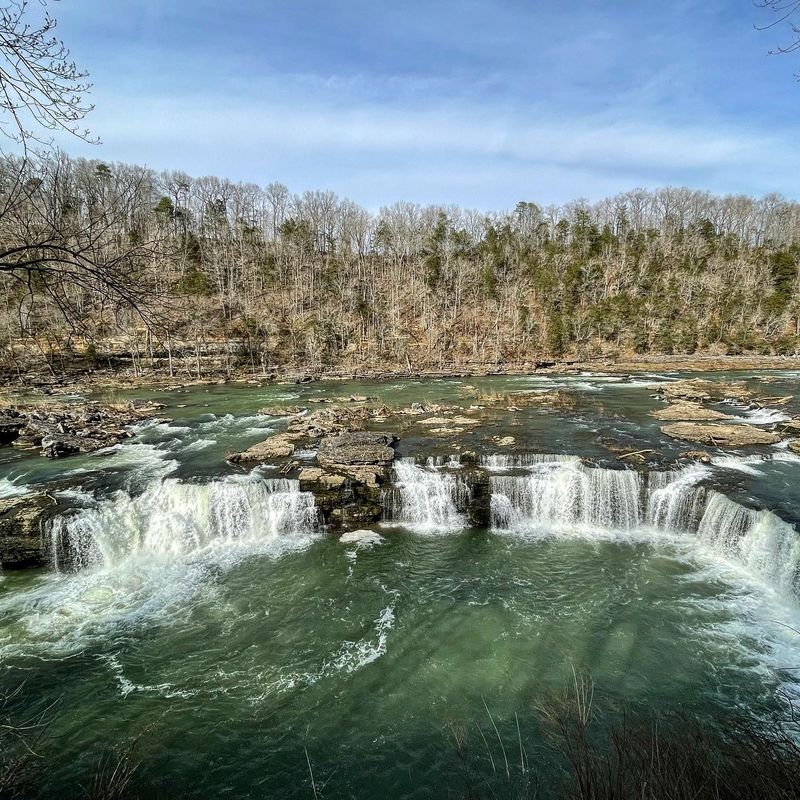
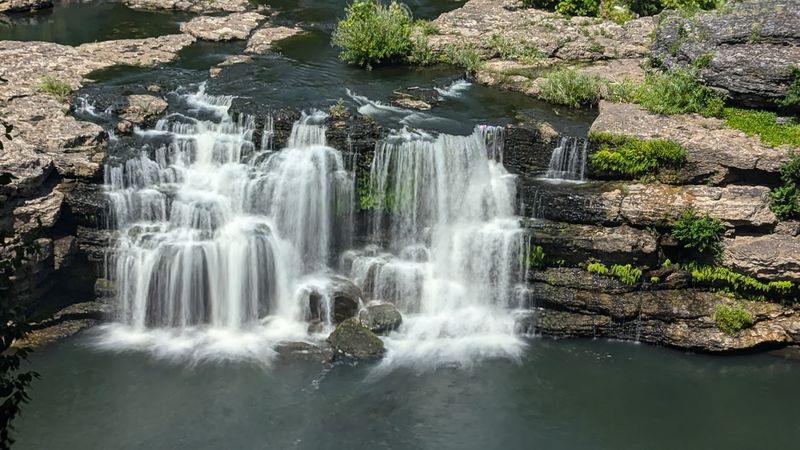
Thirty feet does not sound like much until you see it spread across a horseshoe of rock. Great Falls curves through the Caney Fork River Gorge below the old mill, and the width is what registers first, a broad sheet of water folding over layered stone.
It earns the most attention of anything in the park by a wide margin, with more than 900 visitor mentions naming it specifically. Some people never leave the overlook near the mill parking lot, which is a legitimate choice because the view from up top is already good.
Going down changes the experience completely. A steep gravel walkway and a scramble over rocks gets you to river level, where side seeps run off the cliffs like natural showers and the limestone walls grow ferns in hanging clusters.
Expect wet shoes. Regulars are consistent on that point, describing slick rock near the water and stairs with springs running over them.
Trail shoes with real grip beat sandals here, and taking your time on the last stretch matters more than making good speed.
Twin Falls, The Waterfall Created By Accident
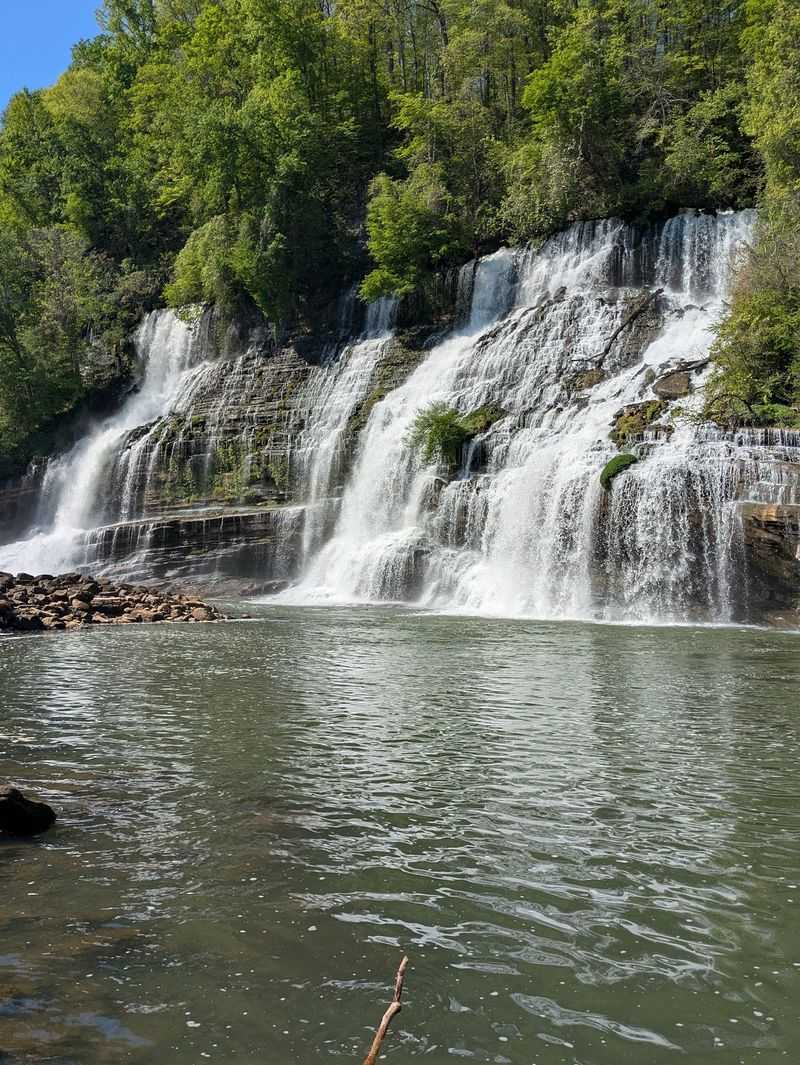
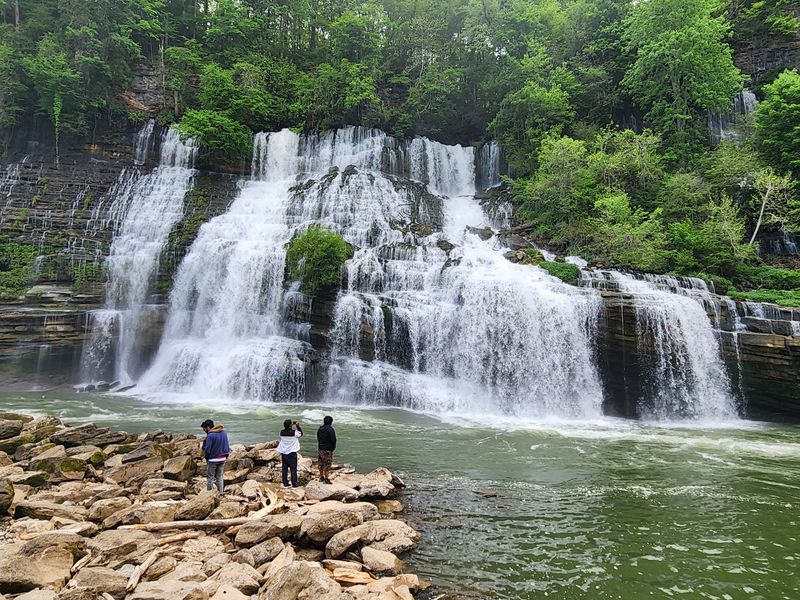
Here is the oddity that makes this park unlike anywhere else in Tennessee. Twin Falls does not spill over a cliff edge.
Water bursts straight out of the middle of a limestone wall, roughly 80 feet of it, as if the rock sprang a leak.
Which is essentially what happened. After the Great Falls Dam was built, the Collins River began seeping through the porous limestone ridge and found its way out the other side, creating a waterfall nobody designed or intended.
An overlook at the end of Powerhouse Road gives you the postcard angle without any effort. For a closer look, the Downstream Trail runs about 1.7 miles at a moderate grade along the river to the base, passing smaller cascades that spill from the gorge wall along the way.
Hikers report two shallow stream crossings with wobbly stepping stones, plus a few short climbs steep enough to get your heart moving. Swimming and wading are strictly off limits at Twin Falls and downstream of the powerhouse because of hidden currents, so treat this one as a looking-and-photographing stop only.
Trails From Easy Strolls To Cable-Assisted Scrambles
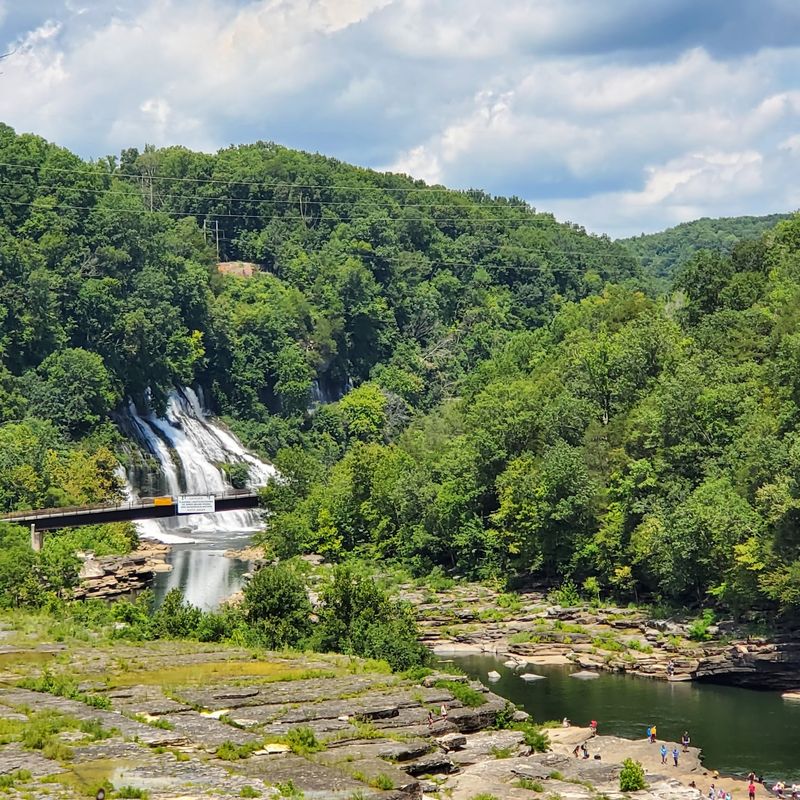
Difficulty here spans a wide range, which is good news for mixed groups. The Collins River Nature Trail loops about three miles through forest with barely noticeable elevation change, the kind of walk grandparents and grade-schoolers can share without complaint.
The Downstream Trail sits in the middle at 1.7 miles and moderate, delivering the Twin Falls payoff for a reasonable effort. Then things get interesting.
Blue Hole Trail has developed something of a reputation, with 53 visitor mentions and descriptions involving stairs that feel more like a ladder and a stretch where you hold a cable to cross slippery rock. People who tackle it call the effort well spent, but they also say to expect soaked feet and to skip it if anyone in your group is unsteady.
Hiking overall draws 444 mentions, more than almost any other activity at the park. Signage rates some routes as strenuous, though several hikers found them closer to moderate.
Wear closed shoes with tread, bring a change of socks, and let the youngest walker set the pace on the descents.
Sandbar Beach, Cold Hole, And Warm Hole
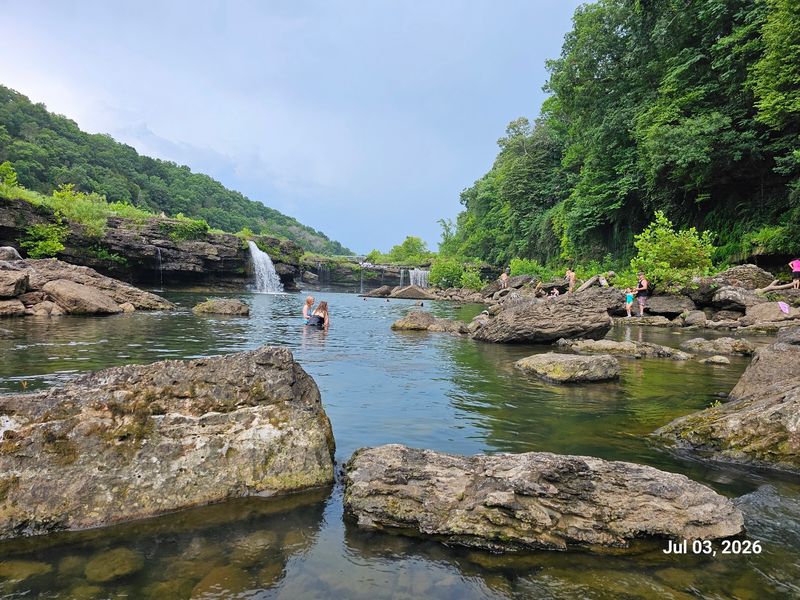
A natural sand beach on Center Hill Lake anchors the calmer half of the park, sitting close to the main campground with a picnic pavilion and restrooms nearby. Campers describe it as excellent for a swim, and the water stays gentler than anything in the gorge.
No lifeguards work the beach, so parents stay in charge of the watching. Inside the gorge, designated spots known as the Cold Hole and the Warm Hole give swimmers rock-rimmed pools with very different temperatures, a quirk of spring water feeding one and river water the other.
Access to those gorge pools depends entirely on water releases from the TVA Great Falls Dam and Powerhouse. Discharge can shift day to day or even hour to hour, and every river gorge area below the dam closes during active spill mode.
Checking the TVA discharge schedule or the park’s Facebook page before you leave home is not optional advice, it is the difference between a swim and a locked gate. Closures happen without warning, and swift current plus slick rock is a combination the park takes seriously.
Kayakers, Boat Ramps, And Fishing Water
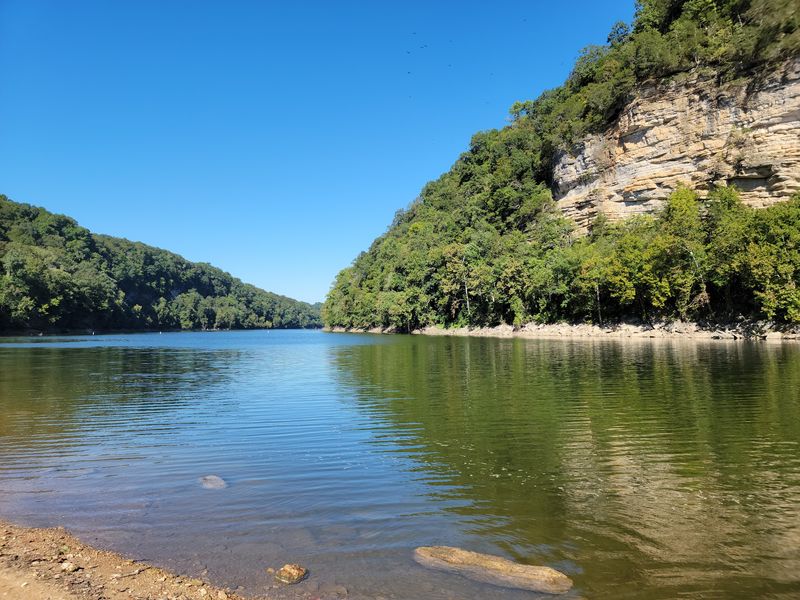
Paddlers know this place for reasons that have nothing to do with waterfall photos. The whitewater below the dam draws freestyle kayakers, including professionals who come for the play features when releases line up right.
Casual boaters get easier options. Ramps serve Center Hill Lake, the Caney Fork, and the Collins River, which spreads traffic out and gives you flat-water launching if rapids are not your idea of a relaxing morning.
Fishing is part of the park’s identity too, with three river systems and a lake headwater converging in one spot. One visitor summed up the split personality well, noting that one side of the park delivers thundering falls while the other offers the quiet of the Caney Fork.
Anyone bringing a boat should treat the dam schedule as the day’s first checkpoint. Water levels here answer to TVA rather than the weather, so a bluebird day can still mean fast, unpredictable current downstream.
Life jackets and proper footwear are strongly encouraged throughout the gorge area, and that guidance holds whether you are paddling, wading near the ramps, or just carrying gear over wet stone.
Cabins, Campsites, And Clean Restrooms
Camping racks up 277 mentions from visitors, and the reasons are practical rather than romantic. Sixty campsites come with water and electric hookups, and campers describe them as level, roomy, and shaded, with picnic tables, fire rings, and lantern poles.
Restroom quality comes up again and again, which tells you something about what matters on a family trip. Guests repeatedly call every restroom in the park very clean, showers included, and that reputation extends to the facilities near the beach and parking areas.
Ten three-bedroom cabins round out the lodging, each with a fireplace, a full kitchen, and a charcoal grill. Cabins draw 119 mentions and a fair amount of admiration from people who expected something more rustic.
A few honest notes from repeat visitors: sites sit fairly close together in the RV section, some pads involve stairs down to the fire pit that deserve caution after dark, and quiet hours run from 10 p.m. to 7 a.m. Rangers do address noise complaints outside those hours.
Booking ahead is wise, and rates and availability shift by season.
What A Day Here Actually Costs
Zero. Admission to Rock Island State Park costs nothing, as it does at every Tennessee State Park, and parking is free on top of that.
Which means the entire budget for a Saturday here is gas, food, and maybe a coffee. A coffee shop and gas station sit just before the park entrance, and picnic tables plus a pavilion near the sand beach let you skip restaurants entirely.
Pack a cooler and a family of four can do the whole day on about $30, most of it fuel.
Parking is the one place to plan ahead. Spaces at the Old Mill area fill up on weekends and holidays, so overflow lots or reaching Great Falls from the Upstream Trail on the White County side near Twin Falls parking are useful backups.
Hours run 7 a.m. to 10 p.m. year-round, with the office open 8 a.m. to 4 p.m. daily. Arriving early on a weekday morning tends to mean easier parking and quieter overlooks, and details like seasonal access can change, so a quick check before you drive is smart.
Who Should Point The Car Toward Rock Island
Not every park works for every group, so here is the honest sorting. Families with older kids who like scrambling, wading, and getting their shoes wet will get the most out of the gorge trails and the Blue Hole route.
Anyone who cannot hike still has a real reason to come. Visitors point out that the falls are visible from the parking areas, restrooms sit right there, and the overlooks near the mill and on Powerhouse Road require almost no walking.
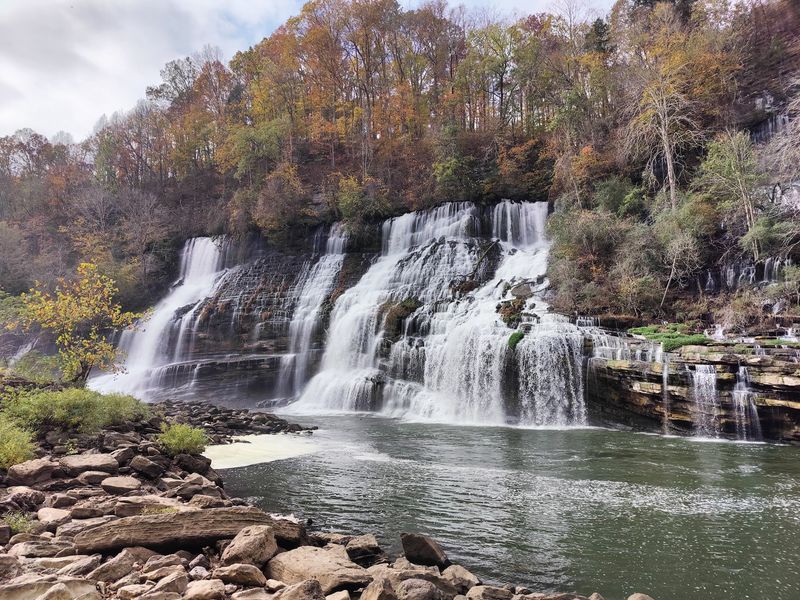
Retirees planning an easy day will probably prefer the Collins River Nature Trail, the picnic pavilion, and the beach side, leaving the cable crossings to somebody else. Autumn is a smart window too, when the gorge walls turn color and the crowds thin from summer levels.
The park’s location helps as well, with several other Tennessee state parks within 30 to 45 minutes for anyone who likes stacking stops.
Free entry, three rivers, two very different waterfalls, and a 130-year-old mill in one compact package. For a tank of gas out of Nashville or Chattanooga, that is a fair trade.