
These Forgotten 11 Massachusetts Towns Once Powered America’s Industrial Revolution
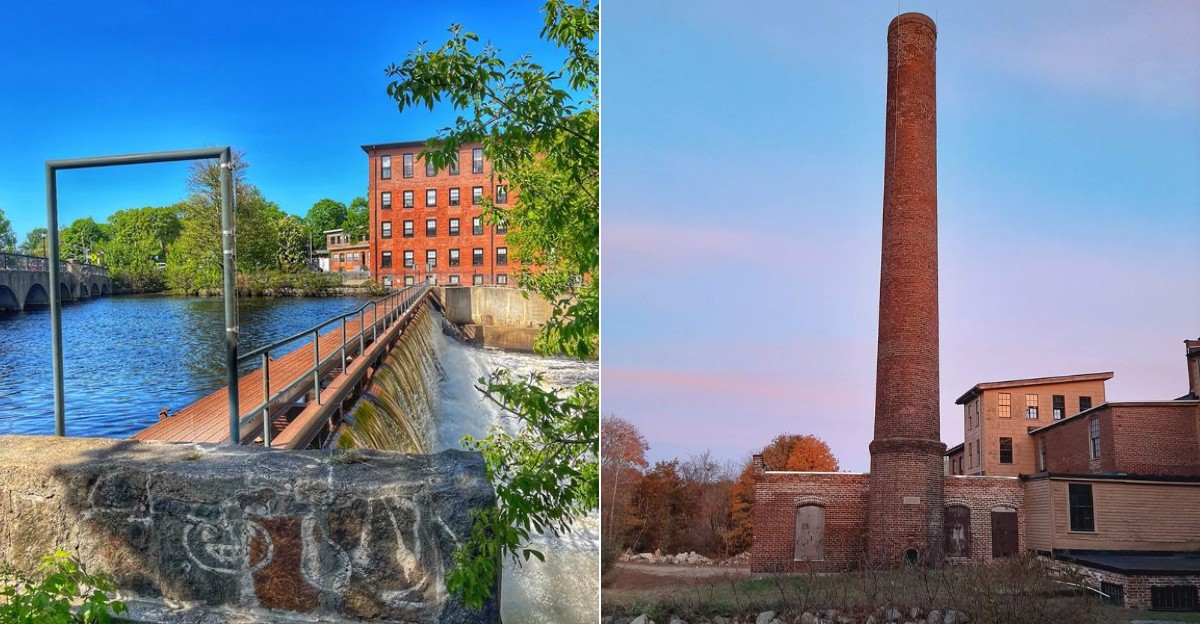
Brick mills, rushing rivers, and towering smokestacks tell a different story of Massachusetts. Long before modern highways filled the landscape, these waterways powered machines that produced textiles, paper, tools, and other goods shipped across the country.
Ever wondered what those old mill towns look like today? Many still have canals, historic buildings, factory museums, covered bridges, scenic trails, and lively little downtowns where you can stop for a pastry or browse a local shop.
The factories may be quiet now, but their buildings remain surprisingly impressive. Some towns offer mountain scenery, while others have river walks and enormous brick complexes that make excellent photo stops.
You do not need a packed itinerary to enjoy them. Take a slow drive, stretch your legs, and explore at your own pace.
1. Lowell
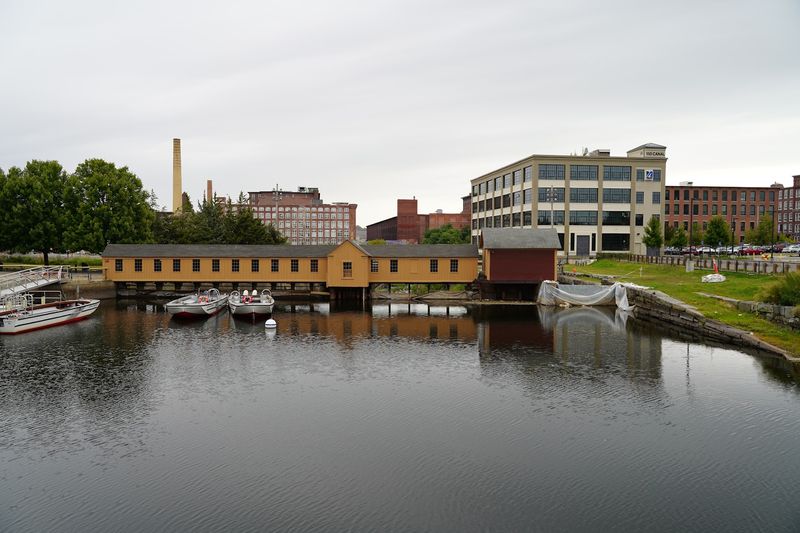
Ask anyone where America’s factory age truly began, and the answer usually points here. Lowell was the country’s first planned textile city, built to harness the Merrimack River and the Pawtucket Canal system.
Massive cotton mills lined up along the water, and everything from raw bales to finished cloth happened under one set of roofs. Young women known as mill girls left family farms to work the looms, and their letters and newspapers still shape how we understand American labor.
Today the old millyards are a walkable playground for curious visitors. You can follow canal towpaths, cross iron footbridges, and stand beneath brick walls that seem to go on for blocks.
Weaving machines still clatter for demonstrations, and the sound alone tells you more than any textbook. Downtown adds bakeries, murals, and small restaurants representing the many communities that settled here over two centuries.
Bring a jacket in spring, since the canals keep the air cool, and give yourself a full day. Kids love the water gates and locks, and photographers love the low light bouncing off the brickwork.
Massachusetts has plenty of pretty villages, but few places let you feel the machinery of history this directly.
2. Holyoke
Paper. Mountains of it.
Holyoke once made so much writing paper and stationery that the world called it the Paper City, and the nickname stuck.
The whole place was designed on purpose, not by accident. Engineers built the Hadley Falls Dam and a three-level canal system on the Connecticut River.
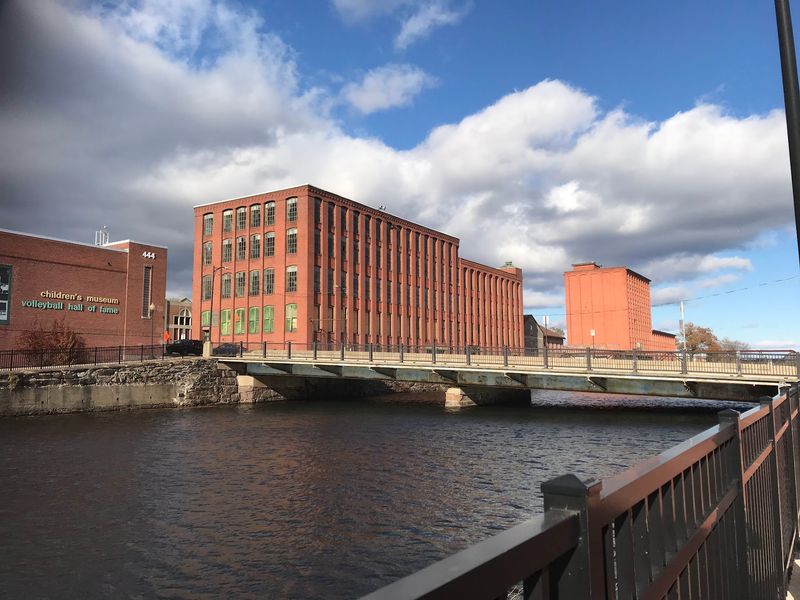
Walking here feels like reading a giant map with your feet. Bridges cross the canals every few blocks, and you can watch water drop from one level to the next, exactly as planned in the 1800s.
The city also happens to be the birthplace of volleyball, which is a great fact to drop at dinner. Add a historic carousel, a river dam view, and the green ridge of Mount Tom on the horizon, and you have a surprisingly full day out.
Downtown restaurants serve strong Puerto Rican and Latin American cooking, so come hungry and be adventurous with your order. Street art brightens up whole walls near the canals.
For a break that mixes engineering, sports trivia, and great food, Holyoke delivers more than its size suggests.
3. Fall River
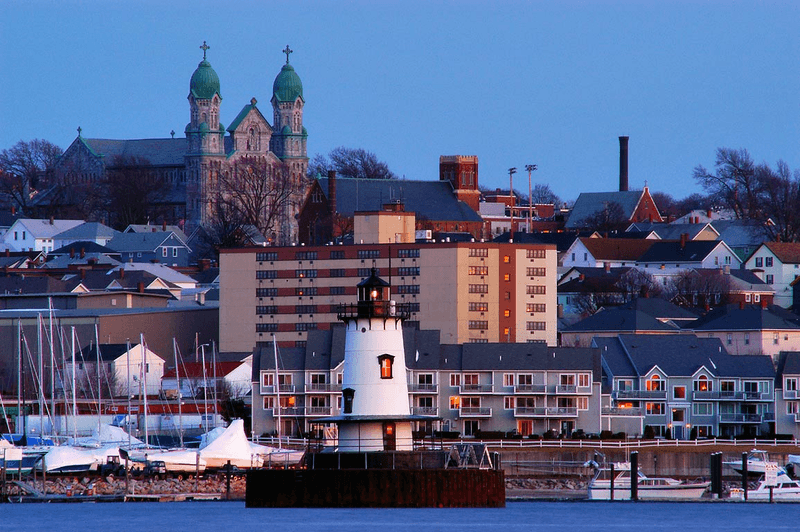
Granite, not brick. That single choice makes Fall River look different from every other mill city in the state, and it photographs beautifully in late afternoon sun.
The fast dropping Quequechan River gave this South Coast city serious water power, and by the late 1800s it was the top cotton cloth producer in the United States. Print cloth was the specialty, and mill owners built with local stone because the quarries sat right there.
Visitors get a rare combo: heavy industrial history plus salt water. Mount Hope Bay stretches out below the hills, and the waterfront park area gives you wide open views and battleship sized attractions.
The Portuguese community here is huge and generous with its food traditions. Bakeries sell sweet bread and custard tarts that will ruin ordinary pastries for you forever.
Fall River also carries one famously spooky true crime story from 1892, and the house at the center of it draws curious travelers year round. Not your thing?
Skip it and climb the hills instead for skyline photos.
Pack walking shoes because the streets pitch up and down.
4. North Adams
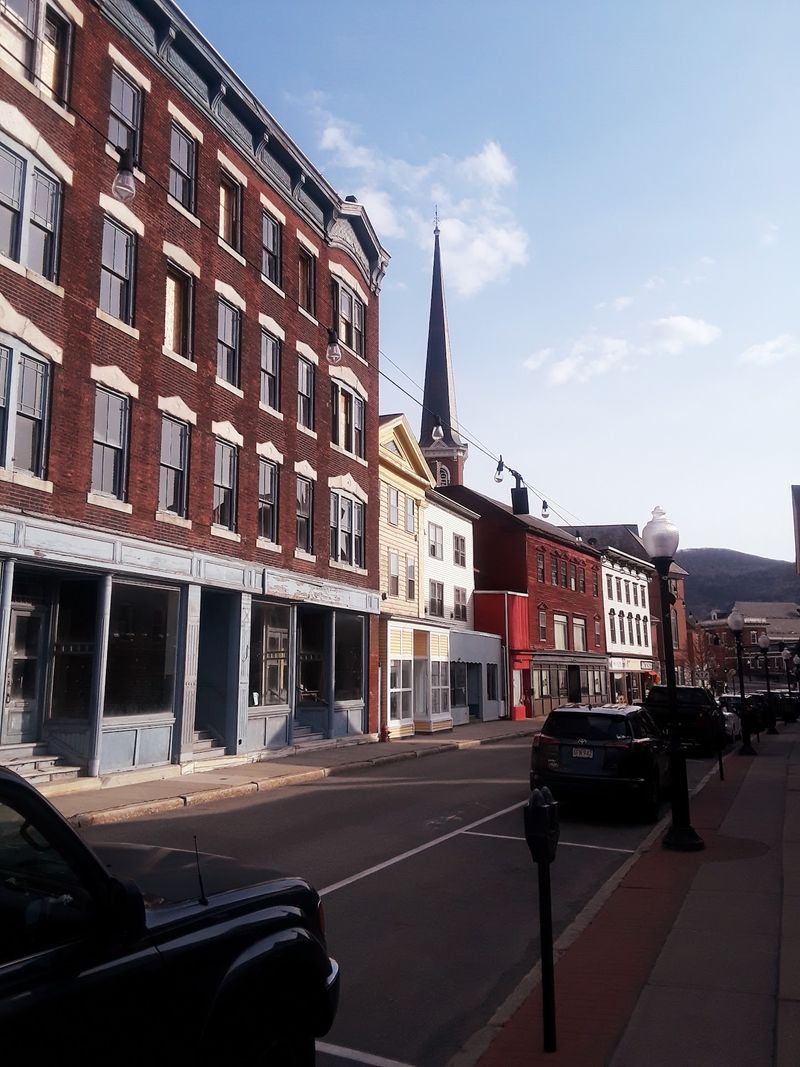
Imagine a factory that printed fabric for the whole country, then reopened a century later filled with enormous modern art. That is North Adams in a nutshell, and it might be the best surprise in the Berkshires.
The Hoosic River powered this small city through its industrial years. Arnold Print Works turned out printed textiles, while shoe shops and ironworks added thousands more jobs, and railroad tunnels through the mountains carried goods east and west.
When the factories closed, the town made a bold move and handed its biggest complex over to artists. Now you can spend hours inside old production halls looking at installations the size of houses.
Step outside and the scenery competes for attention. Mount Greylock rises to the south, hiking trails start close to town, and hairpin mountain roads reward drivers with valley views.
Coffee shops, bookstores, and small kitchens fill the downtown blocks, and the whole place has a friendly, unhurried feel. Autumn brings blazing color to the ridges, so book ahead in October.
Art lovers, hikers, and history fans all leave satisfied, which is not a claim many towns can make.
5. Lawrence
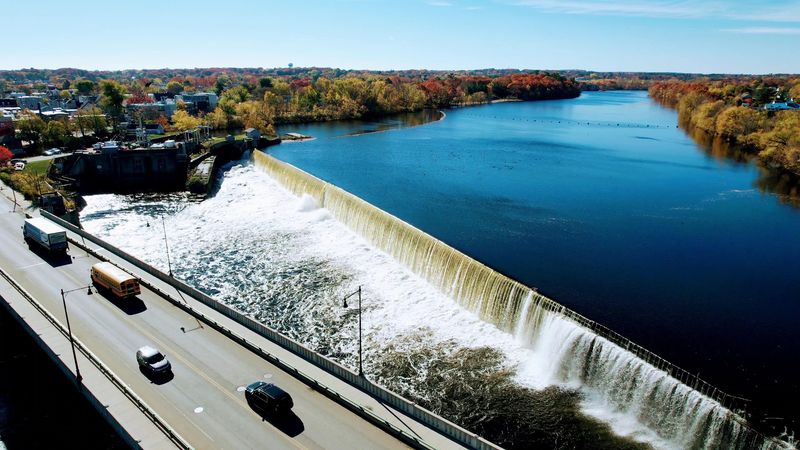
A wall of stone across the Merrimack River changed everything here. The Great Stone Dam was an engineering shocker in the 1840s, and it turned an empty stretch of riverbank into a manufacturing city almost overnight.
Investors known as the Boston Associates planned Lawrence from scratch. Woolen and worsted mills grew into some of the largest in the world, and workers arrived from dozens of countries to run the looms.
That mix is still the best reason to visit. Walk the downtown and you will hear several languages in one block, then smell Dominican and Puerto Rican cooking drifting out of small restaurants that locals swear by.
The mill district along the canals is genuinely impressive. Long brick blocks, clock towers, and iron bridges line the water, and several buildings now hold shops, studios, and offices.
Labor history buffs know Lawrence for the 1912 Bread and Roses strike, when thousands of textile workers walked out and won national attention. Markers and museum exhibits help you follow the story on foot.
Come for the architecture, stay for lunch, and leave with a better sense of how immigrant families built modern Massachusetts.
6. Waltham
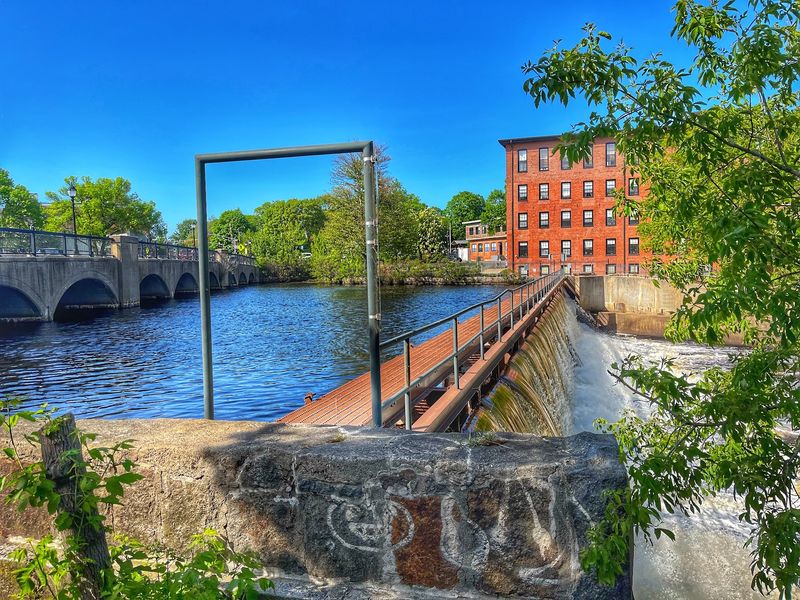
Here is a claim worth remembering: the modern factory started on the banks of the Charles River. In 1814 the Boston Manufacturing Company put spinning and weaving under one roof in Waltham, and cloth production was never the same.
The system spread everywhere after that. Later the Waltham Watch Company made the city famous for precision, turning out millions of pocket watches with parts measured in fractions of a hair.
Because Boston sits so close, Waltham makes an easy half day trip with no long drive. The riverfront path takes you past the original mill, the dam, and rows of windows built to catch daylight for workers at their machines.
Museum exhibits inside the old mill explain how the machinery worked, and watch collectors travel here just to see the timekeeping displays. Kids usually go for the gears and belts.
Moody Street is the eating destination, packed with restaurants from all over the map plus a restored old movie theater. Bring an appetite and plan on dessert.
Nice mix, honestly: serious industrial history in the morning, noodles or tacos by evening.
7. Clinton
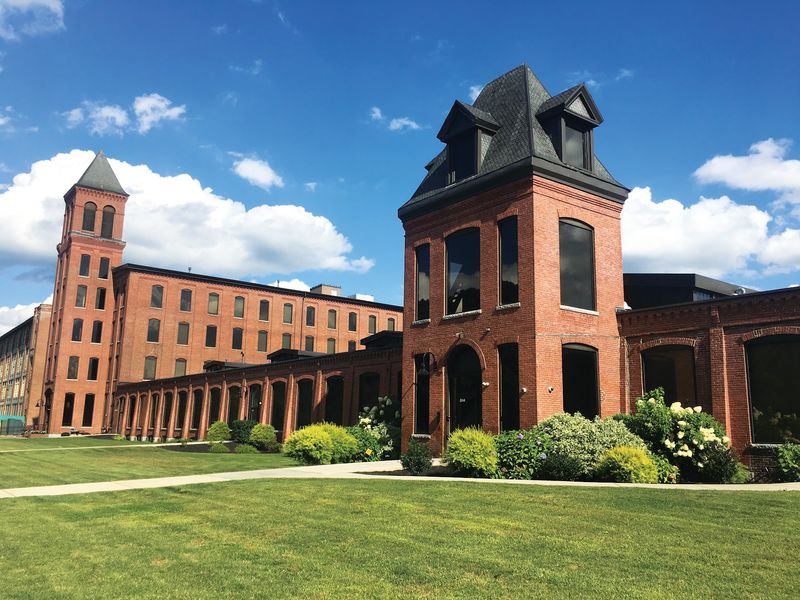
Ever wonder who figured out how to weave carpet by machine? The answer traces straight back to this small Worcester County town and an inventor named Bigelow whose power looms rewrote the rules.
Clinton grew up around the Lancaster Mills and the Bigelow Carpet Company. Gingham cloth and woven carpets shipped out by the mile, and the town’s population exploded to match the payroll.
What makes a visit fun today is the scale. Everything sits close together, so you can stroll from mill blocks to a compact downtown to a green park without ever moving your car.
Right next door waits one of the state’s most jaw dropping engineering sights. The Wachusett Reservoir and its enormous stone dam hold drinking water for Boston, and the overlook views across that water are worth the trip on their own.
Local history displays fill in the mill story with looms, samples, and photos of families who worked the floors. Old churches and a handsome town hall round out the architecture walk.
Bring a picnic, watch the herons, and enjoy a place where nobody is fighting you for parking.
8. Fitchburg
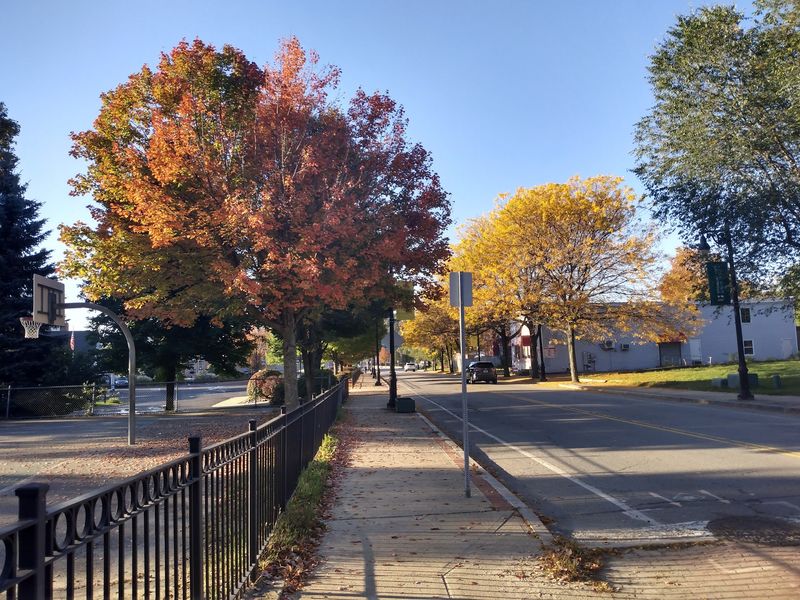
Paper, steam engines, and saw blades sharp enough to slice hardwood like butter. Fitchburg made all three, and the Nashua River supplied the power that kept the shops running.
Heavy machinery was the local specialty. Machine shops built engines and industrial equipment, paper mills lined the river valley, and the Simonds saw works sent blades around the world.
Visiting now, you notice how the city climbs. Streets rise up steep hillsides above the river, giving you unexpected views of church steeples, brick factories, and forested ridges beyond.
The downtown art museum is a real treat, with galleries covering ancient artifacts through contemporary work, and it costs far less than big city admission. A hands on science center nearby keeps younger travelers busy with fossils and planetarium shows.
Trails and rail trail paths connect to nearby woods if you want fresh air after all that indoor looking. Local diners and bakeries handle breakfast without any fuss.
Come on a clear fall day when the hills turn gold and the old brick looks warm.
9. Southbridge
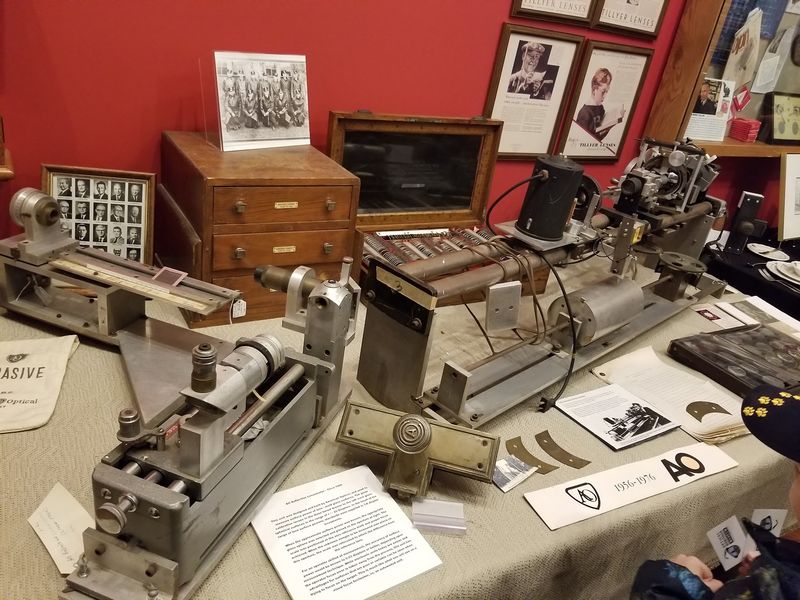
Look through your glasses for a second. Chances are the industry that made them affordable got its start in this Quinebaug River town, nicknamed the Eye of the Commonwealth.
It began in 1833 when a local jeweler started making spectacle frames, and by 1843 the first American steel eyeglass frames came out of Southbridge. That workshop grew into the American Optical Company, eventually the world’s largest maker of eye care products with thousands of workers here.
The stories get better. During World War II the company supplied bombsights, goggles, and millions of sunglasses, including the first aviator style shades for Army pilots, and the Apollo 11 crew carried its sunglasses to the moon.
You can see all of it at the Optical Heritage Museum, which holds one of the largest collections of spectacle frames and optical instruments anywhere. Guided tours are free, though hours are limited, so check before driving out.
Afterward, walk the Victorian downtown or head to Westville Lake Recreation Area for three miles of riverside trails, picnic spots, paddling, and winter sledding.
An arts center inside an 1825 mansion adds studios and local history exhibits.
10. Athol
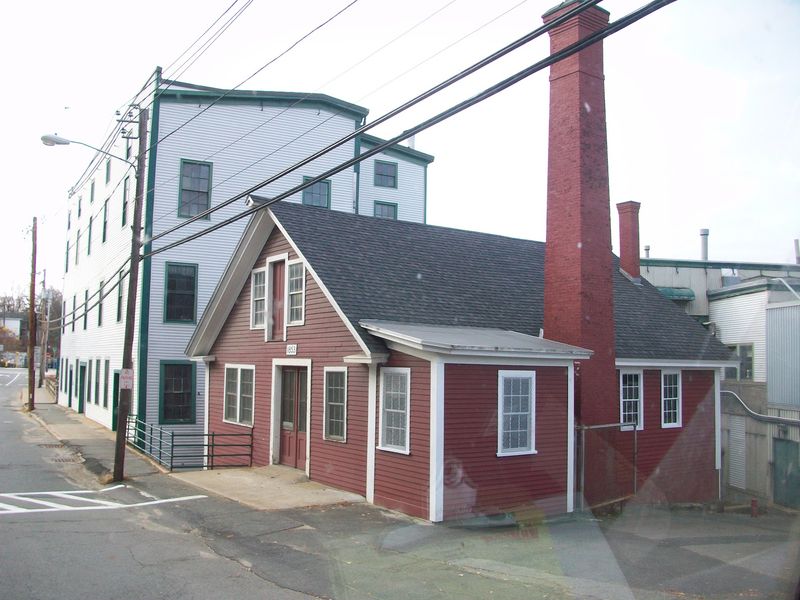
Tool Town. That is what people have called Athol for generations, and any mechanic who owns a good steel rule probably knows why.
The Millers River drops fast through this small north central Massachusetts town, and that current powered shops turning out precision tools and machinery. The L.S.
Starrett Company was founded here in 1880 and grew into a global name in measuring tools, still headquartered in town.
Precision might sound dull until you realize what it means. Every micrometer, square, and tape measure that helped build American factories traced back to workmanship like this.
For travelers, Athol works as a quiet basecamp with real outdoor appeal. The Millers River is popular with paddlers and anglers, and forested state land surrounds the area with trails and quiet ponds.
Downtown keeps a classic New England shape, with brick storefronts, a library, and family run bakeries and lunch counters where nobody rushes you. Local history displays cover the tool industry and the families who ran the machines.
Come in autumn for color, or summer for river time, and enjoy having the trails mostly to yourself.
11. Uxbridge
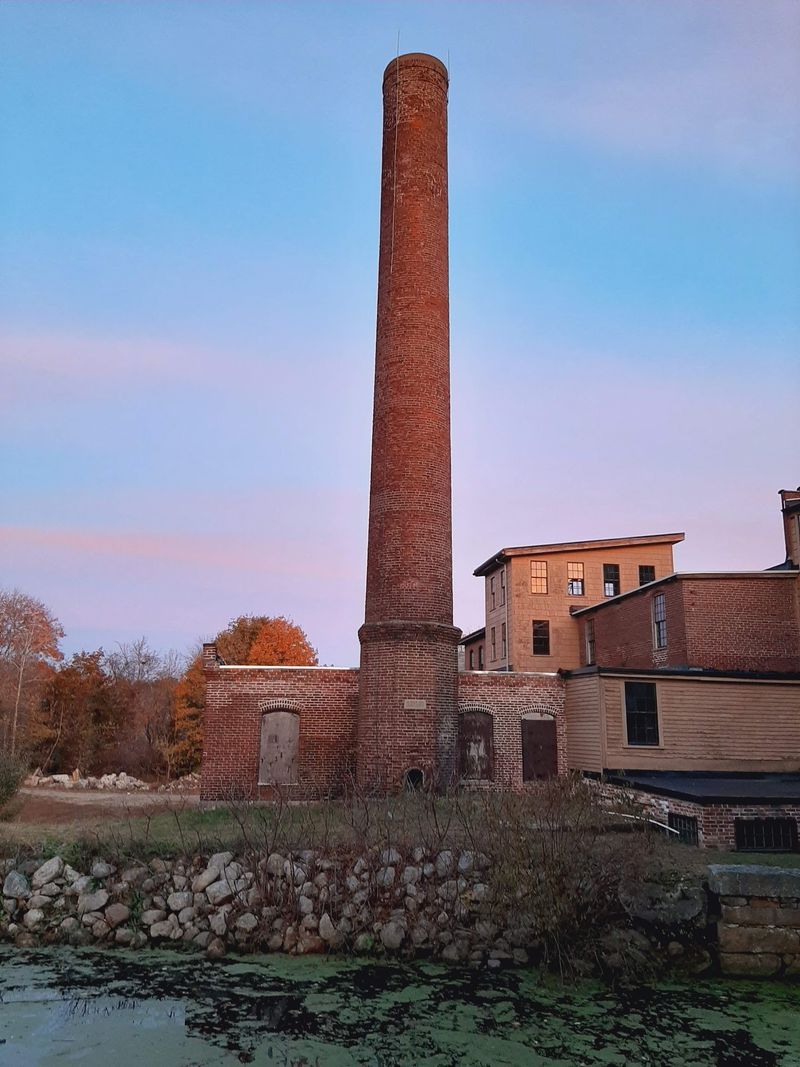
They call it the Cradle of the Industrial Revolution, and Uxbridge has the receipts. This Blackstone Valley town helped launch American woolen manufacturing when the country was barely getting started.
Daniel Day opened the first woolen mill here in 1809, and by 1855 more than twenty textile mills employed hundreds of workers producing millions of yards of cloth. Uxbridge mills ran the first power looms for wool in America and invented fabrics like satinets and early wool blends.
Military history hides in the fabric too. The Capron Mill made uniforms for over 140 years, including the shade of blue chosen for the first U.S.
Air Force dress uniform, while another mill wove Union blue during the Civil War.
Your visit should start at River Bend Farm, the visitor center for the Blackstone River and Canal Heritage State Park. From there you can walk the old canal towpath, follow river trails, and see how boats once moved goods toward Providence.
Downtown holds preserved landmarks, including a 1710 house that hosted the town’s first government meeting. Nearby Purgatory Chasm offers rocky scrambling for anyone with energy left.
Massachusetts industry began in valleys like this one.