
This Tennessee Ferry Carries Your Car Across The River For Just 75 Cents
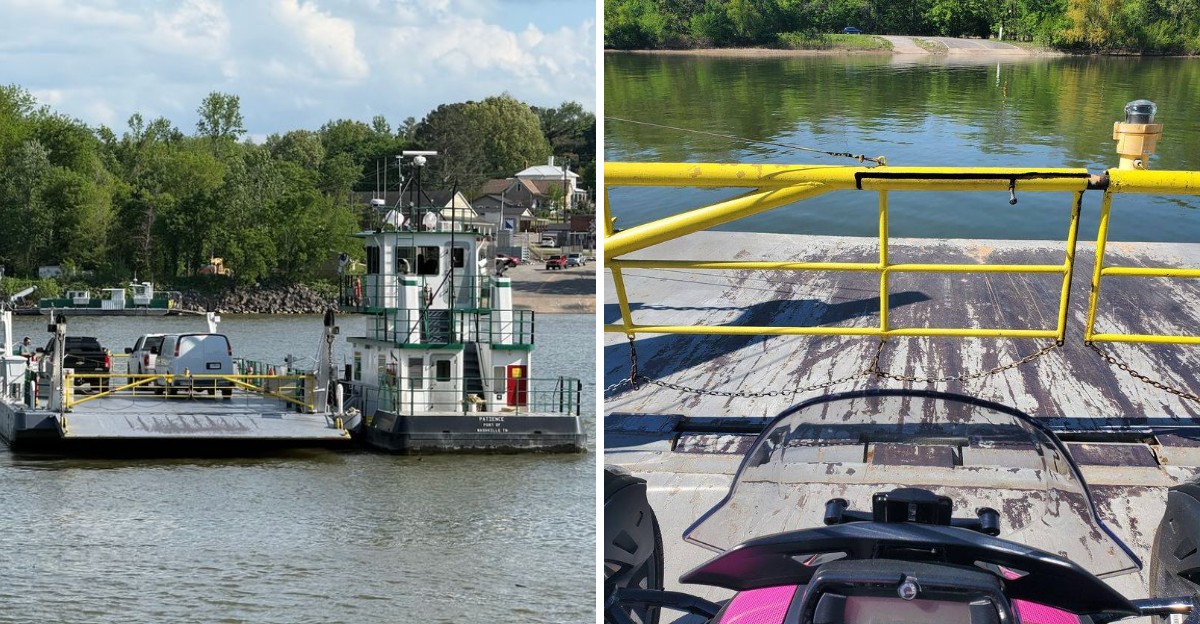
Somewhere in Middle Tennessee there is a two-lane road that simply stops at the water, and instead of a bridge you get a flat steel barge waiting to take your car to the other side. I found it by accident while trying to shortcut around traffic, and the whole crossing cost less than a pack of gum.
Seven minutes later my car rolled off onto a gravel landing, the river sliding by behind me, and I understood why locals treat it like part of their daily commute. It is one of the cheapest and strangest little rides in the state, and it runs every single day of the year.
Where The Road Meets The Cumberland River
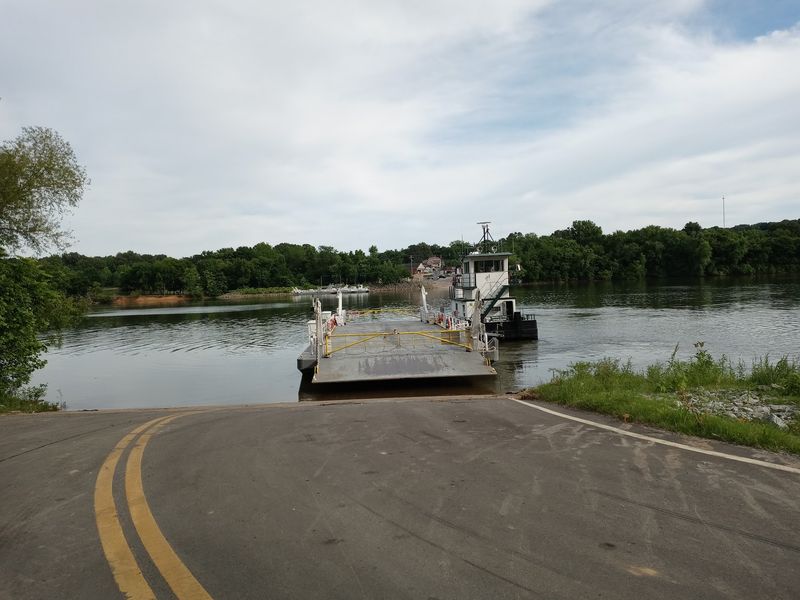
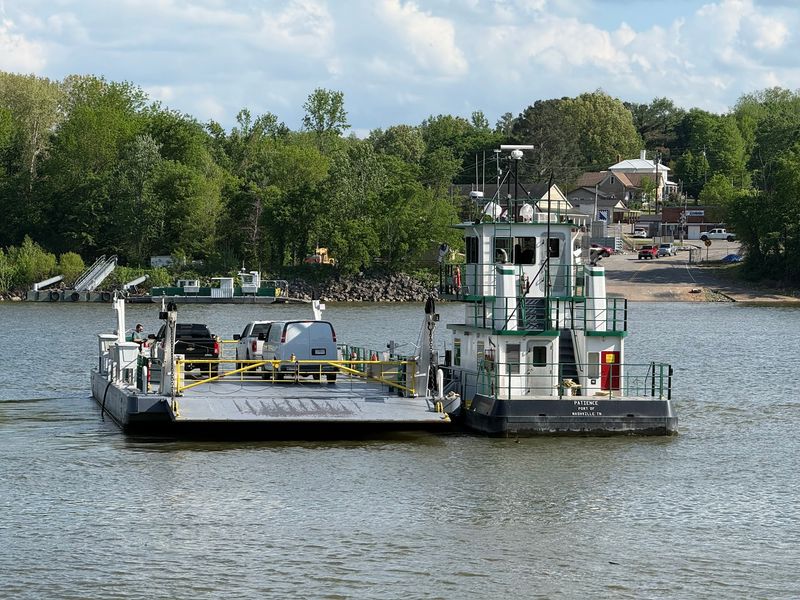
Follow State Route 46 north out of Cumberland City and the pavement does something unusual. It runs straight down a gentle grade and ends at the Cumberland River, where a squat steel barge and a pushboat handle what a bridge normally would.
The landing address is 3999 TN-46, Indian Mound, Tennessee, sitting in Stewart County and connecting drivers over to the Montgomery County side near U.S. Highway 79.
Coordinates put it at roughly 36.397 north, 87.634 west, in a stretch of farmland, ridges and river bottom between Clarksville and Dover.
Operated as part of Tennessee’s state ferry service through TDOT, it is one of only two vehicle ferries the state still runs. There is no visitor center, no gift shop, no ticket booth with a turnstile.
A deck hand walks over, takes your money, hands you a paper ticket, and the barge pulls away from the bank.
For anyone whose destination sits on the opposite shore, the ferry replaces a long loop of highway driving with a crossing measured in minutes.
Seventy-Five Cents And Two Dollars: The Real Fare
Cheap is a word that gets thrown around loosely, so here are the actual numbers. An automobile, including the driver and everyone riding along, crosses for $2.00.
Residents of Montgomery, Stewart and Houston Counties pay a discounted rate of $0.75. Walk-on foot passengers are charged $0.50.
That is the whole price list, and there is no admission fee layered on top of it.
Visitors have mentioned handing over three quarters and getting a river crossing in return, which is about as much value as a coin buys anywhere in Tennessee anymore. Some regulars round up and pay a little extra simply because they want the service to keep running.
Bring cash and bring it small. A deck hand handles the money right there on the barge, so exact change keeps the line moving and saves everyone a fumble.
Fares are set by the state and can be adjusted, so it is smart to carry a couple of dollar bills rather than counting on the discount rate applying to you.
A Working Crossing, Not A Tourist Attraction
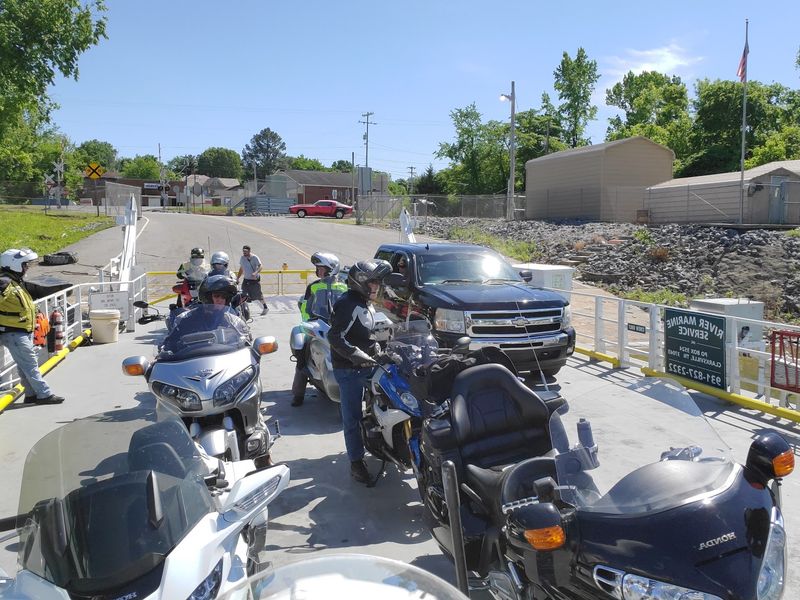
Commuters, not sightseers, keep this barge busy. People who live on one side of the Cumberland and work on the other use it the way the rest of us use an on-ramp, and several have said it shaves real time and mileage off the daily drive.
The alternative route means looping around through Indian Mound and fighting Clarksville traffic to reach Cumberland City. The ferry cuts straight through that math.
Because it functions as a piece of the highway system rather than an amusement ride, the mood on board is matter-of-fact. Trucks with toolboxes, farm vehicles, a hauling trailer or two, and the occasional curious family in a sedan all share the same deck.
That practical purpose is exactly what makes riding it interesting for anyone visiting. You are not paying to see a re-creation of something historic.
You are paying to use a transportation link that Tennessee still maintains because the geography demands it.
Regulars describe the process in about five words: pull on, pay, pull off.
Five To Ten Minutes On The Water
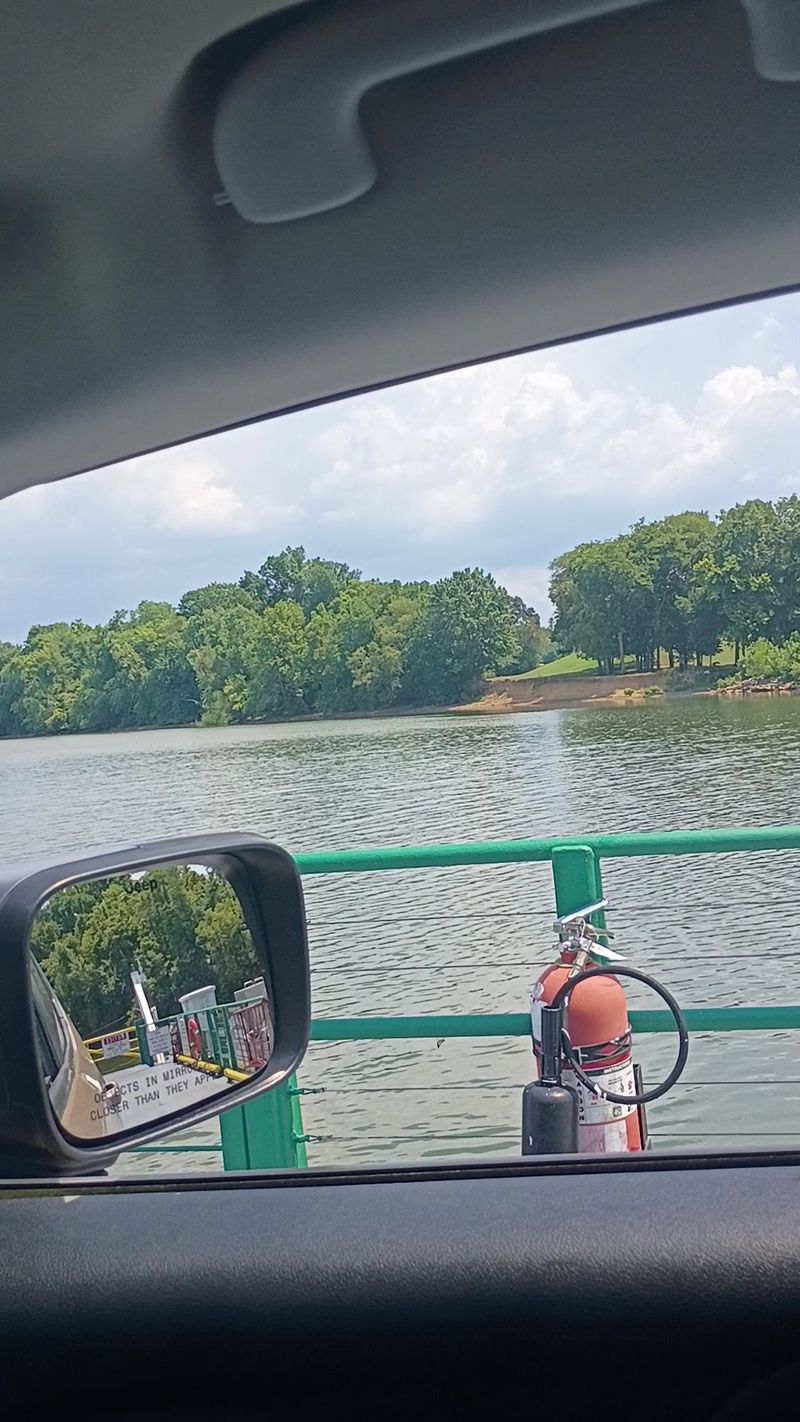
Blink and the crossing is nearly over. The trip across the Cumberland River takes somewhere between five and ten minutes depending on traffic on the water and how quickly loading goes.
You stay in your vehicle or step out onto the deck, whichever suits you. Riders often describe the passage as smooth, and several have called it peaceful in a way that a bridge crossing never manages.
What fills those minutes is scenery rather than activity: wooded shoreline on both banks, the wide brown-green surface of the river, barge traffic in the distance, birds working the water. It is a short window, but it changes the rhythm of a drive completely.
Families with kids get the most out of it. Watching your own car float across a river is the kind of small novelty a child files away and brings up years later, and more than one parent has come back specifically to show their kids.
Ten minutes, three quarters, and a memory. Hard to argue with the exchange rate.
The Crew On Deck
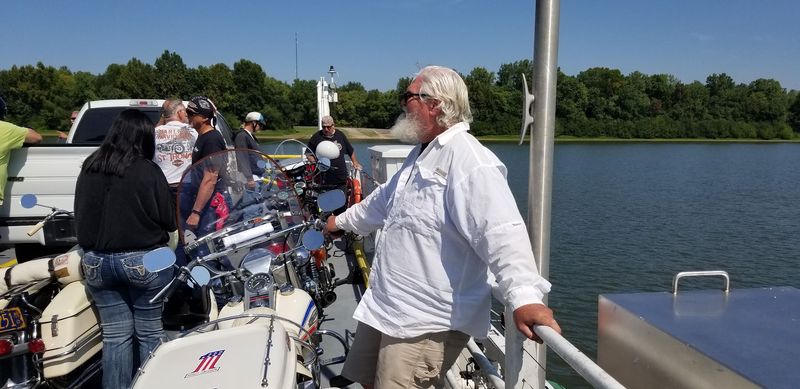
Friendly staff comes up more than almost anything else riders mention about this crossing, and it shows in how the operation runs. A deck hand meets each vehicle, collects the fare, hands out the ticket paper and answers questions while the barge moves.
Passengers have described the crew as courteous, experienced and easy to talk to, the kind of people who make a short ride feel like a small event rather than a transaction. Several have noted that the captain clearly knows the river.
Road-trippers exploring the area say the personable crew is a big part of why the crossing sticks with them. Ask a question about the river or the schedule and you will usually get an answer, plus a little local context you would not find posted anywhere.
Not every trip is identical, of course, and one visitor once found a young deck hand a bit too talkative for their taste. Overwhelmingly though, the human element here is the part people remember and mention first.
A wave from the deck as you roll off is standard issue.
River Views From Your Own Front Seat
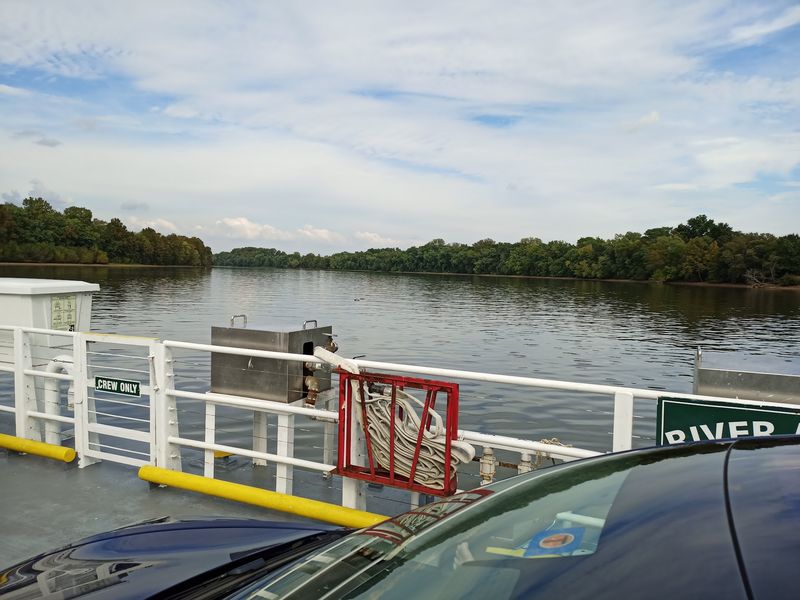
Scenery earns repeat mentions from riders, and it does not take much imagination to see why. The Cumberland runs broad and slow here, framed by wooded banks that turn coppery in autumn and misty on cool mornings.
From the deck you get a low, level angle on the water that a highway bridge never offers. No guardrails, no traffic noise, just the river at eye height and the far shore getting closer.
Fall makes the strongest case for timing a visit. The hills along this stretch of Stewart and Montgomery Counties color up nicely, and pairing the crossing with a foliage drive around Dover and the Land Between the Lakes region turns three quarters into the punctuation on a full day out.
Photographers should note that light on the water shifts quickly, and the crossing is short. Have the camera ready before the barge pulls away rather than scrambling mid-river.
Riders have called the ride beautiful and calming at the end of a long day of driving, which is a fair summary of what the view does to your mood.
Hours, Seasons And What Weather Can Do
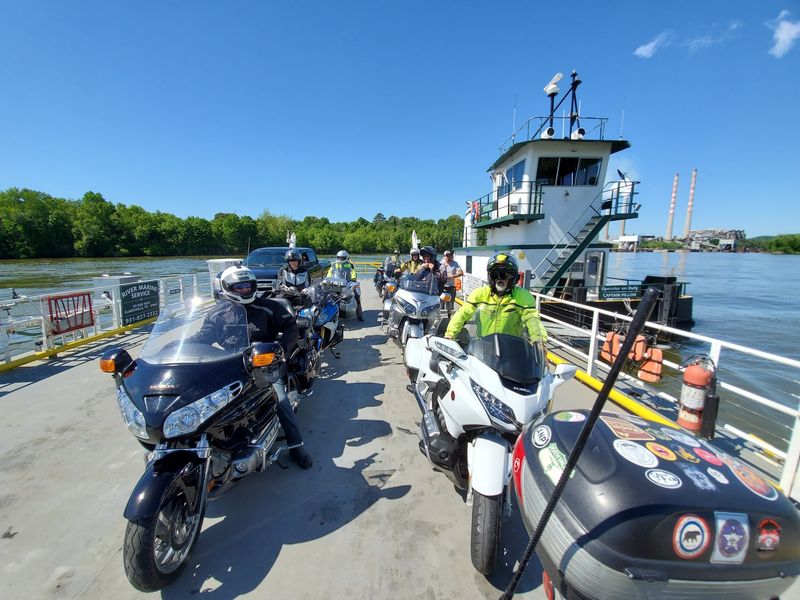
Early risers are covered. The ferry runs Monday through Friday from 5:30 a.m. to 6:00 p.m. local time, which is what makes it usable for people heading to work before sunrise.
Weekend hours shift slightly later, operating Saturday and Sunday from 6:00 a.m. to 6:00 p.m. That gives visiting families a full day of options without needing to be on the bank at dawn.
Service runs 365 days a year, conditions permitting. That last phrase carries real weight on a river: high water, ice, fog or mechanical work can shut a crossing down temporarily, so anyone driving in from Nashville should have a backup route in mind.
Schedules can be adjusted by the state, and a crossing that operated one week may pause the next during high river levels. Checking current status before you commit to the drive is simply good planning.
Worth knowing too: at least one longtime rider recalls a period of Sunday closures, another reminder that operating details on a working ferry are not carved in stone.
Getting There From Nashville And Clarksville
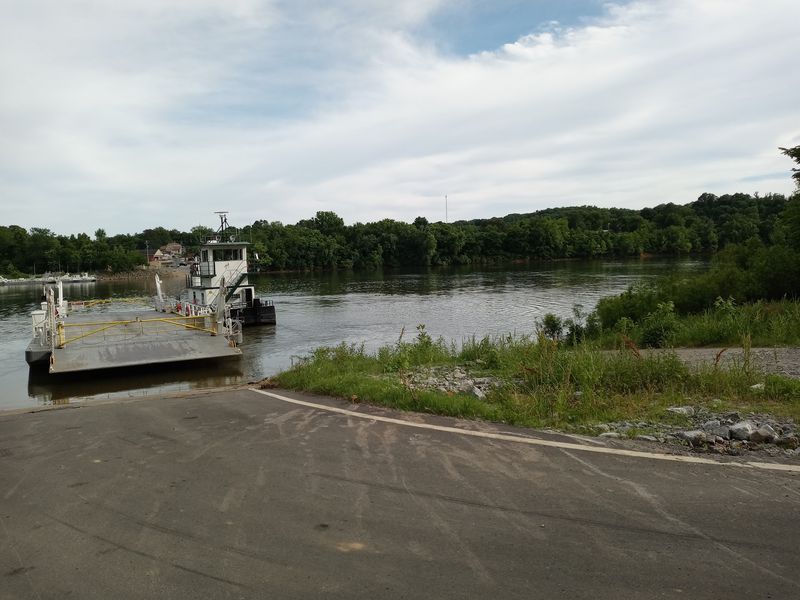
From Nashville, plan on roughly an hour and a half of driving to reach this corner of Stewart County. The nearby town of Dover sits about 1 hour 36 minutes from downtown Nashville, which puts the ferry landing comfortably inside a half-day trip.
Clarksville residents have the shortest run of anyone. The crossing exists largely because the alternative is looping around through Indian Mound and back through Clarksville traffic, so locals on either bank reach it in well under an hour.
Memphis, Chattanooga and Knoxville drivers face a longer haul since the ferry sits squarely in Middle Tennessee. From East Tennessee especially, this works better as one stop on a wider itinerary than as a destination on its own.
Approach from the south on State Route 46 out of Cumberland City, or from the north off U.S. Highway 79 on the Montgomery County side.
Signs mark the ferry, but the roads are rural and cell coverage can be spotty, so download your map ahead of time.
What A Full Day Around The Crossing Costs
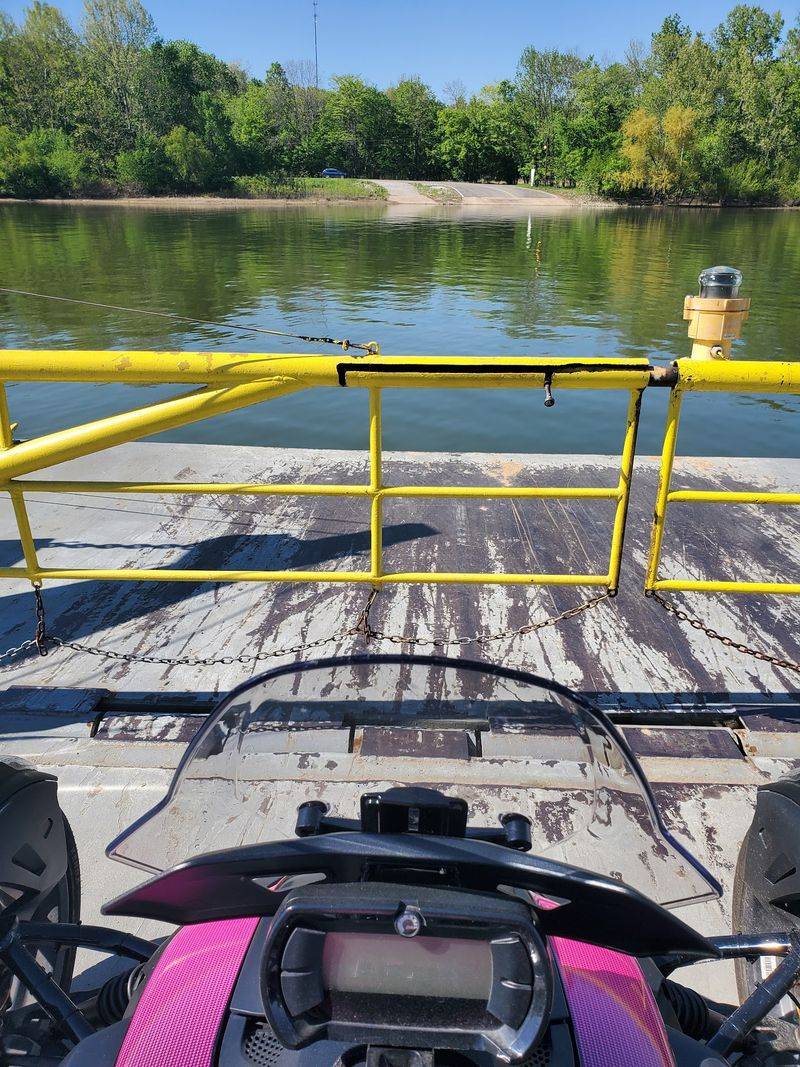
Add it up and the numbers stay small. A round trip on the ferry runs $4.00 at the standard automobile rate, or $1.50 if you qualify for the county discount, and one rider even reported that a return leg came free.
Pack a cooler with sandwiches and drinks and the entire outing lands well under $30 for a family, gas from Nashville included. There is no admission charge anywhere in the equation.
Facilities at the landing are minimal, so treat this as a roadside stop rather than a park. Restrooms, snacks and fuel are things to handle in Cumberland City, Dover or Clarksville before you head down to the water.
Because the ride itself takes under ten minutes, the smart play is to build a loop. Combine the crossing with a drive through the Land Between the Lakes area, a stop at a harvest market, or lunch in a small Stewart County town on the way home.
Three quarters for the boat, a tank of gas, and a picnic. That is the whole budget.
How To Board Without Feeling Like A Rookie
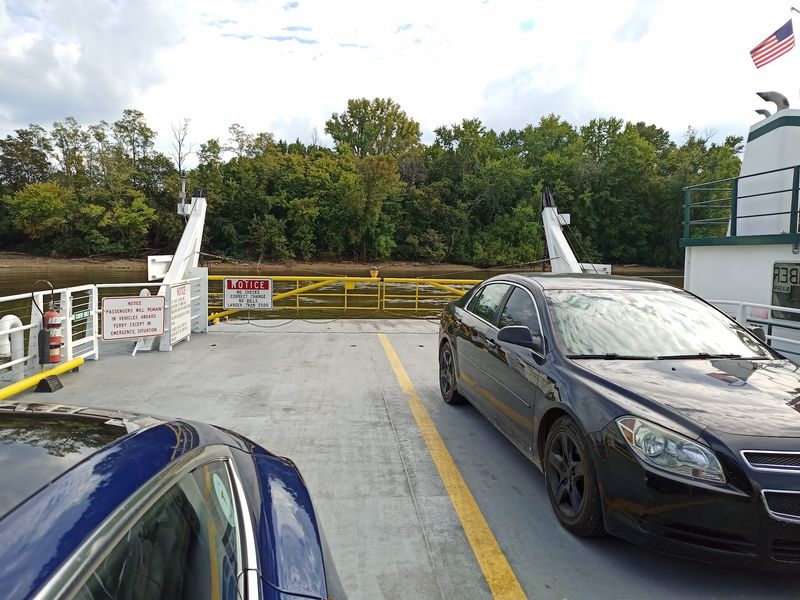
Nervous about driving a car onto a barge? The routine is genuinely simple, and riders consistently describe it as easy to use.
Queue up on the ramp, wait for the crew to signal, then drive slowly onto the deck and follow their hand directions on where to park. Put the vehicle in park, set the brake, and keep the engine off during the crossing.
The deck hand comes to your window for the fare, so have your cash ready. Once the barge lands on the far bank, wait for the signal again and roll off in the order you boarded.
Kids should stay inside the vehicle or stay right beside an adult if you step out. The deck is a working surface with equipment and moving traffic, and the crew appreciates riders who keep an eye on their group.
Larger vehicles, trailers and RVs should check size limits before counting on this route, since capacity on a barge this size is finite and loading priority goes to whoever fits.
One Of Only Two Ferries Tennessee Still Runs
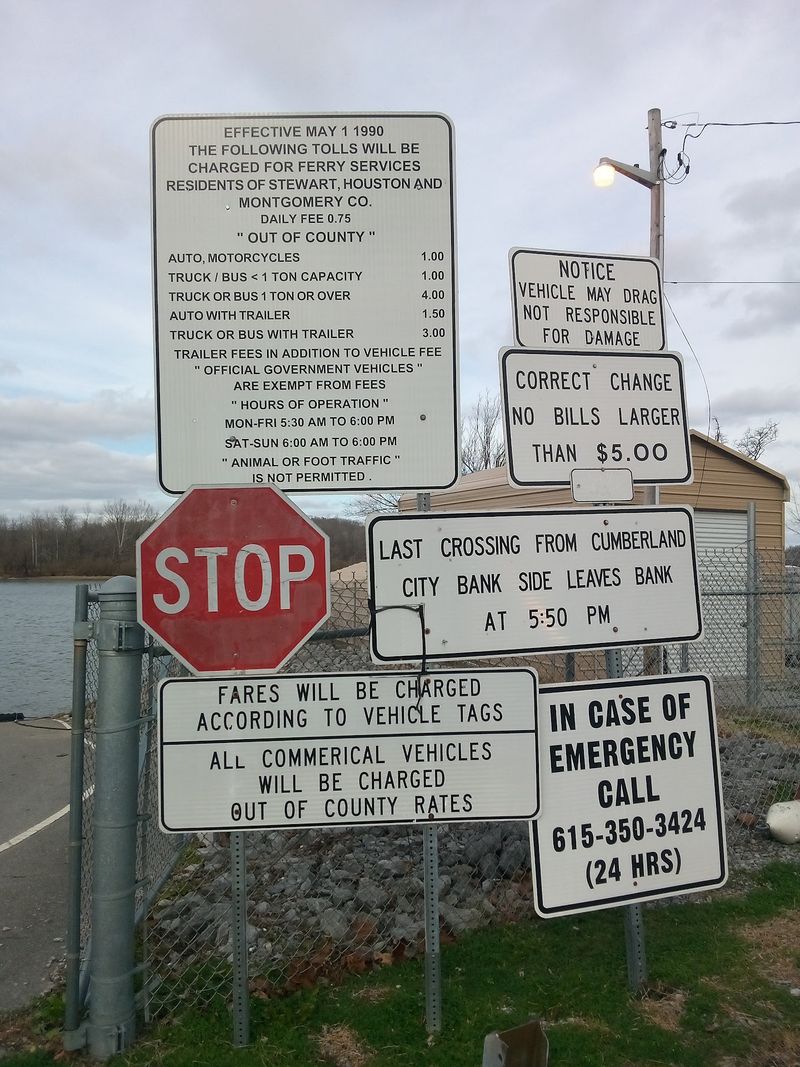
Here is the detail that gives this crossing its weight: Tennessee operates only two state-owned ferries that carry vehicles across rivers, and this is one of them. The other, the Benton-Houston Ferry, crosses the Tennessee River far to the west and is described as the last operating ferry on that river.
Both are run through the state’s transportation department, both charge the same fares, and both keep nearly identical hours. Together they are the surviving remnants of a era when river ferries were ordinary infrastructure across the state.
Rivers once dictated where Tennesseans could travel, and dozens of small crossings filled the gaps between towns. Bridges gradually replaced almost all of them.
What kept this one going is simple geography. The land route between the two banks is long enough, and the traffic steady enough, that a barge still makes more sense than pavement.
Riders who grew up taking ferries often say they pay their fare partly in hope the service survives, which tells you how much these two crossings mean to the people who use them.
Is The Detour Worth Making
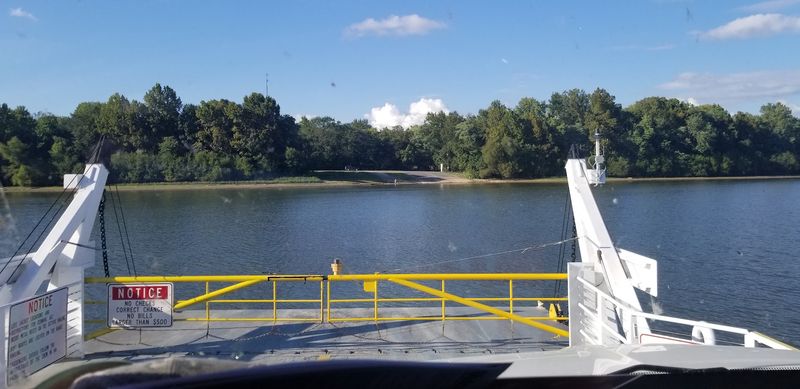
Judged strictly as an attraction, a seven-minute barge ride is a thin itinerary. Judged as a piece of a Middle Tennessee day, it is one of the most memorable seventy-five cents you will ever spend.
Nashville families can pair the crossing with a loop through Stewart County, a fall drive, or a stop near Dover and be home for supper. Retirees looking for a calm, low-effort outing get river views without a hike, a ticket line or a crowd.
People who ride it regularly talk about how much time it saves, how smooth the trip feels, and how good the crew is at making a routine crossing pleasant. Those are the qualities that turn infrastructure into something people are fond of.
Bring small bills, check conditions before you leave since weather can pause service, and set expectations for a short ride rather than a cruise.
Then roll on, hand over three quarters, and let a river do the driving for a few minutes. Few Tennessee experiences cost so little and stick around so long afterward.