
This Tennessee Lake Town Has A Historic Downtown That Is Surprisingly Easy To Spend All Day Exploring
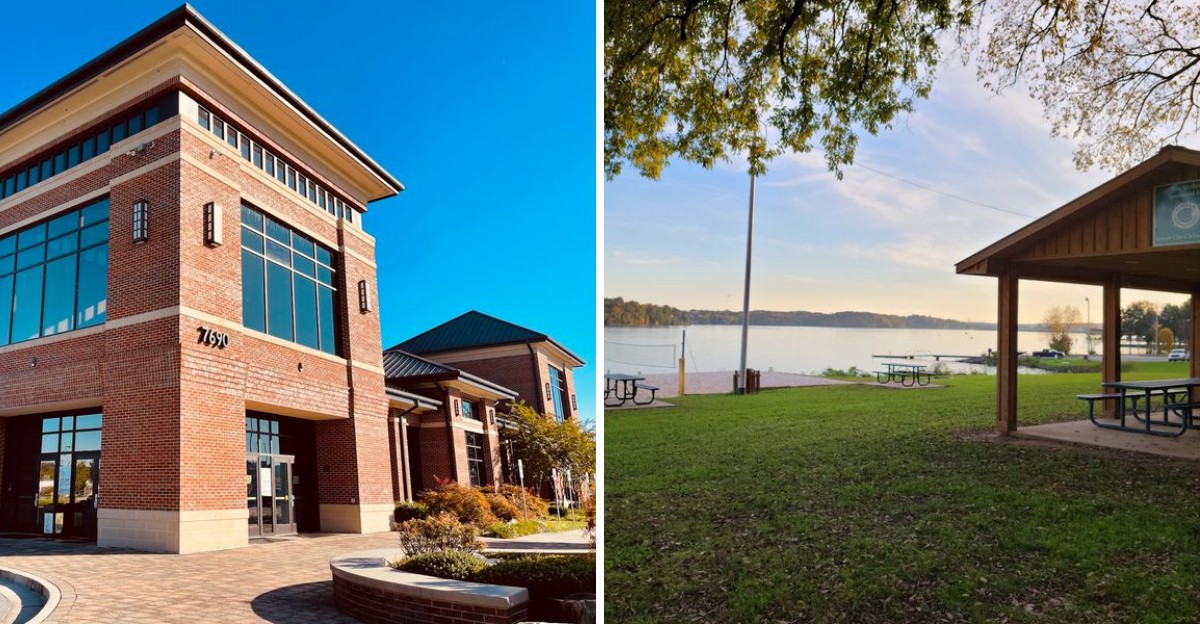
A lake town can make you think the water is the whole story. Here, downtown gives it serious competition.
Historic storefronts, local shops, and casual places to grab a bite make this Tennessee town easy to explore at a slower pace. The streets are compact enough to cover on foot, but there is enough going on to keep the day moving without feeling rushed.
Old buildings give the center real character, and the lake is never far from the picture. That combination works especially well for a weekend when you want a little history, a little shopping, and plenty of time outside.
You can wander for hours without needing a complicated plan. Browse, stop for lunch, keep walking, and let the day unfold naturally.
By the time evening rolls around, it is easy to understand why this Tennessee lake town can hold your attention well beyond a quick stop.
A Downtown Built On Careful Preservation
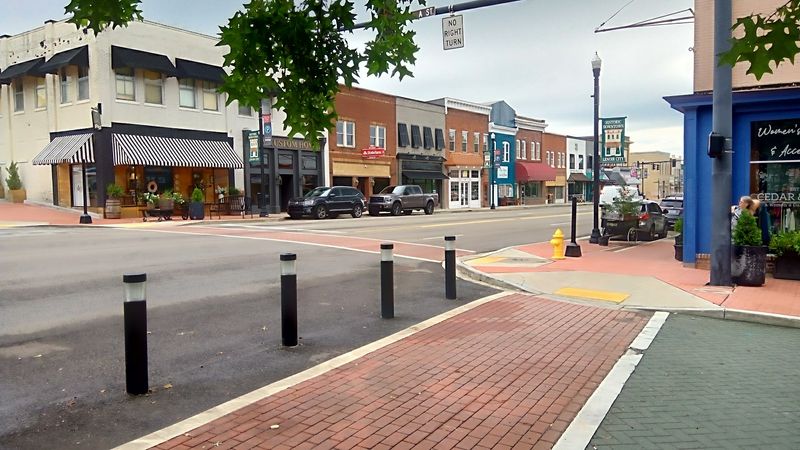
Old brick has a memory, and here it shows. The historic downtown of Lenoir City, Tennessee, carries the look of a place that never let its buildings fall out of fashion.
Facades have been restored rather than replaced. Cornices, transom windows, and tall storefront glass remain where they were built. The result feels genuine instead of staged.
Walking the main thoroughfares is the easiest way to read the town. Each block reveals a slightly different era of construction. Some structures nod to the railroad boom, others to later commercial growth.
Parking is simple, which matters more than travelers expect. You can leave the car once and cover the whole district on foot.
Flat sidewalks make the route friendly for families and for anyone who prefers a gentle pace.
The town sits southwest of Knoxville along the Tennessee River. That position gave it purpose long before tourism arrived.
Trade, rail, and water shaped every corner of the grid you now stroll.
Come in the morning if you want quiet photographs. Come at midday if you want the streets alive with conversation. Either way, the architecture holds its own.
What lingers is the sense of continuity. Buildings still serve people, not just cameras. That small distinction turns a pretty street into a genuinely rewarding one.
Broadway Street And Its Locally Owned Shops
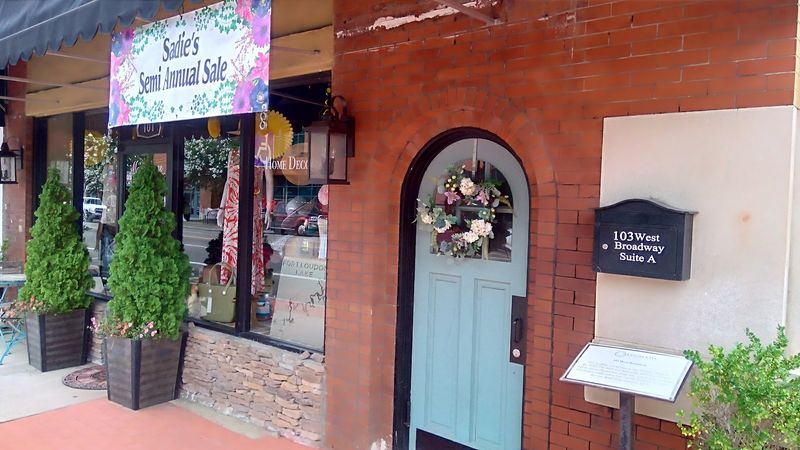
Shopping here is less about buying and more about browsing well. Broadway Street gathers a run of independent stores that reward slow eyes and curious hands.
The Lacy leans toward eclectic home decor. Sadie’s and Honey Blossom Boutique handle clothing with a friendly, small-shop attitude. None of them feel interchangeable.
Wilburn Hardware anchors the practical side of the street. Hardware stores like this one are increasingly rare downtown.
Step inside for the smell of sawdust and the sight of drawers labeled by hand.
Papa Dale’s Trading Post adds a different flavor entirely. So does The Tennessee Homestead Exchange, where the inventory shifts often enough to keep repeat trips interesting.
A useful tip: give yourself at least ninety minutes for this stretch. Owners tend to be behind the counter themselves.
Ask a question and you often get local history along with the answer.
Storefront hours can vary by season and by day. Weekday afternoons and Saturday mornings are generally the safest bets.
A quick check before you set out saves backtracking.
What makes the district work is variety without clutter. Decor, apparel, tools, and oddities sit within a few doors of one another. That mix keeps the walk lively from one end to the other.
The Lenoir City Museum On Depot Street

Some museums live in modern boxes. This one lives in a Victorian cottage built in 1890, and the building competes with the exhibits for attention.
You will find the Lenoir City Museum at 110 Depot Street, inside the former Lenoir City Company building. The Eastlake styling is distinctive, all crisp angles and ornamental detail.
Step inside and look up before you look around. Decorative oak wainscoting lines the walls.
Crown molding frames rooms that have kept their original proportions.
The structure joined the National Register of Historic Places in 1982. That listing recognizes both its architecture and its role in the town’s commercial story.
Exhibits trace settlement in the 1800s through the Civil War years. Displays continue into the industrial and commercial expansion that followed.
The narrative stays clear and easy to follow.
Particular attention goes to the Lenoir Car Works, once a leading local industry. Railcar manufacturing shaped employment and identity here for decades. Understanding it explains much of the downtown you just walked.
Plan roughly forty-five minutes to an hour. Longer if you enjoy reading every placard, which is easy to do.
Confirm operating hours ahead of your trip, since small museums often keep limited schedules. Timing your stop early leaves the rest of the day open.
Roots That Reach Back To Lenoir’s Station
Incorporation came in 1907, but the story starts much earlier. Major William B. Lenoir settled this stretch of East Tennessee in the early 1800s, and his name stuck.
The settlement was first called Lenoir’s Station. That original name still turns up in historical records and markers around town.
Railroad service arrived in 1855 and changed everything. Goods moved faster, people followed, and the small station grew into a working community.
Long before any of that, Native Americans lived across this river landscape for thousands of years. Their presence predates every building you will see today.
The Lenoir Cotton Mill ranks among the earliest mills in the South. Its operation helped establish the local economy well before the railroad boom.
History enthusiasts should look for the self-guided walking tour. It begins at the Lenoir Family Cemetery and threads past significant landmarks.
Stops include the city’s oldest church and the original Lenoir family home. Walking the route puts the timeline in physical order, which helps enormously.
Wear comfortable shoes and bring water in warmer months. The tour covers real ground, not just a block or two.
Pairing the walk with the museum makes for a satisfying half day. One provides artifacts, the other provides context. Together they explain why Lenoir City looks the way it does.
Fort Loudoun Lake And The Lake Capital Nickname
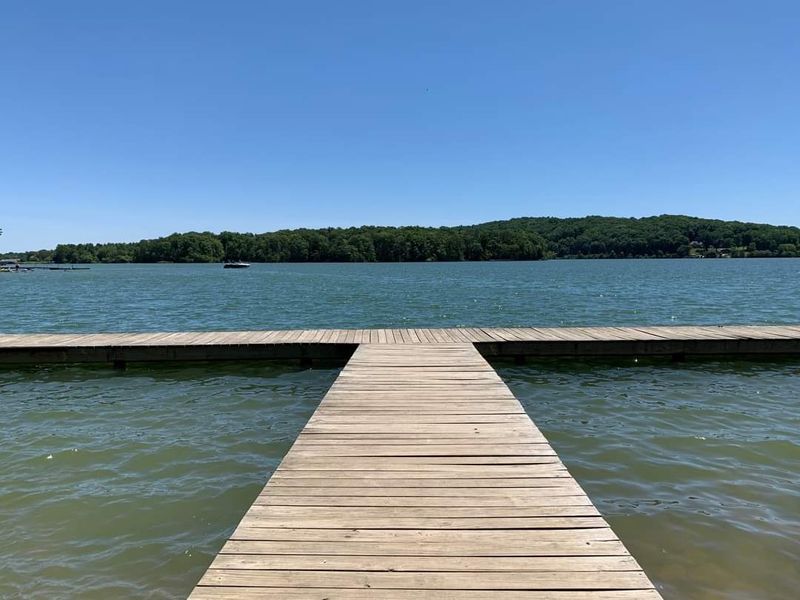
Three lakes surround one small downtown. That arithmetic earned the town its nickname, The Lake Capital of the South, and it is not an exaggeration.
Fort Loudoun Lake sits at the center of the recreation scene. The reservoir spans 14,600 acres of water within the Tennessee Valley Authority system.
Shoreline stretches for roughly 360 miles. That much edge means coves, quiet inlets, and open water all within easy reach.
Boating draws the biggest crowds during warm months. Fishing, water skiing, and swimming fill out the rest of the calendar.
Fort Loudoun Dam stands nearby on Highway 321. Seeing the structure gives useful scale to the water you have been admiring from shore.
Watts Bar Lake begins just below that dam. At 39,000 acres, it is considerably larger and known for excellent fishing.
Scenic views along Watts Bar reward a slow drive. Ridges rise beyond the water and the light shifts constantly through the afternoon.
A practical note: launch ramps and marinas fill quickly on summer weekends. Arriving early makes the day smoother.
Even without a boat, the lakes matter. They cool the air, frame the horizon, and explain why so many people settled here. Downtown and waterfront sit close enough to combine in a single outing.
Coffee Stops, Sweets, And Barbecue Nearby
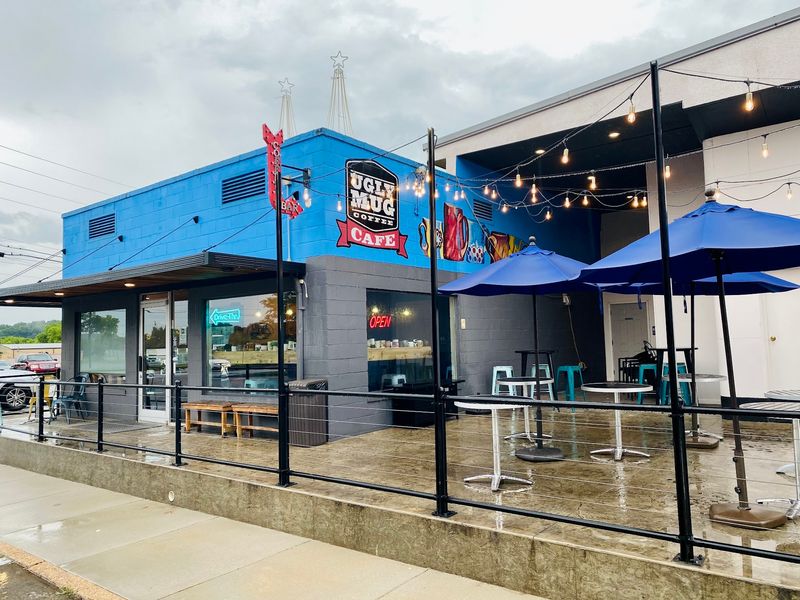
A few hours on foot are easier to enjoy when coffee, antiques, and ice cream are all waiting along the same stretch of town.
Ramblin’ Joe’s Coffee at 108 B St makes a convenient first stop near Broadway. Coffee, bagels, pastries, and breakfast sandwiches give the morning an easy start before the shops open up around downtown.
Broadway itself is built for browsing. Historic Downtown Lenoir City covers seven walkable blocks filled with locally owned shops, antiques, art, boutiques, sweets, and restored storefronts.
Free street parking and nearby public lots make it possible to leave the car behind for much of the afternoon.
Kyle’s Creamery adds a sweet break at 507 E Broadway St. Hand-scooped ice cream, fresh waffle cones, sundaes, shakes, malts, and floats bring an old-fashioned ice cream parlor feel to the street.
Barbecue belongs on a separate part of the day. Loudon County’s BBQ Trail reaches beyond downtown to restaurants around Lenoir City, Loudon, and Philadelphia, with Calhoun’s representing Lenoir City.
The real strength here is how much fits into those downtown blocks. Coffee, shopping, antiques, and dessert can easily fill several hours without repeatedly returning to the car.
Nights On Broadway And Other Local Gatherings

A downtown proves itself when the whole town shows up. Nights on Broadway does exactly that on a recurring schedule.
Local crafters set up tables along the street. Food vendors handle the rest, and live music keeps the atmosphere moving.
The event turns ordinary sidewalks into a gathering space. Families, neighbors, and travelers mix without much ceremony.
Seasonal happenings fill out the rest of the year. An annual car show brings polished chrome to the historic blocks.
Holiday parades follow later in the calendar. They use the same streets, which makes the district feel like a permanent stage.
Downtown carries a Social District designation. The practical effect is a relaxed, welcoming atmosphere during organized events.
Lenoir City Park offers a quieter counterpoint any day of the week. Playgrounds and a splashpad make it a reliable stop with children.
Checking the town’s event calendar before you travel pays off. Landing on a festival day transforms the entire experience.
If crowds are not your preference, aim for a regular weekday instead. The same streets feel entirely different when they are calm.
Either version works. That flexibility is part of what makes this corner of Tennessee easy to enjoy on your own terms, whether you want music or simple quiet.
Planning A Full Day Without Rushing
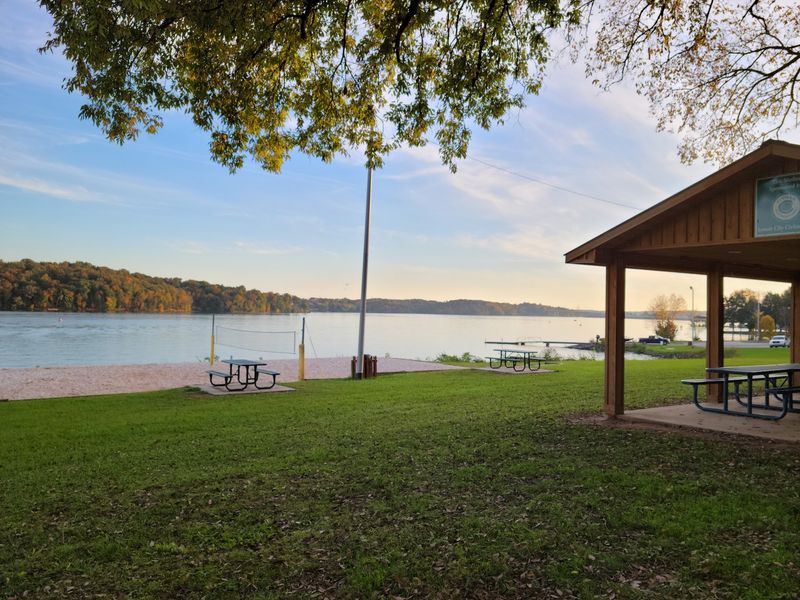
Here is the honest appeal: the whole town fits comfortably into one unhurried day. Nothing demands a tight schedule.
Start at the museum on Depot Street while your attention is fresh. History lands better before the walking wears you down. Move to Broadway next for shops and coffee. The transition takes only minutes on foot.
Save the lakes for late afternoon. Light on the water improves as the day stretches toward evening.
Loudon County holds most of the city, with a small portion reaching into Roane County. Knoxville sits just northeast, making this an easy day trip from the city.
Drivers will find the town straightforward to reach and simpler still to navigate. Signage is clear and distances are short.
Pack layers if you are coming in spring or fall. Temperatures near the water can shift quickly.
A camera earns its place in the bag. Between Victorian woodwork and open shoreline, the visual range is wider than the town’s size suggests.
What stays with people is the balance. Preserved architecture on one side, 14,600 acres of lake on the other, and a walkable center connecting both.
Lenoir City rewards patience rather than speed. Give it a full day and it will hold your interest right through to sunset.