
Families Climb Aboard This Restored Tennessee Train For An Hour Through A Mountain Tunnel
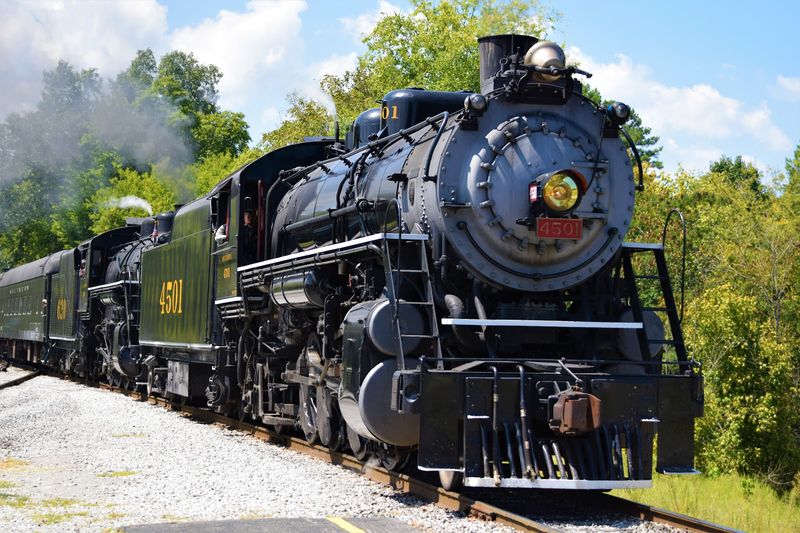
Some Tennessee attractions announce themselves with billboards for twenty miles. Others sit in a grassy field off a suburban road, looking like nothing much until a vintage locomotive rolls into view and a whistle cuts through the morning.
That is the surprise waiting on this particular stretch of southeast Tennessee track, where an hour-long ride carries families across old bridges and straight through a tunnel that was cut before the Civil War. For under $25 a head, it turns an ordinary Saturday into the kind of thing kids talk about for months.
A Working Railroad Hiding Off Cromwell Road
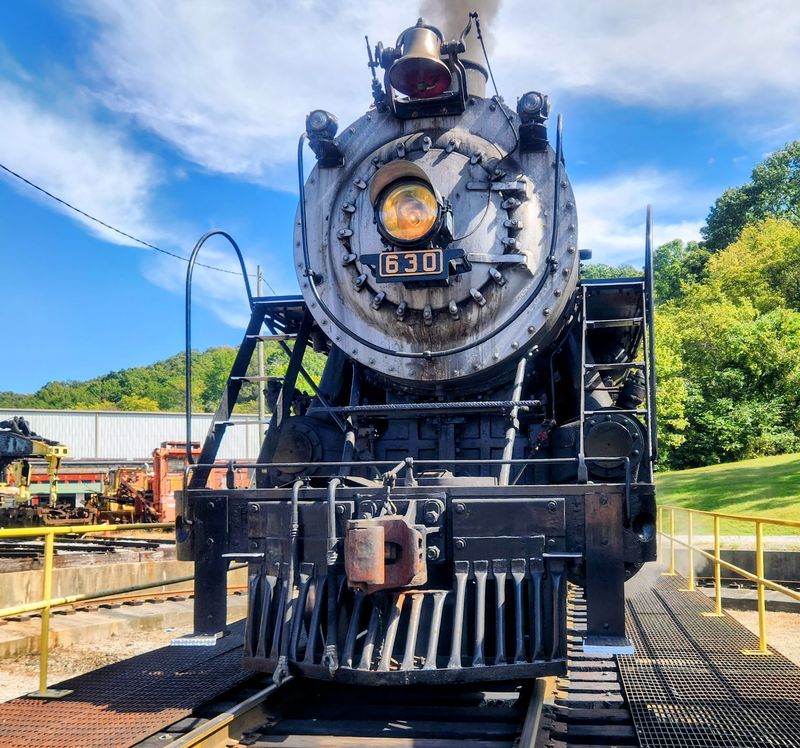
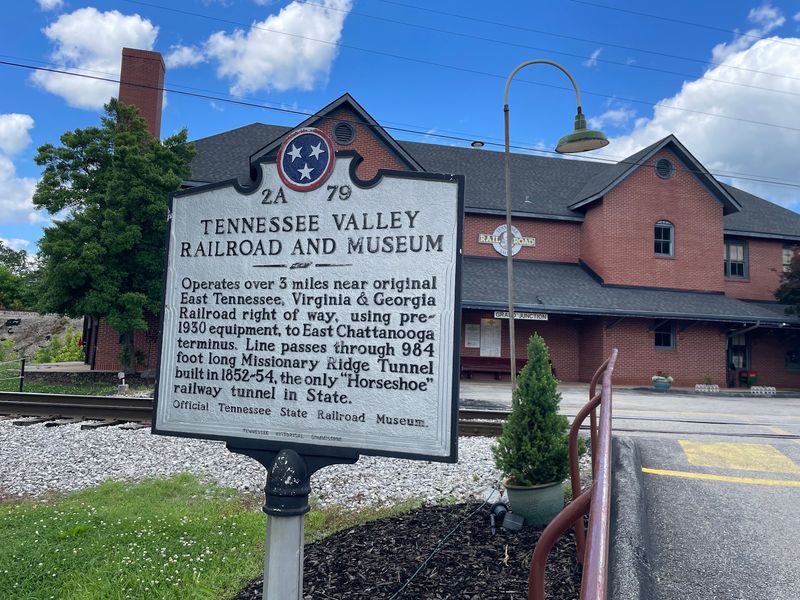
Pull off the highway at 4119 Cromwell Road in Chattanooga and the first reaction is often confusion. There is no towering entrance, no parade of gift shops, just a low depot building and open ground where visitors say they briefly assumed their GPS had failed them.
Then the train appears, and everything makes sense. The Tennessee Valley Railroad Museum keeps real locomotives, real coaches and a real repair shop on this property, and it runs them on original track rather than a loop built for show.
The headline experience here is the Missionary Ridge Local, a roundtrip of roughly 65 minutes that leaves from Grand Junction Depot. Riders spend about half an hour aboard the moving train and the rest of the time off it, watching railroad work happen up close.
Calling it a museum undersells the place. Yes, there are indoor exhibits with interactive displays, but the heart of the operation is mechanical and outdoors, with locomotives and railcars scattered across the yard.
With a 4.8-star average across more than 19,000 reviews, it ranks among the most consistently praised family stops in the Chattanooga area.
Track With Roots In The 1850s
Completed in 1858, the Missionary Ridge Tunnel predates the Civil War, and the train still runs through it today. Riders describe the moment the coach goes dark and cool as the highlight their kids remember first, ahead of every exhibit and every souvenir.
Chattanooga earned its reputation as a rail town because of geography. Mountains and river valleys funneled traffic through a handful of gaps, and this ridge was one of them, which is why crews bothered boring through solid rock in the first place.
The museum grew out of a desire to keep that story physically intact rather than framed behind glass. Volunteers and staff restored engines and cars that would otherwise have been scrapped, and the tunnel route gives those machines somewhere meaningful to go.
Narration on board fills in the details as landmarks pass, with a guide pointing out what to watch for on the left or the right before it arrives.
Tunnel mentions turn up often in visitor comments, which tells you something about how a dark 19th-century passage still holds its own against modern entertainment.
Sixty-Five Minutes, Split In Half
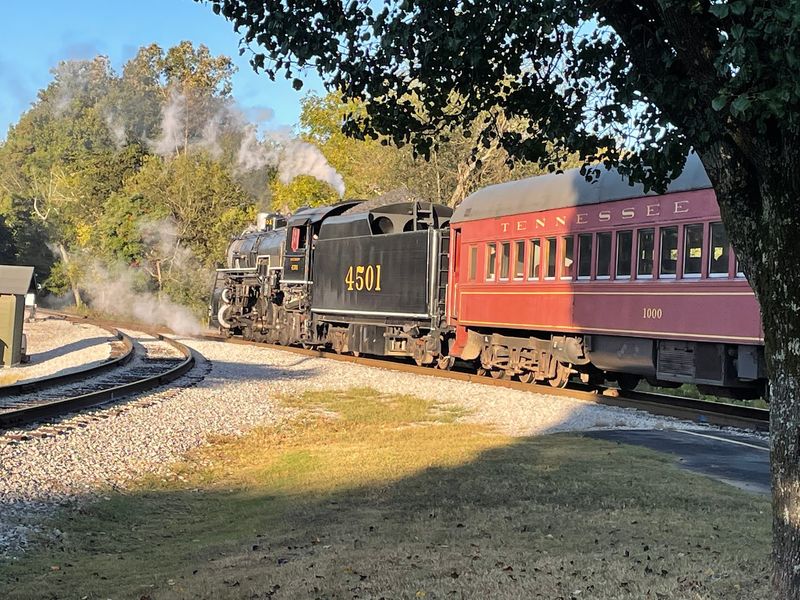
Here is how the hour actually breaks down: roughly 30 minutes of rolling, roughly 35 minutes on the ground at the East Chattanooga depot. That split matters more than it sounds, because it means restless kids are never stuck sitting for long.
The outbound leg crosses historic bridges and slips through the tunnel while the guide talks. Then everyone gets off, stretches, watches machinery in motion, and climbs back aboard for the return trip.
Parents of preschoolers tend to appreciate the pacing. One grandparent who brought a three-year-old noted the little one was not quite ready for the history lesson but had a great time anyway, which is roughly the honest math for that age group.
Older kids and adults often use the hour as a sampler. Several visitors mention returning later for longer excursions after the short ride hooked them.
Coaches are climate controlled, and riders in summer specifically praised the air conditioning holding steady on hot afternoons. Cars are described as clean, quiet and easy to move through, with wide aisles for families juggling bags and small hands.
The Turntable Show At East Chattanooga
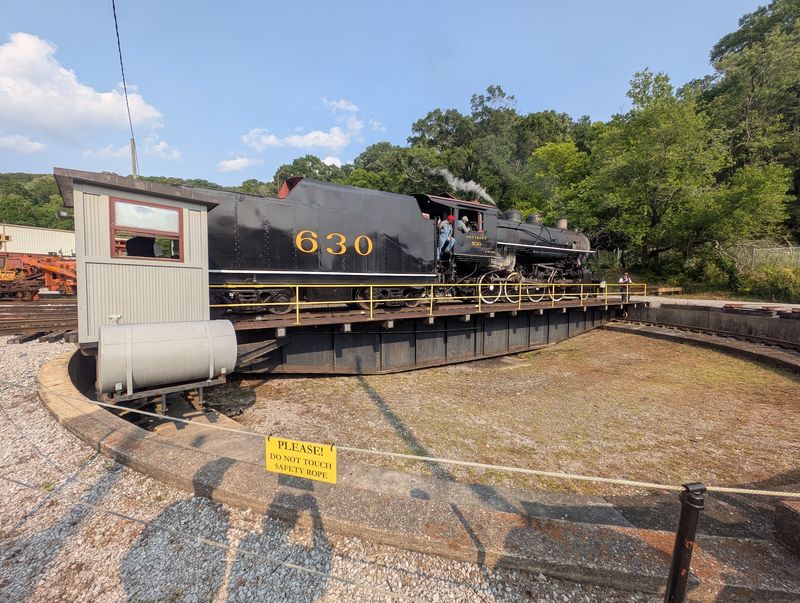
Watching a locomotive spin in a circle should not be as satisfying as it is. Crews uncouple the engine, drive it onto a working turntable, and rotate the whole thing so it faces the other direction for the trip home.
Kids press against the fence for this. Adults, somewhat sheepishly, do the same.
The turntable demonstration gets named repeatedly in visitor comments, with well over a hundred specific mentions, and families frequently rank it as the surprise favorite of the outing. It is genuine working equipment doing a genuine job, not a staged performance.
Staff explain the mechanics while it happens, including why turntables existed and how railroads managed engines before modern loops and wyes. The explanation lands even with people who arrived knowing nothing about trains.
Photo opportunities during this stop are strong. The engine sits low and close, the surrounding yard is full of equipment, and there is time to walk around without feeling rushed.
Do bring a hat on sunny days, since the turntable area is largely open ground with limited shade during the stop.
Inside The Restoration Shop
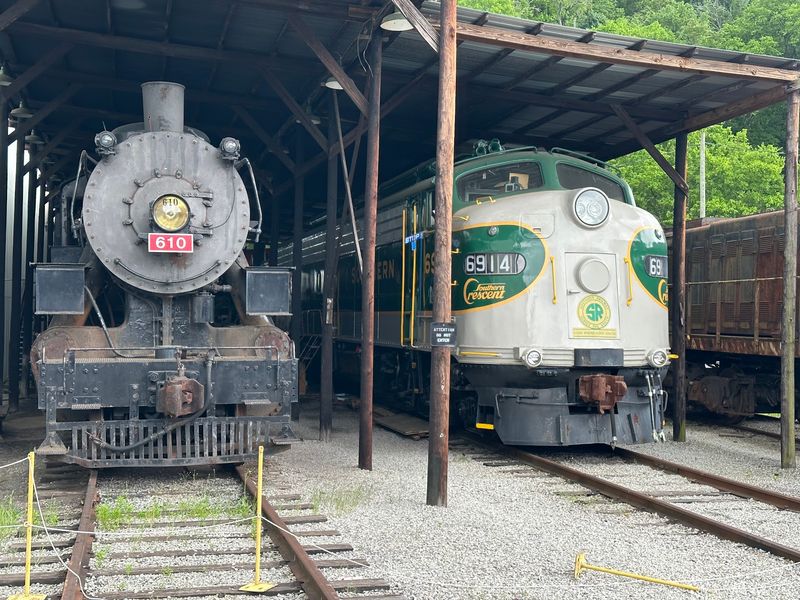
Grease, steel and the smell of old machine oil greet you at the restoration shop, where the museum brings vintage locomotives back to running condition. The tour is included with the Missionary Ridge Local, tucked into that 35-minute stop.
Visitors consistently describe it as more interesting than expected. Seeing engine components laid open explains scale in a way no placard manages, and staff answer questions freely, including the off-topic ones kids inevitably ask.
Preservation work is the reason this place exists. Restoring a steam locomotive takes years of specialized labor, and the shop is where that patience becomes visible.
For families with a child in a mechanical phase, the tools and lifting equipment alone justify the ticket. For adults, there is something quietly impressive about a trade that never fully disappeared.
Footing inside is industrial, so closed-toe shoes make sense and strollers can be awkward in tight spots. Some historic buildings and railcars have age-related limitations, though the museum is broadly wheelchair accessible and one visitor specifically noted their mother navigated the site and boarded easily.
Guides keep the group moving without rushing anyone along.
Diesel Most Days, Steam On Announced Runs
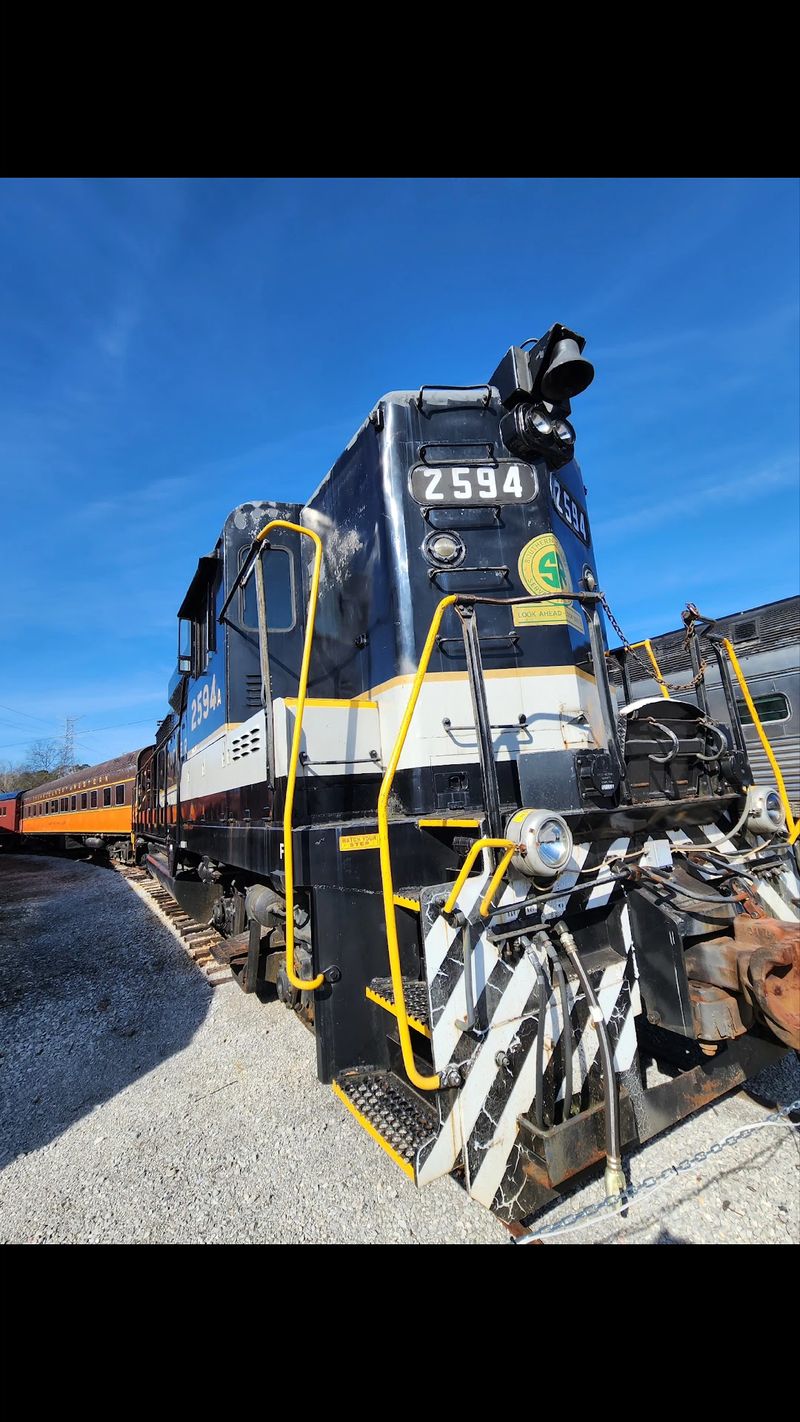
Ask about steam and the answer requires a small asterisk. The Missionary Ridge Local normally runs behind a diesel locomotive, with steam power reserved for specifically advertised departures.
Steam engines also step back for winter preventive maintenance, typically from November through the first of March, though regular rides continue during those months. Anyone driving in specifically hoping for a smokestack and whistle should confirm before loading the car.
Plenty of riders report having a fine time behind diesel anyway. One family whose steam engine was swapped out for a diesel said the substitution did not dent their day at all.
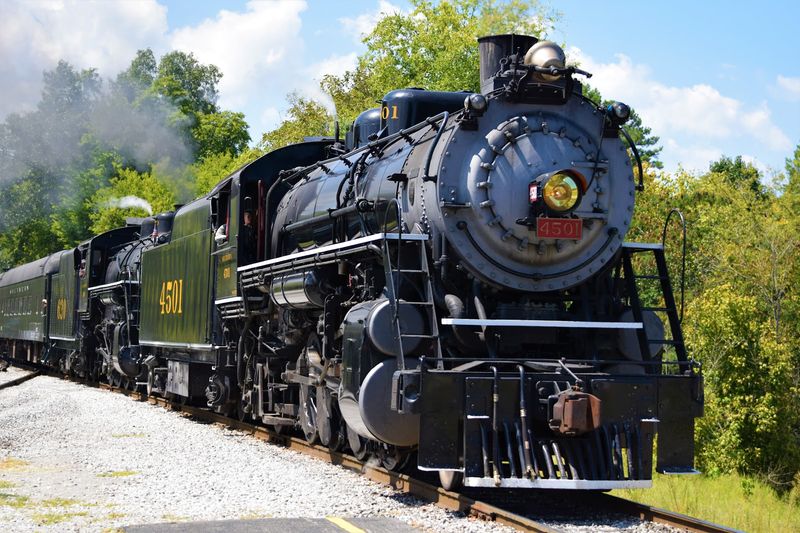
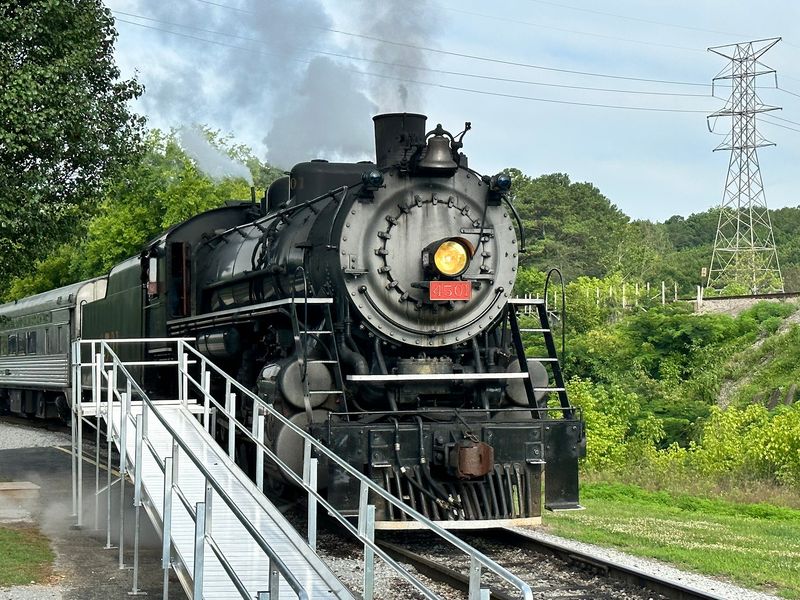
Steam does turn up in the museum’s bigger excursions, and the 4501 locomotive has pulled longer seasonal trips that riders describe as feeling genuinely transported to the 1920s or 30s.
The distinction matters mainly for expectation setting. If a child has memorized every steam engine in a picture book, a diesel-hauled trip might need a quick heads-up in the car.
Either way, the tunnel, the bridges and the turntable are unchanged regardless of what is up front pulling.
Conductors Who Make The Ride
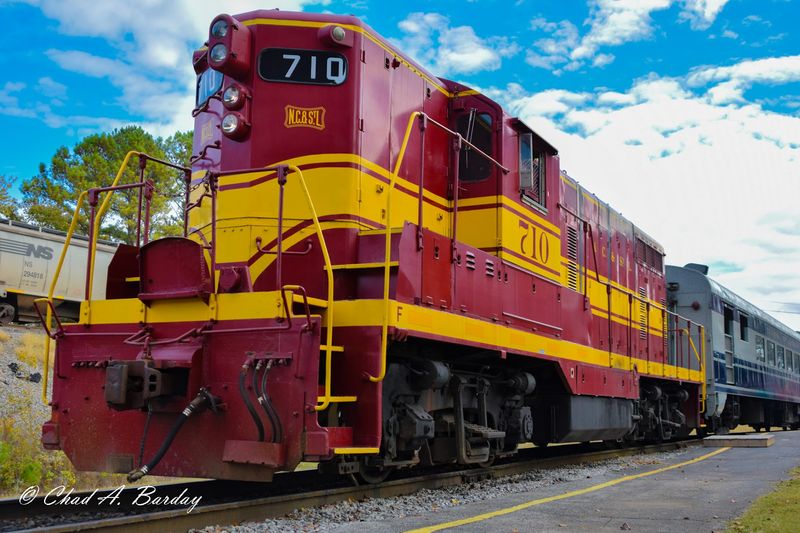
Friendly staff draws more comments than the train itself, with over three thousand mentions in visitor feedback. That is an unusual thing to see at any attraction, and it shapes the whole experience.
Narrators handle the running commentary with humor mixed into the history, cueing riders to look left or right seconds before something appears. Conductors and engineers stop to chat, explain equipment and field questions with obvious enthusiasm.
Grace notes show up in the small stories. A ticket agent held a train for an out-of-town family whose phone lost signal on the way in.
A parking attendant once arranged a golf cart ride for latecomers arriving two minutes before departure.
Banjo playing gets mentioned by the dozens too, adding a little Appalachian soundtrack to certain runs.
People who work here tend to be genuinely invested in railroads, and that shows in how willingly they share what they know. Grandparents with railroad family history often describe the visit as emotional in a good way, seeing engines from an era a relative once worked in.
Kindness, it turns out, is a legitimate attraction feature.
Exhibits, Snacks And The Rail Yard Wander
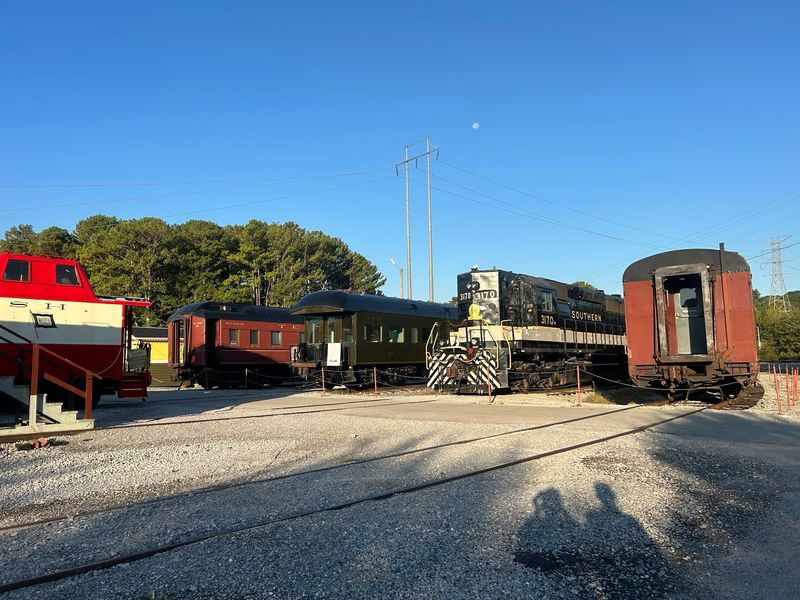
The train is not the whole day. Grand Junction Depot holds a gift shop, a deli counter for snacks and drinks, and a compact museum with interactive exhibits that visitors describe as small but well laid out.
Budget an extra 30 to 45 minutes after the ride for that indoor portion. It is a useful cushion on hot afternoons or drizzly ones, since it keeps the outing going without anyone standing in weather.
Outside, the yard is loaded with parked locomotives and railcars, and photographers get plenty of angles. Riders often mention walking the length of the train before departure to peek at dome cars, sleeping compartments and lounge spaces.
Dome car mentions cluster around a hundred, which suggests those upper-level windows leave an impression.
The gift shop stocks the expected T-shirts and toys, and families report grabbing a couple of shirts plus something small for the kids without a painful total.
Restrooms at the depot are described as clean and well organized. Onboard facilities vary by train type, so plan a stop before boarding with young children.
Who Gets The Most Out Of It
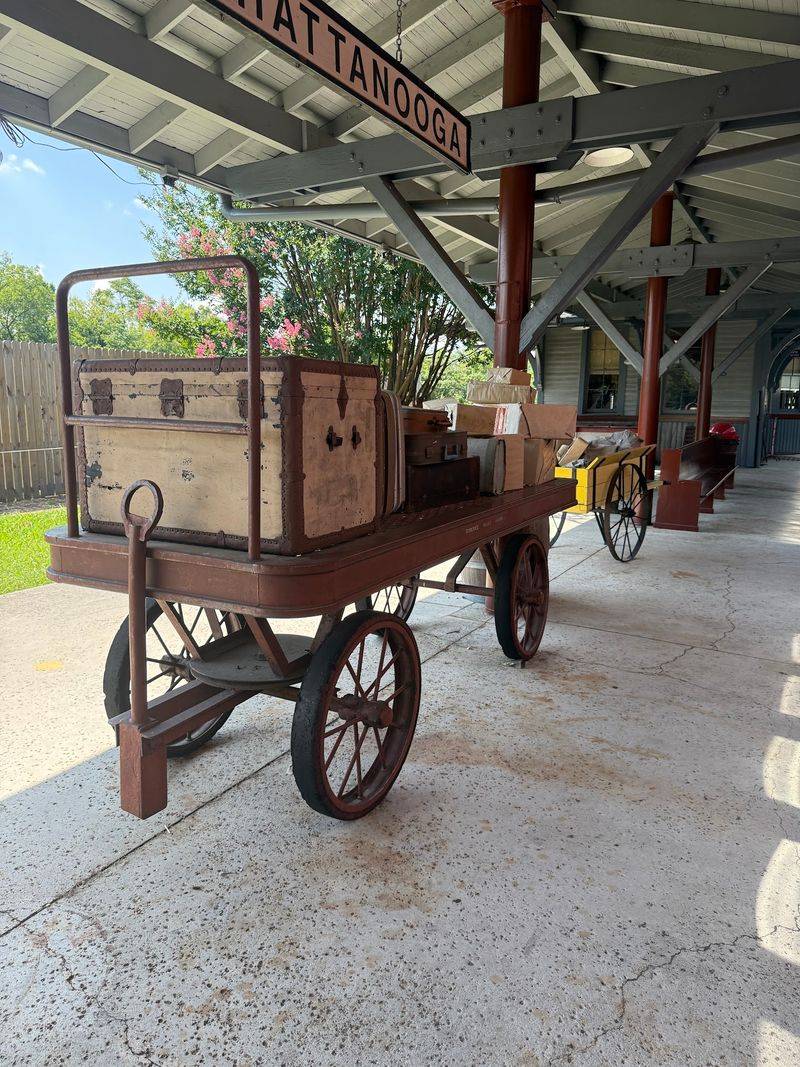
Toddlers through roughly age ten hit the sweet spot. The ride is short enough to hold attention, the tunnel provides a jolt of drama, and the turntable gives everyone something concrete to watch.
Grandparents do especially well here. Multi-generational groups show up constantly, and the mix of sitting, walking and watching suits varied energy levels without anyone feeling dragged along.
Train-obsessed kids are the obvious audience, and one family used the trip as part of a fifth birthday celebration for a child devoted to Thomas. Worth knowing: the ride is a real historic railroad, not a character-themed attraction, so set expectations accordingly.
History-minded adults get their money’s worth from the narration and shop tour alone. Couples occasionally use it as a low-key date outing, then graduate to the museum’s longer excursions later.
Anyone hoping for dramatic mountain vistas should note that the Missionary Ridge route is more industrial and wooded than panoramic. The scenery is pleasant rather than sweeping, and some riders wish for more of it.
If big views are the goal, the museum’s longer trips lean harder in that direction.
Tickets, Hours And The Drive From Home
Numbers first, since that is what decides most Saturdays. Missionary Ridge Local tickets generally run $24 for adults 13 and up and $15 for children ages 2 to 12, with family ticket deals sometimes available.
Parking is free.
A family of four lands near $78, and a couple with two young kids can do the whole thing for under $80 including a snack. Pricing can shift seasonally, so verify before you commit.
Departures typically run between 9:30 AM and 3:30 PM on Fridays, Saturdays and Sundays, year-round. The Cromwell Road campus opens at 9:30 AM daily, closing at 5 PM most days and 8 PM on Fridays and Saturdays.
Drive times: about two to two and a half hours from Nashville via I-24 East, roughly one hour forty-five to two hours from Knoxville on I-75 South, and five to six hours from Memphis.
Book ahead. Several riders mention trains selling out, particularly on holidays and during fall color season.
Allow ten minutes for the roughly three-minute walk from parking to the depot, plus boarding time.
Why This One Earns The Gas Money
Sixty-five minutes does not sound like much of a day out. Somehow it stretches, though, once you factor in the shop tour, the yard walk, the exhibits and the inevitable gift shop negotiation with a five-year-old.
Value sits in the details. Free parking, an adult ticket under $25, snacks on site and staff who seem happy you came all add up differently than a theme park afternoon.
Fall is arguably the best window. Riders who return in autumn specifically mention the color change along the tracks, and cooler air makes the outdoor turntable stop far more comfortable.
Set the right expectation and nobody leaves disappointed. Come for working machinery, a pre-Civil War tunnel and people who genuinely love railroads, not for sweeping mountain overlooks.
Pair it with a casual Chattanooga lunch nearby and the whole Saturday still costs less than a night out for a family of four in Nashville.
Check the schedule before you drive, since steam runs are limited and weekend departures can fill. Then let the kids pick a window seat and see who spots the tunnel first.