
This Tennessee State Park Was Built On An Abandoned Strip Mine And You’d Never Guess It Today
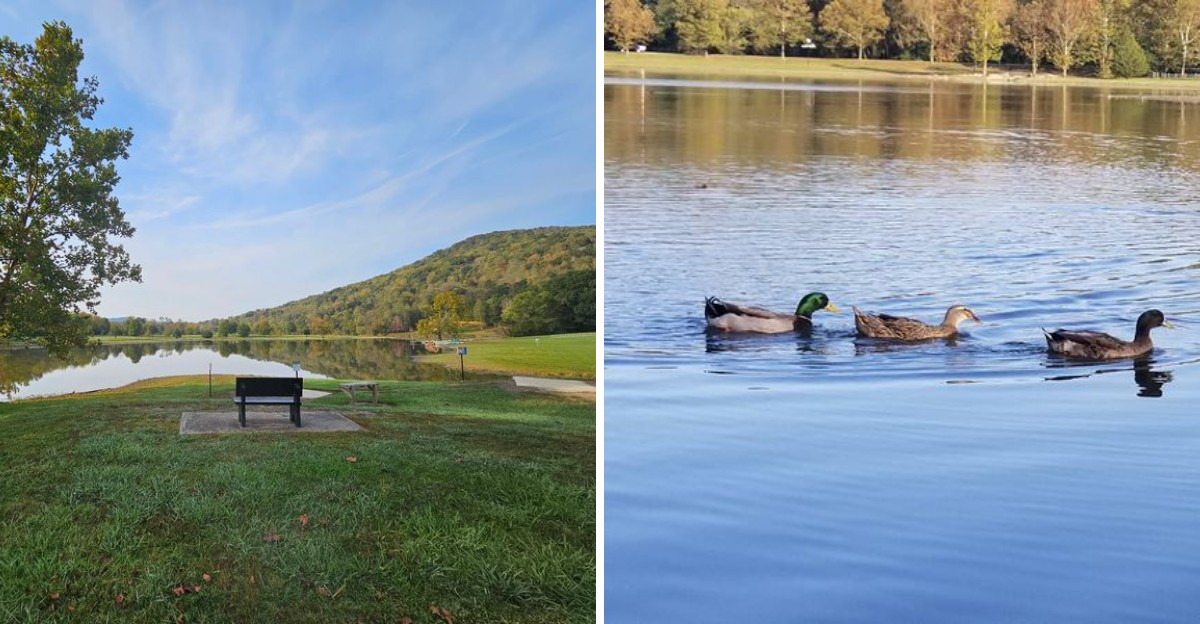
Some places make you stop and wonder how the landscape could have changed so completely.
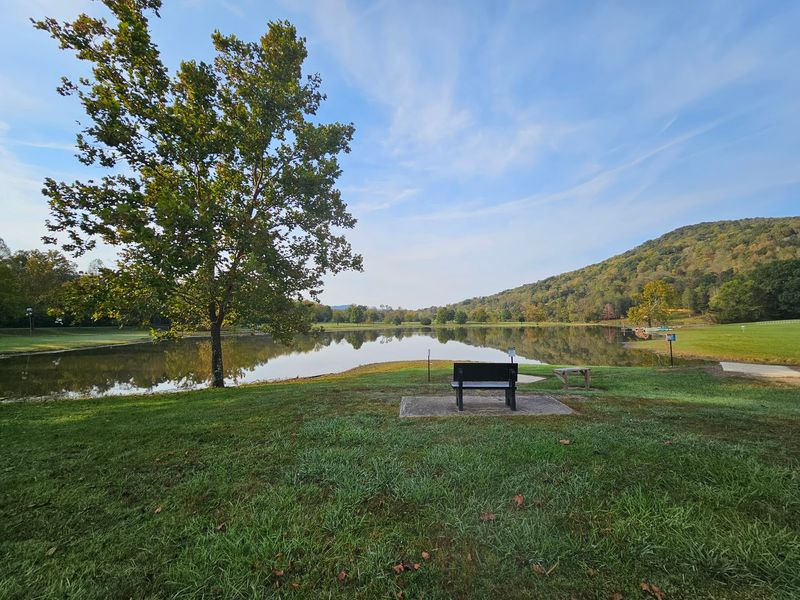
Today, this Tennessee state park feels calm, green, and made for slow afternoons outdoors. Trails wind past water, trees cover the surrounding hills, and quiet corners make it easy to forget the land once looked very different.
Decades ago, this area was shaped by strip mining, leaving behind a landscape that hardly resembled the park visitors see now.
That past makes the scenery even more interesting. What was once heavily disturbed land has become a place for fishing, picnics, walking, wildlife watching, and time beside the lake.
The contrast is remarkable without feeling forced.
Tennessee has many beautiful parks, but few carry a transformation story quite like this one. Knowing what stood here before makes every peaceful view feel a little more surprising.
Coal Country Roots Beneath Your Feet
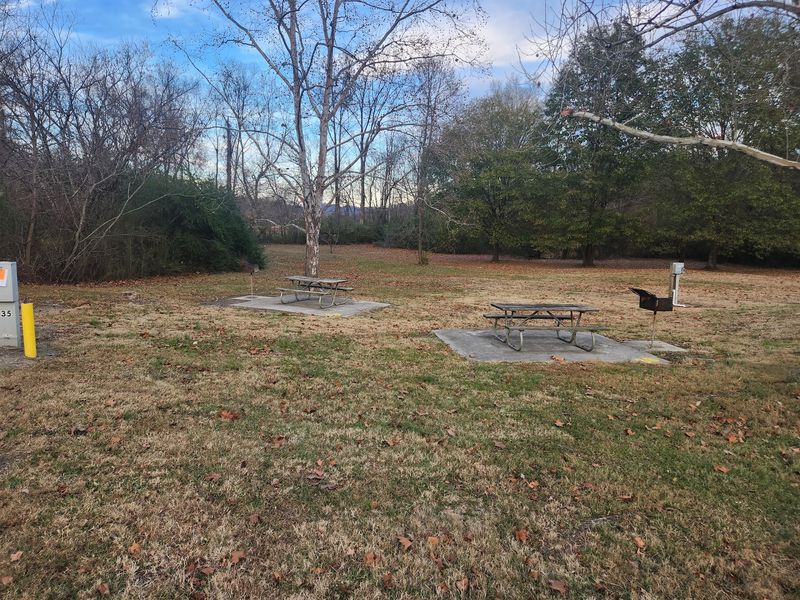
Long before picnic tables and paddleboats, this ground belonged to the coal business. Surface mining was the standard method here through the 1940s and 1950s.
The Saxton Coal Company ran a sizable operation on this exact site.
Campbell County, Tennessee, was no small player in that industry either. Between 1912 and 1924, it led the entire state in coal production.
Numbers like that tell you how central mining was to daily life in this corner of the mountains.
Surface mining, often called strip mining, works by removing soil and rock to reach the coal seam underneath. The method is fast and effective, but it reshapes the land in dramatic ways.
Deep pits, bare slopes, and broken ground were what remained once the work stopped.
Here is a detail that still surprises people. Loose chunks of coal can be spotted on the ground in certain spots around the park, especially near Airplane Pond.
Those small black pieces are physical reminders of what came before.
Knowing this history changes how you look at the scenery. Every stand of trees and every quiet shoreline sits on top of something industrial.
The contrast between then and now is the whole point, and it makes a simple stroll feel a lot more meaningful.
How A Small Town Turned Wasteland Into A Park
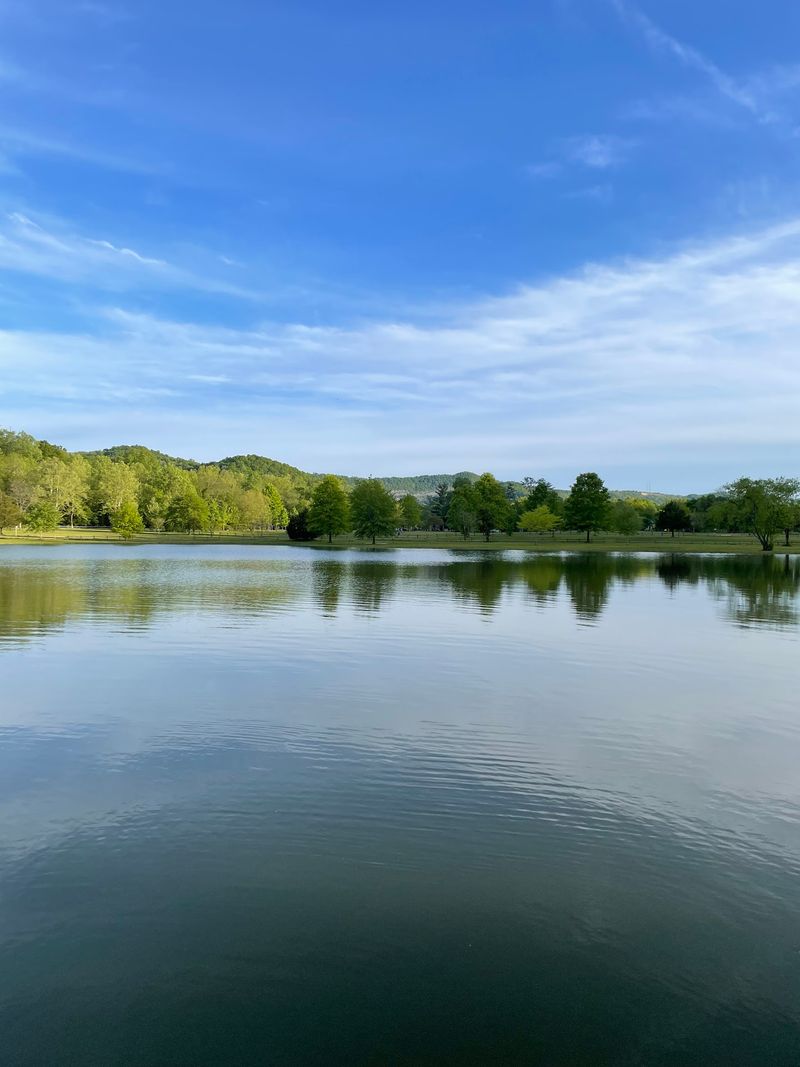
Abandoned land usually stays abandoned. The coal ran out, the equipment left, and what remained was an empty, torn-up property with no obvious future.
Jellico decided that was not good enough.
In the late 1960s, the city moved to acquire the site using a federal open space grant. That single decision set everything else in motion.
Instead of leaving the pits to sit idle, planners imagined trails, water, and places for families to gather.
Reclamation work meant reshaping slopes, moving soil, and planting vegetation that could hold the ground in place. It was slow, unglamorous labor.
The payoff came in 1971, when Indian Mountain officially joined the Tennessee State Parks system.
Think about the timing for a moment. This was well before large-scale mine reclamation became common practice across the country.
Jellico was ahead of the curve, and the town gets credit for having vision when the property looked its worst.
The result covers roughly 213 acres today. Grass grows where machinery once rumbled, and the lakes hold fish rather than runoff.
Few parks anywhere can point to a beginning quite like this one, which is exactly why the place deserves a closer look than a quick drive-through allows.
Lakes That Used To Be Mining Pits
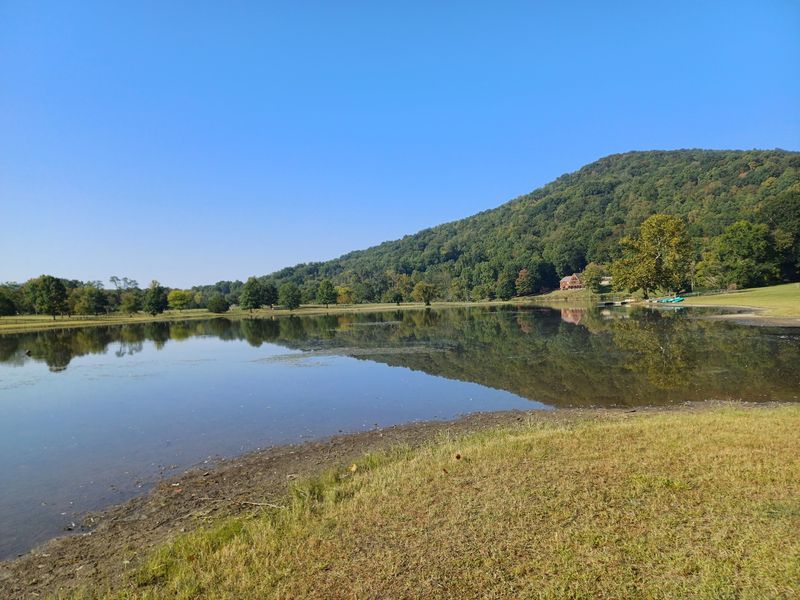
The lakes are the trick that fools everyone. They look like they have always been there, sitting quietly at the base of the mountain.
In truth, they started as excavation pits dug out by mining crews.
Indian Mountain Lake covers about 6 acres and anchors the heart of the park. It sits right below Indian Mountain itself, catching reflections of the ridgeline on still mornings. Nothing about it hints at an industrial origin.
Ballard Lake shares the same backstory. It too began as a strip mine pit before water filled the low ground and plants took hold along the edges.
Now it draws waterfowl and anyone hoping for a peaceful shoreline stroll.
Smaller ponds are scattered through the property as well, including Airplane Pond. Together they give the park a patchwork of water that feels much bigger than the acreage suggests.
Every turn seems to reveal another glint of blue through the trees.
Turning a liability into the main attraction takes real imagination. Those pits could have stayed as hazards and eyesores forever.
Instead they became the reason people show up with fishing rods, cameras, and paddles, which might be the most satisfying plot twist in Tennessee park history.
Paved Loops And Woodland Paths Worth Lacing Up For
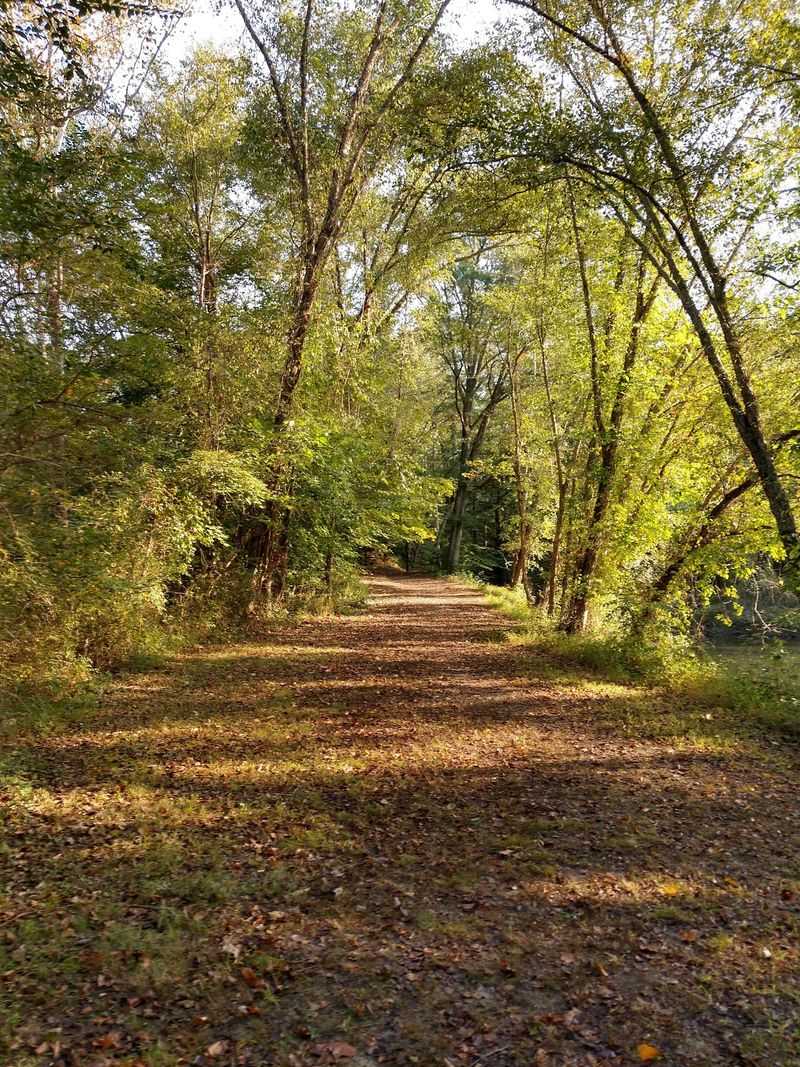
Trail systems in small parks often disappoint. Not here. The paths pack a surprising amount of distance into a compact footprint, which makes them fun to explore more than once.
The Indian Mountain Lake Trail is the headliner. It runs a paved 1-mile loop completely around the main lake.
Smooth pavement makes it friendly for strollers, bikes, and anyone who prefers a firm surface underfoot.
For a different feel, the Ballard Lake Nature Trail offers a natural surface route of about .75 miles. It follows the water’s edge and stays clear and easy to track. Shade, birdsong, and soft ground give it a woodsier character.
Both paths double as history lessons if you pay attention. Rolling contours and unusually shaped basins are leftovers from the mining era, softened by decades of plant growth.
Once you know what to look for, the shapes start making sense.
Winter walking works well too, since the terrain stays gentle and the pavement drains quickly. Bare branches open up better views of the mountain ridges.
Come back in a different season and the same loop feels brand new, which is the mark of a trail designed with real care.
Fishing, Paddling, And Disc Golf All In One Stop
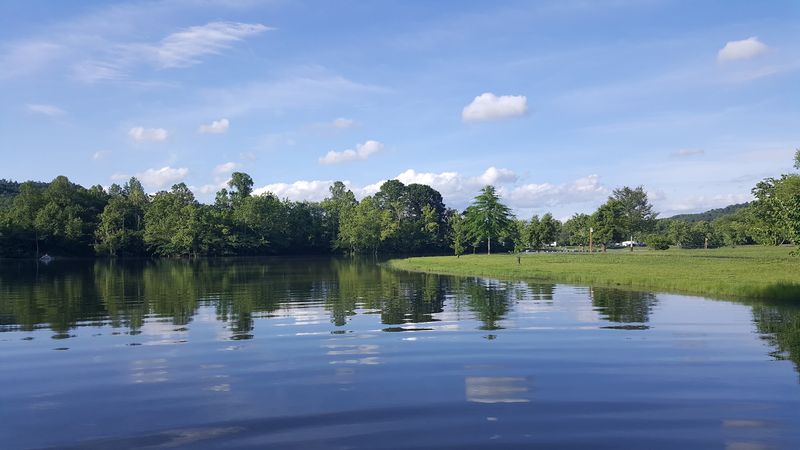
Anglers get spoiled here. The lakes receive regular stockings of catfish, bluegill, largemouth bass, and crappie. That variety means a morning on the bank can go several different directions.
Fair warning from the park staff, though. The fish in these waters have seen plenty of lures over the years and can be picky. Bring patience along with your tackle box.
On the water, rentals cover most preferences. Pedal boats, kayaks, and paddleboards are available on Indian Mountain Lake.
Electric trolling motors are allowed, while gas-powered motorboats are not, which keeps the surface quiet and the paddling pleasant.
Land activities hold their own too. A disc golf course winds through the property, and basketball courts give teenagers something to do while parents relax.
Birding spots reward anyone willing to stand still with binoculars for a while.
Picnic areas and multiple playgrounds round things out. Families can spread out a lunch, let kids burn energy, then wander down to the shoreline afterward.
Having so many options within a 213-acre park means nobody in the group gets bored, and it explains why some folks turn a single afternoon here into a full-day plan without meaning to.
Camping With Cumberland Mountain Views
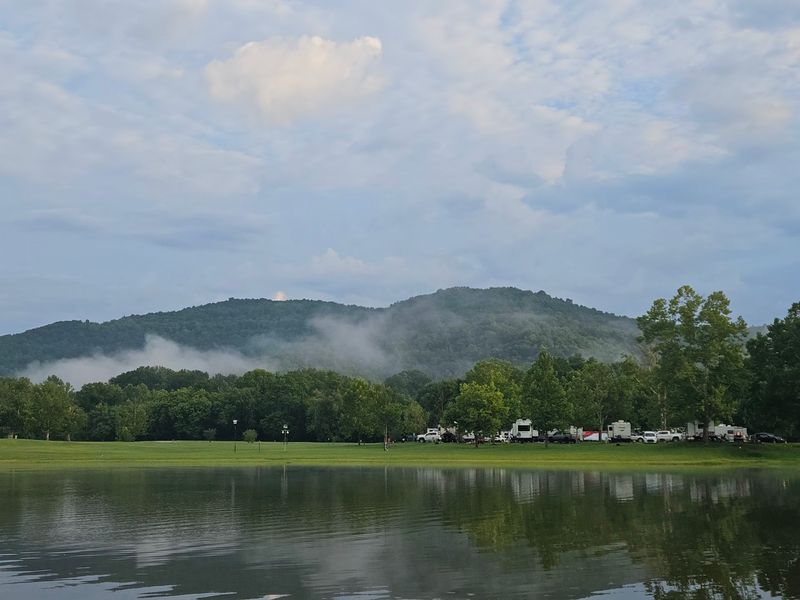
Sleeping over changes the whole experience. Morning mist over the lakes and evening light on the ridges are things day guests simply miss. The campground makes staying easy.
Forty-seven sites accommodate both RVs and tents. Full hookups with water, electric, and sewer are available at certain spots, which takes the guesswork out of longer stays.
Concrete pads and nearby grass give you solid footing plus room to spread out.
Each site comes with a picnic table, a grill, and a fire pit. Modern bathhouses with hot showers sit centrally so nobody hikes far for a rinse.
Cleanliness at the restrooms is consistently well maintained.
Prefer something quieter? The Rabbit Road Campground offers primitive, hike-in sites for tent campers.
Carrying your gear in a short distance buys you real seclusion without leaving the park boundaries.
Dogs are welcome, which matters to plenty of travelers. Rangers are usually around to answer questions about trails, fishing, or where the waterfowl are gathering that week.
Highway access is convenient, so this makes a practical overnight stop on a longer Tennessee route. Just know that many people arrive planning one night and end up wishing they had booked two.
Wildlife That Moved Back In
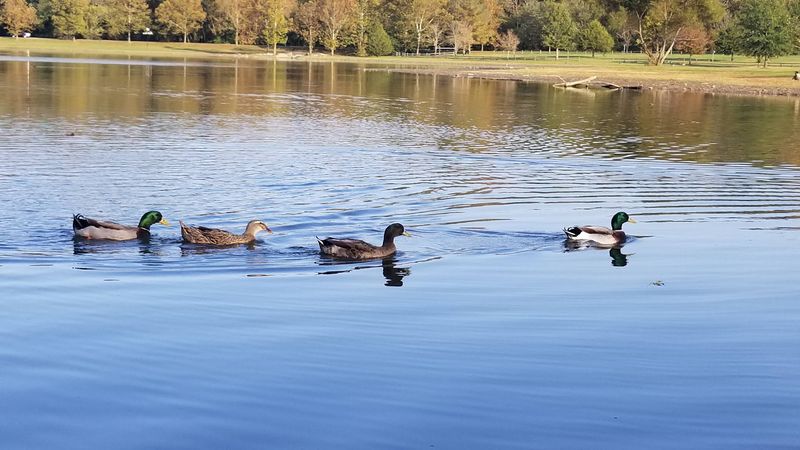
Nature does not need an invitation. Once water filled the old pits and plants took root, animals showed up on their own. Waterfowl now count among the park’s most reliable residents.
Photographers love the shorelines for exactly that reason. Ducks and geese cruise the lakes year-round, and the calm surfaces make for clean reflections.
Early morning light is especially generous around the main lake.
Birding spots throughout the property attract songbirds, herons, and seasonal migrants. Since the park sits in a valley of the Cumberland Mountains, it acts as a natural rest stop for traveling species.
Patient watchers usually get rewarded.
What makes this remarkable is the starting point. Stripped land offers almost nothing to wildlife, yet within a few decades the habitat rebuilt itself into something functional and full.
That recovery is the real headline.
Frogs, turtles, and fish fill out the picture below the waterline. Trees along the trails provide cover and nesting room. Each layer supports the next, the way a healthy system should.
Bring binoculars and take your time. Standing quietly beside Ballard Lake for twenty minutes reveals more activity than most people expect, and it drives home just how thoroughly nature reclaimed this ground.
Here Is What To Know Before Spending The Day In Jellico
Getting here is refreshingly simple. Indian Mountain State Park sits in Campbell County, close to the Kentucky border and near a major highway.
That makes it an easy detour rather than an expedition.
The address is 143 Indian Mt State Park Cir, Jellico, TN 37762. Park hours run 7 AM to 6 PM every day of the week.
Timing matters a little. Spring and fall bring comfortable temperatures for the paved loop and the nature trail.
Summer favors paddling and shoreline fishing, while snowy stretches turn the whole valley into something quietly beautiful.
Pack a lunch if you can. Picnic areas are plentiful, and eating beside the water beats eating in the car every time.
Comfortable shoes handle both the pavement and the softer Ballard Lake path.
Camping reservations are worth arranging in advance during busy months. Rangers on site can point you toward the disc golf course, rental boats, or the best angle for photographing Indian Mountain.
Whatever you do, take a moment to remember what this land looked like decades ago. Standing on a reclaimed strip mine that now feels like a proper Tennessee retreat is a genuinely rare thing.