
A Simple Hike Becomes A Ghost-Hunter’s Dream On This Eerie Georgia Forest Trail
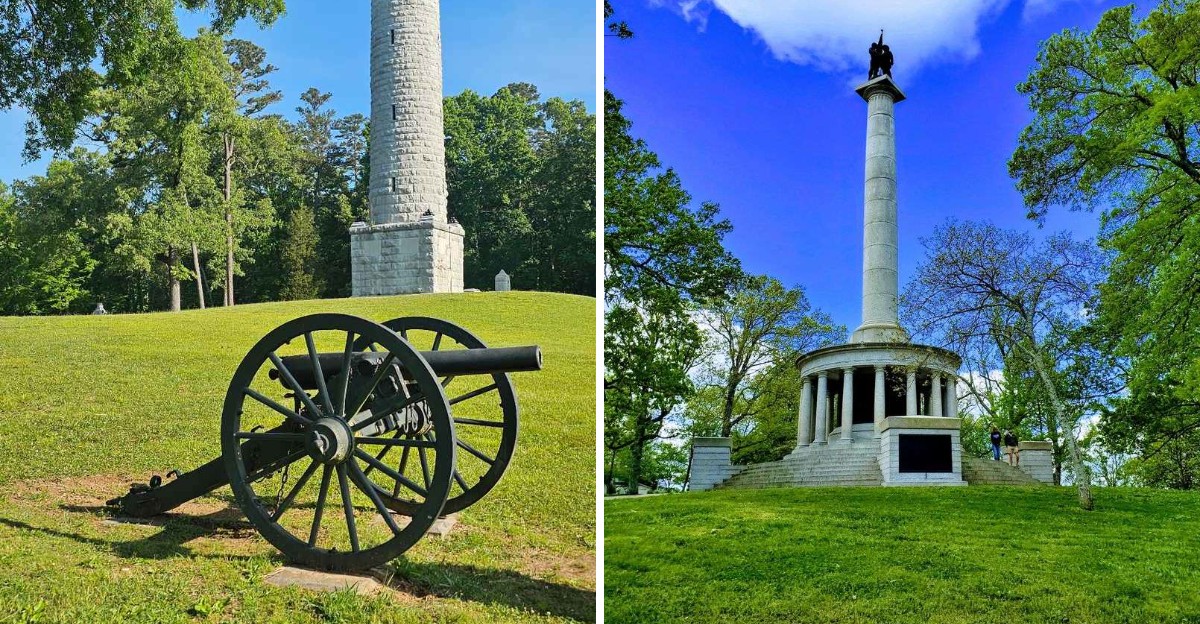
A quiet forest trail can turn creepy fast once the sun starts dropping. Georgia holds a Civil War battlefield that hikers swear feels haunted.
Real history carved every path through these woods, and ghost stories grew straight out of it. Locals swap tales about strange sounds and stranger sights.
One legend involves a soldier’s restless spirit still wandering the trees. Another involves a woman in white searching fields that never answer back.
Cannons, stone monuments, and quiet creek water all carry a heavy weight. Something about standing where soldiers once stood changes how the silence feels.
Georgia keeps this trail wrapped in mystery, and paranormal fans keep showing up with cameras. Curious what still lingers between those trees?
Plan a daytime hike here and decide for yourself what you believe.
The Battlefield That Started It All
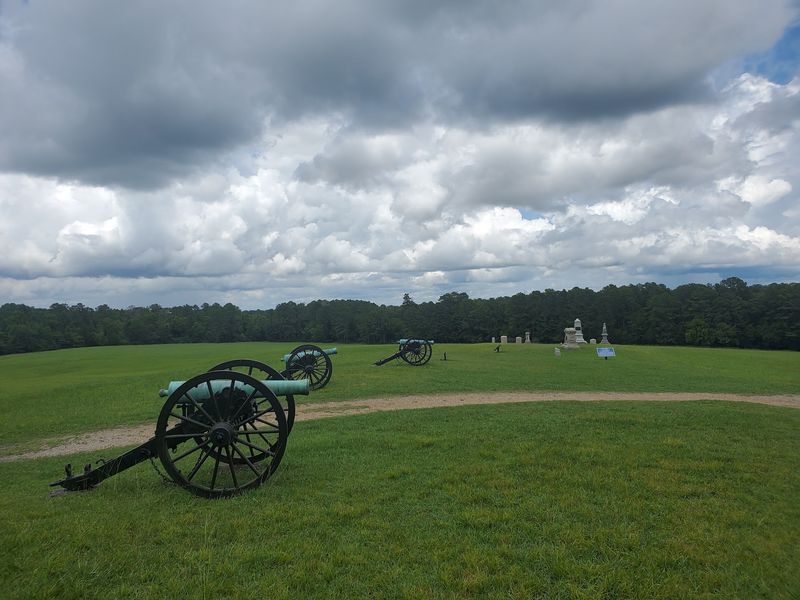
America’s oldest national military park sits quietly in Fort Oglethorpe, Georgia. Congress established it back in 1890.
Chickamauga Battlefield became the model every other preserved battlefield followed. Veterans of the 1863 fighting helped place the markers themselves.
They wanted future generations to understand exactly where each unit stood. That accuracy is part of what makes the place feel so strange today.
Walking here means following real positions, not guesses. The ground under the grass is the same ground soldiers crossed.
The park protects thousands of acres of fields, woods, and low ridges. It forms the Georgia half of Chickamauga and Chattanooga National Military Park.
Visitors find the entrance at 3370 Lafayette Road, Fort Oglethorpe, GA 30742. The visitor center anchors the whole experience.
Rangers there hand out maps and answer questions with real patience. Many suggest starting with the short orientation film.
Understanding the battle first makes the trails hit harder later. Context turns an ordinary forest walk into something far more unsettling.
History and folklore share the same paths here, and both are worth your attention.
Two Days In September That Changed Everything
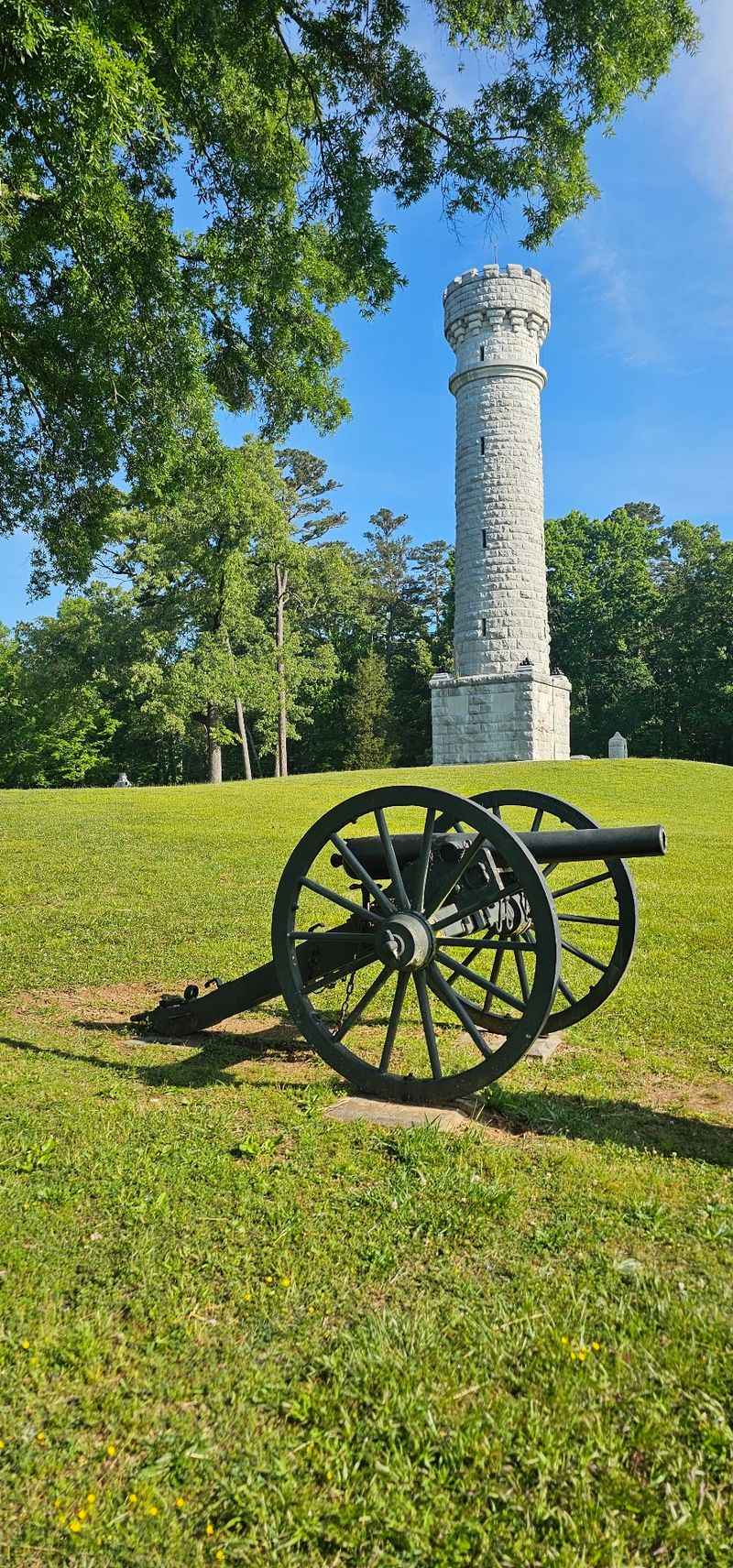
September 19 and 20, 1863. Those two dates explain almost everything about this place.
Union and Confederate armies collided in thick woods where nobody could see far. Soldiers fought at terrifyingly close range.
Chickamauga ranks among the costliest battles of the entire Civil War, with a combined toll among the highest of any battle fought that year.
The Confederates claimed victory, but the Union army held Chattanooga afterward. That city mattered more than the field itself.
Trees blocked sight lines and turned the fight into confusion. Units stumbled into each other without warning.
Officers lost control of their commands within minutes. Smoke made the woods even darker.
Standing in those same woods today, the layout suddenly makes sense. The terrain explains the chaos better than any book.
Interpretive signs use blue and red panels to show who moved where. Following them turns a hike into a slow-motion replay.
The scale of suffering packed into a small area feeds every ghost story told about this Georgia landscape. History came first, and the legends grew from it.
Ol’ Green Eyes And The Legend In The Trees
Two glowing green eyes, drifting between the trunks after dark. That is the story people repeat most often about this park.
Ol’ Green Eyes may be the South’s most famous battlefield legend. Versions of the tale differ wildly.
One version of the tale ties the glowing eyes to a soldier who never made it home from the battle, though nobody has ever confirmed where the legend began.
Neither version has ever been proven, and the park does not present it as fact. It survives as folklore, passed along for generations.
Reports have come from visitors and, according to local retellings, from park staff too. Most sightings happen near wooded stretches at twilight.
The legend draws paranormal fans to Chickamauga Battlefield year-round. Some arrive with cameras and recorders.
Worth remembering: the park closes at set hours, so late-night hunting is not permitted. Respect that rule.
Daylight visitors still catch the mood. Deep shade, quiet air, and old stone markers do plenty of work on the imagination without any help.
The Lady In White And Her Endless Walk
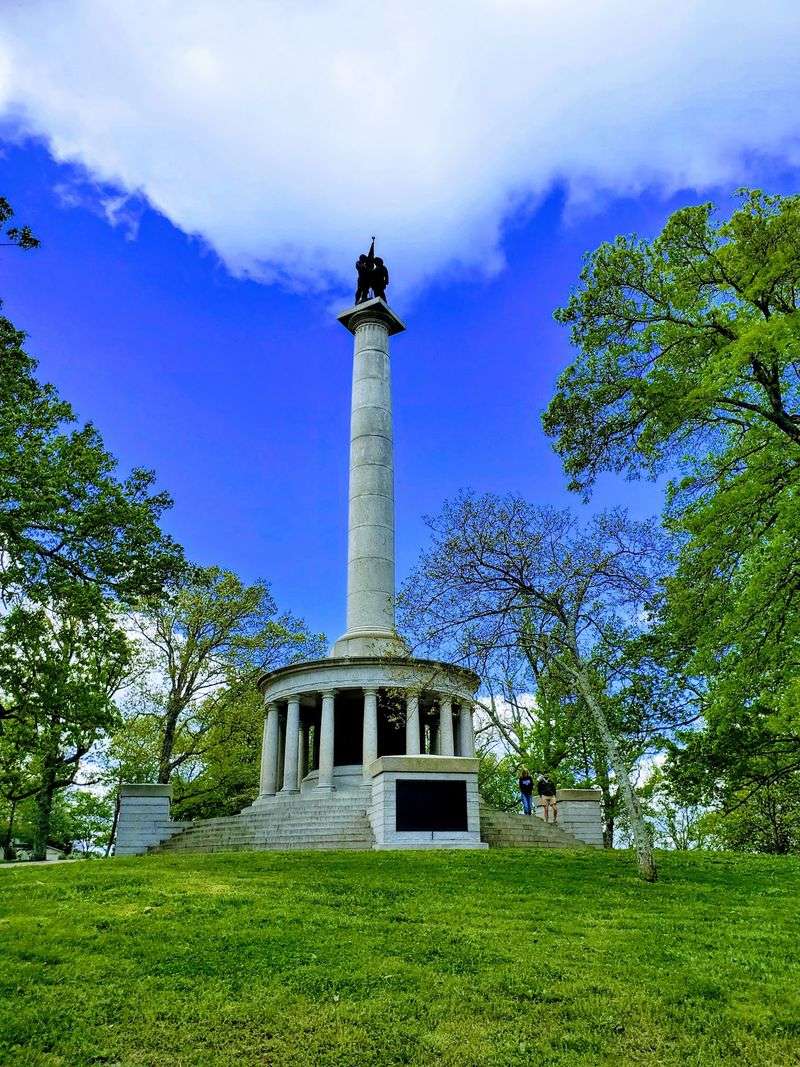
A pale figure crossing open ground, then vanishing into the treeline. Folklore around this park keeps that image alive.
The Lady in White ranks second only to Ol’ Green Eyes in local storytelling. Her tale is sadder than it is scary.
Accounts describe a woman in a flowing gown searching the fields. She is said to be looking for a husband lost in the 1863 fighting.
Nobody has confirmed her identity, and no records support the story. It remains legend, not history.
Still, the tale fits the setting. Thousands of families never learned where their relatives ended up after the battle.
Many were buried quickly in unmarked ground. That reality gave the story somewhere to grow.
Visitors who hear it before hiking Chickamauga tend to look twice at distant white shapes. Morning fog does not help.
Deer moving through tall grass fool plenty of people. The park has around thirty species worth of wildlife rustling about.
Whatever you believe, the legend adds weight to an already solemn walk.
River Of Death And A Name Older Than The War
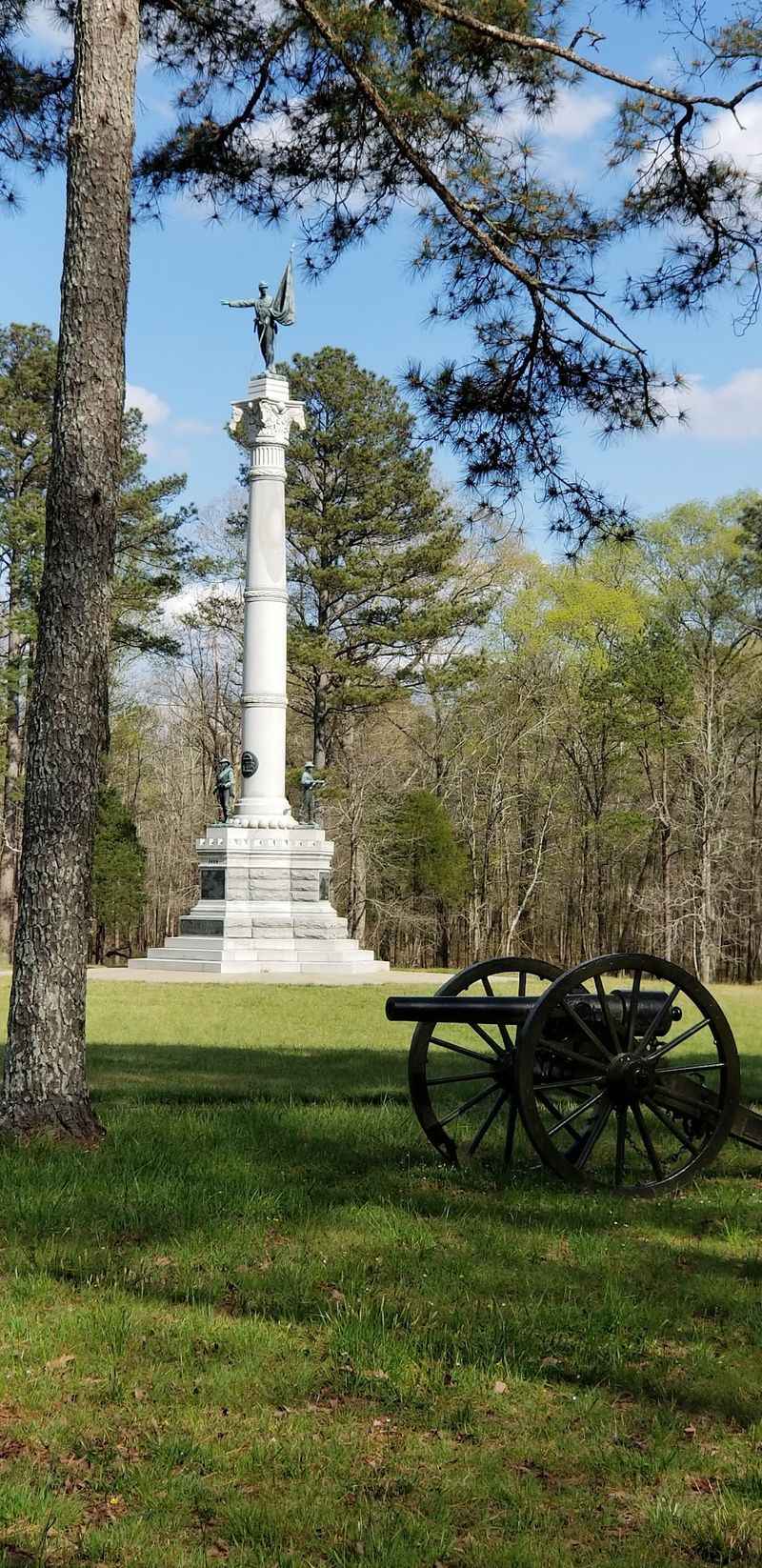
The creek had an ominous name centuries before any army arrived. Cherokee speakers called this area something translated as River of Death.
Chickamauga carries that meaning into the present. Linguists debate the exact translation, so treat it as widely repeated rather than settled.
Either way, the name existed long before 1863. That detail unsettles people more than any ghost story.
Chickamauga Creek still winds through parts of the park. Its banks are shaded and slow moving.
Water crossings appear along some equestrian and hiking routes. Most are shallow and easy to manage.
Cherokee communities lived across this region of Georgia before removal in the 1830s. Their presence predates the battlefield by generations.
Understanding that layered history makes the park richer. It stopped being just a Civil War site the moment you learn the older name.
Rangers at the visitor center can point out where the creek runs. Ask them.
Standing beside quiet water with a name like that changes how the rest of the hike feels.
Trails Where The Armies Actually Marched
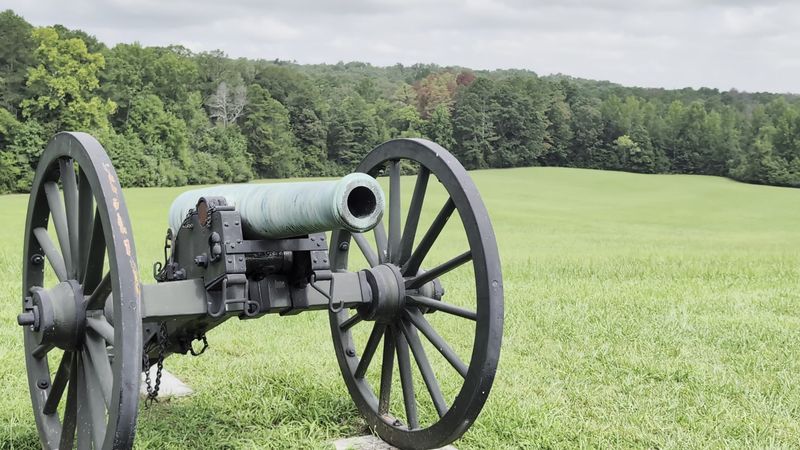
Miles of trails, and almost all of them flat. That surprises first-time hikers expecting a workout.
Chickamauga Battlefield offers easy, well-maintained paths through woods and open fields. Families push strollers on some sections.
Several routes follow the exact ground armies crossed during the battle. Signs mark the connections along the way.
Trail surfaces range from packed dirt to grassy tracks. A few stretches get rocky.
Sturdy shoes beat sneakers here. Rain turns low spots muddy fast.
Horseback riders share the park too, using a dedicated equestrian trailhead. Riders often recommend shoes or boots on all four hooves because of the rocks.
Cyclists roll the park roads with permission as well. The pavement is low speed and mostly one way.
Quiet is the trail’s best feature. Step a hundred yards off the road and traffic noise disappears entirely.
That silence is exactly what ghost hunters chase. It is also what makes an ordinary Georgia forest walk feel unexpectedly heavy.
Bring water and a paper map, since phone signal wanders.
Fourteen Hundred Monuments Keeping Watch
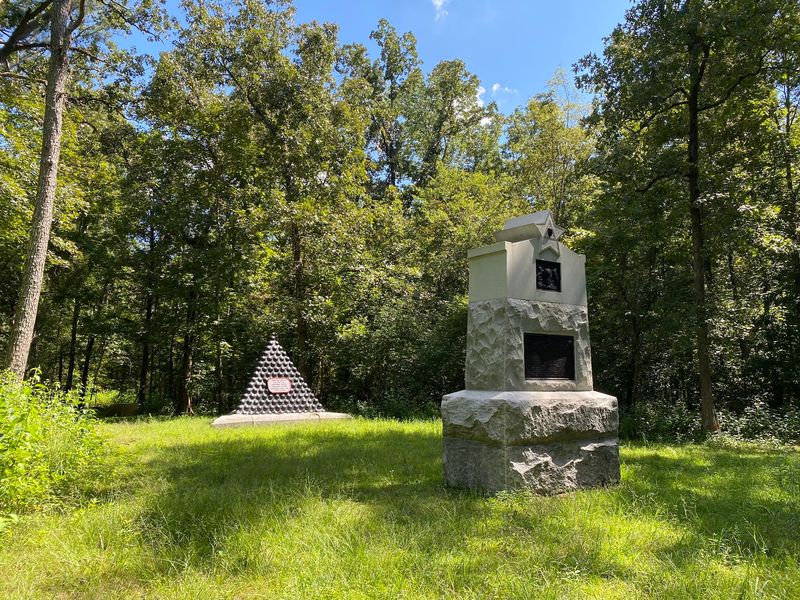
Stone shapes appear where you least expect them. Turn a corner on a wooded trail and a monument is simply standing there.
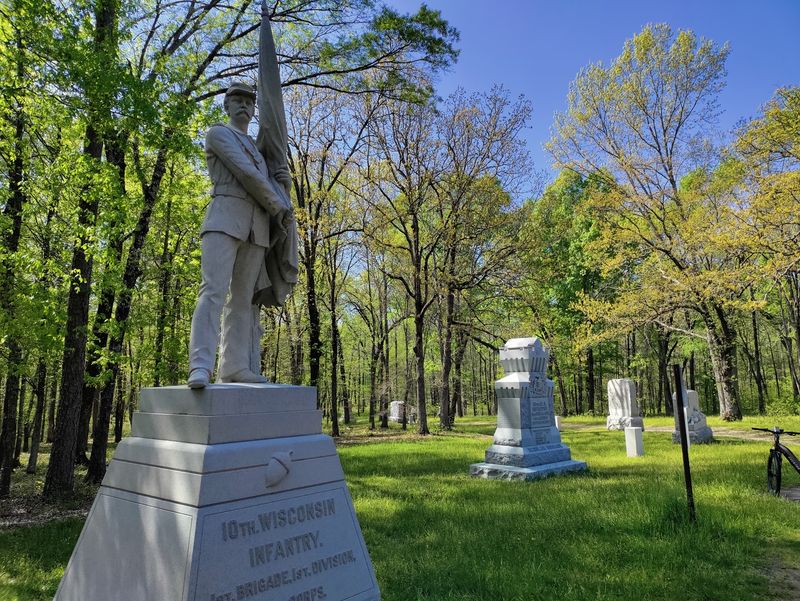
More than 1,400 monuments, markers, and tablets fill Chickamauga Battlefield. Visitors mention them constantly.
Each one commemorates a unit, a position, or a moment during the fighting. Veterans placed many of them personally.
Some are grand pillars visible from the road. Others hide deep in the trees.
Finding a forgotten one alone in the woods is the park’s quietest thrill. Moss covers a lot of them now.
Blue tablets mark Union positions and red tablets mark Confederate ones. That color code makes the whole battle readable.
Photographers love the monuments at golden hour. Long shadows stretch across the grass.
Paranormal fans claim the markers are the reason the park feels so charged. Skeptics say stone in a silent forest is simply eerie.
Both groups end up walking slowly and speaking softly. The monuments have that effect on everyone in Georgia’s oldest military park.
Sounds Nobody Can Quite Explain
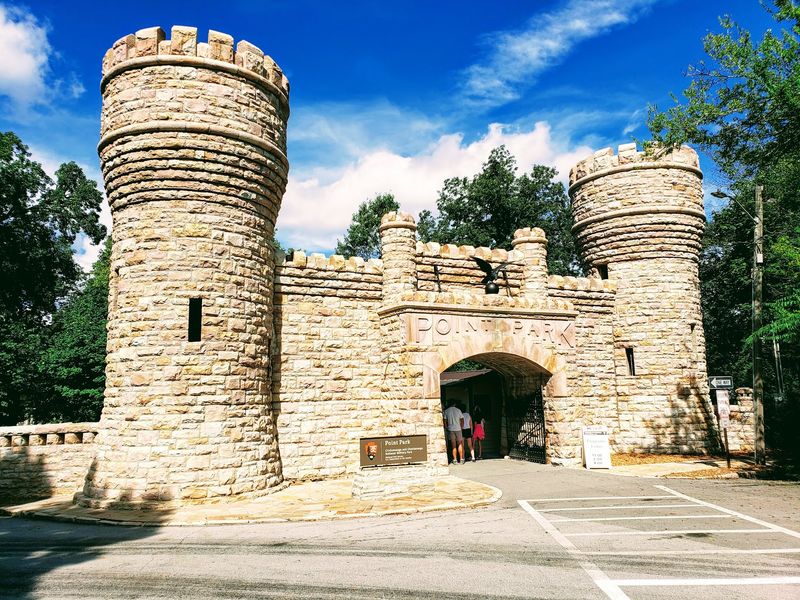
Silence here has a texture. Hikers notice it within minutes.
Then something breaks it. Visitors to Chickamauga have long reported sounds with no obvious source.
Descriptions include distant thumps, faint voices, and rhythmic footsteps. None of it has been verified, and the park makes no such claims.
Sensible explanations exist. Sound travels oddly through dense hardwood stands.
Deer crash through underbrush constantly. Wind moves branches in ways that mimic footsteps.
Nearby roads and neighborhoods contribute noise too. Distance distorts almost everything.
Still, plenty of level-headed hikers leave puzzled. The stories keep circulating for a reason.
Paranormal groups sometimes bring audio recorders during open hours. Results depend entirely on who is listening.
For everyone else, the payoff is simpler. Standing alone on a Georgia trail where thousands fought, listening to nothing at all, is a genuine experience.
Try it near one of the wooded interior paths. Stop walking, stay still, and let the forest do the talking.
The Visitor Center And Its Famous Gun Collection
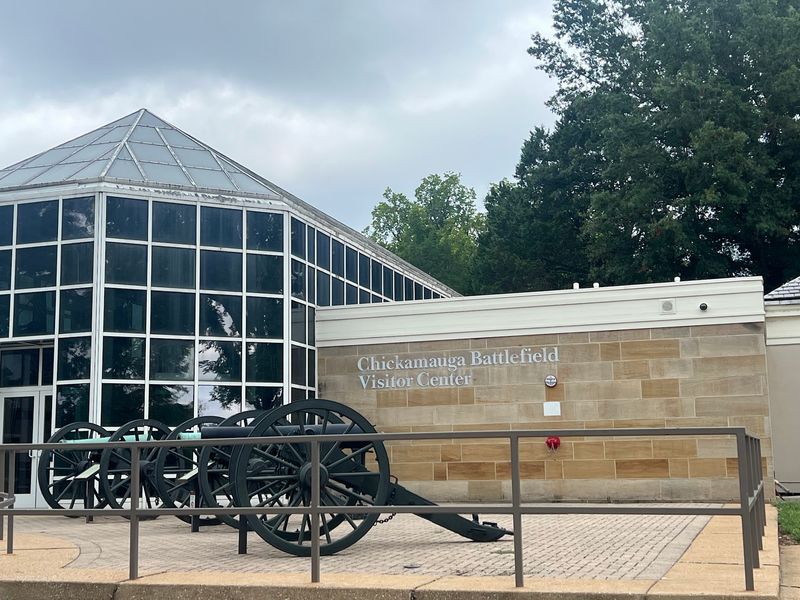
Skip this building and you miss half the park. Most visitors say so afterward.
The Chickamauga visitor center holds the Fuller gun collection, one of the most respected displays of American military shoulder arms anywhere. Rows of historic firearms trace weapon development across decades.
Even people who care nothing about guns end up staring. The craftsmanship is remarkable.
A short orientation film explains how the battle unfolded. Watching it first makes the driving tour far more meaningful.
Exhibits cover soldiers, supplies, and daily life during the campaign. Reading takes a while.
Rangers and volunteers earn steady praise for their friendliness. Ask them anything, including about the ghost legends.
The gift shop stocks a solid selection of history books. Maps are available too.
Restrooms and parking sit close by, which matters before a long hike. Plan at least an hour indoors.
Then step outside into the Georgia air and start walking. The contrast between the bright museum and the shadowed trails is part of the fun.
Driving Tour Stops Worth Slowing Down For
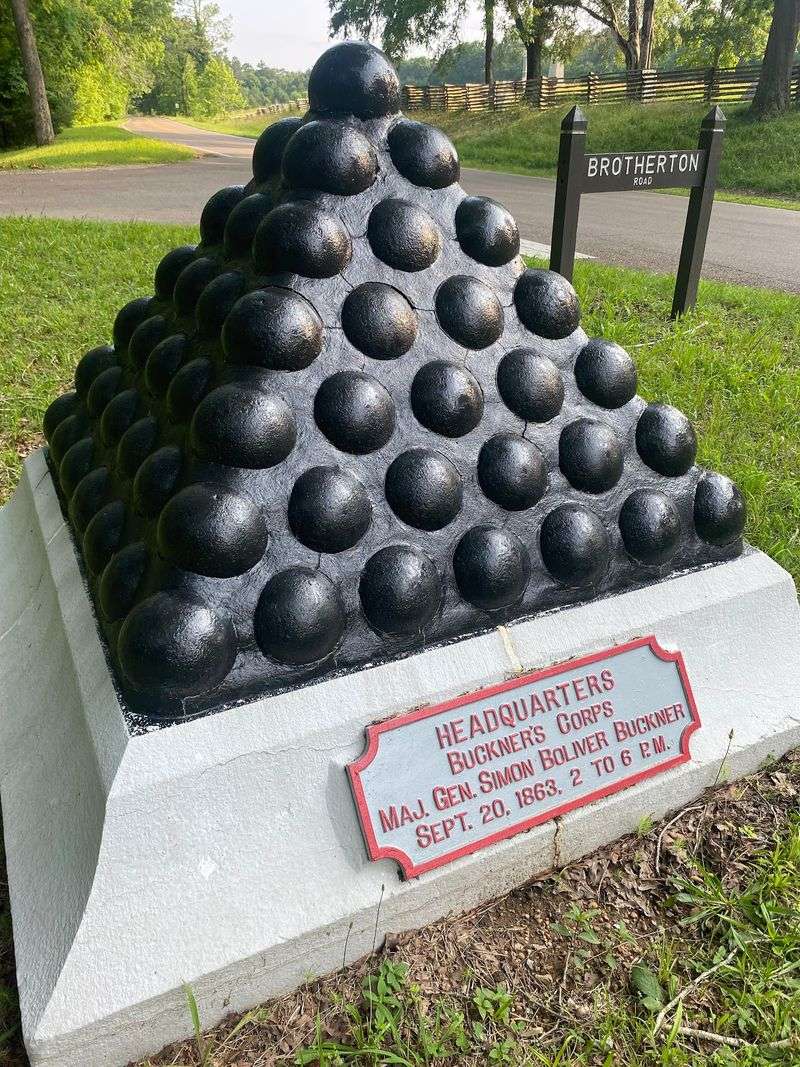
Seven miles of road, eight numbered stops, and cannonball markers pointing the way. The self-guided auto tour is the park’s backbone.
Chickamauga designed it so drivers can follow the battle in order. Each stop has a pull-off and room to walk around.
QR codes at the stops unlock audio explanations. A phone tour line works when the app misbehaves.
Rangers sometimes lead caravan tours on a schedule. Availability varies, so ask at the desk.
Do not treat it as a drive-through. The real value comes from parking and wandering at each stop.
Log cabins, artillery pieces, and clusters of monuments appear along the route. An observation tower offers a climb and a view.
Deer graze right beside the road in early morning and late afternoon. Drive slowly.
Two hours covers the basics. A full day barely scratches the surface of this Georgia park.
Combining the drive with a couple of short trail loops gives you the best of both worlds.
Smart Timing And What To Pack
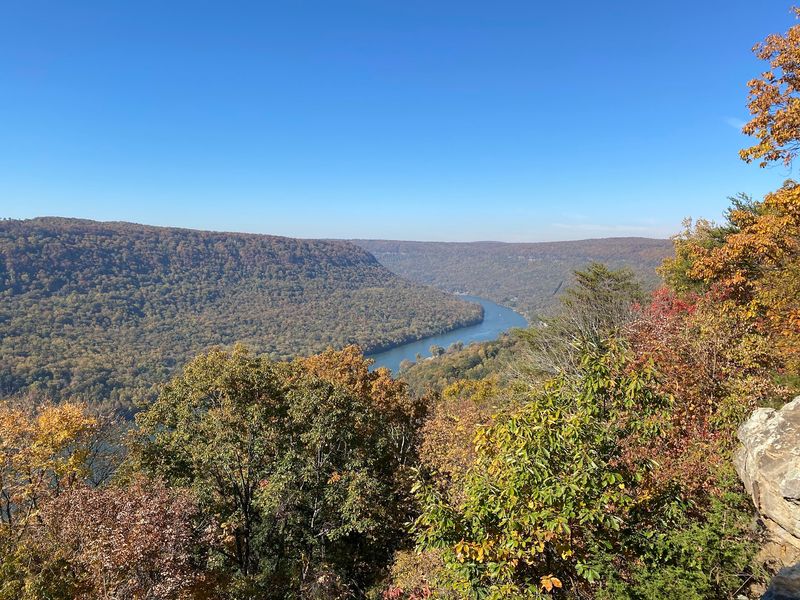
Autumn wins. Locals who visit weekly say the turning leaves make the whole park glow.
Fall brings cool air, thinner crowds midweek, and long shadows across the fields. Chickamauga looks its best in October and November.
Spring runs a close second with wildflowers and green fields. Summer gets hot and humid, so start early.
Entry to the park costs nothing, which is rare for a site this significant. That makes repeat visits easy.
Pack water, closed-toe shoes, and insect repellent during warm months. Ticks live in tall grass.
Bring a printed map since phone coverage is inconsistent in the woods. Sunscreen helps in the open sections.
Dogs are welcome on leash and locals walk them here constantly. Picnic areas make a nice lunch stop.
Restaurants and shops sit just outside the park boundary in Fort Oglethorpe. Grabbing food beforehand saves time.
Arrive early, stay through late afternoon light, and let this corner of Georgia work on you slowly. The atmosphere builds the longer you linger.