
This New Hampshire Gem Mine Lets You Spend 2 Hours Searching A Creek For Stones You Can Take Home
Digging through a creek bed for something worth keeping turns an ordinary afternoon into an actual adventure. This New Hampshire mine lets visitors spend real time searching for stones they can take straight home.
Rows of sediment get sifted through carefully, revealing finds most visitors wouldn’t expect from a simple creek. Regulars know the best techniques for sifting, sharing tips with first-timers who show up unprepared.
Nothing about the search requires expensive equipment beyond patience and a willingness to get a little wet. Families often turn the visit into a full afternoon activity, comparing finds by the time they leave.
Photography opportunities exist throughout, especially once a particularly striking stone gets uncovered. This mine proved that sometimes the best souvenirs come from getting your hands a little dirty.
America’s First Mica Mine Has A Wild Backstory
In the early 1800s in New Hampshire, a man named Sam Ruggles noticed something shiny on Isinglass Mountain and quietly figured out he was sitting on a fortune. Depending on which record you trust, the discovery happened in 1803 or 1805.
What he found was mica, and it became the first commercial mica mine in America. Ruggles shipped the mineral all the way to England, where it was used for stove windows and oil lamp parts because it could handle heat without cracking.
For more than 150 years, crews pulled mica, feldspar, and beryl out of this mountain. Commercial mining finally wrapped up in the 1960s, which could have been the end of the whole story.
Instead, the Wahlstrom family bought the property and flipped it into a tourist attraction in 1963. Suddenly regular people could poke around a real industrial mine and pocket whatever they dug up.
The gates closed in 2016, and rock collectors across New England were pretty bummed about it. Then Joe Bodge purchased the mine in July 2023, and it reopened to the public in 2024.
Two centuries of history sit in those walls, from hand tools to heavy machinery scars. The current owners are rockhounds themselves, which explains why the place feels more like a shared hobby than a business.
Find it at 286 Underhill Rd, Grafton, NH 03240.
The Mine In The Sky And Its Mountain Views
Most mines send you down. This one sends you up, which is why locals call it the mine in the sky.
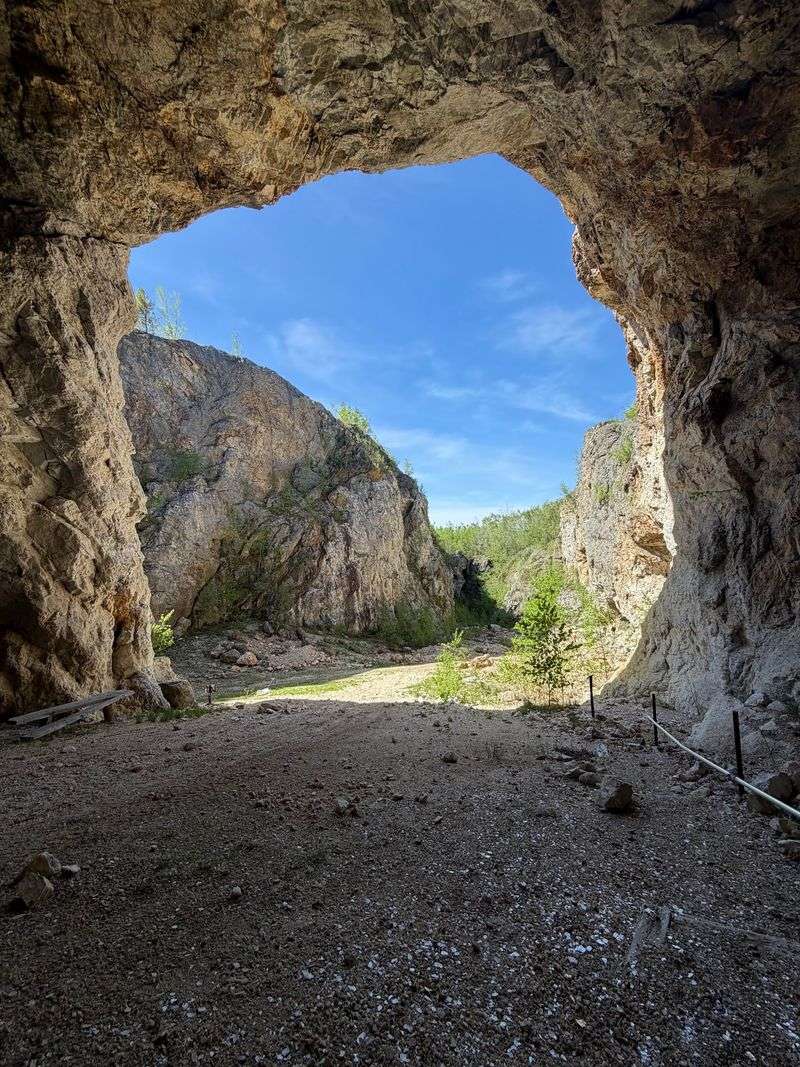
Perched on top of Isinglass Mountain, the whole operation is open to the air instead of buried underground. Sunlight pours across the pit walls and lights up the mica until the rock looks almost electric.
Getting there involves a long, winding back road that switches between pavement and dirt more than once. Potholes are part of the deal, and logging trucks use the same route during the week, so slow driving is the smart move.
The payoff arrives before anyone even picks up a shovel. Views open toward Mount Cardigan and miles of forested hills, and the parking lot alone has a better outlook than plenty of official scenic pullouts.
Fun detail worth knowing: that parking area sits on an old tailings pile. People have found solid specimens without walking more than twenty feet from their car doors.
Breezes move through the upper pit even on sticky August afternoons. Combine that with the elevation and the wide-open sky, and the experience feels closer to hiking a summit than touring a cave.
Bring a camera. The contrast between glittering gray rock and green mountains photographs surprisingly well, especially in late afternoon light.
Countless Minerals Hiding In Ancient Rock
Geologists date the mineral deposits here to somewhere between 350 and 400 million years old, part of what’s known as the Littleton Formation. That’s older than flowering plants.
Older than dinosaurs by a comfortable margin.
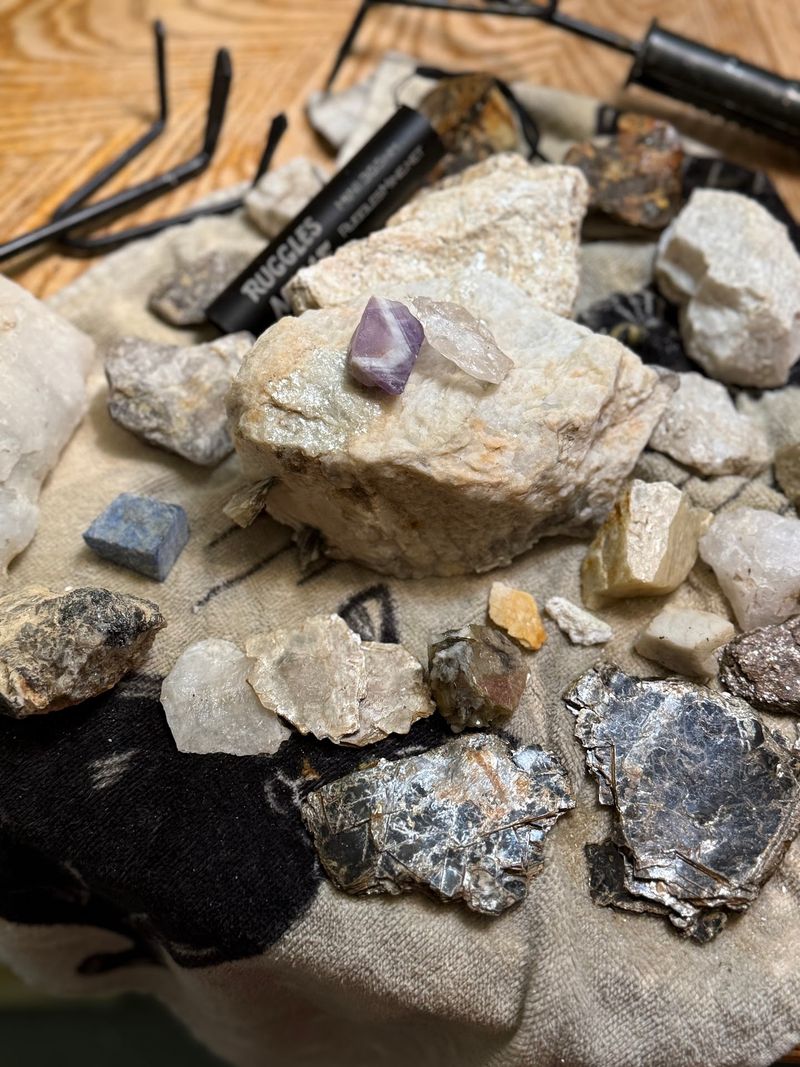
More than 150 different minerals have been identified on the property, which is an absurd number for one mountaintop. Mica shows up practically everywhere, sometimes in stacked sheets collectors call books.
Feldspar and beryl are common leftovers from commercial mining days. Quartz appears in several personalities, including smoky quartz, rose quartz, and the occasional amethyst.
Black tourmaline turns up regularly, and so does apatite. Blood-red garnet is less common but absolutely findable if you’re willing to flip enough rocks.
Then there’s the strange stuff. Uranium minerals like uranophane, torbernite, and autunite exist here, which is exactly why the black light crowd gets so excited.
Quartz crystals naturally weather out of veins and pockets over time, eventually washing into the surrounding soils. That means the ground itself is a hunting zone, not just the exposed walls.
Hyalite opal shows up too, faint under certain light and glowing brightly under others. Aquamarine has been found by visitors who didn’t even realize what they’d pocketed until later.
Doing a little homework on target minerals beforehand makes the whole hunt sharper.
Tunnels And Water-Filled Chambers To Wander
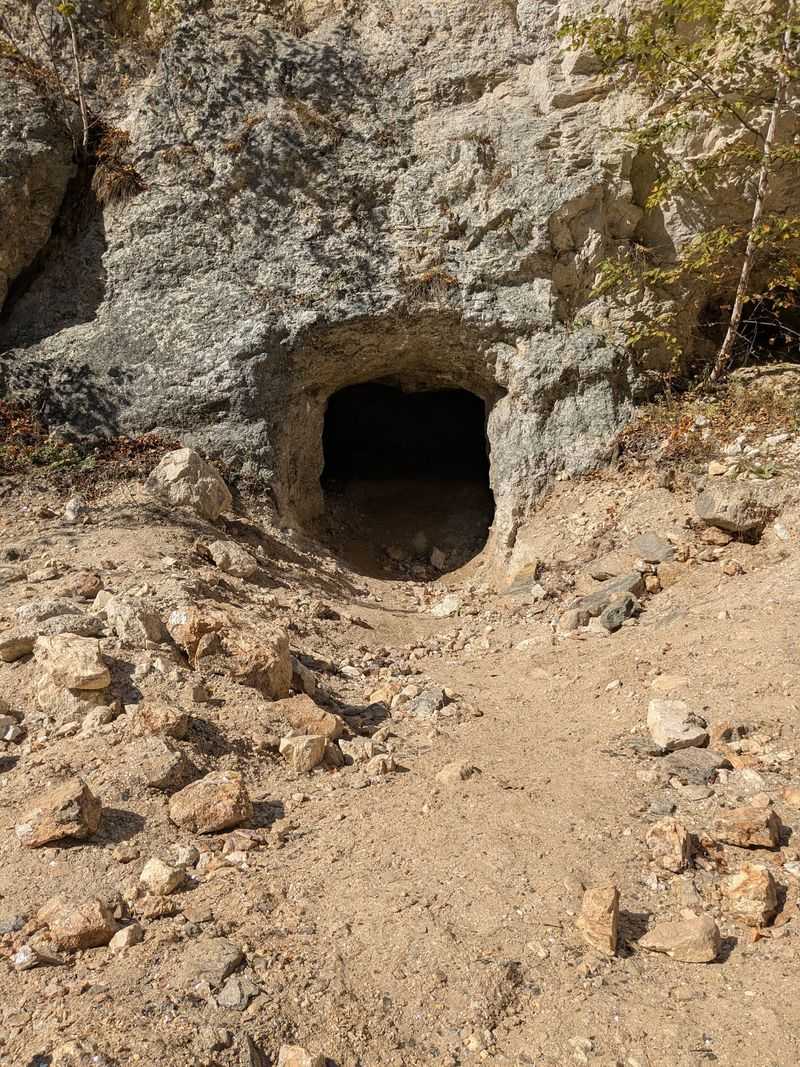
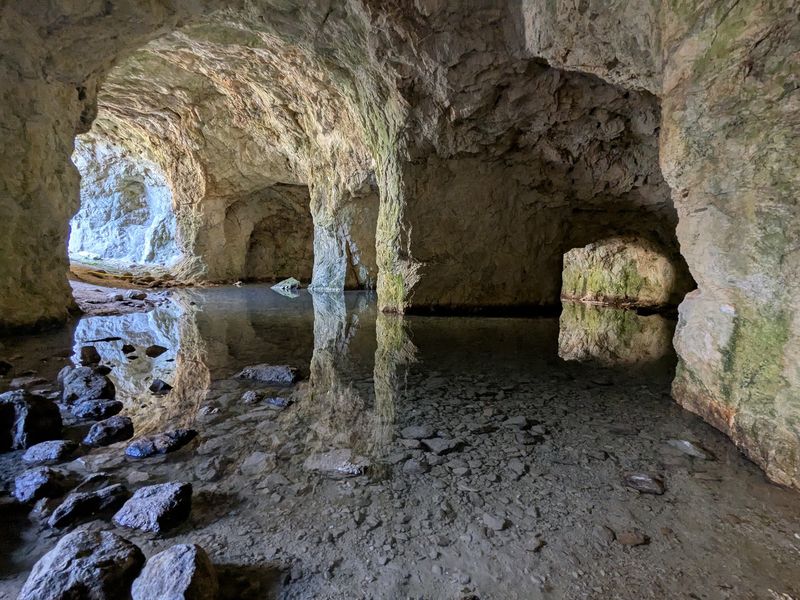
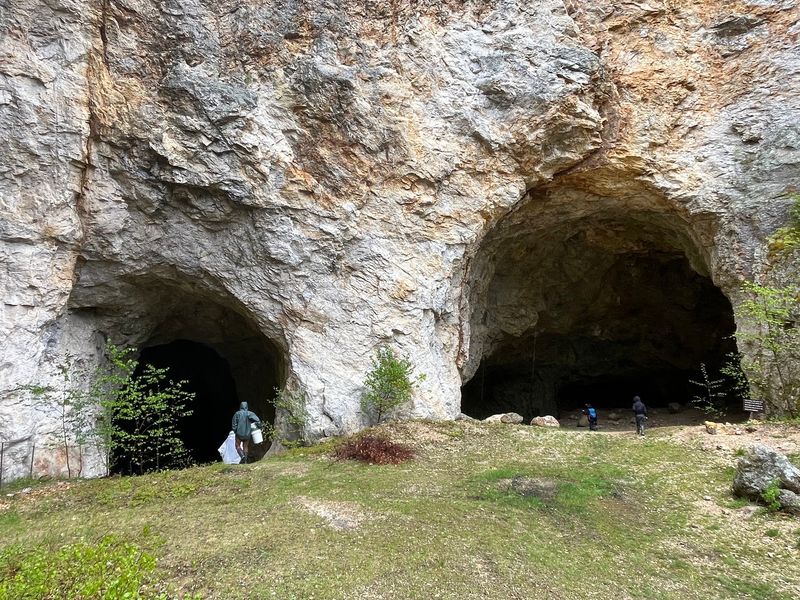
Sprawling is the right word for this open-pit maze. Tunnels branch off the main pit, some short and easy to peek into, others leading toward genuine underground chambers.
A few of those chambers hold standing water, still and dark, reflecting whatever light sneaks in. The scale catches people off guard, with pillars and arches left behind by miners who needed the roof to stay up.
Exposed granite quarry walls run for long stretches, striped with mineral veins that haven’t been touched since commercial crews packed up. Looking at a vein and realizing nobody has laid a hand on it in sixty years is a genuinely odd feeling.
Smaller side tunnels invite exploration, and a trail loops around the main pit area for anyone who wants the overview first. Footing changes constantly, from packed dirt to loose rock to wet stone.
Signs matter here. Where the owners say don’t climb, the answer is don’t climb, and that rule gets enforced for obvious reasons.
The top of the mine is fenced off, which is a good thing given the drop. Hollow spaces echo, walls shimmer, and the whole layout rewards curiosity more than speed.
Take the time to look up occasionally. The overhead rock is half the show.
Fill A Five-Gallon Bucket With Your Own Finds
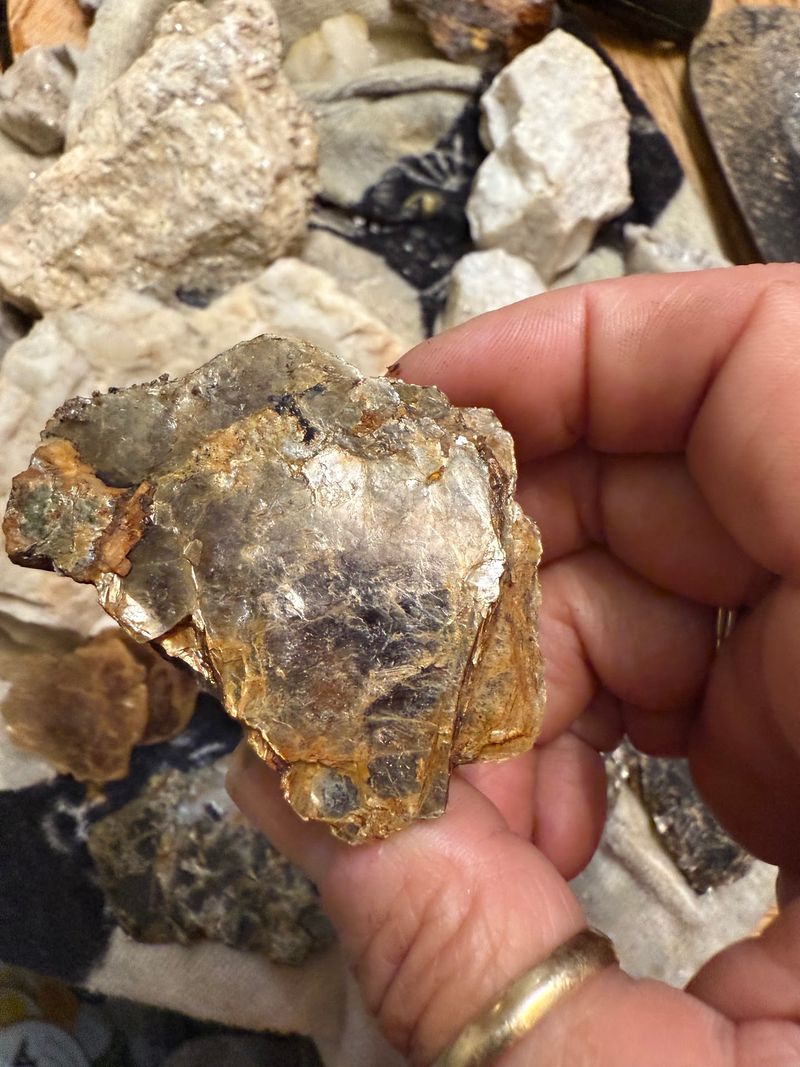
Here’s the part that turns casual visitors into obsessed rockhounds. Whatever you find, you keep, up to one five-gallon bucket per person.
General admission covers digging in the designated collecting areas, and there’s no separate treasure-hunt upcharge to figure out. Hand tools only, meaning shovels, trowels, and small rakes do the work.
Hammers and chisels are off the table for the general public because swinging steel at rock walls creates flying-shard problems nobody wants. Mineral clubs sometimes operate under different arrangements.
Tools are available to rent on site, so nobody has to haul a full kit across state lines. Gardening gloves and a kneeling pad make a bigger difference than most people expect.
Strategy matters more than luck. The best material rarely sits on top, so turning rocks over and digging a bit is the actual method.
Tailings piles run more than ten feet deep in places, and the owners regularly turn them to bring fresh material to the surface. That means a spot picked over last weekend might be loaded again.
Quartz crystals that weathered out of their pockets long ago often hide in the loose soil nearby. Patience pays, and so does asking staff where things have been showing up lately.
Glittering Walls And Glowing Green Rocks
Mica does something ridiculous inside these tunnels. Entire wall sections catch light and glitter, so the rock looks like it was dusted with sequins by an overenthusiastic decorator.
Temperature is the second surprise. Summer heat mostly stops at the entrances, and the interior stays cool enough to feel like natural air conditioning.
Certain chambers hang onto slabs of ice deep into the season, which is a strange thing to bump into in July. The cool breeze moving through the passages is a legitimate reason to linger.
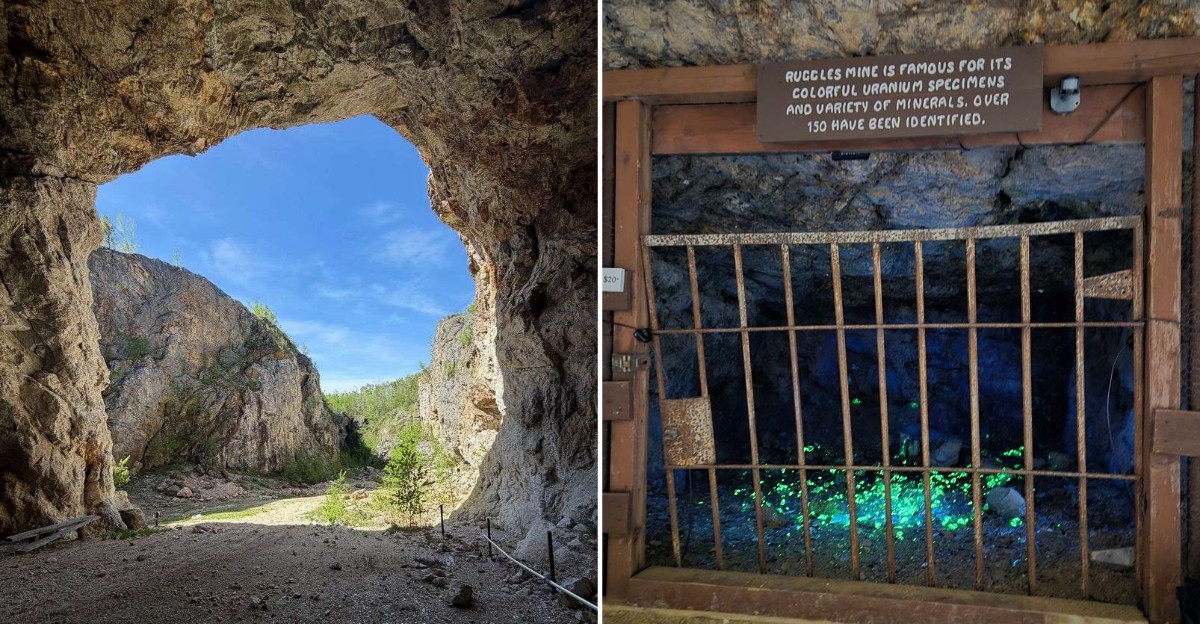
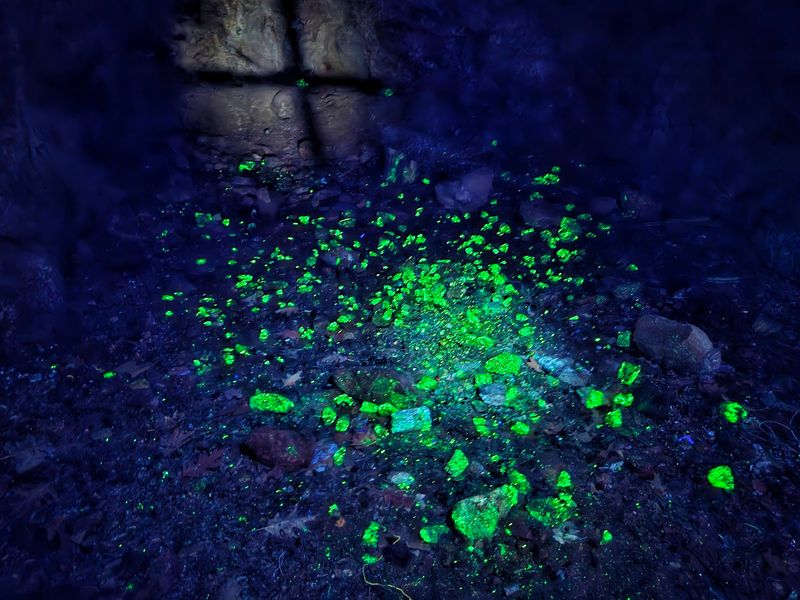
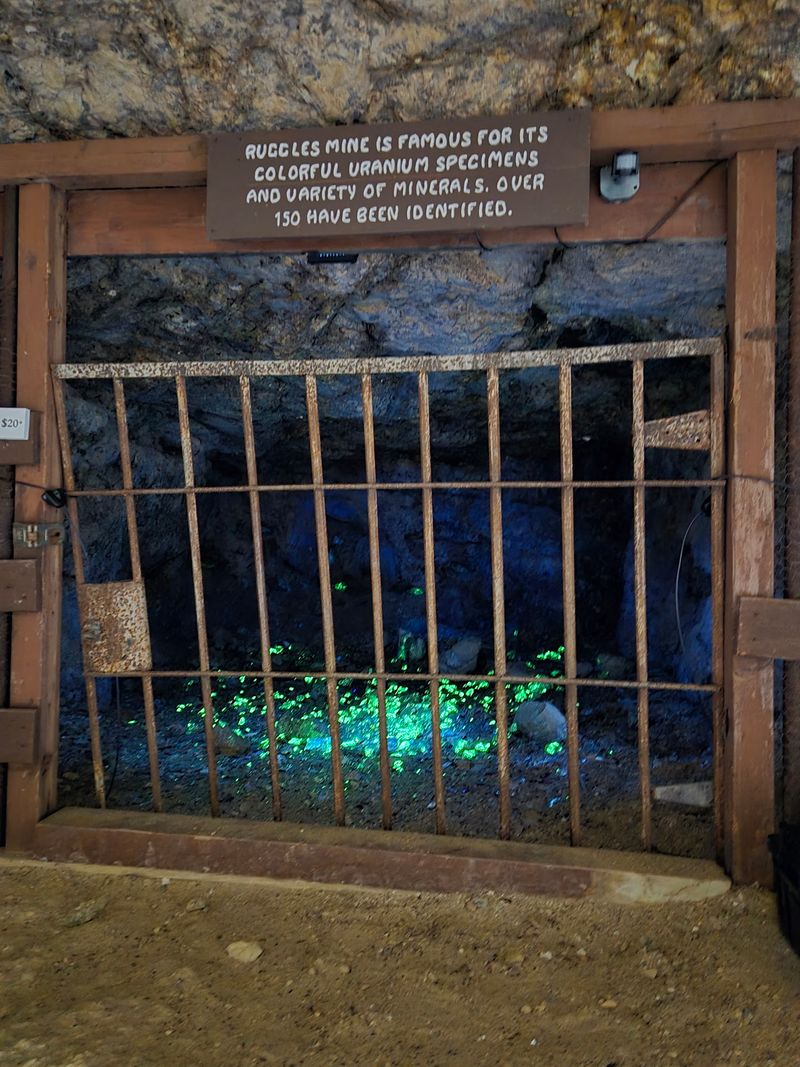
Nighttime, or just deep shade, unlocks the weirdest feature. Under a black light, uranium minerals like autunite blaze an unnatural glowing green against the dark rock.
The light matters. A 365nm UV flashlight is the right tool, while most standard blacklights run at 392nm and underperform badly.
Hyalite opal joins the party too, glowing faintly under longwave and dramatically under shortwave light. Watching a plain gray rock light up like a neon sign never really gets old.
Massive pillars and stone arches frame all of it, giving the sparkle somewhere impressive to bounce around. Between the shimmer, the chill, and the glow, the atmosphere does a lot of heavy lifting without any staged theatrics.
Seasonal Hours Plus Travel Packing Guide
Timing is everything with a mountaintop mine. The season generally runs from late May through mid-October, so winter visits aren’t on the menu.
Public days currently fall Thursday through Sunday, with gates opening at 9 AM. Saturday and Thursday through Friday run until 5 PM, while Sunday wraps up at 3 PM.
Footwear deserves real thought. Sturdy boots with ankle support handle the rocky, sometimes wet ground far better than sneakers.
Water belongs in the pack, and plenty of it, because digging under an open sky burns through energy fast. Long pants and gloves save skin from sharp edges.
A backpack beats a wagon by a wide margin. Wheels and uneven mine paths do not get along, and hauling a loaded wagon uphill is its own punishment.
Sunscreen and bug spray are worth tossing in, though the breeze often keeps insects tolerable. A porta potty is available on site, along with a small gift shop, drinks, and a modest museum.
Dogs are welcome on the property as long as they stay leashed, and owners handle cleanup. Doggie bags can be picked up on site.
Card and phone payments work here, so there’s no scramble for cash before the drive up.
Why Families And Serious Collectors Both Keep Returning
Something about this place hooks people across generations. Adults who dug here as kids come back decades later with their own children, which says plenty about how sticky the memory is.
Expectations should be set properly, though. Comparing this to a polished cavern tour with railings and guided narration misses the point entirely.
There are no manicured walkways. It’s a working-era mine with dirt, slopes, and rocks that don’t care about your clean shoes.
The trade-off is enormous. Kids get to play in the dirt with permission and go home with actual crystals, which beats most souvenir shops by a mile.
Serious collectors get something different: access to material that commercial miners dismissed as not worth their time. Specimens of mica, tourmaline, beryl, apatite, and quartz turn up steadily for anyone willing to work.
Overnight camping happens on the property, and campers sometimes get late-night autunite walks with the owners. Cooking breakfast on a mountainside surrounded by mineral piles is a specific kind of good day.
Staff shares knowledge freely, pointing out where to dig and explaining what’s in your hand. Even young helpers on the crew know their minerals cold.
Four hours can vanish here without anyone noticing. Bring stamina, bring curiosity, and expect sore arms.