
This Unexpected Tennessee Lighthouse Is One Of The State’s Strangest Roadside Sights
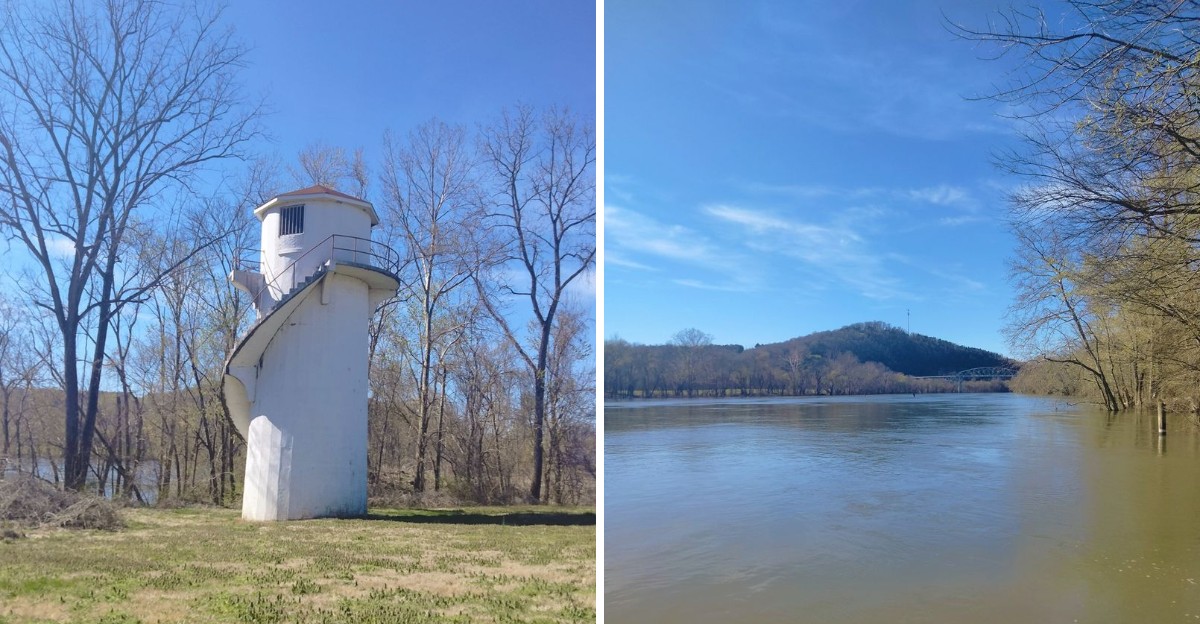
A lighthouse is probably not the first thing you expect to see beside a Tennessee road. That is exactly what makes this unusual landmark so memorable.
Rising far from any ocean coastline, it looks almost misplaced at first glance, which only adds to the curiosity.
Drivers passing through may do a double take before realizing what they are seeing. The structure has the classic shape people associate with coastal towns, yet the setting could not be more different.
That contrast makes it one of those roadside sights worth slowing down for. It is quirky, easy to photograph, and unusual enough to spark questions before you even know the story behind it.
Tennessee is filled with familiar scenic stops, but this one stands apart for a completely different reason. It may be one of the strangest things you spot on a Tennessee drive.
A Tower That Started Life As A Water Pump House
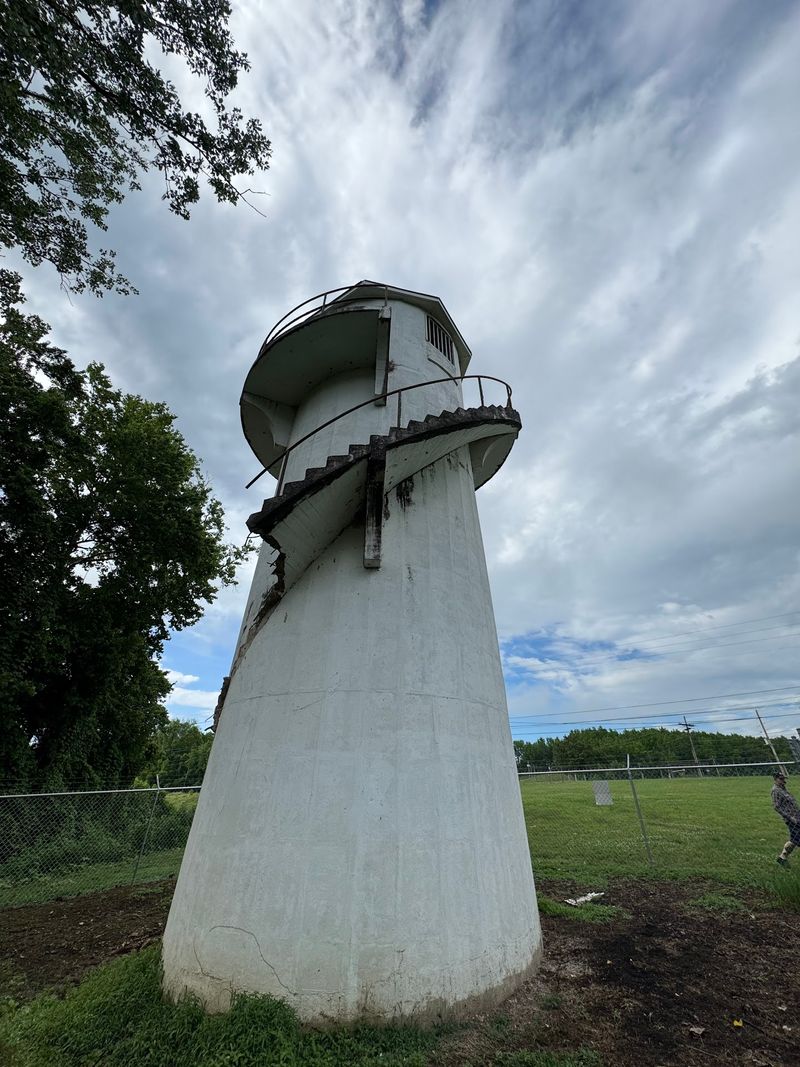
Every good landmark has an origin story, and this one begins with plumbing. Long before it wore a lighthouse costume, the structure was a municipal water pump house.
Its job was simple: move water to the town of Carthage.
Records point to construction sometime in the 1940s or 1950s, though at least one account places it in the 1960s. Either way, it worked quietly for decades while nobody thought twice about it.
Time eventually caught up. The town needed a newer, more efficient pump, and the old building became unnecessary.
That usually means demolition and a fresh patch of grass.
Here is where the tale takes a turn. Tearing the structure down and handling the site cleanup carried a price tag in the thousands, which felt steep for a building that had already done its duty.
So Carthage chose imagination over a wrecking crew. A coat of paint, a new roof, and a bit of vision turned an unloved utility building into something people slow down to photograph.
The final conversion reportedly ran around $40,000. That is a fair sum, though it bought the town a landmark instead of an empty lot.
Not a bad trade for a former pump house.
Where Exactly To Find It Along The Cumberland
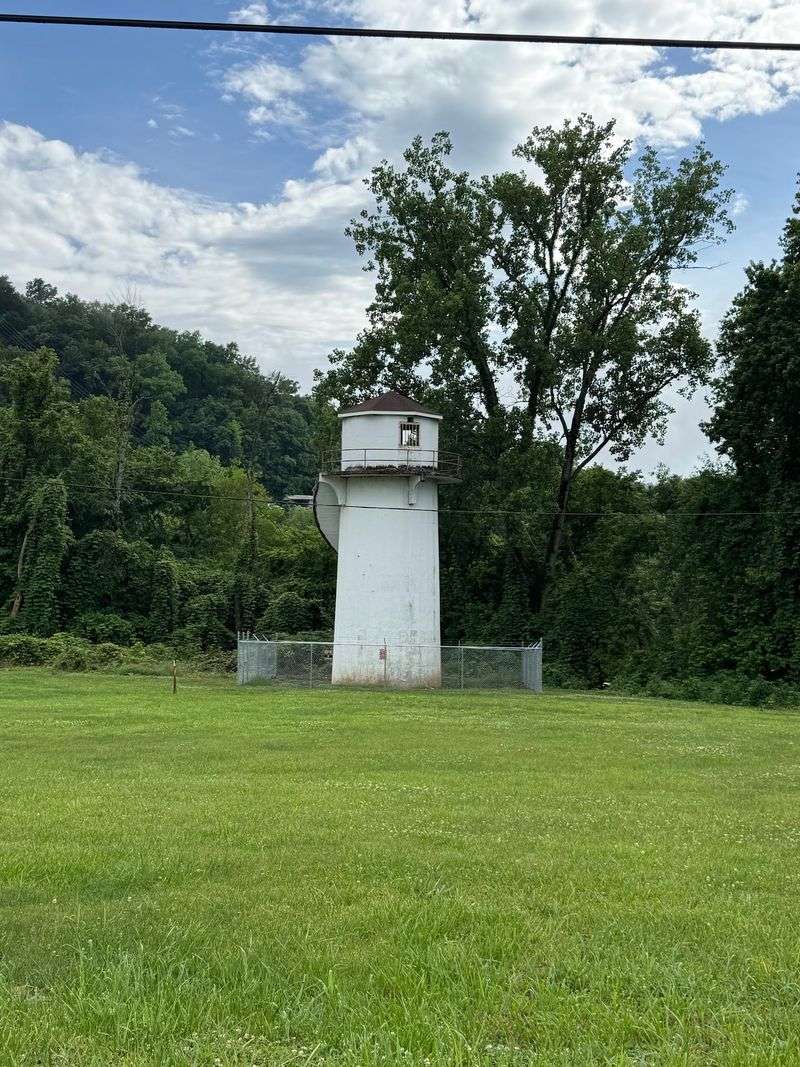
Finding the tower is easier than explaining it to friends afterward. The address is 117 Upper Ferry Rd, Carthage, TN 37030, which sits on the north side of the Cumberland River at the Carthage access ramp.
Downtown Carthage lies roughly one mile to the northwest. That makes the detour short enough to squeeze into any drive across middle Tennessee without rearranging your day.
The setting is not fancy, and that is part of the charm. A boat launch, a stretch of riverbank, and a white tower rising above it all.
Nothing else competes for attention.
Coordinates land near 36.2435 north and -85.9457 west, useful if your map app gets stubborn about small country roads. Signal can be spotty in the hollows, so screenshot your directions before leaving the highway.
Parking near the ramp is straightforward, though boat trailers use the same space. Leave the launch lane clear and pull off to the side instead.
Because the site sits low near the water, spring rains can leave the ground soft. Sturdy shoes beat sandals here.
Then again, half the fun is realizing a lighthouse really is standing there in landlocked Tennessee.
Thirty-Six Feet Of Masonry With A Spiral Staircase Inside
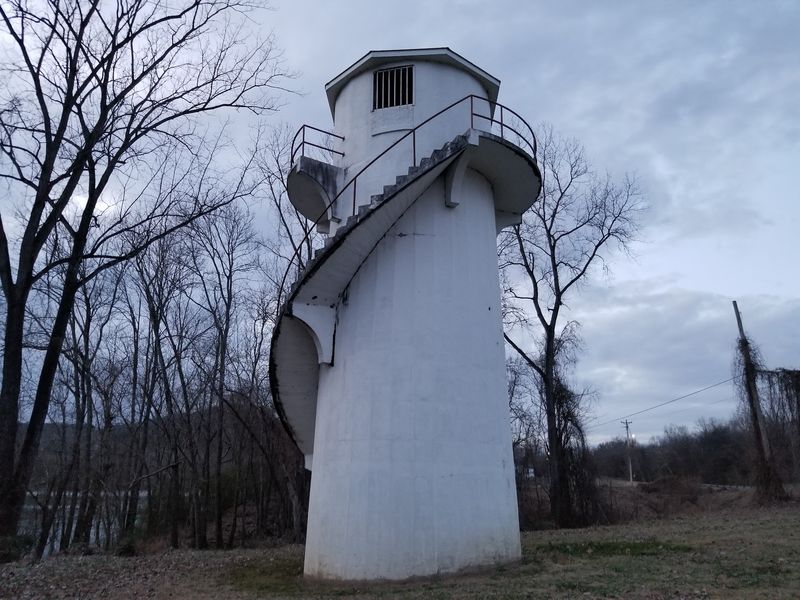
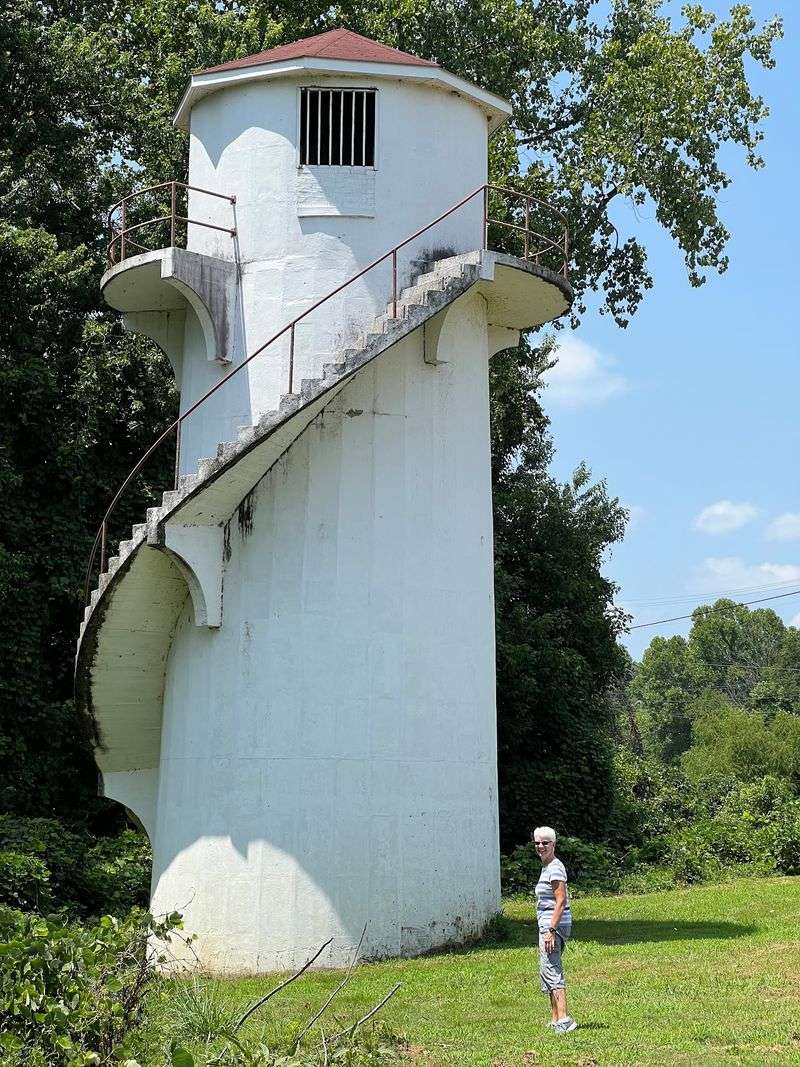
Measure it and the numbers stay modest. The tower rises about 36 feet, which is short by coastal standards but plenty tall for a riverbank in Smith County.
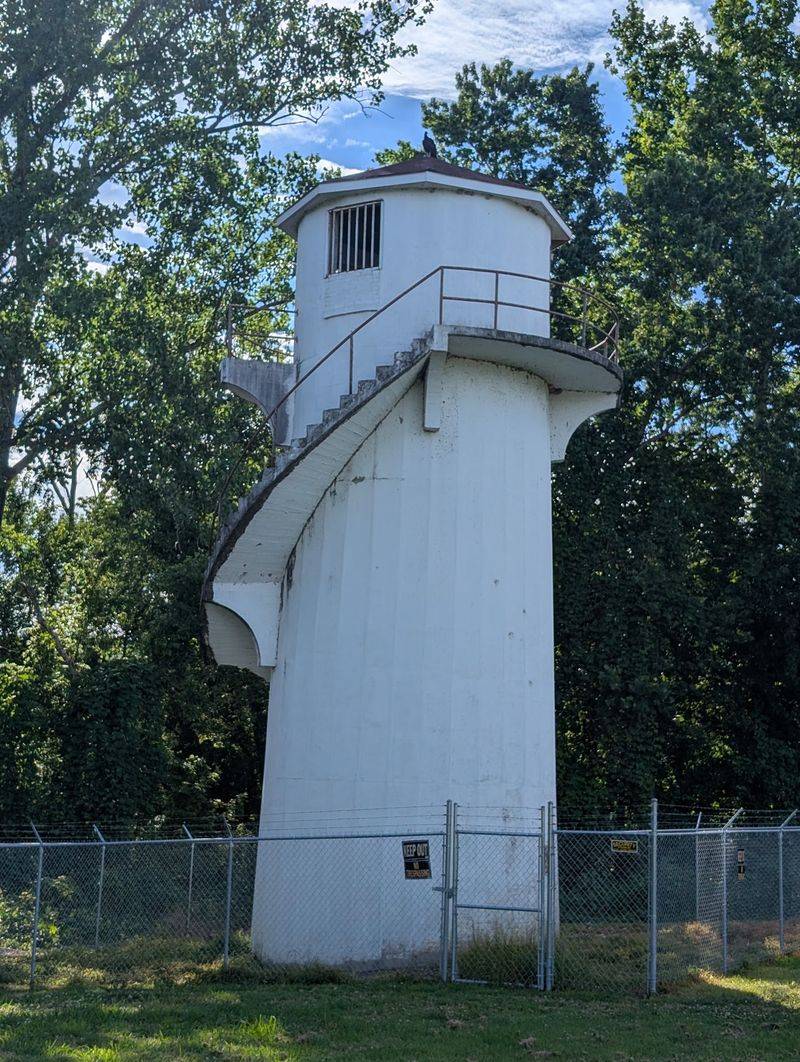
Construction is round masonry, solid and simple, with a shape that reads as a lighthouse from a hundred yards away. Up close, the utilitarian bones of the old pump house still show through.
Inside, a spiral staircase climbs toward a gallery at the top. It is the kind of detail that makes the disguise convincing rather than cartoonish.
Climbing is not part of the experience, so plan on admiring from ground level. Fencing surrounds the structure and signage marks the tower itself as off limits.
The gallery railing at the top gives the silhouette its finishing touch. Without it, the building would look like a grain silo that got confused.
Photographers tend to appreciate the proportions. A 36-foot tower fits neatly in a single frame, no wide-angle gymnastics required, especially with the river as a backdrop.
Consider it a stage set built from something real. The Carthage Lighthouse never guided a boat anywhere, yet the craftsmanship of the conversion holds up better than most roadside novelties across Tennessee.
The Faux Lighthouse Label And Why It Fits
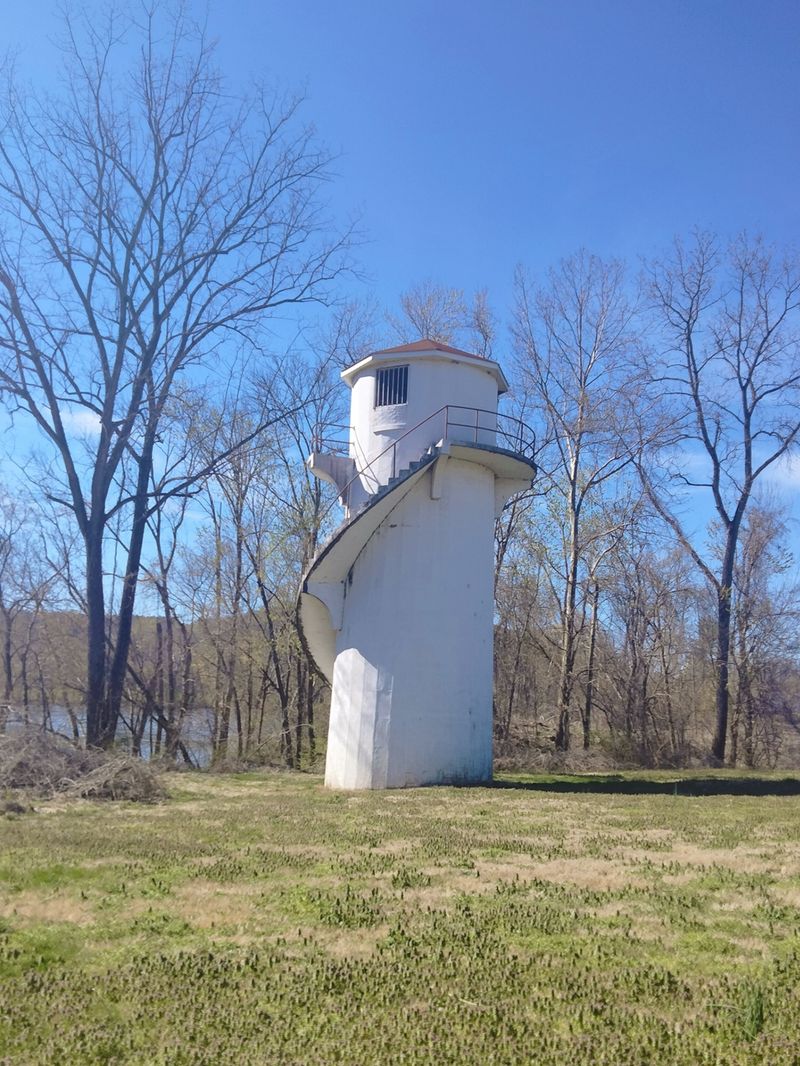
Lighthouse purists have a word for towers like this one: faux. It looks the part, but it has never held a working light or served as an aid to river navigation.
No lamp ever swept across the Cumberland from that gallery. Boats on this stretch relied on charts, channel markers, and daylight instead.
Honesty about that fact somehow makes the place more likable. Nobody is pretending a maritime beacon once stood guard over middle Tennessee farmland.
The category matters to lighthouse databases, which track genuine navigational structures separately from decorative ones. The Carthage Lighthouse lands firmly in the decorative column.
Think of it as architectural theater. The costume is convincing, the purpose is scenery, and the effect on passing drivers is exactly what the town hoped for.
Tennessee has only a handful of buildings shaped like lighthouses, which makes each one a conversation piece. Landlocked states rarely collect them.
There is something charming about a structure that earns attention purely by looking unusual. It spent decades pumping water without a single admirer, then got repainted and became a destination.
Reinvention works. Ask any building that traded pipes for a paint job and a new roofline.
Fences, Signs, And What Access Really Looks Like
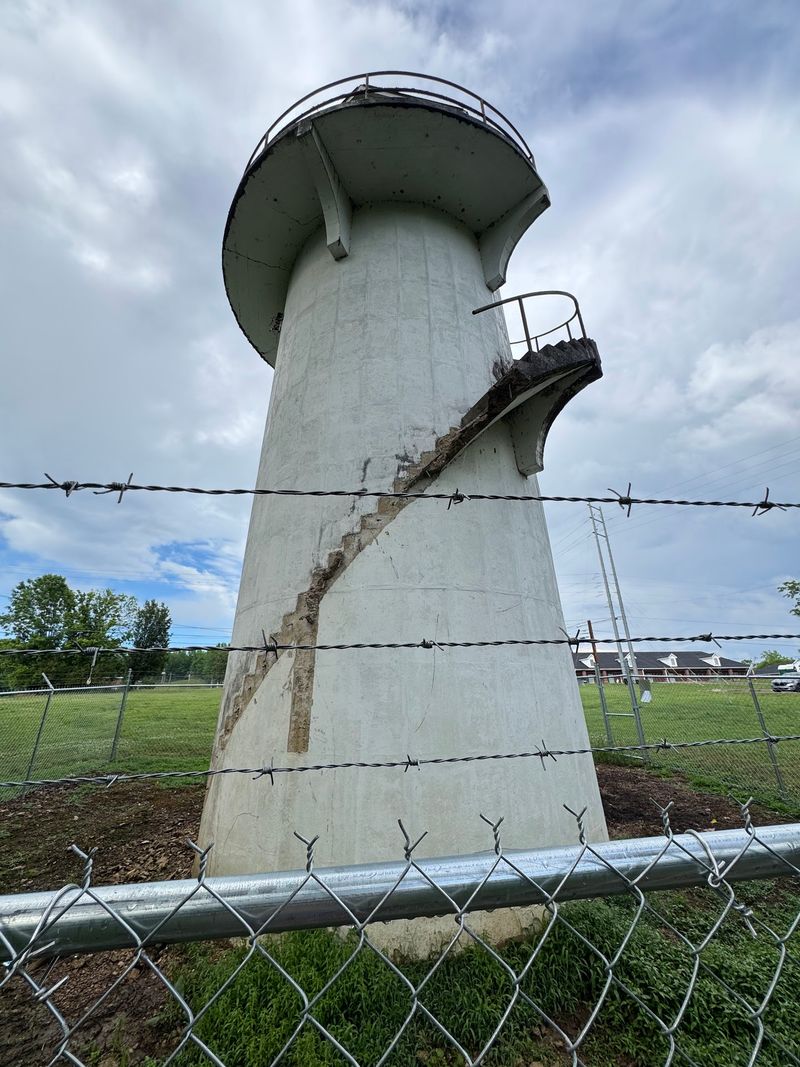
Set expectations before you arrive and the stop stays fun. The grounds and riverfront area are open to the public, but the tower itself is closed off.
A tall metal fence rings the base, topped with barbed wire, and no trespassing signage appears on every side. The interior stairs have been damaged near the bottom as well.
None of that ruins the appeal. The structure photographs beautifully from outside the fence line, and the river makes a fine supporting character.
Respecting the barrier keeps the site open for everyone else. Small towns lose attractions fast when people ignore posted rules.
Plan on ten or fifteen minutes here rather than an afternoon. It is a stretch-your-legs stop, ideal when the drive is getting long.
Families traveling with restless kids often find it a welcome pause. There is open ground, moving water, and something genuinely odd to look at.
Bring a camera and reasonable footwear. Skip the ambition of climbing anything.
Understanding the limits ahead of time turns a possible letdown into a pleasant surprise. The Carthage Lighthouse rewards curiosity, not adventure, and that suits its quiet spot on the riverbank just fine.
River Views Framed By Two Notable Bridges
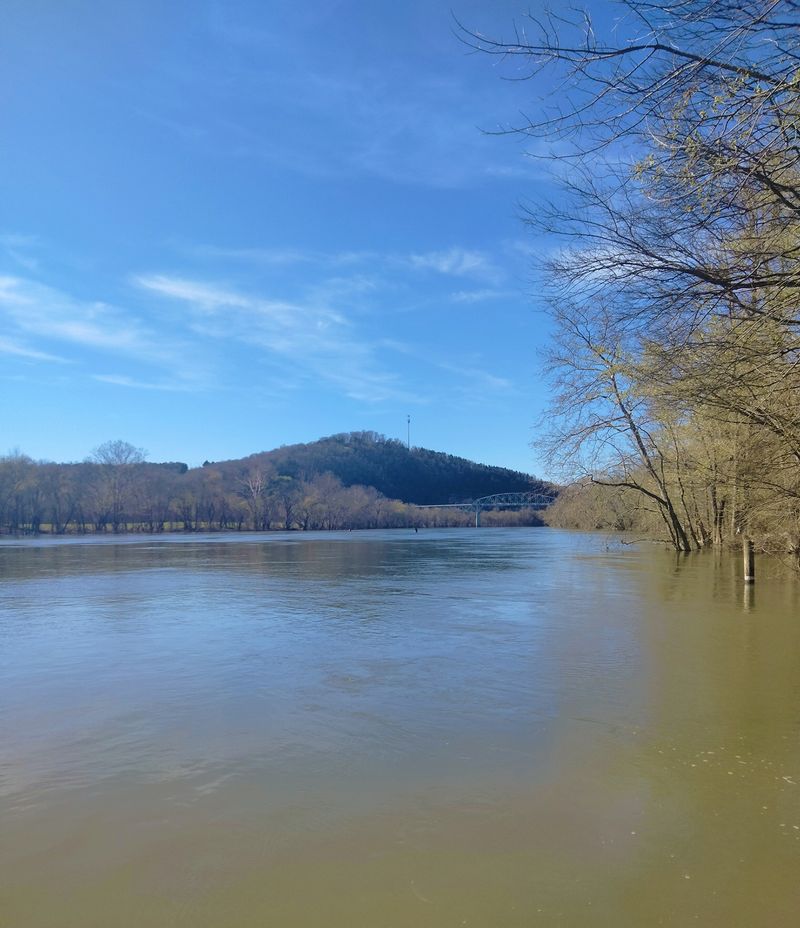
Look upstream and the scenery does some heavy lifting. From the site, the historic Cordell Hull Bridge comes into view, along with the Highway 25 bridge.
The Cordell Hull Bridge is a steel structure that has spanned the Cumberland for generations. Its trusses give the horizon a distinctly old-Tennessee character.
Together with the tower, the bridges create layers in a photograph. Foreground lighthouse, midground water, background steelwork.
Morning light tends to be soft and even here, good for detail. Late afternoon brings warmer tones and longer shadows across the masonry.
Sunset is a popular choice, and the western sky over the river can put on a genuine show. Arrive twenty minutes early to settle in.
The water itself stays fairly calm along this stretch, which means reflections on still evenings. Patience pays off for anyone with a tripod.
Downtown Carthage sits close enough that you can pair the stop with a short drive through town. The courthouse square makes an easy companion.
Few roadside oddities come with a view this pleasant. Most sit in gravel lots beside billboards.
This one gets a river, two bridges, and rolling hills.
Fishing, Paddling, And Riverbank Time
Anglers figured out this spot long before photographers did. The riverbank near the access ramp is a favored place to fish, and the boat launch makes getting on the water simple.
Paddlers use it too. Kayaks and canoes slide in easily, and the Cumberland here is wide and generally mellow.
Where the Caney Fork River meets the Cumberland just upstream, the confluence creates the kind of water conditions that keep fishing interesting.
Anyone launching a boat should follow standard Tennessee regulations, including licensing for fishing. Rules are posted and enforcement is real.
Life jackets are not optional gear on a river this size. Currents can be stronger than the surface suggests, particularly after rain.
Pack out whatever you carry in. The area stays pleasant only because people bother to clean up after themselves.
Morning hours are quieter if you prefer solitude. Weekends bring more trailers to the ramp.
Having a lighthouse watching over your fishing line is a small absurdity that never quite wears off.
The Carthage Lighthouse gives an ordinary riverbank an identity, and that identity has turned a functional boat ramp into a place people actually mention by name.
A Steamboat Port Turned Small-Town Landmark
History runs deeper here than the paint job suggests. Carthage grew into a steamboat port thanks to its position where the Caney Fork meets the Cumberland.
River traffic shaped the town’s early fortunes, moving goods and people through middle Tennessee when roads were rough and slow.
That heritage gives the tower an odd sort of logic. A river town with a shipping past ended up with a lighthouse, even if the timing is off by a century.
Billy Woodard, director of the Smith County Chamber of Commerce, has spoken about the structure’s potential as both a draw for travelers and a recreation spot for residents.
Landmarks like this one do real work for small communities. They give directions a shorthand and give a town something to be known for.
The conversion cost money that could have gone elsewhere, yet Carthage got decades of recognition out of the decision.
Anyone tracing the back roads of Tennessee will find plenty of courthouse squares and country stores. Far fewer will find a repurposed pump house wearing a lighthouse hat.
Stop, look, and appreciate the resourcefulness. Then get back on the road with a story worth telling.