
11 Overlooked Tennessee Towns That Make An Easy Saturday Without The Tourist Crowds
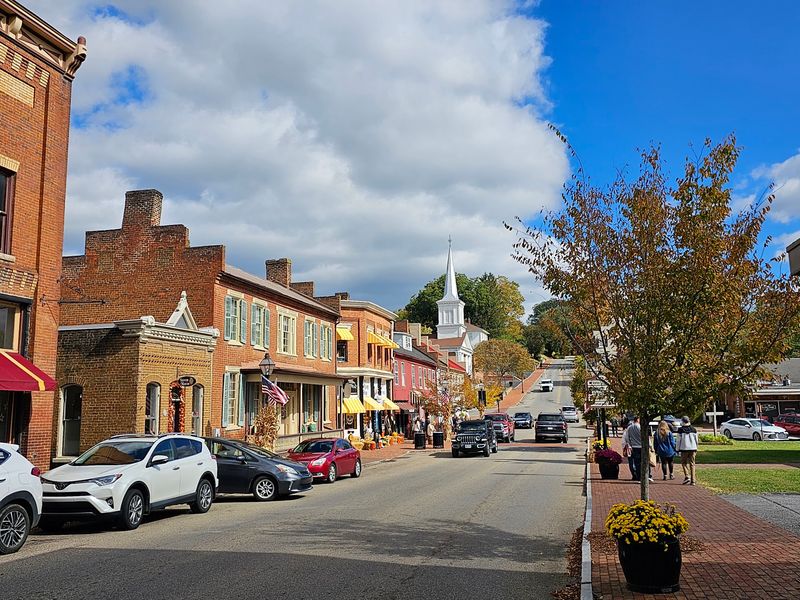
Some of the best Saturdays in Tennessee start with a wrong turn. You pull off a two-lane road looking for coffee, and suddenly there’s a courthouse square, a railroad depot, and a cafe where lunch costs less than parking in a bigger city.
The state is full of small towns like this, places with real history and almost no crowds, most of them sitting an hour or two from a metro area. Here are eleven of them, each one an easy day trip that won’t eat your whole wallet.
1. Bell Buckle
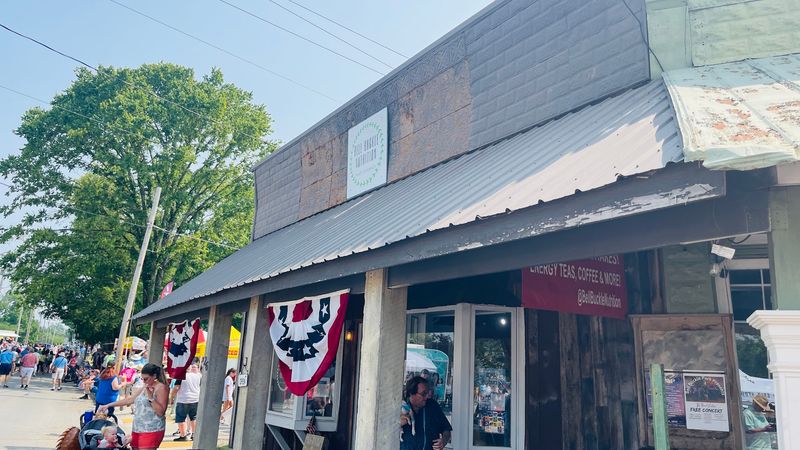
Roughly 400 to 500 people live in Bell Buckle, which means the whole town fits into a single walkable block of preserved 19th-century storefronts. The railroad tracks still run right alongside Main Street, and the buildings face them the way they did when freight mattered more than tourism.
Antique shops line that stretch, and they’re the browsing kind where you poke through stacked crates and old farm tools rather than curated displays. Country cafes handle lunch, and a plate here generally runs far less than what you’d pay for the same meal closer to Nashville.
Bedford County puts this one about an hour southeast of downtown Nashville, which makes it a genuine half-day trip if you leave mid-morning. Parking is street-side and free, and there’s no gate, no ticket booth, no admission of any kind.
Two adults can do the whole town on about $30 including lunch and a small souvenir. Shop hours in a place this size can shift with the season, so a quick check before you drive is smart, and Saturdays are generally your best bet for finding doors open.
2. Granville
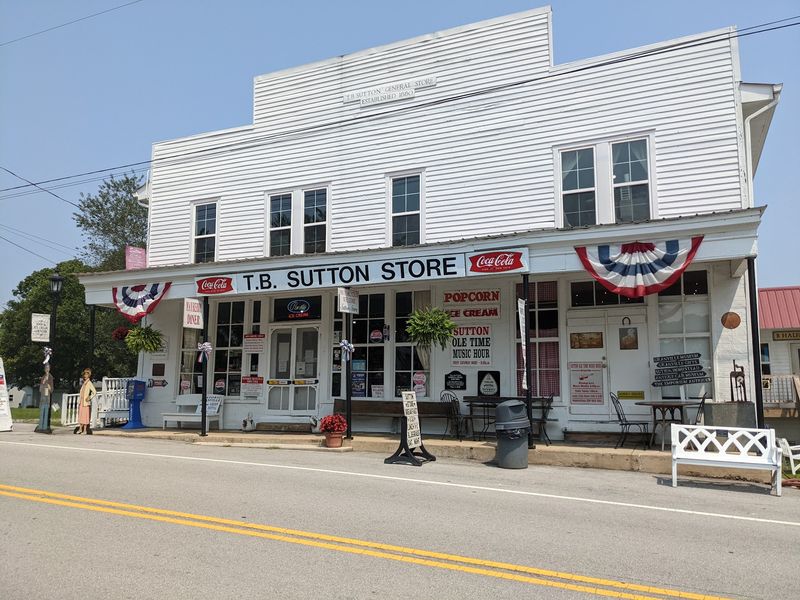
Three hundred people. That’s the permanent population of Granville, a riverside hamlet in Jackson County that somehow keeps a full row of restored heritage storefronts standing along Cordell Hull Lake.
What sets it apart from other small Tennessee squares is the living-history angle. The old country stores are set up as they would have looked generations back, and local museum exhibits fill several of the buildings, so the walking itself teaches you something.
Nobody is herding you through a line.
From Nashville you’re looking at roughly an hour and a half east, and the drive in follows water for the last stretch, which is half the appeal in October when the hills turn.
Costs stay low here. Some exhibit buildings ask a modest fee and others don’t, so budgeting $20 to $25 per person for a day with lunch is realistic.
Operating days lean toward weekends and event dates rather than daily hours, which is worth confirming before you commit the Saturday. Bring a camera for the lake overlooks on the way out of town.
3. Jonesborough
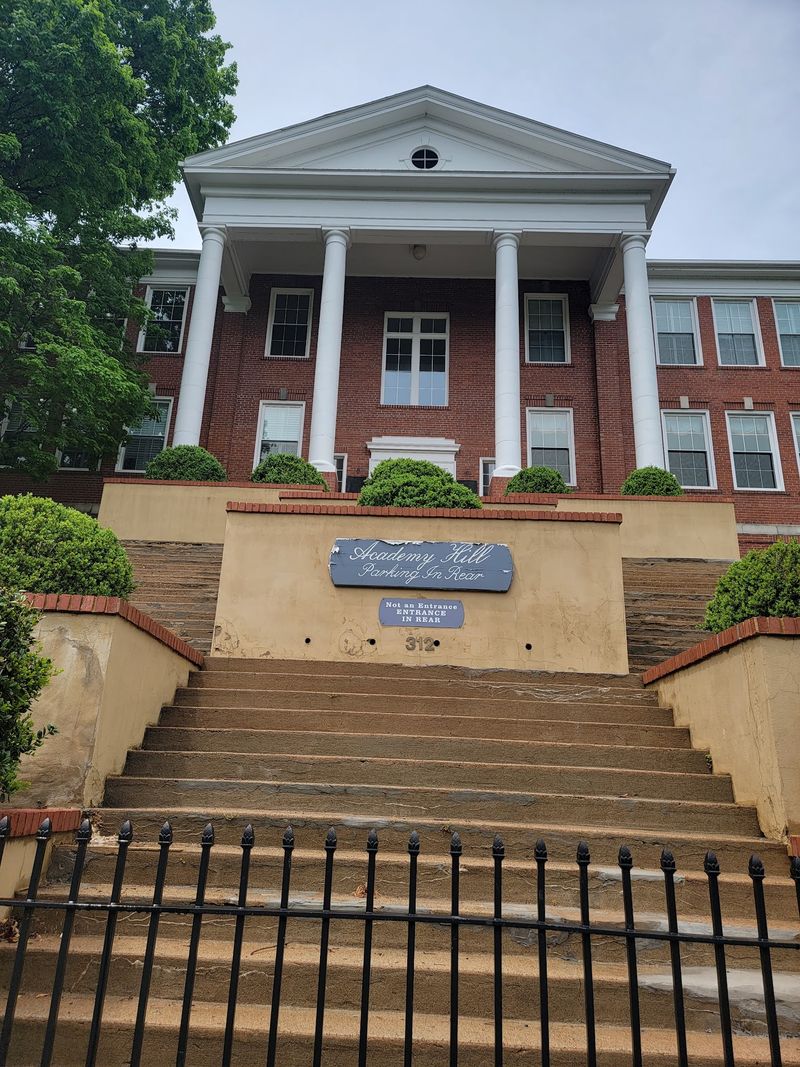
Founded in 1779, Jonesborough holds the title of Tennessee’s oldest town, and the Main Street proves it. Brick walkways, buildings that predate statehood, and a slope that puts every church steeple in the same frame.
About 5,800 people live here, which is big enough to keep craft shops and quiet eateries in business but small enough that you’ll never fight for a table at lunch. The heritage sites along the walk are the draw, and much of the experience costs exactly nothing since the architecture is the exhibit.
Twenty-five minutes from downtown Johnson City makes this the easiest entry on the list for Tri-Cities families, and it’s reachable in under two hours from Knoxville.
A practical plan: park once, walk the length of Main Street, break for lunch in the middle, then reverse the route hitting whatever shops caught your eye. Two people can do it comfortably on $35 with a sit-down meal included.
Brick sidewalks and hills mean strollers work but require some muscle, and comfortable shoes matter more here than anywhere else on the list.
4. Rugby
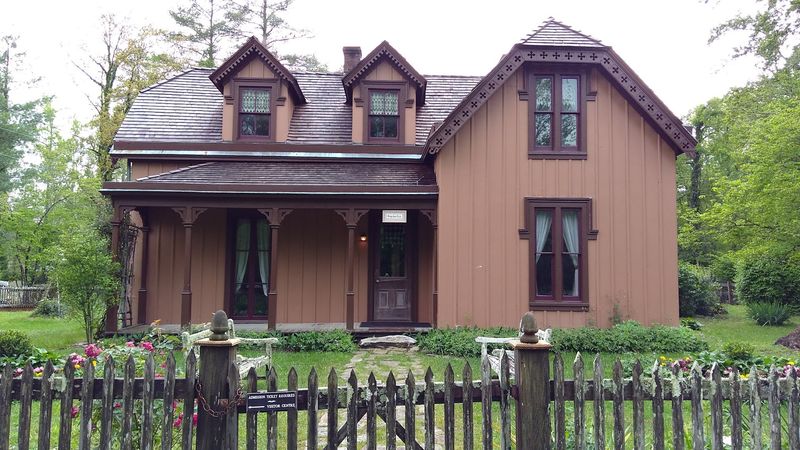
Fewer than 100 residents live in Rugby, and that number tells you almost everything about why the Cumberland Plateau settlement feels frozen in the 1880s. Victorian buildings with gabled roofs and painted trim sit spread across wooded ground in rural Morgan and Scott counties.
The architecture is authentic rather than reconstructed, which is unusual. Guided historic tours cover the buildings, and nature trails run out from the settlement into the surrounding forest, so you can pair indoor history with a walk in the same stop.
Here’s the tradeoff worth knowing: isolation is the point, and it’s also the challenge. Roughly two hours from either Knoxville or Nashville, this is a full-day commitment rather than a quick swing.
Tour admission at historic sites like this typically runs modest, in the range of $10 or less per adult, while the trails cost nothing. Tour schedules follow a season, so calling ahead beats showing up hopeful.
Pack a lunch, because dining options out here are limited, and the picnic setting among those old houses honestly beats most restaurants for atmosphere.
5. Tellico Plains
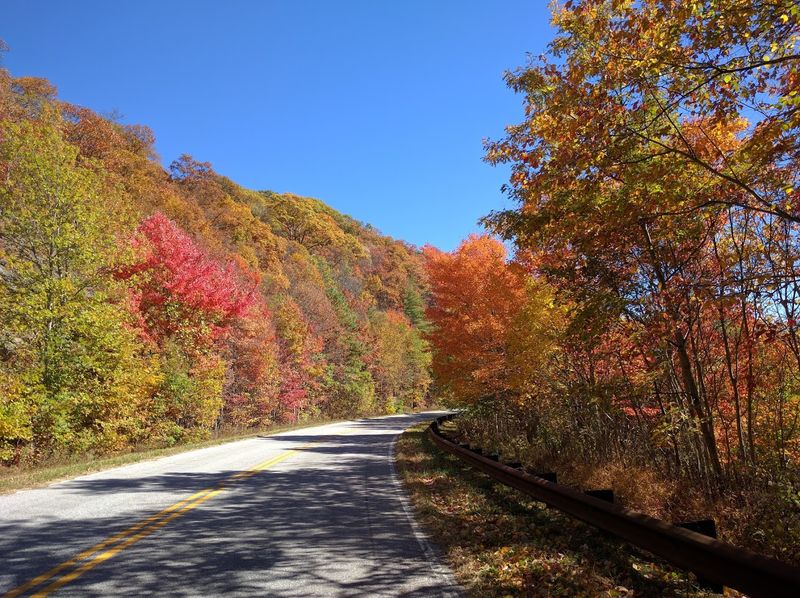
Under 1,000 people, one river, and the front door to the Cherokee National Forest. Tellico Plains in Monroe County trades on location more than size, sitting where the Tellico River comes down out of the foothills.
Fall is the season that makes this town make sense. The Cherohala Skyway starts here, and the drive up delivers ridge-after-ridge foliage views for free, with pull-offs the whole way.
Local bakeries handle breakfast before you head up, and that’s a cheaper start than anything on the Parkway in Pigeon Forge.
Knoxville drivers reach it in about an hour and fifteen minutes, Chattanooga in roughly two.
Because the forest and the scenic drive carry no admission, gas becomes your main expense. Fill the tank, grab pastries and sandwiches in town, and a family of four can do the whole Saturday for under $40 plus fuel.
Weather on the plateau shifts fast and the Skyway can close in winter conditions, so check road status in the colder months. Restrooms are in town, not up on the mountain, so plan accordingly before you climb.
6. Rogersville
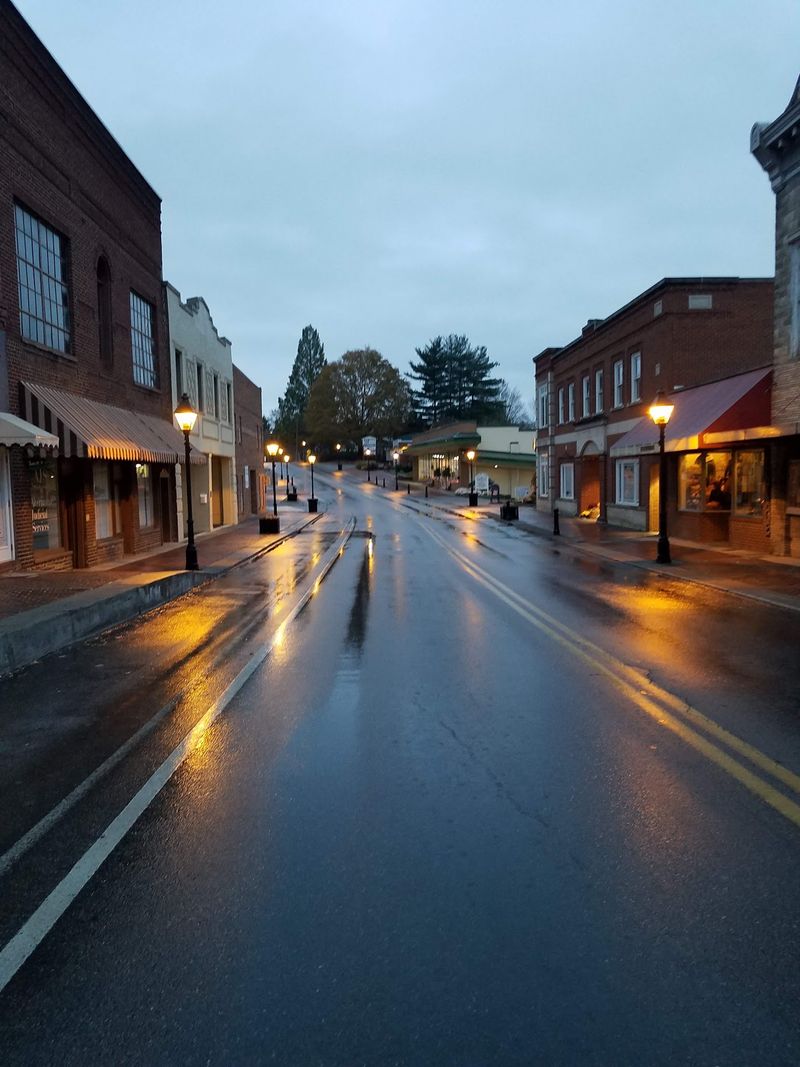
Tennessee’s early settlement history runs through Rogersville, one of the state’s oldest established towns. About 4,500 people live around a downtown district that stayed intact, centered on town-square landmarks and historic inns rather than strip development.
Antique stores make up a good share of the storefronts, and the buying here skews toward genuine estate finds over reproduction decor. Outside of town, mill ruins, a waterfall, and a dam sit along the water, all accessible during daylight and all free to walk up to.
Sitting in Hawkins County, the town is about an hour from Johnson City and closer to an hour and a half from Knoxville, which keeps it off the main tourist corridors entirely.
Lunch happens downtown, with spots along Main Street serving midday meals at small-town prices. Between free outdoor stops and an inexpensive plate, a couple can spend a full Saturday here on about $25 total.
Restrooms are easiest found at downtown businesses or public parks, and shop hours can vary shop to shop, so a Saturday late morning arrival gives you the widest window.
7. Sewanee
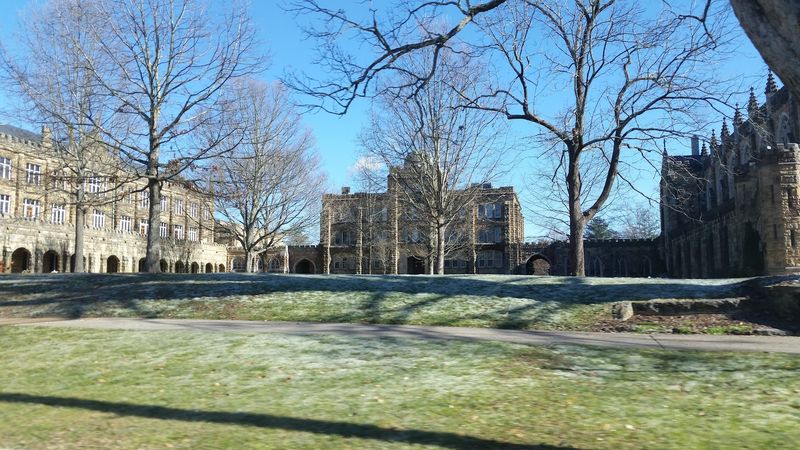
Gothic sandstone buildings on top of a mountain make an odd sight in rural Franklin County, but that’s Sewanee. Around 2,500 residents share a plateau village of leafy avenues, historic chapels, and bluff trails that open onto long valley views.
Walking is the entire activity, and it’s free. Scenic overlooks sit within easy reach of the main streets, the chapels are architectural stops in their own right, and local cafes cover coffee and lunch without resort pricing.
Nashville is about ninety minutes northwest, Chattanooga roughly an hour southeast, putting Sewanee in comfortable range for both metros on the same tank of gas.
What makes this one different from the other plateau entries is the shade. Those mature trees along the avenues turn the village into one of the better foliage walks in Middle Tennessee come late October, and there’s no tour bus traffic competing for the overlooks.
Budget around $20 per person for a coffee-and-lunch day. Trails near the bluffs have exposed edges, so keep younger kids close, and pick a clear day since fog settles on the plateau without much warning.
8. Hohenwald
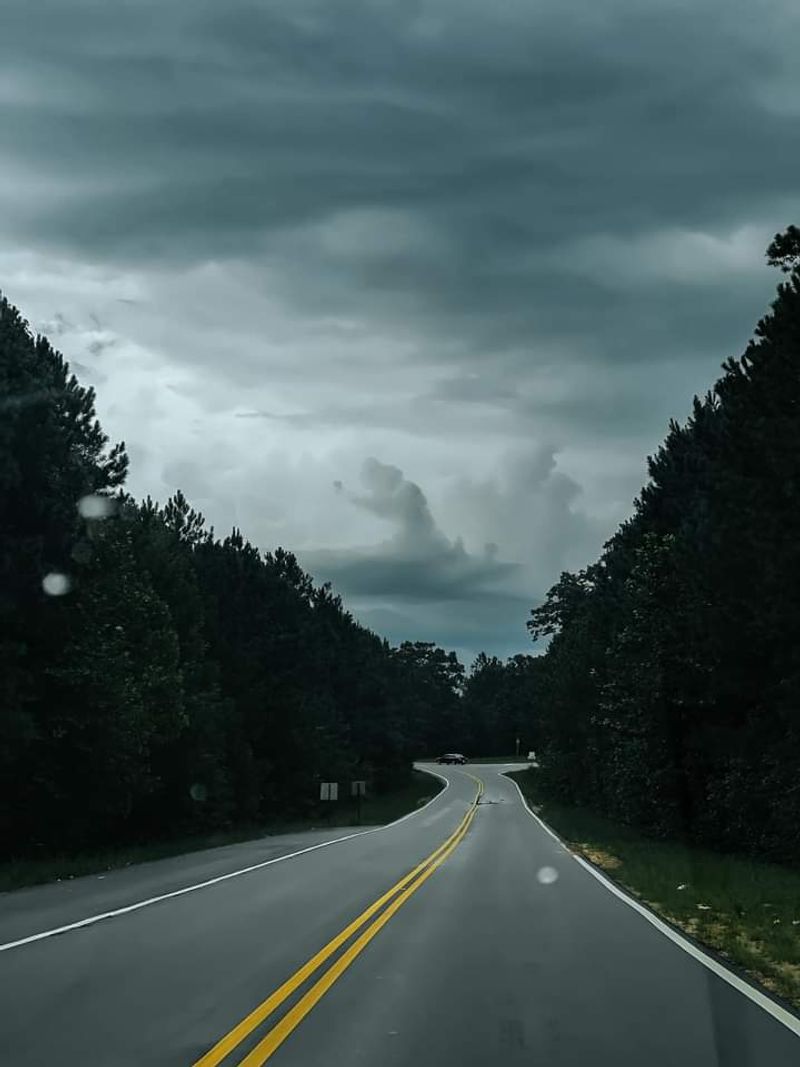
Ask Middle Tennessee drivers about the Natchez Trace Parkway and most can name the road but not the towns beside it. Hohenwald is one of them, a Lewis County seat of roughly 3,700 people built around a classic courthouse square.
The square holds local history exhibits that stay genuinely uncrowded, even on fall weekends when Trace traffic picks up. Roadside stops and quiet countryside fill the miles between, and the Parkway itself charges nothing to drive, with no commercial signage to break the view.
From downtown Nashville, figure about an hour and twenty minutes southwest.
A workable itinerary: drive a stretch of the Trace in the morning, come into town for lunch on the square, then browse whatever’s open before heading home the scenic way. Two people manage that on roughly $30.
Exhibit hours at small-town history collections tend to be limited and can change seasonally, so confirm before building the day around one. Gas stations and restrooms are in town rather than on the Parkway, which catches first-time Trace drivers off guard more often than you’d think.
9. Sweetwater
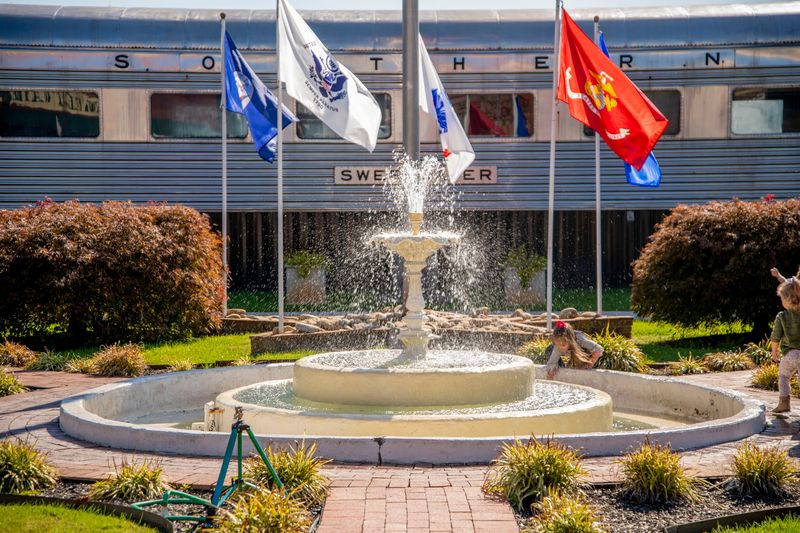
Antique hunters have known about Sweetwater for years, and the rest of East Tennessee mostly drives past it on the interstate. About 6,000 people live here, with the whole day’s worth of activity concentrated on a historic downtown Main Street.
Boutique storefronts and antique shops sit shoulder to shoulder along that stretch, and the pace is unhurried enough that browsing doesn’t feel rushed. Local diners handle lunch, and the plates come at the price you’d expect from a town this size, not a tourist strip.
Positioned between Knoxville and Chattanooga, Sweetwater is roughly 45 minutes from Knoxville and about an hour from Chattanooga, which makes it one of the easier meeting-point towns for families driving from opposite directions.
Downtown parking is street-side and costs nothing, and you won’t need to move the car once you’ve stopped.
Plan on $30 or so for two people with a diner lunch and a small purchase. Shops here keep more consistent Saturday hours than the tiniest towns on this list, though a few close early afternoon, so aim for a late-morning start to get the full run.
10. Wartrace
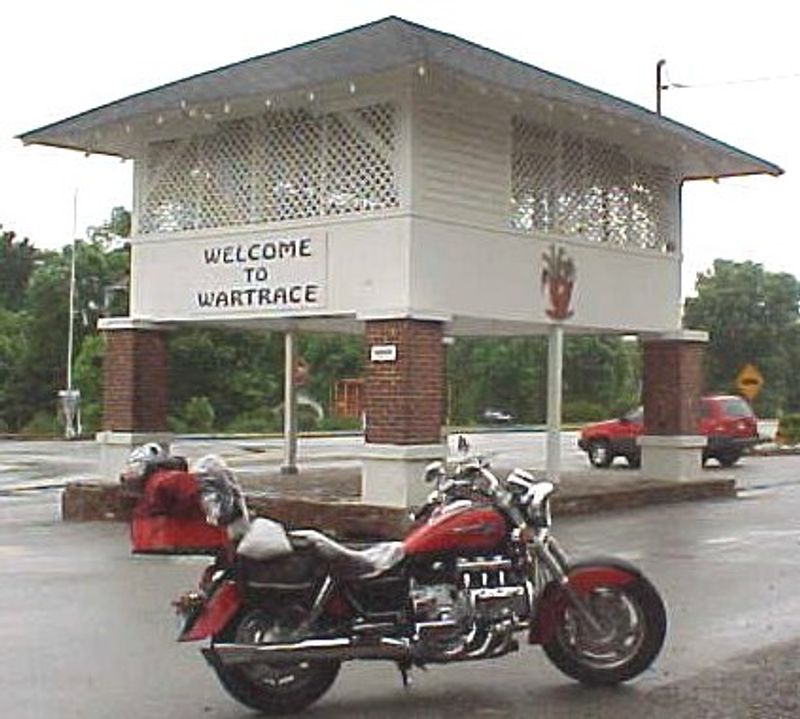
Six hundred fifty residents, one historic square, and a depot that explains why the town exists at all. Wartrace sits in Bedford County as a railroad community that never grew past its original footprint.
Preserved depot heritage anchors the square, and local music heritage runs through the town’s story as well, giving the short walk more substance than the size suggests. Rural surroundings mean the approach roads are the other half of the outing, particularly in autumn when the farmland edges turn.
Nashville drivers reach it in about an hour and ten minutes heading southeast, and it pairs naturally with Bell Buckle since the two sit only a few miles apart.
That pairing is the real argument for Wartrace. Two distinct historic squares, one short drive between them, and neither charges admission for anything.
Costs stay minimal, with $20 covering lunch and a look around for two. Services are limited given the population, so fuel up before you turn off the highway.
Hours for the handful of businesses can be irregular, making a weekend visit more reliable than a weekday stop.
11. Dayton
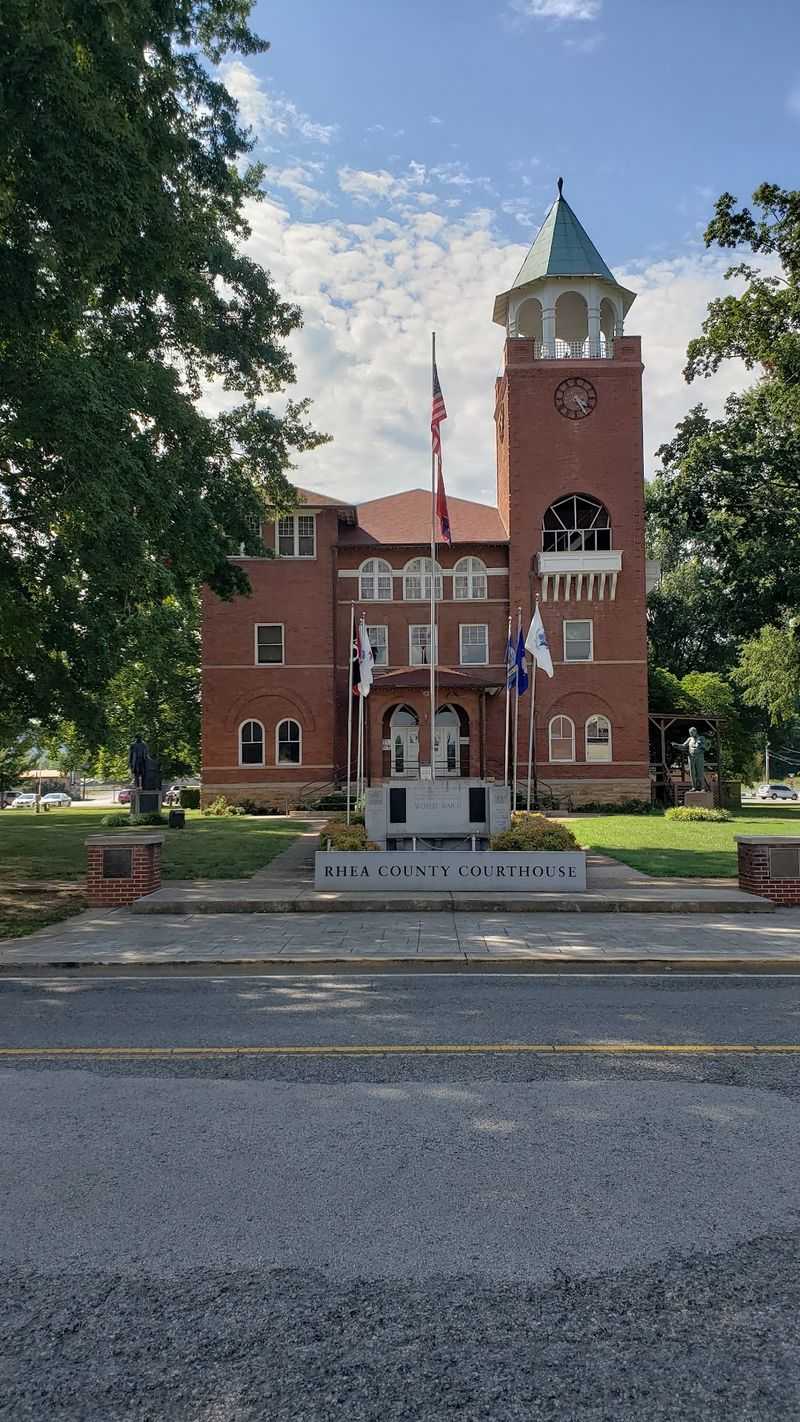
The 1890s courthouse in Dayton is the kind of building that stops conversation in the car. Red brick, big windows, and a presence that dominates the downtown of this Rhea County town of about 7,000.
Historic downtown sites cluster within walking distance of it, and the Chickamauga Lake waterfront sits a few minutes away, which gives the day two different moods: architecture and history in the morning, water views and open sky in the afternoon.
Chattanooga is only about 40 minutes south, making Dayton one of the shortest drives on this list for anyone starting in that metro. Knoxville runs closer to an hour and fifteen.
Small-town eateries downtown cover lunch, and nothing about the day requires a ticket, so $25 for two people is a fair estimate with a meal factored in.
Lake access points and courthouse grounds stay open through daylight hours, though interior access to historic buildings follows business schedules worth confirming. Picnic tables near the water give families a free alternative to a restaurant, and the drive between the two stops takes almost no time at all.