
Rescued Bald Eagles Live In An Open-Air Tennessee Sanctuary Where Families Watch Up Close
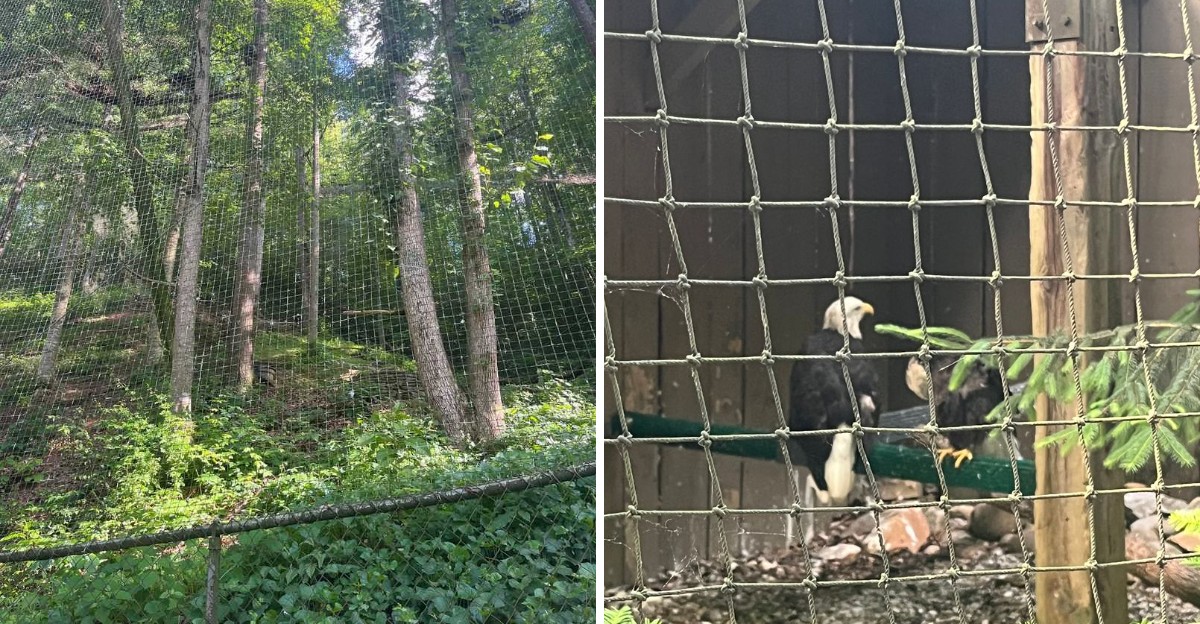
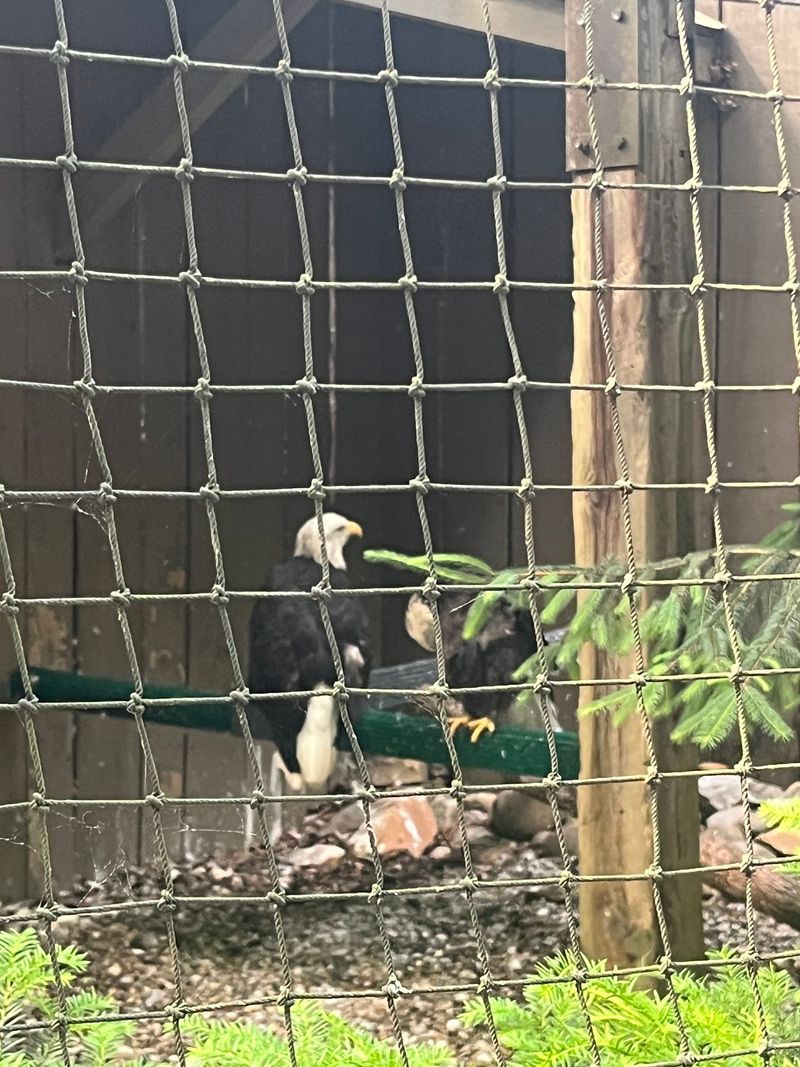
There is a spot in East Tennessee where you can stand quietly under the trees and count more bald eagles in one glance than most people see in a lifetime. The birds living there cannot survive on their own in the wild, so they have been given a mountainside home with room to hop, perch, and call out to each other.
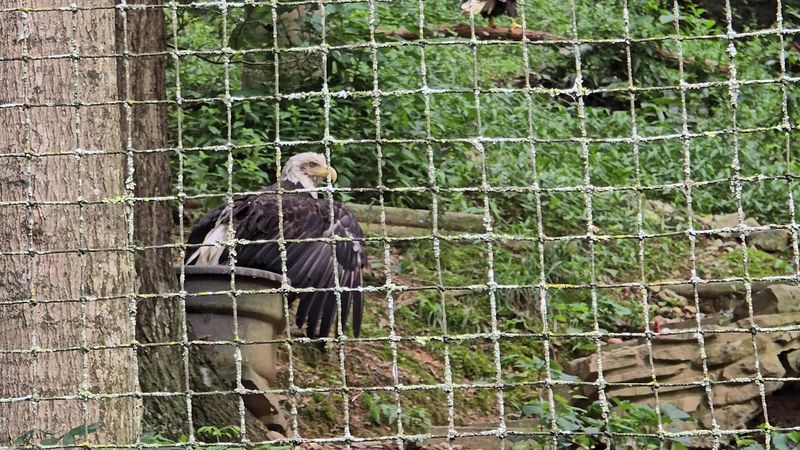
Families walk right up to the mesh and watch them at eye level, close enough to see the yellow of a beak and the ruffle of white head feathers. It is the kind of stop that sneaks up on you, and kids tend to remember it long after the roller coasters blur together.
A Mountainside Home Tucked Inside Dollywood
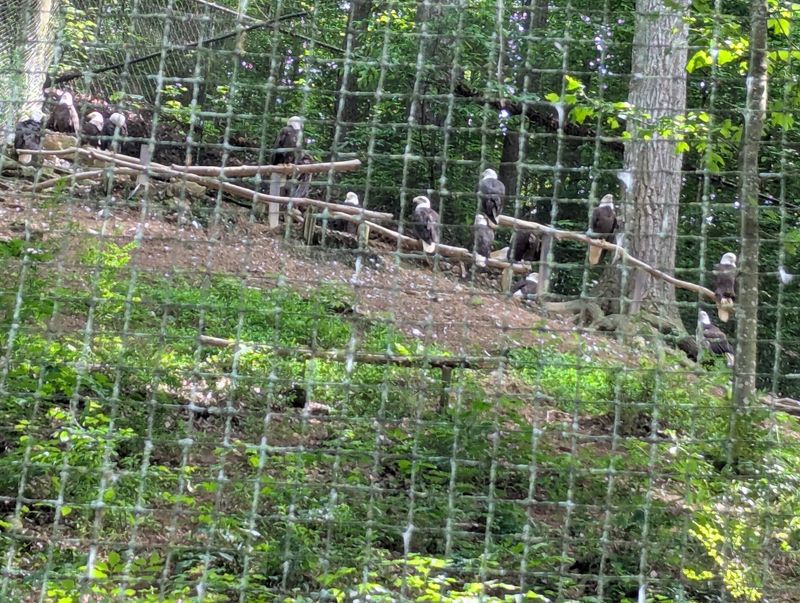
Eagle Mountain Sanctuary sits at 2700 Dollywood Parks Blvd in Pigeon Forge, Tennessee, built into a wooded slope inside the Dollywood theme park. Rather than a row of small cages, the habitat climbs up into the trees, so the birds have real elevation to work with.
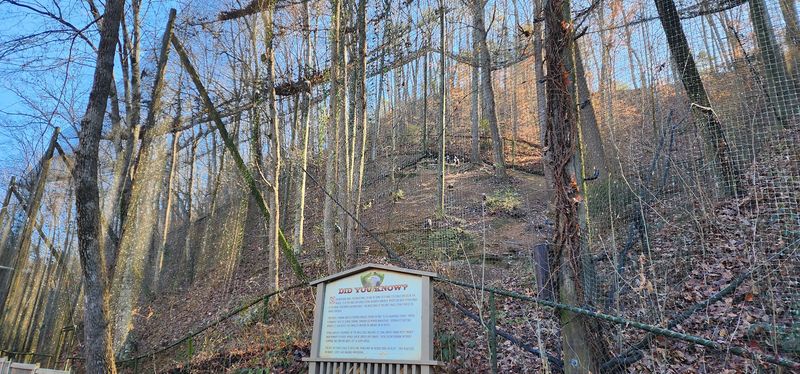
Visitors describe it as a large collection of non-releasable eagles living in an open-air, natural environment on the side of a mountain. The screened enclosure is tall and deep enough that eagles can move between perches, sit on fallen logs, and spread out instead of crowding a single branch.
What surprises most first-timers is how visible the birds remain. Even with all that space, the eagles tend to settle where guests can see them clearly, often several at a time on the same log.
Its listing carries a 4.9-star average, and the topic guests mention most is simply the eagles themselves, followed by the natural setting and the size of the habitat. For a Tennessee family already headed toward the Smokies, it lands as one of the quieter, more meaningful stops on the day.
Why These Eagles Cannot Return To The Wild
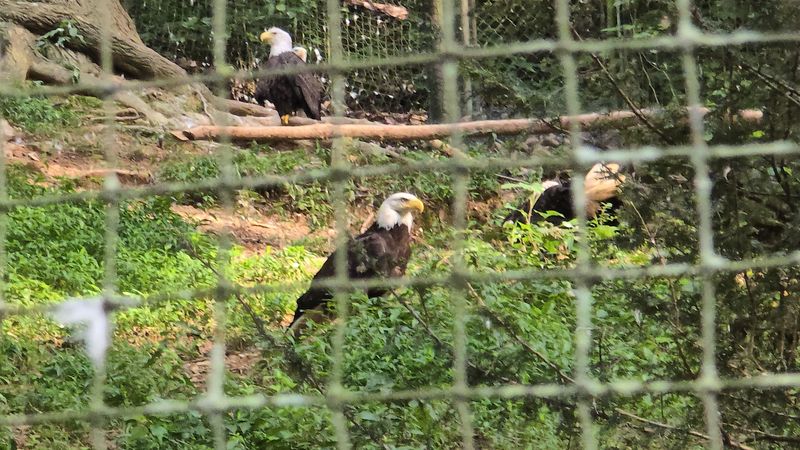
Every bald eagle here shares one thing: it cannot make it on its own outdoors. Some have permanent injuries that limit flight, others were raised too close to people and never learned to be wild birds.
Instead of an uncertain future, they get a long-term address with daily care, food, and a habitat that mimics the ridges they would naturally claim. Guests often say they appreciate knowing the sanctuary exists specifically for eagles that cannot live in the wild.
That backstory changes how the viewing feels. You are not looking at a collection assembled for entertainment, you are looking at individual survivors, each with a reason for being there.
Longtime visitors mention that the birds show clear personalities once you watch for a few minutes. One will preen endlessly, another stares down the walkway, a third keeps calling until a neighbor answers.
Several people have noted a bittersweet feeling at seeing such powerful birds behind mesh. The honest counterweight is that these particular eagles would not be here at all without the sanctuary, and the space they have is genuinely generous.
The Largest Gathering Of Bald Eagles Most Visitors Have Ever Seen
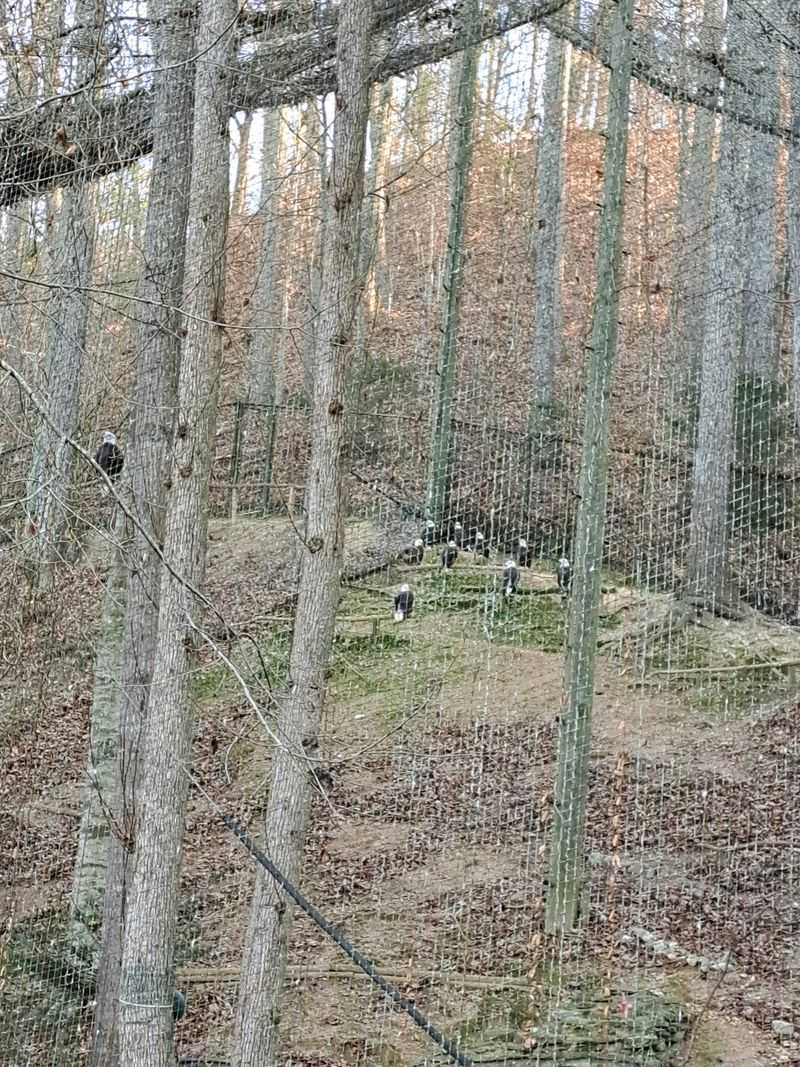
Counting is part of the fun. Guests regularly report seeing more bald eagles at one time here than anywhere else in their lives, and the number on view can genuinely stop a conversation mid-sentence.
One visitor described several eagles lined up on a single log looking like they were holding a business meeting, with a few vocalizing back and forth. That chattering call catches people off guard, since the sound real eagles make is thinner and chirpier than the movie version most of us carry in our heads.
Morning and late afternoon tend to bring more movement, though eagles are famously content to sit and survey for long stretches. Patience pays off here in a way it rarely does at a theme park.
Kids often spot the smaller drama first. Chipmunks dart in and out of the enclosure with what regulars jokingly call complete disregard for their own safety, and watching an eagle track one with its eyes is its own small show.
Bring a camera with some zoom if you have one. The birds are close, but the good frames reward a little reach.
Open-Air Design And The Sound Of The Woods
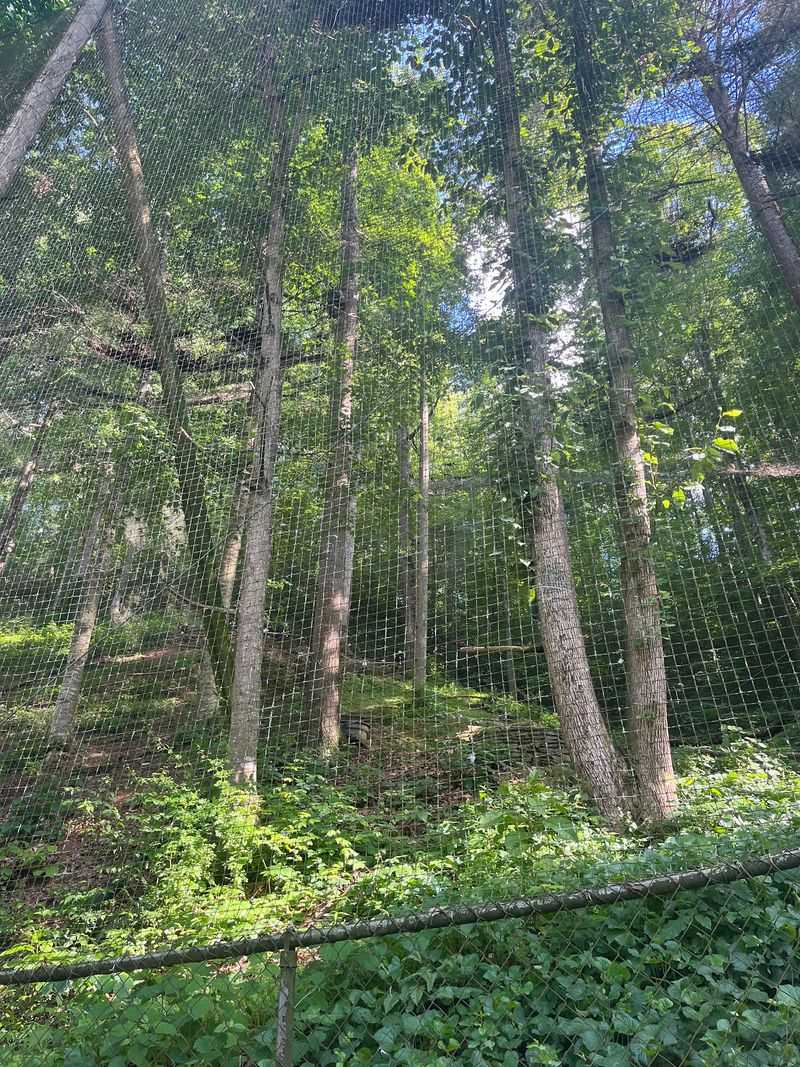
Netting overhead, forest underfoot. The habitat was built around existing trees and hillside rather than flattening a lot and dropping a structure onto it, which is why the whole place reads as woods first and exhibit second.
Sound carries differently under that canopy. You hear wind in leaves, the occasional eagle call, and the hum of the park softened by distance and trees.
Reviewers consistently return to the same two words, natural setting, and they use habitat almost as often. The height matters too, because eagles choose upper perches when they want space, and the enclosure gives them that option.
Shade is a practical bonus in a Tennessee July. Standing in front of the sanctuary after a few hours on hot pavement feels like stepping into a different afternoon entirely.
One guest called the whole experience a quiet moment amid the excitement of the park, and that captures the design intent well. Nothing flashes, nothing beeps, and the pace is set by the birds rather than by a ride queue.
The Presentation Where Keepers Do The Talking
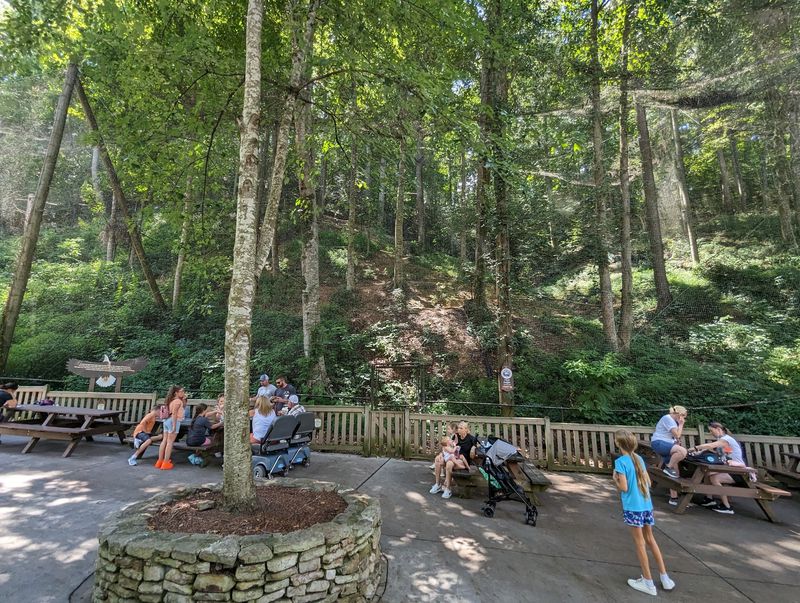
Ask a ranger-type question and you will get a real answer here. Guests describe the presentation as informative and the presenters as clearly knowledgeable, which is not always a given at attractions built for crowds.
The show explains how the birds arrived, what daily care looks like, and how the species recovered across North America. Adults tend to walk away having learned something specific rather than something vague.
Younger kids stay engaged because there is a bird right in front of them for most of it. Seeing wingspan up close does more teaching in ten seconds than a placard does in ten minutes.
Show times can shift with season and weather, so glance at the park schedule when you arrive rather than assuming a set slot. Reviewers have flagged limited hours and easy-to-miss signage, so a quick check before you go saves frustration.
If you only have time for one part of the sanctuary, make it the presentation. The habitat is beautiful on its own, but the talk turns it into a story with names and outcomes attached.
A Picnic Spot With Feathered Company
Lunch with a view of a bald eagle is a strange sentence to write, and yet that is exactly what happens here. There is a picnic area where guests can sit and watch the birds, and multiple visitors have called it a nice place to eat while eagle-watching.
Parents especially appreciate the setup. Little legs get a break, snacks come out, and nobody complains about standing because everyone is already seated and staring at something impressive.
Shade from the surrounding trees keeps the tables comfortable well into a summer afternoon. It is one of the cooler places to regroup before heading back into the park.
Retirees traveling in a slower gear tend to linger longest here. Watching eagles shift perches over twenty minutes turns into its own kind of entertainment once you stop rushing.
Fill your water bottles beforehand and claim a table when you see one open. The spot is popular with people who already know about it, and midday tables go quickly on busy weekends.
The Attraction Plenty Of Park Guests Walk Right Past
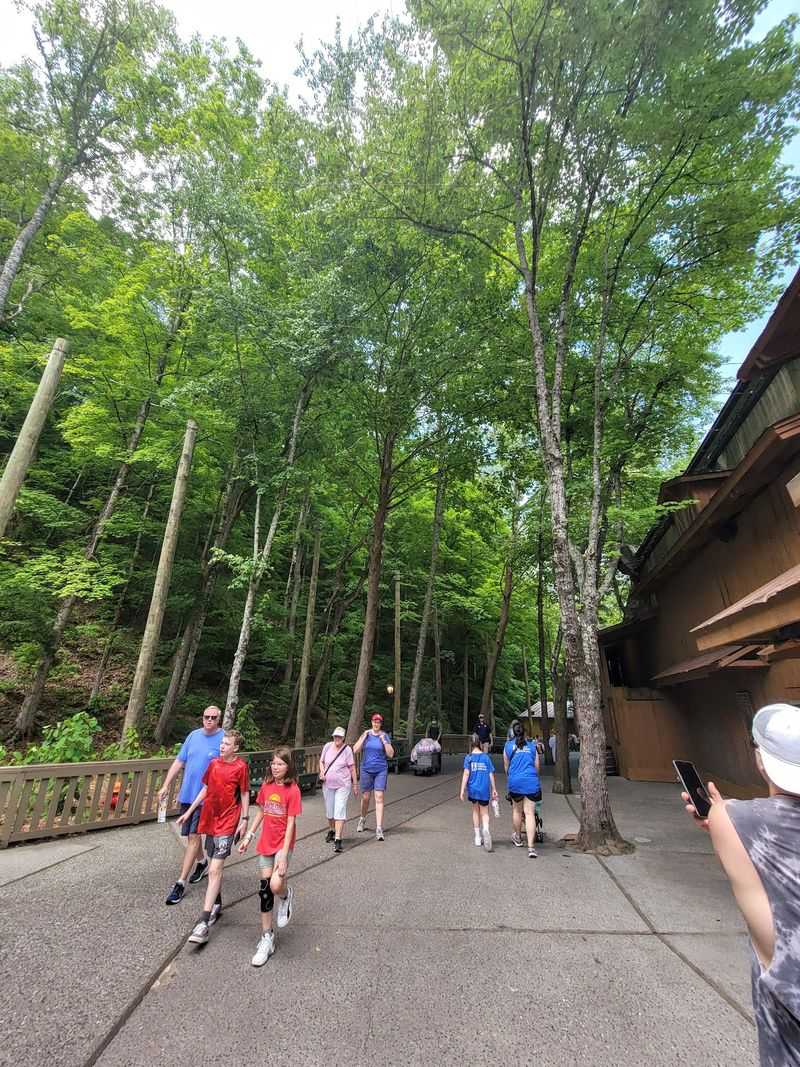
Thousands of people pass through Dollywood every operating day and a surprising number never make it to the eagles. One guest flatly called it a fantastic part of the park overlooked by a lot of people, and reviewers have noted the signage is not obvious.
Word of mouth does most of the work. Tennessee families who have been coming for years often discover it on their fourth or fifth trip, usually because someone finally followed a side path instead of heading toward the next ride.
Low foot traffic is part of the appeal. You can stand at the viewing area without jockeying for position, and kids get an unobstructed look without being lifted onto shoulders.
Locals with season passes have an advantage here, since they can drop in on a slower weekday and take their time. Repeat visitors treat it as a reset button between the loud parts of the day.
Map it before you walk. Knowing roughly where you are headed keeps you from wandering past the turn, which is exactly how most people miss it.
Hours, Days, And The Closed-Door Surprise
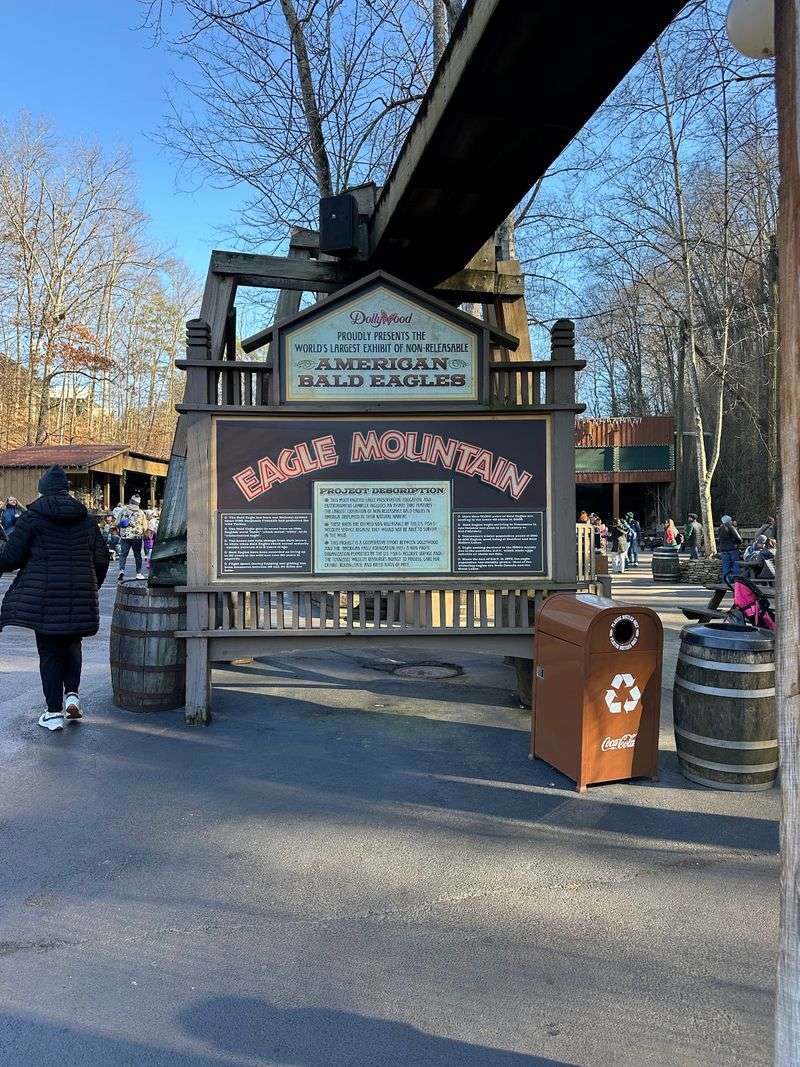
Days off matter here more than at most attractions. The sanctuary lists hours of 10 AM to 7 PM on Monday, Wednesday, Friday and Saturday, 10 AM to 8 PM on Sunday, and it shows as closed on Tuesday and Thursday.
Nothing sours a drive faster than arriving on a dark day, so plan around that midweek gap. Several guests have specifically recommended checking before you go, citing limited hours.
Schedules also ride on Dollywood’s own operating calendar, which shifts by season and closes for stretches of winter. Confirm both the park calendar and the attraction hours before you load the car.
Sunday gives you the longest window at eight hours of access, useful for families driving in from farther out. Weekday mornings tend to feel calmer if you want the walkway mostly to yourself.
Hours can change without much notice, so treat the posted times as a strong guide rather than a guarantee. A two-minute check the night before protects the whole Saturday.
What It Actually Costs To Get In Front Of The Birds
Straight talk on money: the sanctuary sits inside Dollywood, so there is no separate ticket booth for the eagles. One reviewer noted plainly that you have to pay to park and pay to enter Dollywood to see it.
That reality shapes who this trip suits. If a theme park day is already on your calendar, the eagles cost you nothing extra beyond the walk.
If you only want to see eagles, the math looks different.
Once you are inside, there is no upcharge at the habitat and no timed reservation to manage. You walk up, you watch, you stay as long as you like.
Guests who made the trip generally felt the experience justified the day’s cost, with one parent saying she and her daughter fully enjoyed it. Staff at the sanctuary drew praise for being helpful and welcoming.
Ticket and parking prices change by season and by how far ahead you book, so check current rates rather than relying on what you paid last year.
Drive Times From Knoxville, Chattanooga And Nashville
Knoxville families have it easiest. Pigeon Forge sits roughly 45 minutes to an hour southeast of downtown Knoxville depending on traffic through Sevierville, which makes this a genuine morning-departure day trip.
From Chattanooga, budget somewhere around two and a half to three hours across I-75 and I-40. Doable in a day, though you will want an early start to make the drive feel worthwhile.
Nashville drivers are looking at roughly three and a half to four hours each way, which pushes most families toward an overnight in Sevier County. Tri-Cities travelers come in from the northeast in about an hour and a half.
Parkway traffic through Pigeon Forge is the real variable, especially on summer Saturdays and during peak fall foliage weeks in October. Leaving early buys you both a parking spot closer in and quieter time at the habitat.
The GPS coordinates put the sanctuary on the Dollywood property at 2700 Dollywood Parks Blvd. Follow the park signage from the Parkway rather than trusting a shortcut through side roads.
Who Gets The Most Out Of A Stop Here
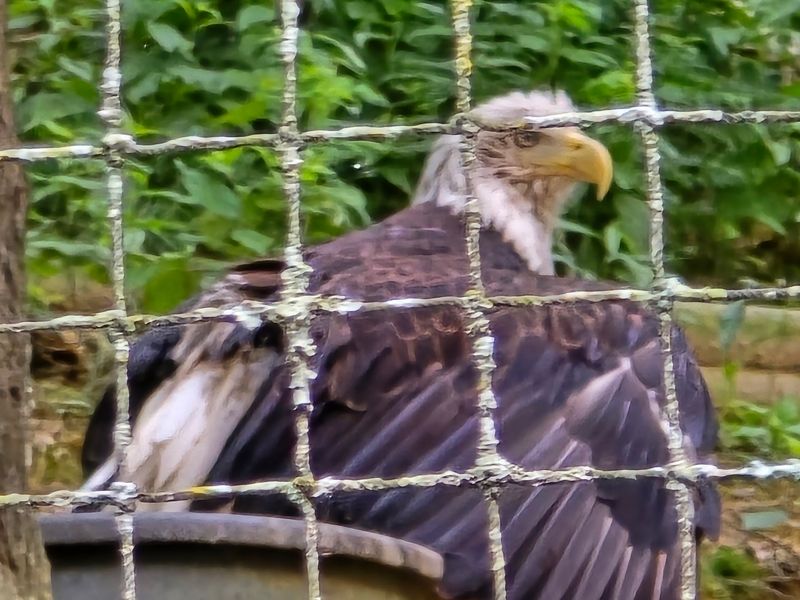
Bird-curious kids are the obvious winners. A child who knows eagles only from a nickel or a flag suddenly sees forty pounds of feathers shift on a branch twenty feet away, and that image sticks.
Grandparents traveling with the family tend to love it for a different reason. It is shaded, calm, seated viewing is available nearby, and nothing about it demands standing in a long line.
Photographers and nature-minded adults treat it as the highlight rather than the intermission. The natural backdrop means shots look like woods, not like a zoo enclosure.
Teenagers who have declared themselves too cool for the whole park often thaw here, mostly because the eagles are genuinely impressive and require no participation. Watching is the entire activity.
One thing worth preparing younger kids for: a few visitors have mentioned feeling a touch of sadness at seeing the birds enclosed. A short explanation about why these particular eagles need protection turns that moment into a teaching point rather than a downer.
The Verdict After The Last Eagle Call
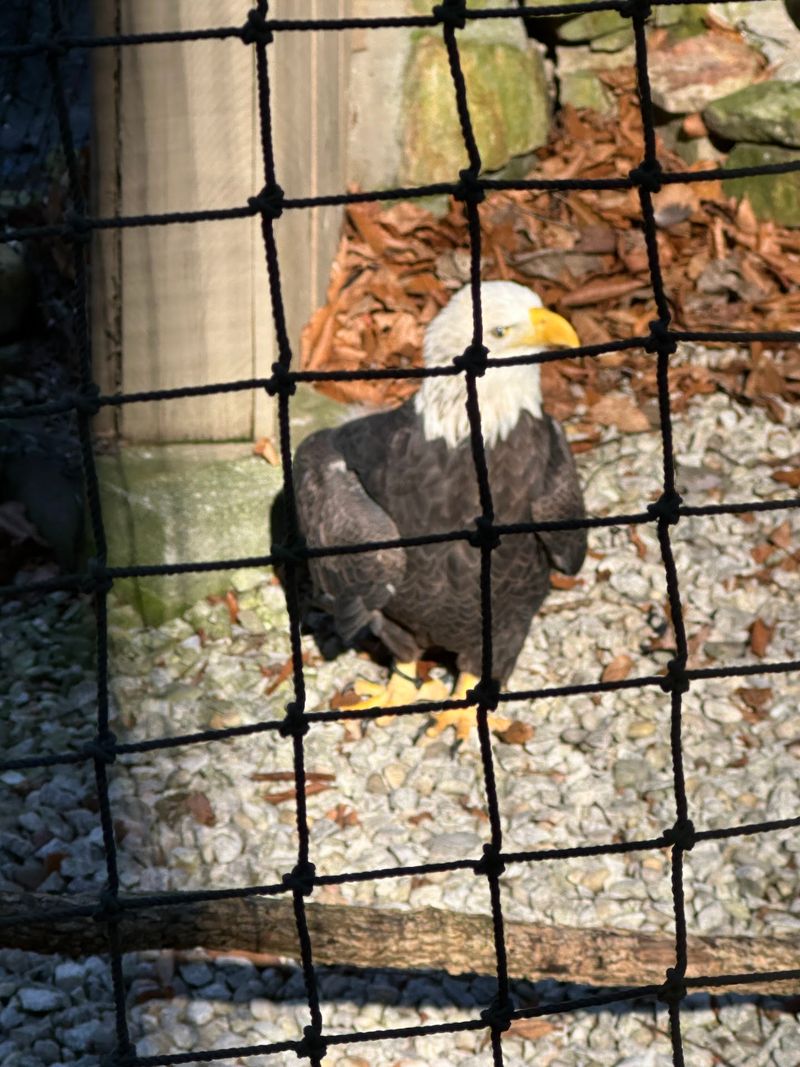
Roller coasters fade from memory faster than you would expect. What tends to survive the drive home is the strange, quiet fifteen minutes spent watching rescued eagles rearrange themselves on a log.
The sanctuary’s 4.9-star standing across its reviews reflects that reaction pretty faithfully, with guests using words like moving, peaceful and fascinating. Even the mild criticisms are honest rather than harsh, mostly about needing park admission and the easy-to-miss hours.
For Tennessee families already planning a Smokies trip, adding this stop costs nothing but a detour and a little patience. For anyone who has never seen a bald eagle outside a photograph, it may be the most memorable twenty minutes of the day.
Go on a Sunday if you want the longest window, avoid Tuesday and Thursday entirely, and double-check the park calendar before committing the gas money.
Stand there long enough and one of the eagles will look straight at you. That moment is the whole reason people keep telling their friends about a bird habitat tucked into a theme park hillside.