
Tennessee Copperheads Change Their Habits In September And Hikers Need To Know Where To Look
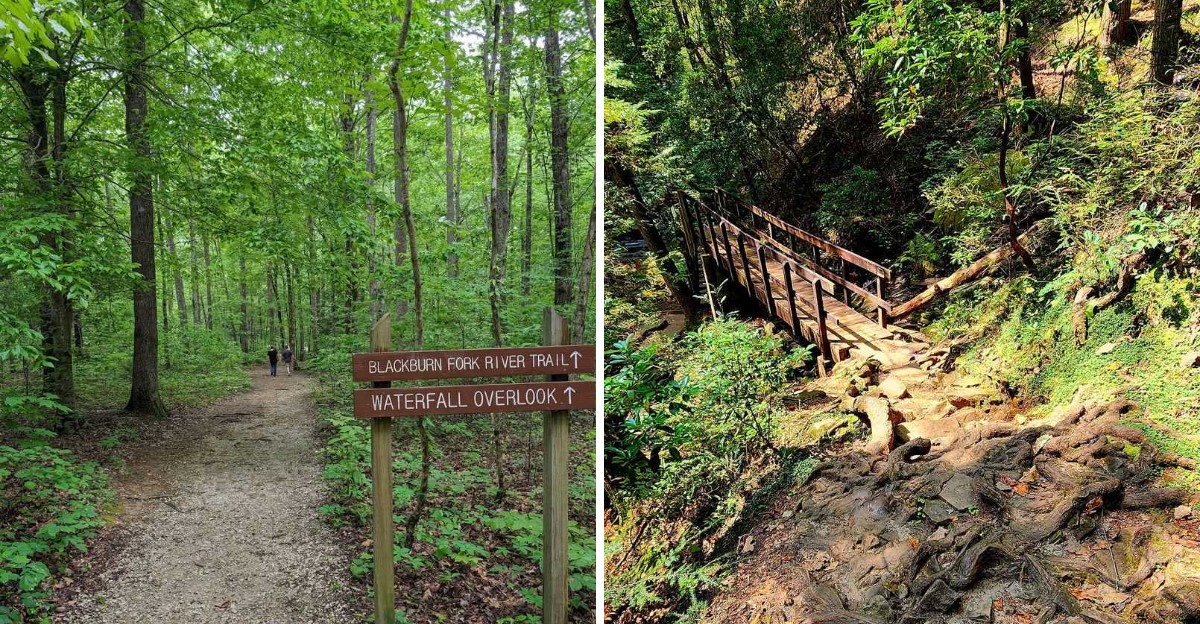
September can make a familiar Tennessee trail feel a little different.
Copperheads start adjusting to cooler days, and that can change when and where hikers notice them. Warm rocks, leaf litter, fallen logs, stream edges, and wooded slopes all deserve a closer look once summer starts easing off.
That does not mean every hike turns into a snake encounter. It does mean timing matters more than many people realize.
During the hottest stretch of summer, copperheads often stay more active after dark. As temperatures drop, daytime movement can become more common, especially around places that hold warmth.
Tennessee hikers also have another reason to pay attention in early fall. Copperheads give birth around late summer and early fall, so small juveniles may be active too.
A little awareness goes a long way here. Knowing where to look can make a September hike feel a lot less surprising.
1. Great Smoky Mountains National Park
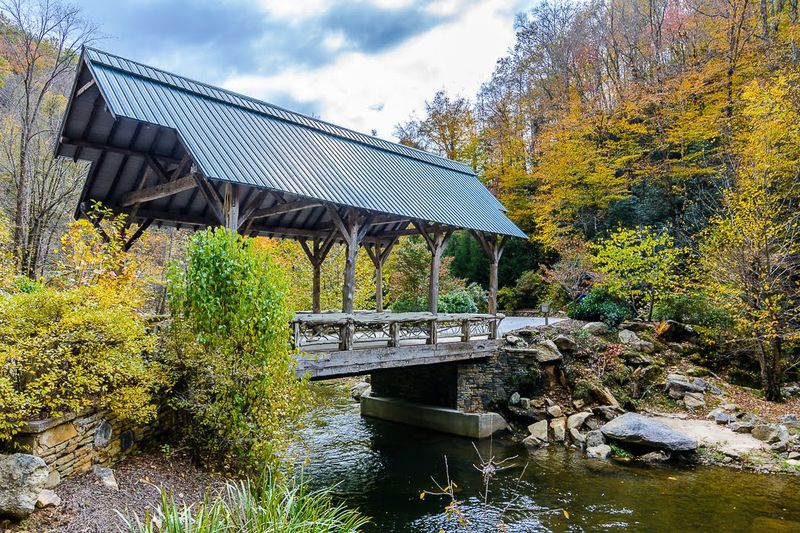
Great Smoky Mountains National Park deserves extra attention on a September hiking list because northern copperheads are confirmed residents here.
With more than 800 miles of trails, hikers move through exactly the kind of terrain these snakes favor.
Rocky wooded slopes, fallen logs, thick leaf litter, stream edges, and damp forest cover can all provide places for copperheads to rest without being easily noticed.
September adds another reason to watch the ground carefully. Female copperheads give birth in late summer or early fall, so very small juveniles may be present alongside adults.
Young copperheads resemble their parents but often have a bright yellow tail tip used to lure small prey.
Their camouflage is what makes trail encounters easy to miss. Brown and copper markings can nearly disappear among fallen leaves, especially when you are concentrating on the scenery instead of your next step.
Watch where you place your feet around rocks and logs, and never reach blindly into crevices or brush. If you spot a copperhead, leave it alone and give it space.
The Smokies are spectacular in September. Just remember that you are sharing those trails with wildlife that blends into autumn remarkably well.
2. Big South Fork National River And Recreation Area
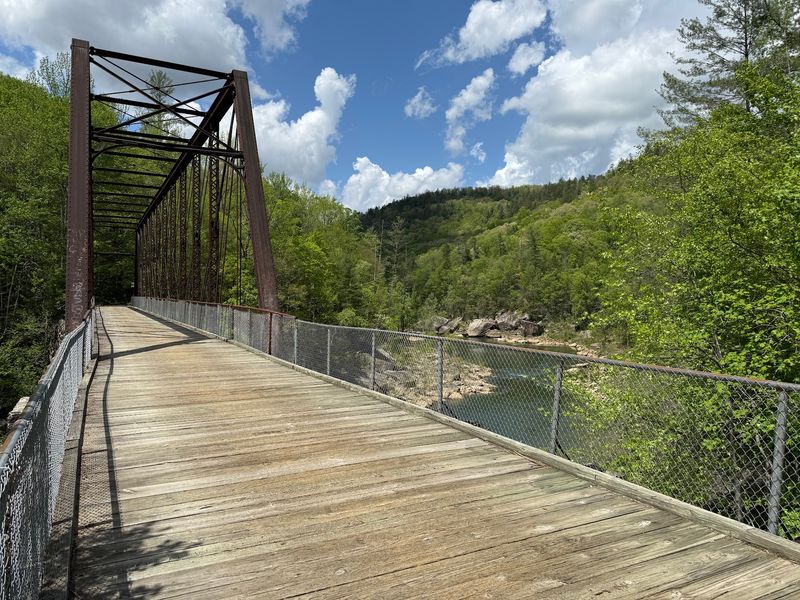
Big South Fork gives copperheads a very different landscape to work with. Sandstone bluffs, deep gorges, riverbanks, forested plateaus, and rocky trail corridors cover roughly 125,000 acres along the Tennessee and Kentucky border.
That rugged terrain creates countless places where a snake can disappear almost completely.
Copperheads are confirmed residents here, and park officials warn that they can appear on land and occasionally around the water.
September hikers should pay close attention near rocks, exposed roots, fallen timber, and the edges of the Big South Fork River and its tributaries.
The recreation area has around 350 miles of trails, so encounters depend heavily on where you walk. A dry sandstone ledge presents a different setting than a shaded path dropping toward the river, yet both can offer the cover copperheads use.
Cooler early fall weather can also bring more daytime movement than hikers might expect after the heat of summer. That makes warm rocks and sunny openings worth watching carefully.
There is no reason to hike nervously. Stay on established paths, look before placing your hands near rocks, and give any snake you see a wide berth.
In country this rugged, watching your footing is good advice even without copperheads in the picture.
3. Fort Donelson National Battlefield
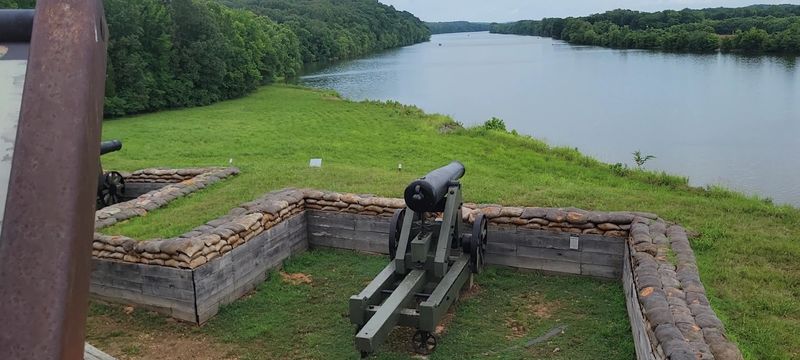
Fort Donelson adds a different kind of setting to this list. The trails wind through a Civil War battlefield, but the wooded slopes and ravines also provide habitat for copperheads.
The National Park Service identifies the copperhead as the only venomous snake found within the park.
That makes September a good time to pay attention, especially along dirt trails where rocks, exposed roots, fallen leaves, and uneven ground can hide a snake surprisingly well.
Fort Donelson has four main hiking trails, including the Donelson Trail and River Circle Trail. Sections pass through deciduous forest, steep slopes, narrow ridges, ravines, and areas close to the Cumberland River.
Those changing conditions create several places where a copperhead could settle into cover without drawing much attention.
The battlefield’s old earthworks add another reason to watch your footing. Rocks, roots, brush, and shaded ground can all make an already camouflaged snake even harder to notice.
September hikers do not need to approach the trails nervously. Stay on established paths, avoid reaching blindly into brush or rocky spaces, and give any snake plenty of room.
Here, the history may grab your attention first, but the ground deserves a look too.
4. Fall Creek Falls Wildlife Management Area
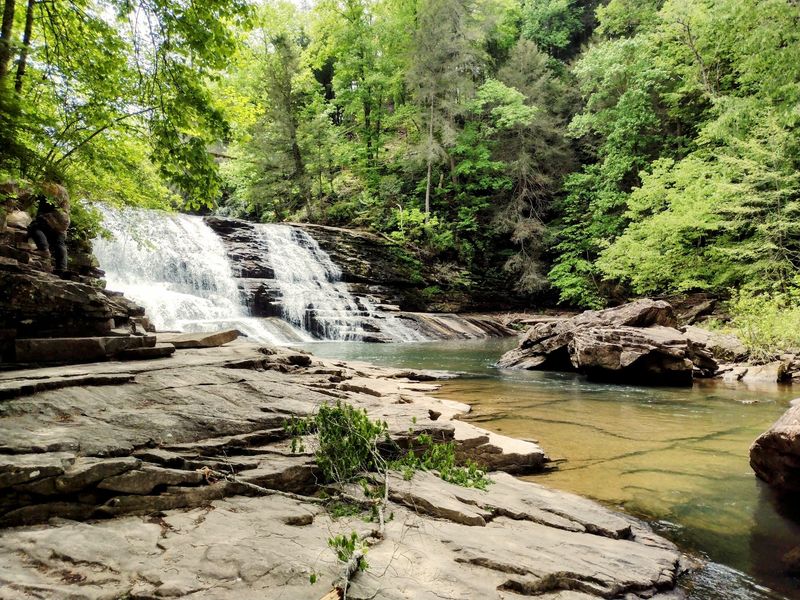
Fall Creek Falls deserves a place near the top of this list for one simple reason. Tennessee wildlife officials specifically note that copperheads are commonly found along the trails here.
That warning matters in September, when cooler weather can make daytime encounters easier to notice than during the hottest stretch of summer.
The landscape gives copperheads countless places to disappear. Oak and hickory forest covers much of the area, while deep gorges hold hemlock, tulip poplar, streams, rock ledges, and thick vegetation.
Add fallen leaves and shaded trail edges, and a copperhead can blend into the ground before you realize it is there.
Hikers should pay particular attention around rocky sections, logs, exposed roots, and places where trails pass close to water. Never reach into a crevice without looking first, and take an extra second before stepping over fallen timber.
Fall Creek Falls covers a huge stretch of the Cumberland Plateau, with miles of hiking routes passing waterfalls, gorges, and forest.
The scenery can easily pull your eyes upward. In September, though, this is one Tennessee hiking area where checking the ground deserves equal attention.
5. Fiery Gizzard State Park
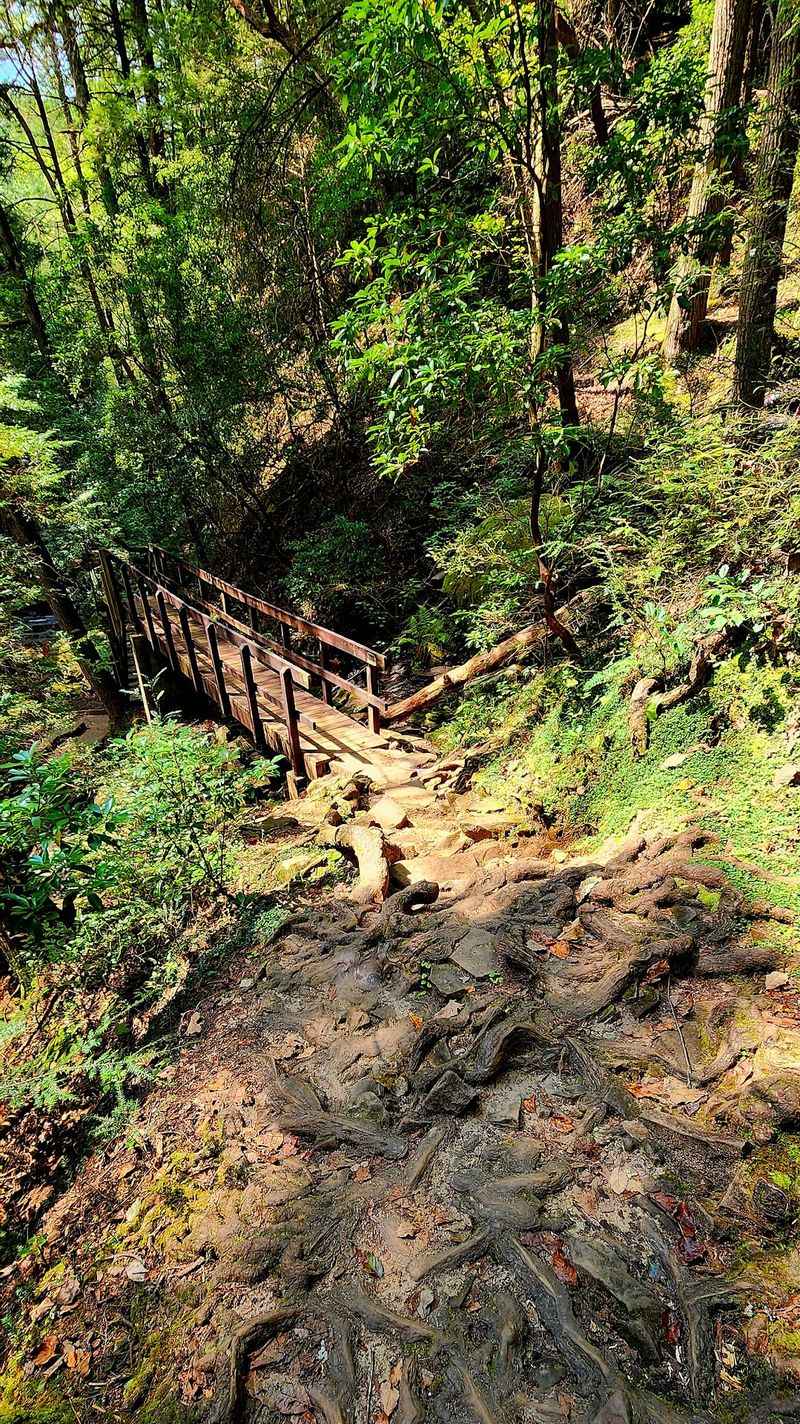
Fiery Gizzard State Park practically asks hikers to watch every step. The trail system crosses sandstone ledges, boulder fields, creek beds, steep ravines, and forest floor where fallen leaves can cover almost everything underneath.
Copperheads are among the snake species that officially call this park home.
That matters in September because cooler days can bring more daytime activity after the heat of summer. Rocky sections deserve particular attention.
Stone absorbs warmth, and the cracks between boulders create sheltered spaces where a copperhead can rest without being obvious.
The Fiery Gizzard Trail is especially rugged, with long stretches where hikers are already concentrating on roots, loose rocks, and uneven footing. Foster Falls and Denny Cove add cliffs, waterfalls, and rocky slopes to the mix.
This is also a place where stopping for a photograph can put your hands surprisingly close to snake habitat. Check a rock before leaning against it, and look carefully before reaching beside logs or into narrow spaces.
Copperheads usually rely on camouflage rather than announcing themselves. Their brown pattern can almost disappear against September leaves.
At Fiery Gizzard, careful footing is already part of hiking safely. Early fall simply gives you another good reason to keep your eyes on the trail.
6. Cummins Falls State Park
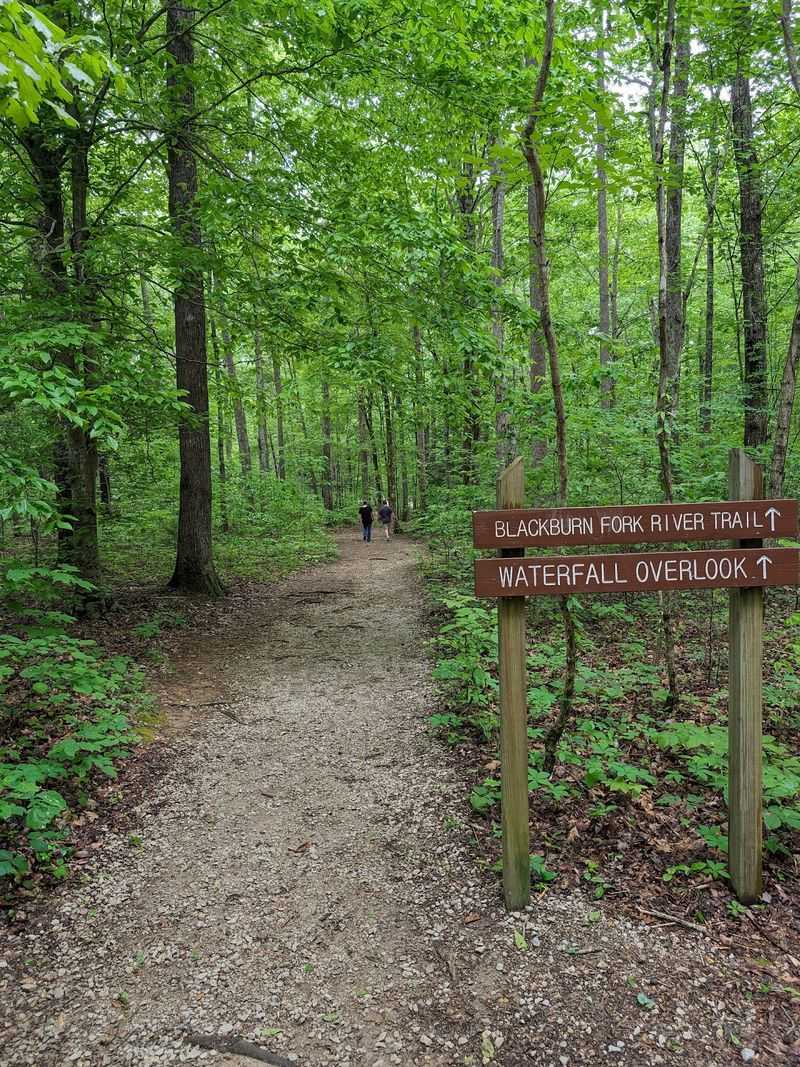
Cummins Falls brings water into the equation, and that changes where hikers need to pay attention.
The park follows the Blackburn Fork State Scenic River through forested terrain before dropping into the gorge around the 75 foot waterfall. Reaching the lower falls means dealing with rocks, river edges, shaded slopes, and places where vegetation crowds close to the route.
Those are exactly the kinds of surroundings where a copperhead can be difficult to spot.
September can make the challenge even greater. Fallen leaves begin collecting around rocks and roots, giving the snake’s brown hourglass pattern an almost perfect background.
Warm stones near the gorge can also hold heat after cooler nights, making rocky areas worth an extra look.
Do not assume the water itself is the main concern. The better places to watch are along wooded approaches, beside boulders, near fallen timber, and anywhere the trail narrows between rock and vegetation.
Cummins Falls already requires careful footing because of uneven terrain and slippery surfaces. Early fall adds another reason not to rush.
Keep your hands out of unseen spaces, scan rocks before using them as a seat, and give any copperhead you encounter enough room to remain exactly where it is.
7. T.O. Fuller State Park
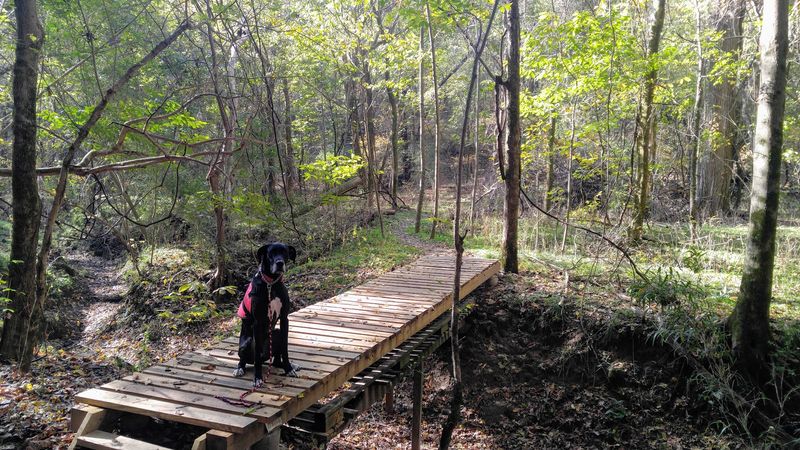
T.O. Fuller gives this list a very different setting because the park sits inside Memphis rather than deep in the mountains.
Even with the city close by, the landscape changes quickly once you reach the trails. Hardwood forest, bluff ridges, floodplain wetlands, wildflower valleys, and upland ponds create a surprisingly varied piece of habitat along the Mississippi River floodplain.
Copperheads are officially listed among the animals found here, which gives September hikers a good reason to stay alert.
The park’s bluff terrain is especially worth watching. Copperheads favor wooded areas with rocks, logs, leaves, and other cover, and their markings can disappear against the forest floor once dry leaves begin collecting.
T.O. Fuller also has several miles of trails, including routes through forest edges and wetter low lying areas.
That variety means hikers can move through several types of snake habitat during a single outing.
Early fall does not mean copperheads suddenly become aggressive. It simply means cooler conditions can change when they are active and make daytime encounters possible.
Keep an eye on leaf covered ground, look before stepping over logs, and never reach into brush or crevices without checking first.
Even inside Memphis, September trail safety still includes watching for what may be lying perfectly still beside your next step.
8. Montgomery Bell State Park
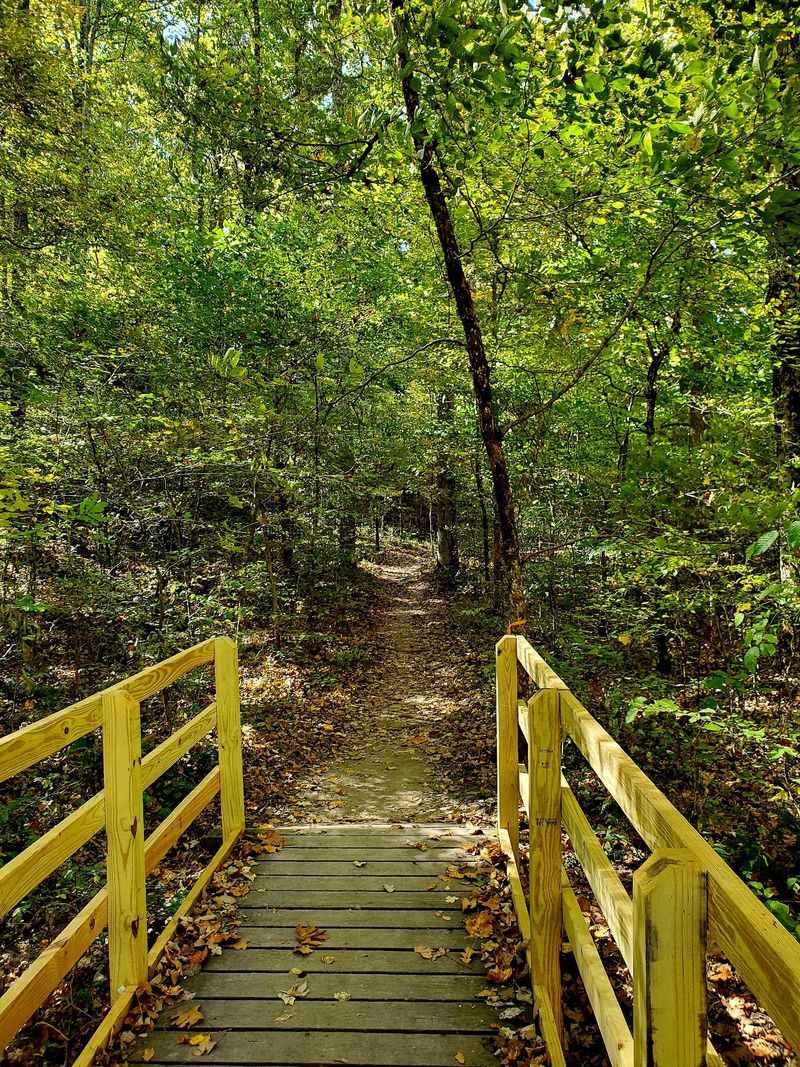
Montgomery Bell lands in one of Tennessee’s better regions for copperheads. The park spreads across the Western Highland Rim, an area where rocky, forested hillsides provide especially suitable habitat for the species.
That makes its trail system worth approaching with a little extra awareness in September.
Oak and hickory forest covers long ridges and shallow valleys, while rocks, old timber, leaf litter, and shaded hollows create natural cover close to the ground.
The park’s longest route, the Montgomery Bell Trail, runs for more than ten miles, giving hikers plenty of time in exactly this kind of terrain.
Shorter paths around Creech Hollow and Wildcat Ridge move through mature woods where a motionless copperhead can blend almost perfectly with dry leaves.
September adds another layer. Cooler mornings can push snakes toward warmer patches of ground later in the day, so sunlit rocks and open trail edges deserve a second glance.
There is no need to spend the hike staring nervously at every leaf. Walk carefully, check before sitting on rocks or logs, and keep hands out of spaces you cannot see.
At Montgomery Bell, the same rugged forest that makes the trails appealing also gives copperheads an excellent place to disappear.
9. Mousetail Landing State Park
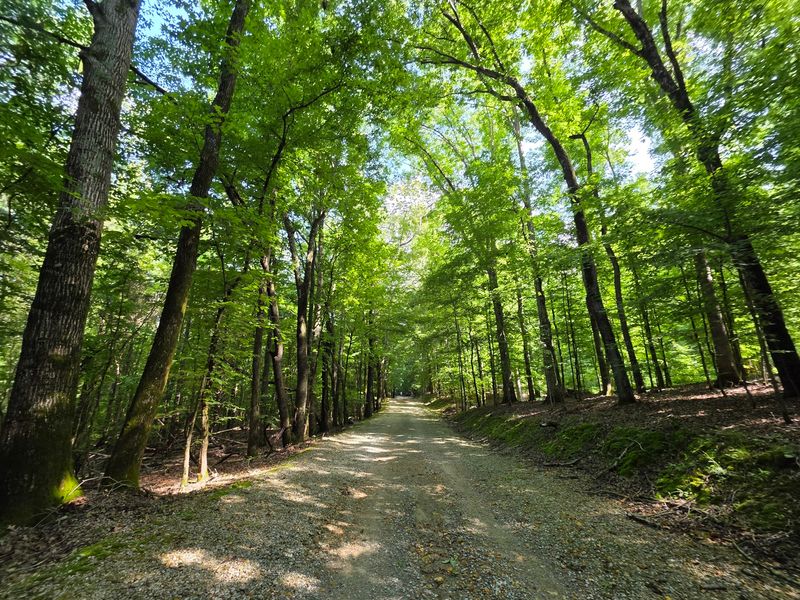
Mousetail Landing brings western Tennessee into the picture with a landscape that looks very different from the rocky Cumberland Plateau.
The park follows the Tennessee River and includes forested hills, creek bottoms, wetlands, and long stretches of trail through quieter woods.
Copperheads are officially listed among the wildlife found here, which makes September a good month to pay closer attention to the ground.
The park’s longer trails, including the Eagle Point Trail, pass through areas where leaves, roots, fallen branches, and brush can make snakes difficult to notice. Low spots near water can also provide cooler cover during warmer parts of the day.
Early fall changes the rhythm a little. Cooler mornings and milder afternoons can make daytime movement more noticeable, especially in places where sunlight reaches the forest floor.
The best approach is simple. Stay on marked trails, watch where you place your feet, and do not reach blindly beside logs, rocks, or thick vegetation.
Mousetail Landing is not a place where hikers should expect a copperhead around every bend. The point is awareness.
September brings beautiful trail weather here, but it also brings one more reason to slow down and look carefully before taking that next step.