
These 8 New Jersey Areas Have Documented Timber Rattlesnake Populations
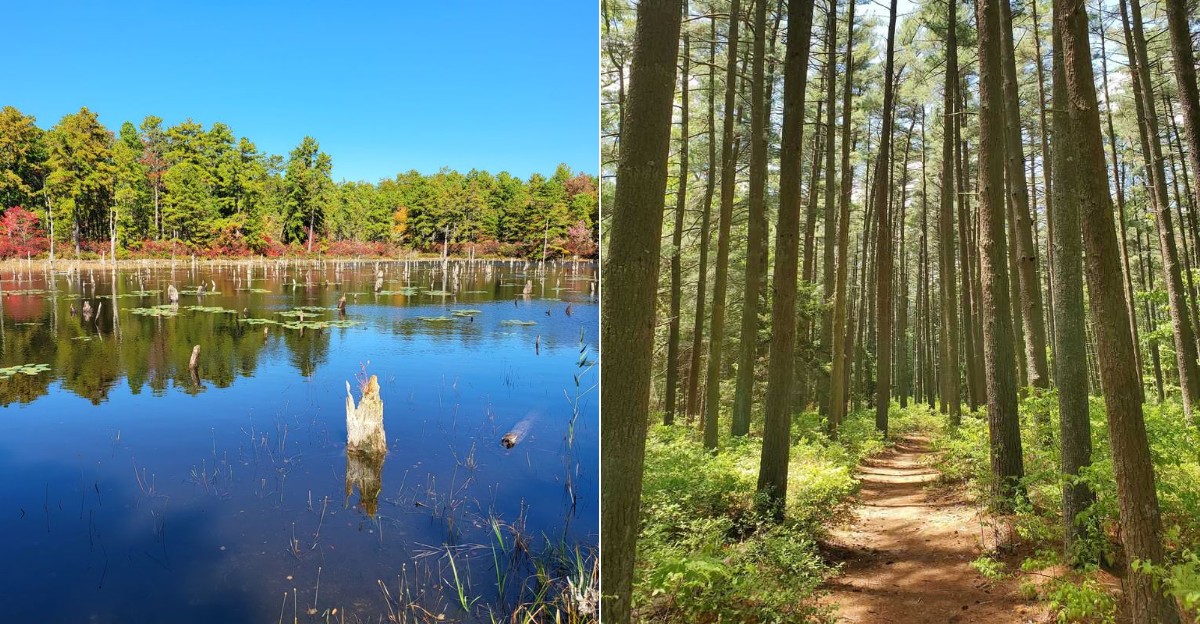
New Jersey is packed with wild places that surprise first-time visitors. Rocky ridges rise in the north, while sandy pine forests stretch across the south.
Hidden inside both regions lives one of the state’s shyest residents, the timber rattlesnake. This protected, endangered reptile keeps to itself, relying on camouflage and quiet corners of the forest to stay unnoticed.
Seeing one is rare, and that rarity is part of the thrill. These snakes are not looking for trouble.
Their rattle is simply a polite request to back away and give them room.
Knowing where they live makes your hike smarter, safer, and honestly more exciting. Think of it as a backstage pass to how nature really works in the Garden State.
The eight areas below are all documented habitat zones, and every single one is also a fantastic place to spend a day outdoors. You get waterfalls, glacial boulders, cedar swamps, paddling routes, and views that stretch for miles.
Pack sturdy boots, watch where you place your hands and feet, and stay on marked trails. Treat yourself to a real break from screens and traffic.
1. Wawayanda State Park
Over 60 miles of trails wind through this northern New Jersey park, and nearly 20 of them belong to the famous Appalachian Trail. That means you can hike a piece of one of America’s most legendary footpaths without leaving the state.
The climb up Wawayanda Mountain rewards you with wide views across rolling green hills. Photographers love it in autumn when the colors go wild.
Down below, Wawayanda Lake steals the show. Rent a canoe or kayak, glide across glassy water, or cast a line and see what bites.
On hot afternoons the sandy beach is exactly where you want to be.
Pack a picnic and claim a shady table. Rustic group campsites let you stretch the trip overnight, though they are truly back-to-basics, so bring everything you need.
Timber rattlesnakes live along the rocky ridgelines here, especially around Wawayanda and Bearfort Mountains. Warm months bring them out to bask on sun-heated stone.
Keep your eyes on the trail, step onto rocks instead of blindly over them, and leave any snake you spot alone. They want distance just as much as you do.
It is a full day of fresh air, swimming, and quiet forest paths. Start your adventure at 885 Warwick Turnpike, Hewitt, NJ 07421.
2. Worthington State Forest
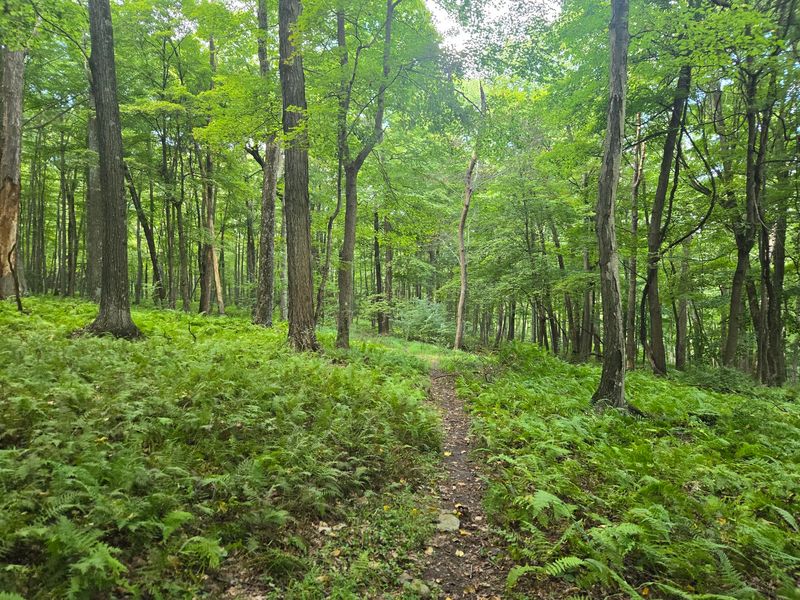
Few climbs in the Garden State pay off like Mount Tammany. You sweat your way up rocky switchbacks, then the trees open and the Delaware Water Gap spreads out below you like a painting.
Bring water. Bring snacks. Bring a friend who appreciates a good view.
Worthington State Forest holds more than 20 miles of marked trails, including a long stretch of the Appalachian Trail. Sunfish Pond sits high on the ridge, carved by ancient glaciers and listed as a National Natural Landmark.
Dunnfield Creek tumbles over mossy rocks on its way down more than 1,000 feet. The sound alone is worth the walk.
Riverside campsites come with picnic tables and fire rings, plus modern restrooms and showers. Paddlers launch canoes and kayaks right onto the Delaware River.
Winter turns the forest into a quiet playground for cross-country skiing on designated routes.
Rocky, remote sections of this forest are documented timber rattlesnake habitat, including areas near Sunfish Pond. They blend into leaf litter and stone almost perfectly.
Stay on marked paths, watch your footing on talus slopes, and never reach into rock crevices.
New Jersey wilderness rarely feels this dramatic. Plan your visit at 2 Old Mine Rd, Columbia, NJ 07832.
3. Pyramid Mountain Natural Historic Area
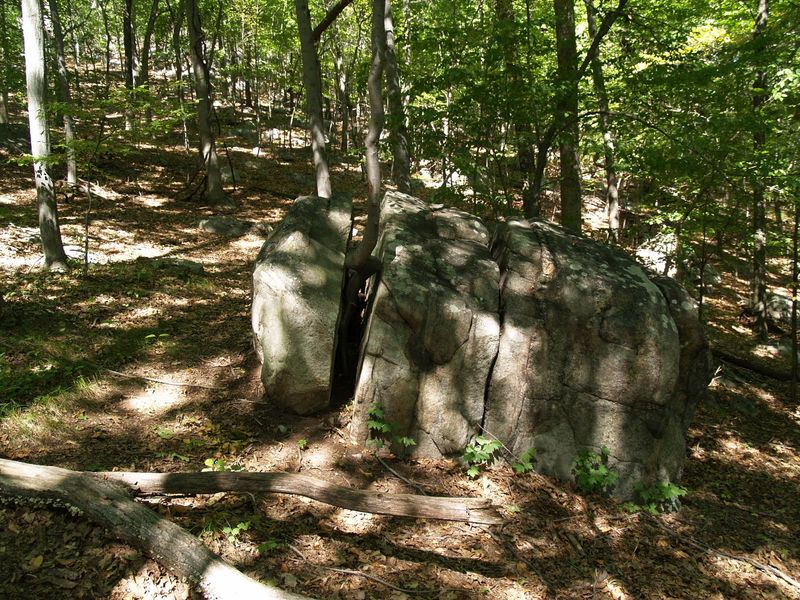
A giant boulder balanced on three small rocks sounds impossible. Tripod Rock proves otherwise, and it has been sitting there since the Wisconsin Glacier dropped it more than 18,000 years ago.
Kids stare. Adults stare longer.
Everyone takes a photo.
Over 1,600 acres of rugged forest surround this geological oddity, laced with roughly 19 miles of trails. Bear Rock, the largest glacial erratic in the state, sits nearby and looks like something out of a fantasy movie.
Climb to the highest lookout and you might spot the New York City skyline in the distance. Ancient stone in the foreground, skyscrapers on the horizon, a pretty unforgettable combination.
More than 400 native wildflower and plant species grow across the property. The Lenape people used these lands for shelter and hunting for thousands of years.
Timber rattlesnakes bask on the fractured rock faces and sunny ledges here. Their camouflage is excellent, so scan ahead before scrambling over boulders.
Leaf-covered ground deserves extra attention in late summer and early fall. Give any snake a wide path and keep walking.
Everybody wins.
This corner of New Jersey mixes geology, history, and great hiking into one easy outing. Find it at 472A Boonton Ave, Boonton Township, NJ.
4. Ramapo Valley County Reservation
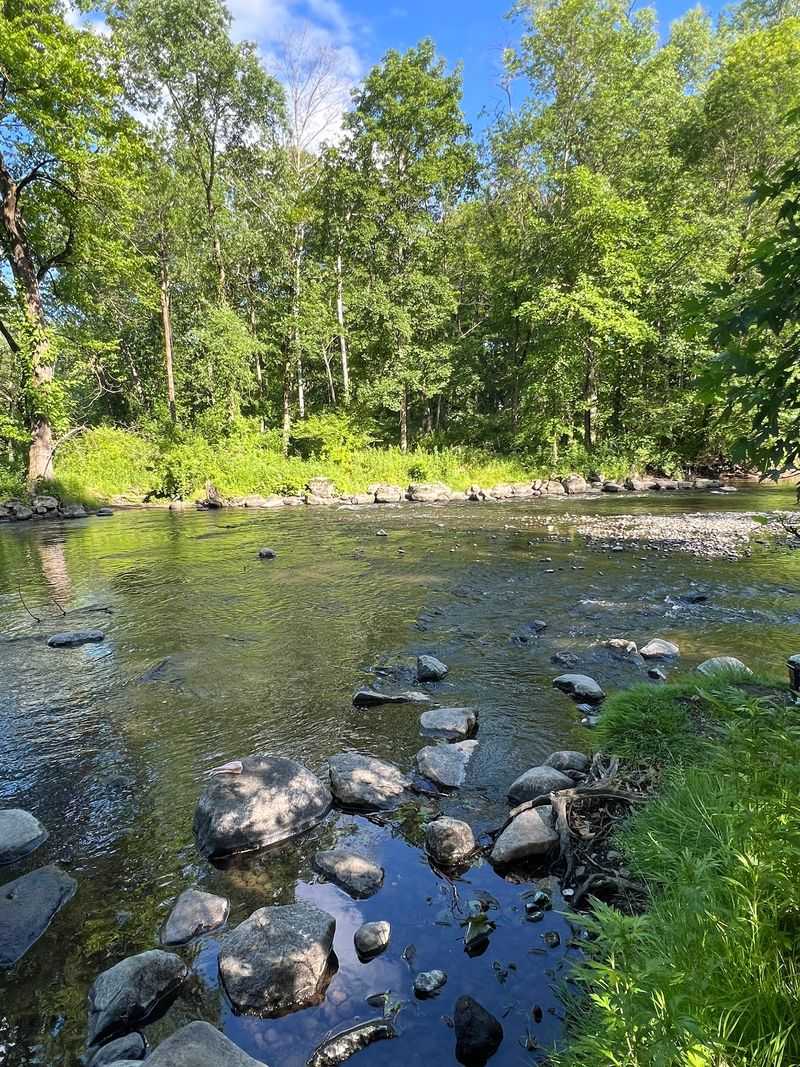
Bergen County’s biggest park covers more than 4,000 acres, and it packs an unusual surprise: a grove of wild cactus growing in northern New Jersey. Yes, cactus.
In the Highlands. The Vista Loop Trail leads you past that oddity, plus a waterfall and sweeping ridge views.
Scarlet Oak Pond greets you near the parking area, mirroring the sky on calm mornings. MacMillan Reservoir sits deeper inside, quieter and wrapped in trees.
The Ramapo River threads through the valley floor. Anglers fish both river and ponds, and anyone 14 or older should sort out a license first.
Trails range from moderate to genuinely challenging, and many link up with neighboring state land. You could wander all day and never repeat a path.
Fall foliage here borders on ridiculous. Reds, oranges, and golds stack up across the hillsides.
Tent camping is available in designated spots for anyone who wants to hear owls after sunset. Snowy winters bring cross-country skiers.
These Highlands forests provide solid timber rattlesnake habitat, so rocky slopes deserve respect. The snakes stay hidden nearly always.
Walk with awareness, keep dogs leashed, and enjoy the wild feel of it. Begin your trip at 608 Ramapo Valley Rd, Mahwah, NJ 07430.
5. Sparta Mountain Wildlife Management Area
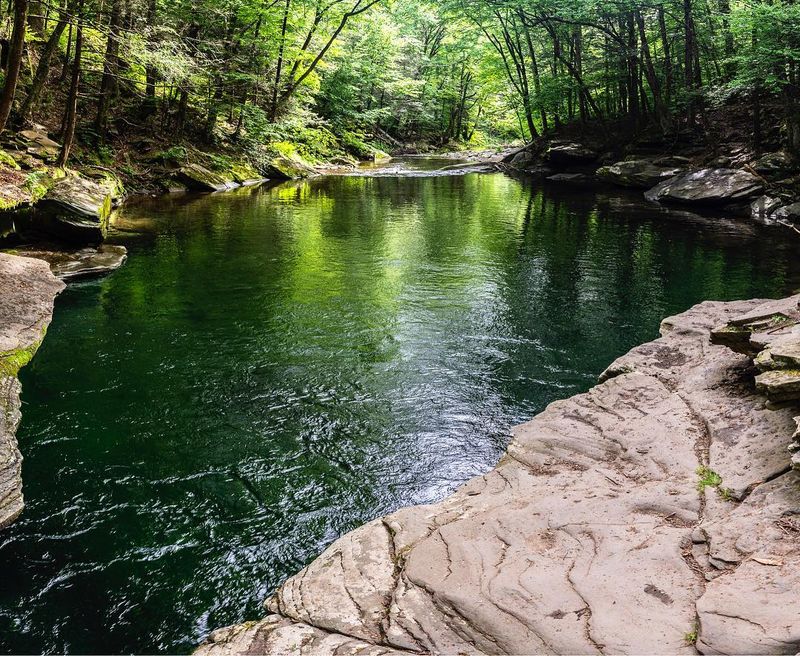
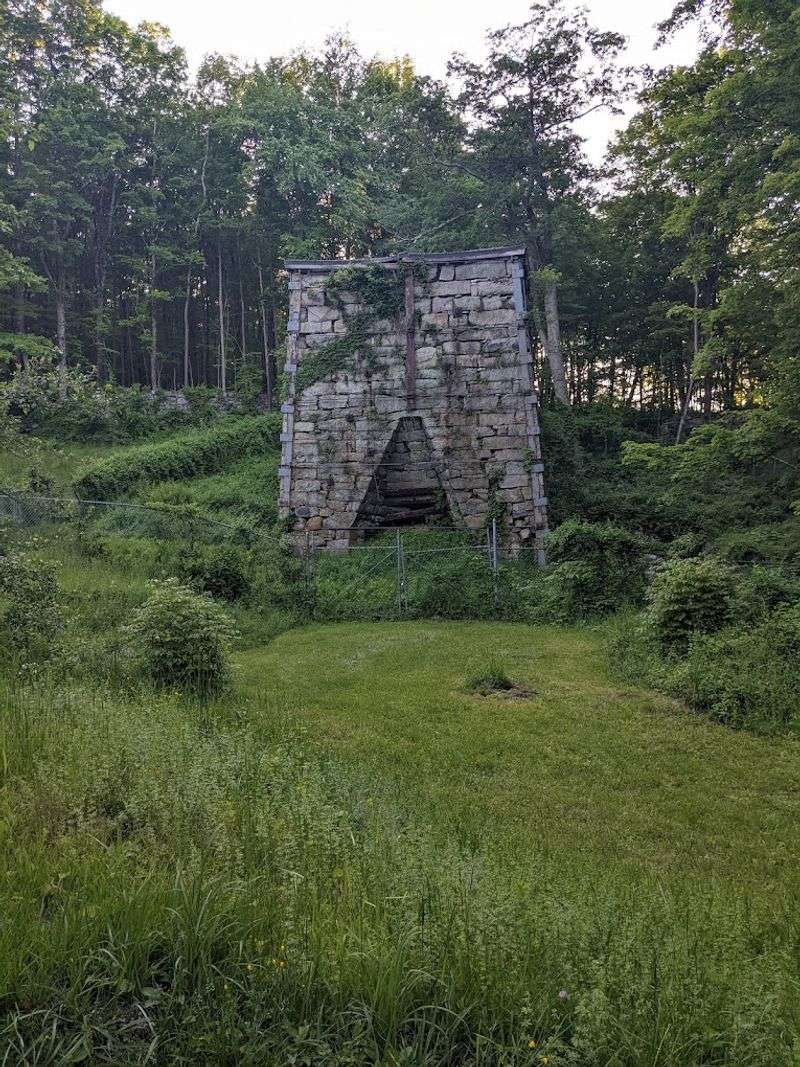
Thomas Edison once dug for iron ore on this mountain. Today you can hike the Edison Trail and walk right past the leftovers of his mining complex, swallowed by forest.
History and hiking in the same afternoon feels like a bonus round.
Roughly 3,461 acres spread across Sussex and Morris counties, connected to the larger Highlands Trail system. Habitat here is actively managed so rare species can hang on.
Ryker Lake is the fishing highlight. Bass, sunfish, yellow perch, pickerel, crappie, and catfish all swim these waters.
Small boats with paddles or electric motors are welcome, which keeps everything peaceful.
Birders come specifically for the golden-winged warbler, a state-endangered songbird. Red-shouldered hawks, barred owls, wild turkeys, white-tailed deer, and the occasional black bear round out the cast.
Timber rattlesnakes also make their home in these rugged, quiet forests. Remote terrain is exactly what they prefer, which is why this area matters so much for their survival.
Stick to trails, look before stepping over logs, and carry a phone with a map downloaded.
Few places in New Jersey feel this genuinely untamed while still being easy to reach. Head for Sparta and Ogdensburg in Sussex County, with a common access point at 95 Edison Rd, Sparta, NJ.
6. Wharton State Forest
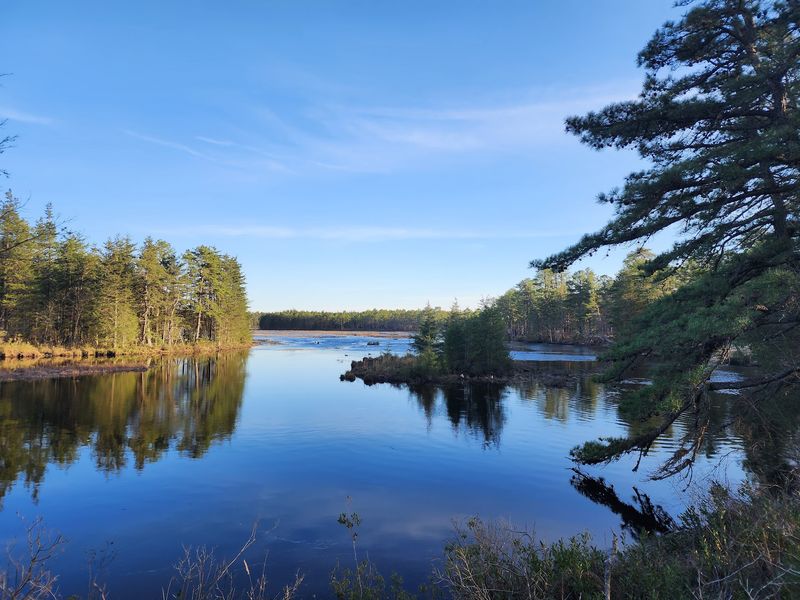
Here is a number that stops people cold: 123,000 acres. Wharton State Forest is the largest single tract in the New Jersey State Park System, and the Chatsworth area drops you straight into the heart of the Pine Barrens.
Sandy trails, tea-colored rivers, and silence you can almost hear.
The Batsto, Mullica, Wading, and Oswego Rivers are paddling favorites. Rent a canoe, push off, and let the current do most of the work.
On foot, 77 miles of marked trails await, including a big chunk of the 50-mile Batona Trail. Short loops work fine if you only have an hour.
Unpaved sand roads welcome mountain bikes, horses, and street-legal vehicles. No ATVs allowed.
Batsto Village preserves a 19th-century industrial town with restored buildings and real stories about early New Jersey life.
Summer visitors swim at Atsion Lake, where picnic tables, a playground, and a boat launch keep families busy. Camping ranges from primitive sites to cabins.
Timber rattlesnakes den near streams and white cedar swamps throughout these pines. They are secretive and rarely seen.
Wear boots, stay on established paths, and give wildlife room.
Explore the Chatsworth area of Wharton State Forest in Woodland Township, Burlington County, New Jersey.
7. Bass River State Forest
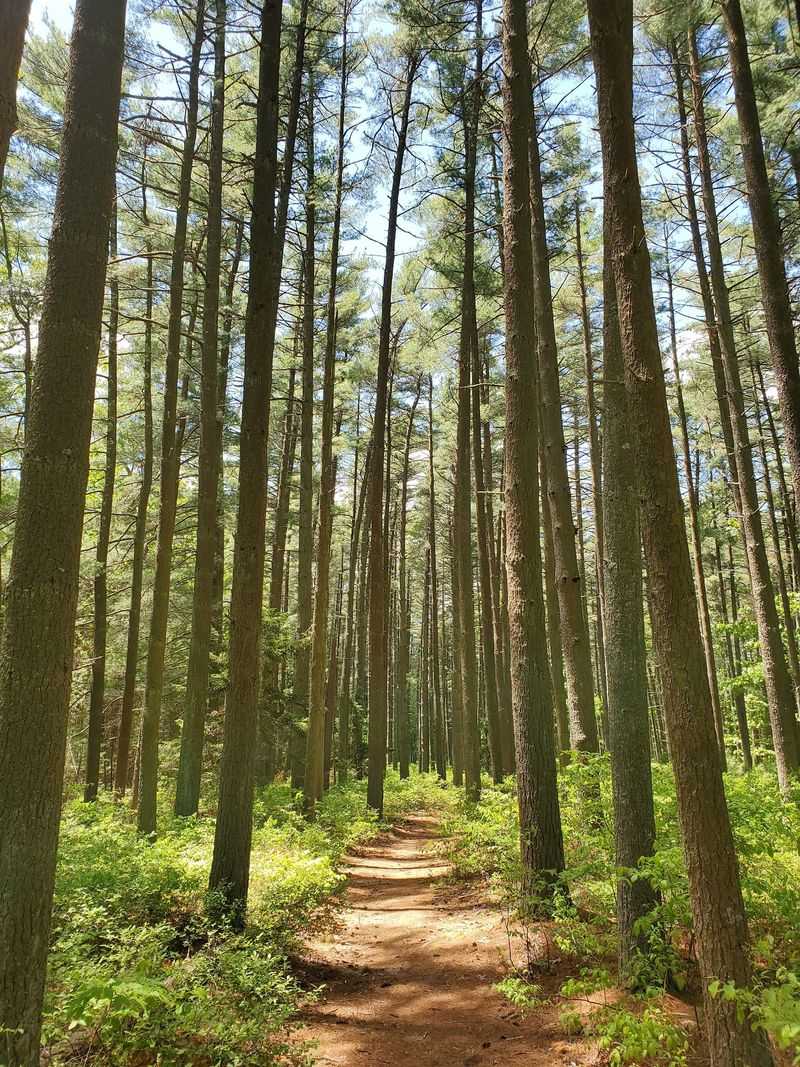
Established in 1905, Bass River holds the title of New Jersey’s first state forest. That is well over a century of families swimming, fishing, and camping in the same pine-scented air.
Lake Absegami, all 67 acres of it, anchors the fun and dates back to the 1930s.
The swimming beach opens in warmer months, so check lifeguard schedules before you load the car. Canoes, kayaks, and electric motors are all welcome on the water.
Anglers find calm, shady spots along the shoreline. Nobody is in a hurry here.
More than 12 miles of marked trails weave through the pines. The short Absegami Trail loops through a cedar swamp, and another path passes the remains of a Civilian Conservation Corps camp from the 1930s.
This forest is also the southern end of the 53-mile Batona Trail, for hikers with serious ambition.
Tent sites, trailer spots, lakeside shelters, and cabins turn a day trip into a weekend easily.
Birdwatching is excellent, and the cedar swamps provide documented timber rattlesnake habitat. These protected snakes stick to undisturbed corners away from crowds.
Stay on trails and boardwalks and you will likely never cross paths.
Come explore at 762 Stage Rd, Tuckerton, NJ 08087.
8. Greenwood Forest Wildlife Management Area
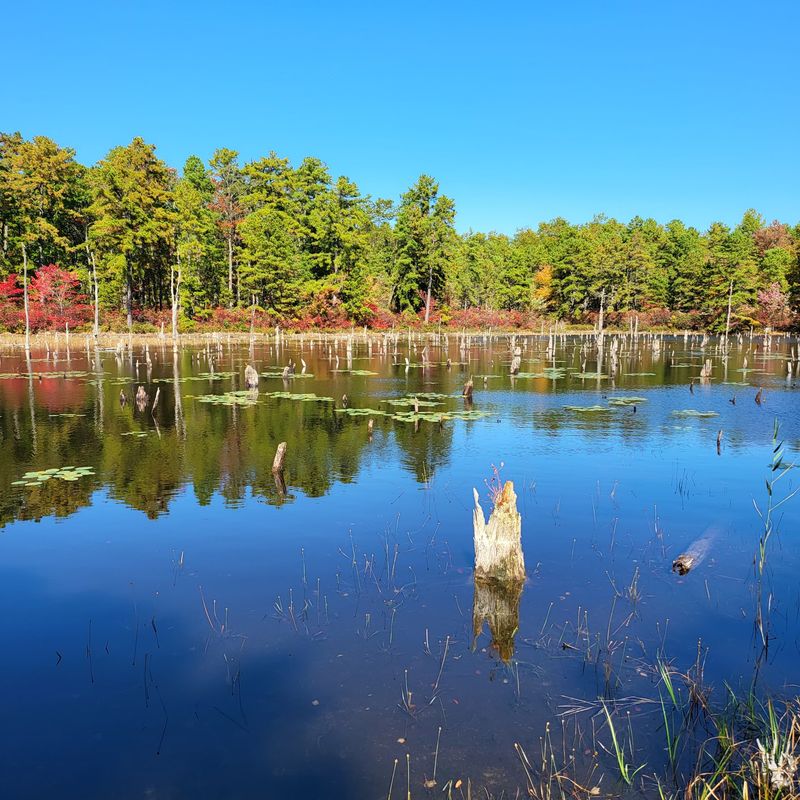
Over 32,000 acres of raw Pinelands, spread across Burlington and Ocean Counties, and hardly a crowd in sight. Greenwood Forest is the largest tract preserved by the state’s Bureau of Land Management, and it exists mainly for wildlife.
You are the guest here, which is a refreshing feeling.
Upland pine-oak and scrub-shrub forests dominate the higher ground. Lower areas hold pitch-pine stands and Atlantic white cedar bogs that smell incredible after rain.
Trails are mostly sandy roads and footpaths, with gentle rises up to about 60 feet. The blue-blazed Cedar Creek Trail is a solid starting point.
Bring binoculars. Eastern Towhees, Pine Warblers, Prairie Warblers, and Barred Owls all turn up regularly.
Fishing opportunities exist throughout the area for anyone who wants a quiet afternoon.
Seasonal closures sometimes protect sensitive habitat, so check current advisories before you go. Hunting seasons also apply, and wearing bright orange is smart.
Everything is carry-in, carry-out. Pack a trash bag and leave the place spotless.
Timber rattlesnakes live in these Pinelands habitats and are fully protected. Shy by nature, they avoid people whenever possible.
Look for access points off Mule Road or CR 539 within Greenwood Forest Wildlife Management Area, Burlington and Ocean Counties, New Jerse