
This Massachusetts Beach Has Clear Water And Sand That Barely Looks Like New England
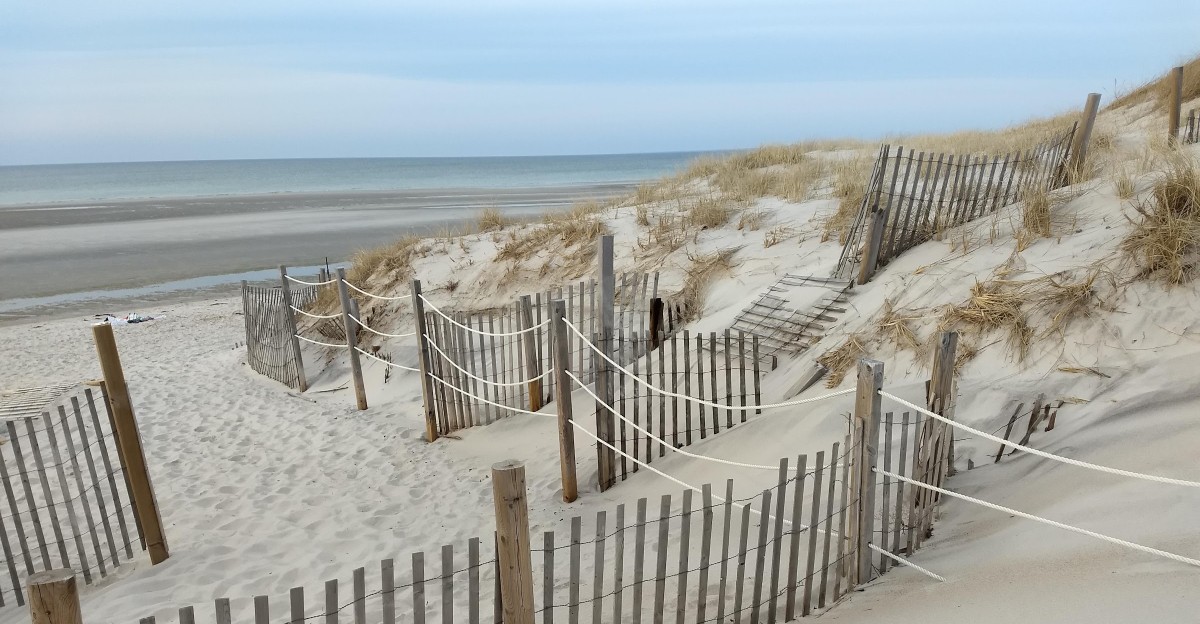
Could this really be Massachusetts?
The sand is pale, the water looks unusually clear, and low tide opens up wide stretches of shoreline that seem almost too bright for New England. On a sunny day, the whole scene feels more like a beach much farther south.
That contrast is what makes this coastal stop so memorable.
Families spread out across the sand, kids splash through shallow water, and long tidal flats create plenty of room to wander without feeling crowded. The setting feels relaxed, especially when the tide pulls back and the beach seems to grow by the minute.
Massachusetts is known for classic coastal scenery, but this beach brings a softer look with light sand and calm water that photographs beautifully.
If your idea of a perfect beach day includes clear shallows, wide open space, and sand that almost glows in the sun, this spot deserves attention.
Water So Clear It Feels Borrowed From Somewhere Else

Clarity is the first thing that stops people in their tracks here. On calm days, visibility often runs between 6 and 12 feet. You can watch the sandy bottom shift beneath you as you wade.
Cape Cod Bay deserves much of the credit. The bottom is mostly sand rather than muck, so the water stays bright instead of clouding up.
Seaweed is rarely a problem, which keeps the shallows looking clean and inviting.
Color plays its part too. Depending on the light, the shallows glow blue-green, then shift toward pale silver near the horizon.
Morning light tends to be the sharpest for spotting small fish and shells.
Warmth surprises people just as much. By late August and early September, water temperatures often reach 72 to 75 degrees.
That is generous for this corner of Massachusetts, where the ocean usually keeps its distance from comfortable.
Waves stay small, which helps the clarity hold. Without heavy surf churning the bottom, sediment settles and the water stays readable.
Strong swimmers may miss the action, but everyone else wins.
Bring goggles if you like looking closely. The shallow water rewards curiosity, and children can explore safely without going far from shore. It is the kind of swimming spot that makes the drive feel short.
Powdery White Sand That Breaks The New England Rulebook
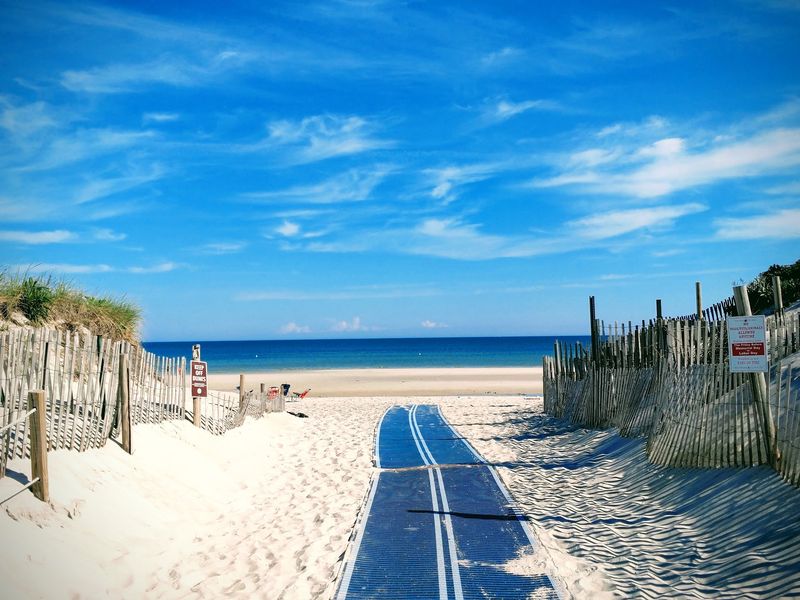
Forget pebbles and cold gray grit. The sand along this shoreline is pale, fine, and remarkably soft. Walking barefoot feels closer to flour than to gravel.
Texture matters more than people expect. Fine sand holds heat gently, packs well for building, and brushes off skin without much fuss. Families with young kids notice the difference within minutes.
The color adds to the illusion. Under strong summer sun, the sand reads almost white, which makes the water look even brighter by contrast. Photographs from here rarely need any help.
A dune system backs the beach, fringed with beach grass that keeps everything anchored. Staying on the boardwalk protects those plants, and it also keeps sand out of your shoes for a few extra seconds.
Near the waterline, the sand firms up into hard-packed flats. Some spots form small ridges that can feel odd underfoot, so water shoes are a smart addition to the bag.
Cleanliness holds up well through the season. The beach is maintained carefully, and the lack of heavy seaweed keeps the shoreline looking tidy even in August.
Spread a blanket anywhere and the softness does the rest. Few places in Massachusetts offer sand like this, which is exactly why Mayflower Beach earns its reputation.
The Tide That Pulls Back For Miles

Here is the headline act. The tidal range ranks among the most dramatic anywhere on Cape Cod. When the water retreats, the shoreline practically doubles.
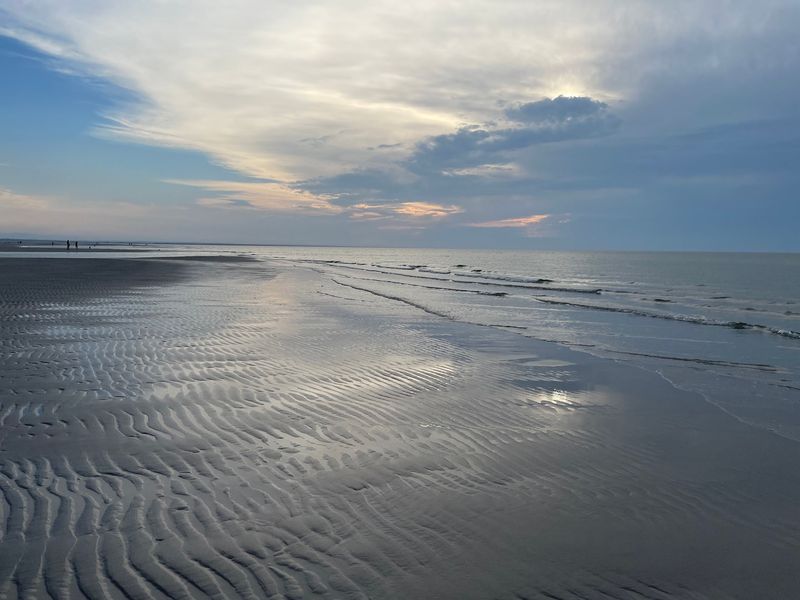
Hundreds of feet of hard-packed sand appear, rippled and firm. People walk out for what feels like ages, with water never rising past their knees. Sandbars surface like temporary islands.
Timing changes everything. Arrive at high tide and you get a classic bay beach with soft, lapping water.
Return six hours later and the same place looks like a different coastline entirely.
Checking a tide chart before leaving home is the single best piece of planning advice. Low tide suits families and long walks. High tide suits floating and lazy swimming.
Warmth follows the tide too. Shallow water left behind on the flats heats up in the sun, creating pockets that feel almost bathlike.
Do keep an eye on the returning water. It comes back across the flats steadily, filling channels behind you. Walking back before the turn is simply good sense.
Photographers love this window. Wet sand mirrors the sky, doubling clouds and color in every direction.
It is one of the most striking natural displays in coastal Massachusetts, and it repeats twice a day, free of charge.
Tide Pools Where Small Sea Creatures Steal The Show

Ask any kid who has been here and the crabs come up first. When the water pulls back, dozens of shallow pools stay behind. Each one works like a tiny aquarium.
Hermit crabs shuffle across the bottom in borrowed shells. Snails inch along at their own pace. Sand dollars and horseshoe crabs turn up as well, depending on the day and the season.
The pools stay warm because they are shallow and sun-soaked. Toddlers can splash safely while older children hunt for treasures a few steps away.
A simple rule keeps things right. Look, photograph, then return every creature to the water where you found it. Living animals belong in the bay, not in a bucket headed home.
Bring a small mesh net and a clear plastic container if you want a closer look. Both pack light and turn an ordinary afternoon into an outdoor science lesson.
Shell collecting works well here too, though sea glass is less common than on some other shores. Empty shells make fine souvenirs.
What makes these pools special is how accessible they are. No boat, no guide, no special gear. Just low tide, curiosity, and a willingness to crouch down and pay attention for a while.
Room To Roam When The Water Retreats
Space is a luxury on any popular beach in July. Low tide here quietly solves that problem. Hundreds of extra feet of sand open up, and the crowd spreads out fast.
Games become possible again. Frisbee, catch, kite flying, and long barefoot walks all fit comfortably on the flats. Even on a busy weekend, the horizon stays open.
Walking is the best use of all that room. You can follow the waterline for a considerable distance, weaving around shallow channels and sandbars along the way.
Runners occasionally take advantage of the firm surface, which is easier on the legs than dry sand. Early mornings are ideal for that, before the beach fills.
Dogs are restricted during the summer season, so check the town rules before planning a walk with a pet. Off-season visits offer more freedom.
The scenery shifts constantly as you move. Ripple patterns, shallow pools, and stranded shells change every few steps, so the walk never feels repetitive.
Mayflower Beach feels bigger than its parking lot suggests, and that is entirely thanks to the tide. Few beaches in Massachusetts stretch and shrink so dramatically, which is part of why people keep coming back at different hours.
Boardwalks, Showers, And A Snack Bar Worth Knowing About
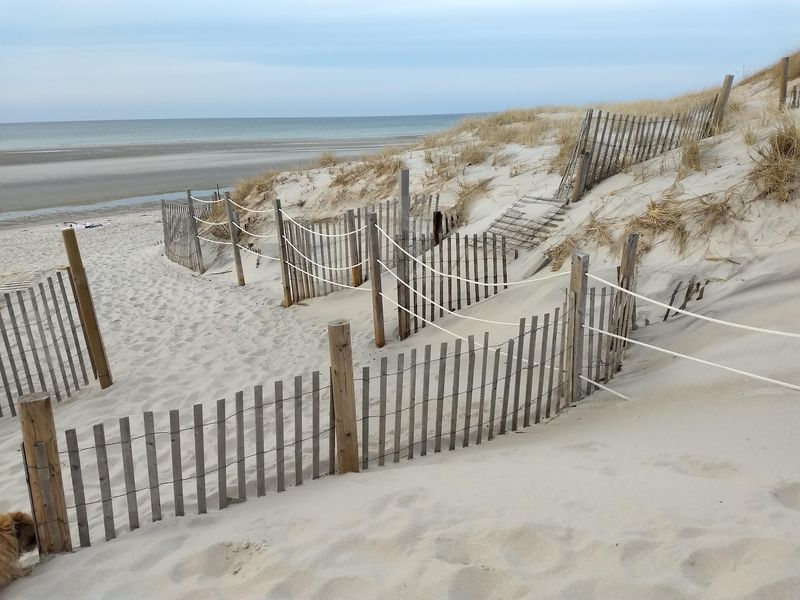
Comfort counts, and this beach delivers more than most. A wooden boardwalk runs from the parking area over the dunes and drops you right onto the sand. No scrambling required.
Restrooms are open seasonally and kept clean, which matters enormously on a long beach day. Outdoor showers and a foot wash station wait near the exit for the sandy walk back.
Lifeguards are on duty through the summer months. Combined with the calm bay water and minimal waves, that makes swimming here about as relaxed as the Massachusetts coast gets.
The snack bar operates during the season and covers the basics well. Sandwiches, cold drinks, and beach food save you from hauling a full cooler across the lot.
Picnic areas give you a spot to eat without sand in everything. Bring a trash bag anyway and carry out what you bring in.
An accessible mat is rolled out toward the water, which helps anyone using a wheelchair or a stroller reach the shoreline.
Biting flies can show up on certain evenings, especially with the wind in the wrong direction. Long pants and a light jacket tucked in the car solve that problem quickly and cheaply.
Parking Rules Every Smart Beachgoer Should Memorize

Nothing spoils a beach day faster than circling a full lot. A little planning avoids the whole headache.
The beach sits off Dunes Road in Dennis, commonly listed at 360 Mayflower Beach, Dennis, MA.
The Town of Dennis manages the parking, with fees in effect from Memorial Day through Labor Day. Daily rates have recently run between 30 and 35 dollars.
Arriving early is the reliable strategy. On busy summer weekends the lot can fill by 8:30 in the morning, and roads leading in back up quickly.
Weekdays are considerably calmer. If your schedule allows, Tuesday or Wednesday beats Saturday by a wide margin for both traffic and elbow room.
There is a clever loophole worth knowing. Parking after 5 PM is typically free, which lines up neatly with the evening light and cooler air.
Do keep in mind that lifeguards finish for the day at that hour. Swimming later is at your own discretion, so plan accordingly with children.
Bring a card or cash and check the town website before heading out, since rates and rules can change between seasons. Two minutes of research saves a wasted morning at Mayflower Beach.
Sunsets That Turn The Flats Into A Mirror

Evening is when this place shows off. Facing west across Cape Cod Bay, the beach gets an unobstructed view of the sun dropping toward the water. Nothing blocks the show.
Wet tidal flats make it twice as good. The thin film of water left behind reflects the sky, so color appears above and below at the same time.
Hues run from warm gold into deep pink and violet. The best part often arrives after the sun disappears, when the sky keeps burning for another twenty minutes.
Free parking after 5 PM makes the timing convenient. Plenty of people come purely for this and skip the swimming altogether.
Temperatures drop noticeably once the sun is down, even in midsummer. A sweatshirt in the bag is the difference between lingering and leaving early.
Photographers should arrive well before the main event. Scouting a good foreground pool takes a few minutes, and the reflections change fast as the tide shifts.
Quiet walks suit the hour perfectly. Crowds thin, the sand cools, and the bay settles into stillness.
Ending a day at Mayflower Beach this way explains why so many people in Massachusetts treat it as a yearly tradition rather than a one-time stop.