
This Old-School Tennessee Flea Market Has Drawn Treasure Hunters For More Than 50 Years
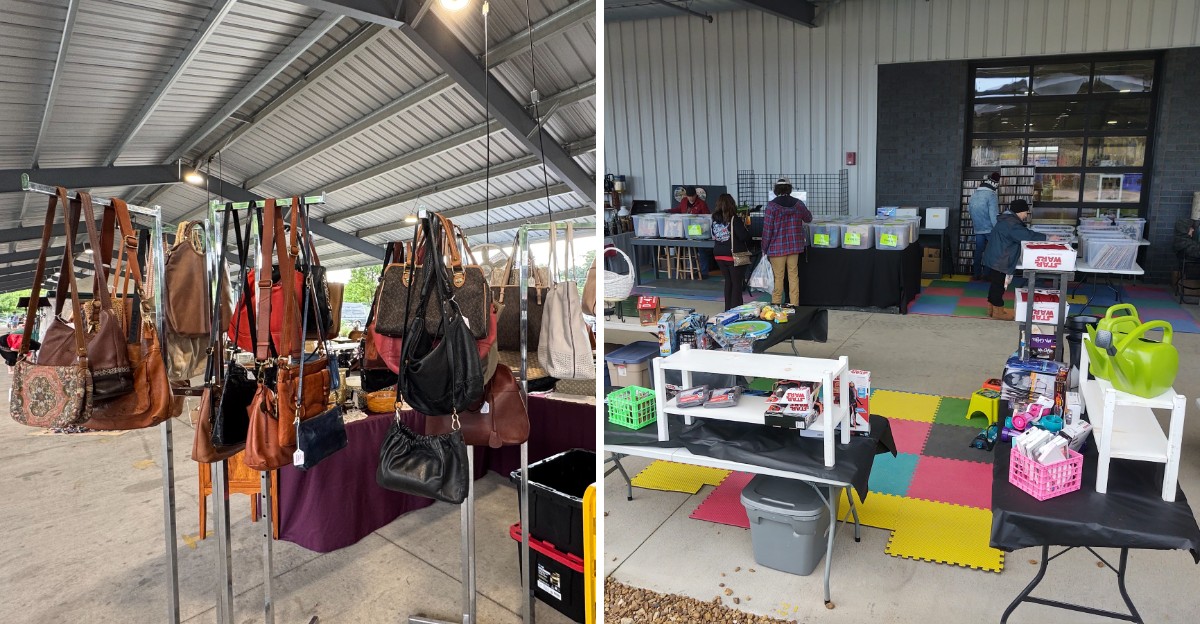
There is something dangerously fun about walking into a flea market with twenty dollars and absolutely no plan. One table might have old records and cast iron pans, while the next is covered with vintage signs, tools, jewelry, and things you did not know you wanted five minutes earlier.
Tennessee has a market where that ritual has been going strong for more than half a century. Generations of bargain hunters have spent weekend mornings digging through vendor booths, comparing prices, and hoping to spot something special before the person beside them does.
The thrill is never knowing what will show up next. A forgotten collectible can be sitting beside an everyday household item, and a quick visit can easily stretch much longer than expected.
After more than 50 years, this Tennessee tradition still gives treasure hunters a reason to start searching early.
A Half-Century Of Weekend Treasure Hunting
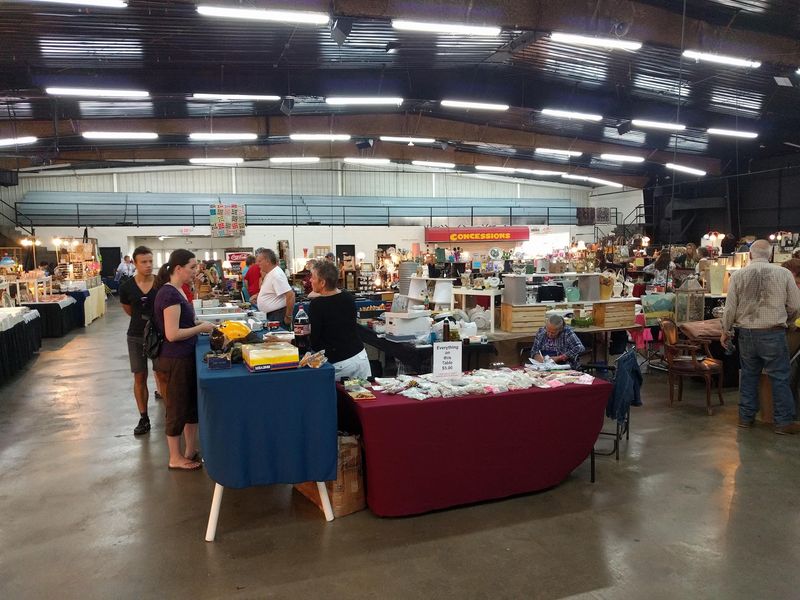
Back in 1969, a modest gathering of sellers set up shop at the Tennessee State Fairgrounds. That small weekend experiment grew into the Nashville Flea Market, still running strong today.
Few markets in the country can claim that kind of staying record. Generations of families have wandered the same grounds, hunting for something worth hauling home.
What makes the longevity impressive is how much the market has changed shape. Vendors have come and gone, buildings have been rebuilt, and shopping trends have shifted wildly.
Yet the basic promise has not budged one bit. You show up early, you walk a lot, and you leave with something unexpected.
Held on the fourth weekend of most months, the market keeps a rhythm locals plan around. Regulars mark their calendars months ahead of time.
That predictability builds loyalty in a way pop-up events never manage. People know exactly when to clear their Saturday.
More than fifty years in, the place still feels like a community gathering. Commerce is only half the reason folks come.
Finding The Gates At 401 Wingrove Street
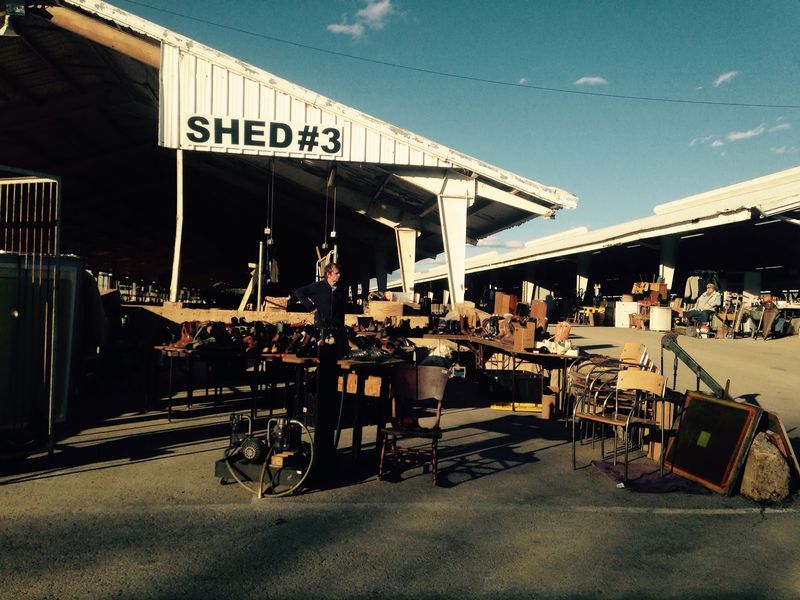
Navigation matters when the prize is a good parking spot. The market sets up at 401 Wingrove Street, Nashville, Tennessee, on the historic fairgrounds property just south of downtown.
It sits close enough to the city center for an easy morning drive. Yet the grounds feel worlds away from the honky-tonk bustle.
Doors open at 8 AM on Friday and Saturday, with Sunday running 8 AM to 4 PM. The market stays closed Monday through Thursday, so plan accordingly.
Arriving right at opening gives you first crack at the best booths. Serious collectors treat that first hour like a competitive sport.
Parking on the grounds carries a fee, so bring a little cash. A wagon or folding cart saves your arms on the walk back.
Comfortable shoes are not optional here, they are essential equipment. The grounds spread out across pavilions, indoor halls, and open lots.
Check the official website before heading out, since the schedule shifts around certain months. A quick look prevents a wasted drive.
Antiques That Carry Real Stories
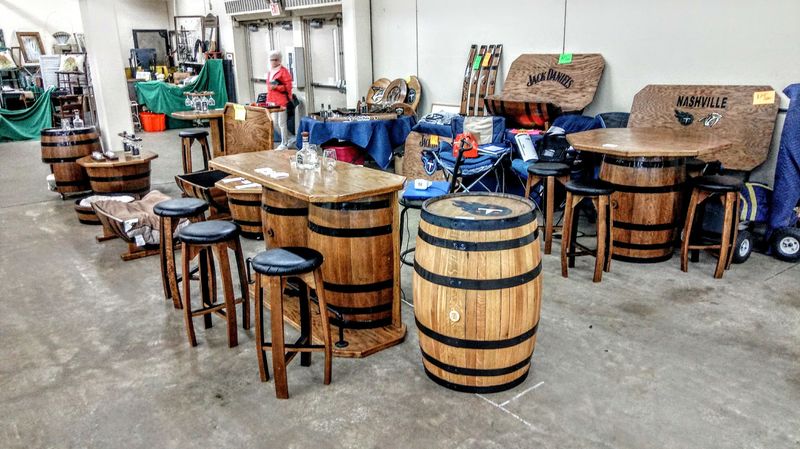
Old things hold up surprisingly well when someone cared for them. Antique dealers make up a big chunk of the vendor list here, with roughly twenty-five percent of shopper chatter circling back to that category.
Hand-hewn mantles, weathered farm tools, and pressed-glass dishes appear regularly. Each piece arrived with a past life attached.
Furniture hunters tend to work the outdoor sections first. Larger pieces like dressers, tables, and porch rockers need room to breathe.
Indoor halls lean toward smaller, fragile goods. Think vintage dishware, framed prints, and delicate ceramics.
Prices swing widely depending on the seller and the season. Polite conversation often opens the door to a friendlier number.
Bringing measurements of your space is smart planning. Nothing stings like a beautiful sideboard that will not fit through your door.
Warmer months attract more antique sellers overall. Spring and summer weekends generally offer the deepest selection for serious collectors.
Patience pays off in a market this size. The best finds rarely sit at the front.
Vendor Variety That Keeps Shoppers Circling
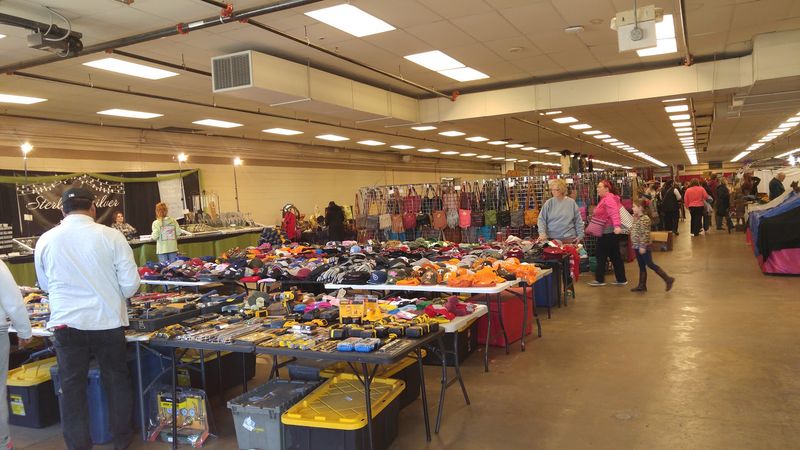
Ask anyone what stands out most and the answer lands on the sellers. Vendors dominate the conversation around this market, with far more mentions than any other topic.
The mix ranges from tool dealers to comic book specialists. No two aisles look remotely alike.
Jewelry tables sparkle beside racks of purses and stacks of concert posters. A few booths over, someone sells flowers or packaged food products.
That randomness is exactly the appeal. You never quite know what waits around the corner.
Coin collectors, knife dealers, and frame makers often line the interior walls. Their booths reward slow, careful browsing.
Outdoor spaces favor bigger items like pottery, windmills, and hefty furniture. The layout naturally splits shopping into two moods.
Vendor counts rise noticeably during warmer stretches of the year. Cold weekends tend to bring a thinner lineup.
Doing a full loop before buying anything is a solid strategy. Comparing similar items across booths can genuinely save money.
The Fourth-Weekend Tradition Locals Live By
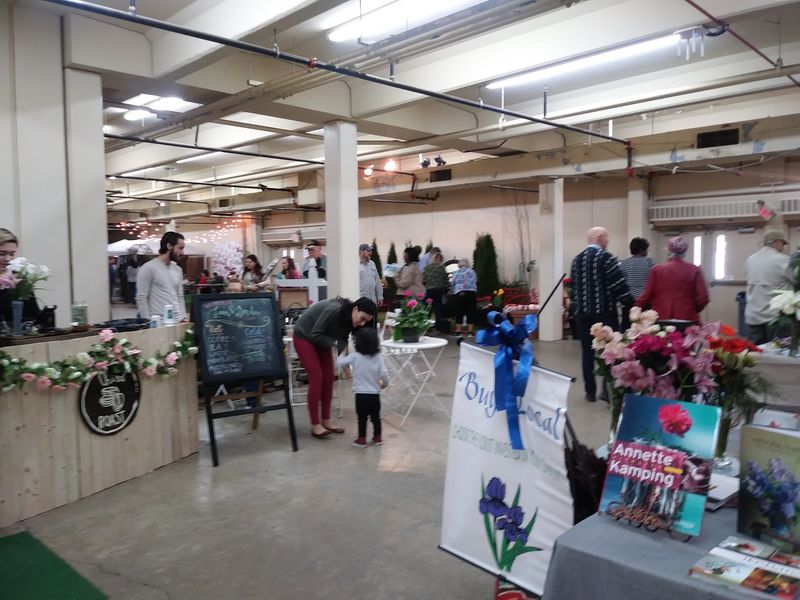
Certain dates get circled in pen, not pencil. The fourth weekend of the month is the long-standing rhythm here, and regulars build their plans around it.
That schedule has held for decades. It gives the market a rare sense of ritual.
Friday tends to be the calmest of the three days. Fewer crowds mean easier browsing and shorter lines at checkout.
Saturday brings the heaviest energy by far. More vendors show up, and the aisles fill with wagons and shopping carts.
Sunday closes an hour earlier at 4 PM. Some sellers cut prices late in the day rather than pack everything up.
Savvy shoppers work both ends of the weekend. Come Friday for selection, return Sunday for deals.
Larger seasonal events occasionally expand the vendor count dramatically. Checking the calendar ahead of time helps you catch the biggest editions.
Repeat trips reveal how much the inventory rotates. The market you see in June looks nothing like October.
Handmade Crafts And Small-Batch Goods
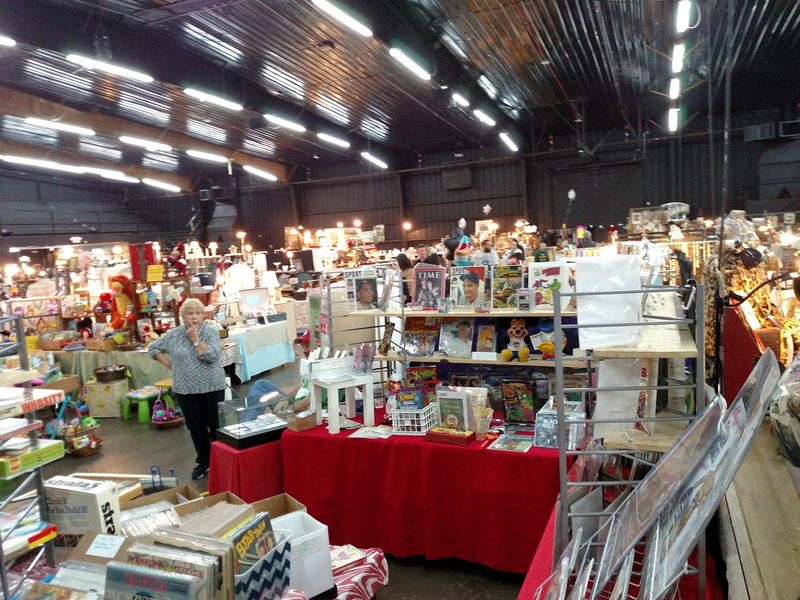
Not everything here comes with decades of dust on it. A healthy share of booths sell brand-new handmade goods, built by the people standing behind the table.
Crafts come up often in shopper conversation. The category has grown steadily over recent years.
Leatherwork, cowhide products, wooden signs, and pottery all show up regularly. Many makers travel in from surrounding towns across this part of the state.
Talking with the artisans adds something shopping online never will. You learn how the thing was actually made.
Handcrafted home goods pair nicely with the vintage finds nearby. Mixing old and new keeps a room from feeling like a museum.
Custom orders are sometimes possible if you ask. Several makers take commissions for later pickup.
Gift shoppers do especially well in these aisles. Small-batch items feel far more personal than mall purchases.
Bringing a tote bag helps protect delicate handmade pieces. Pottery and glass need a little padding for the walk back.
Vintage Clothing Worth Rummaging For
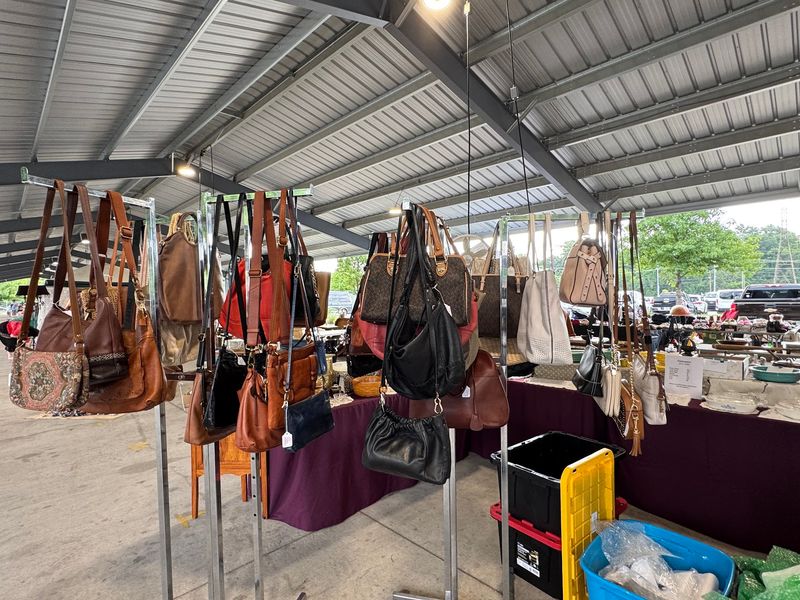
Racks of old denim can hide genuine gold. Vintage clothing has become a steady draw here, pulling in shoppers who prefer character over fast fashion.
Western shirts, worn-in jackets, and retro tees turn up frequently. Sizing runs unpredictable, so try things on when you can.
Nashville’s music history shows up in the merchandise too. Old band shirts and boots fit the city’s identity perfectly.
Some sellers specialize entirely in one decade. Others pile everything into bins and let you dig.
Digging is honestly half the fun. The bargain bins reward anyone willing to spend ten patient minutes.
Inspect seams, zippers, and hems before committing. Older fabric holds up well, but repairs cost time and money.
Accessories deserve attention as well. Hats, belts, scarves, and costume jewelry fill out plenty of tables.
Layered outfits photograph beautifully against the market’s weathered backdrop. Style-minded shoppers often treat the trip as inspiration gathering.
Arriving early matters most in these booths. The best pieces vanish fast.
Food Trucks And Snack Breaks Between Aisles
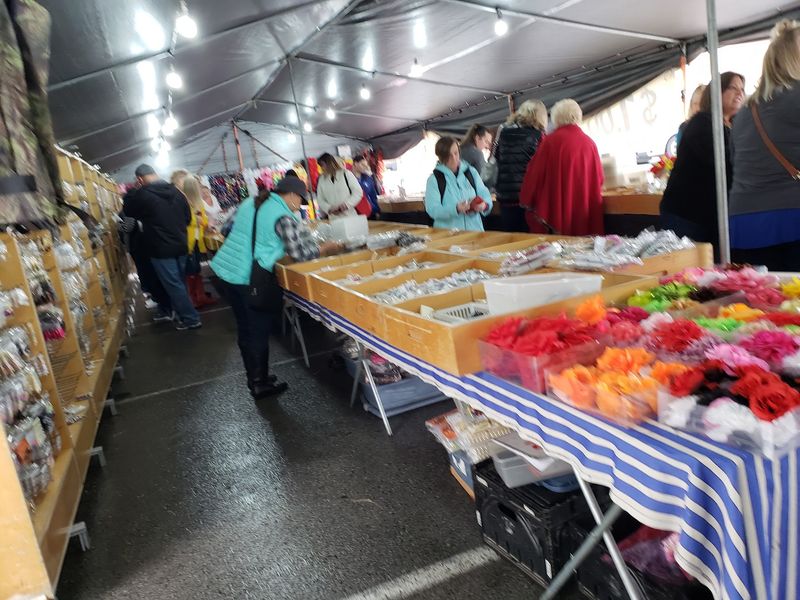
Shopping burns more energy than people expect. Food trucks park near the entrance, giving tired browsers a reason to pause and refuel.
Options rotate from one weekend to the next. Tacos, Jamaican dishes, and local ice cream have all made appearances.
Indoor concession areas offer simpler snacks and drinks. Lines move faster there during peak hours.
Timing your meal break before noon avoids the worst crowding. Popular trucks can slow down considerably at lunch.
Bringing a refillable water bottle saves a few dollars. Drinks at the market carry event-style pricing.
Seating is limited, so many people eat standing or find a shady curb. Folding chairs occasionally appear among the well-prepared.
Packaged food vendors sell jams, sauces, spices, and snacks to take home. Those tables double as easy souvenir stops.
Eating mid-loop breaks the day into manageable halves. You return to the aisles with fresh legs and clearer judgment.
Cash speeds up every transaction here. Some smaller trucks still prefer it.
Updated Buildings And A Reworked Layout
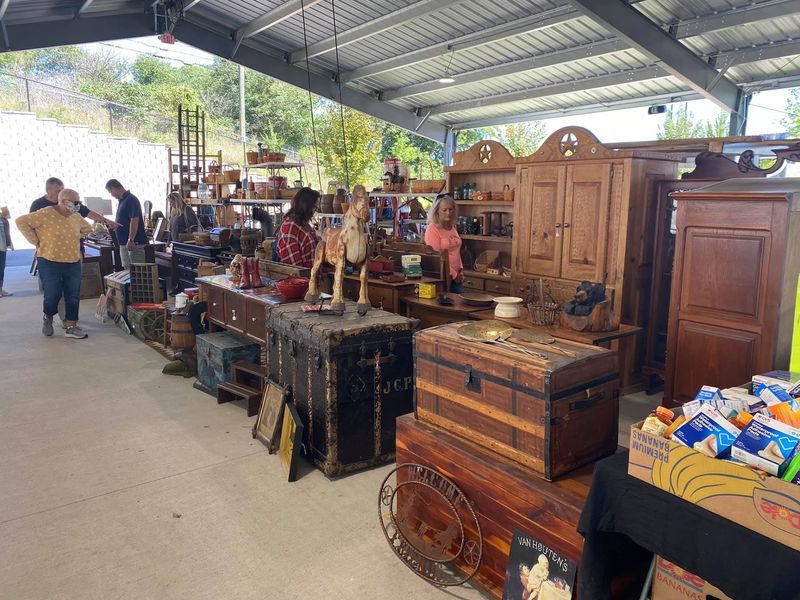
Change came to the fairgrounds, and the market adapted. Newer buildings now host a large portion of the indoor booths, a shift shoppers notice right away.
The updated halls come with proper lighting and climate control. Summer browsing got considerably more comfortable.
Clean restrooms sit within easy reach of the main aisles. Small conveniences matter during a full day on your feet.
Outdoor pavilions still handle the bulkier merchandise. The split keeps traffic flowing better than a single crowded space would.
Aisles inside can feel snug when the market fills up. Traveling light makes the tighter sections easier to manage.
The new setup has drawn plenty of discussion among longtime shoppers. Most agree the improved facilities were overdue.
Signage helps first-timers find their bearings. Grabbing a layout map at the gate is worth the extra minute.
Knowing the building names speeds up return trips. Regulars head straight to their favorite halls without wandering.
Smart Planning For A Full Day Of Browsing
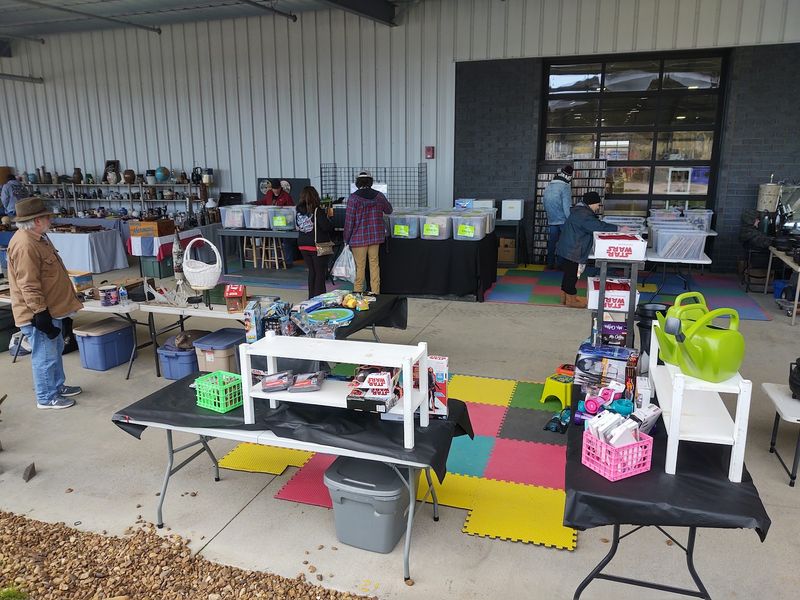
Treat the trip like a day out rather than a quick errand. The Nashville Flea Market spreads across enough ground that rushing guarantees you miss something.
Many families spend four or five hours here. Even then, they rarely see every booth.
Cash remains king at plenty of tables. Card readers exist, but small bills keep negotiations simple.
Sunscreen and a hat help during the outdoor stretch. Shade gets scarce by midday in warmer months.
Measuring tape, a tote bag, and a phone charger round out a useful kit. Preparation separates casual browsers from successful hunters.
Setting a budget before you arrive keeps impulse buys in check. Temptation lives in every aisle.
Pets are not permitted on the grounds, so leave the dog at home. Strollers and wagons roll fine on most surfaces.
Photographing items you are unsure about helps you compare later. Circling back beats regretting a rushed decision.
The hunt itself is the real souvenir here.