
The Once-Quiet Michigan Lake Town That Summer Crowds Have Completely Taken Over In The Last Few Years
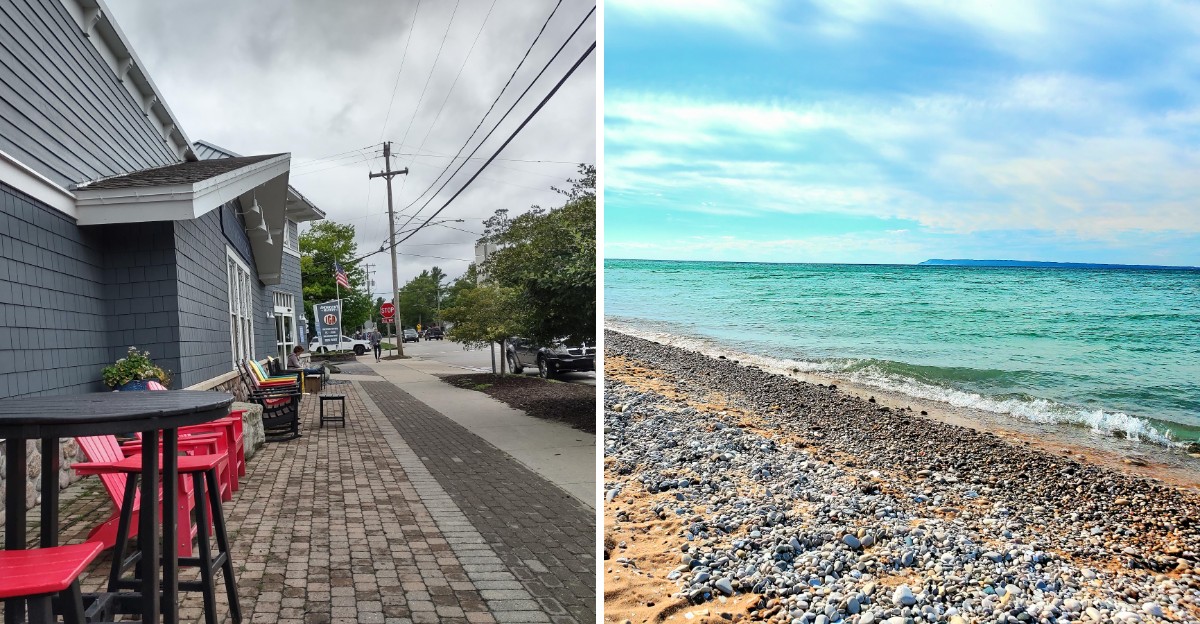
Seven hundred people. That’s the entire year-round population of a lake town that somehow turns into a mob scene every July.
Michigan hides this kind of contradiction better than any other state, a sleepy village that quietly multiplies once summer hits.
Two lakes squeeze this town onto a narrow strip of land, and each behaves completely differently. Dune trails climb right up from the shoreline, and cherry orchards fill the roads leading in.
That combination pulls crowds nobody quite expected.
Michigan tourism boards love statistics, but this town’s crowding problem tells its own story better than any brochure could. A single television spotlight years back turned a quiet secret into a summer destination overnight.
The secret is officially out, and the lines prove it.
The Township That Doubles Overnight In Summer
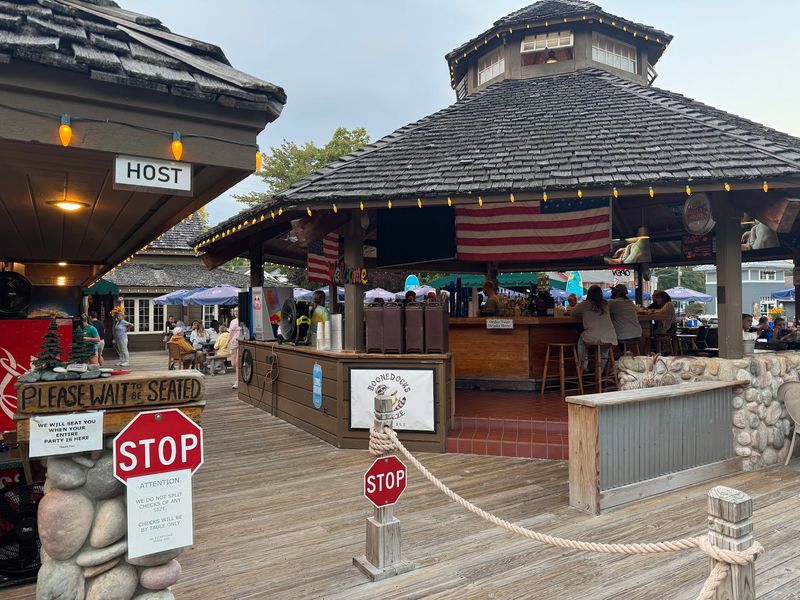
Seven hundred and fifty-seven. That was the population of Glen Arbor Township at the 2020 census.
Come July, that number stops meaning much. Vacation homes fill, rental cottages book out, and the sidewalks hum with people who arrived that morning.
The township has always worn two faces. Quiet and local for most of the year, then loud and lively for about ten weeks.
Locals call it a summer colony, and the label fits. Shops that barely see a customer in February suddenly need extra hands behind the counter.
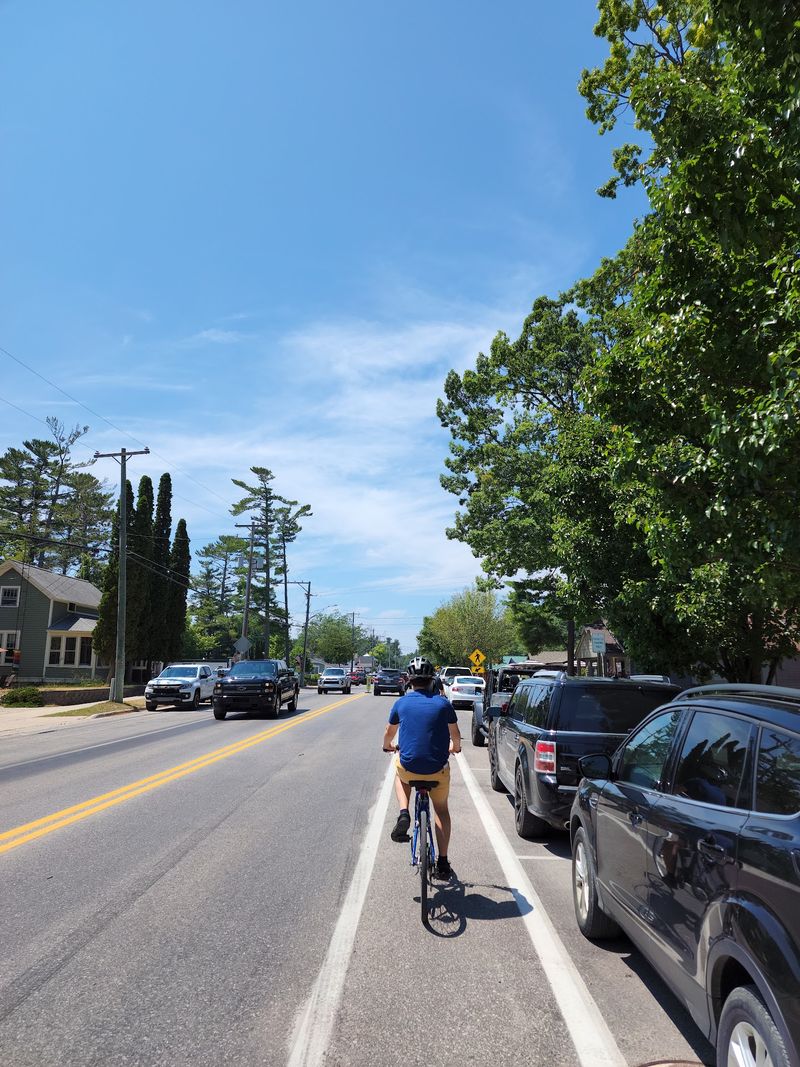
Traffic along the main drag slows to a crawl on sunny afternoons. Bikes often move faster than cars.
For visitors, the practical takeaway is simple. Book lodging early, arrive before mid-morning, and expect company at the popular spots.
You can find Glen Arbor Township in Leelanau County, Michigan, roughly half an hour west of Traverse City along the M-22 corridor.
The crowding is real, but so is the payoff. Few places in the Midwest pack this much shoreline, dune, and forest into such a small footprint.
Grapevines, Sawmills, And A Name That Stuck
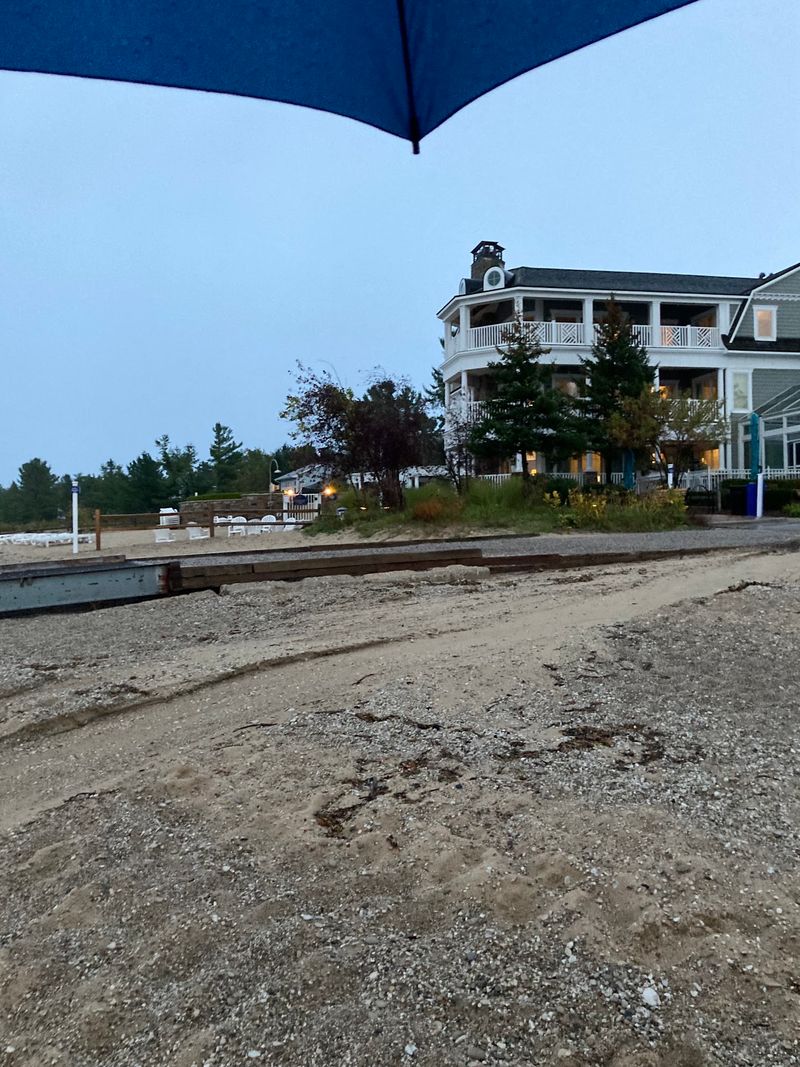
A trading post at Sleeping Bear Bay started it all around 1848.
The name came a few years later, in 1854, inspired by wild grapevines draping the trees like natural arbors. Glen Arbor has carried it ever since.
Long before settlers arrived, the Anishinaabe people, including Odawa and Ojibwe communities, lived across these forests and shorelines.
Timber drove the early economy. Sawmills appeared along the Crystal River and Glen Lake, cutting wood for houses and for the steamers crossing the Great Lakes.
Then the trees thinned and the mills quieted. Tourism slowly took their place as better roads reached the peninsula in the early 1900s.
Families began spending entire summers here. Some of those same families still return, generation after generation.
The biggest turning point came in 1970, when Congress created Sleeping Bear Dunes National Lakeshore. Glen Arbor became a gateway town almost overnight.
History buffs can still spot traces of that past in old buildings and preserved farmsteads nearby.
Knowing the backstory makes the crowded modern village feel a little less accidental.
Squeezed Between Two Very Different Lakes
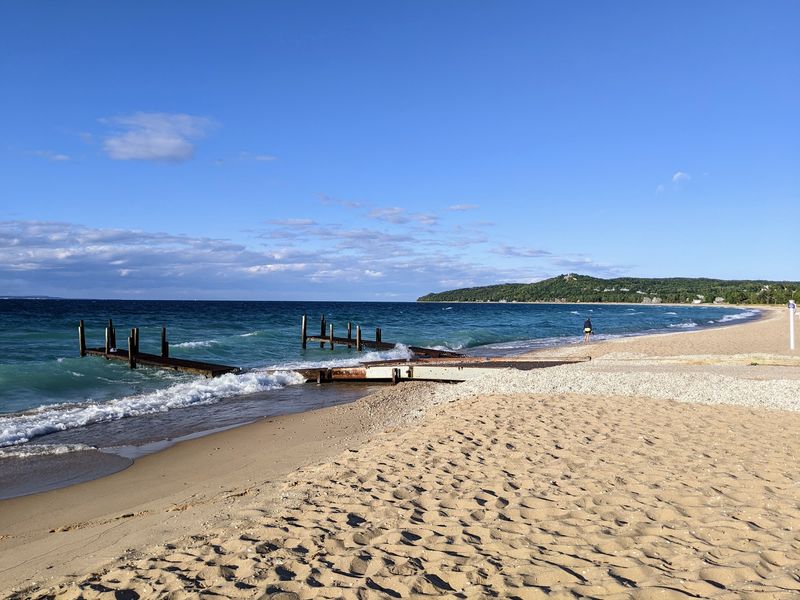
Geography did Glen Arbor a huge favor.
The village sits on a narrow isthmus. Lake Michigan spreads out on one side, Glen Lake shimmers on the other.
Glaciers shaped all of it. They scraped out basins, piled up sand, and left behind the rolling hills of the Leelanau Peninsula.
The two lakes behave very differently. Lake Michigan runs cold, big, and moody, with waves that can turn playful or rough in an hour.
Glen Lake stays warmer and calmer, especially in the shallow stretch known as Little Glen. Families with young kids usually drift toward that side.
Between them, forests of maple and beech climb the slopes. Clear streams thread through the woods and empty into the bays.
Photographers chase the color of the water here. On bright days it shifts from pale green to deep blue within a few steps.
Overlooks along the hills give you both lakes in one glance.
That double-lake setup explains a lot about the crowds. Two shorelines, one small town, endless ways to get wet.
A National Lakeshore For A Backyard
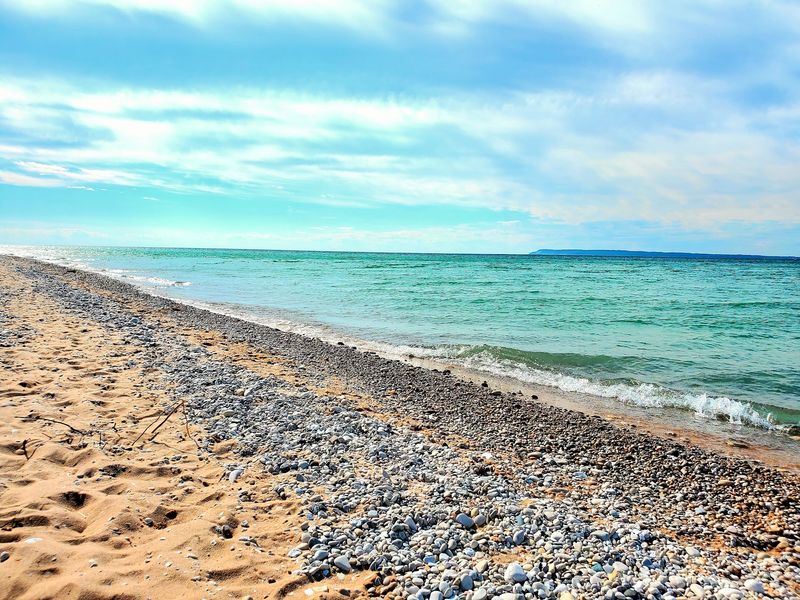
Imagine having 71,000 protected acres next door.
Sleeping Bear Dunes National Lakeshore wraps around Glen Arbor with roughly 65 miles of Lake Michigan shoreline inside its boundaries.
The Dune Climb draws the biggest line of visitors. People charge up the sand, gasp, then turn around for the Glen Lake view.
Pierce Stocking Scenic Drive offers an easier route to big scenery. A dozen overlooks sit along the loop, each with its own angle on water and dune.
Hikers get more than 100 miles of trails. Empire Bluff and Pyramid Point rank among the most photographed.
Treat Farm Trail winds through maple and beech woods before opening onto quiet bluffs.
Cyclists favor the Sleeping Bear Heritage Trail, a paved non-motorized path that links several villages and keeps riders off the highway.
An entrance pass is required for the National Lakeshore, so plan for that before you park.
Early mornings beat the rush almost every time.
The park is the reason the crowds came. It is also the reason nobody seems to mind much.
Paddle, Float, Swim, Repeat
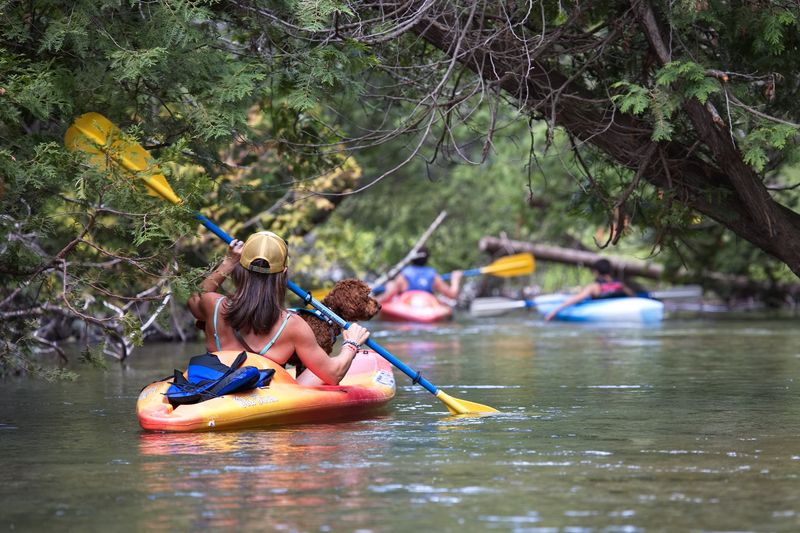
Water shows up everywhere you turn around here.
The Crystal River curls through Glen Arbor at a lazy pace. Canoes, kayaks, and tubes drift along it all summer, past cedar roots and sandy bends.
Paddleboarders usually head for Glen Lake, where mornings tend to be glassy and calm.
Lake Michigan is the bolder choice. Cold, clear, and enormous, it rewards anyone willing to wade past the first shock.
Glen Arbor Beach sits at the end of Lake Street, an easy walk from the village center.
Glen Haven Beach pairs its shoreline with preserved historic buildings, so you get sand and a history lesson together.
Good Harbor Bay stays quieter than most, with gentler waves and fewer footprints.
Marinas on Glen Lake rent boats and gear, and fishing remains a steady local pastime.
Bring water shoes. Some stretches hide rocks under that pretty surface.
Sunset over Lake Michigan turns the whole western horizon orange, and half the town seems to show up for it.
Few small towns give you this many ways to get soaked.
Shops You Will Not Find Anywhere Else
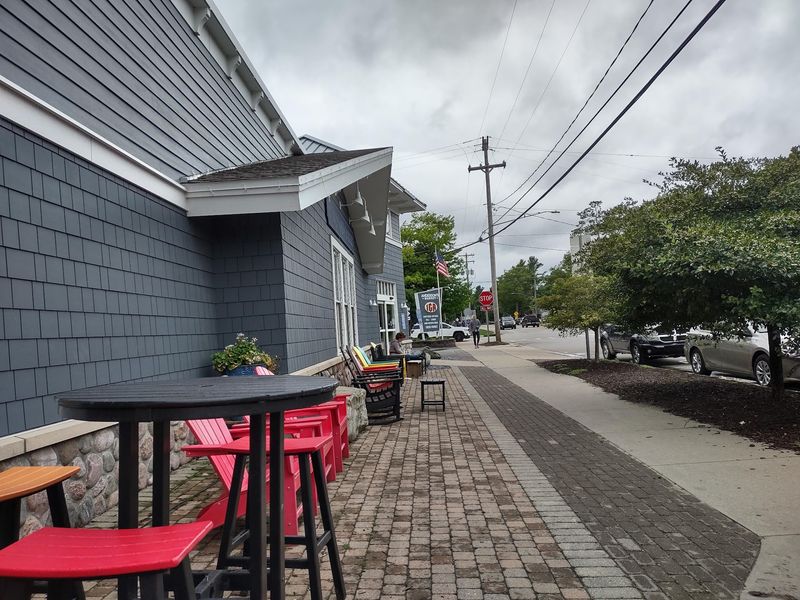
No chain signs. No big box parking lots.
Downtown Glen Arbor kept the corporate logos out, and the difference hits you immediately.
Independent boutiques line the streets. Galleries display regional artwork, and specialty shops sell handcrafted pottery and locally made goods.
The Cottage Book Shop, housed in an old log building, has become a favorite rainy-day stop for readers of every age.
Cherries dominate the souvenir shelves. Dried, jammed, chocolate-covered, baked into pastries, the fruit shows up in a dozen forms.
That reflects Leelanau County’s long farming tradition, not just tourist marketing.
Artists set up easels around the village on pleasant afternoons, painting the same views visitors photograph.
Shopkeepers tend to chat. Ask about trail conditions or the best beach that day and you will usually get a straight answer.
Weekend afternoons get tight, so browse in the morning if you dislike elbow-to-elbow aisles.
Many shops scale back or close outside the warm months.
Small-town retail survives here because people still choose it over convenience, and that choice shapes the whole village character.
The 2011 Spotlight That Changed Everything
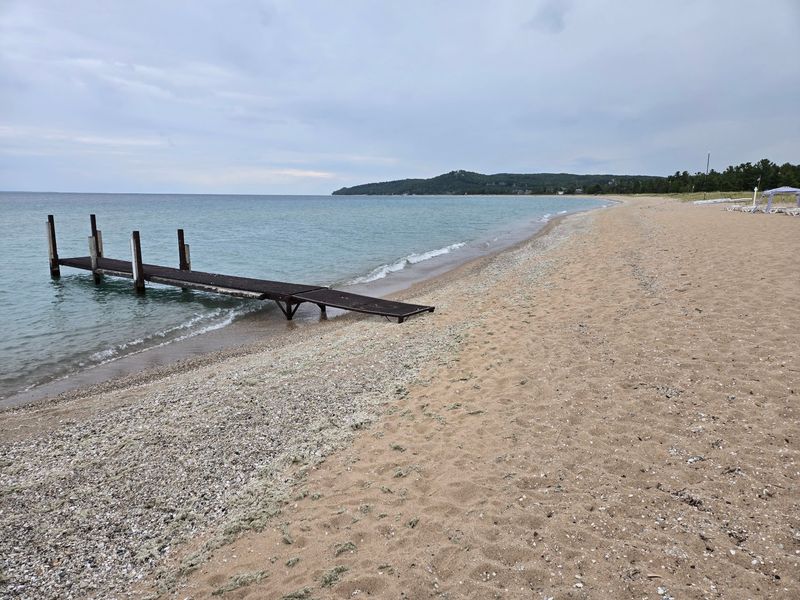
One television segment rewrote this town’s future.
In 2011, a national morning show named Sleeping Bear Dunes National Lakeshore the most beautiful place in America.
Visitor numbers spiked. The following summer, 2012, earned the nickname summer on steroids among people who work here.
Shops posted record sales. Staff posted record exhaustion.
Some new arrivals expected resort polish and found something rustic instead. Glen Arbor never pretended to be a manicured destination.
The pressure showed in small ways. Full parking lots, packed trailheads, longer waits everywhere.
Residents responded by leaning harder into preservation. Keeping the shoreline clean and the village character intact became a shared project.
Growth has continued, though the town has adjusted. Visitors now spread out across more trails and beaches than they once did.
If you want the 2005 version of Glen Arbor, come in May or late September.
The attention was earned, honestly. Anyone standing on a bluff above that water understands the ranking immediately.
Fame arrived fast here, and the town is still figuring out how to wear it.
Cherry Everything And Cozy Cafes
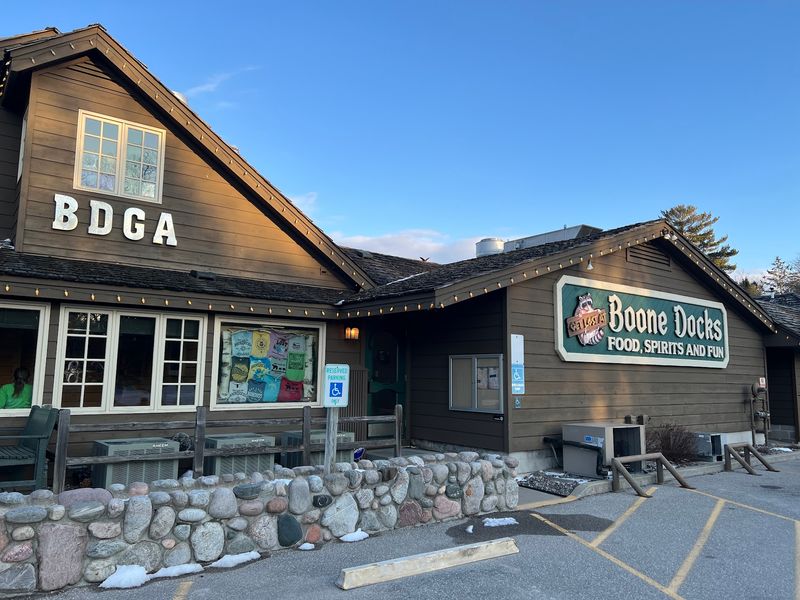
Breakfast tastes better after a dune climb.
Glen Arbor’s kitchens lean local. Farm-to-table menus pull from Leelanau County growers, and seasonal produce shapes what appears on the plate.
Cherries star, naturally. Pies, scones, sauces, and ice cream all carry that tart northern Michigan flavor.
Coffee shops open early for hikers and stay busy through the afternoon.
Casual counters handle sandwiches and quick bites. A few spots go more refined for a slower evening meal.
Patios matter here. Warm weather is short, so outdoor tables fill first.
Because the village is small, the same faces appear behind the counters all season. Regulars get remembered by their second visit.
Peak-season waits can stretch, especially between noon and two. Eating slightly off-schedule solves most of that.
Hours shift with the seasons, and some places close entirely in winter, so check before you drive over.
Picnic supplies are easy to gather if you would rather eat on a beach.
Food here is not about trends. It is about what grew nearby that week, served without fuss.
M-22 And The Drive People Frame On Their Walls
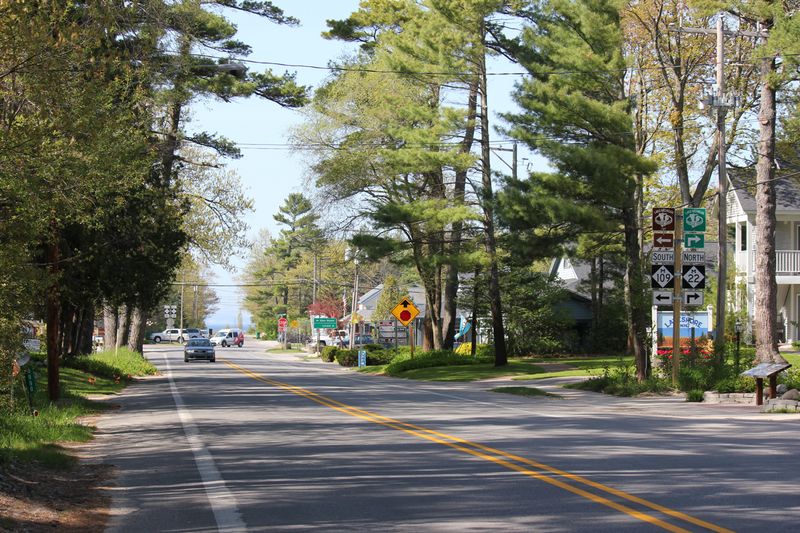
Some roads are transportation. M-22 is the attraction.
The highway hugs the Leelanau Peninsula and rolls right past Glen Arbor, linking it to Empire, Leland, and Suttons Bay.
Autumn turns the route spectacular. Maples ignite in orange and red, and the drive regularly lands on lists of the country’s best fall color trips.
The route sign itself became a symbol. You will spot that shield shape on shirts, stickers, and mugs across the region.
Pull-offs appear often. Take them, because the best views rarely happen at driving speed.
Each connected town has its own personality, so a half-day loop feels like several trips in one.
Summer traffic thickens near the village center, especially midday.
Cyclists share the corridor too, so give them room on the curves.
Winter drives can be lovely but demand caution, since lake-effect snow blankets this part of Michigan generously.
Fuel up before long stretches. Services thin out between villages.
The road ties the whole peninsula together, and it explains why so many people keep coming back north.
The Legend Behind The Sleeping Bear
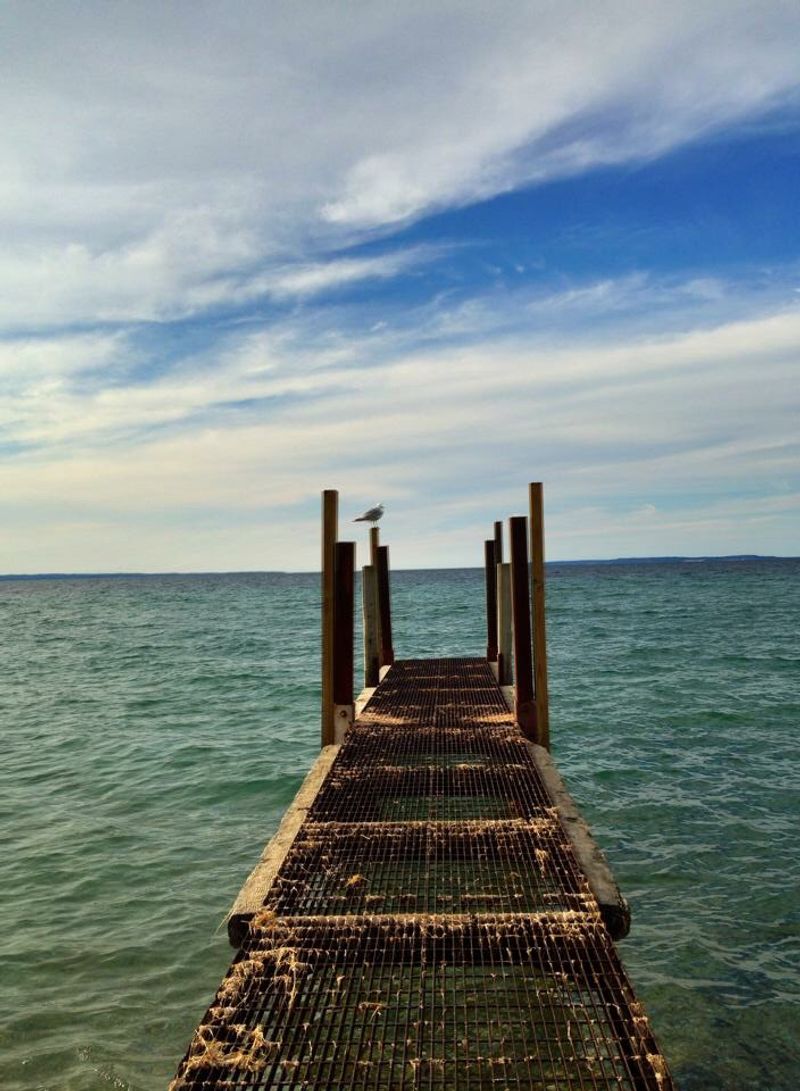
Every landscape needs a story, and this one has a memorable one.
Anishinaabe tradition tells of a mother bear and her two cubs swimming across Lake Michigan to escape a forest fire in Wisconsin.
The mother reached the eastern shore and waited, watching the water for her cubs.
The great dune is said to be that waiting mother. The two islands offshore represent her cubs.
Standing on the bluffs near Glen Arbor, you can see those islands clearly on a bright day.
North and South Manitou Islands sit out there, reachable by ferry during the warmer months.
The tale gives the park its name and gives visitors a reason to pause at the overlooks.
Interpretive signs around the National Lakeshore share more about the region’s Indigenous history.
Rangers sometimes offer talks during summer, which is a nice break from hiking in the heat.
Bring binoculars if you want a better look at the islands.
Stories like this stick with people, and they explain why the dunes feel like more than just big piles of sand.
Festivals, Races, And Winter Ice Carving
The event calendar keeps this town social year-round.
Summer brings art fairs to the village, along with live music that spills out onto lawns and patios.
The M22 Challenge pushes athletes through paddleboarding, biking, and running across the surrounding landscape. It is a serious test with scenery as the reward.
August features the Port Oneida Fair, where historical reenactments and craft demonstrations fill preserved farmsteads nearby.
Kids usually gravitate toward the hands-on activities there, churning, weaving, and trying old tools.
September’s Harvest Stompede celebrates the county’s agricultural season with runs through the rolling farmland.
Winter has its own tradition. Glen Lake Winterfest features ice carving demonstrations and gives locals a reason to gather during the quiet months.
Event dates shift from year to year, so confirm before building a trip around one.
Lodging fills faster on festival weekends. Book ahead if you plan to attend.
These gatherings show a side of Glen Arbor that beach visitors often miss entirely.
Community here is not a marketing word. It is a calendar full of reasons to show up.
When To Come If You Want Elbow Room
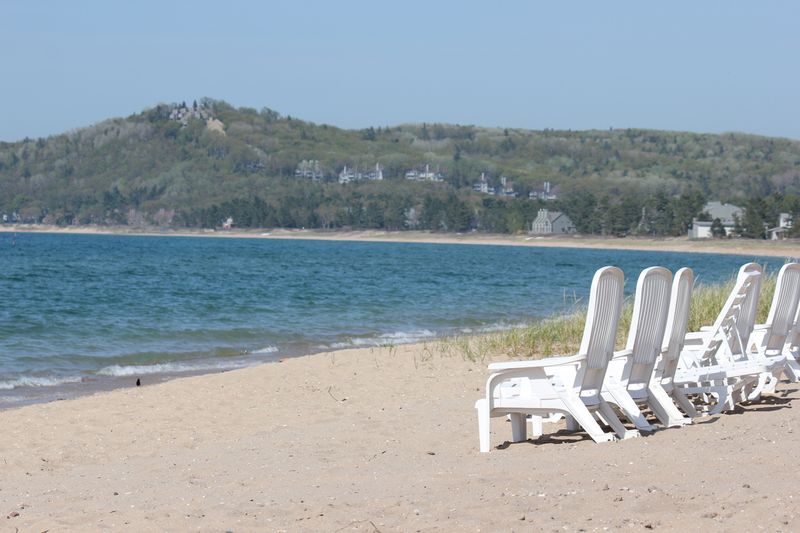
Timing separates a peaceful trip from a packed one.
June through August delivers the warmest water and the thickest crowds. Reservations should be made well in advance for those weeks.
Spring, roughly April into May, offers mild days and wildflowers without the traffic. Some businesses operate on limited schedules then.
Autumn might be the sweet spot. September and October bring comfortable temperatures, fiery foliage, and noticeably shorter lines.
The water stays swimmable into early September on warm years, though Lake Michigan cools quickly.
Winter, from November through March, turns Glen Arbor into a snowy, quiet retreat. Cross-country skiing and snowshoeing take over the trails.
Weather here changes fast, so pack layers no matter the month.
Weekdays beat weekends for parking at every popular site.
Remember that the National Lakeshore requires an entrance pass throughout the year.
Cell service can be patchy on back roads, so download maps before heading out.
Pick your season thoughtfully and this small Michigan town gives you exactly the trip you were hoping for, crowds optional.