
The North Carolina Mountain Village Where Nearly 20 Empty Cabins Still Stand, And You Walk Right In
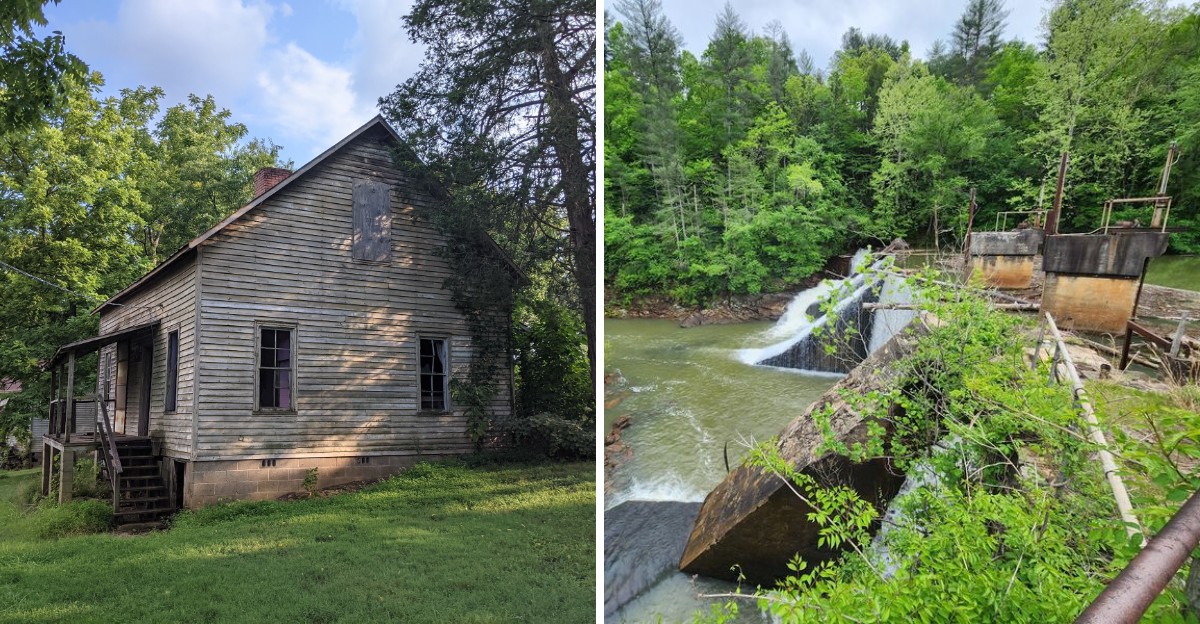
Nearly twenty empty cabins still lean along a quiet river, and nobody stops you from walking up to them.
This North Carolina village went silent decades ago. A dam and an old company store never got the memo.
Movie fans recognize corners of this place instantly. Locals just call it home, or at least they used to.
North Carolina hides plenty of ghost towns, but few let you wander this freely among the real houses. Every cracked window seems to hold a story nobody has fully told yet.
Sturdy shoes help, since the ground stays uneven and the history runs deep. Guided tours fill in details that silence alone cannot.
One quiet afternoon here rewrites how you picture abandoned places. Plan a visit before curiosity gets the better of you.
A Cotton Mill Town Built From Scratch In 1904
Planned communities are not a modern invention. Henry River Mill Village took shape in 1904, laid out deliberately along the river that gave it a name.
The Aderholdt and Rudisill families founded the Henry River Manufacturing Company soon after. By 1905, the mill was spinning fine cotton yarns.
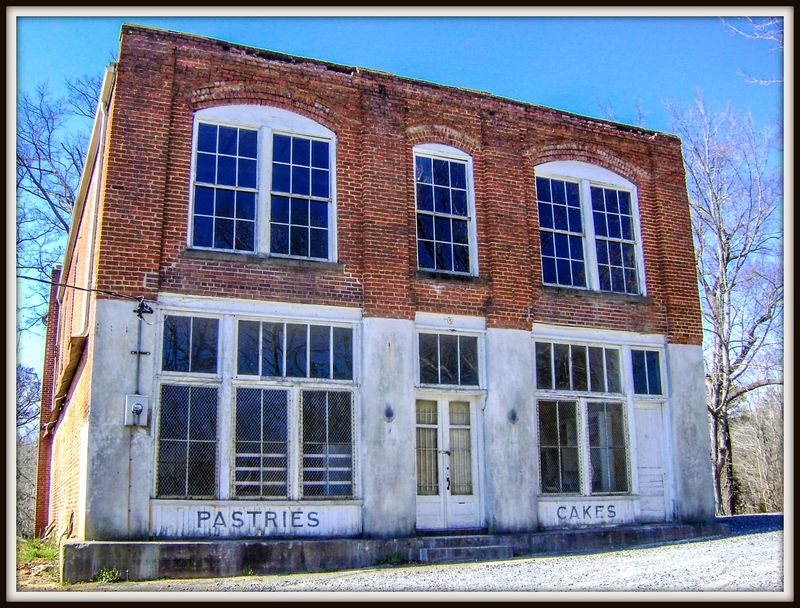
Everything a worker needed sat within walking distance. A dam, a water system, fire protection, and a two-story brick company store anchored daily life.
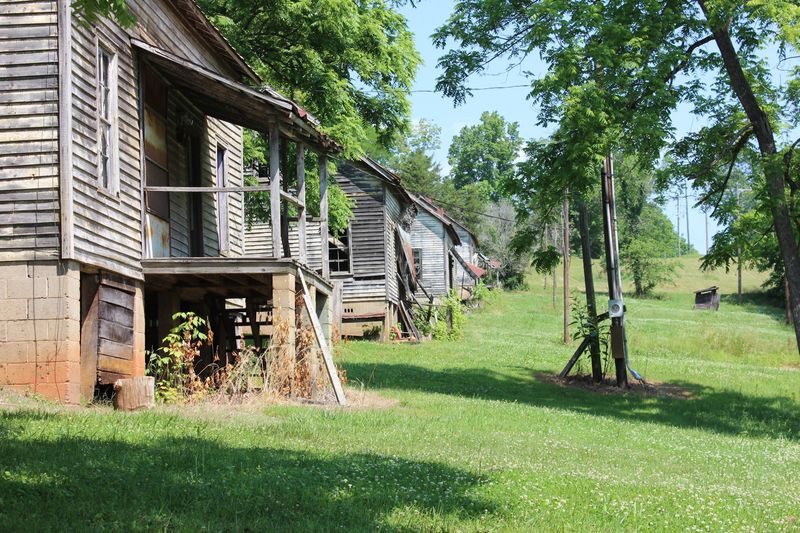
Roughly 35 small cottages housed the families who ran the machines. Rents were reportedly modest, often just a few dollars.
Those houses were simple by design. No running water, no sewer system, just wood, nails, and hard work.
The mill village model spread across the Carolinas during this era. Henry River Mill Village stands out because so much of it survived.
Visitors today can trace the original street grid with their own feet. The address, for anyone plugging it into a map, is 4255 Henry River Rd, Hickory, NC 28602.
History here is not behind glass. It sits right along the roadside, quietly waiting.
Water, Steam, And Then Electric Power
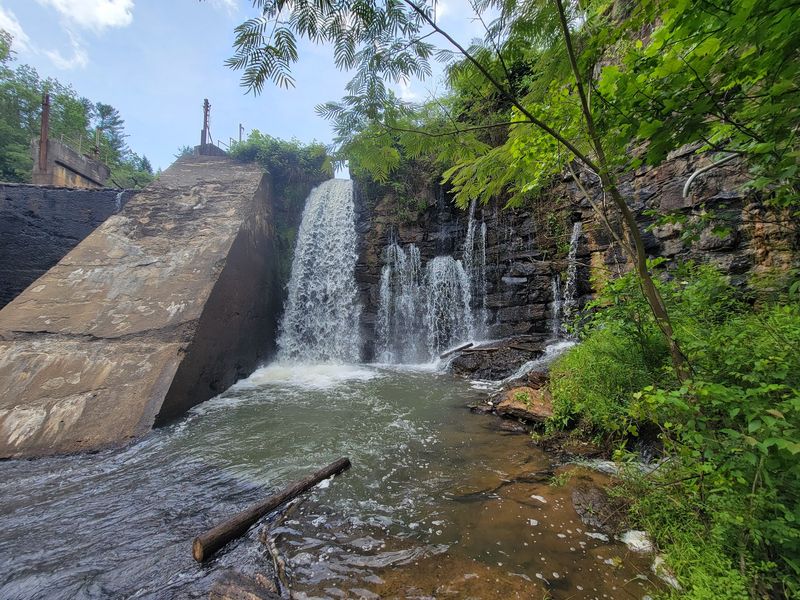
Power tells the story of progress better than almost anything. The mill first ran on the river itself, using waterpower drawn from the dam.
That arrangement worked for roughly a decade. In 1914, the operation switched over to steam.
Another shift came in 1926, when the mill converted fully to electricity. Each change meant faster output and longer working days.
By 1963, production had reportedly tripled compared to the earliest years. Small town, serious industry.
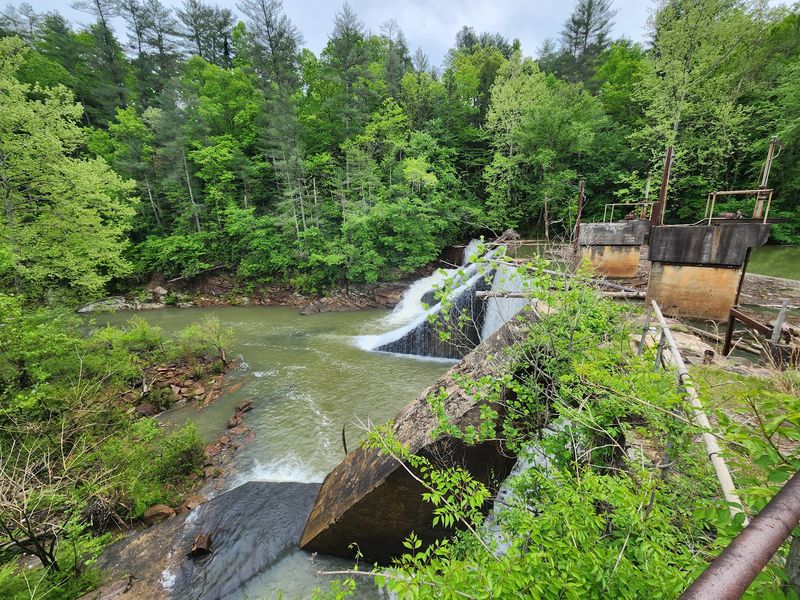
The dam still sits below the village, and it remains one of the most photographed features on the property. Water still moves past the old stonework.
Standing near it, the scale of the original engineering becomes clear. Someone had to build all of this by hand, in the foothills, over a century ago.
Henry River Mill Village makes that effort easy to appreciate. The machinery is long gone, but the bones of the system remain.
Look for the channel where water once fed the mill. It is a quiet reminder that progress here arrived one upgrade at a time.
Neighbors Who Functioned Like One Large Family
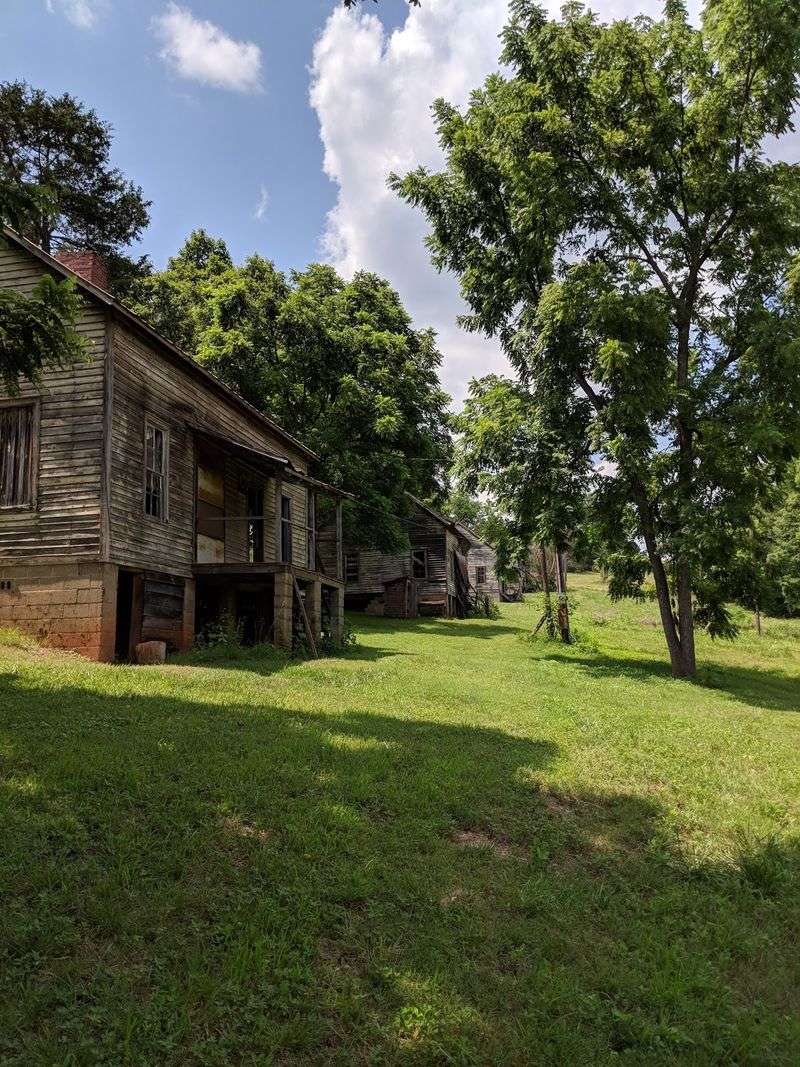
Work defined the schedule, but community defined the place. Families in the village lived close, shared tools, and looked after one another’s children.
Former residents have described a strong sense of togetherness. Porches served as living rooms, and news traveled fast.
Life was not easy. Without indoor plumbing, water came from shared sources, and chores filled the hours before and after mill shifts.
Somehow the place still thrived. People built gardens, held gatherings, and raised generations within a few hundred yards of the spinning frames.
Guides at Henry River Mill Village often spend as much time on these human details as on dates and numbers. That focus makes the visit stick.
The cottages look plain from the outside. Learning who lived inside changes how they feel.
North Carolina had dozens of mill villages like this one. Few preserved the residential layout so completely.
Walk the row slowly and picture laundry on the lines. The silence starts to sound different once the stories fill it in.
When The Machines Went Quiet
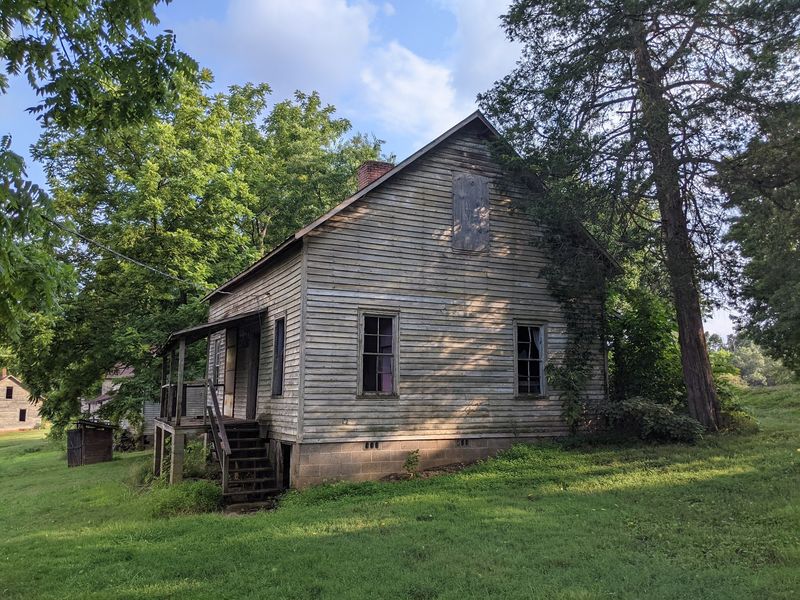
Economic tides turned against small textile operations. Competition squeezed profits, and the Henry River mill wound down after 1963.
Accounts differ on the exact closing date, with some sources pointing to the late 1960s and others to 1971. Either way, the yarn stopped moving.
New owners purchased the property in 1976. A year later, fire destroyed the main mill building, with lightning suspected as the cause.
Losing the mill removed the heart of the place. What remained were houses, the store, and the dam.
Residents drifted away over the following decades. The last longtime local is said to have left around the late 1990s or early 2000s.
Nature moved in next. Vines climbed porches, roofs sagged, and paint curled off the siding.
Henry River Mill Village spent years as a true ghost town, visited mostly by photographers and the curious. Decay became its defining look.
That weathered appearance is exactly what later caught Hollywood’s attention. Sometimes neglect writes a surprising second act.
Roughly Twenty Cabins Still Standing Today
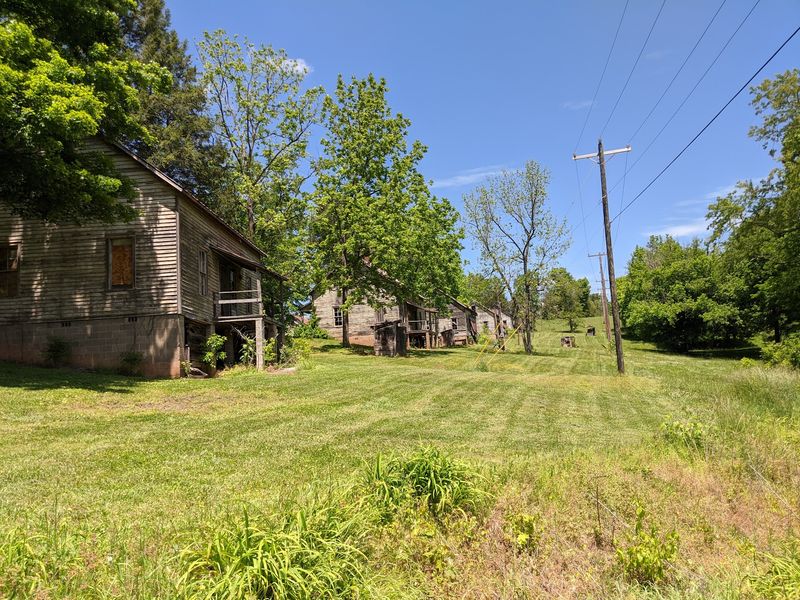
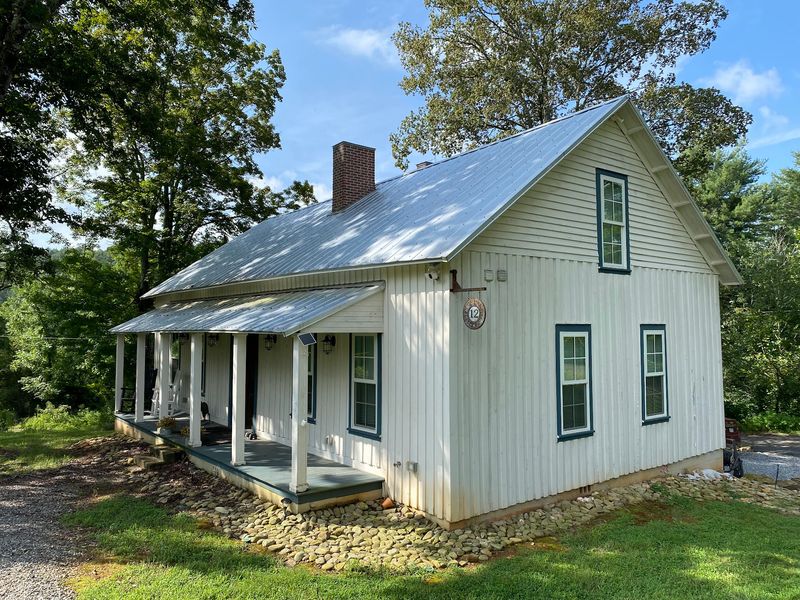
Count the houses and the math is surprising. Of the original 35 or so cottages, about twenty remain upright today.
Some lean, some have lost windows, and a few now look sharp under fresh paint. The variety is part of the appeal.
Current owners bought the property in 2017 and began a steady preservation push. Restoration work continues house by house.
Several cabins have been converted into overnight rentals. Guests sleep inside walls that once housed mill families.
Not every structure is open to the public. Visitors typically view most homes from the outside, with one or two accessible for a look inside.
Footing matters here. Tall grass, uneven ground, and aging porches call for boots rather than sandals.
Henry River Mill Village feels like a work in progress, and that honesty is refreshing. Nothing is polished into a theme park.
Watching restoration unfold in real time gives repeat visitors a reason to return. Each season, another roofline looks a little straighter.
How District 12 Landed In The Foothills
Movie scouts wanted something worn, rural, and real. They found it here in 2011.
The village served as District 12 in the first Hunger Games film. Filming reportedly lasted about nine days on and around the property.
The old two-story brick company store became Mellark’s Bakery. One of the mill houses stood in for the Everdeen family home.
Fans also point out the spot connected to the mockingjay pin scene. Recognition tends to hit visitors the moment they round the corner.
Production crews made changes to the buildings, and one house was reportedly damaged during a filmed explosion. Traces of that work linger.
Signage on site is limited, so a guided tour helps connect scenes to structures. Guides fill in the details maps cannot.
Henry River Mill Village handles its film fame without overplaying it. History still leads the conversation.
Even visitors who have never seen the movies leave impressed. The setting works on its own terms, camera or not.
Tickets, Trails, And Self-Guided Wandering
Private property comes with rules, and this one requires a ticket. Admission supports preservation of the remaining structures.
The grounds cover 72 acres, which surprises plenty of first-timers. Comfortable shoes and water make the visit far better.
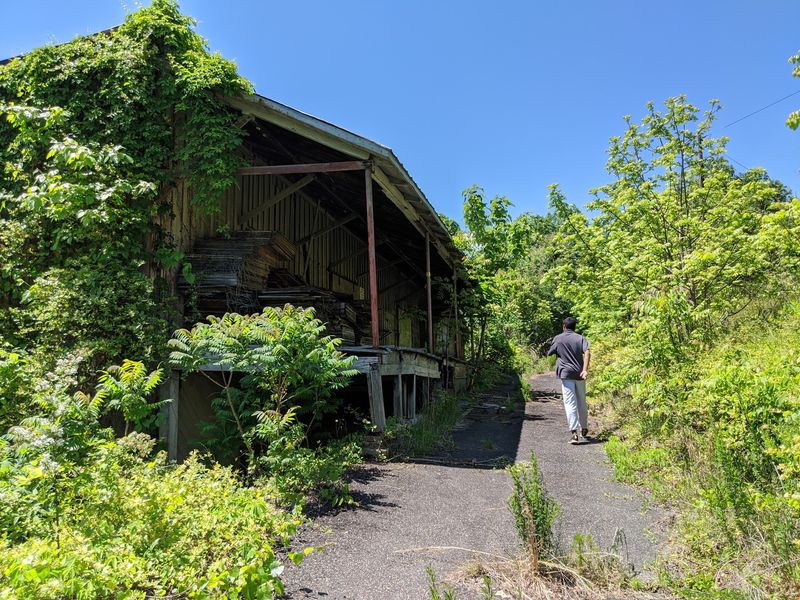
Self-guided exploration lets people set their own pace. Paths wind past cottages, the store, and down toward the river.
Guided tours run through the year and dig into both the industrial history and the film connection. Guides here tend to know the property intimately.
Hours shift with the seasons, and the site sometimes closes for private events. Calling ahead before a long drive is smart.
Leashed, friendly pets are generally welcome on the grounds. The property also maintains a tobacco-free policy.
Henry River Mill Village rewards slow walkers more than quick stoppers. Rushing through misses most of what makes it interesting.
Budget a couple of hours if possible. The best details hide behind the second row of houses.
Recognized On The National Register
Official recognition arrived in 2019. The village was listed on the National Register of Historic Places on May 9 of that year.
Listing highlights how little the layout changed over the decades. Few early industrial communities survived this intact.
North Carolina shifted from farming to textiles during the early twentieth century, and places like this powered that change. The village documents the transition in wood and brick.
Each cottage represents a family paycheck and a way of life. The store represents the economy that circled back to the company.
Preservation groups have worked to raise funds and keep roofs from collapsing. Ticket sales feed directly into that effort.
Henry River Mill Village therefore carries weight beyond its film credit. Historians value it for what it shows about labor and industry.
Visitors sometimes arrive for one reason and leave talking about another. The history tends to sneak up on people.
Standing among the cottages, the scale of everyday effort becomes obvious. That perspective alone justifies the trip.
Night Walks, Festivals, And Special Gatherings
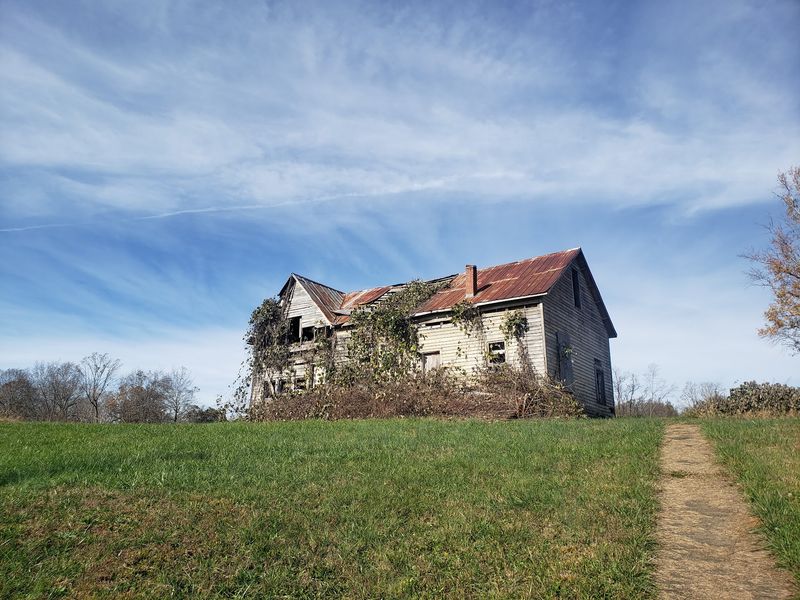
Empty houses after dark spark imagination fast. The village has built a reputation among people interested in paranormal investigations.
Night walks rank among the most talked-about experiences on the property. Flashlights, quiet lanes, and old porches set the mood.
Nothing about those evenings is guaranteed, and that uncertainty is half the draw. Skeptics and believers walk the same path.
Daylight events fill the calendar too. The Mill Vill Fest brings music, food, and visitors onto the historic grounds.
The site also hosts private gatherings and weddings. Few venues in North Carolina offer this kind of backdrop.
Movie nights have been screened on the property as well, which suits the location perfectly. Watching a film where it was shot is hard to beat.
Henry River Mill Village uses these events to fund ongoing repairs. Fun and preservation travel together here.
Checking the schedule before visiting helps avoid closures. Event days can also turn an ordinary stop into a memorable one.
Why Winter Might Be The Smartest Visit
Bare branches change everything. Winter strips away the leaf cover and exposes the full shape of the village.
Sightlines open up between houses. The dam becomes far easier to see and photograph.
Summer growth is lush but hides architecture. Tall grass also makes some corners harder to reach.
Fall brings color to the surrounding foothills, and plenty of visitors recommend that season for the scenery. Cooler air helps too.
Winter hours tend to be shorter, typically limited to weekends. Warmer months usually bring additional open days.
Dress in layers and expect wind near the river. Gravel and grass stay damp long after rain.
Henry River Mill Village looks starkest in January, which is exactly why history buffs favor it then. Structure beats foliage when studying old buildings.
Photographers often chase early light or late afternoon shadows across the clapboard. Both flatter the aged wood.
Pick the season that matches the goal. Architecture lovers go cold, leaf peepers go golden, and both leave satisfied.
Either way, the quiet stays the same.