
This North Carolina Coastal Town Might Be The Prettiest Small Town On The Sound
You know a town is special when the waterfront makes you slow down before you even realize it. Along the North Carolina coast, one small town has that effect almost immediately.
There is a softness to the whole place that photographs never quite capture. Morning light hits the water, porches fill with conversation, and even a simple stroll downtown can stretch much longer than planned.
North Carolina has plenty of beautiful coastal communities, but this one feels especially easy to fall for. The water is always close, the pace stays gentle, and every block seems to offer another reason to linger.
By the end of the day, calling it one of the prettiest small towns on the sound does not feel like much of a stretch.
A Waterfront That Feels Like A Painting
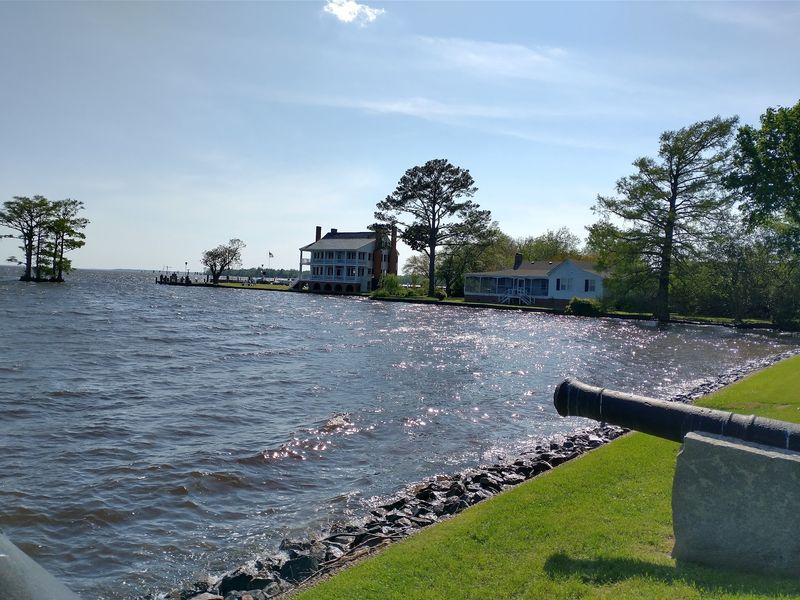
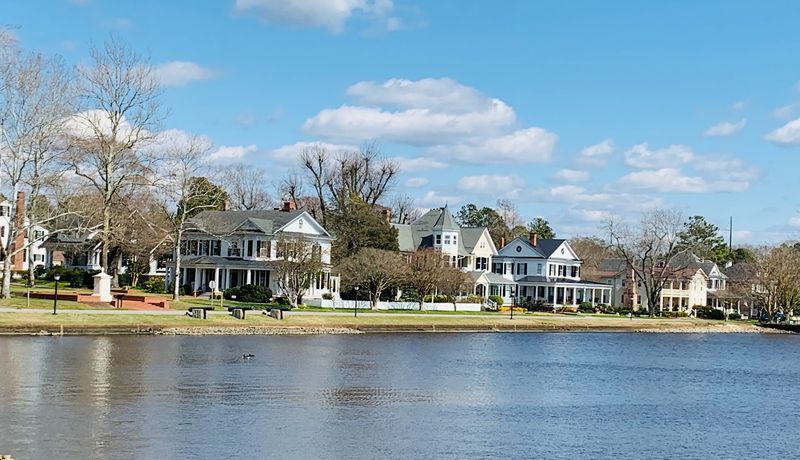
Water does most of the talking here. Edenton sits on Edenton Bay, a gentle pocket of the Albemarle Sound in the northeastern corner of the state.
The Albemarle is one of the largest freshwater sounds in North America. That means calm, brackish-to-fresh water, few waves, and sunsets that stretch clear across the horizon.
Walk down to the harbor and you will find docks, benches, and boats resting in neat rows. The town waterfront is public, so anyone can sit and watch the light shift over the bay.
Colonial rooftops rise just behind the shoreline, giving the view two layers of interest. You get open water in front and centuries of architecture at your back.
Mornings tend to be glassy and quiet, which is ideal for photos. Late afternoon brings warmer color and a breeze off the water.
Bring a light jacket in the cooler months, since the wind crosses the sound unblocked. Comfortable shoes help too, because the waterfront connects easily to the rest of town on foot.
Roanoke River Lighthouse, The One That Moved
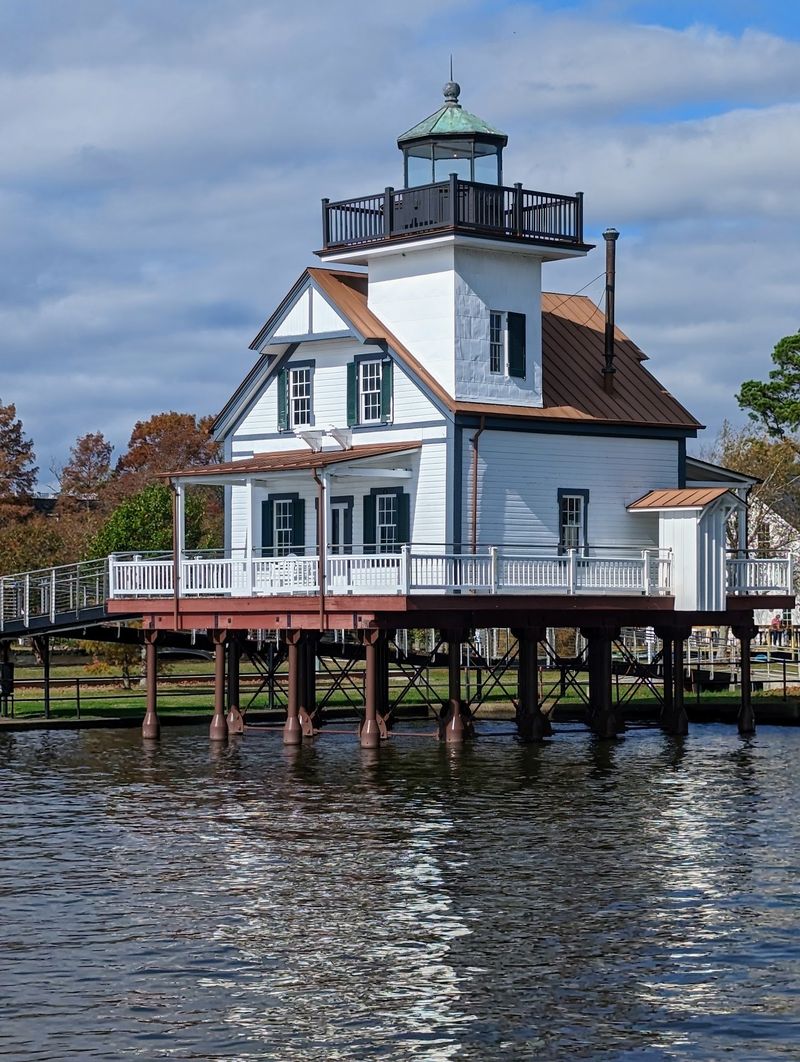
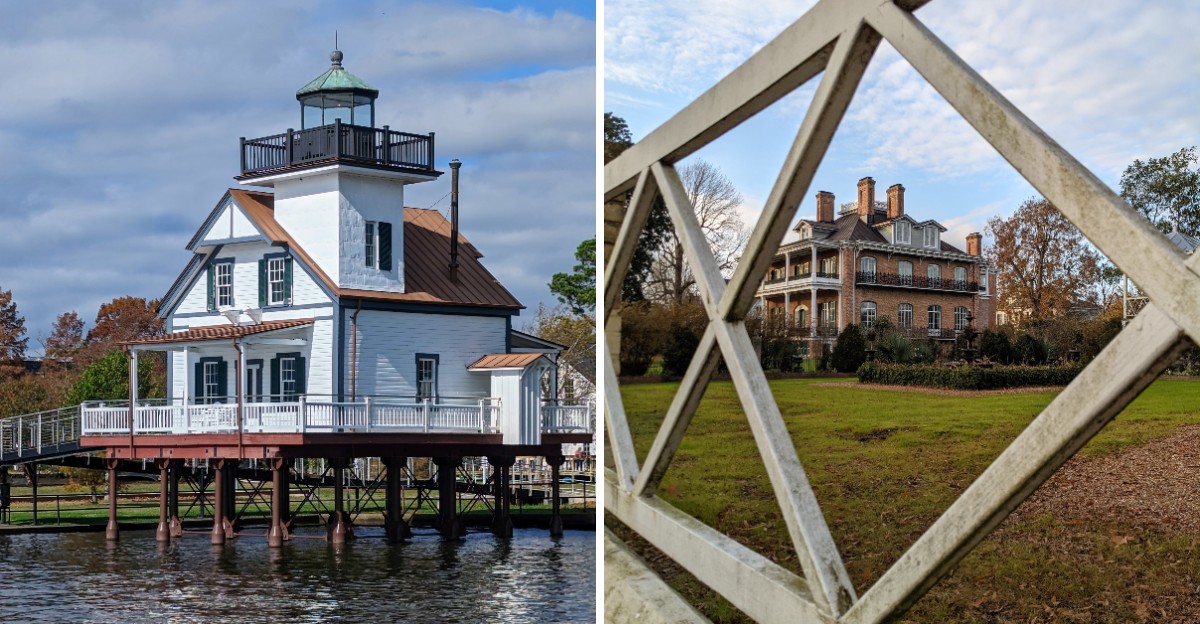
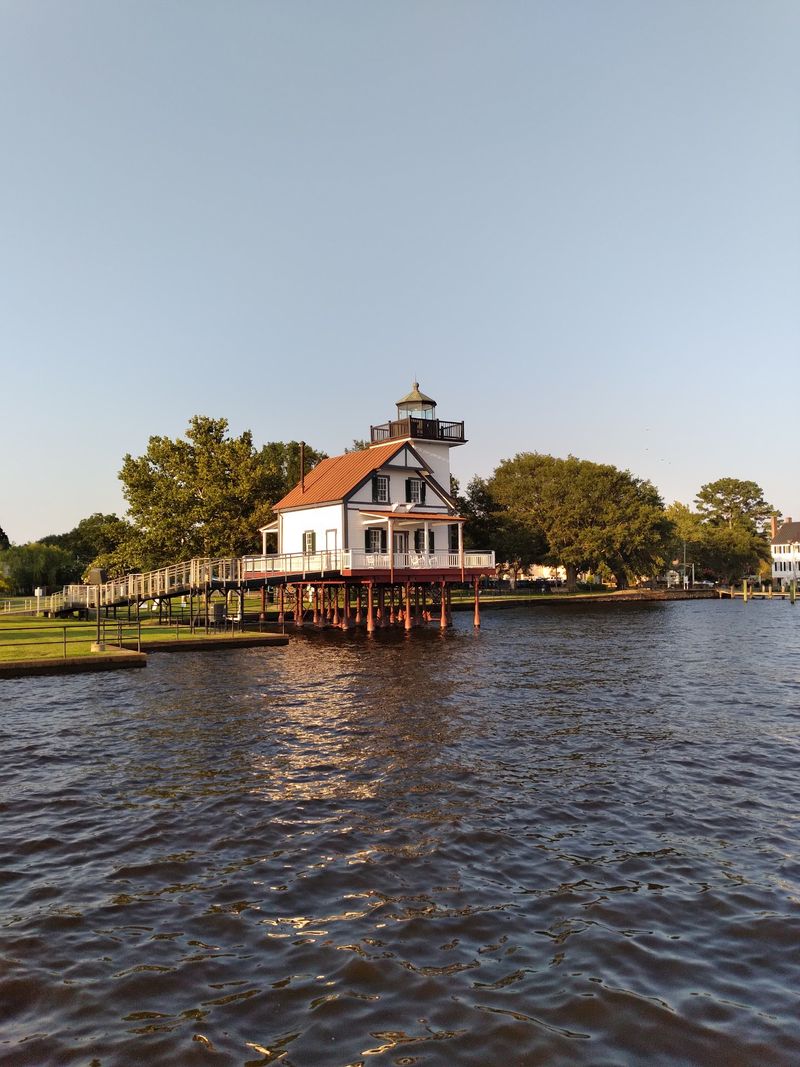
Few buildings travel, but this one did. The Roanoke River Lighthouse is a square-shaped screwpile lighthouse, the last of its kind still standing in the state.
Built in 1886, it once guided boats near the mouth of the Roanoke River. Later it was moved and used as a private home for decades.
In 2007 the structure was floated and relocated to the Edenton waterfront. Restoration work followed, and it reopened for tours as a public landmark.
Inside, rooms are furnished to reflect keeper family life in the early 1900s. The scale is surprisingly cozy, more cottage than tower.
Screwpile lighthouses rested on iron legs twisted into soft, muddy sound bottoms. That design explains the wide porch and stilt-like base you see today.
Tours are usually offered on a set schedule, so check hours before you plan your day. Photographers should aim for late afternoon, when the white siding glows against the water.
It is a short walk from the harbor, making it an easy first stop.
Chowan County Courthouse, A National Landmark
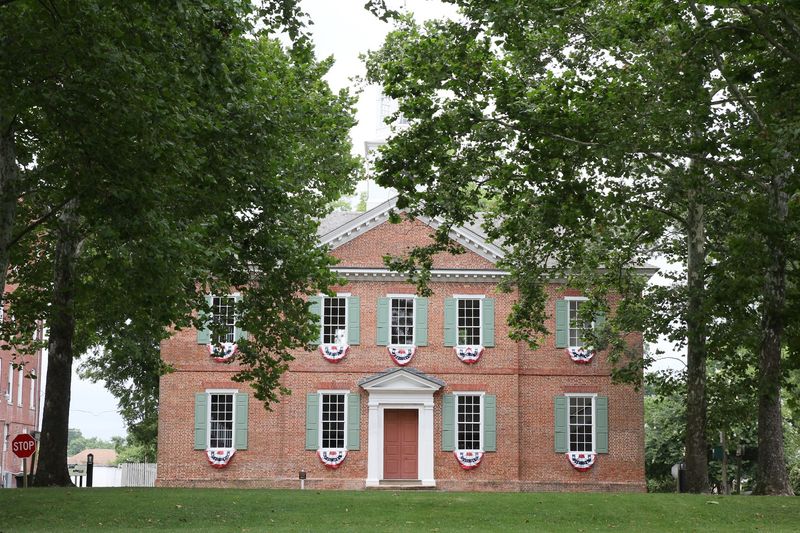
Some buildings quietly outlast everything around them. The Chowan County Courthouse was completed in 1767 and remains one of the finest Georgian public buildings in the country.
It carries National Historic Landmark status. Court business was handled here for well over two centuries, which is a remarkable run for any structure.
Red brick, a tidy cupola, and perfect symmetry define the exterior. Step inside and you will find the grand courtroom with its sweeping Palladian window.
The green behind the building slopes gently toward the bay. That stretch of lawn is one of the most photographed views in town.
You will find the courthouse on East King Street, right in the heart of the historic district. Parking nearby is simple and usually free.
Guided tours are offered through the local historic site office. Even a quick exterior look rewards anyone who appreciates old craftsmanship.
Look closely at the brickwork patterns. Colonial masons laid them by hand, and the precision still holds up beautifully.
Streets Lined With Colonial And Victorian Homes
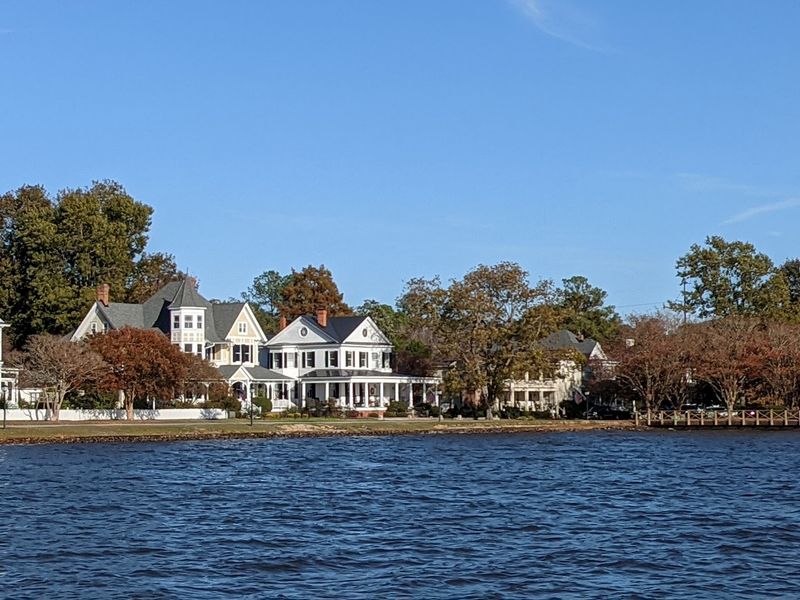
Architecture buffs tend to lose track of time here. The historic district holds homes from the colonial, Federal, Greek Revival, and Victorian eras, often side by side.
Edenton was founded in the early 1700s and served as an early colonial capital of the province. That head start explains the depth of the building stock.
Broad Street forms the main spine, running from the courthouse toward the water. Side streets branch off with picket fences, magnolias, and wraparound porches.
The Cupola House, dating to 1758, is among the standouts. Its overhanging second story is rare for the region.
Walking is the honest way to see it all. Distances are short, and brick sidewalks make the route pleasant.
Many homes remain private residences, so admire from the public sidewalk. Plaques near the entrances often explain construction dates and original owners.
Spring brings azaleas and dogwoods into bloom along these blocks. Autumn offers softer light and thinner crowds for photos.
The Edenton Tea Party Story
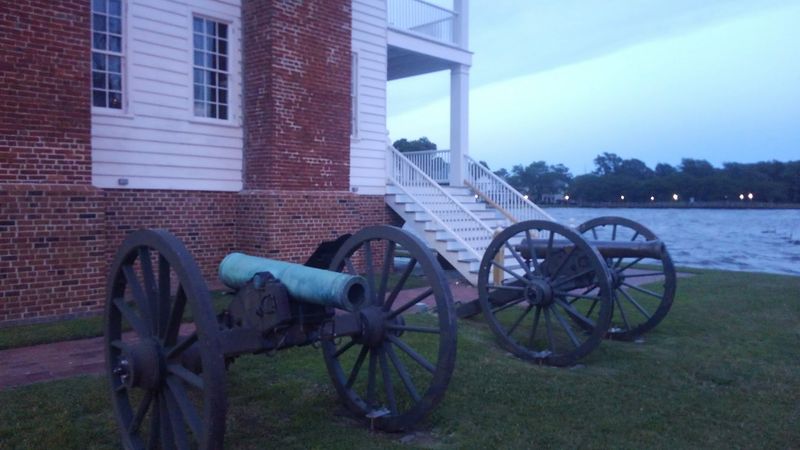
History books skip this one too often. In October 1774, fifty-one women here signed a statement protesting British taxes and pledging to boycott British goods.
The gathering became known as the Edenton Tea Party. It stands as one of the earliest organized political actions by women in the American colonies.
News of it reached London, where cartoonists mocked the participants. That satire only spread their message further.
A bronze teapot mounted on a cannon marks the event today. You will spot it on the green near the courthouse, facing the bay.
The monument is small, which somehow suits the story. Stand beside it and the scale of the gesture feels more human.
Interpretive signs nearby explain the names and the timeline. Reading them takes only a few minutes and adds real weight to your walk.
Bring the kids and let them find the teapot. It turns a history lesson into a small treasure hunt.
Colonial Waterfront Park And The Harbor
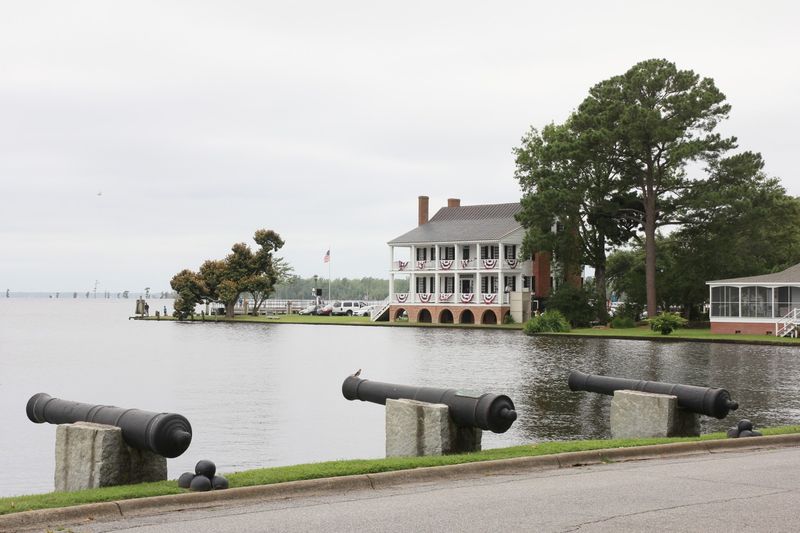
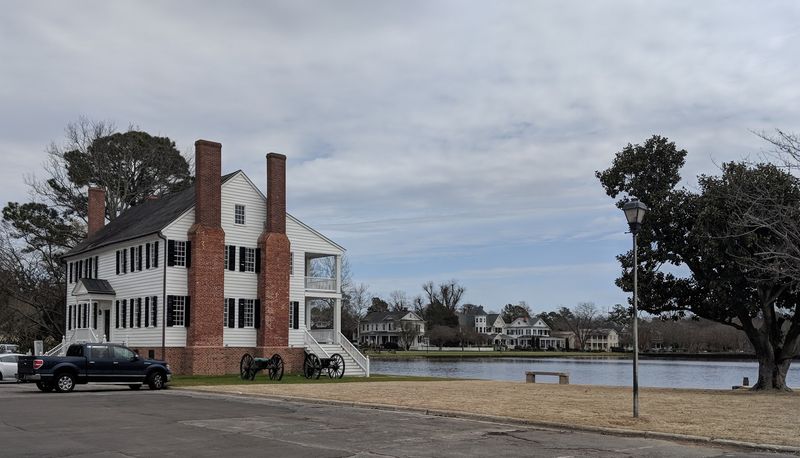
Every good waterfront town needs a place to simply sit. Colonial Waterfront Park gives Edenton exactly that, right where the town meets Edenton Bay.
The park includes a public dock, a boardwalk, shaded benches, and open lawn. Boaters can tie up and step straight into the historic district.
Cannons from earlier defenses sit on the green nearby. They point out toward the water, a reminder of the town’s strategic past.
Fishing from the pier is a common pastime. Bring a rod or just watch the gulls work the shallows.
Community events are often held here through the warmer months. Even on ordinary days, the space stays relaxed rather than crowded.
The gazebo makes a natural meeting point. Many people use it as a starting spot before a self-guided walking tour.
Sunrise over the sound is worth the early alarm. Water and sky blend into a single soft color before the town wakes up.
Historic Edenton State Historic Site Tours
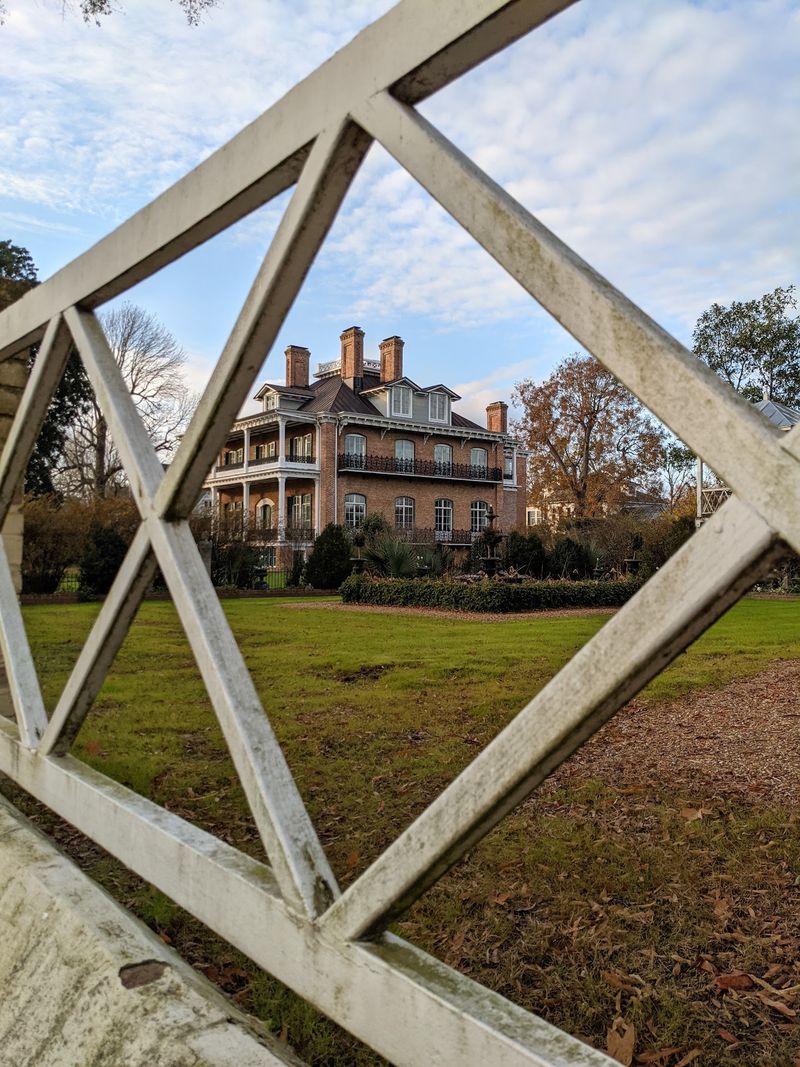
Guided storytelling beats guesswork every time. Historic Edenton State Historic Site organizes tours of several key buildings across the district.
The welcome center operates from the Barker House, a 1782 residence overlooking the bay. Staff there hand out maps and explain tour options.
Properties on the circuit typically include the courthouse, the Cupola House, and the 1827 jail. Schedules shift by season, so confirm times in advance.
Trolley tours run on certain days and cover more ground quickly. Walking tours go deeper into detail and let you linger.
The site sits at 108 North Broad Street, an easy landmark to find. Street parking is generally available close by.
Admission for building tours is modest, and self-guided walking is free. Either approach rewards curious travelers.
Ask about the 1758 Cupola House garden while you are there. Its layout was reconstructed using period records and old plans.
Shops And Cafes Along Broad Street
Downtown here fits in your pocket, in the best way. Broad Street holds the bulk of the shops, bakeries, and casual eateries within a few walkable blocks.
Storefronts occupy restored brick buildings with tall windows and painted signs. Many have served commercial use for well over a century.
Expect independent boutiques rather than chain retail. Antiques, books, gifts, and regional art fill most of the shelves.
Coffee shops open early and make a reliable first stop. Local bakeries often sell out of favorites by midday.
Lunch spots lean toward Southern comfort food and fresh seafood from nearby waters. Portions are generous and prices stay reasonable.
Weekday mornings are the quietest time to browse. Saturdays bring more energy and occasional sidewalk displays.
Ask shopkeepers about their buildings. Many know the original business names and are happy to share a quick story.
Everything sits within a short walk of the waterfront, so you can shop and stroll in one loop.
Cotton Mill Village And Industrial Heritage
Not all the history here wears colonial clothing. The Edenton Cotton Mill opened in 1899 and operated for nearly a century before closing in 1995.
Around it grew a planned mill village of tidy worker cottages. The whole neighborhood survives largely intact, which is unusual in the South.
Preservation groups stepped in during the late 1990s. Homes were restored and sold, and the mill itself was converted into residences.
The village sits just southeast of the main historic district. A short drive or a longer walk gets you there.
Streets follow a simple grid with shared green space. The scale gives a clear picture of how mill families once lived.
The project is often cited as a model for preserving industrial communities. Planners and architecture students still study it.
Homes are private, so keep to the public streets. Even a slow drive-through tells the story clearly.
It adds a whole extra century to your understanding of the town.
Planning Your Trip To The Sound
Getting here is refreshingly simple. Edenton sits in Chowan County, North Carolina, about an hour and a half west of the Outer Banks.
Highway 17 runs nearby, connecting the town to Elizabeth City and points south. Norfolk in Virginia is roughly ninety minutes away by car.
Spring and fall deliver the most comfortable weather. Summer brings warmth and humidity, plus a steady breeze off the water.
Lodging leans toward small inns, bed-and-breakfast houses, and a handful of motels. Booking ahead matters during festival weekends.
The population was 4,397 at the 2020 census, so expect a genuinely small-town pace. Services exist, but they close earlier than in a city.
Two days covers the highlights without rushing. Three lets you add nearby birding areas and back-road drives.
Pack walking shoes, sunscreen, and a camera with room to spare. The waterfront alone will fill a memory card.
Leave a little time to do nothing. That is part of the appeal.