
This Spring-Fed Utah Lake Has Water So Clear You Can See The Bottom And Locals Want To Protect It
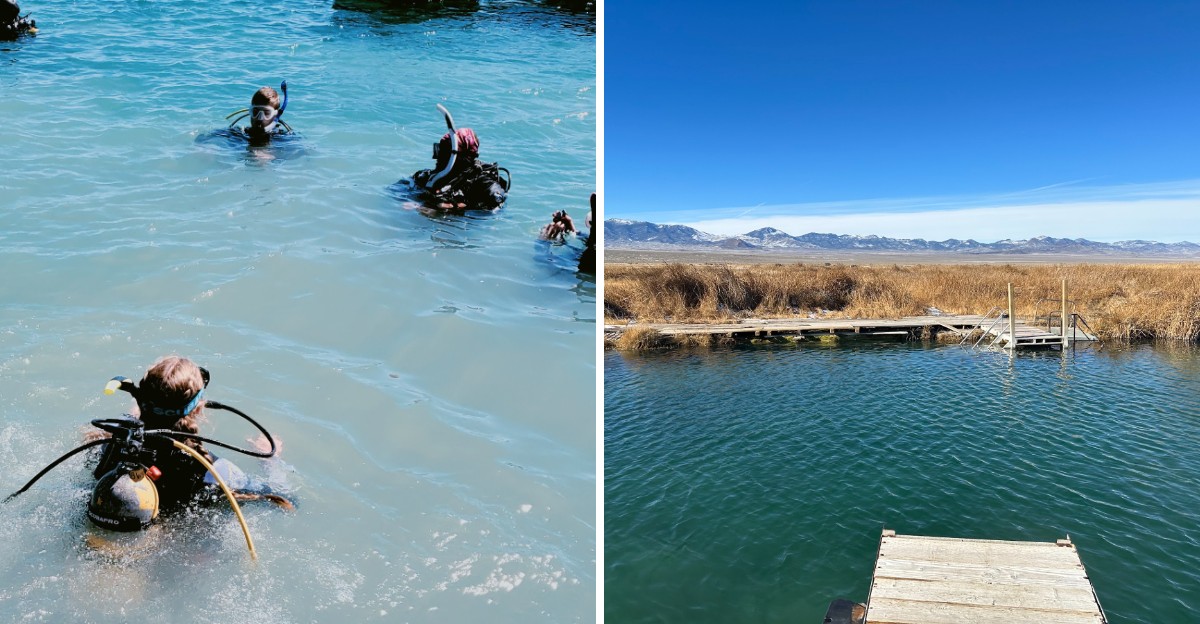
Bright blue water glowing in the middle of salt flats and sagebrush. Wait, what?
Out in the dry western corner of Utah, a spring-fed lake stays warm all year.
The water gets so clear you can see the bottom without a mask. Rocks, fish, and swaying plants slide into view.
Divers adore it, even in winter. Down below, a giant metal shark and a few sunken surprises wait to be found.
The drive in is bumpy, the boardwalk creaks, and the silence feels huge. Steam drifts off the surface on cold mornings.
Locals want to protect it, and after one visit, you’ll understand why they care.
For a warm swim in the least likely place in Utah, this blue gem makes a dreamy reason to hit the road.
Warm Springs In A Thirsty Desert
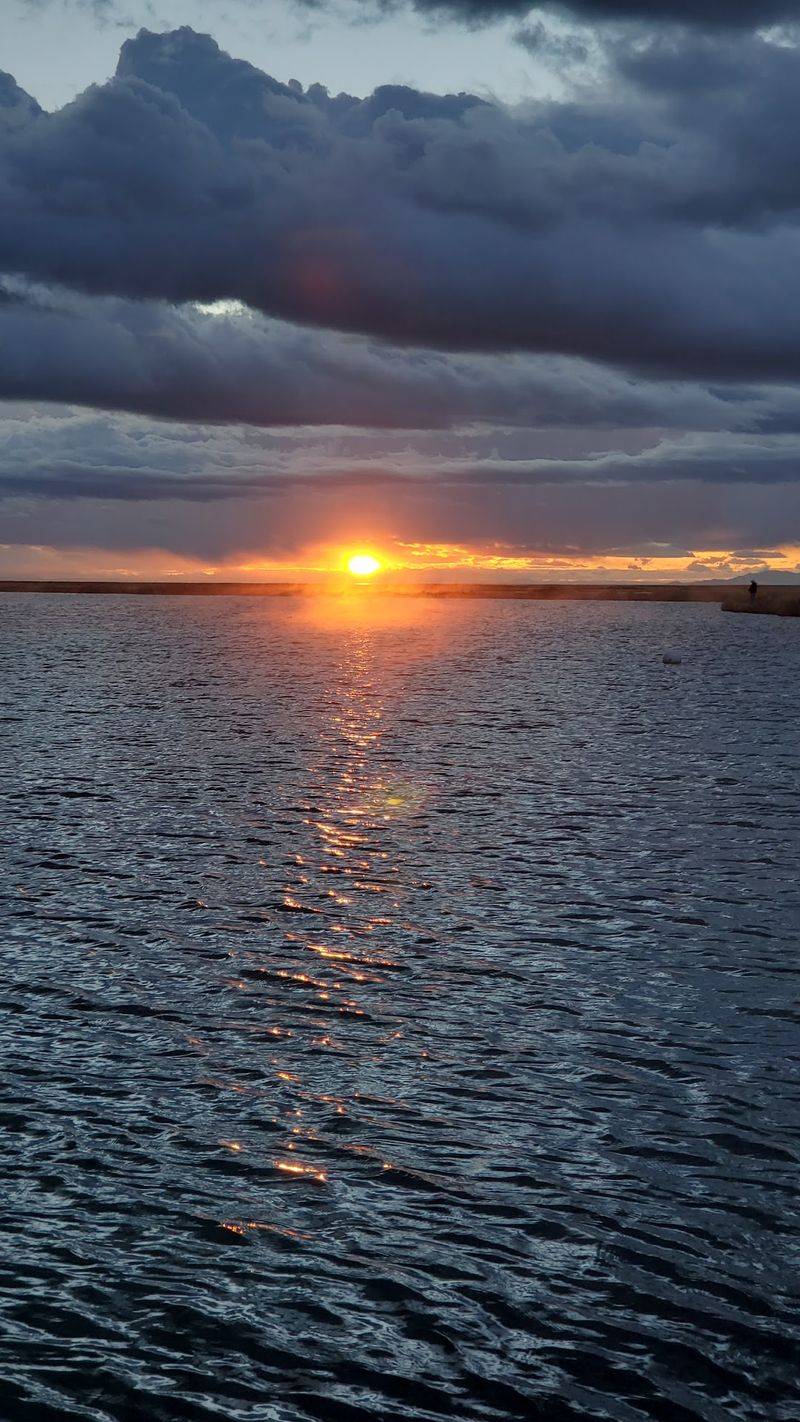
Who expects a warm swim surrounded by salt flats and sagebrush? Most western lakes rely on chilly mountain runoff.
Blue Lake plays by different rules. Geothermal springs push heated water up through the lake floor.
That steady flow keeps the water comfortable through every season. Divers often describe it as pleasantly mild, even in winter.
The deeper water near the springs tends to feel warmest. Some reports mention bubbling spots on the bottom where the heat seeps in.
The contrast with the land around it is striking. Dry hills, pale ground, and wide skies stretch in every direction.
Then a patch of bright blue appears, ringed by tall marsh grass. Birds and insects gather because water this reliable is rare out here.
Western Utah does not hand out many surprises like this. The warm springs create a small wetland world that feels far removed from busy highways.
On chilly mornings, thin steam can drift off the surface. Frost may coat the reeds while the water below stays inviting.
Bring layers for the air and a swimsuit for the lake. The water often feels kinder than the weather.
That odd mix is half the fun of a visit.
Crystal Water That Shows Off The Bottom
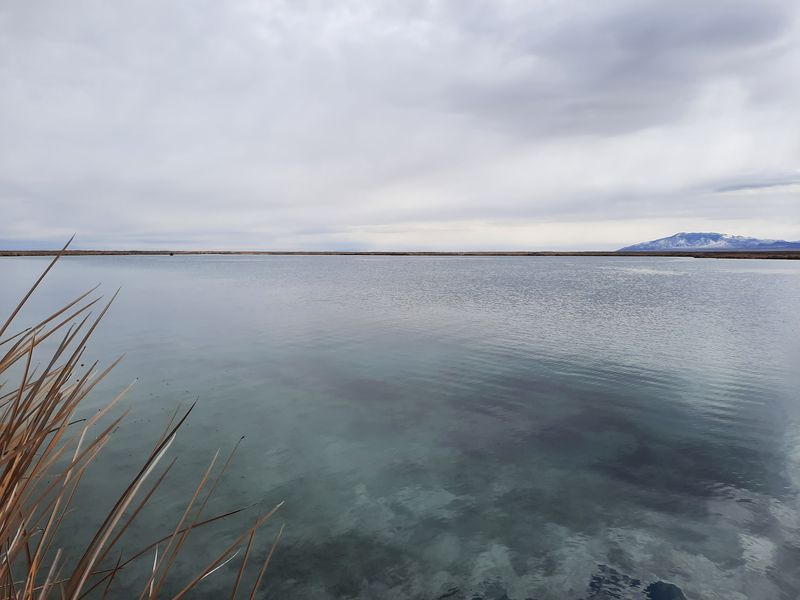
Look down, and the lake floor looks back. That is the big draw here.
On good days, the water at Blue Lake turns remarkably clear. Swimmers can often spot rocks, plants, and fish without any gear.
Divers have reported impressive visibility, especially in spring and fall. Conditions can change, though, so nobody should count on perfect clarity every visit.
Summer algae can cloud things up for a while. Busy dive days also stir fine silt off the bottom.
Some visitors have described only modest visibility during crowded classes. Others arrive on a quiet morning and see far into the blue.
The color itself deserves a mention. Sunlight hits the spring water and turns it a vivid, inviting blue against the tan desert.
Photographers love that contrast. The best shots often come when the sun sits high and the surface stays calm.
For the clearest view, arrive early before anyone kicks up sediment. A mask and snorkel make a huge difference, even for casual swimmers.
Polarized sunglasses help cut glare for anyone watching from the dock. They reveal shapes beneath the surface that bare eyes might miss.
Clear water like this is fragile, and it rewards careful guests.
Sculptures, Platforms, And A Sunken Television
A giant hammerhead shark at the bottom of a desert lake? Divers at Blue Lake swim past one on purpose.
Over the years, the dive community has placed metal sculptures of marine animals on the lakebed, including a 12-foot hammerhead shark.
They turn every descent into a scavenger hunt. New divers often make a game of finding each one.
The oddities keep coming. Sunken boats, chairs, and a television set reportedly rest down there too.
Nobody watches that TV anymore, but it still draws a crowd. The fish seem to enjoy the extra hiding spots.
Submerged platforms serve a practical purpose. Instructors use them as stages for training skills at a controlled depth.
Nature adds its own features as well. Warm springs bubble up in spots, and the bottom holds interesting rocky shapes.
Items can shift, age, or become harder to find as silt settles. A local dive shop or experienced buddy can point out current locations.
Look, but please leave everything in place. Touching or moving objects stirs silt and spoils the view for the next group.
The quirky collection gives this lake a personality all its own.
A Dive Site That Never Takes A Season Off
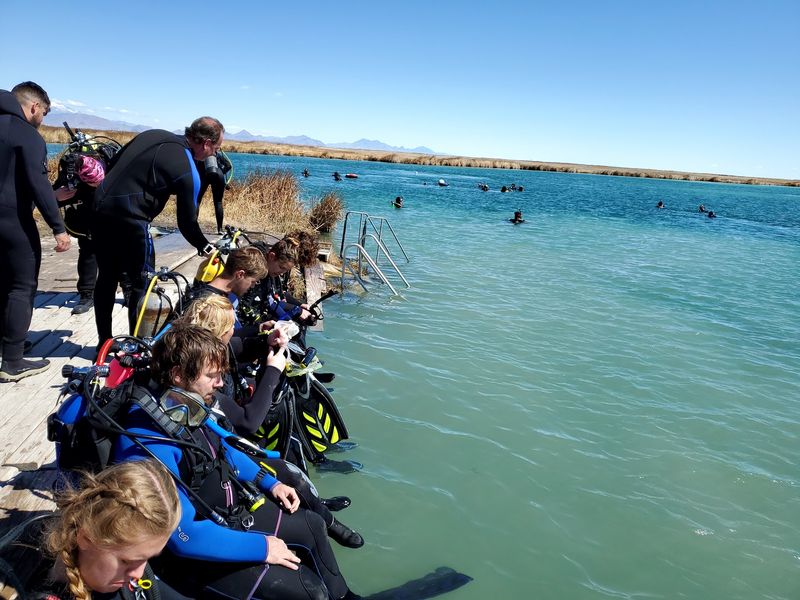
Winter wetsuit dread? Not at this spot.
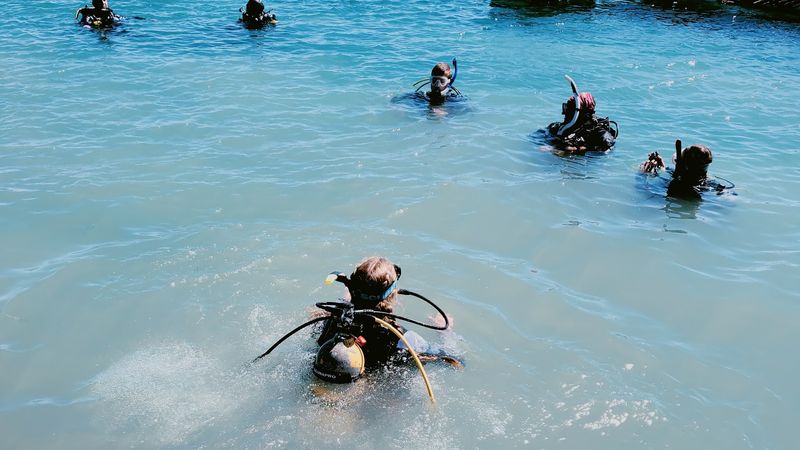
Most Utah lakes turn too cold for comfortable diving once summer fades. Blue Lake keeps its warmth, so dive schedules roll on all year.
That reliability makes it a favorite for training and certification. Instructors bring classes here because the conditions stay predictable.
Moderate depths suit beginners learning buoyancy and safety skills. Experienced divers still find plenty to explore in the deeper sections.
Weekends tend to fill up with dive groups. Clubs sometimes drive in from neighboring states to use the warm water.
Weekdays usually feel calmer and less crowded. Fewer fins in the water also means less silt drifting around.
The water may feel warm, yet the air can bite in colder months. Surfacing into a winter breeze surprises plenty of first-timers.
A full wetsuit keeps most divers comfortable during longer sessions. A warm jacket and hat help between dives.
There is no dive shop or air station at the lake. Divers need to fill tanks and gather gear before leaving town.
Buddy up and share your dive plan with someone back home. Cell service can be spotty in this remote corner.
Prepared divers get a rare winter treat.
Swim, Snorkel, And Paddle The Blue
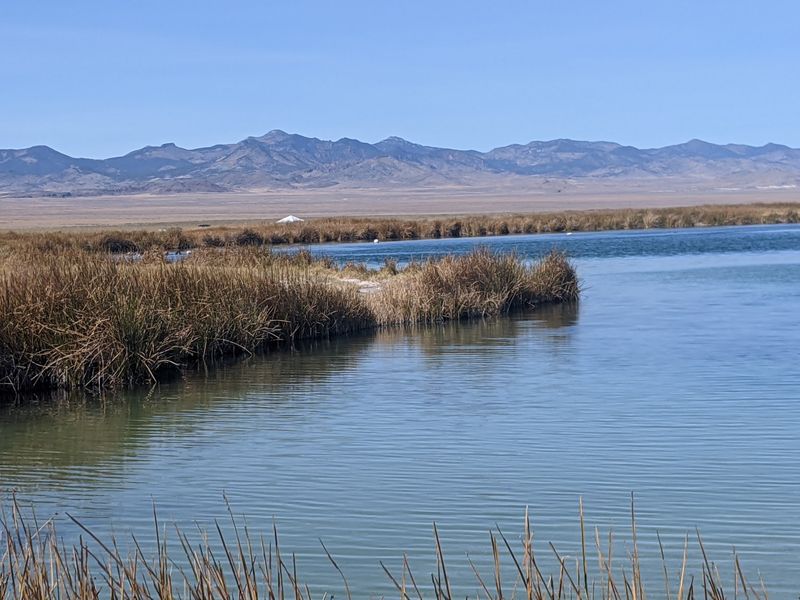
Scuba tanks are optional. Plenty of visitors come just to float, splash, and peek below.
Blue Lake makes a lovely swimming hole on a warm afternoon. The mild water feels refreshing without the shock of a mountain lake.
Snorkelers get a front-row view of the bottom. Fish, plants, and even some sculptures may show up in the shallower zones.
Paddle boards, kayaks, and river tubes also appear on calm days. The lake offers enough room for a relaxed loop.
Entry takes a little planning. A few shelf areas let people wade in, but the lake drops off quickly in places.
Water shoes protect feet on rocks and rough spots. Kids should wear life jackets unless they swim with real confidence.
Divers often gather near the dock and platforms. Swimmers can give them space by picking another entry point.
Watch the boardwalk and dock for loose or missing boards. Some sections show wear, so step carefully.
Bring a float, a towel, and plenty of drinking water. Shade is limited, and the desert sun can feel intense.
Paddlers should carry their boards along the boardwalk with care. Tight spots and uneven planks make that stroll slow.
Bass, Bluegill, And A Tilapia Twist
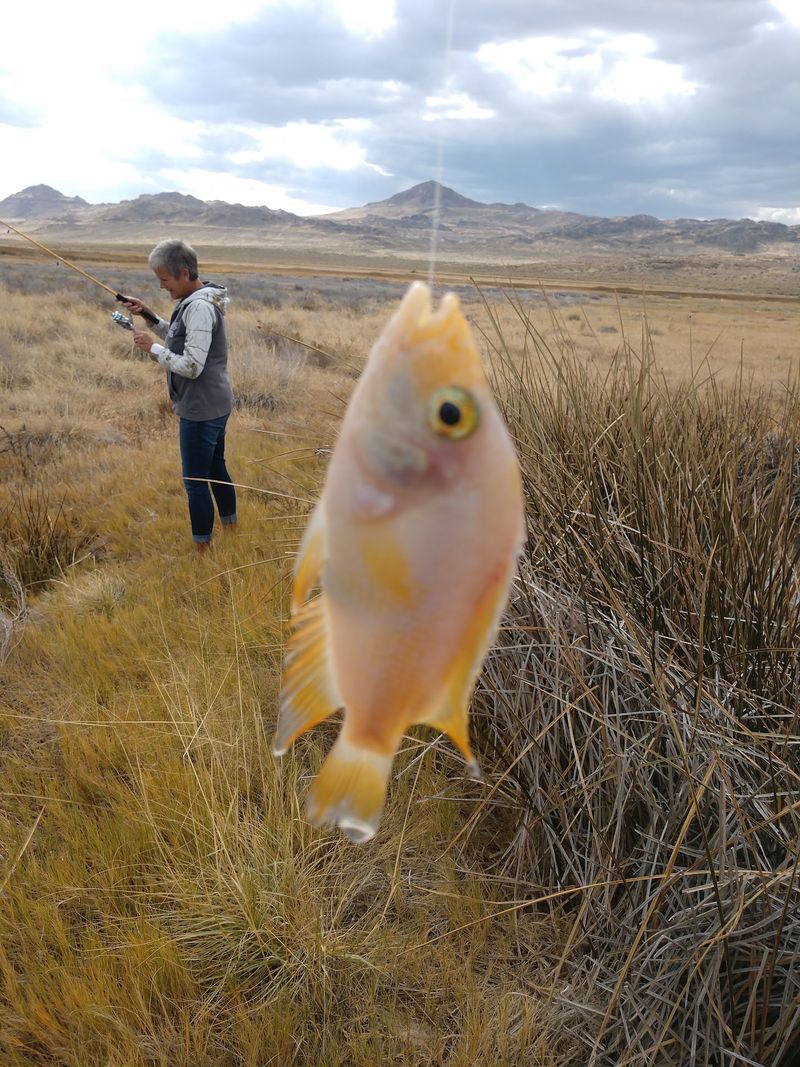
Anglers, grab your gear. This warm lake hides a fishy surprise.
Blue Lake supports warm-water species not common elsewhere in Utah. Largemouth bass, bluegill, and sunfish all make a home here.
Bluegill tend to be the friendly ones. They sometimes swim right up to divers, curious about the bubbles.
Bass can be trickier. Some visitors describe the fish as finicky, so patience helps.
Then there is the tilapia story. These fish arrived through illegal introduction, not by any official plan.
State wildlife managers have listed tilapia with no limit and a mandatory keep rule. The goal is to protect the other game fish.
Rules can change, so check current Utah Division of Wildlife Resources guidelines before casting. Anglers usually need a valid state fishing license.
Shoreline space is limited because marsh grass crowds the edges. The dock and a few open spots work best.
Divers and anglers share the water, often without trouble. Divers usually stick near the dock and middle, so cast with care.
Nearby ponds in the wildlife area also hold fish. They often offer a quieter spot for a relaxed afternoon.
Long sleeves help keep biting flies away while you wait for a nibble.
Boardwalks, Marsh Grass, And Big Night Skies
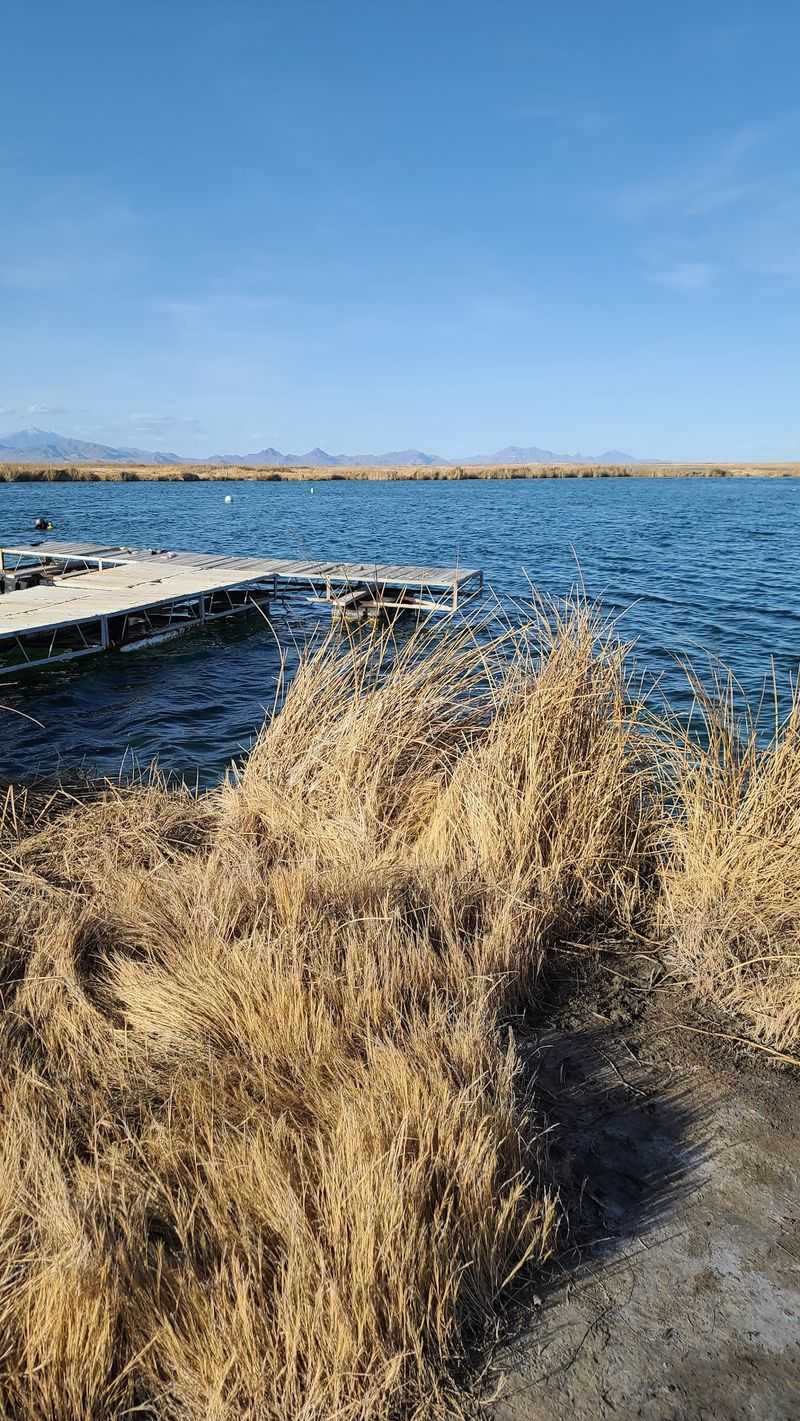
Creaky planks lead the way. The short stroll to the water sets the mood before anyone gets wet.
A wooden boardwalk crosses the marsh between the parking area and Blue Lake. Planks come in mixed shapes and sizes, so watch your step.
Tall grass and reeds hug both sides of the path. The wetland feels lush compared with the dry land beyond.
Smaller ponds dot the area as well. In winter, frozen fog can coat the vegetation and turn the scene silvery.
Quiet rules here much of the time. Weekdays especially bring stretches of calm, with only birds and wind for company.
Curious visitors sometimes find tiny shells tucked among the rocks. Kids tend to love that little treasure hunt.
Nightfall changes the show completely. With little light pollution, the sky fills with stars and passing satellites.
The lake sits on land within a large Air Force training range, though the lake and its wetlands stay open to the public. Jets sometimes streak overhead, adding an unexpected soundtrack.
Radio and cell signals may fade out here. Download maps and let someone know your plans in advance.
Pack a headlamp for the boardwalk after sunset. Uneven boards feel much trickier in the dark.
Slow steps keep the evening peaceful.
Timing Your Trip Around Bugs And Blooms
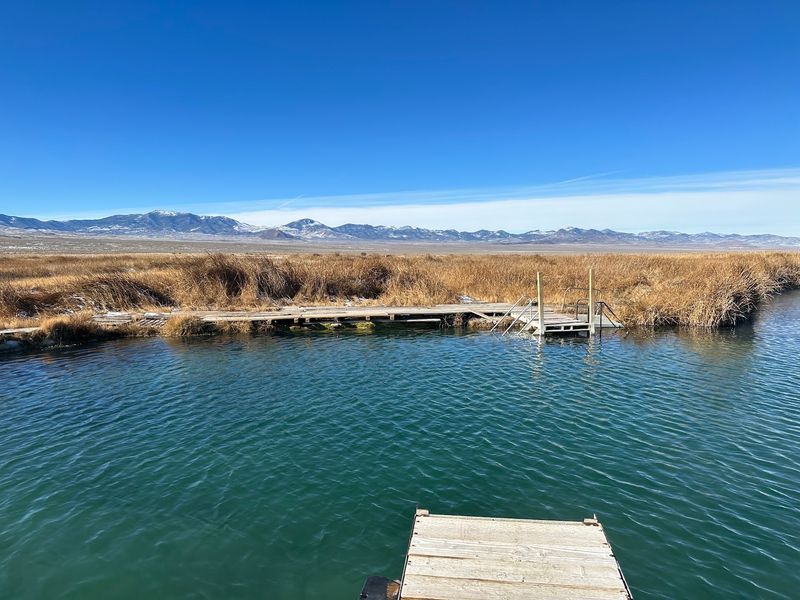
Horseflies have opinions about your visit. Smart timing keeps their vote small.
Blue Lake stays warm year-round, but each season brings its own trade-offs. Picking the right window makes a big difference.
Late fall and early spring often win the popularity contest. Air temperatures feel mild, and biting insects usually fade away.
Visibility tends to improve then too. Summer algae blooms settle down, leaving clearer water for swimmers and divers.
Summer brings the warmest surface water and the longest days. It also brings mosquitoes and aggressive horseflies, especially near the marsh.
Strong repellent is a must in warm months. Long sleeves and light pants add another layer of defense.
Winter keeps a loyal crowd of divers coming back. The water stays pleasant, though the walk in can turn icy or muddy.
Weekends usually bring dive classes and more cars. Weekdays offer a better shot at solitude.
Water levels and conditions can vary over time. Checking recent trip reports before heading out helps avoid surprises.
Rain can soften the dirt road for days. A dry stretch of weather makes the drive far easier.
Choose wisely, and the lake rewards you with calm water and fewer itchy souvenirs.
The Bumpy Road To Blue Water
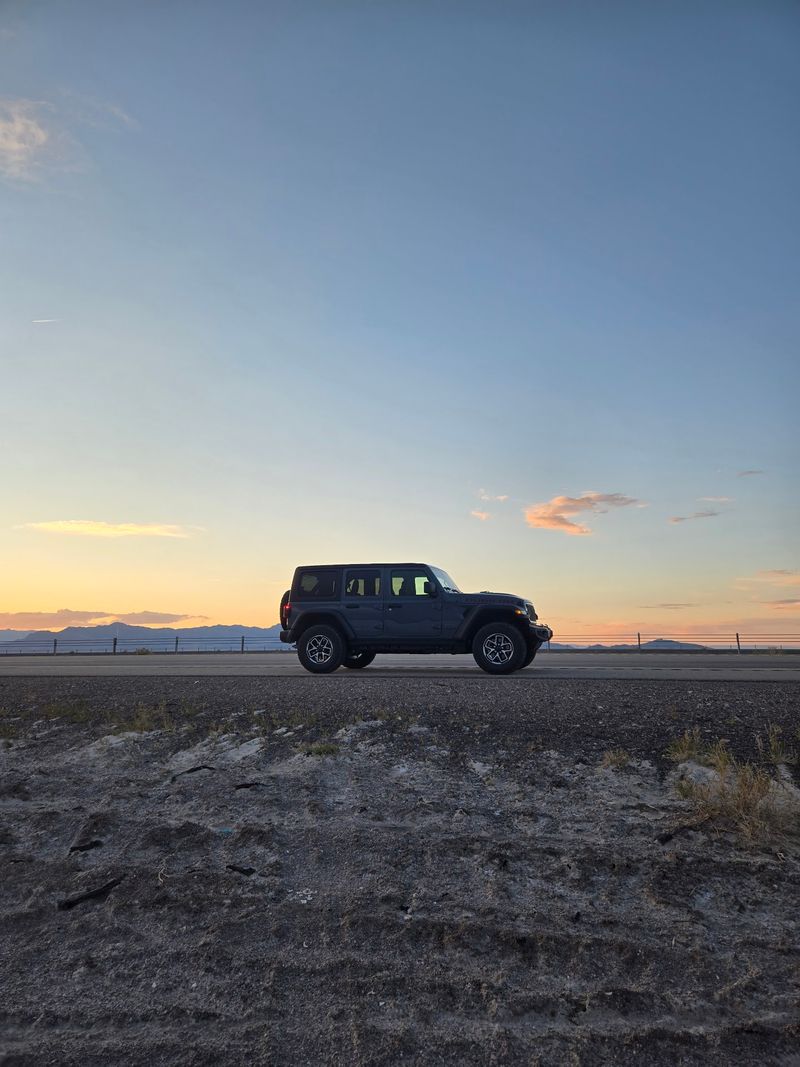
Smooth pavement? Enjoy it while it lasts.
Blue Lake sits in Tooele County, in western Utah, United States, south of Wendover near the Nevada line.
Most travelers reach Wendover on I-80, then head south on US-93. A marked sign signals the turn onto a long dirt road.
That gravel stretch has a reputation. Washboard bumps, ruts, and soft sand can rattle even patient drivers.
Many standard cars make the trip in dry weather at slow speeds. After rain, though, mud can turn slippery and risky.
If the final section looks soft, park and walk the rest. Getting stuck out here would ruin a lovely day.
GPS directions sometimes confuse visitors, so download an offline map first. Some travelers have driven the whole road and still missed the lake.
The lake has no restrooms, stores, or drinking water. Bring food, plenty of water, sunscreen, and a trash bag.
Fill the gas tank in Wendover before leaving town. Services disappear quickly once the pavement ends.
A spare tire and basic tools add peace of mind. The rough surface can be hard on vehicles.
Arrive slow, leave slow, and the road will behave.
Why Locals Want To Keep It Wild
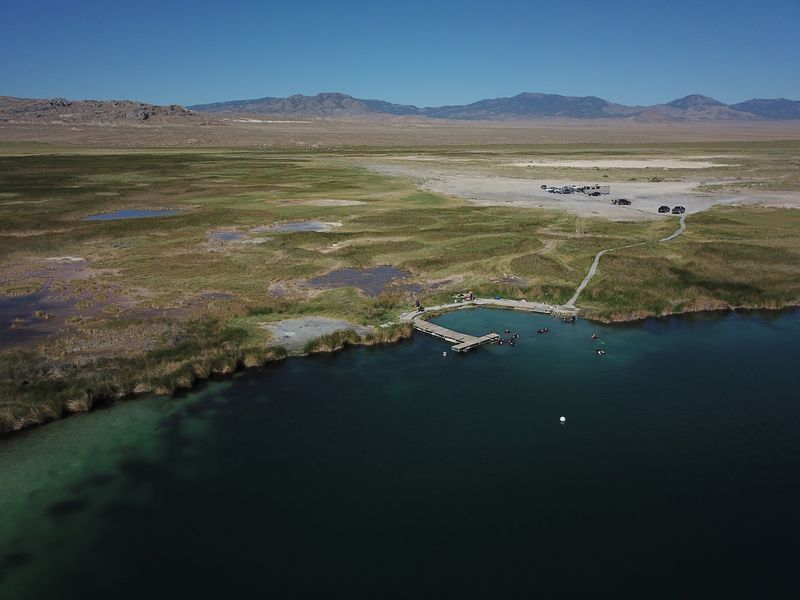
Clear water does not stay clear by accident. Everyone who visits plays a part.
Blue Lake sits within public wetlands managed by the Bureau of Land Management as a wildlife area. That status keeps it open to all.
Open access brings responsibility. Litter has been a problem at times, and nobody wants trash floating over the springs.
Leave No Trace rules fit perfectly here. Pack out every wrapper, bottle, and fishing line scrap.
Divers can help by practicing good buoyancy control. Kicking up silt clouds the water and disturbs the lake floor.
Anglers help by following state rules, including the tilapia guidelines. Those rules support the game fish already living here.
Campers should watch fire safety closely in this dry landscape. Stay on established paths so the marsh plants can thrive.
Parts of the boardwalk and dock show wear. Reporting damage to land managers beats ignoring a broken board.
Water this warm and blue is rare in the Utah desert. Protecting it keeps the springs, fish, and views healthy for future visitors.
Treat the place kindly, and it will keep glowing blue for years. That feels like a fair trade for such a rare desert treasure.