
This Tennessee Mountain Village Preserves Nearly 18 Old Cabins You Can Step Inside
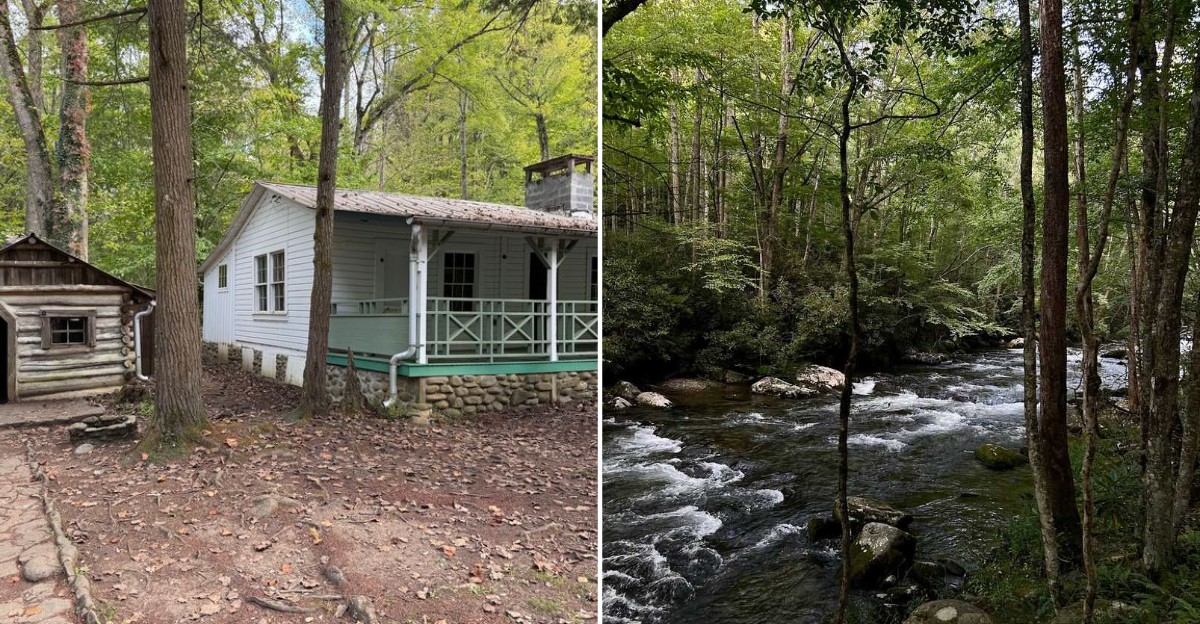
Preserving history takes real effort, and this Tennessee mountain village has kept nearly all of its old cabins standing for visitors to explore. Each cabin carries its own story, furnished the way families would have kept them generations ago.
Nothing about the village feels restored beyond what’s necessary to keep the structures safe to visit. Guides share history behind specific cabins, adding context most visitors wouldn’t otherwise know.
Regulars recommend blocking out real time, since the village covers more ground than expected. Photography opportunities exist throughout, especially where original details remain fully intact.
This village proved that sometimes the best history lessons come from walking through the past itself.
Nineteen Buildings Brought Back To Life
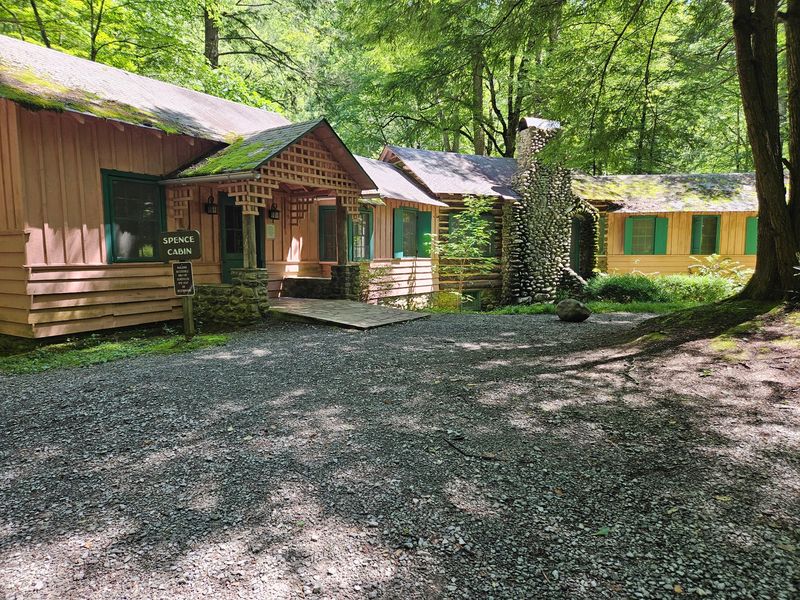
Picture a whole neighborhood where the owners packed up decades ago, but the houses never got the memo. Elkmont is exactly that, a mountain village inside Great Smoky Mountains National Park where history just kind of stayed put.
The big news is that 19 historic structures have been fully restored. That count includes 18 cabins plus the grand Appalachian Clubhouse, and the work wrapped up in 2024.
Here is the best part. You are not stuck peeking through dusty windows like a nosy neighbor.
Most buildings are open, so you can wander through rooms, climb creaky steps, and stand on porches built more than a century ago.
Interpretive signs are placed around the district, and they are worth reading. Each one shares details about the building and the families who spent their summers there.
It turns a simple walk into a mystery tour of real lives.
A few practical tips go a long way. Wear sturdy shoes, because the wooden floors inside the cabins can be uneven and some doorways have steps.
Cell service is basically nonexistent, so download offline maps before heading up the mountain.
Bring water and plan for a couple of hours, since exploring every cabin takes longer than most people expect.
The district sits at 500 Elkmont Road, Gatlinburg, TN 37738, about eight miles from downtown Gatlinburg.
From Timber Camp To Mountain Resort
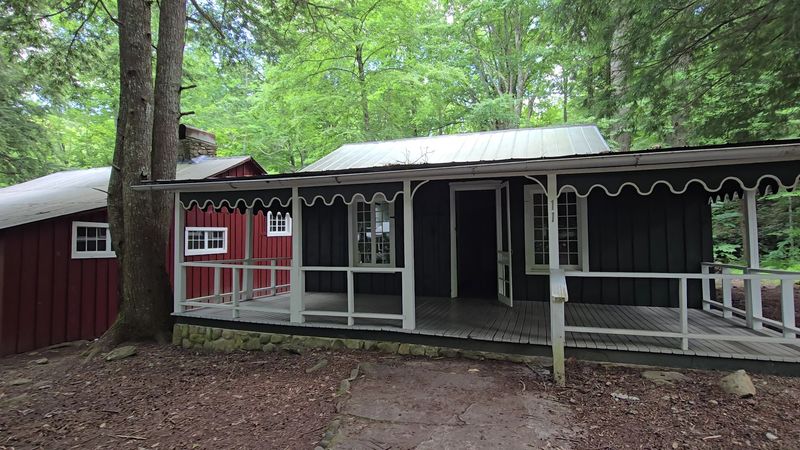
Before the fancy porches and Saturday night dances, Elkmont was all sawdust and steam whistles. Settlers arrived in the mid-1800s, and the area was first known simply as Little River.
Things changed fast in 1908. The Little River Lumber Company set up Elkmont as a base for its logging operation and ran a railroad to haul timber out of the mountains.
Logging was hard and dangerous work, and accidents sometimes cost men their lives. It is easy to forget that when looking at the peaceful forest today.
Then came a plot twist. The railroad eventually connected to Knoxville, and city folks suddenly had an easy ride into the cool, green mountains.
Wealthy Knoxville businessmen formed the Appalachian Club in 1910 and built a private resort community. The Wonderland Hotel opened in 1912 and became the private Wonderland Club by 1919.
By around 1918, Elkmont had more than 1,500 residents. That made it the second-largest town in Sevier County, complete with a church, post office, and general store.
When the national park was created in 1934, owners faced a choice. They could sell outright, or take a lower price in exchange for a lifetime lease.
Many picked the lease, and most of those finally expired in 1992. The families left, the cabins went quiet, and people started calling Elkmont a ghost town.
Honestly, the nickname stuck better than superglue.
Summers Of Dances And Dinner Bells
Ding, ding, ding. At the Appalachian Clubhouse, a bell signaled mealtime, and members came strolling in for one of three meals served every day.
Summer here was the main event for families from Knoxville, Maryville, and Chattanooga. They came back year after year to escape the heat and enjoy the cool mountain air.
Saturday nights were for dancing. Orchestras played at the clubhouse, and the 1920s turned into a golden era packed with parties and weekly live music.
Daytime was just as busy. People went hunting, fishing, horseback riding, and swimming in the Little River.
Club members even dammed part of the river to create a swimming hole.
Over at the Wonderland Hotel, the big wraparound porch was the place to be. Guests settled into swings and rocking chairs with views of Blanket Mountain.
Rooms had no phones or televisions, which sounds wild today. Without screens, guests hung out in the lobby or on the porch and actually talked to each other.
The local raccoons figured this out quickly. They were known to wander up to the porch looking for snacks, probably the boldest guests on the property.
That old lifestyle offers a fun challenge for modern visitors. Try leaving the phone in a pocket for an hour and just listen to the river.
The lack of cell service at Elkmont makes this pretty easy, so the mountains basically do the work for you.
Daisy Town And The Old Millionaires Row
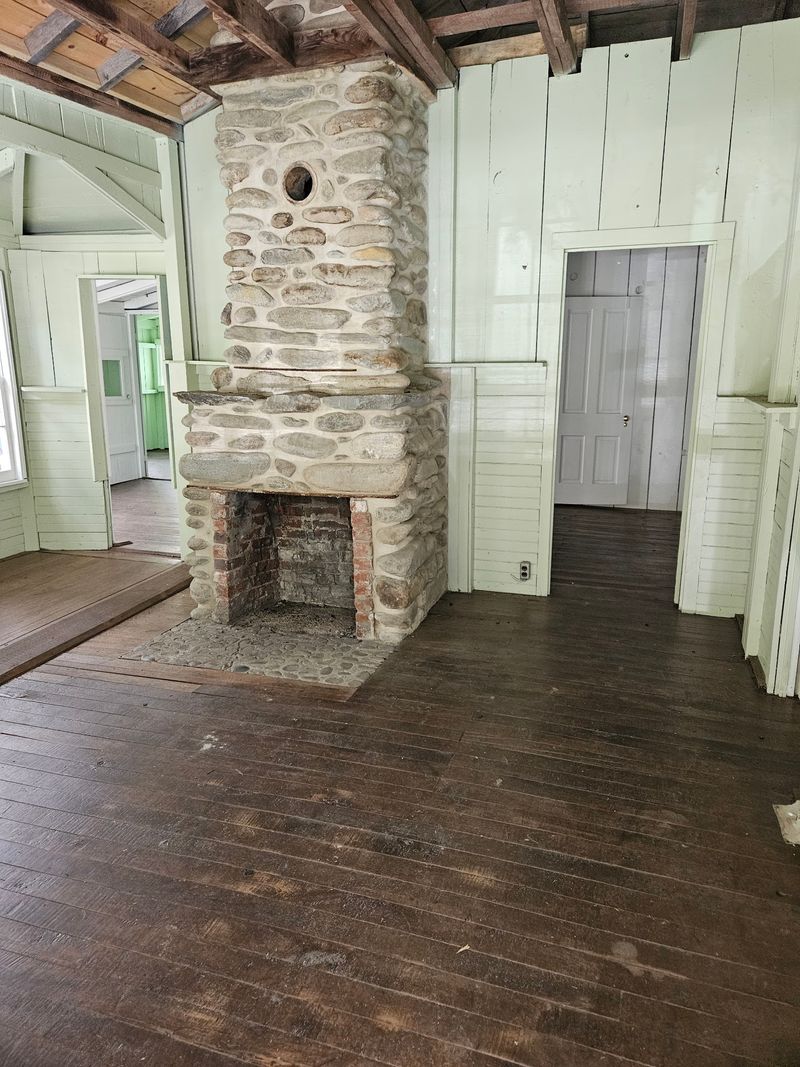
Every village has its personalities, and Elkmont has two big ones. Daisy Town is the cheerful, colorful side, while Millionaires Row carries a quieter, almost mysterious mood.
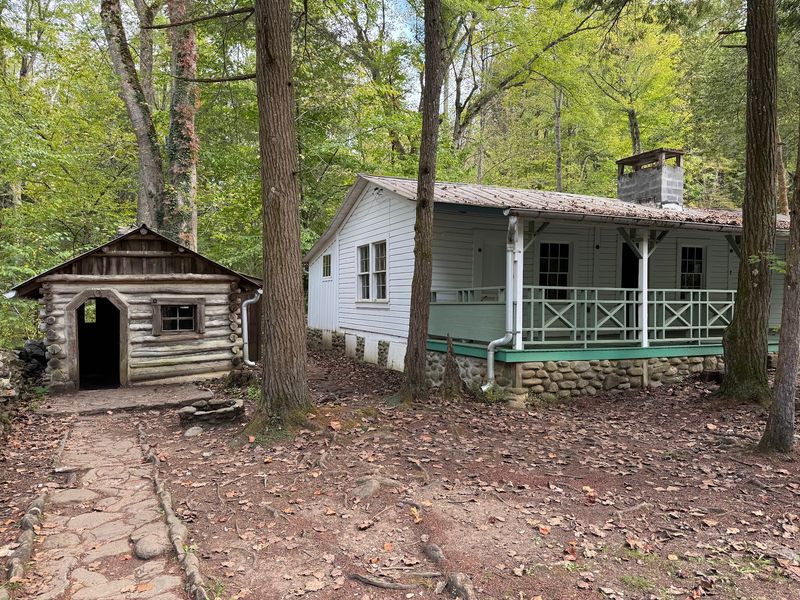
Daisy Town is where most of the restored cabins line up along the road. Many wear bright paint, so the row looks like a box of crayons dropped in the woods.
Each cabin has its own quirks. Owners added rooms, changed layouts, and remodeled over the years to fit their own tastes, so no two look quite the same.
Kids love picking which cabin would be theirs. Adults do it too, just more quietly.
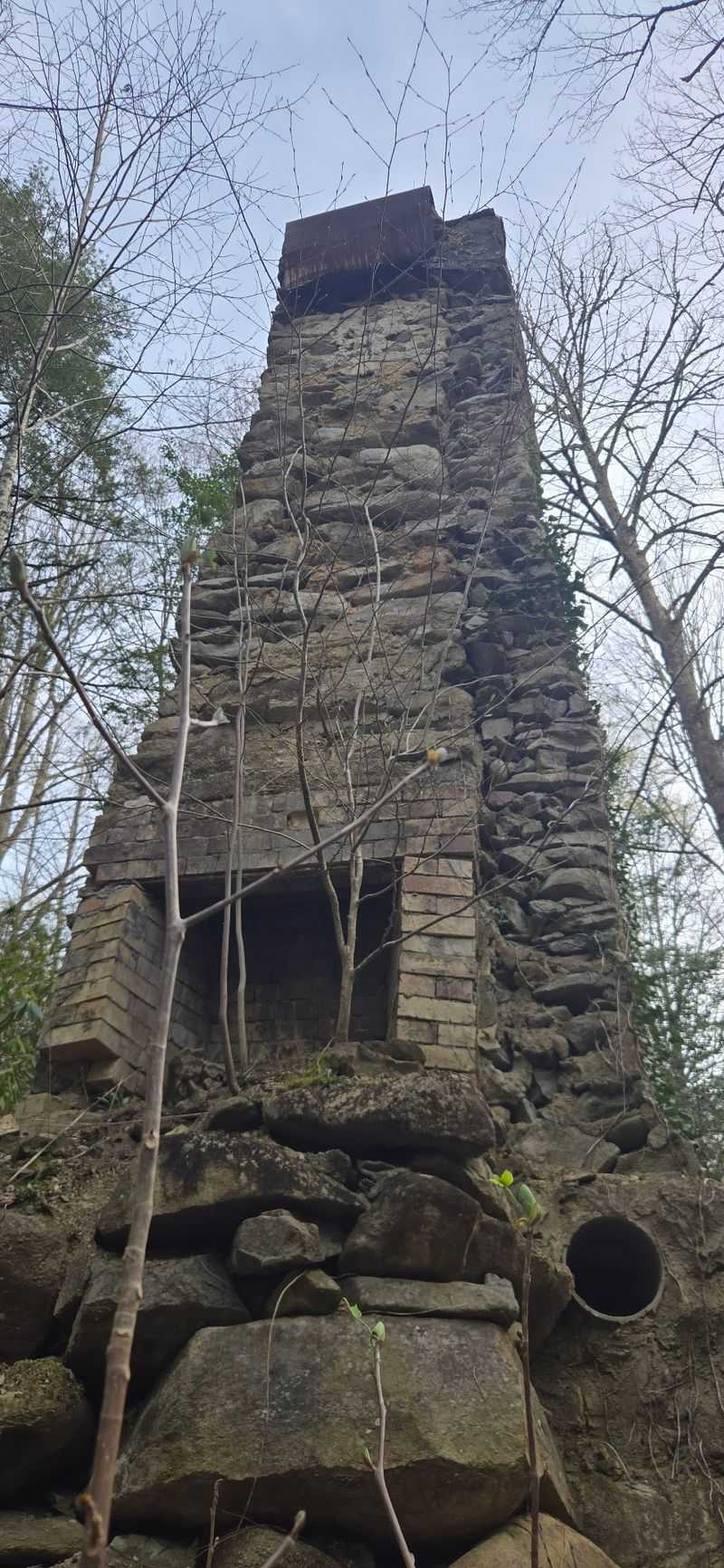
Keep walking past the main row, and the scene shifts. Millionaires Row was once home to grander estates, and today mostly ruins remain.
Look closely for old stone walls, lonely chimneys, and foundations peeking out of the ferns. Each one marks a spot where a cabin once stood.
Those chimneys make great photo subjects, especially with moss creeping up the stones. They also tell a story about how much of the old community has faded back into the forest.
Don’t miss the Levi Trentham cabin either. It dates back to the 1830s, making it far older than the resort, and it was moved to its current spot later on.
Paths here are mostly easy, but the ground can be uneven, so strollers may struggle. A short walk covers a lot of history in very little time.
Craftsman Charm And Rustic Details
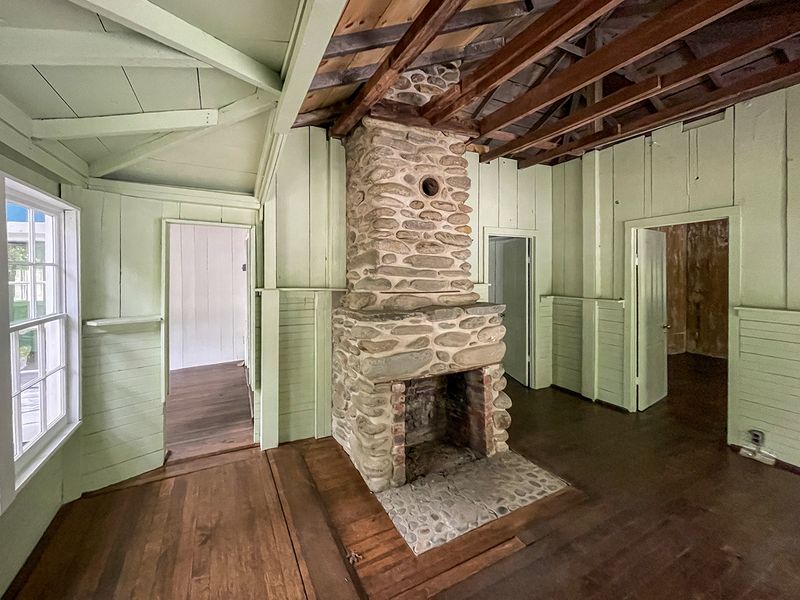
Fun fact to start. Many Elkmont cabins were built by city people chasing a back-to-nature dream, which is basically the 1900s version of posting a cabin selfie.
That dream shows up in the Craftsman style found across the district. Think natural materials, simple shapes, and nothing too fussy.
Building methods varied from cabin to cabin. Some have board-and-batten siding, while others were built with rough-hewn logs that have a sturdy, handmade look.
Porches were a huge deal. They stretched the living space outdoors, so families could eat, read, or nap with the forest right beside them.
Inside, exposed wood covers ceilings, walls, and floors. Some kitchens still hold vintage cabinets and old plumbing fixtures that might remind visitors of a great-grandparent’s house.
Here is a surprising twist. A few cabins started life as set-off houses, which were small, movable homes for timber workers during the logging days.
The Levi Trentham cabin stands out with its weathered, unpainted wooden front. It looks like it has seen a few centuries of mountain weather, because it pretty much has.
Then there is the Appalachian Clubhouse, the showpiece of the district. It has a massive stone fireplace and a wide wraparound porch made for rocking chairs and long conversations.
Photographers should look for small details like window frames, door latches, and paint colors. Those little touches tell the real story of how people lived here.
The Long Fight To Save Elkmont
Here is a wild thought. Almost none of these cabins were supposed to survive.
The National Park Service once planned to tear down all the structures and let the land return to its natural state. That idea sparked years of debate among historians, locals, and park officials.
A big turning point came in 1994, when Elkmont was placed on the National Register of Historic Places. Federal law then required the park to weigh historic value in its decisions.
In 2009, an agreement was reached to restore and preserve a selected group of buildings. The rest were removed, which explains the lonely chimneys scattered around today.
Funding got a boost in 2020 when the nonprofit Friends of the Smokies set up a major endowment. That money helps care for the district well into the future.
The restoration work itself was painstaking. Artisans matched old paint shades and used original materials whenever possible, keeping each building true to its past.
One cabin alone took three years to finish. That is about as long as middle school lasts, and it probably involved more sanding.
Not every problem was about paint and wood. Poor soil made it tricky to find good spots for wastewater systems, which is the least glamorous part of saving history.
The goal now is balance. The park aims to protect both the cultural story and the natural forest, while making visits better for everyone.
Camping Next Door To History
Imagine waking up, making breakfast over a camp stove, and then walking to a century-old village before lunch. Elkmont Campground makes that morning routine possible.
It is the largest and busiest campground in Great Smoky Mountains National Park, and it has been around since the 1950s. It sits about eight miles from Gatlinburg.
There are 200 sites for tents and RVs, plus 20 walk-in tent sites for campers who like a little extra quiet. Restrooms have flush toilets and cold running water.
Drinking water is available at spigots near the sites. Individual campsites do not have electric, water, or sewer hookups, so plan to pack smart.
RV owners should know the nearest dump and fill station is about six miles away. Some sites are wheelchair accessible, and three offer 5-amp electrical service for medical equipment.
The historic district is only a short walk from the campground entrance. That makes it easy to explore the cabins early in the morning or during golden evening light.
Road signs to the cabins are easy to miss. Watch for markers near the campground that point toward the historic district.
Summer vacation months and October are the busiest times. Sites fill quickly, so reserving well ahead is a smart move.
The moderate climate helps explain the crowds. Cool mountain evenings make campfire stories extra spooky when a so-called ghost town sits just down the road.
Trails And Fireflies Beyond The Cabins
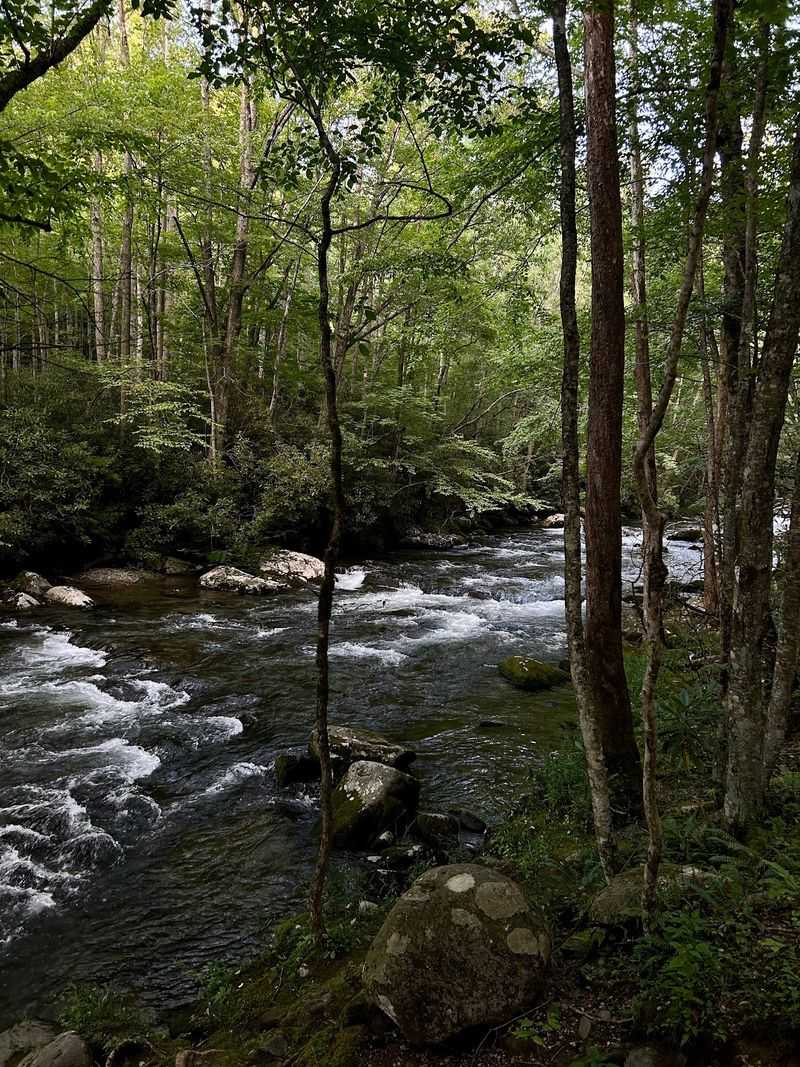
Once the cabins have been explored, the real playground opens up. Elkmont is a hub for some of the best creekside hiking in the Smokies.
The Little River Trail runs about six miles along the rushing Little River. It is mostly gentle, which makes it a favorite for families and casual hikers.
Jakes Creek Trail covers 3.4 miles and connects to more routes. From these main paths, hikers can reach Huskey Gap, Cucumber Gap, Goshen Prong, Rough Creek, Meigs Mountain, and Miry Ridge trails.
Now for the showstopper. In late May or early June, synchronous fireflies light up the forest in blinking waves, all flashing together like nature planned a light show.
The event is so popular that the park uses a lottery system for viewing. Check the park website early in the year if seeing it is on the bucket list.
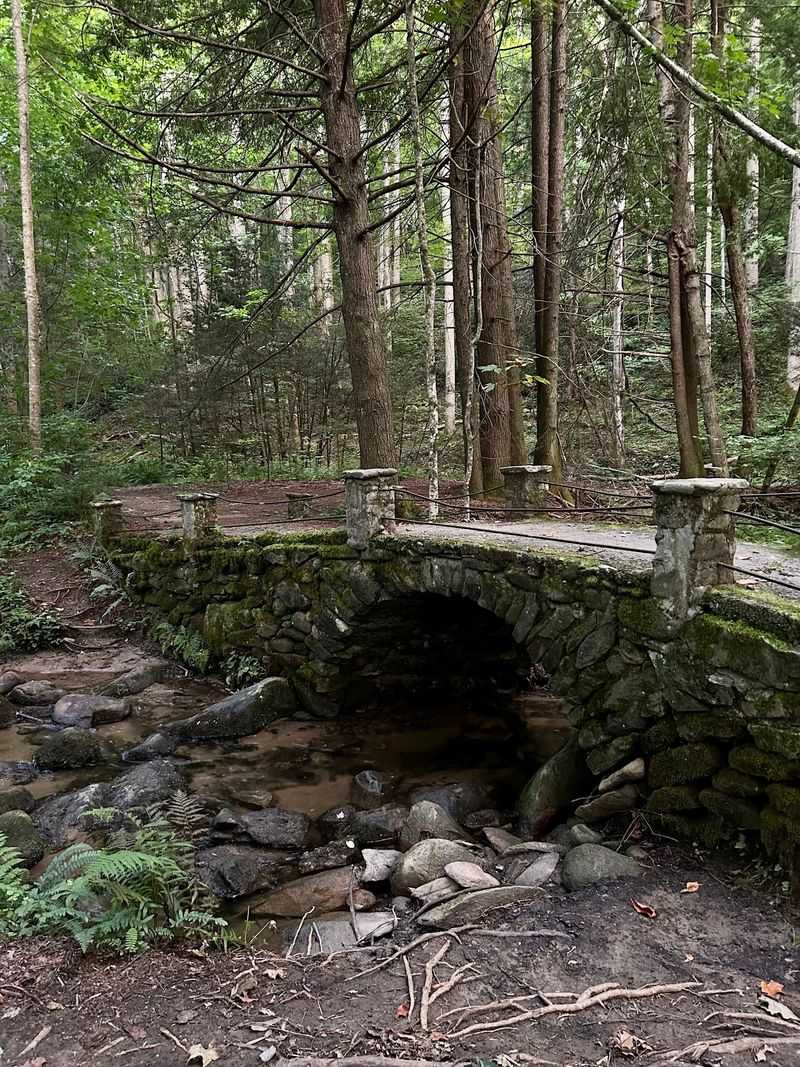
For a dose of whimsy, look for the Elkmont Troll Bridge. The old stone structure could pass for a fairy tale set, minus the grumpy troll.
Elkmont Cemetery offers a quiet place to reflect on the early residents who lived and worked here. Along the river, fishing, wading, and relaxing on the rocks are all popular.
Keep eyes open for wildlife, since black bears roam these forests. Give them plenty of space and never feed them.
Hungry after all that walking? Metcalf Bottoms Picnic Area is a short drive away and makes a great lunch stop.