
This Colorado Steakhouse Traditions Runs Deeper Than The Prime Rib Served At This Local Favorite
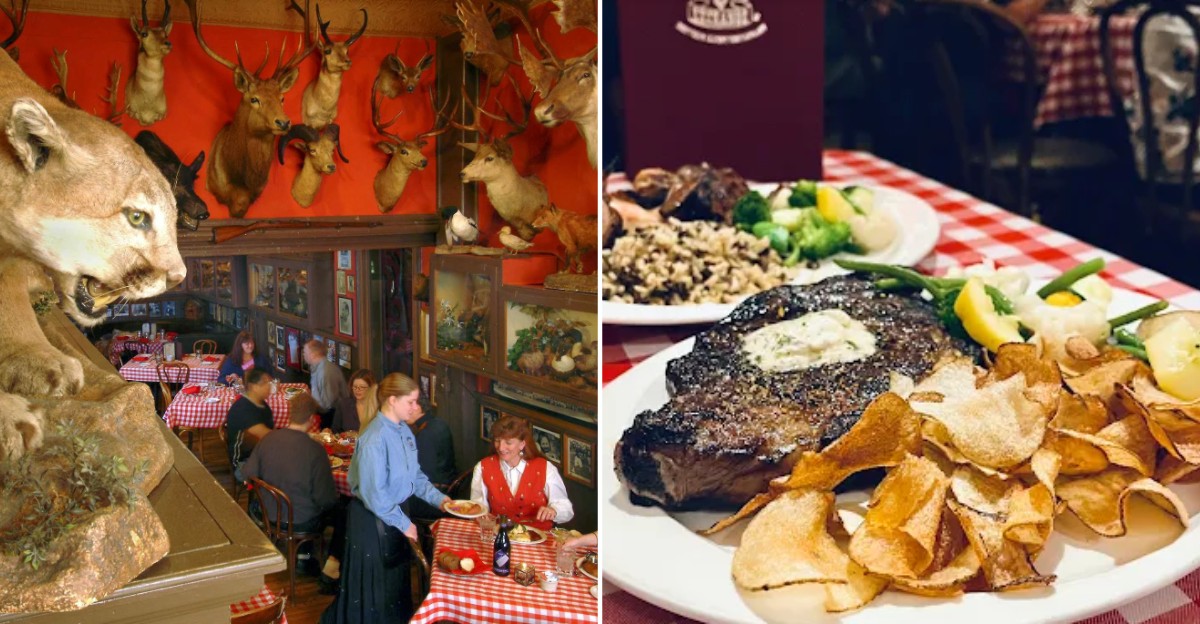
A restaurant’s tradition rarely comes down to just one dish, and this Colorado steakhouse proves that point well beyond its famous prime rib. The meat gets slow roasted the classic way, carved to order rather than pre-sliced ahead of time.
Regulars order the same cut consistently, trusting the preparation to stay exactly the same every visit. Nothing about the process gets rushed just to keep up with a busy dinner rush.
Portions stay generous without needing to announce it on the menu. What keeps people coming back runs deeper than the food, tied to a history passed down through the people who kept it running.
That kind of reliability took years to build and shows no sign of fading. This steakhouse earned its reputation the honest way, one properly cooked prime rib at a time.
The Oldest Restaurant In Denver
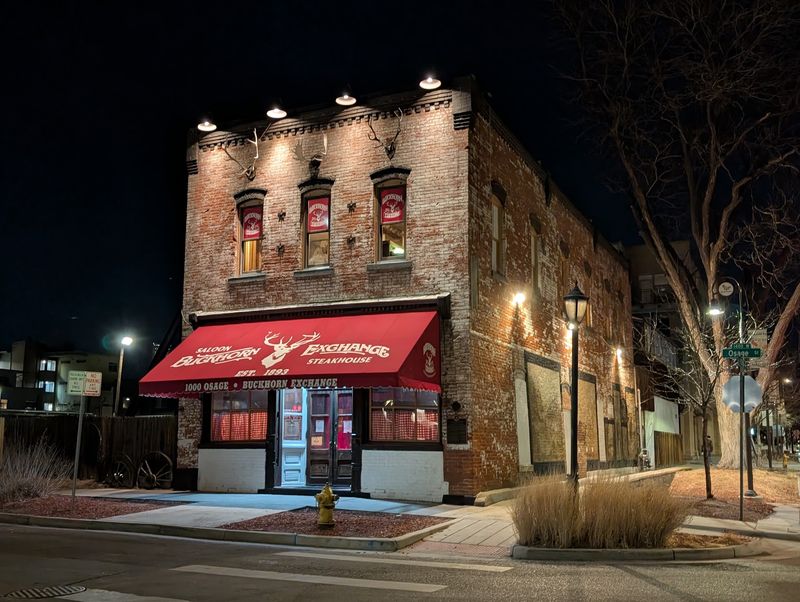
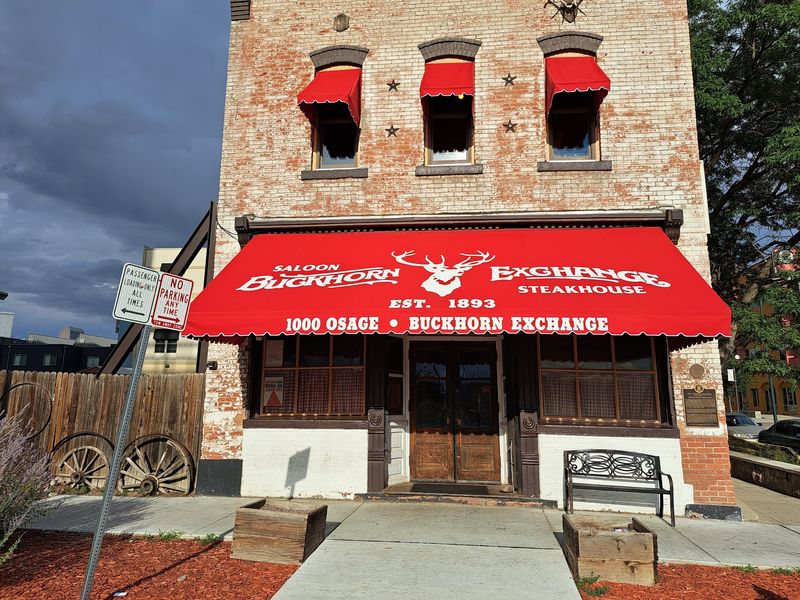
November 1893 was a big month for Denver, even if nobody knew it yet. That was when Henry H. Zietz, a colorful Old West character known as Shorty Scout, opened a small spot near the railroad tracks.
More than 130 years later, the Buckhorn Exchange is still serving dinner. It holds the title of Denver’s oldest continuously operating restaurant, which is a pretty wild streak for any business.
It even outlasted a few eras that shut down plenty of other places.
Think about everything that has changed since then. Cars replaced horses, skyscrapers popped up, and the city grew around this little brick building like a crowd around a campfire.
I love that the place never tried to become something shiny and new. It kept its roots, its stories, and its frontier personality.
That choice is a big reason it still draws hungry locals and curious travelers today.
The building sits in the Lincoln Park neighborhood, just southwest of downtown. The light rail runs close by, so getting there doesn’t require a stagecoach.
There is a small parking lot, and nearby street parking can help when it fills up.
A quick tip for planning is to book a table ahead of time, since the dining room stays busy. Arriving a few minutes early gives extra time to look around before the food shows up.
You can find this living piece of Colorado history at 1000 Osage St, Denver, CO 80204.
Back In Time On Osage Street
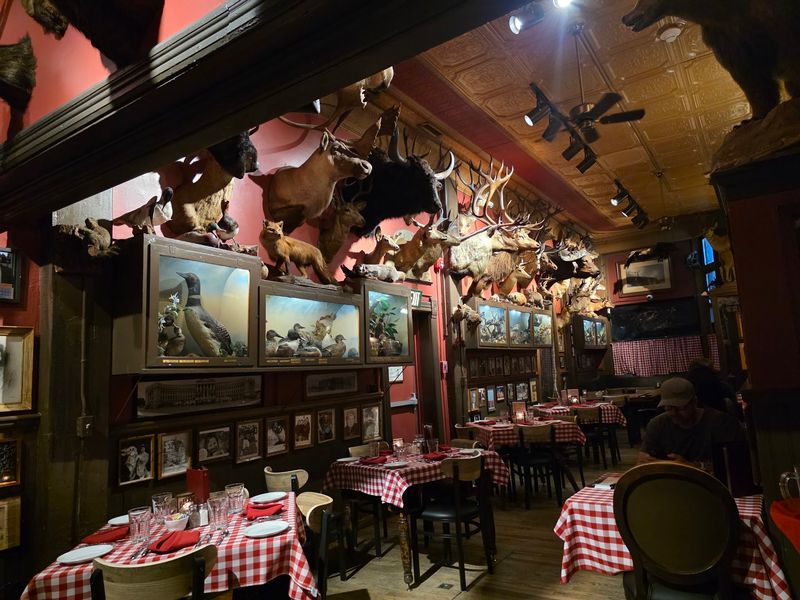
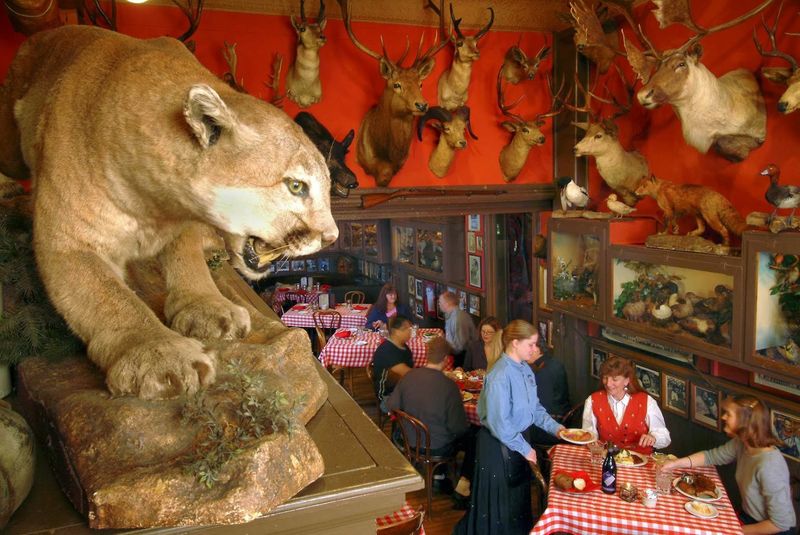
Over 500 mounted animals live on these walls, and not one of them has ever asked for a tip. Deer, moose, buffalo, and mountain sheep stare down from nearly every inch of space.
The collection feels less like decoration and more like a frontier museum that happens to serve dinner. Staff members are known to encourage guests to wander around and look at everything, which is great news for curious eaters.
Some of the displays are downright strange in the best way. There is a two-headed calf, plus a legendary jackalope, that famous rabbit with antlers that Western tall tales love so much.
Look a little closer and you’ll find snowy owls, an ocelot, and even a kiwi bird with its eggs. Upstairs, grizzly and black bears keep watch like very quiet security guards.
Then there’s the gun collection, with about 125 pieces. It includes antique firearms like Colt .45s, Winchesters, and tiny Derringers from the late 1800s, all safely on display.
Kids who love cowboy movies usually find this part hard to walk past.
Even the furniture has a backstory. Many of the dining tables are said to be old poker tables, around 160 years old, which means plenty of card games happened long before any steak landed on them.
My advice is simple. Bring a phone with a charged battery, because there are photos waiting in every corner, and try to explore both floors before dessert.
A Menu With Colorado History
Pioneers didn’t have grocery stores on every corner. They ate what the land offered, and that idea still shapes the menu here.
Prime grade beef sits right alongside wild game like buffalo, elk, and Colorado lamb. Each meat gets cooked in a way that lets its own flavor shine, instead of hiding under heavy sauces.
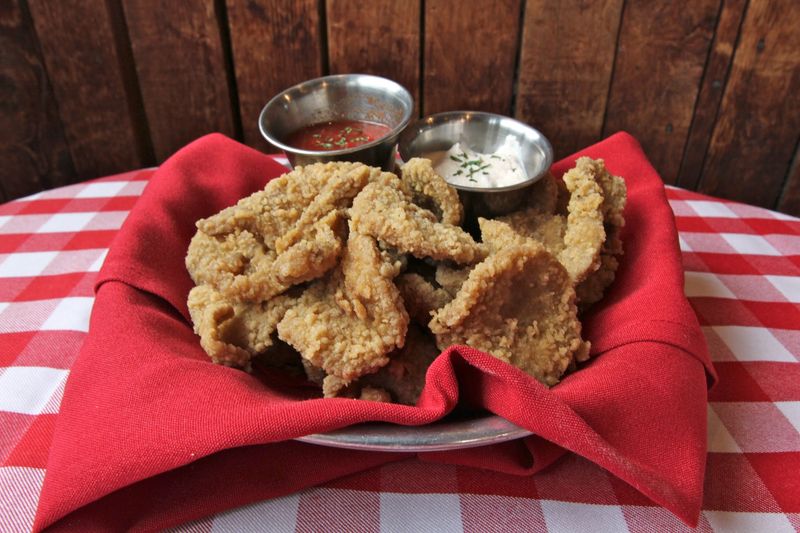
Now, about the Rocky Mountain oysters. These are not from the ocean, and I’ll let you look up the rest on your own.
They are a classic ranch country snack, and trying them is practically a Buckhorn rite of passage.
Adventurous eaters can also try fried alligator tail or smoked rattlesnake. Yes, rattlesnake.
It shows up as an appetizer, which feels like the Old West daring you to be brave.
The menus themselves add some fun, too. They are designed to look like old newspapers, with real stories printed on the front and back.
That little detail turns waiting for food into a history lesson. You might learn about a famous guest before your bread basket even arrives.
For picky eaters, don’t panic. Plenty of familiar choices exist, like steaks, ribs, soups, and salads, so nobody at the table has to eat snake to have a good time.
A smart move is to split an unusual appetizer with the group. That way, everyone gets a taste of frontier cooking without committing to a whole plate of the unknown.
Beyond The Prime Rib
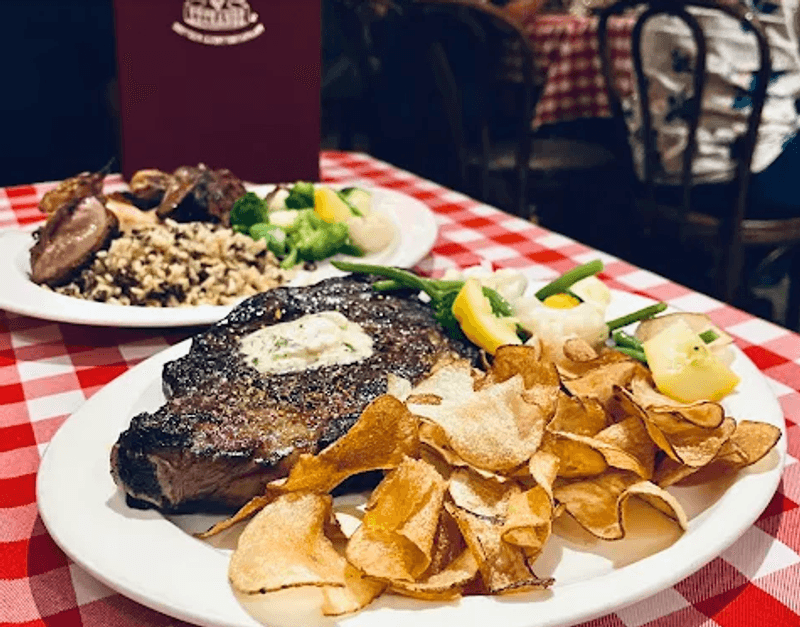
Here’s a secret that isn’t really a secret. The buffalo prime rib gets a lot of love, but it is only the opening act.
The steak lineup uses USDA prime grade beef, the top level of beef quality in the country. Big appetites can go for the 24-ounce Porterhouse, while others might prefer a tenderloin or a New York strip.
Then comes the Taste of the Wild section, which sounds like a nature show but tastes much better. It features broiled elk medallions, roasted Cornish game hen, and tender Colorado lamb chops.
Quail and duck also make appearances on the menu. Even the side dishes, like garlic mashed potatoes, hold their own next to the big meats.
Combination plates might be the best idea in the whole building. They let diners sample a few different game meats at once, like a buffet that someone else plates for you.
It is a great pick for first-timers who can’t decide between elk and buffalo.
Not into red meat? Charbroiled salmon offers a lighter path, and it proves the kitchen isn’t only about hunting trophies.
Vegetables and fresh salads round things out for anyone who wants balance.
One helpful tip is to look over the menu online before going. With so many choices, deciding at the table can take longer than the meal itself.
Portions also tend to be big. Sharing a starter or saving room wisely keeps dessert from becoming an impossible mission.
A True Cowboy Paradise
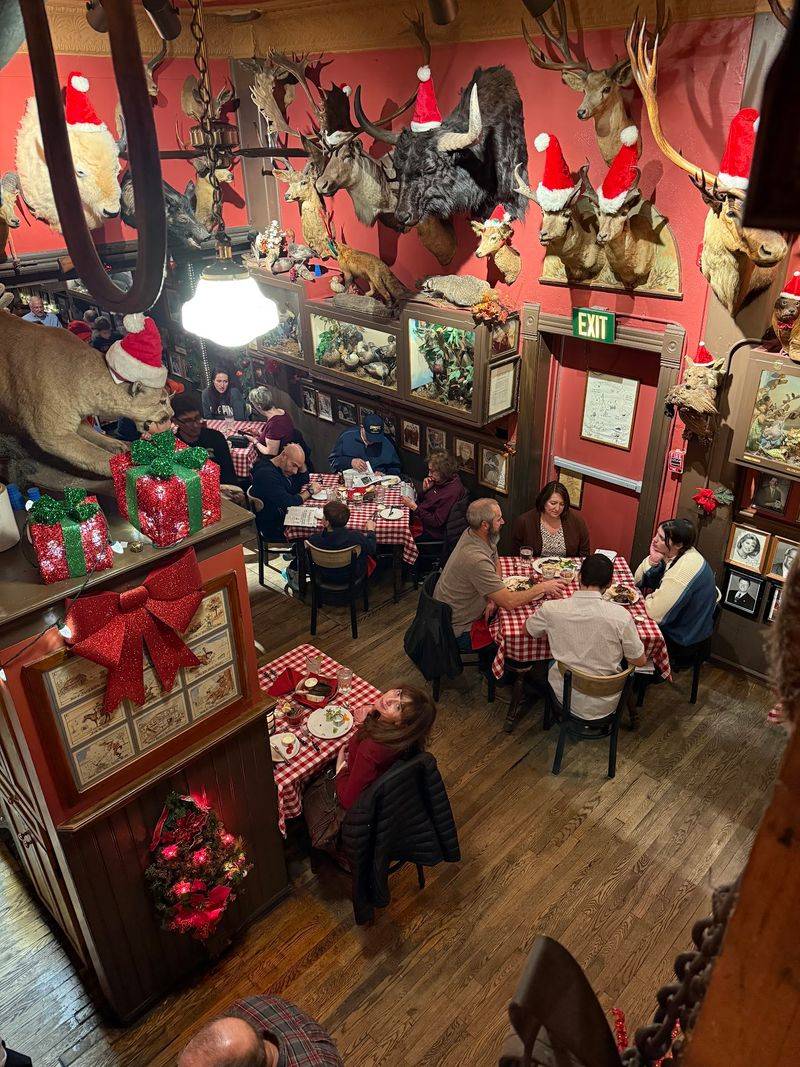
Buffalo Bill Cody needed scouts he could trust, and one of them was Shorty Scout Zietz. That connection alone gives this restaurant more Western credibility than a whole rack of cowboy hats.
Back in its early days, the Buckhorn served a mixed crowd. Railroad workers, cattlemen, miners, silver barons, and Native American chiefs all passed through the same doors.
Imagine the conversations that happened at those tables. A miner covered in dust might sit near a rich silver baron, both of them hungry and swapping stories.
That mix of people shaped the place’s personality. It became a gathering spot where all kinds of folks came together, and that welcoming spirit still hangs in the air.
The decor keeps the theme going strong. Western memorabilia, old photos, and trophies cover the walls, making the dining room feel like a hunting lodge from long ago.
Country and Western music often plays in the background. It’s the soundtrack that ties everything together, like the final touch on a movie set.
Some of the old photographs show the original building and its early crowds. Comparing those faces to today’s diners is a fun reminder that people have been gathering here for generations.
For families, this is a great chance to talk about real frontier history. Kids can spot animals and old photographs, then ask questions about how people lived back then.
Dressing up isn’t required, but a pair of boots wouldn’t look out of place. Just maybe leave the spurs at home so nobody trips.
The Victorian Lounge Upstairs
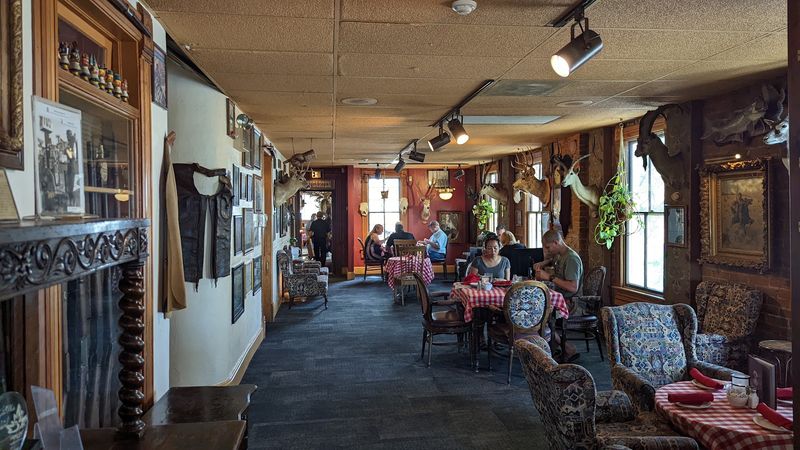
Some furniture has traveled farther than most people. The ornate white-oak bar upstairs was built in Essen, Germany, way back in 1857, and somehow ended up in Denver.
That hand-carved woodwork is the centerpiece of the Victorian lounge on the second floor. It originally stood on the first floor before being moved upstairs, which must have been one heavy moving day.
The lounge has a cozier feel than the main dining room. It offers extra seating, rich wood details, and a few of the building’s biggest animal mounts.
Now for the sneaky part of the story. During the lean years of the 1920s, Zietz turned the front of the building into a grocery store to keep the business alive.
Legend says the building also hid a secret passageway. There are even tales of a hollow baluster, a piece of the staircase railing, used to hide things from police raids.
Nobody can fully prove every detail, and that’s half the fun. Old buildings collect rumors the way attics collect dust.
Still, the stories have been told here for about a century, and they only get better with time.
When visiting, it’s worth climbing the stairs even if your table is downstairs. The lounge shows a different side of the Buckhorn, more elegant and a little mysterious.
Take a close look at that railing on the way up. It is not every day a staircase comes with its own spy story.
Stories Etched In History
Chief Sitting Bull, the great Lakota leader, gave Henry Zietz his famous nickname. The two became lifelong friends, which is a detail most history books skip.
In 1905, President Theodore Roosevelt dined here. He liked Zietz so much that he hired him as a personal hunting guide for a trip to Colorado’s Western Slope.
Imagine being picked by a president to lead him through the mountains.
Roosevelt wasn’t the only president to pull up a chair. Dwight D.
Eisenhower, Jimmy Carter, Ronald Reagan, and Franklin Roosevelt have also been connected to these historic rooms.
Hollywood showed up, too. Bob Hope, Jimmy Cagney, Charlton Heston, and Roy Rogers all spent time here, and so did Great Britain’s Princess Anne.
The best story might be from 1938. Chief Red Cloud, Sitting Bull’s nephew, led a group of thirty Sioux Blackfeet Indians down Osage Street.
They came to present Zietz with a truly famous object, General Custer’s military saber. Picture that parade rolling past neighborhood houses on an ordinary day.
Moments like these explain why the restaurant feels so full of life. Every photo and artifact seems connected to a person with a big story.
Staff members often know these tales by heart and enjoy sharing them. Asking a server about a favorite piece of history can turn dinner into a mini tour.
It’s a good reminder that history isn’t only found in museums. Sometimes it’s served with mashed potatoes.
The Grand Finale
Plenty of restaurants hang up awards, but few get recognized as official historic landmarks. The Buckhorn Exchange earned that honor because of its important role in the story of the American West.
A historic marker outside makes the point before anyone even opens the door. It’s a small sign with a big message about how much this building has lived through.
Denver keeps growing all around it. New apartments, shops, and roads have popped up, yet this spot has held onto its original character like a cowboy gripping the reins.
That staying power doesn’t happen by accident. It comes from caring about old traditions while still cooking food that people want to eat today.
Each generation of diners adds a new chapter to the story.
The blend of museum and dining room is what makes it truly one of a kind. You get a hearty meal and a history lesson, and nobody hands out a pop quiz at the end.
For visitors, it makes sense to plan this as an experience, not just a quick bite. Leave time to explore, ask questions, and look at the artifacts upstairs and down.
Locals can use it as a perfect place to bring out-of-town guests. It shows off Colorado’s past in a way no textbook can match.
In the end, the prime rib is delicious, but the real flavor here is history. And that recipe has been working since 1893.