
This Nevada Nature Preserve Blends Hands-On Kids’ Exhibits With Desert Wetland Trails And Wildlife Watching
Cattails sway beside the path as a quail darts for cover under a leafy shrub. Blink twice, because that lush scene sits in the middle of a desert.
This Nevada nature preserve turns a family outing into a full-blown adventure. Desert wetland trails wind past cottonwoods, where wildlife watching becomes a game of patience and quiet footsteps.
Then the fun moves indoors. Hands-on kids’ exhibits invite little explorers to touch, push, and discover, and a big surprise involves a roaring rush of water nobody expects.
Curious minds leave with sandy shoes and a dozen new questions. Grown-ups often end up just as hooked.
Pack water, bring your sense of wonder, and let a sunny morning in Nevada show you how much life thrives in the desert.
Where Las Vegas Took Its First Sip
Long before neon, there was water. Natural springs bubbled up here and fed a green patch in the middle of the Mojave Desert.
Native peoples relied on this water source for thousands of years. Later, Spanish travelers named the valley Las Vegas, which means the meadows.
That lush name came straight from this ground. Springs Preserve now protects the site often called the birthplace of Las Vegas.
The springs themselves no longer flow the way they once did. Growth in the valley pulled on groundwater, and the old meadows faded over time.
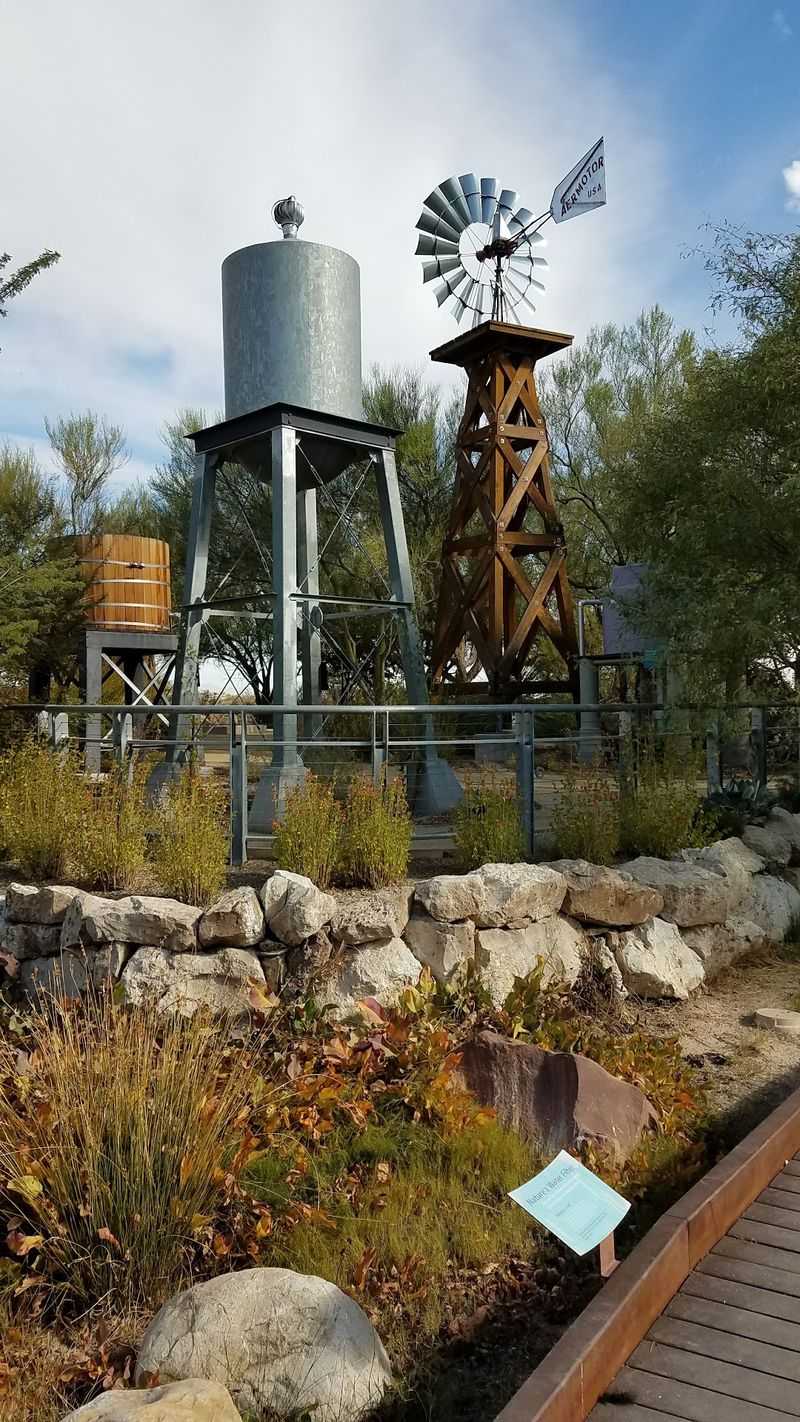
Still, the story lives on across the campus. Exhibits, trails, and signs explain how water shaped every chapter of the city.
The site also holds a place on the National Register of Historic Places. Archaeological areas along the trails hint at the people who camped here long ago.
Kids tend to love this part more than parents expect. Imagining travelers, railroad crews, and early families gathering at a desert watering hole sparks big questions.
A smart move is to start here before hitting the playgrounds. Knowing the backstory makes the rest of the visit feel like chapters in one adventure.
History rarely tastes this refreshing.
Trails That Wander Through A Desert Wetland
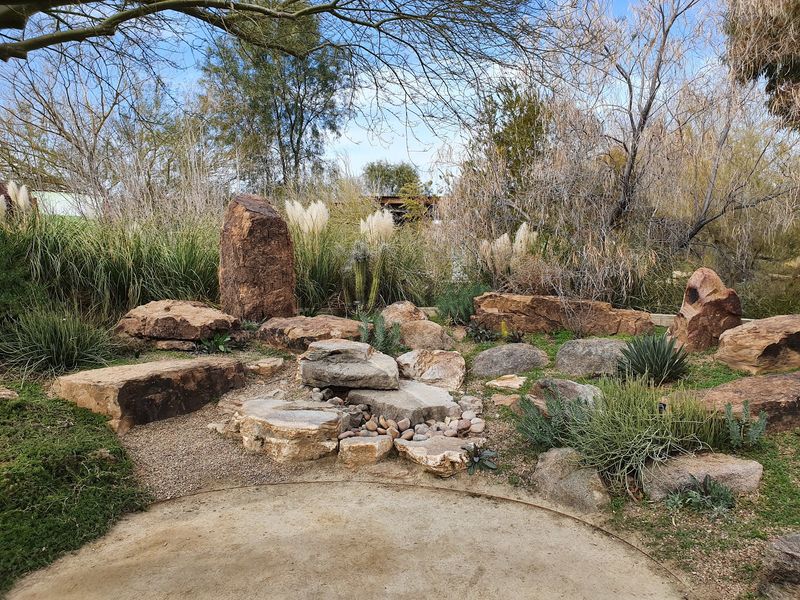
Ready to trade sidewalks for cattails? Several miles of trails loop through native desert habitat and restored wetland areas.
Springs Preserve sits at 333 S Valley View Blvd, Las Vegas, NV 89107, just west of downtown. The trailheads start close to the main buildings, so reaching the paths takes little effort.
The Cienega Trail is a standout for wetland fans. It leads past marshy patches and shady cottonwood groves that feel cool on warm mornings.
Birdsong often drifts through the branches.
Families with strollers or wheelchairs can use the paved Exploration Loop Trail. Other routes, like the Springs Trail and Crossroads Trail, pass historic structures and open desert views.
Interpretive signs pop up along the way. They explain how plants and animals in Nevada survive with so little water.
Some visitors mention that trail markers and maps can feel a little tricky to follow. Snapping a photo of a map before heading out helps.
Summer heat can close trails on the hottest days, so cooler months and early mornings work best. Bring water, a hat, and sturdy shoes.
Every bend offers a quiet surprise, and the desert keeps plenty of them in stock.
Quail, Lizards, And Other Locals Worth Spotting
Keep your eyes peeled and your voice low. Wildlife here shows up on its own schedule, and patience pays off.
Springs Preserve shelters a wide mix of native Nevada animals. Birds, lizards, insects, and ground squirrels all make themselves at home across the grounds.
Early mornings tend to be the liveliest time. Visitors often report quail scurrying under bushes and hummingbirds zipping between blooms.
Coyotes live naturally in Southern Nevada, so a sighting is possible but never promised. Rabbits and lizards are far more likely to pop out near the paths.
Binoculars make a big difference for young spotters. Even a cheap pair helps small eyes find feathered friends.
A simple checklist of animals can turn a stroll into a friendly scavenger hunt.
Staying on marked trails protects fragile habitat. It also keeps curious kids a safe distance from anything prickly or wild.
Wetland areas attract birds that need water, so slow down near the cottonwoods. Listening often works better than looking, since songs give away hidden perches.
Snap photos, but skip the snacks for animals. Feeding wildlife can harm their health and change their natural habits.
The best souvenir here is a sighting nobody saw coming.
Face To Face With Gila Monsters
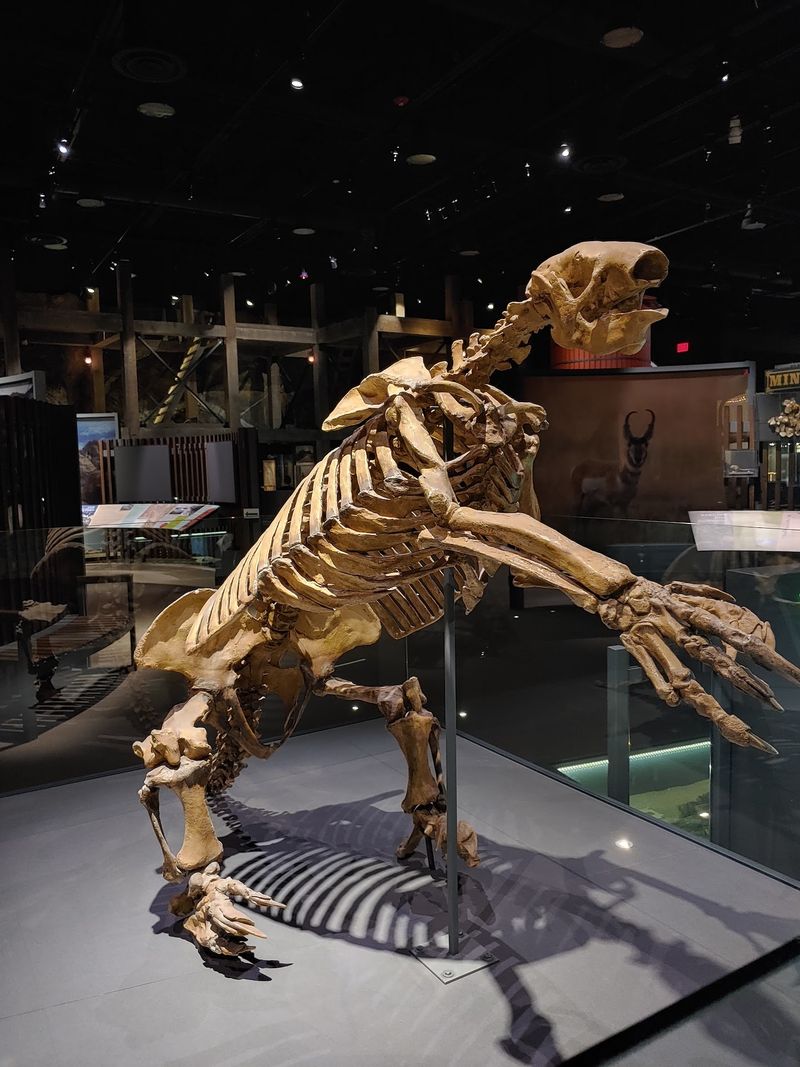
Meet the neighbors without the sunburn. Inside the Origen Museum, live animal exhibits bring desert creatures up close.
Gila monsters are a crowd favorite, with their beaded orange and black skin. Snakes, desert cottontails, and a gray fox have also been part of the lineup.
Animals and displays can change over time, so the exact cast may vary. Either way, the glass keeps everyone comfortable and safe.
Kids tend to press their noses right up to the windows. Parents can use the moment to talk about how each animal handles heat and scarce water.
Staff and volunteers at Springs Preserve often share fun facts nearby. Asking a question or two can turn a quick look into a mini lesson.
The indoor setting also offers a welcome break on warm days. Air conditioning and cool exhibits make a smart midday stop between outdoor adventures.
Many animals rest during the day, so some may be tucked away or napping. Checking back later sometimes reveals a sleepy lizard finally on the move.
Quiet voices help too. Loud tapping on glass stresses animals, so gentle watching wins every time.
Few museum visits end with a staring contest against a lizard.
Fluttering Friends In The Butterfly Habitat
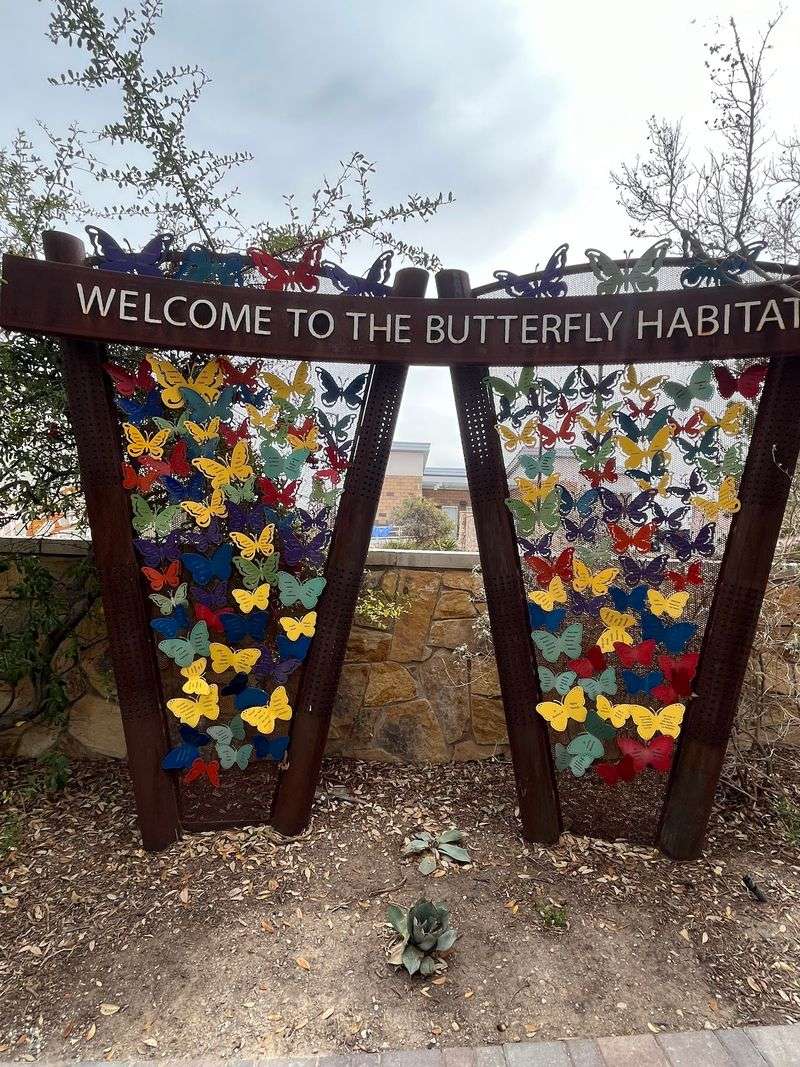
Imagine a wing brushing past your shoulder. That gentle surprise is the magic of the seasonal Butterfly Habitat.
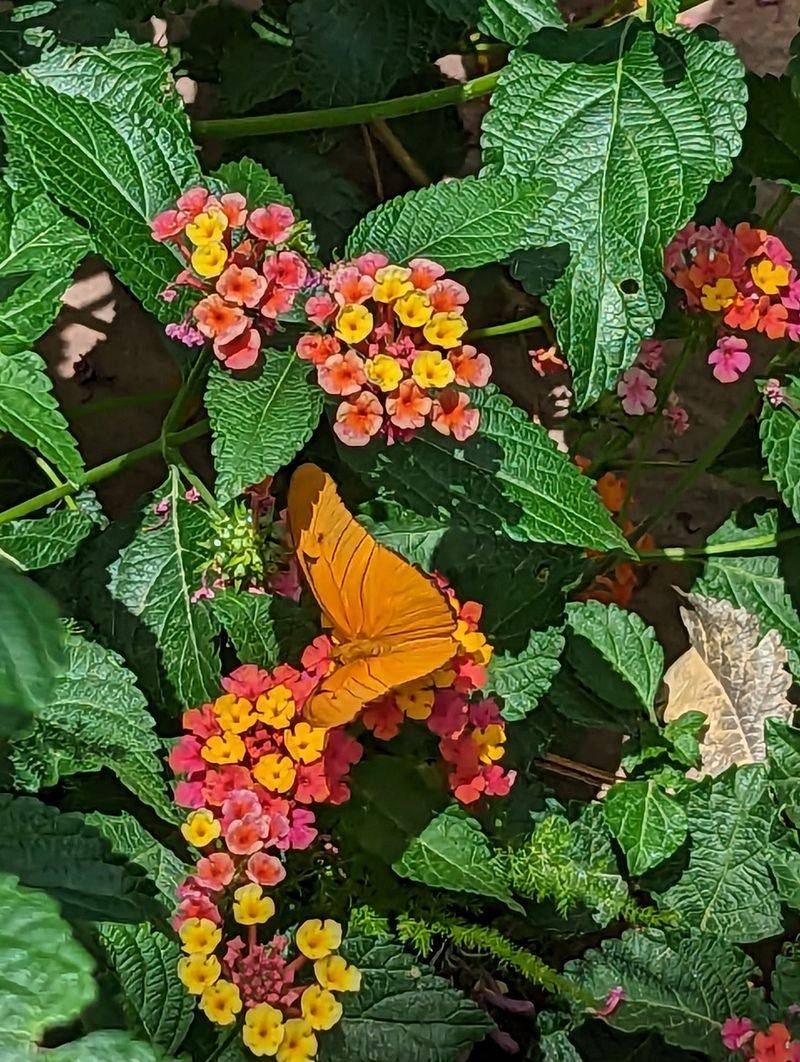
Hundreds of live butterflies drift around guests inside this enclosed space. Colorful wings land on flowers, leaves, and sometimes a lucky visitor’s sleeve.
The habitat runs seasonally and usually closes during the hottest months. Checking the schedule before visiting Springs Preserve saves a lot of disappointment.
Popularity comes with lines. Arriving early in the day helps families beat the biggest crowds.
The walk-through space is fairly small, and guests move along at a shared pace. Short attention spans usually match it well, making it ideal for little ones.
Bright clothing may attract a curious butterfly or two. Still, touching or grabbing them is off-limits, since their wings are delicate.
Look closely at feeding stations filled with fruit or nectar. Butterflies uncurl a long tongue called a proboscis to sip, which kids find fascinating.
Cameras are welcome, so keep a phone ready. Slow movements give the best chance of catching a butterfly resting with wings open.
Before leaving, check clothing and bags for hitchhikers. Staff want every butterfly to stay safely inside its home.
Few lines lead somewhere this colorful, so the wait usually feels worth every flap.
A Roaring Flash Flood Indoors
Thunder rumbles, and then the water comes rushing in. The Flash Flood Exhibit ranks among the most talked-about stops on the campus.
Inside the Origen Museum at Springs Preserve, thousands of gallons of recycled water surge through a canyon-style display. The show recreates the sudden power of a desert flood in a safe setting.
Kids usually gasp at the noise and speed. It makes a great chance to explain why desert storms can turn serious so fast.
Signs explain how storms fill dry washes within minutes. Adults often leave with a new respect for desert weather.
The museum covers much more than floods. Exhibits trace thousands of years of cultural and environmental history in the Las Vegas Valley.
Hands-on displays invite touching, pushing, and exploring. Rotating exhibits also mean a return trip may reveal something new.
The campus also houses the Nevada State Museum, which many visitors praise for its regional history. Some rules differ there, such as limits on bringing water bottles inside.
Planning indoor time for the warmest part of the day works well. Cool galleries let tired legs recover before the next trail.
Few places let kids watch a storm without getting wet, and that alone justifies the detour.
All Aboard For Boomtown 1905
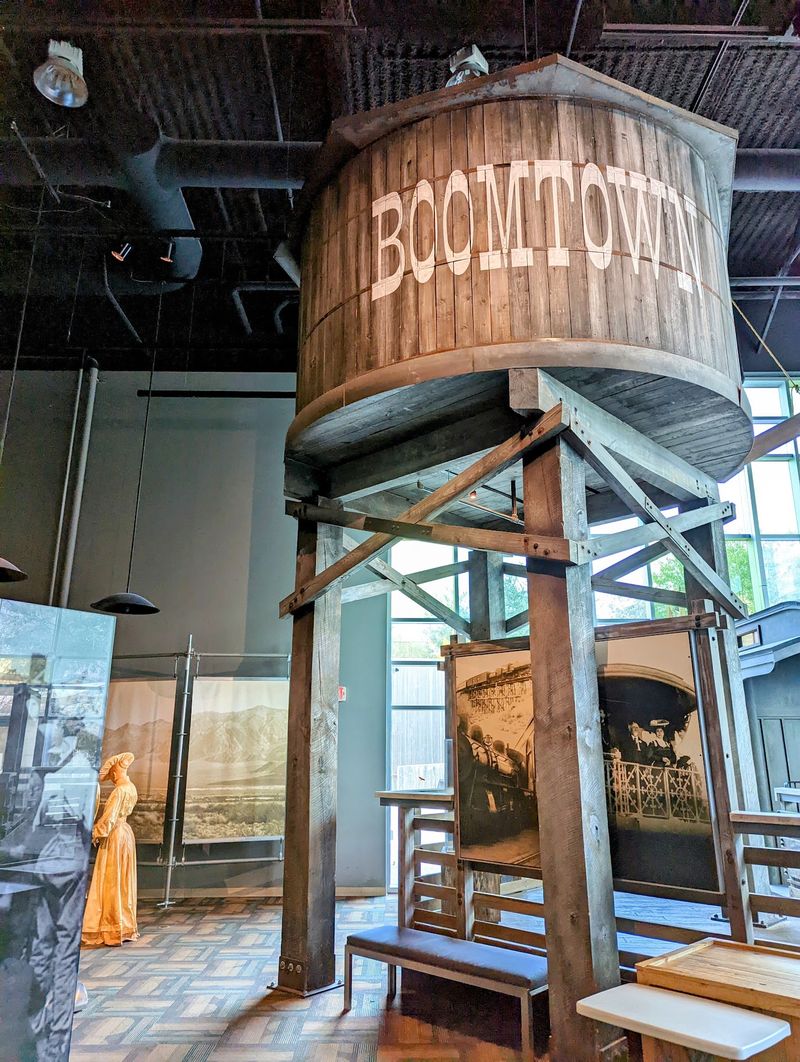
Choo-choo, next stop, the past. A trackless train carries guests on a short narrated ride out to Boomtown 1905.
Kids adore this ride, and parents appreciate the break for their feet. The narration shares bits of local history along the way.
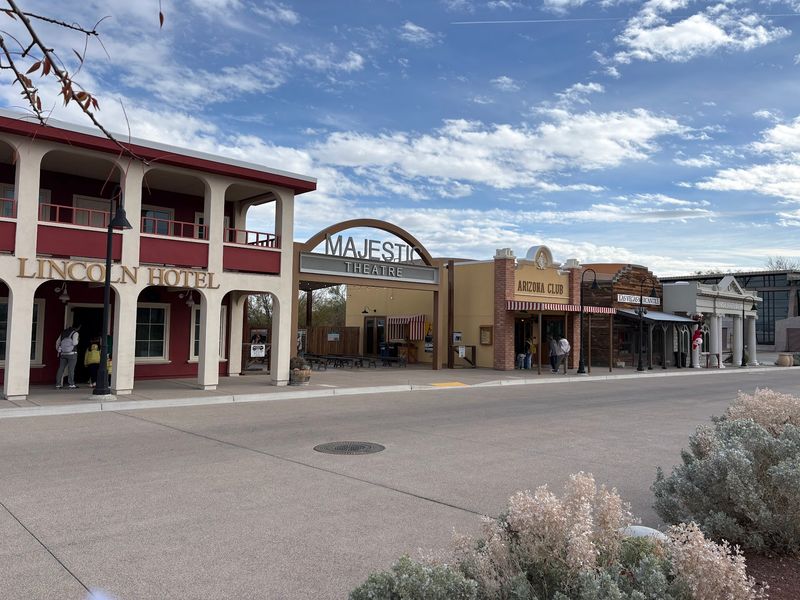
Boomtown recreates the kind of buildings found in early Las Vegas. Visitors can peek into a bank, a mercantile, a cottage, a hotel, a theater, and a train depot.
Each building offers a small window into daily life back then. Old-fashioned goods, simple furniture, and period details spark plenty of questions.
The setting also makes a fun backdrop for family photos. Dusty storefronts and wooden porches look great in pictures.
Springs Preserve ties this area to the bigger story of the city’s growth. The railroad played a major role in turning a desert stop into a town.
Walking back instead of riding can work for energetic kids in cooler weather. Summer afternoons, however, call for the train both ways.
Train schedules can vary, so ask at guest services upon arrival. Lines grow during busy events and weekends.
Time travel rarely comes with a friendly conductor, but here it does.
Blooms, Cacti, And A Garden Full Of Ideas
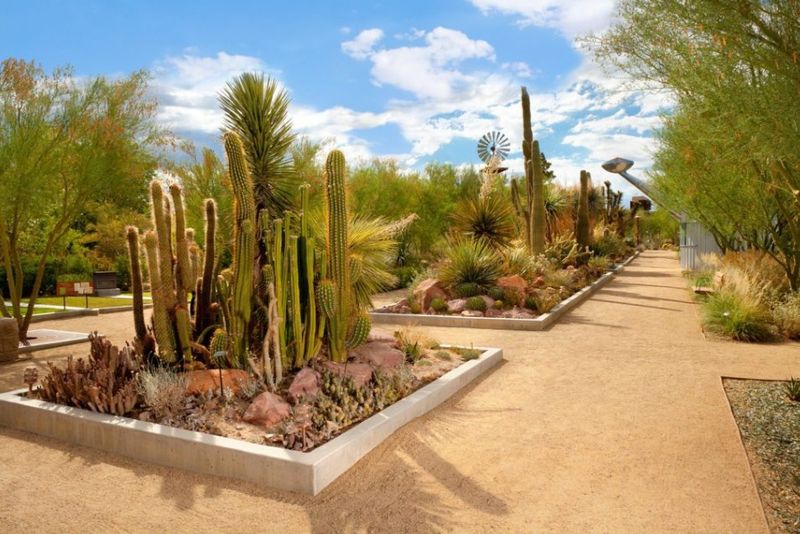
Who knew a desert could look this lush? The botanical garden here bursts with plants built to thrive on very little rain.
Hundreds of desert-adapted plant species fill the grounds. A Mojave cactus and succulent collection shows off spiky shapes and surprising colors.
Clear labels help visitors learn names as they stroll. Benches, shade, and water stations make the garden easy to enjoy at a slow pace.
Springs Preserve also includes a teaching garden and a vegetable garden. Both show practical ways to grow food and flowers in a dry climate.
Local gardeners often leave with new ideas for their own yards. Water-smart landscaping tips pop up throughout the paths.
Kids enjoy spotting odd shapes, fuzzy leaves, and tall cactus arms. A simple game of finding the spikiest plant keeps little legs moving.
Spring brings some of the brightest blooms, although timing depends on weather. Hummingbirds and bees often buzz around the flowers during warmer months.
Morning light makes the colors pop for photos. Crowds also stay thinner early.
Look but do not touch, especially around cacti. Those spines hide tiny barbs that are tricky to remove.
Green thumbs and curious minds both walk away with something growing.
Playgrounds, Splash Pads, And A Rock Trading Post
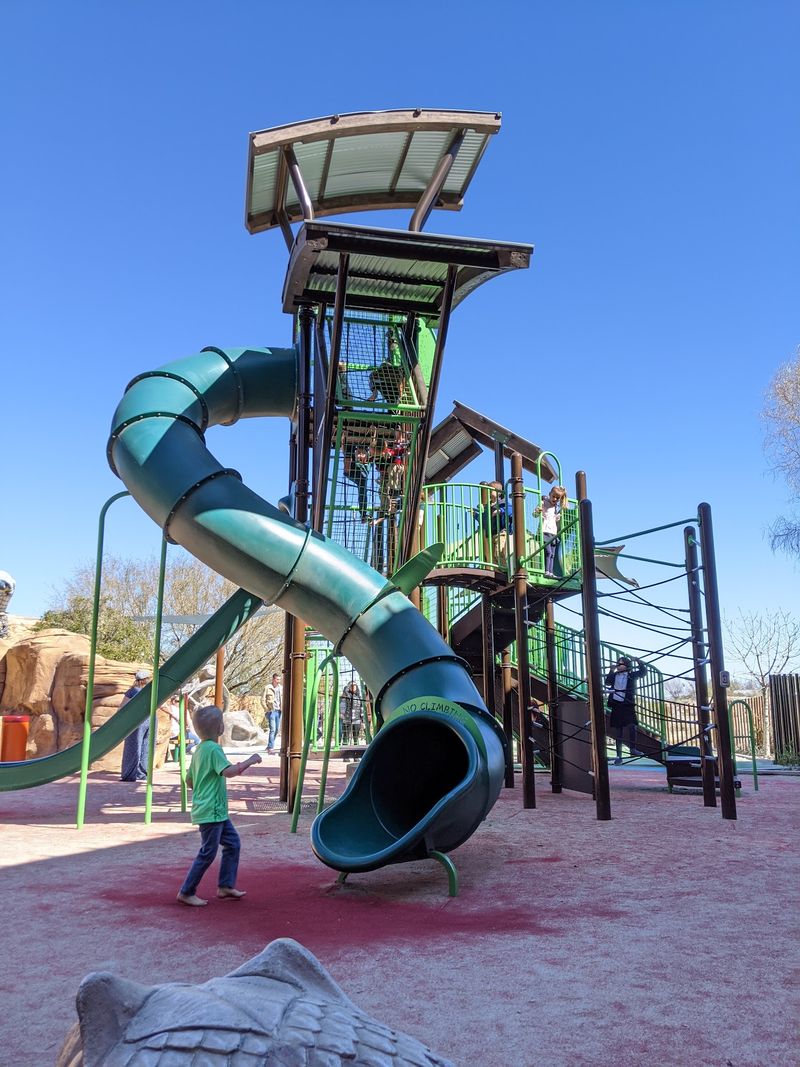
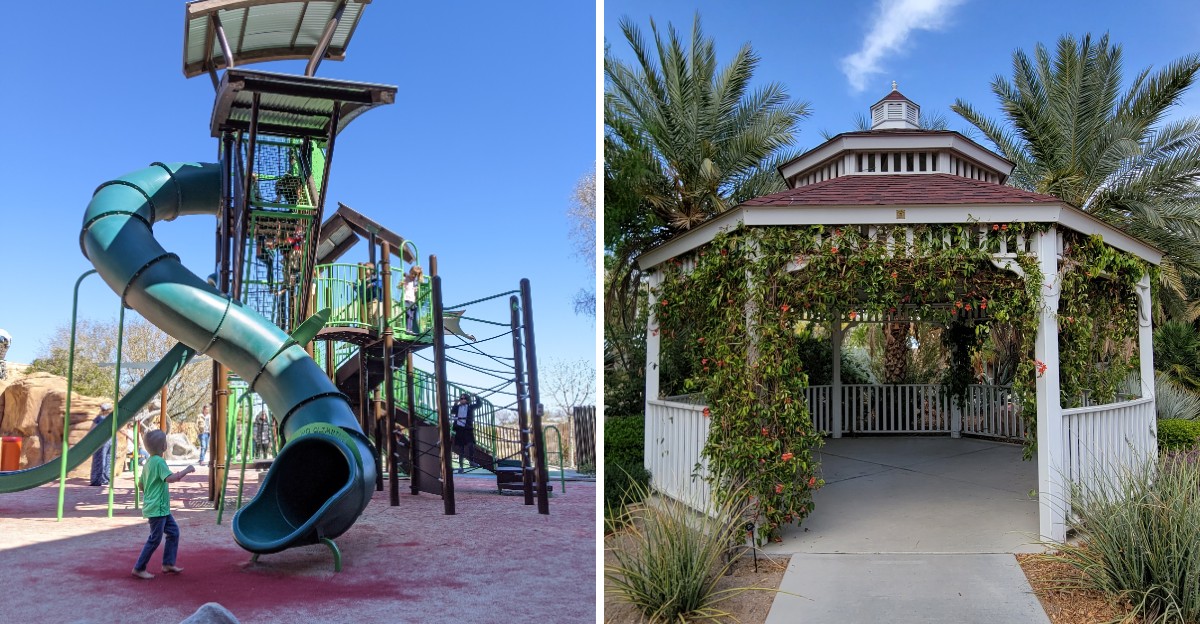
Got little ones with energy to burn? Springs Preserve packs plenty of kid-sized fun into its grounds.
Multiple playgrounds give children room to climb, slide, and run. A dedicated toddler area keeps the smallest explorers safe and happy.
A splash pad opens seasonally for hot days. Packing a towel and a change of clothes saves a soggy car ride home.
The Nature Exchange ranks as a quiet favorite. Kids bring in natural items like rocks or shells and earn points by sharing what they know.
Those points can go toward trading for new treasures. The system rewards learning, not just collecting, which makes it a sneaky lesson in science.
Toddler Time offers stories and crafts for preschool-aged kids during the week. Other programs focus on nature and conservation for older children.
The seasonal Dino Safari walk-through, packed with animatronic dinosaurs and fossils, has delighted young visitors, so check the calendar to see what is on display.
Nevada families often choose memberships because kids ask to come back again and again. Plenty of benches let grown-ups rest while the fun continues.
Tired kids at the end of the day mean the mission was a success.
Green Buildings And Smart Tips For A Smooth Visit
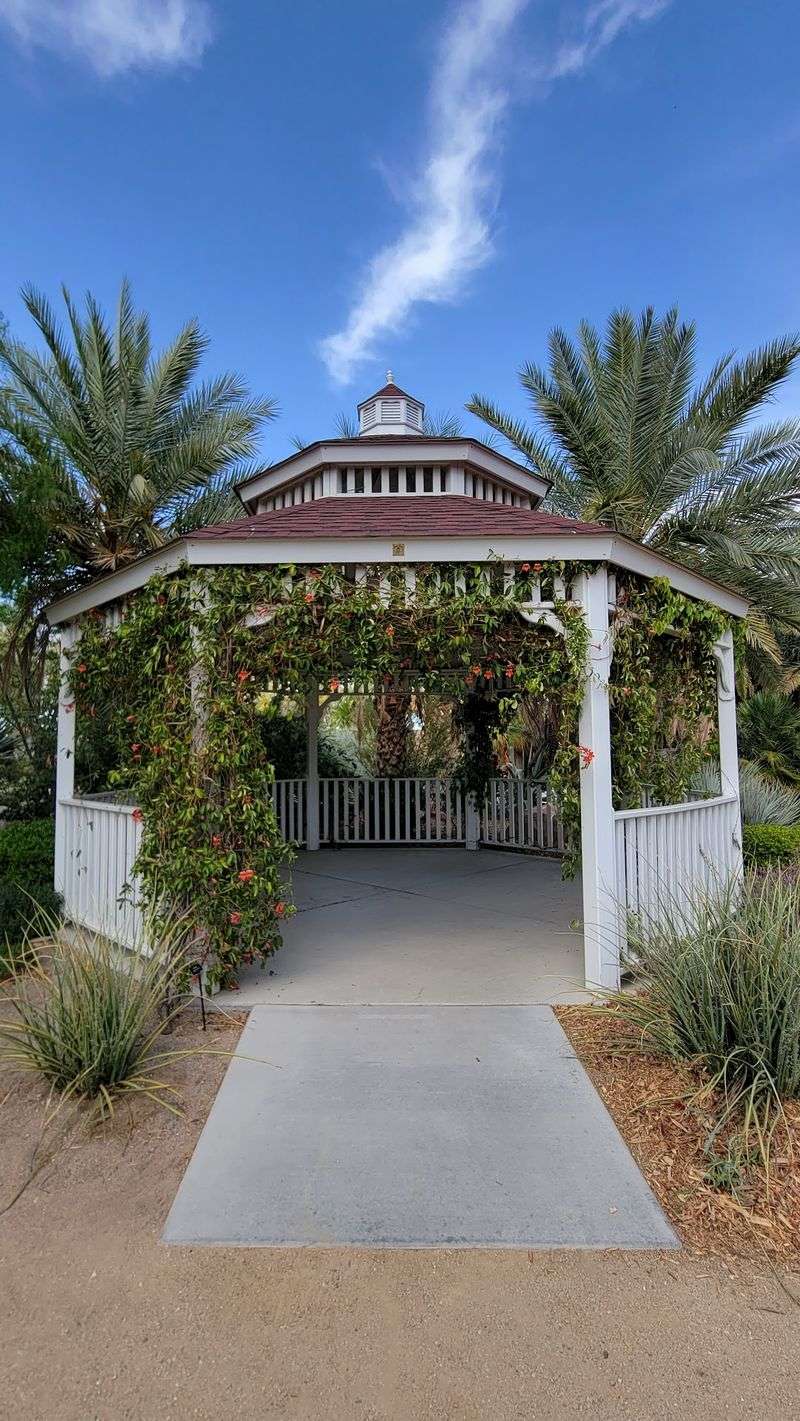
Can a building stay cool in the desert without blasting the air conditioning? The Desert Living Center shows it can.
Several buildings at Springs Preserve earned LEED Platinum certification, the highest green building rating. Thick rammed earth walls help control indoor temperatures naturally.
Smart window placement limits heat, and natural light brightens the rooms. Recycled materials, including timber from an old trestle bridge, appear in the design.
A sustainability gallery explores composting, water conservation, and energy saving at home. Hands-on displays make these ideas easy for kids to grasp.
The WaterWorks Museum, set inside a working pumping station, explains how water reaches the valley. It pairs nicely with the story of the original springs.
For a smooth visit, arrive early and start outdoors while temperatures stay mild. Save museums for the afternoon heat.
On-site parking is usually easy to find, and a cafe offers meals and snacks. Ramps, elevators, and restrooms appear throughout the campus.
Events and workshops fill the calendar year-round, covering gardening, cultural celebrations, and more. Checking upcoming events can add a bonus layer to any trip.
Between wetland trails, curious critters, and hands-on fun, this oasis proves the desert still has plenty to teach.