
This Natural-Habitat Wildlife Sanctuary Is Hiding Right Here In Nevada
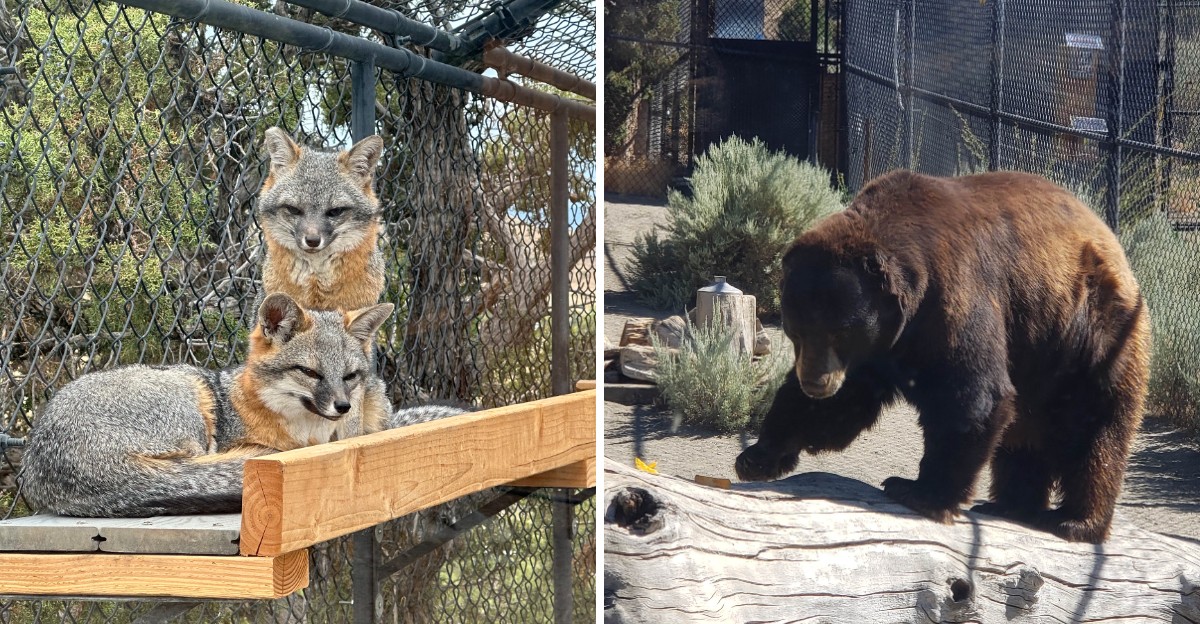
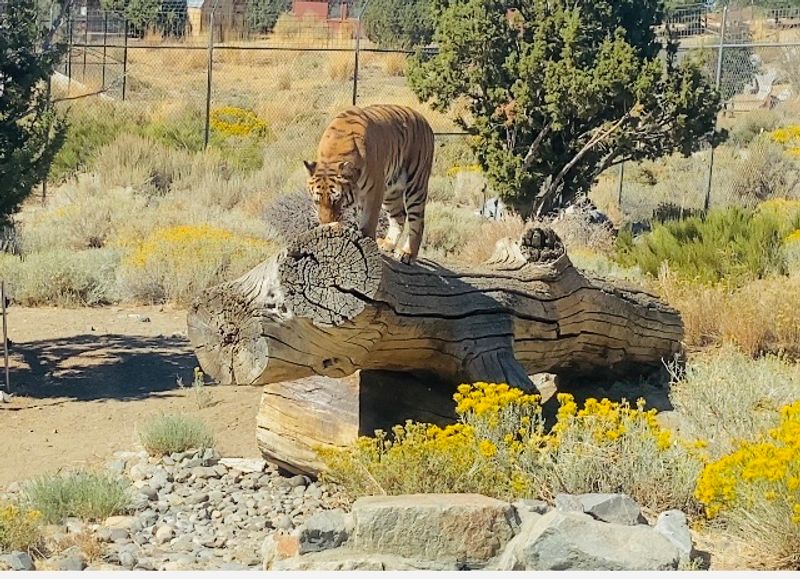
Tiger stripes flash between boulders while a wolf pads along a sunlit ridge. And yes, this wild scene is hiding right here in Nevada.
Forget cages and concrete. This wildlife sanctuary gives rescued animals a natural habitat packed with native trees, rocky perches, and plenty of room to roam.
Every resident arrived with a story. Injured, orphaned, or unable to survive alone, each now enjoys a forever home and a devoted care team.
You’ll wander a dusty trail through high desert hills, spotting big cats napping in the shade and bears digging for snacks. Keep your eyes sharp, because the best moments sneak up quietly.
A special kind of magic waits for families who love animals, and Nevada keeps it closer than you might think.
A Forever Home For Wild Hearts
Where does a wild animal go when the wild is no longer safe? For many residents, the answer sits in the hills northwest of Reno.
Animal Ark Wildlife Sanctuary works as a nonprofit refuge for animals that cannot return to nature. Some arrived injured, some came as orphans, and some never learned the skills to live alone.
Every creature here gets a permanent home. That means lifelong care, steady meals, and a keeper team that knows each animal’s quirks.
The sanctuary follows a strict rule that sets it apart. It does not breed, sell, or trade animals.
That promise matters more than it might seem. It keeps the focus on the animals that already need help, not on filling exhibits with new faces.
Signs around the grounds share each resident’s backstory. Kids tend to read them closely, and adults often linger longer than expected.
The founders started with a small rescue effort built on pure love for animals. After they found land in the Red Rock area, their vision grew into a full sanctuary.
Today, Animal Ark still runs on that same big-hearted idea. Wild animals deserve a second chance, even when freedom is off the table.
High Desert Hills And Pinyon Pines
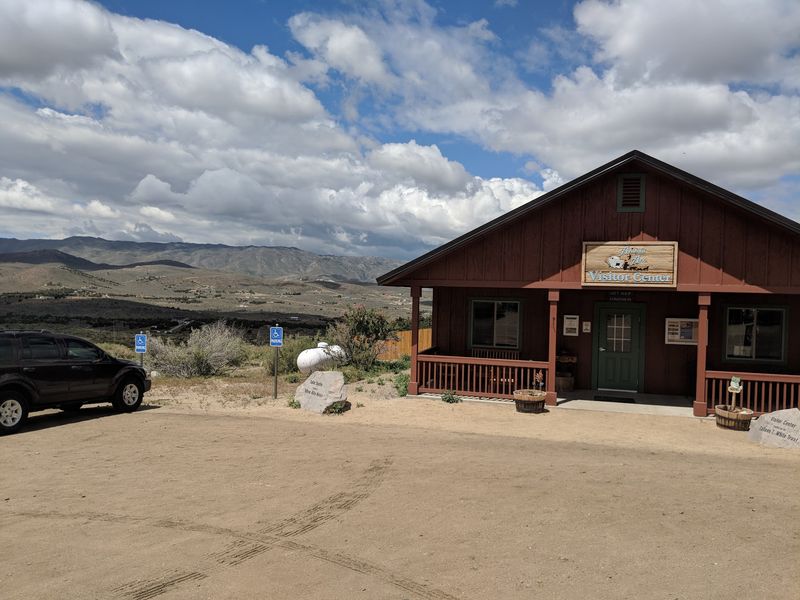
Forget the flat, empty desert stereotype. The drive out here tells a much more colorful story.
Animal Ark sits in the Red Rock foothills, a scenic drive northwest of Reno. The road climbs away from city lights and traffic into quiet, open country.
Rolling hills rise on every side. Pinyon pines, hardy shrubs, and tough grasses cover the slopes in shades of green and gold.
This slice of northern Nevada surprises many first-time visitors. It looks livelier than the bare, sandy scenes people often picture.
The setting also serves a real purpose. Rocky ground and native plants give the animals surroundings that feel close to the wild.
Big skies stretch overhead, and the silence feels thick in the best way. On calm mornings, the loudest sound might be a raven or a distant wolf.
Weather here can swing quickly, so layers make sense. Sunny afternoons can feel warm, while breezes pick up without much warning.
The remote feel is part of the charm. It reminds visitors that these animals share a landscape with plenty of wild neighbors.
Photographers love the mix of rugged hills and soft desert light. Even the parking area offers a view worth pausing for before heading inside the sanctuary gates.
Meet The Locals And The Globetrotters
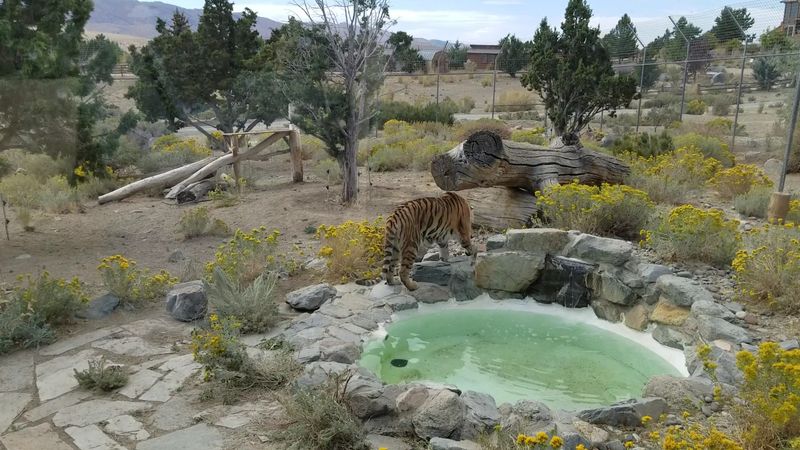
Tigers and tortoises under one sky? That odd pairing makes perfect sense at Animal Ark.
The residents fall into two groups. Some are native to the Great Basin, while others come from faraway corners of the planet.
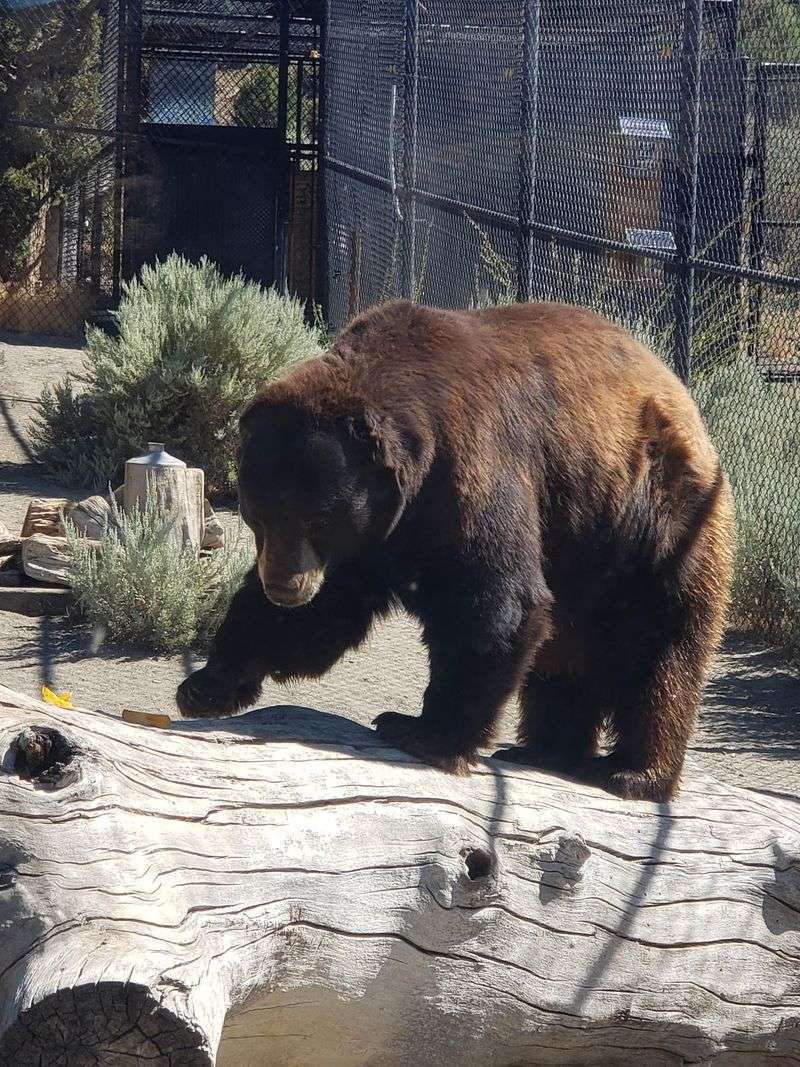
On the local side, visitors can spot North American natives such as black bears, mountain lions, coyotes, and wolves. Most of these species roam the wild landscapes of Nevada and the wider American West.
Black bears rank among the crowd favorites. A spiky North American porcupine also wins plenty of fans with its waddle.
The global crew brings serious star power. Bengal tigers, African servals, jaguars, and speedy cheetahs all live on the grounds.
Raptors add a sharp-eyed touch. Owls and falcons perch in their spaces, watching visitors as closely as visitors watch them.
Each animal arrived for a reason. Most could not survive alone, and some serve as ambassadors that help teach people about their species.
Residents can change over time, so the lineup may differ from one visit to the next. A guide map at the entrance helps visitors track down who is living there that day.
Hot afternoons often send cats and bears into the shade. Patience, and a sharp eye, usually pay off.
Boulders And Trees Instead Of Bars
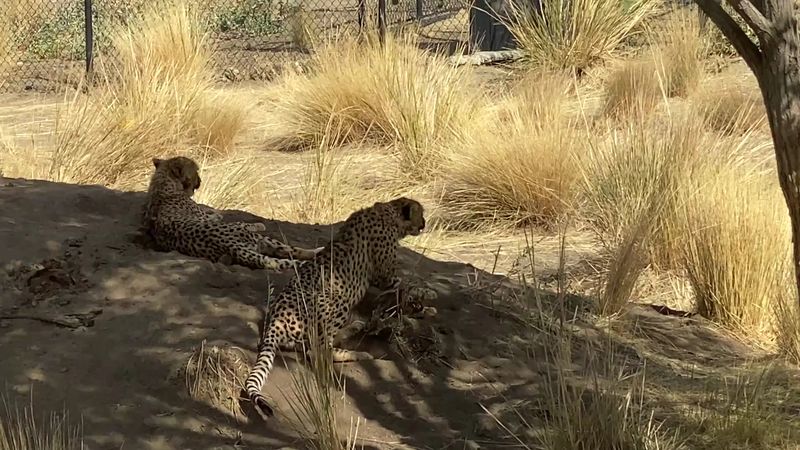
Concrete floors and painted backdrops? Not here.
Animal Ark builds its enclosures to echo the places these animals would naturally live. Native trees, large boulders, and fitting plants fill each space.
Those details do real work. They give animals spots to climb, hide, nap, and explore, just as they might in the wild.
The design also leaves plenty of room. Big cats can pace and stalk, while wolves can trot along ridges and rest in the shade.
Many habitats blend into the surrounding hills. The rugged Nevada terrain makes that blending feel effortless.
Visitors sometimes need a moment to spot a resting cougar or a still fox among the rocks. That hunt is half the fun.
Bringing binoculars can turn a quick glance into a real wildlife moment.
Keepers add enrichment to keep minds busy. Hidden food, new scents, and fresh objects encourage natural behaviors like foraging and problem solving.
The sanctuary believes wild animals belong in wild settings. When release is impossible, the next best step is a home that feels as natural as possible.
Visitors often notice how calm and active the residents seem. It is a quiet reminder that thoughtful space can shape a better life.
Cheetah Sprints And Wolf Howls
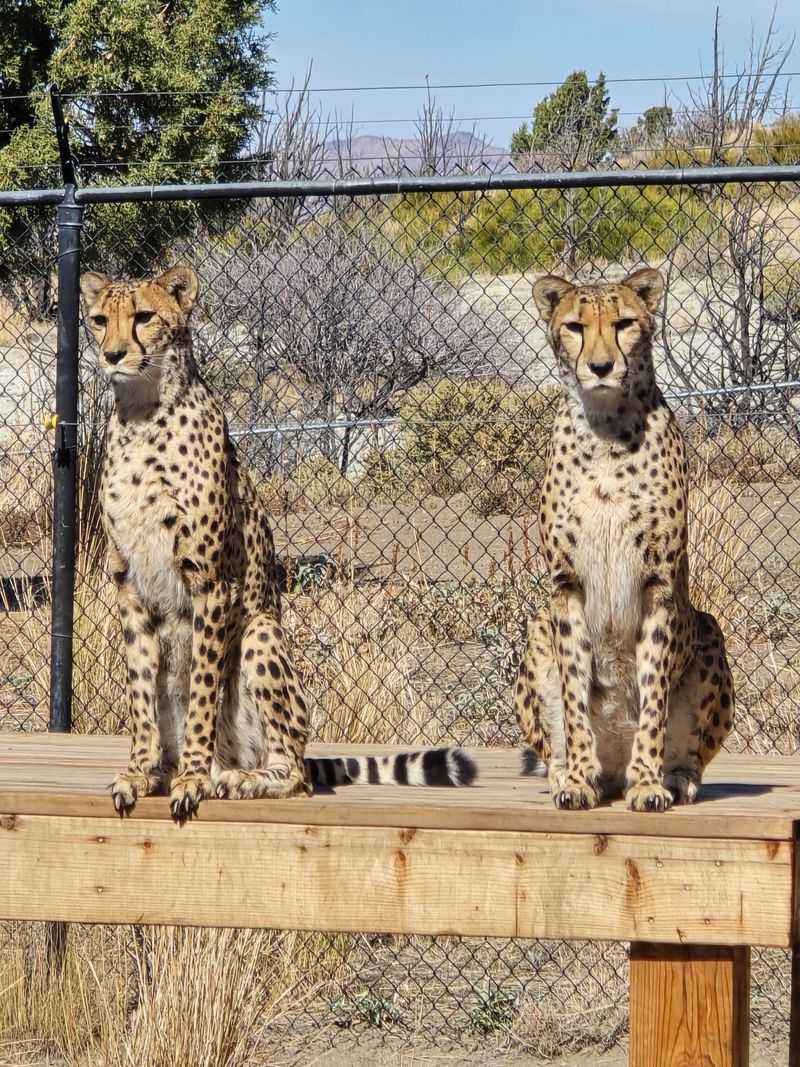
Ever watched a cheetah hit top speed? Few sights feel quite so electric.
Animal Ark hosts special events that let visitors see animals in action. The Cheetah Run ranks as a highlight, showing off the burst of speed these cats are famous for.
After dark, the mood shifts. Wolf Howl Night invites guests to hear the eerie, beautiful chorus of the sanctuary’s canines.
Event dates change each season. Checking the calendar before a trip helps avoid missing out.
Everyday visits have their own thrills too. Bear feedings draw crowds as keepers hide food so the bears can sniff, dig, and forage.
Sneaky chipmunks sometimes try to steal a bite during these meals. Visitors tend to cheer for both sides.
Raptor feedings can be a surprise treat as well.
Keeper talks and training sessions pop up throughout the day. Guests may catch a porcupine snack time or a serval showing off new skills.
Some programs, such as up-close cheetah meet and greets, may require booking ahead. Details can vary, so asking staff on arrival is a smart move.
A daily schedule usually comes with the map at check-in. Plan the walk around those times, and the day almost organizes itself.
Lessons That Stick Long After The Visit
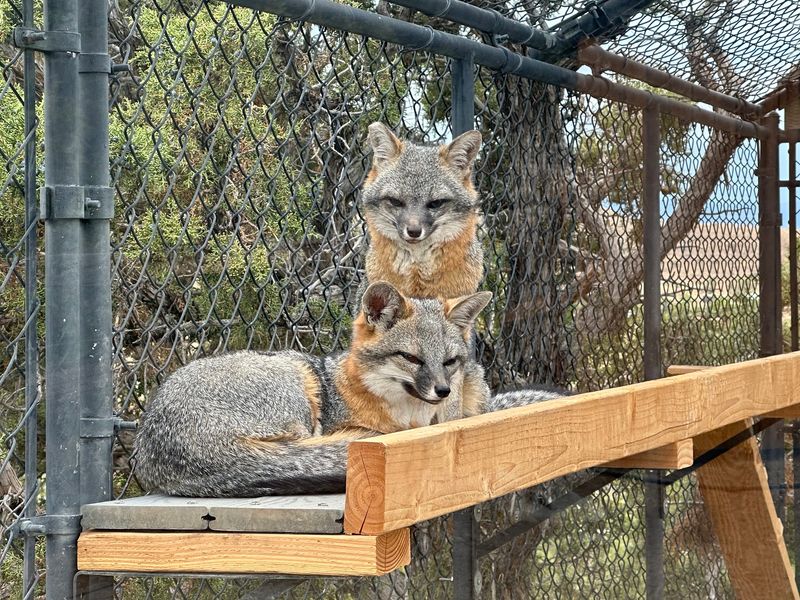
Learning sneaks up on people here. One minute it is a fun day out, and the next, everyone is talking about conservation.
Education sits at the heart of Animal Ark’s mission. The sanctuary aims to inspire people to care for the environment through close looks at real wildlife.
School field trips bring young students face to face with animals they have only seen in books. Outreach programs also carry that message beyond the sanctuary grounds.
Special theme days sometimes add hands-on stations. One recent focus on invertebrates gave kids a fresh way to explore small creatures.
The backstory signs do plenty of teaching too. They explain how each animal arrived and why it cannot live in the wild.
Those stories spark big questions. Why did this fox need help, and what can people do to protect wild places?
Keepers and volunteers happily field those questions. Their enthusiasm makes facts feel personal instead of dry.
Families often leave with new habits in mind, like giving wildlife space or keeping trash out of natural areas. Small steps like those help animals across Nevada and beyond.
For curious kids, this might be the best classroom around. No desks, no bells, just wild neighbors and real answers.
A Dusty Trail With Plenty Of Perks
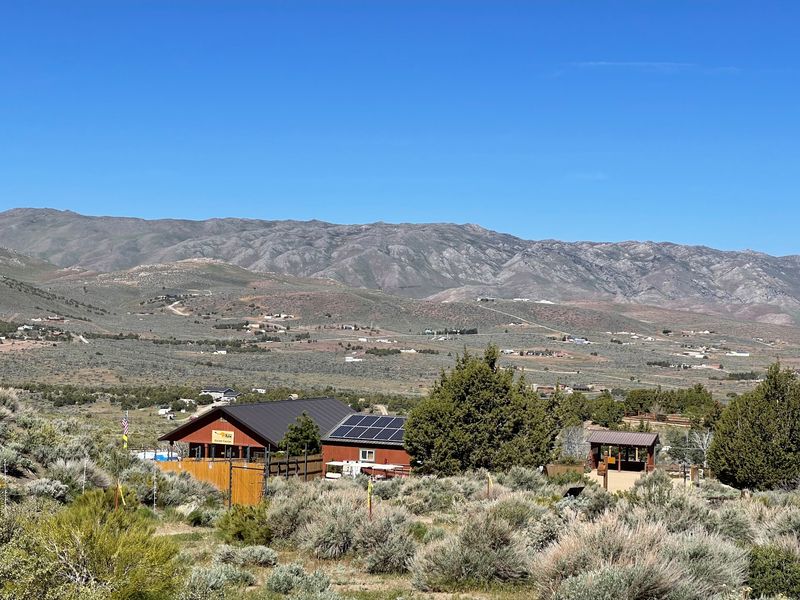
Lace up those sneakers. Exploring Animal Ark means covering real ground on foot.
A winding trail of packed dirt and decomposed granite loops through the property. It rolls over hills, with some steep climbs that give legs a proper workout.
Flimsy strollers may struggle on the slopes. Sturdy shoes, or even boots in snowy weather, make the walk far more comfortable.
Trails stay wide in most places, which helps groups move together.
Benches appear along the route. They offer welcome breaks, shady views, and a chance to snack while watching the animals.
Visitors with mobility needs have a helpful option. The sanctuary offers a limited number of mobility assistance golf carts, which should be reserved at least 12 hours ahead.
Carts can run out on busy days. Bringing a disability parking placard can help confirm eligibility.
Near the entrance, families find a playground and picnic areas under the trees. Packing a lunch turns the visit into a relaxed half-day outing.
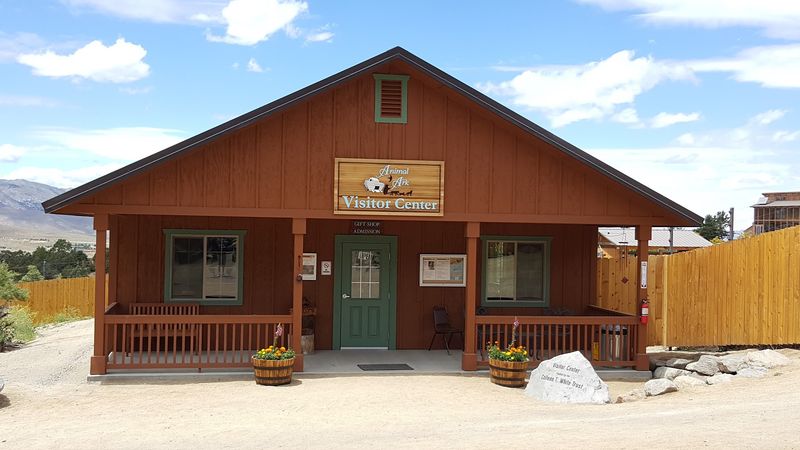
The visitor center includes a gift shop stocked with treats and souvenirs for all ages. Purchases help support animal care, which makes shopping feel a little more meaningful.
Clean restrooms round out the basics. With comfy shoes and a packed cooler, the trail becomes pure fun.
Timing Is Everything In The High Desert
Early birds catch more than worms here. They catch the animals at their liveliest.
Animal Ark Wildlife Sanctuary sits at 1265 Deerlodge Rd, Reno, NV 89508, in the quiet Red Rock area of Nevada. The sanctuary runs on a seasonal schedule, typically welcoming guests in the warmer months and closing for part of winter.
Weather plays a big role in those dates. Checking ahead before driving out saves a wasted trip.
Mornings usually deliver the best viewing. Cooler air keeps big cats and bears moving, and many residents seem more curious before midday.
By afternoon, summer heat can send animals into shady corners. Hours sometimes shift on scorching days to protect both animals and guests.
Spring brings fresh green to the hills and comfortable walking temperatures. Fall offers crisp air and golden light that photographers adore.
Snow can dust the grounds during colder visits. The trails can turn slippery, but spotting wolves in a winter coat can feel unforgettable.
Special events add another reason to plan carefully. Evening programs let visitors see the sanctuary in a different mood.
A little planning turns a good trip into a great one. Pick a cool morning, and let the animals set the pace.
Smart Tips Before Hitting The Road
Pack like a desert pro. A little prep goes a long way at Animal Ark.
Water tops the list. The gift shop may sell cold drinks, but carrying a refillable bottle keeps everyone comfortable on the hills.
Hats and sunscreen matter too. Shade exists along the trail, yet the high desert sun can feel intense.
Transportation needs extra thought. Cell service can be spotty, and rideshare pickups back to town may be hard to find.
Driving a personal car, or riding with a friend, avoids that headache. Arranging a return trip ahead of time works as a solid backup plan.
Leave pets at home. The sanctuary does not permit personal pets or emotional support animals inside.
That rule protects the residents, who can feel stressed by unfamiliar animals. It also keeps visitors safe.
Quiet manners matter as well. Keeping voices low near enclosures helps shy animals stay relaxed and visible.
Admission and cart rentals help fund daily care. Every visit supports food, medical needs, and habitat upkeep.
In the end, Animal Ark offers something rare in Nevada. It pairs wild scenery with rescue stories that leave visitors thinking long after the drive home.