
This Abandoned Massachusetts Hospital Is Creepy Enough To Scare Ghost Hunters
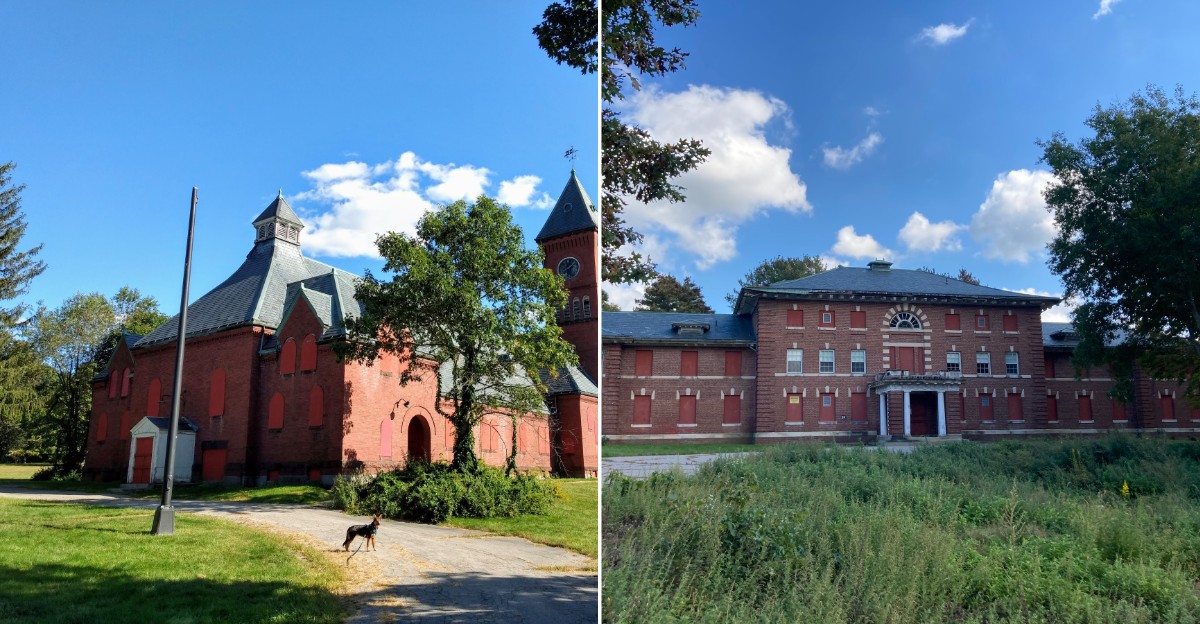
Some places whisper their stories. Others seem to shout them across empty fields and crumbling brick.
Massachusetts has plenty of cozy harbors and pretty town greens, but it also hides a darker side that thrill seekers can’t stop talking about.
Picture a sprawling old hospital campus from the 1890s. Imagine dozens of quiet cottages, a grand central hall, and rolling grounds that once buzzed with daily life.
Now picture that same place falling silent, building by building, until only rumors and footsteps seemed to remain. Ghost hunters from all over the country have heard its name.
Many call it one of the most haunted campuses in America. Some say the screams never really stopped.
Others swear shadowy figures still wander where the old wards once stood. Yet this is not just a spooky tale.
It is a real piece of Massachusetts history, full of big dreams, hard lessons, and people who deserve to be remembered. It even has a friendly surprise most visitors never expect.
Big Dreams Back In The 1890s
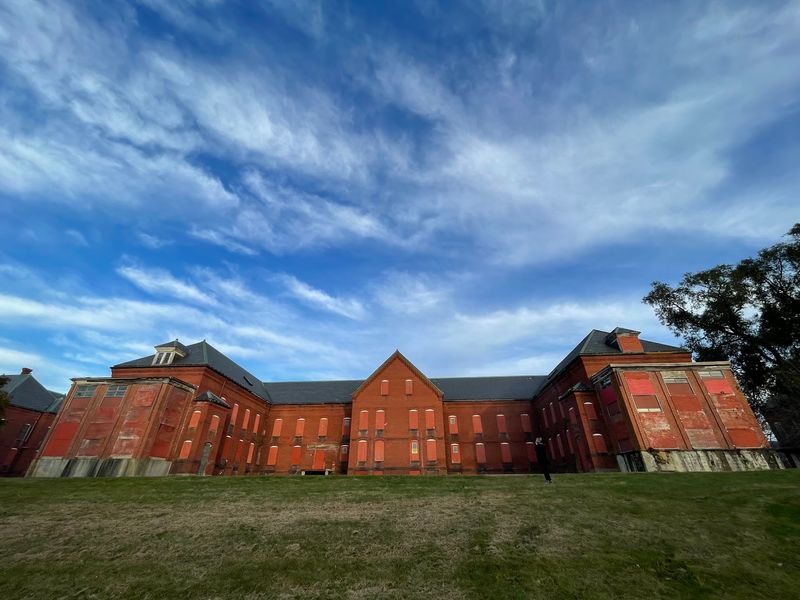
Back in the 1890s, Massachusetts had a crowding problem. Asylums in Taunton and Danvers were packed, and leaders needed a new plan fast.
Their answer rose from the quiet farmland of Norfolk County.
That answer was Medfield Insane Asylum, later renamed Medfield State Hospital. It became the state’s first hospital built specifically for long-term care.
The first patients arrived in the spring of 1896, and the place was seen as forward-thinking for its time.
Here is a detail that surprises many visitors. Instead of one huge fortress, the campus was built as a village of small cottages.
That choice of design showed a real hope to heal, not just to lock people away.
Building it this way showed the state wanted a gentler kind of care. For the 1890s, that was a bold step.
The cottages offered variety too. Each one held about fifty patients, with bedrooms upstairs and shared living space below.
Rolling lawns and garden paths connected it all, becoming one of its most memorable details. So what did it feel like to arrive at such a campus back then?
Many folks imagine a gloomy fortress, but the original idea was bright and hopeful.
Cottages Instead Of Cold Stone Walls
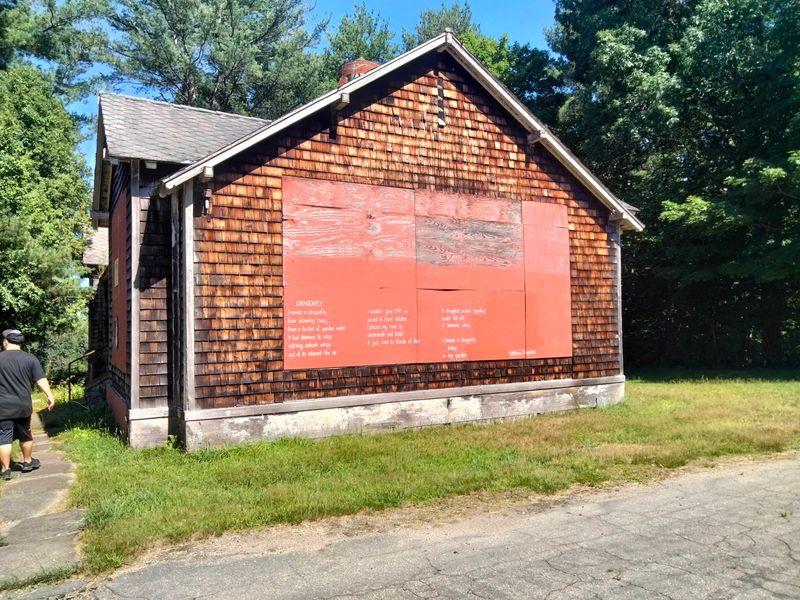
Architecture fans, this part is for you. The hospital was designed largely by architect William Pitt Wentworth, working with the firm Shepley, Rutan and Coolidge.
He mixed Queen Anne, Greek Revival, and Beaux Arts styles into something truly charming.
The campus followed the newer Cottage Plan instead of the older Kirkbride Plan. The idea was simple but clever.
Small homelike buildings sat arranged around a central quadrangle, rather than one giant wing-spread fortress.
Why break a hospital into dozens of small buildings? Each cottage was meant to feel like a real home, not a cell block.
Doctors believed a gentle, community setting could calm the mind. The details were next level.
Decorative woodwork, wraparound porches, and tall windows gave many cottages real warmth. These touches made the whole place feel inviting rather than cold.
It was also ambitious for the 1890s.
The campus grew its own food, kept livestock, and made its own heat, light, and power. Over time, the campus grew into fifty-eight buildings.
Picture a small village of shingles, brick, and rolling lawns spread across more than a square mile.
It must have been an impressive sight from the road. Today, several of those original cottages are gone.
Still, dozens remain standing, and old photos show just how striking the design once was.
The Hard Side Of History
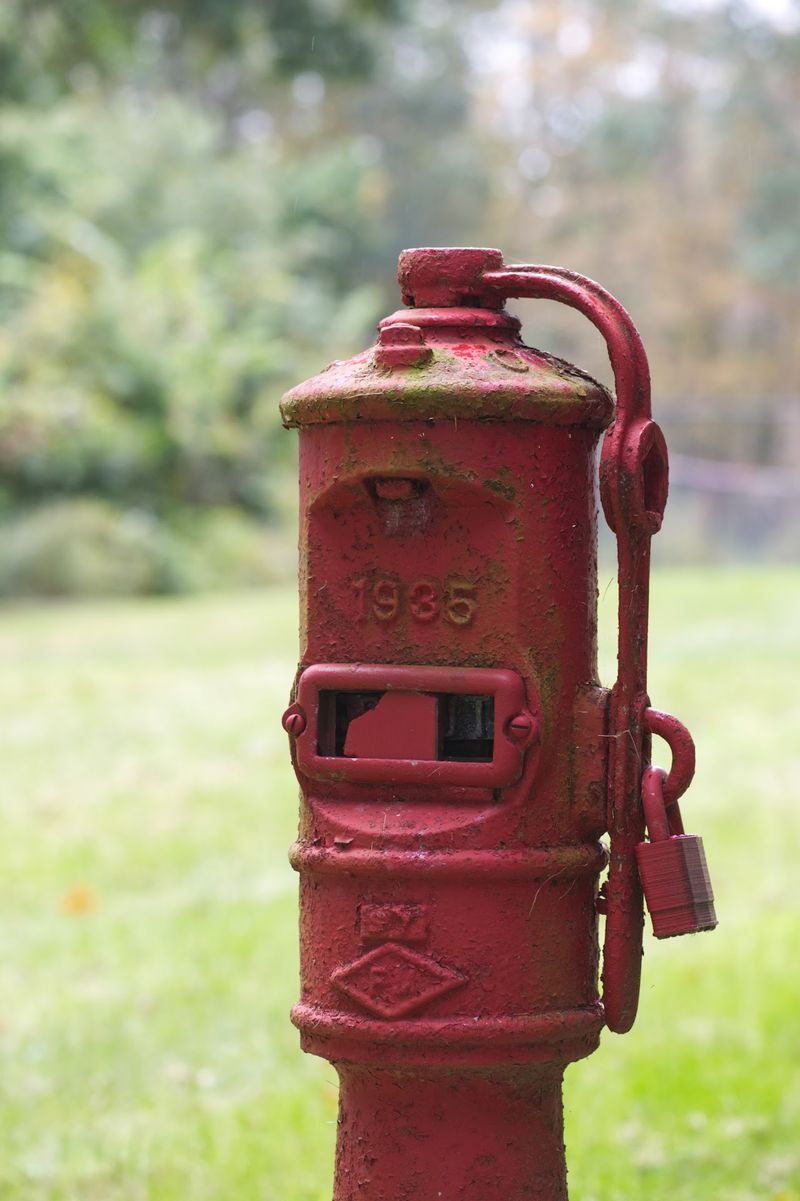
Not every chapter here is easy to read. In the late 1800s and early 1900s, doctors knew very little about mental illness.
Good intentions often ran into limited science and thin staffing.
Over the years, treatments at the hospital included cold wet-sheet wraps, constant baths, and later, shock therapy starting in 1938. Today those methods sound frightening.
Back then, many were used in hospitals across the country.
The most heartbreaking chapter involves an influenza outbreak in 1918, when 55 patients did not survive the illness. They were laid to rest in the hospital’s own cemetery, which grew to hold more than 800 graves.
For decades, those graves were marked only by numbers, not names. Think about that for a moment.
How would it feel to have a whole life reduced to a single number on a small marker?
A local Boy Scout later spent years matching every number to a real name, restoring some dignity to those long-forgotten patients. Many ghost hunters say this sad past is exactly why the grounds feel so heavy.
Stories of spirits often grow where people suffered. Still, a respectful mindset matters most here.
These were real people with families and hopes of their own. A thoughtful way to honor them is to learn more, and notice how much mental health care has changed since then.
Hard Truths And Real Names
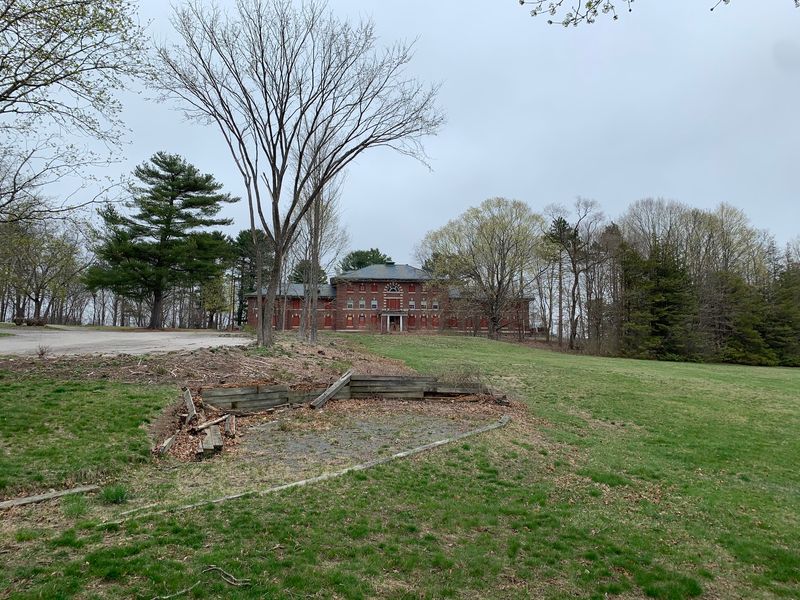
Every haunted legend needs a few chilling chapters. This one has real ones.
Historical records from the hospital’s early decades include cases that still unsettle people today.
In 1897, an inmate named William Spearing suffered severe burns from a scalding bath and did not survive, a case that led Boston newspapers to allege a cover-up at the time.
That same year, a patient named Mary Fitzgibbons walked away from the grounds on a cold Christmas Eve and was later found near Castle Hill, lost to exposure.
In 1916, an attendant named Wesley Linton was convicted after an assault on a patient ended in tragedy, and he was sentenced to time at the Dedham House of Correction. So why do stories like these matter to ghost hunters?
Many believe troubled energy can linger in a place long after people are gone. Of course, these tales should be handled with care.
Real patients and families were affected by these events.
Remembering them is part of telling the full story. Curious travelers can learn more before visiting the area, since local historical societies have documented much of this era in detail.
Just remember that most of the original cottages tied to these stories are still standing today, even though the campus itself has been quiet for decades.
From Bustling Campus To Quiet Ruins
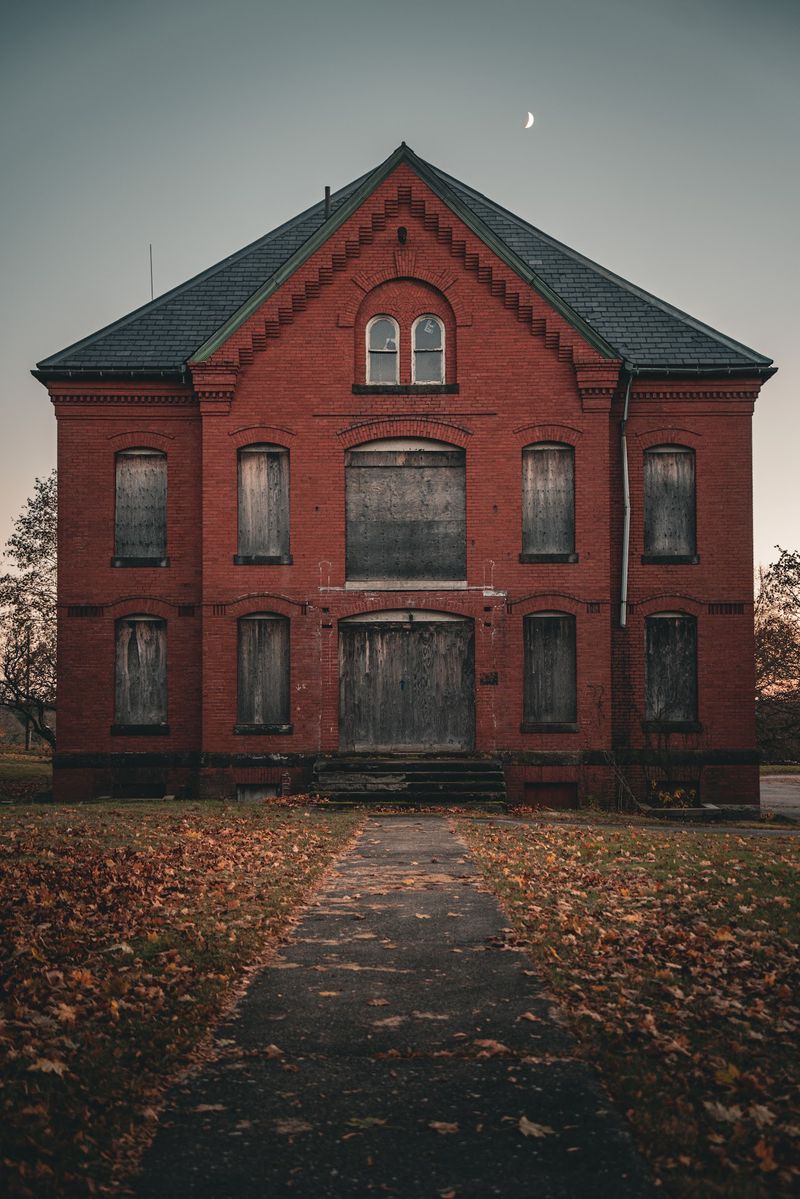
Buildings can fade slowly, and this one had a long, quiet decline. Patient numbers dropped for years, and in April 2003, the hospital formally closed its doors for good.
The halls that once echoed with daily life went silent almost overnight. Here is an interesting twist.
Back in 1994, the campus was added to the National Register of Historic Places as a historic district.
Even so, the empty cottages kept crumbling year after year with no clear plan in place. The Massachusetts Parole Board kept using one rear building until around 2006, so the site did not go fully quiet all at once.
Then came the demolitions. In 2012, the old Clark Building was torn down.
The following year, crews demolished the Odyssey House, the Carriage House, and the Laundry Building. Those losses hit local preservationists hard.
But not everything was lost. Dozens of the original cottages are still standing today, weathered but intact, scattered across the rolling grounds.
Somewhere out there, a piece of this legendary campus might still hold its original woodwork and windows.
Could an old cottage still waiting for restoration hold a story worth telling? It is a fun thought for any history lover.
Keep an eye on local preservation groups, since plans for the remaining buildings keep slowly evolving.
Whispers, Shadows, And Movie Sets
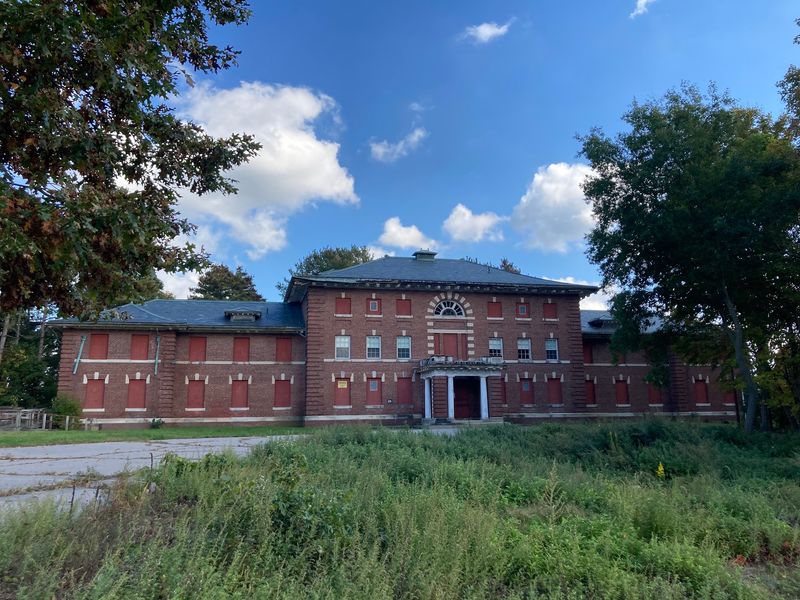
Ghost hunters have a name for this place: one of America’s most haunted old asylum campuses. That is a big title, and the stories behind it are wild.
Some are eerie, and some are downright spine-tingling.
Former visitors and paranormal investigators have reported disembodied whispers, sobbing, and cries echoing through the empty cottages. Others describe mysterious knocking and footsteps inside buildings that should be completely empty.
Shadowy figures show up in many of these tales too. One detail stands out.
Hollywood has actually used this eerie backdrop on purpose more than once. Filmmakers shot scenes for Shutter Island, The Box, and The New Mutants right on these grounds, drawn straight to the genuinely creepy atmosphere.
The cemetery and surrounding woods have their own reputation too. Tales mention odd happenings among the headstones and along the quiet trails after dark falls.
So, would these stories send a shiver down your spine?
Most skeptics chalk it up to old buildings, wind, and wild imaginations. Believers say some places simply remember what happened in them.
Here is the key part.
Since so many buildings still stand today, unlike some other old asylums, curious visitors can see the actual eerie architecture firsthand rather than just hearing about it secondhand. The legends live on through books, films, and campfire tales shared across Massachusetts.
A Concert Hall Full Of Surprises
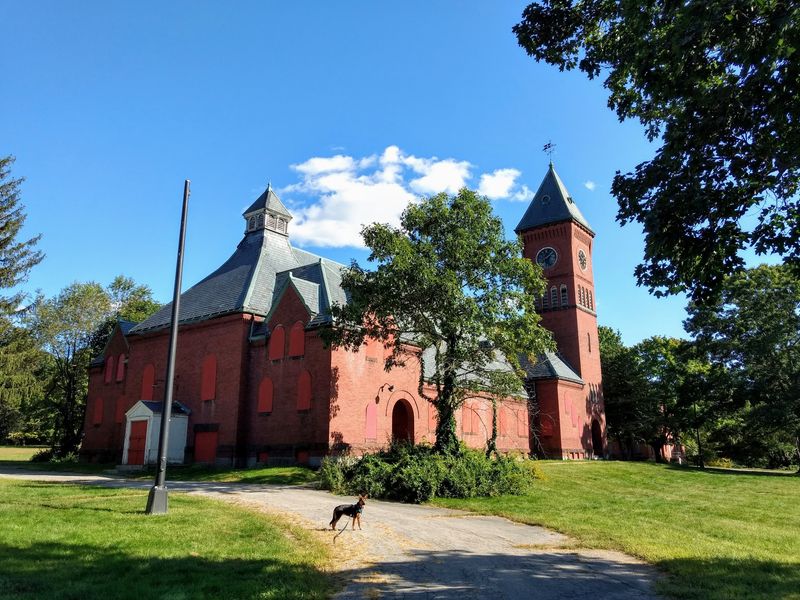
After all that spooky talk, here comes a breath of fresh air. Part of the campus is now home to Bellforge Arts Center, a nonprofit that hosts free concerts, festivals, and community events.
Yes, a place famous for ghost stories also fills the lawn with live music.
The organization runs its programs right on the historic grounds, with outdoor shows, workshops, and family activities that neighbors and visitors enjoy together. It is a lovely sign of how the campus has changed over the years.
Who would expect to find a lively summer concert at one of the most talked-about haunted sites in New England? That contrast is part of the charm.
It turns a spooky trip into a feel-good one. Attending an event here also means supporting real preservation work.
Free programming keeps art accessible to nearly everyone who shows up. Every event adds a new layer to the campus story.
The lineup changes with the seasons, so each visit might look different.
Spring could mean a festival, while summer often brings live music under the trees. It is smart to come with an open mind and comfortable shoes.
Hours and event dates vary, so always check the schedule before making the drive. A quick look ahead saves a wasted trip.
Keep in mind that this is still a historic, active site. Be polite, follow any posted signs, and stick to the public areas.
Plan A Smart, Respectful Visit
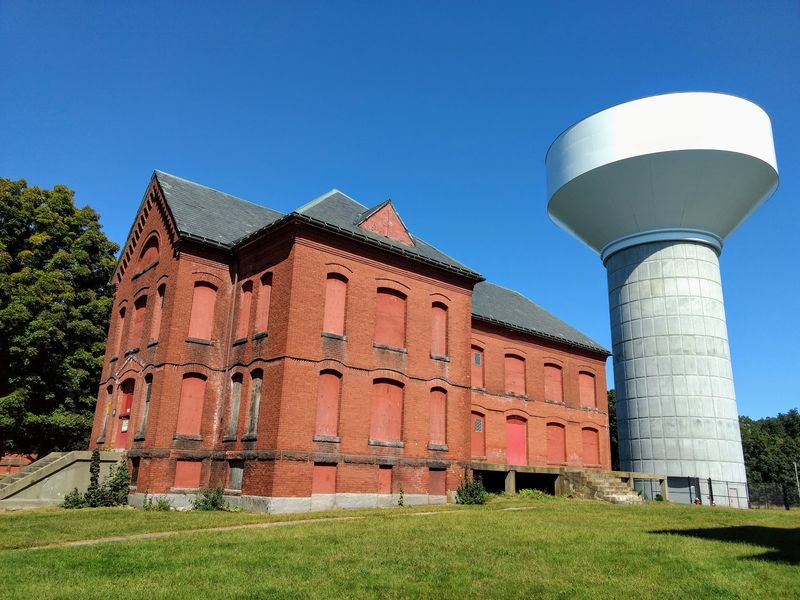
Before heading out, there is one thing every thrill seeker needs to know. The old cottages are strictly off limits.
Entering them is illegal and can lead to arrest.
The town of Medfield has posted clear no-trespassing signs around the buildings, and structural damage makes them genuinely unsafe inside. Medfield Police patrol the grounds regularly, and they take their job seriously.
It is also not a total ghost town.
Bellforge Arts Center keeps parts of the campus busy with public events, and preservation work continues on select buildings. Real people visit, create, and gather here often.
So how can curious travelers enjoy it the right way?
Many visitors say they have enjoyed calm walks on the grounds, with wide lawns, old trees, and miles of connecting trails nearby. Stay on public paths where permitted, obey every posted sign, and never enter a building.
The campus sits at 45 Hospital Road, Medfield, MA 02052, a short drive from many towns in the MetroWest area. Daytime is the best time to swing by.
Pair a stop here with a visit to other historic spots nearby.
Privacy and safety matter on a site still being cared for. The legends may be spooky, but the history is real.
Visit with care, and the stories will stay with you long after the ride home.