
The Secret Arizona Trail With Towering Red Rocks And Seriously Jaw-Dropping Views
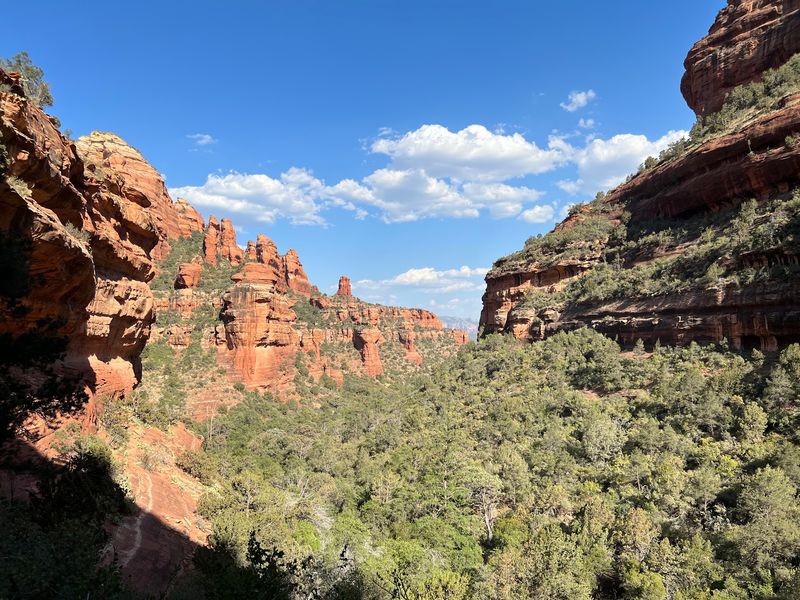
Red cliffs shoot straight up on both sides, swallowing every sound except your own footsteps.
Arizona saves this secret trail for hikers who crave quiet over crowds. Red rocks tower overhead like cathedral walls.
The path stays gentle and forgiving underfoot. Then the canyon starts playing games.
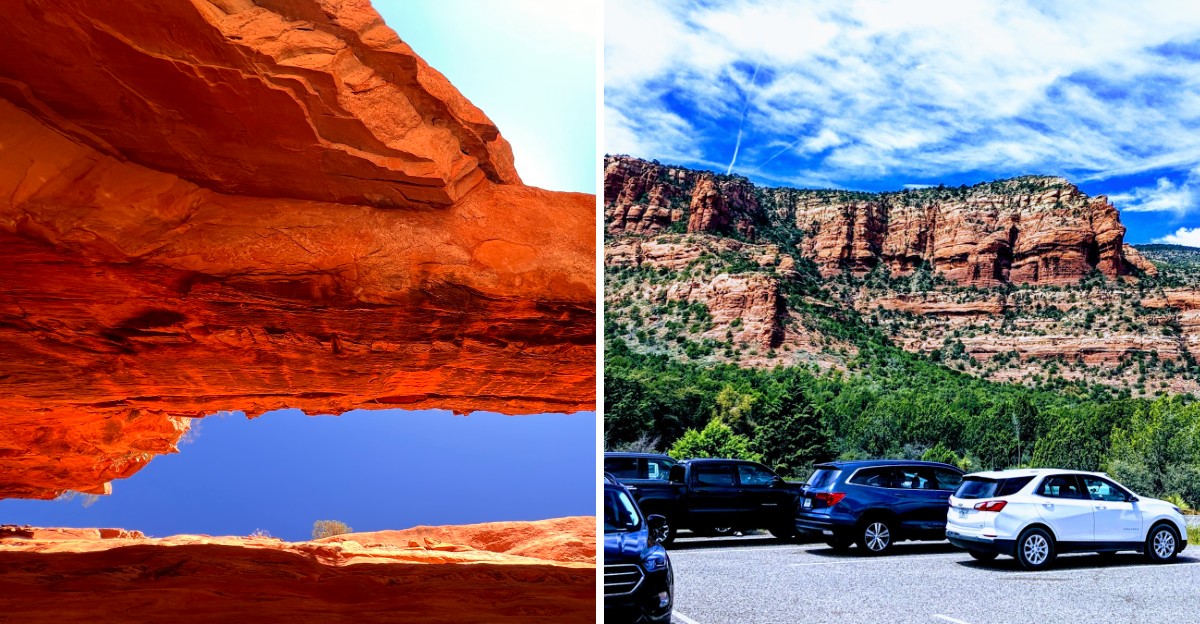
A natural arch blends so perfectly into the cliff that most hikers stroll right past it without a clue.
Spot it, scramble up, and the jaw-dropping views hit you all at once. Sunlight spills across the stone while the canyon floor rests in cool shadow.
Keep going past the final marker, and the reward gets even bigger.
Quiet, color, and a little treasure hunt make an unbeatable trio. A morning here could easily become your favorite Arizona memory yet.
The Quiet Canyon Hike With Big Red Walls
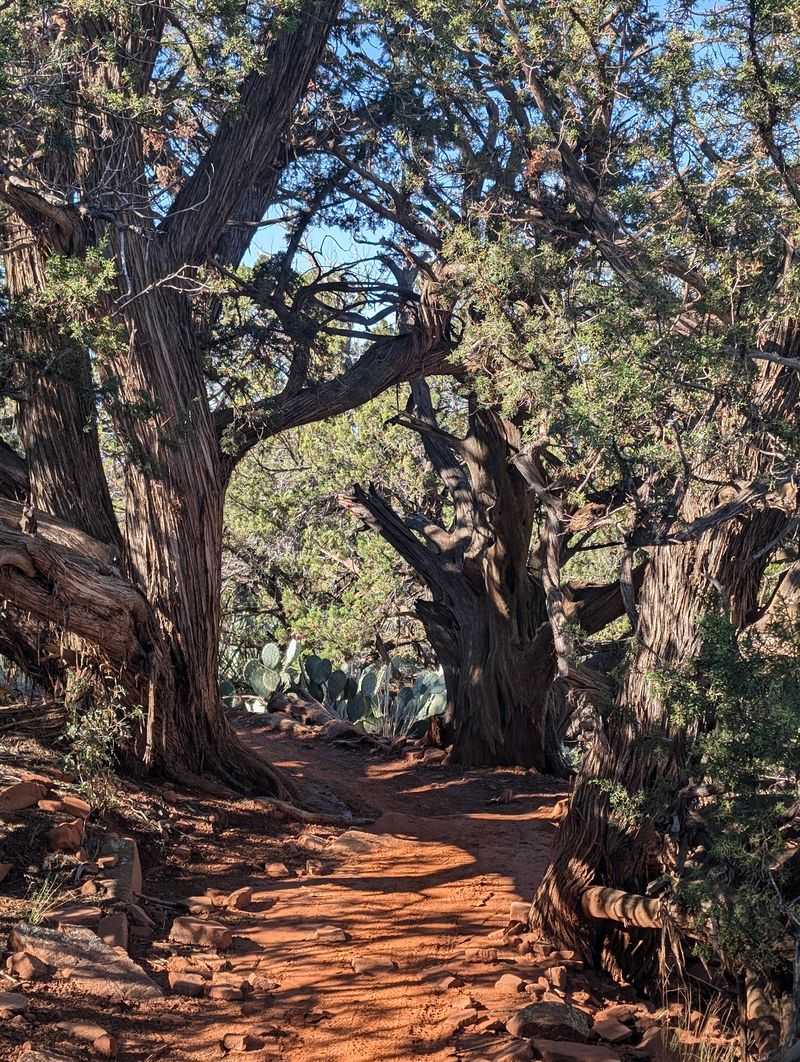
Ever wanted a red rock hike that feels almost private? Here, the soundtrack is mostly birdsong and crunching footsteps.
Fay Canyon Trail slips into a narrow box canyon on the west side of Sedona. Towering cliffs rise on both sides, walling in the path.
The main route is an easy out-and-back with very little climbing. Soft red dirt cushions each step, and the grade stays gentle most of the way.
That makes it a friendly pick for families, casual walkers, and anyone easing into desert hiking. Some rocky patches cross old, dry creek beds, so watch your footing.
Many visitors notice an almost eerie quiet once the canyon walls close in. Road noise fades fast, and the stillness gives busy brains a welcome break.
Crowds tend to be lighter here than at some of Sedona’s more famous trails. Early hours bring the best shot at solitude, though traffic can pick up later in the day.
Shade from junipers and oaks keeps the walk pleasant for much of the year. Arizona sun can be fierce, so that leafy cover counts as a real bonus.
Pack patience and a camera. Every bend seems to unveil a new wall worth staring at.
Red Walls With A Story Written In Stone
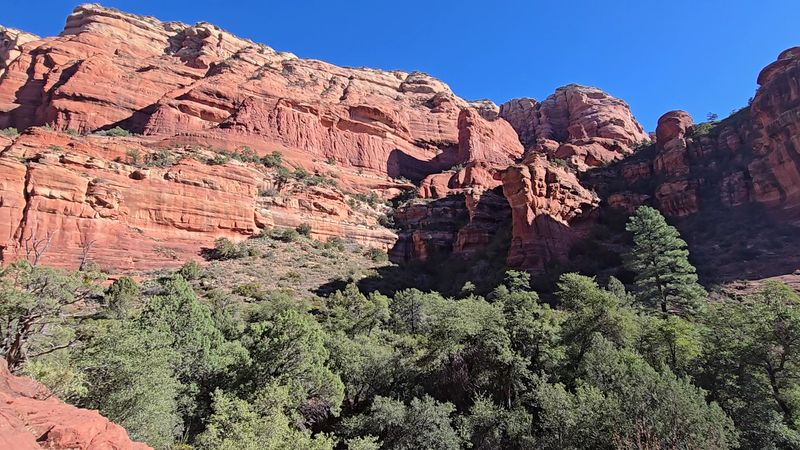
Rust never looked this good. The fiery color of these cliffs comes from iron minerals that oxidized inside the sandstone over enormous stretches of time.
Wind and water did the rest of the sculpting. Slowly, they carved ledges, alcoves, spires, and rounded shoulders into the rock.
Fay Canyon shows off these layers in a way that feels up close and personal. The walls draw nearer as the trail heads deeper, creating a snug, enclosed feeling.
Look for bands of color running sideways across the stone. Some stripes lean deep red, while others fade toward pale cream or orange.
Morning light makes those colors pop the most. Sunrise often paints the upper cliffs in a glow while the canyon floor still rests in cool shadow.
Keep an eye out for pinnacles poking up along the rim. Their jagged outlines stand out sharply against a bright blue sky.
Geology fans could spend hours reading these walls. Casual hikers will simply enjoy the show without needing a textbook.
Touching or carving the rock harms surfaces that took ages to form, so admire with your eyes. The canyon stays beautiful when every visitor leaves it untouched.
Green Life In A Land Of Red Rock
Who says the desert has to be brown and bare? This trail starts among prickly cacti and spiky yuccas that thrive in dry, sunny ground.
A little farther in, the scenery shifts. Junipers, oaks, and other trees crowd together, creating shady pockets along the path.
That green canopy sets off the red cliffs beautifully. Photographers love the contrast of leafy branches against glowing stone.
Wildflowers can add bright splashes of color during warmer months, though blooms vary with rain each year. Spring often brings the best chance for a floral surprise.
A seasonal streambed winds through Fay Canyon, but it usually sits dry. Its sandy, rocky channel still hints at the water that shapes this place during storms.
Birds flit between branches, and their calls bounce off the canyon walls. Lizards often dart across warm rocks, so slow down and watch closely.
Some hikers even spot glittering flecks in the sandy soil when sunlight hits just right. Those little sparkles make the trail floor feel surprisingly lively.
Stay on the path to protect fragile plants and soil crusts. Plenty of life survives in this corner of Arizona, and it needs a little help from careful boots.
The Arch That Loves To Play Hide And Seek
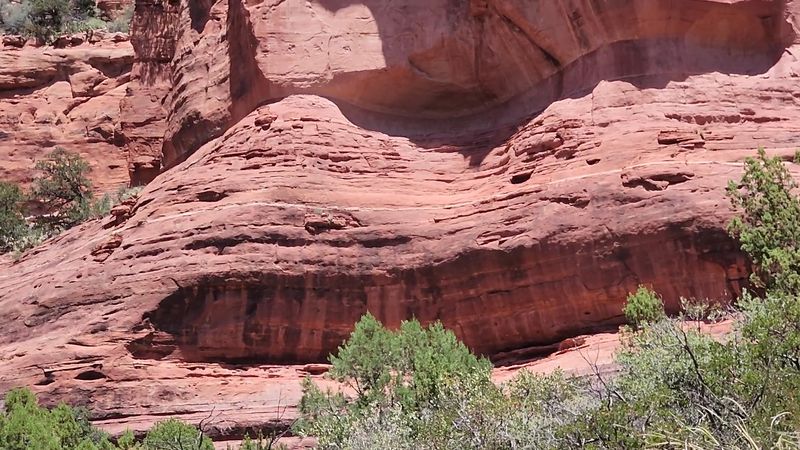
Blink and you might miss it. The famous natural arch hides so well against the cliff that many hikers stroll right past.
Roughly halfway into the walk, look to the right side of the canyon. The arch often appears as a shadowy overhang or alcove rather than an obvious window.
An unofficial spur trail branches off toward it. Rock cairns, those small stacked piles of stones, sometimes mark the turn.
The side path at Fay Canyon changes character quickly. It climbs steeper and gets rockier, with loose spots that call for steady feet and good shoes.
Expect some moderate scrambling with hands helping out now and then. Hiking poles can help on the way up, but you may want both hands free near the top.
Younger kids and nervous hikers might find the descent trickier than the climb. Coming down loose rock always takes more focus, so take it slow.
Dogs have made the trip with their owners, though the steep sections may not suit every pup. Judge your group honestly before leaving the main trail.
A downloaded map makes finding the turnoff much easier. Once spotted, the arch turns a pleasant stroll into a treasure hunt with a big reward.
Standing Under The Split Arch
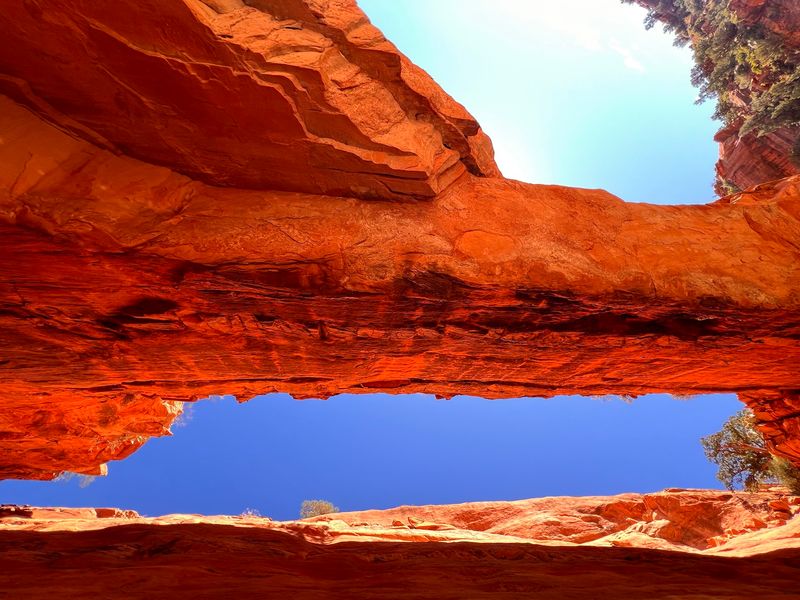
Shade, stone, and a view worth bragging about. Reaching the arch rewards climbers with a cool, shady nook carved by nature.
The formation spans a wide stretch of cliff face and looks far bigger up close. Many visitors describe it as a split arch, with a gap adding extra drama.
Standing beneath it offers welcome relief on sunny days. The rock overhead blocks the glare, and the air often feels noticeably cooler.
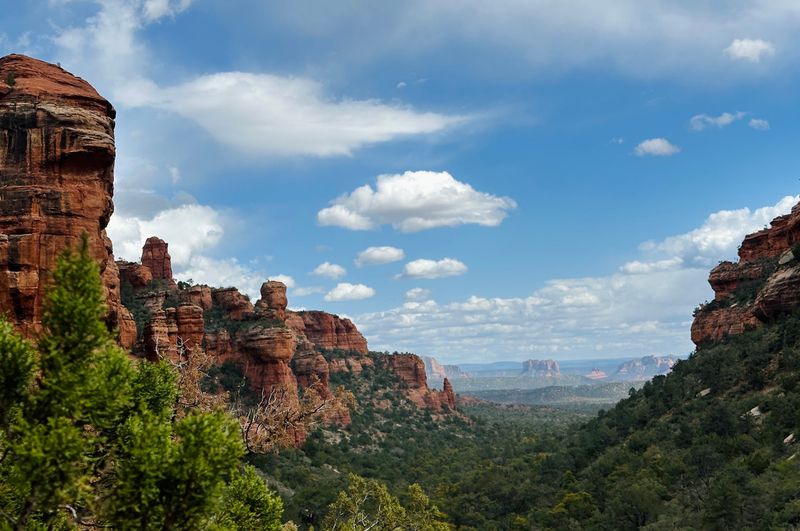
Turn around for the real payoff. From here, Fay Canyon stretches out below, with red cliffs and green treetops filling the frame.
Families often linger here, letting kids explore the sandy floor under the arch. It makes a fine snack stop before heading back down.
Some adventurous hikers scramble even higher above the arch for broader views. That route involves harder moves and some exposure, so it only suits confident climbers.
Crossing toward the arch can feel airy in spots. Take your time, test each foothold, and skip any move that feels uncomfortable.
Photos here come out stunning at almost any hour. Soft morning light tends to warm the stone, while midday sun sharpens the shadows inside the alcove.
Few trail stops in Arizona deliver this much wow for so little distance.
Beyond The End Of Trail Sign
The sign says stop, but the canyon says maybe not. At the far end of the main path, an official End of Trail marker signals the turnaround point.
Plenty of hikers turn back there and feel satisfied. Others notice a rocky slope ahead and wonder what lies above.
A short scramble beyond the sign leads up onto slickrock ledges. Expect to use hands and feet as you climb over boulders and uneven stone.
These social routes are not officially maintained, so conditions can change. Stick to the most worn paths and avoid trampling plants along the edges.
The payoff at the top of Fay Canyon impresses nearly everyone who makes the effort. Canyon walls spread out in layers, and the view reaches far beyond the trail below.
On clear days, some hikers report spotting distant Sedona landmarks from higher ledges. Visibility varies, so treat any faraway sighting as a lucky bonus.
Coming down requires more care than going up. Face the rock on steep sections, and keep your weight low for better balance.
Skip this part in wet or icy weather, when slickrock lives up to its name. A dry day and sturdy shoes make the scramble far more enjoyable.
Echoes Of Ancient Canyon Dwellers
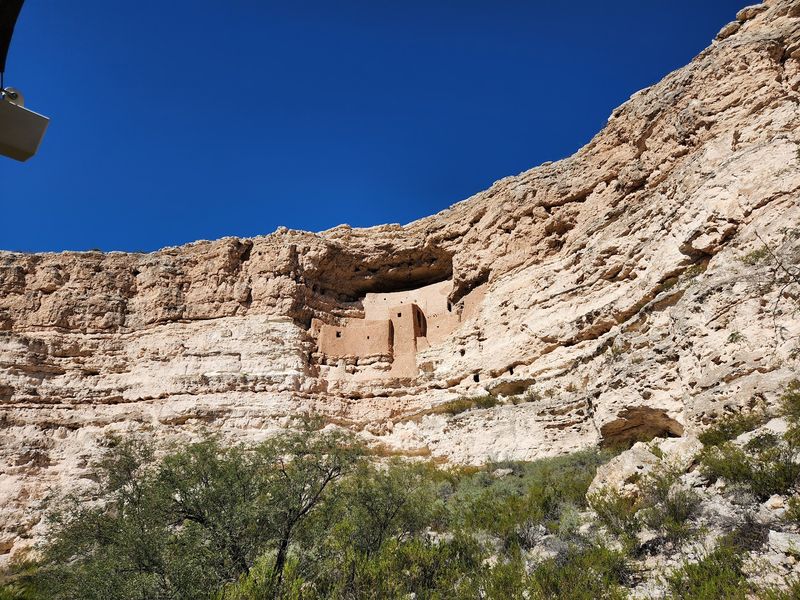
Long before hiking boots, people called this land home. Fay Canyon and nearby Boynton Canyon hold small cliff dwellings built by ancient inhabitants of the region.
These sites usually sit out of view from the main trail. Reaching them often involves rough, unmarked routes that demand solid route-finding skills.
Visiting any archaeological site comes with serious responsibility. Walls, pottery fragments, and rock art are fragile and cannot be replaced once damaged.
Never touch rock art, even lightly. Oils from skin can wear away the pigments and etchings over time.
Avoid climbing on walls or leaning against old structures. Leave every artifact exactly where it rests, since moving objects erases valuable clues about the past.
Federal law protects cultural sites on public land in Arizona. Rangers and local groups work hard to keep these places intact for future visitors.
A good rule is simple. Look, learn, take photos, and leave no trace behind.
Even without seeing a dwelling, hikers can sense the deep history here. The same cliffs that dazzle modern visitors once sheltered families who knew every plant and spring.
Picture daily life in this canyon centuries ago as you walk. That thought adds a whole new layer to the scenery.
Timing Your Trek Just Right
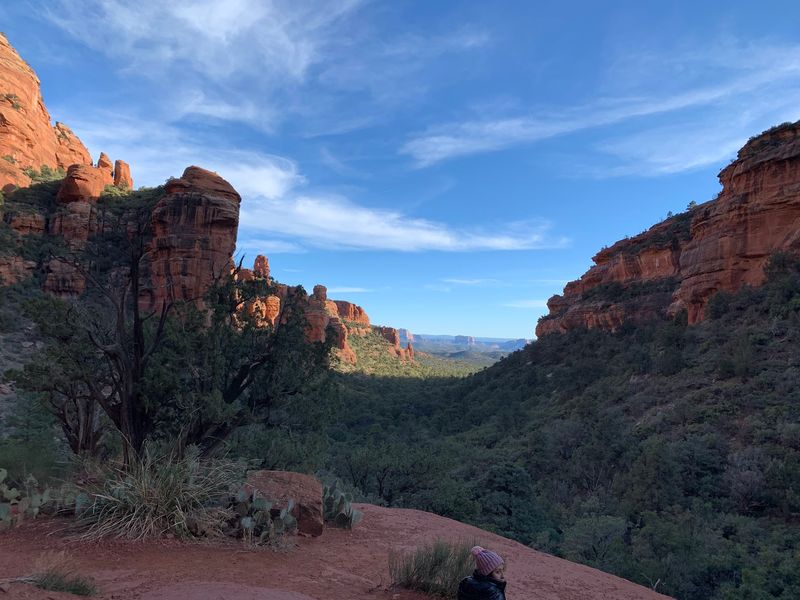
Sunrise here? Absolutely worth the alarm clock.
Early light washes the cliffs in warm color, and the trail often feels wonderfully empty.
Parking also fills up as the day goes on. Arriving early improves your odds of grabbing a spot without circling the lot.
Spring and fall usually bring the most comfortable hiking weather in Sedona. Mild days and cool mornings make those seasons a favorite for many visitors.
Summer can get hot, though shade along Fay Canyon helps a lot. Plan your hike for the morning and carry more water than you think you need.
Winter brings its own charm and some chilly surprises. The sun takes a while to climb over the tall canyon walls, so the floor can stay cold for hours.
Layers work best during cooler months. A warm jacket at the start can end up tied around your waist by the time you return.
Afternoon storms can roll in during late summer. If thunder rumbles, skip the scrambles and head back to the trailhead.
Late-day visits offer golden light too, though shadows fill the canyon early. Pack a flashlight or headlamp just in case the walk runs long.
Parking, Passes And Smart Prep
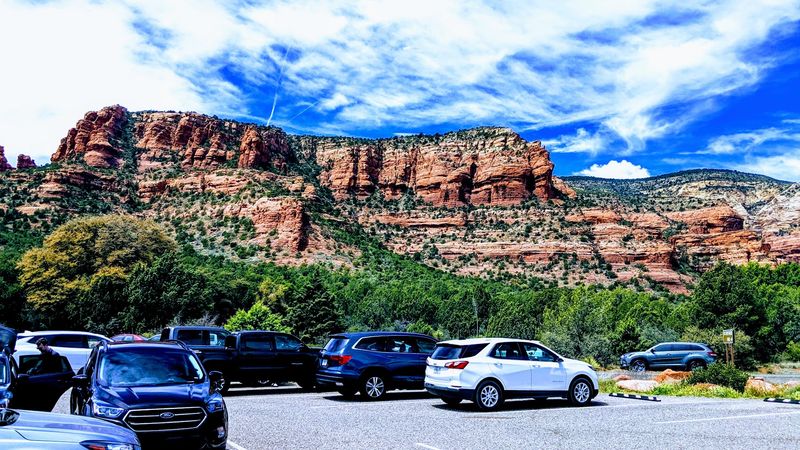
Good news first, since the logistics here are refreshingly simple. Fay Canyon Trailhead sits at Fay Canyon Trail, Sedona, AZ 86336, off Boynton Pass Road.
Here’s a detail that trips up newcomers. The trail actually starts across the road from the parking lot, so look for the signs before wandering off.
A Red Rock Pass or another valid recreation pass is needed to park. Display it clearly in your vehicle to avoid any hassle.
The lot has vault toilets, which counts as a small luxury at a trailhead. Larger vehicles have found room to park, especially during quieter hours.
Bring plenty of water, even for a short outing. Dry air in this part of Arizona drains energy faster than many visitors expect.
Sunscreen, a hat, and sturdy shoes round out the basic kit. Snacks help too, especially if the arch or the end scramble tempts you.
Leashed dogs are welcome on the trail. Hot sand can burn paws on warm days, so skip bringing pets when temperatures climb.
Mountain bikes are not allowed in this wilderness area, though hikers may share the path with horseback riders, which keeps things peaceful.
Staying On Track In The Canyon
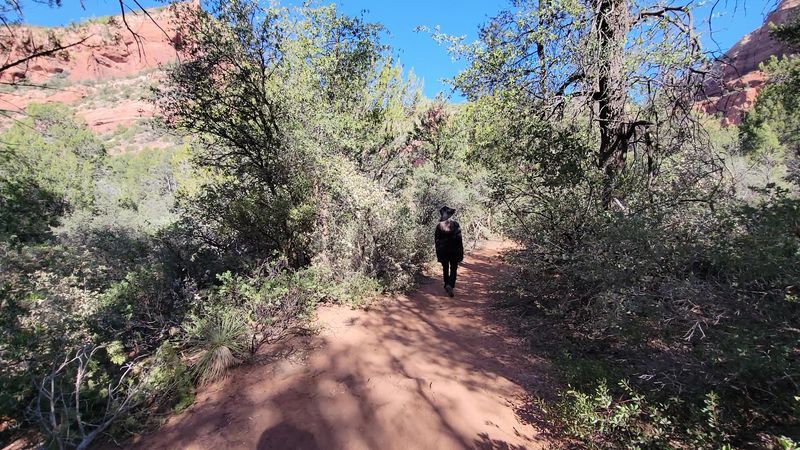
Cairns, maps, and a sharp eye make the best trail companions. The main path through Fay Canyon stays clear and easy to follow for most hikers.
Trouble tends to start at the side spur to the arch. That unmarked turnoff hides well, and plenty of visitors walk right by it.
Download an offline map before leaving town. Cell service in the canyon can be spotty or disappear completely.
A GPS app or device helps confirm your location near the turnoff. Watch for small rock stacks that sometimes point the way uphill.
Please leave those cairns alone and avoid building new ones. Extra stacks can confuse other hikers and send them down the wrong route.
Faint paths beyond the End of Trail sign require extra attention too. Pause often, look behind you, and note landmarks for the return trip.
Tell someone your plans if you head off the main trail. It is a small step that adds real peace of mind.
With a little preparation, this canyon becomes one of the most rewarding strolls in red rock country. Tall cliffs, a hidden arch, and hush-quiet trails wait for anyone willing to look closer.
Come curious and leave inspired.