
Almost Nobody Knows This Quiet Georgia Town Was Once The State Capital
Governors once signed laws in a sleepy town where the loudest sound today might be a friendly wave.
Almost nobody knows that chapter, which makes the story even sweeter. Lawmakers argued here, and a crooked law went up in flames right on the old statehouse grounds.
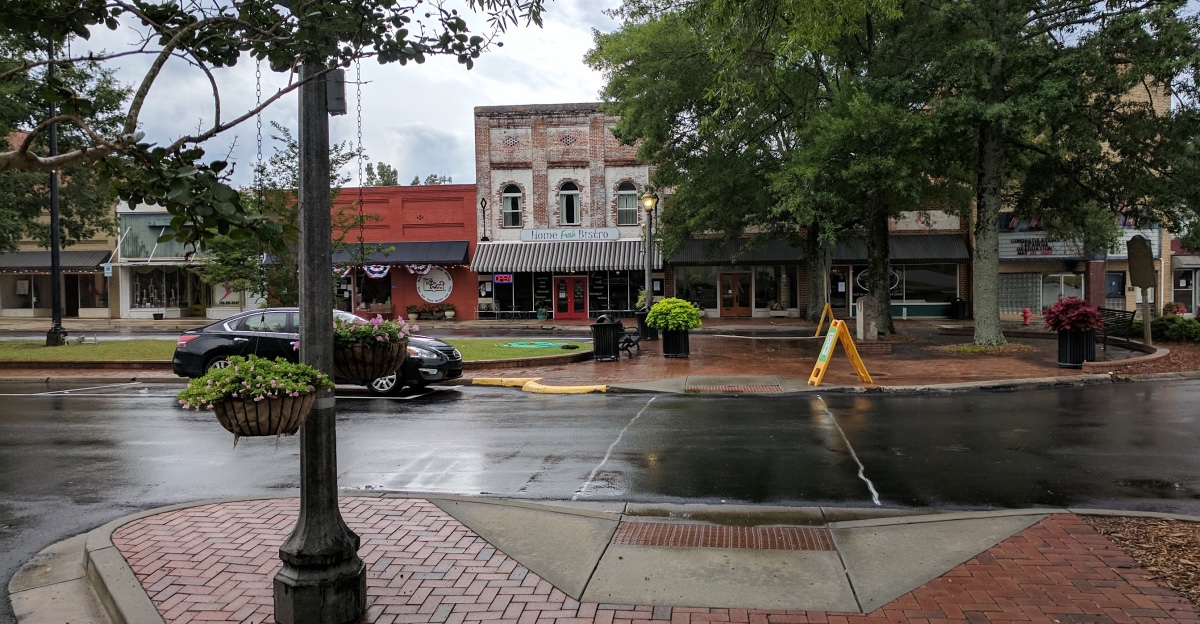
Georgia history sits in plain sight on these streets. Brick storefronts line the main road, while an old open-air market still stands proudly downtown.
Then comes the plot twist. The capital packed its bags and rolled west, leaving behind a quiet town with serious bragging rights.
Local legends still swirl around a mysterious old bell.
Curious yet? A lazy afternoon here could turn into your favorite Georgia history lesson, with plenty more stories waiting around the next corner.
Why Lawmakers Picked This Spot
Why build a capital in the middle of nowhere? The answer comes down to people on the move.
After the American Revolution, settlers pushed inland in big numbers. Upcountry families soon outnumbered folks in the older coastal counties.
These new residents wanted a seat of government closer to home. Savannah and Augusta felt too far east for their liking.
So state leaders named commissioners to hunt for a fresh site. They chose land near the Ogeechee River in Georgia’s growing interior.
The river mattered a lot. Planners hoped boats would carry crops and goods straight to the coast.
The town took the name Louisville to honor the French king. France had helped America win its freedom, and leaders wanted to say thanks.
Planners borrowed ideas from Philadelphia for the street layout. A raised statehouse would sit in a central square, with blocks spreading out at neat right angles.
Visitors can still sense that orderly grid today. Streets in Louisville feel tidy and easy to follow on foot.
Grab a paper map or phone before exploring. Tracing the old plan turns a simple stroll into a fun history puzzle.
A Grand Opening That Kept Waiting
Big plans hit a speed bump right away. Money troubles and frontier tensions slowed everything down.
The state still carried heavy debt left over by the Revolutionary War. Conflict with the Muscogee Creek Nation also seemed possible along the frontier.
Because of those worries, the statehouse sat unfinished for years. Delegates finally gathered in Louisville for a constitutional convention in the mid-1790s.
Full lawmaking sessions followed soon after. The wait had felt long, but the town finally had its moment.
Growth came quickly once the government arrived. Tobacco ruled the fields in the early years, and cotton later took over as the top crop.
Merchants opened shops and brought steady trade to town. City leaders even dreamed of making the Ogeechee River a busy shipping lane.
Education got attention too. Lawmakers once considered Louisville as a home for the state university.
That idea went elsewhere, but the town gained an academy instead. The school prepared young men for college studies.
History buffs will enjoy spotting these early chapters on local markers. Keep that slow start in mind while touring downtown, because patience clearly runs deep in this community.
Where The Statehouse Once Stood
Picture candles flickering while lawmakers argued late into the night. That scene once played out right in the heart of this town.
Louisville served as the capital for a little over a decade, from 1796 to 1807. It became the third capital in Georgia’s history.
The governor worked here, and the legislature met here. Big choices about land, money, and the frontier all came through these streets.
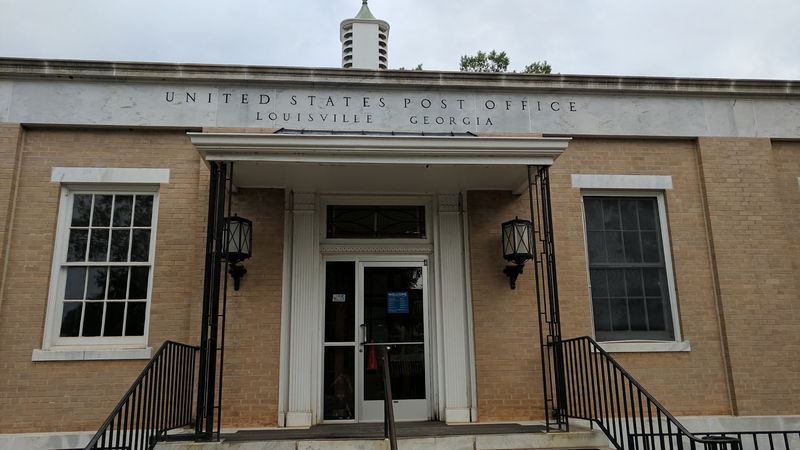
The original statehouse is gone now. In its place stands the Jefferson County Courthouse, built in the early 1900s.
The courthouse anchors the town square with a stately look. Its tall walls and classic lines make it easy to spot.
Stand on the lawn for a moment and look around. The courthouse sits on the same ground where early state leaders once gathered.
Photographers should try visiting in the soft light of early morning or late afternoon. The building glows nicely, and the square stays calm.
Remember that this is a working courthouse. Respect any posted rules, and keep voices low near entrances during business hours.
Even without the old statehouse, the spot carries real weight. Few small towns can claim they once held the keys to an entire state.
The Day A Crooked Law Went Up In Smoke
Ever heard of lawmakers setting a law on fire on purpose? It happened here, and folks still talk about it.
The trouble began with the Yazoo land scandal in the mid-1790s. Lawmakers had sold huge stretches of western land to private companies for very little.
Word spread that many of them had been bribed. Voters grew furious and demanded a fix.
A new legislature swept into Louisville promising to undo the deal. They cancelled the sale and decided to make a very public statement.
On the statehouse grounds, they burned the hated act in a bonfire. Local lore claims someone used a magnifying glass and sunlight to start the flames.
Historians debate that detail, but the story stuck. It became one of the most famous moments in early state politics.
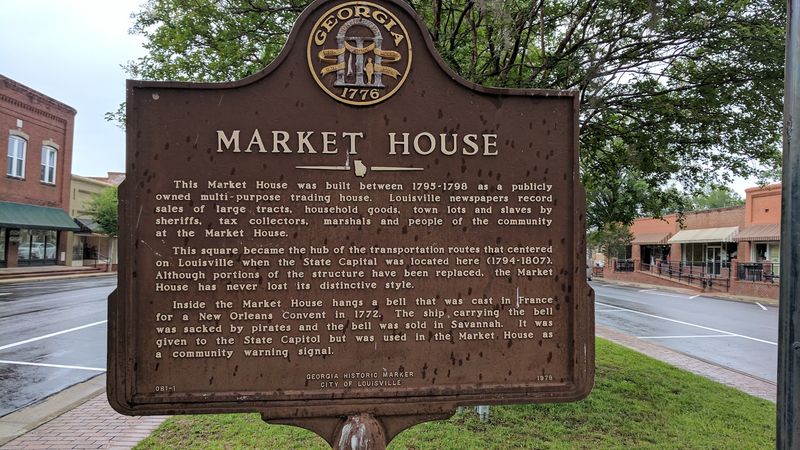
A historical marker in town now remembers the event. Reading it offers a quick, fascinating lesson about honesty in government.
Families with kids can turn the marker into a fun talking point. Ask young travelers what they would have done about the scandal.
Few towns can say a bonfire changed history. In Louisville, a little smoke helped clear the air.
The Old Market House Still Standing Tall
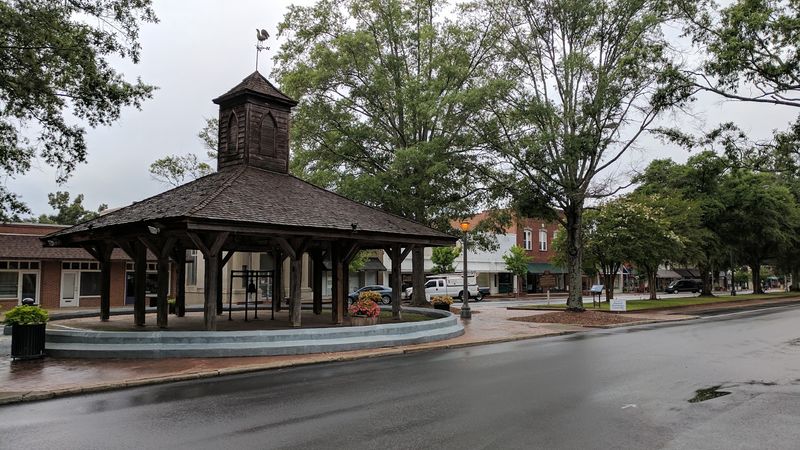
Old wooden beams have plenty of stories to share. The Old Market House may be the most famous landmark in town.
Records often date the structure to the late 1700s. That age places it among the oldest public buildings still standing in the state.
The market sits right in the middle of downtown Louisville. Long ago, roads met here, and traders gathered to buy and sell.
Farmers brought crops in from the countryside. Townsfolk came for goods, news, and friendly chatter.
On busy days, the square must have felt crowded and loud.
Today, the open-air building sits on the National Register of Historic Places. That listing helps protect it for future visitors.
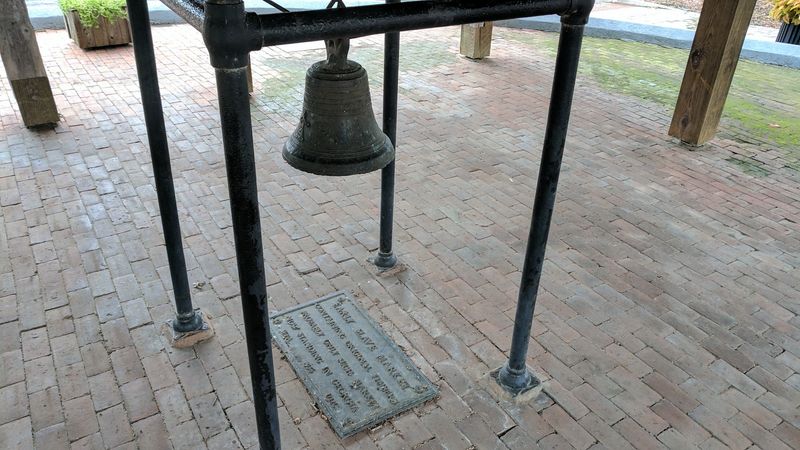
A small tower on top gives the market its classic look. Many visitors pause to snap photos beneath its sturdy frame.
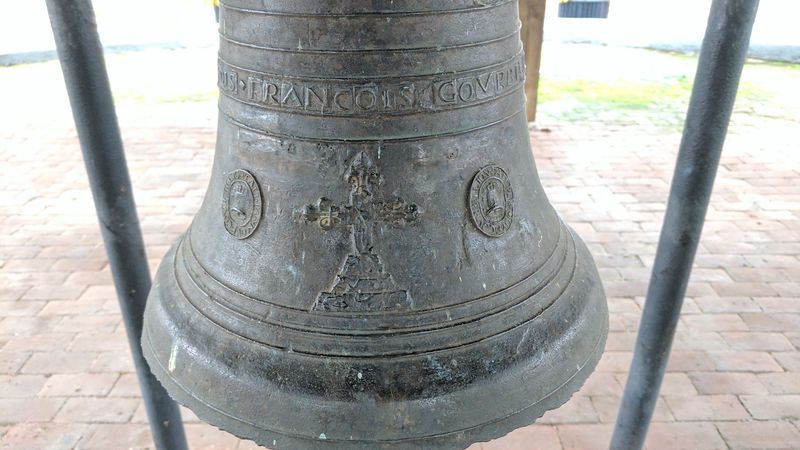
Local legends swirl around the old bell and its past. A few tales may be more fun than factual, so enjoy them with a smile.
The market works best as the first stop on a downtown stroll. It helps visitors understand how the whole town grew around trade.
Bring comfortable shoes and take your time. The Old Market House rewards anyone who slows down and looks closely.
Why The Capital Packed Up And Left
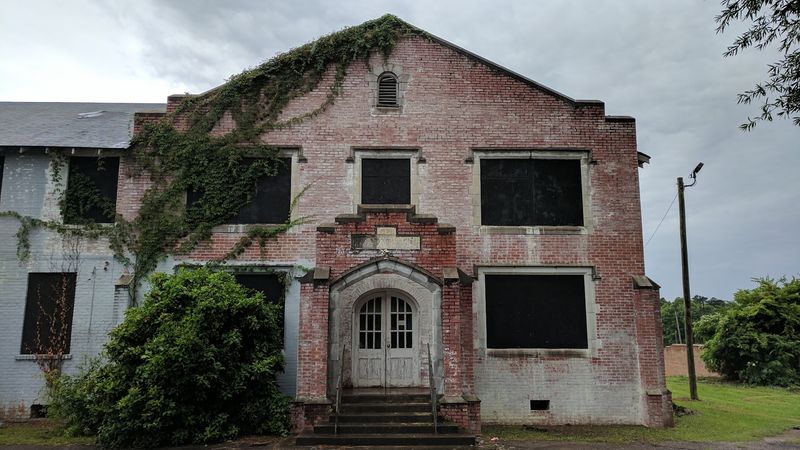
Fame can fade fast, even for a capital. Louisville held the title for only about ten years.
Several problems piled up during that short run. Critics worried about fevers that struck people living near the river’s swampy lowlands.
Trade also fell short of big hopes. The Ogeechee River never became the busy shipping route leaders had imagined.
Meanwhile, Georgia kept stretching westward. New settlers wanted a capital closer to their farms and towns.
By the early 1800s, lawmakers packed up and moved to Milledgeville. That city sat closer to the center of the growing population.
Louisville then took on a new role as the county seat. Life slowed down, but the town never lost its pride.
Visitors often find this chapter the most surprising part of the story. Power left, yet the buildings and memories stayed behind.
The move also explains why so few people know this history. Once the capital label vanished, the spotlight shifted elsewhere.
Local markers explain the move in plain terms. Reading them helps connect the dots between each chapter.
Think of a visit here as a chance to hear the other side. Every lost title leaves behind a town with stories worth sharing.
Broad Street Brings History To Life
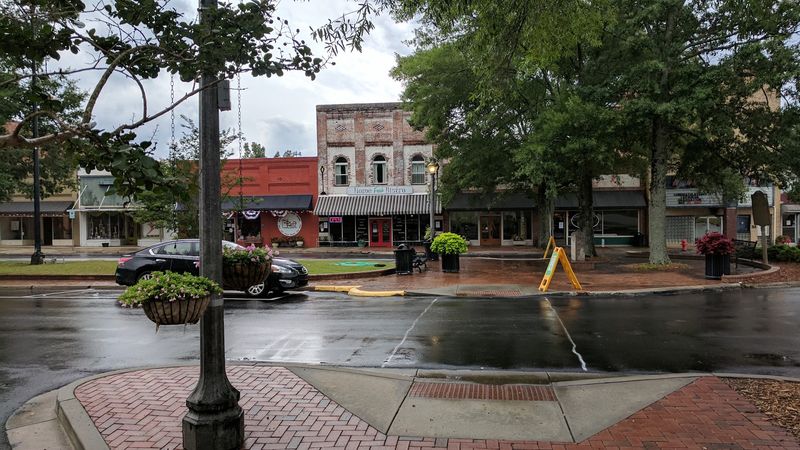
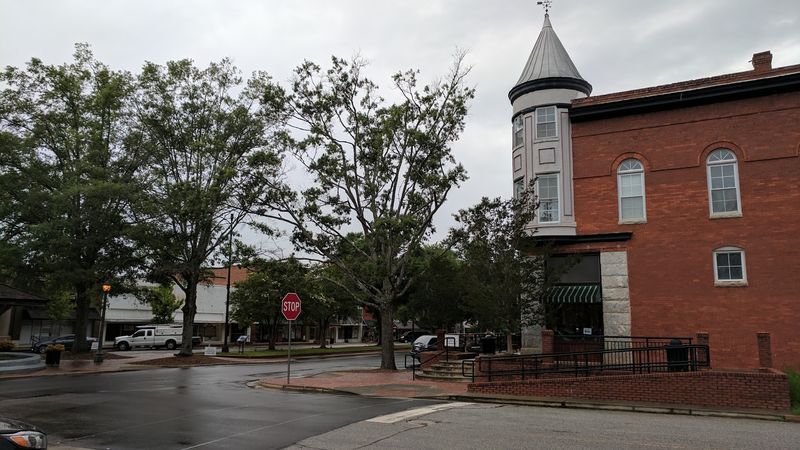
Main streets tell the truth about small towns. Broad Street in Louisville does it with brick storefronts and easy charm.
The Louisville Commercial Historic District surrounds this main road. It holds a collection of older buildings listed on the National Register of Historic Places.
Many storefronts carry historic plaques that explain their past. Reading them turns window shopping into a mini history class.
Locally owned shops line the sidewalks. Family-run restaurants serve Southern comfort food with a side of friendly conversation.
Visitors should plan to eat at least one meal downtown. Supporting small businesses keeps these old buildings full of life.
Parking usually feels easy in a town this size. Park once, then explore everything on foot at a relaxed pace.
Look up while strolling past the shops. Old details above the windows often reveal the original style of each building.
Friendly waves between neighbors add to the small-town feel. Weekday visits tend to feel quieter, while local events can bring more buzz.
Checking the community calendar ahead of time helps set expectations. Broad Street proves that history does not need velvet ropes, since it lives right alongside coffee cups and shopping bags.
Art Blooms In An Old Fire Station
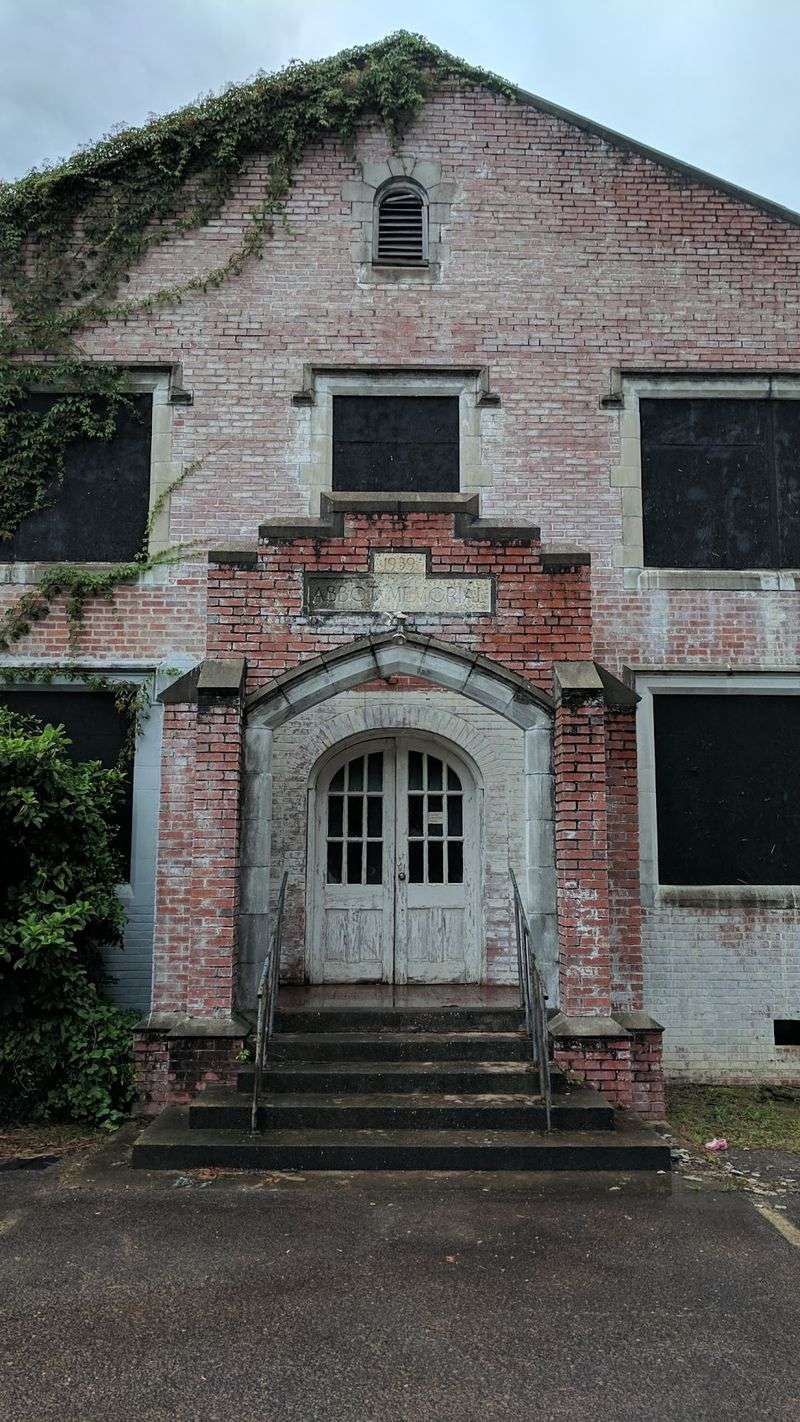
Who expects fine art inside a former fire station? Louisville pulls off that surprise with style.
The Fire House Gallery fills a restored historic firehouse downtown. It showcases Southern and rural art made by talented regional artists.
The building itself adds charm too. Its historic bones make every exhibit feel warm and welcoming.
The Arts Guild of Jefferson County helps keep the creative scene going. Members support local artists and bring shows to the community.
An annual spring exhibit highlights work by local artists and others across the state. It gives visitors a great reason to plan a trip in spring.
Paintings, crafts, and other pieces often reflect everyday rural life. Fields, farms, and small-town scenes show up in fresh and colorful ways.
Many works may be available for purchase. Buying a piece supports local creators and brings home a one-of-a-kind souvenir.
Exhibits can change over time, so each visit may feel different. Calling ahead helps confirm what is on display.
Kids often enjoy galleries more than parents expect. Encourage them to pick a favorite piece and explain why they like it.
The old firehouse once answered alarms. Now it sparks imagination instead, and Louisville is better for it.
Tracing Family Roots At The Historical Society
Curious about great-great-grandma’s hometown? The Jefferson County Historical Society might hold the answer.
The society sits at 112 West Broad Street in downtown Louisville, Georgia, inside the historic Knights of Pythias Building.
Volunteers maintain an organized collection of genealogy files. Researchers can trace family lines that stretch back generations.
Old records, photos, and papers help paint a clearer picture of local life. Each file adds another piece to the puzzle.
Travelers researching their roots should gather names and dates before arriving. A little homework makes the visit far more productive.
Staff and volunteers can often point people toward helpful sources. Asking questions politely usually opens doors to hidden treasures.
Here is a fun fact to share at dinner. Locals pronounce the town name as Lewis-ville, which sets it apart from the Kentucky city.
Pride in that difference runs deep here. The society helps keep such small details alive for new generations.
Even visitors without family ties can enjoy a stop. Browsing local history adds depth to everything seen around town.
Leave with a notebook full of stories. Louisville has plenty to share.
Slow Days And Sweet Farm Fun

Time moves differently here. Life in Louisville follows a slower, friendlier rhythm that visitors notice right away.
The town is home to only a few thousand people. Neighbors wave, and strangers often get a warm greeting.
Outdoor fun sits close by. Parks, fishing spots, and wide rural views offer easy ways to unwind.
Sunny Day Farms adds seasonal treats to the mix. Depending on the time of year, visitors may find strawberry picking or a corn maze.
Spring and fall often bring the most comfortable weather for outdoor plans. Summer days in Georgia can feel very hot and sticky.
Community events and seasonal celebrations pop up through the year. They offer a friendly peek into local life.
Pack sunscreen, water, and a flexible schedule. Bring a picnic and enjoy a quiet afternoon under shady trees.
A trip to this former capital blends history with plain, simple fun. Lawmakers, traders, and artists all left their mark on these streets.
Most travelers still rush past on the highway. Those who stop discover a town that once ruled a state and still knows how to charm.