
Migrating Cranes Stop At This Nevada Desert Oasis With Shaded Trails And A Visitor Center
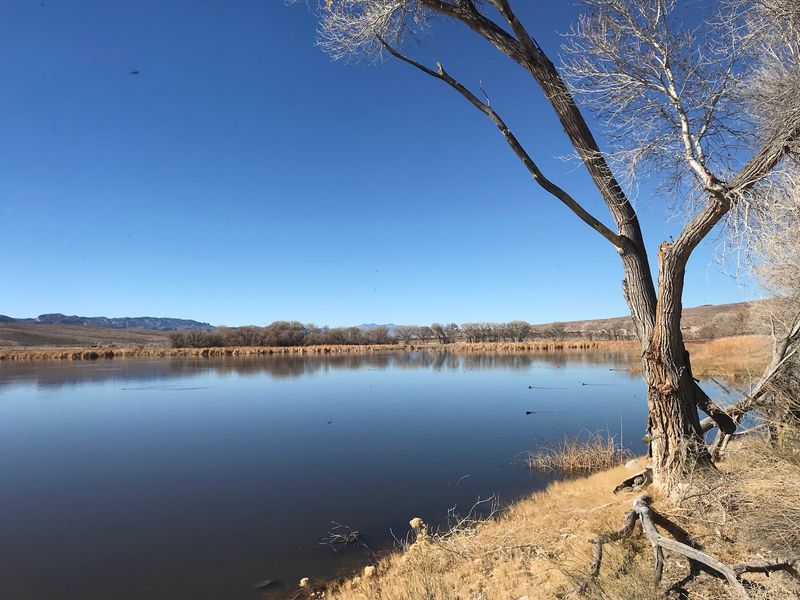
The plan was simple: stop for five minutes, stretch, and keep driving across the empty Nevada desert. Then a line of green trees showed up where nothing green should be, and tall gray birds were strolling through a wet meadow like they owned the place.
Those five minutes turned into an entire afternoon of shady trails, free exhibits, and more wildlife than seemed possible in such dry country. It turns out this quiet stop is one of the most important resting spots for migrating cranes in the state, and it costs nothing to enjoy.
Wetlands on the Road North of Las Vegas
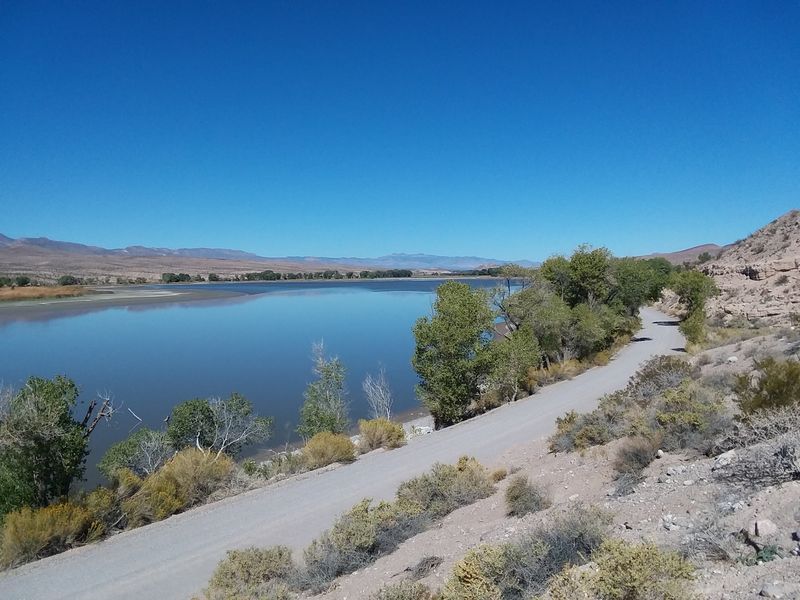
Picture a long run of brown hills along US Route 93, then a sudden ribbon of green trees and bright water. That jolt of color is how most travelers meet the Pahranagat National Wildlife Refuge, a 5,382-acre wetland in the Nevada desert north of Las Vegas.
The headquarters sits off HQ Entrance Road near the small community of Alamo.
The refuge is managed as a wildlife area, so birds and other animals come first here. Two lakes sit several miles apart along the highway, and visitors describe the whole valley as a true oasis.
Plenty of people pull over just to stretch their legs, then stay longer than they planned.
Why does that matter for your wallet? Admission is free, and the trails stay open from sunrise to sunset all year.
A family can spend a full morning watching birds, walking shaded paths, and touring exhibits without paying an entrance fee.
The spot also works as a natural break on longer drives, including trips between Las Vegas and Great Basin National Park. Bring snacks, water, and binoculars, and the stop can easily stretch into a relaxed half day.
Staff at the visitor center can point you toward whichever trail fits your time and energy.
A Paiute Name With Two Meanings
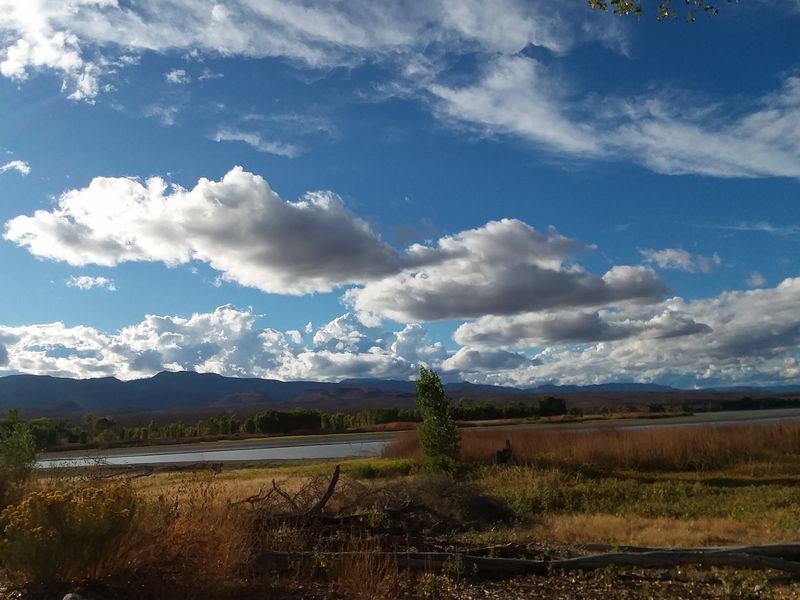
Feet sticking in water. Valley of shining water.
Both translations have been offered for the Paiute word Pahranagat, and after one visit, either one feels fitting.
The first meaning hints at soggy ground and marshy edges, the kind of footing you might find near the lakes after a wet season. The second paints the scene from a distance, when sunlight bounces off the water and the valley seems to glow against the dry hills around it.
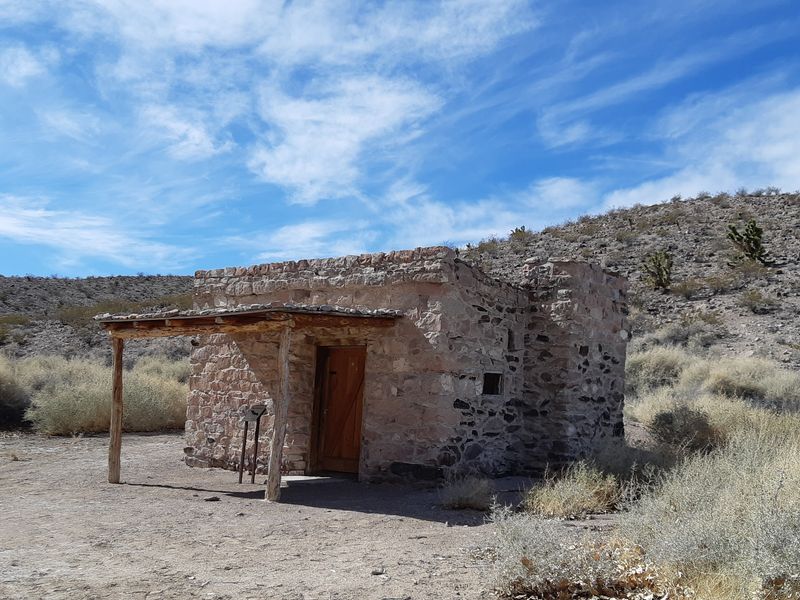
History runs deep here in other ways too. Settlers once lived along this water, and their old cabins still stand at the end of a short trail.
Visitors often mention a petroglyph house and a railroad tie house as highlights, both showing how people made homes out of what the land offered.
Inside the visitor center, exhibits explain how this water source has shaped Nevada, both long ago and today. It is a helpful reminder that in a state known for dry country, a single well-watered valley can support birds, plants, and people all at once.
Kids who like puzzles and old stories tend to enjoy connecting the name to what they see outside.
Sandhill Crane Season
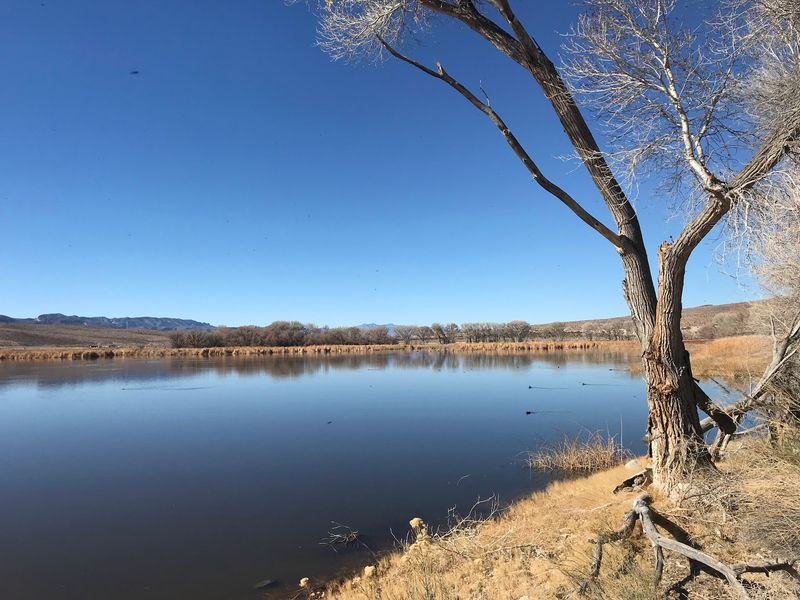
Tall, gray, and wearing a splash of red on their heads, Greater Sandhill Cranes are the headline act at this refuge. They drop into the grasslands and wet meadows during spring migration, usually in February and March, and they return again on their fall journey.
Why stop here? The refuge sits along the Pacific Flyway, a major travel route for birds moving between northern nesting grounds and warmer winter homes.
In a desert with few places to rest and refuel, these wetlands act like a highway rest area for thousands of waterfowl and songbirds.
Timing makes a big difference. Wildlife is most active in the early morning and late evening, so plan to arrive near sunrise or linger until the light turns golden.
Midday visits can still be pleasant, but the birds are often tucked away and quieter.
Bring binoculars if you have them, and walk slowly along the meadow edges. Cranes can be shy, so a patient pair of eyes usually spots more than a noisy group.
Staff inside the visitor center may be able to share where birds have been gathering lately, which can save you some wandering.
More Than 260 Bird Species and a Few Surprises
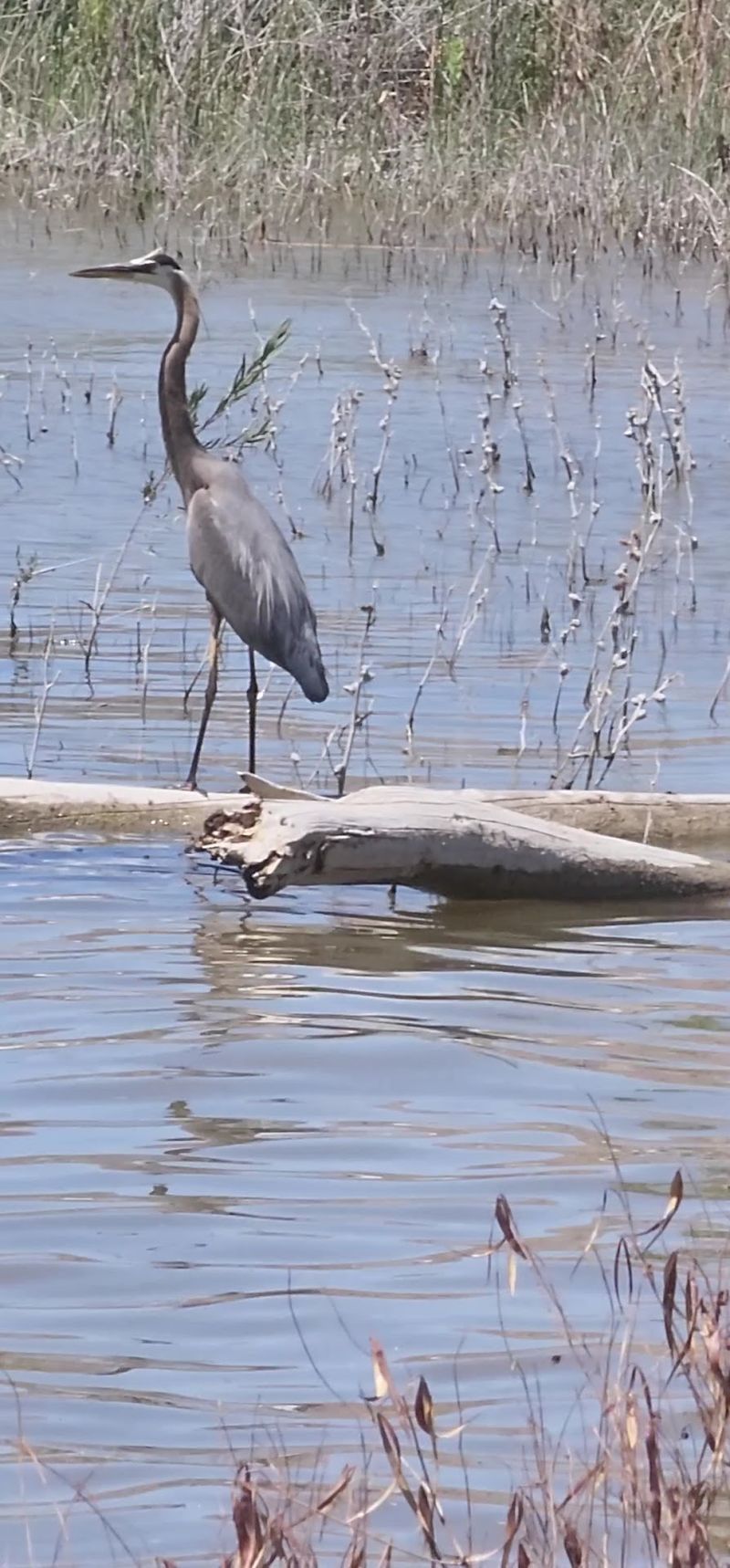
A single checklist here can fill up fast. More than 260 bird species have been recorded at the refuge, which means even a short walk may turn up something new for beginners and longtime birders alike.
Ducks, geese, and swans gather on the open water through much of the year. Look higher and you might catch a bald eagle perched in a tall tree or an osprey circling above the lake, scanning for fish.
Songbirds flit through the cottonwoods and willows near the headquarters, especially during spring and fall.
Birds are not the only locals. Visitors have spotted deer resting in the trees along the trails near the visitor center, a quiet surprise that tends to thrill children.
Some guests also come for fishing at the lakes, so check current rules at the visitor center before you cast a line.
Here is a simple trick for families: turn the walk into a search game. Give each child a list of birds to find, from a duck to an eagle, and let them mark what they see.
It costs nothing and keeps young eyes busy the whole time. Early risers usually get the longest lists.
Exhibits, a Short Film, and Friendly Rangers
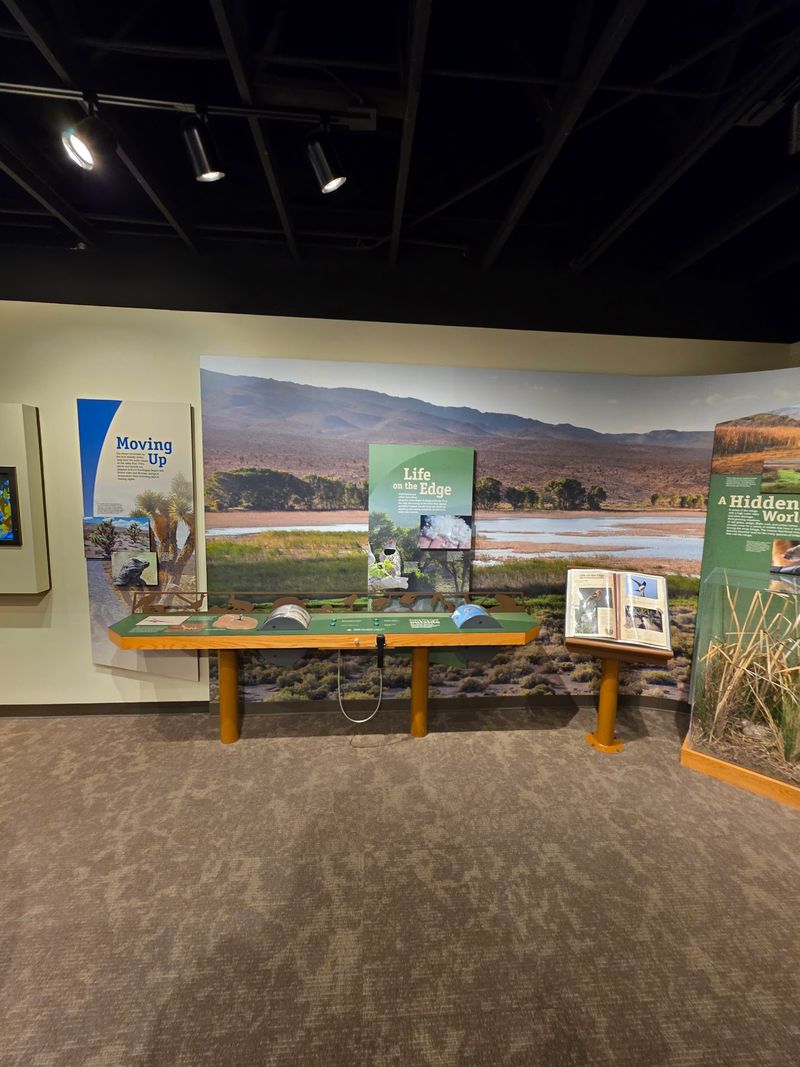
Cool air hits you the moment you step inside, a welcome relief on a warm Nevada afternoon. The visitor center at the refuge headquarters makes a smart first stop, especially if you want to know what you are looking at before hitting the trails.
Interactive exhibits cover the wildlife, plants, and water that make this valley so unusual. A short film gives a quick overview, and it is a good way to rest tired feet while learning something.
Visitors often say the displays feel more polished and informative than many they have seen at larger parks.
The people behind the desk might be the best feature of all. Staff and volunteers share details about local plants and animals, and guests regularly describe them as kind, patient, and genuinely happy to help.
One family recalled rangers handing their children a bag filled with educational goodies.
Kids can also join the Junior Ranger program, which connects this refuge with three other wildlife refuges in southern Nevada. Completing activities at each one can turn a single outing into a longer adventure for the whole family.
Clean restrooms, drinking water, and even Wi-Fi round out the building’s comforts.
A Visitor Center That Powers Itself
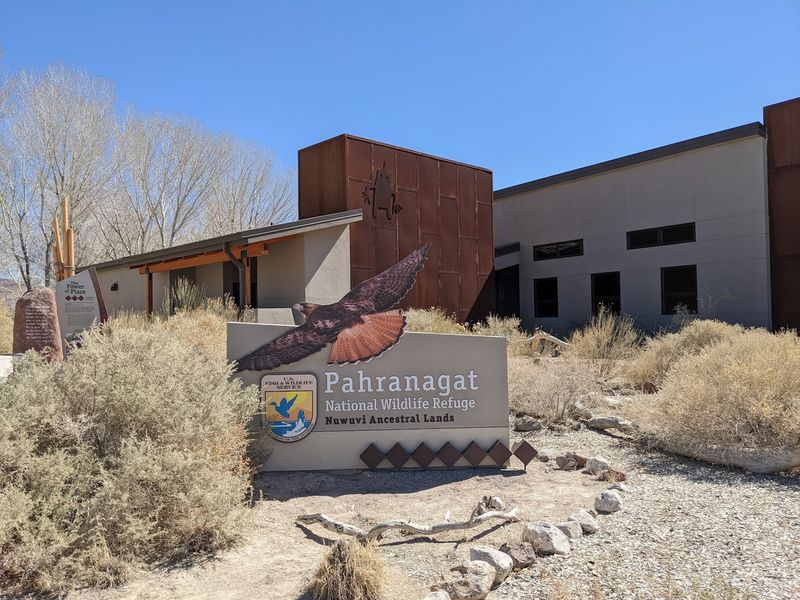
Here is a fact that surprises many guests: the building produces as much energy as it uses. The headquarters visitor center has reached net-zero energy status, and it also holds LEED Silver accreditation for green design.
What does that mean in plain terms? Net-zero means the structure balances its power needs with clean energy over time.
LEED Silver is a recognized certification that rewards buildings for saving water, cutting waste, and using materials wisely.
For a refuge built around protecting wildlife, the design makes sense. A building that treads lightly on the land fits the mission of keeping this wetland healthy for cranes, ducks, and everything else that relies on it.
Children who are learning about the environment at school may find this part especially interesting. It offers a real-world example of the ideas they read about in textbooks, right in the middle of the Nevada desert.
Parents can point out how the building stays comfortable while using energy carefully.
Guests who visited when it was new described it as fresh and nicely built, and more recent visitors still note how well maintained everything looks. It is a modern space that does not distract from the natural setting outside its windows.
Shade Under the Cottonwoods: The Loop and Cabin Trails
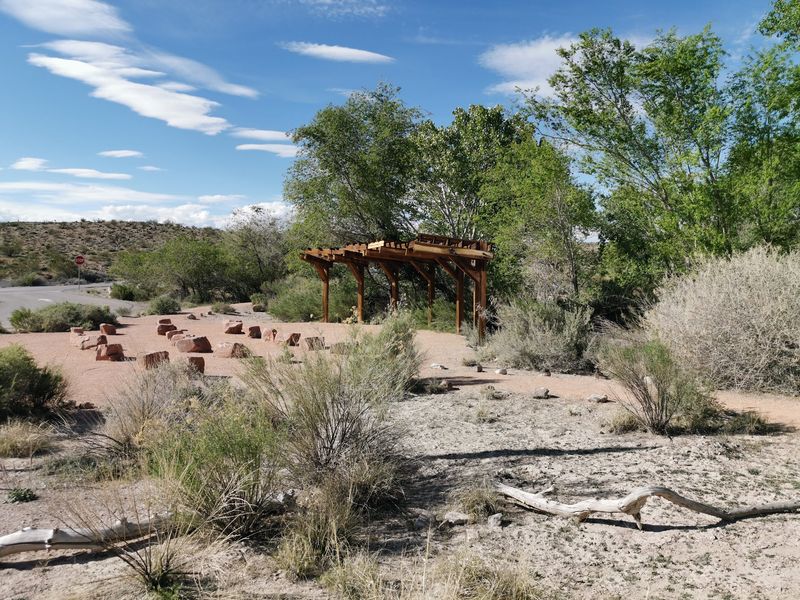
Tall cottonwoods and willows lean over the path, and the temperature seems to drop a few degrees under their branches. That shade is the main draw of the Pahranagat Loop, a 0.4-mile path that starts near the visitor center.
The loop is ADA accessible, so wheelchairs, strollers, and slower walkers can all enjoy it. Those same trees provide prime habitat for songbirds, so keep your ears open for chirps and rustling leaves as you go.
Just nearby, the Cabin Trail offers another easy option. It runs 0.4 miles one way and is also ADA accessible, leading to historic settler cabins that give a glimpse of how early residents lived beside this water.
Visitors frequently point to the old buildings as a favorite part of the stop.
Most trails here use packed gravel or dirt, with some paved sections added for accessibility. Sturdy shoes are a good idea, but you will not need serious hiking gear for these short walks.
For grandparents traveling with little ones, these paths hit a sweet spot. They are short enough to finish before anyone gets cranky, shady enough for warmer days, and packed with small discoveries along the way.
Longer Walks Around Upper Lake and Up the Davenport Trail
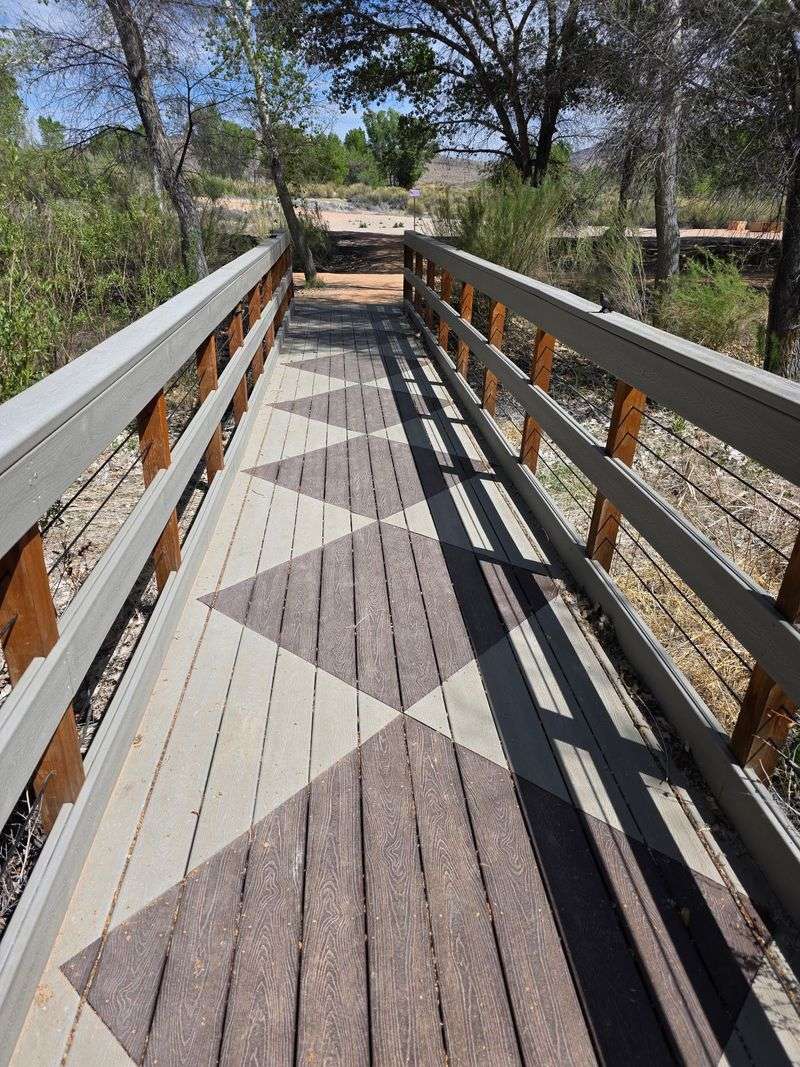
Ready for more miles? The Upper Lake Trail circles the lake for 1.4 miles, and walkers can stretch it into a 3-mile loop.
One longtime camper described the lakeside route as level and hard-packed, which makes it friendly for most fitness levels.
Water stays in view for much of the walk, so it is a natural place to scan for ducks, geese, and swans. Morning light on the lake can be especially lovely, and the open views make it easy to spot birds from a distance.
The Davenport Trail brings a change of scenery. It is a moderately challenging 1.7-mile route that climbs into upland desert habitat, offering wide views across the valley before dropping down to meet the Upper Lake Trail.
The contrast between dry slopes and green wetland is striking from above.
Because the Davenport climbs, it is better suited to teens and active adults than toddlers. Bring plenty of water, wear a hat, and avoid the hottest part of the day in summer.
Pairing the two trails creates a satisfying outing that shows both sides of the refuge. You will walk through shimmering marsh and rugged desert in a single trip, all without paying a dime.
Picnic Tables, Clean Restrooms, and Free Lakeside Camping
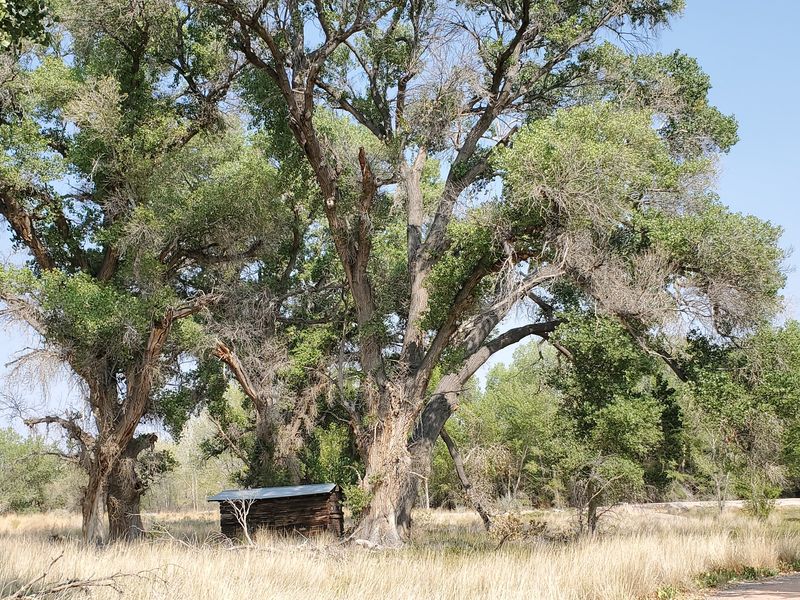
Lunch with a view costs exactly nothing here. Picnic areas are scattered around the refuge, and some offer shade, which matters a lot on a sunny Nevada day.
Visitors often call the headquarters a perfect place to pause for a packed meal.
Clean restrooms come up again and again in visitor comments, both at the visitor center and near the campsites. Vault toilets serve other parts of the refuge, so it helps to know where the nicer facilities are before you set out.
Want to stay overnight? Free camping is available at Upper Pahranagat Lake on a first-come, first-served basis.
Returning campers say they usually manage to find a spot, and some mention seeing RVs parked along the water early in the camping season.
For budget-minded travelers, that is a big deal. A family could spend an entire weekend birding, walking, and picnicking while their only real costs are gas and groceries.
Pack snacks, water, and trash bags so you can leave the area as clean as you found it. Arriving earlier in the day may improve your chances of grabbing a good campsite, especially during busy migration weekends.
Fall Color, Quiet Sunsets, and Who Will Love It
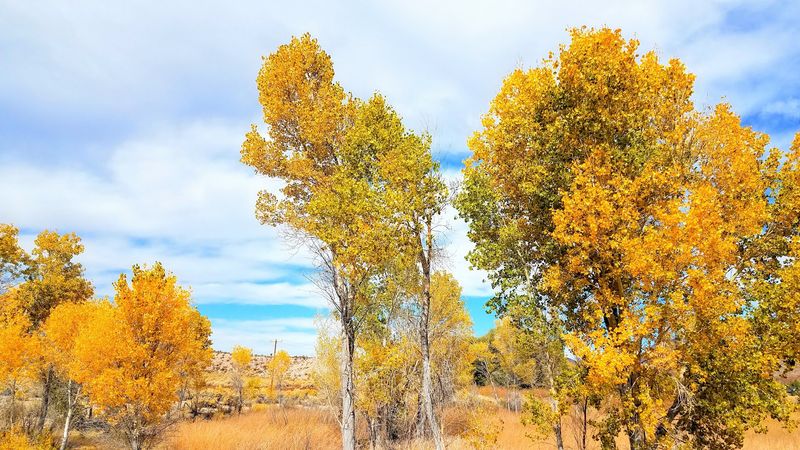
Golden leaves drifting over still water, and hardly a sound except birdsong. Autumn visitors describe the refuge as an exceptional spot for fall color, when the cottonwoods turn bright against the desert browns.
Evenings bring their own reward. Guests have mentioned watching beautiful, peaceful sunsets here, a calm way to end a day of driving.
The word peaceful comes up often, and the quiet feels different from busier parks where crowds fill every overlook.
So who fits best? Retirees looking for a free, low-key outing will find easy trails, shady paths, and helpful staff.
Families get Junior Ranger activities, wildlife sightings, and room for kids to explore. Photographers and birders will want to stay from sunrise until the light fades.
Cyclists enjoy it too, and one visitor who arrived by bike called it a wonderful day trip. Road-trippers heading between Idaho or Great Basin and Las Vegas often treat it as a restful pause.
The only folks who might feel restless are those hoping for thrill rides or shopping. This is a place for slowing down, noticing small details, and letting the desert oasis do its quiet work on a busy mind.
Hours, Costs, and Timing Your Trip
Tuesday and Wednesday catch a lot of visitors off guard. The visitor center is closed both days, and several travelers have arrived to locked doors, so plan around it.
From September through May, the center typically opens Thursday through Monday, 10 AM to 4 PM. From June through August, hours usually shrink to Friday through Sunday, 10 AM to 4 PM.
Even so, one guest found it locked on a Saturday morning, so confirming before a long drive is smart.
The good news? The trails, picnic areas, and lakes remain open year-round from sunrise to sunset, even when the building is closed.
Admission to the refuge is free, and camping at Upper Pahranagat Lake costs nothing as well.
A realistic visit might look like this: an hour in the visitor center, an hour or two on the shaded trails, and a relaxed picnic. That easily fills a morning or afternoon, and adding the lake loop or Davenport Trail can turn it into a full day.
For the best wildlife viewing, arrive early or stay late. Spring crane season in February and March brings extra excitement, while fall offers color and another wave of migrating birds.
The Case for Pulling Off US 93
Some stops are just places to refuel. Others quietly change the rhythm of a whole trip, and this refuge belongs firmly in the second group.
For zero dollars, you get shaded trails, a thoughtful visitor center, historic cabins, clean facilities, and a front-row seat to one of the key bird stopovers in the region. Cranes in late winter, eagles and osprey over the water, deer in the trees, and golden cottonwoods in autumn give each season a different personality.
It will not overwhelm you, and that is the point. The refuge works best for people who enjoy unhurried walks, curious questions, and a picnic under the trees.
Families can chase Junior Ranger badges, retirees can stroll accessible paths, and serious birders can fill notebooks. Everyone leaves with a better sense of how water shapes life in the Nevada desert.
Before you go, check the current visitor center schedule, pack water and binoculars, and aim for early morning or evening light. Then give yourself permission to slow down.
You may find, like many travelers before you, that a quick leg stretch turns into the best part of the drive.