
This North Dakota Lake Offers Excellent Fishing And Surprisingly Few Crowds
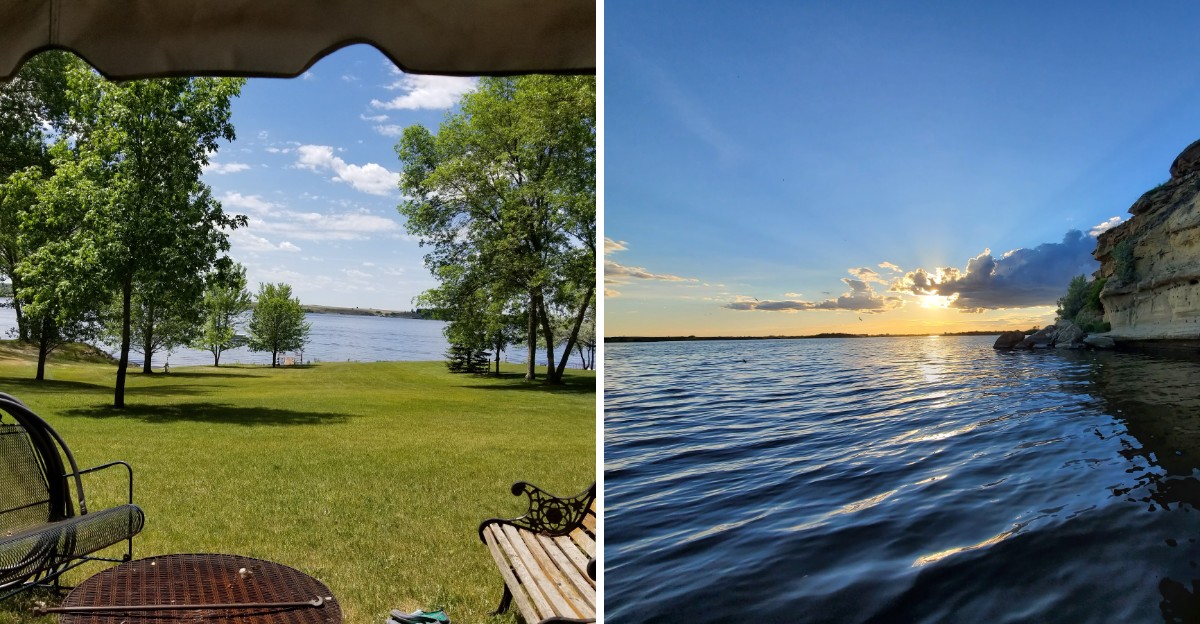
There is something hard to beat about having a good fishing spot almost to yourself. One quiet North Dakota lake gives anglers exactly that, with productive water, peaceful shoreline, and far fewer people competing for the same stretch.
Early mornings feel especially good here. The water stays calm, the banks stay quiet, and casting a line feels less like a race for space and more like the reason you came in the first place.
Walleye, perch, and other popular catches give experienced anglers plenty to work with, while casual visitors can simply enjoy the slower pace.
North Dakota has plenty of well-known fishing destinations, but this lake feels refreshingly removed from the busiest ones. That quieter setting is what makes it memorable.
For anyone who would rather hear water and birds than boat traffic and crowds, this part of the state is well worth knowing about.
Walleye Waters That Reward Patient Anglers
Walleye are the headline act here, and they know it. Anglers come from across the region hoping to fill a stringer with these golden-eyed fish.
Lake Tschida is a reservoir on the Heart River, so it has plenty of structure. Points, drop-offs, and old creek channels give walleye great places to hunt.
Early morning and evening tend to be the best times to cast. Walleye have eyes built for low light, so they feed more when the sun dips.
Jigs tipped with minnows are a classic choice in spring. As summer warms up, many anglers switch to trolling crankbaits or pulling spinner rigs with nightcrawlers.
Wind can actually be your friend on this water. A breezy shoreline stirs up baitfish, and hungry walleye often follow close behind.
Before you head out, check current fishing rules from the state Game and Fish Department. Size and daily limits can change, and a quick look saves headaches later.
Patience pays off, so pack snacks and settle in for a while. A slow hour can flip into a busy one without any warning.
Northern Pike With Serious Attitude
Few things wake you up faster than a northern pike slamming your lure. These long, toothy fish hit hard and fight like they have somewhere important to be.
Pike love weedy bays and shallow flats, especially in spring. They lurk near cover and ambush smaller fish that swim too close.
Bright spoons, spinnerbaits, and large minnow-style lures are all solid picks. A steel or heavy fluorocarbon leader is smart, since those teeth can slice regular line.
Bring a good pair of long-nose pliers too. Unhooking a pike with bare fingers is a lesson most people only need once.
Spring and fall are prime seasons for chasing these predators. Cooler water brings them closer to shore, where even bank anglers have a real shot.
Catch-and-release is easy with pike if you handle them carefully. Keep the fish in the water when you can, and support its belly with a wet hand.
A big pike makes for a memorable photo and a great story. Just keep the camera ready, because the action often happens in a flash.
Crappie, Perch, And A Mixed Bag Of Panfish
Not every great fishing day needs a monster on the line. Sometimes a steady stream of crappie and yellow perch is exactly what the day calls for.
These smaller fish are perfect for kids and beginners. A simple bobber, a small hook, and a piece of worm can keep young anglers busy for hours.
Crappie tend to gather around submerged brush and rocky areas. Once you find one, stick around, because they usually travel in groups.
Yellow perch often hang near the bottom in schools. Small jigs bounced slowly along the lakebed can bring up fish after fish.
Channel catfish add another twist to the menu. Cut bait or dough baits fished on the bottom after dark can pull in some surprisingly heavy fish.
Panfish are also famous for tasting great in a frying pan. Many families treat a cooler of perch fillets as the best souvenir of the trip.
Light tackle makes every bite more fun. An ultralight rod turns even a modest crappie into a lively little battle.
Wide-Open Water Without The Weekend Traffic Jam
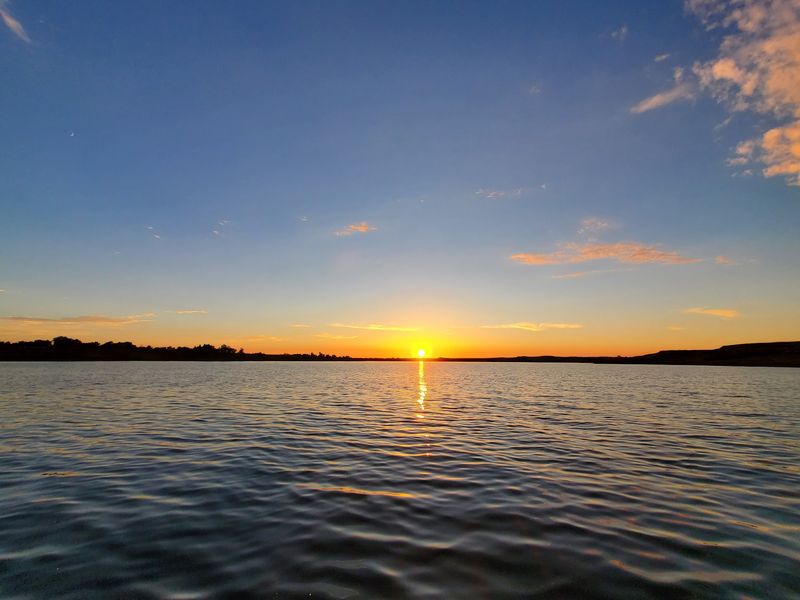
Picture a summer Saturday with no fight for a parking spot at the boat ramp. That scene is pretty normal here, and it feels like a small miracle.
The lake sits far from big cities, which keeps traffic light. Bismarck is more than an hour away by car, so many day-trippers stick closer to home.
That distance works in your favor. More open water means more room to cast freely and actually hear the birds.
Shorelines stay quiet enough that you can often claim a stretch of bank for yourself. There is no elbow bumping with the angler next to you.
Weekdays are even calmer than weekends. If your schedule allows, a Tuesday morning trip can feel like having a private lake.
Holiday weekends in summer do draw bigger groups to the campgrounds. Booking early for those dates is a smart move.
Even on busier days, the lake rarely feels packed. The wide prairie horizon makes every crowd seem smaller.
Quiet water also helps the fishing. Fish that are not spooked by constant boat noise tend to bite with more confidence.
Downstream Campground And Its Cozy Cabins
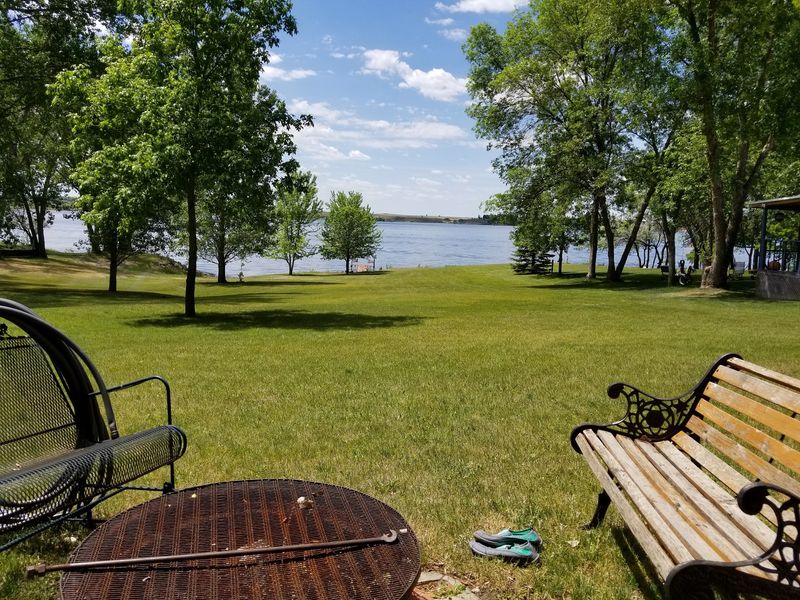
Tents are great until a thunderstorm rolls across the prairie at midnight. That is where the little cabins at Downstream Campground earn their keep.
Downstream Campground sits below Heart Butte Dam, close to the Heart River. The spot offers a mix of camping choices, from simple sites to cozy cabins.
The cabins come with electricity and air conditioning. On a hot July afternoon, that cool air feels like pure luxury.
The campground also has pads with power hookups for campers. That setup works well for groups who travel with an RV and want easy electricity.
Cabins are a smart pick for first-time campers too. You get the outdoor feeling without having to master a tent in the wind.
Reservations help, especially during summer weekends. Cabin numbers are small, so planning ahead is wise.
Plan to bring your own bedding, cooking supplies, and a cooler of food. Think of the cabin as a sturdy shelter, not a full-service hotel room.
Mornings here are peaceful, with the river close by. Sipping hot coffee on a cabin step makes for a pretty great start to the day.
Shaded Campsites, A Sandy Beach, And Clean Showers
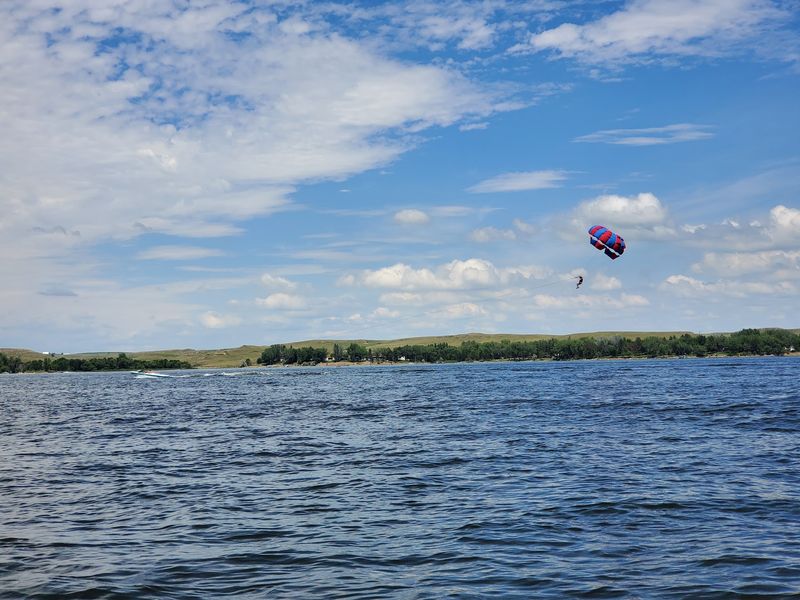
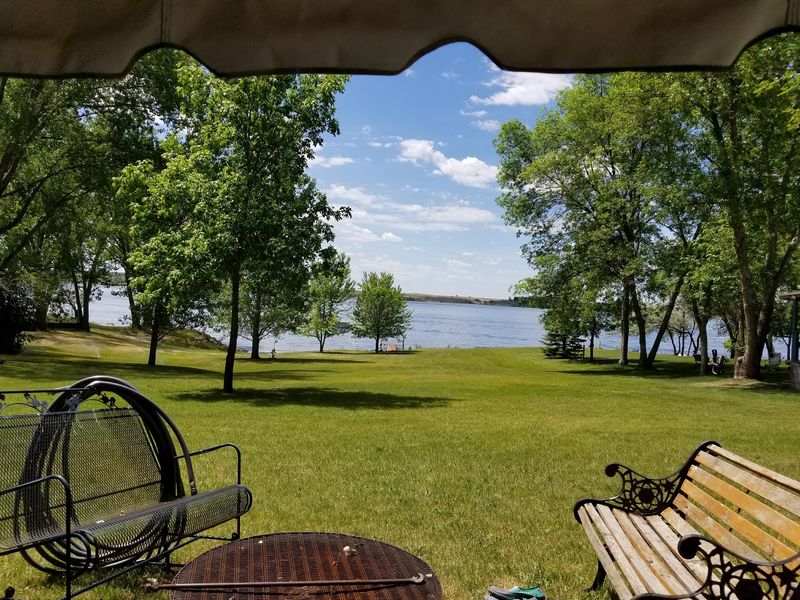
Shade is a precious resource on the open plains. Trees are not everywhere out here, so shaded campsites feel like finding a twenty-dollar bill in your jacket.
Several camping areas around Lake Tschida offer spots with leafy cover. Grabbing one of those sites can make a hot afternoon far more comfortable.
A sandy swimming beach adds another reason to stay a while. Kids can splash and build sand castles while adults relax nearby with a good book.
Clean shower rooms are a big bonus after a long day on the water. Washing off sunscreen and lake water helps everyone sleep better.
Many campsites offer electrical hookups only. Plan to arrive with a full fresh-water tank if you travel with a camper.
Pack a few extra comforts to round out your setup. Camp chairs, a sunshade, and bug spray go a long way near the water.
Swim safely by watching the kids closely and staying in marked areas. Life jackets are a good idea for young or weak swimmers.
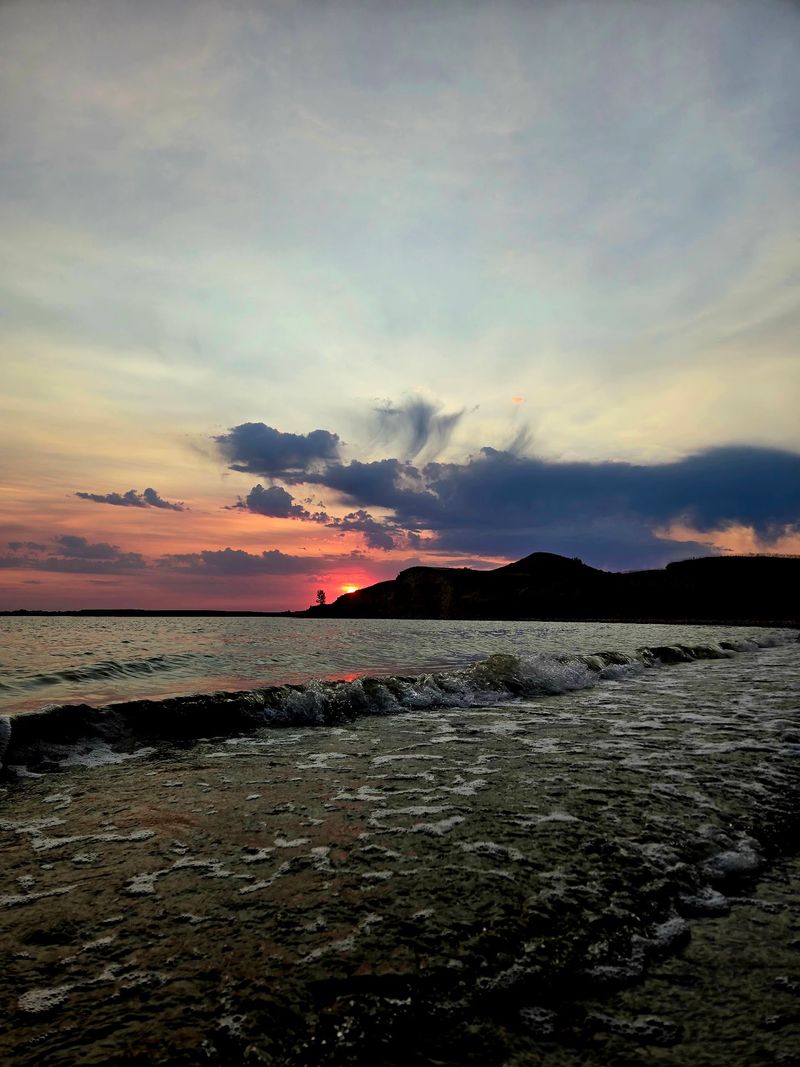
Evenings bring colorful sunsets over the water. Keep your camera close when the sky starts glowing.
Boating, Jet Skis, And Room To Roam
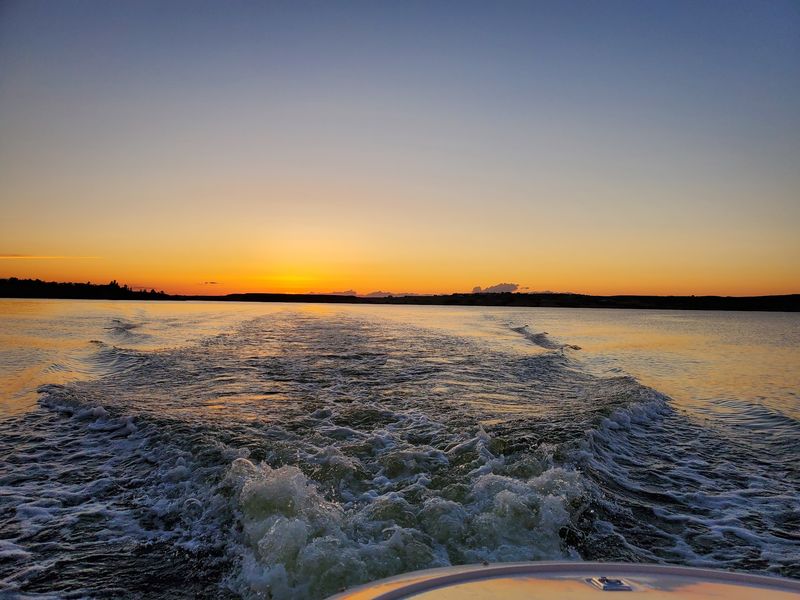
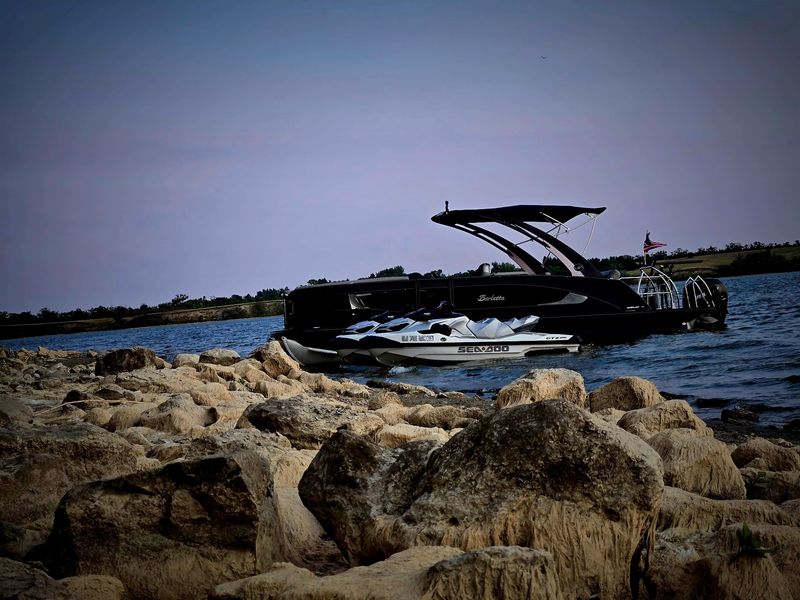
Engines rumble, spray flies, and suddenly everyone on board is grinning. Lake Tschida has plenty of room for that kind of fun.
The reservoir stretches for miles along the Heart River valley. Its size gives boaters space to cruise, explore coves, and find quiet fishing spots.
Boat ramps around the lake make launching fairly simple. Arrive early on warm weekends to get in and out without waiting.
Jet skis are a popular choice for quick thrills. Their speed and zippy turns make them a hit with teens and young adults.
Pontoon boats offer a slower, more relaxed ride. They are great for families who want to fish, snack, and soak up the scenery together.
Water levels can shift with the seasons and rainfall. Checking current conditions before your trip helps you avoid shallow surprises.
Safety gear should always be on board. Every passenger needs a properly fitted life jacket, and a basic first-aid kit is a smart extra.
Paddlers can join the fun too. Kayaks and canoes are perfect for calm mornings when the water looks like glass.
A Dam With A Story Worth Knowing
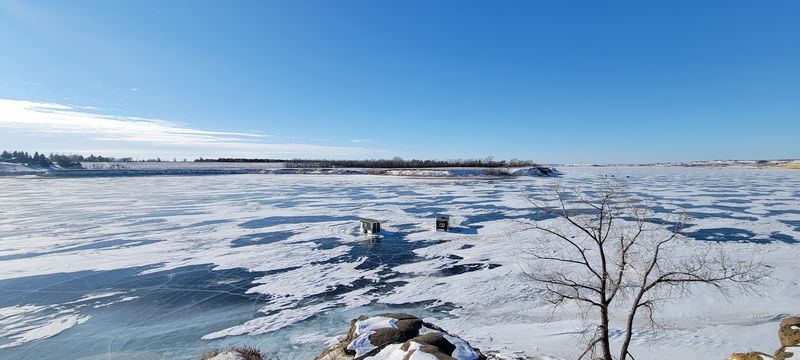
Here is a fun fact for your next campfire chat. Lake Tschida exists because of Heart Butte Dam, built across the Heart River in the late 1940s.
The U.S. Bureau of Reclamation built the dam, and it was finished around 1949.
Its main jobs included flood control and storing water for the region.
The river once sent strong spring floods toward downstream towns like Mandan. Holding back water in a reservoir helped tame those rushing flows.
The dam also gave the area a large new body of water for recreation. Fishing, boating, and camping grew up around the shoreline over the decades.
The name Heart Butte comes from a nearby landmark hill. It rises above the prairie and is easy to spot.
You can see the dam and spillway area from the downstream side. It is a neat stop for anyone who enjoys engineering or local history.
Kids tend to find the dam impressive. It makes a handy lesson about people and rivers.
Knowing the story adds depth to every cast. The lake is not just scenery but a working piece of prairie history.
Ice Fishing When The Prairie Freezes Solid
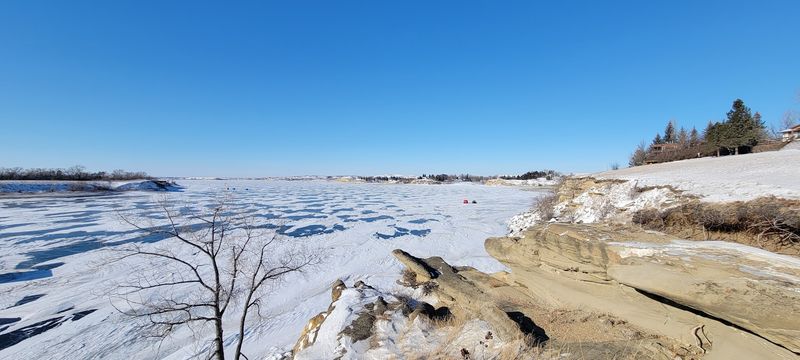
When winter turns the lake into a giant frozen floor, the fishing does not stop. It simply moves on top of the ice.
Ice fishing is a big tradition in this part of the state. Anglers drill holes, set up shelters, and wait for a flag or a twitch of the rod tip.
Walleye, perch, and pike all stay active under the ice. Small jigging spoons and live minnows are common choices during the colder months.
Safety comes first, every single time. Ice thickness can vary across the lake, so check it often with an auger or spud bar.
State ice safety guidelines can help you plan a smart outing. Never head out alone, and let someone know your plans.
Dress in warm layers from head to toe. Insulated boots, thick gloves, and a windproof jacket make a long day on the ice much more pleasant.
A portable shelter blocks the prairie wind nicely. Some anglers bring small heaters and folding chairs to stay cozy for hours.
Winter crowds are thin here too. That means plenty of open ice to choose your favorite spot.
Smart Planning For A Remote Corner Of The Prairie
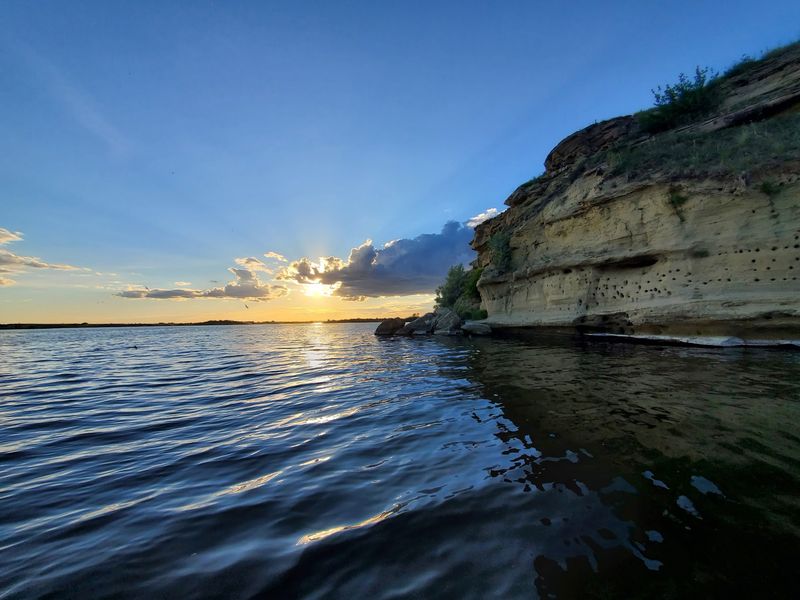
Remote places reward good planners. Lake Tschida sits in a quiet stretch of prairie, far from big stores and busy gas stations.
The lake lies in Grant County, with its official address listed as West Grant, North Dakota. It is roughly 15 miles south of the small town of Glen Ullin.
Stock up on groceries, ice, bait, and fuel in advance. Nearby towns are small, and options can be limited once you reach the water.
Pack for changing weather, since prairie skies shift quickly. Sunscreen, rain gear, and a warm layer all deserve a spot in your bag.
A valid fishing license is a must for anglers of the required age. You can buy one online through the state Game and Fish Department.
Leave your campsite cleaner than you found it. Protecting this peaceful place helps keep it special for the next family.
Arrive with a loose plan and a flexible attitude. The best moments here often come from simply slowing down.