
This Virginia Lake Looks Peaceful, But Snake Activity Can Catch Visitors Off Guard
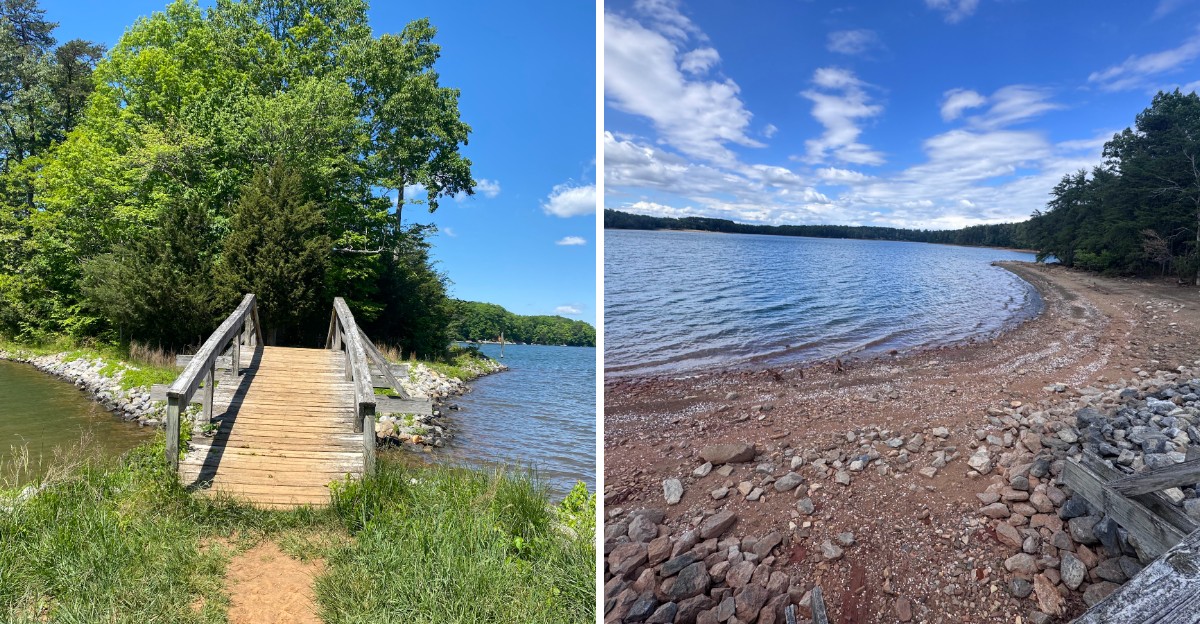
A calm lake can make you forget how much wildlife is sharing the shoreline with you. That is part of what makes this Virginia destination so interesting.
At first glance, the water looks peaceful enough for swimming, boating, fishing, or a slow afternoon near the shore. Then you start noticing the reeds, rocky edges, and quiet coves where snakes can sometimes appear.
Most encounters are brief, but seeing one when you are not expecting it can change the mood pretty quickly. That does not make the lake any less beautiful. If anything, it is a reminder that wild places come with their own surprises, even when the scenery looks completely relaxed.
For visitors exploring Virginia, this is the kind of state getaway that mixes peaceful water views with just enough unpredictability to keep you paying attention near the shoreline.
A Lake Built For Calm Days And Busy Wildlife
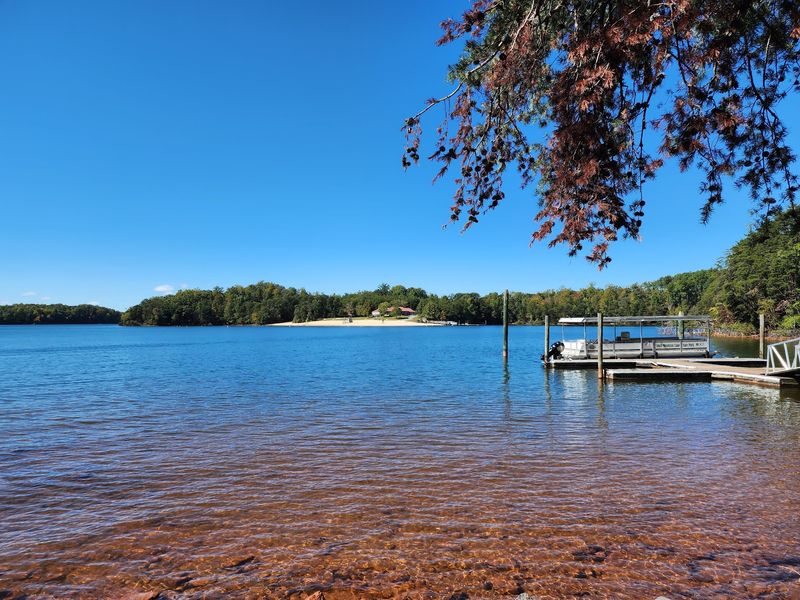
Some lakes whisper, and this one practically hums a lullaby. Smith Mountain Lake State Park sits on the northern shore of one of the largest lakes in the state.
You will find the entrance at 1235 State Park Rd in Huddleston, in Bedford County. The drive winds through rolling Piedmont hills before the water finally opens up.
The lake itself is a human-made wonder. Smith Mountain Dam was finished in the 1960s, and the rising water created roughly 500 miles of shoreline.
The park opened in 1983 and covers more than 1,200 acres of woods and coves. Swimming, boating, fishing, camping, and hiking all happen here.
All that shoreline and forest creates prime real estate for wildlife. Deer, herons, turtles, and plenty of snakes share the land with you.
None of this should scare anyone away from a sunny afternoon. A little knowledge simply turns a surprise encounter into a cool nature moment.
Think of the next few sections as your friendly field guide. Once you know who lives here, the lake feels even more welcoming.
Northern Watersnakes Rule The Shoreline
Meet the lake’s most common scaly neighbor, and possibly its most misunderstood. The northern watersnake spends its days near the water’s edge, hunting fish and frogs.
These snakes are not venomous, though they can look a bit intimidating. Adults often reach two to four feet long, with dark bands across brown or gray bodies.
Their colors fade as they age, so older snakes may look almost solid dark. That is one reason people often confuse them with more dangerous species.
At Smith Mountain Lake State Park, watch for them on rocks, logs, and dock pilings. They love a warm perch where they can bask and dry off.
Swimmers sometimes spot one gliding across the surface with its head up. It usually wants nothing to do with you and will swim the other way.
Handling one is a bad idea, since they bite readily when grabbed. They may also release a stinky musk that clings to your hands for hours.
Give them a few feet of space, and they go right back to fishing. Honestly, they are better anglers than most of us.
The Cottonmouth Mix-Up That Fools Almost Everyone
Here is a fact that saves a lot of panic at the boat ramp. Cottonmouths, also called water moccasins, do not live around this lake.
In Virginia, cottonmouths stick to the far southeastern corner of the state. Their range covers coastal swamps near places like the Great Dismal Swamp.
So why do people report them here every summer? The culprit is almost always a harmless northern watersnake with a dark coat and a grumpy attitude.
Watersnakes flatten their heads when upset, which makes them look triangular. That trick fools plenty of people into thinking they spotted something venomous.
Behavior is another helpful clue. A watersnake usually flees quickly, while a cottonmouth tends to hold its ground and open its white mouth.
Still, the safest rule is simple and works for every snake. Enjoy the view from a distance and skip any hands-on identification.
Snapping a photo is a smarter move than guessing. Park staff are often happy to help identify what you saw on the water.
Knowing this one fact can change your whole afternoon. You can relax on the dock instead of scanning every ripple with worry.
Copperheads Hide In Plain Sight Among The Leaves
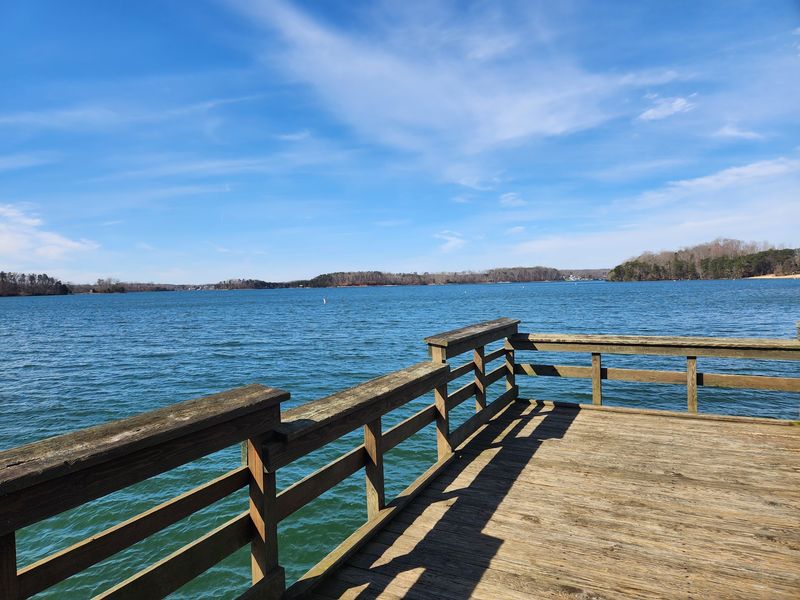
If camouflage were a sport, the copperhead would hold every trophy. This venomous snake does live in this part of the state, mostly in wooded areas.
Look for a coppery, tan body covered in darker hourglass-shaped bands. From above, the pattern looks a lot like a pile of fallen leaves.
That disguise is why most encounters happen by accident. People step near one without ever noticing it resting quietly on the forest floor.
The good news is that copperheads are shy and rarely aggressive. They prefer to freeze and hope you pass by without trouble.
Bites are uncommon, but they do hurt and need medical care. Calling for help quickly is always the right choice.
Rock piles, woodpiles, and leafy trail edges are favorite hangouts. Watch where you place your hands before sitting on a log or boulder.
Young copperheads have a bright yellow tail tip. They wiggle it to lure frogs and lizards closer, a clever trick for a tiny hunter.
Sturdy shoes make a real difference on wooded paths. Sandals feel great at the beach but offer little protection in leaves.
Black Ratsnakes Climb Higher Than You Think
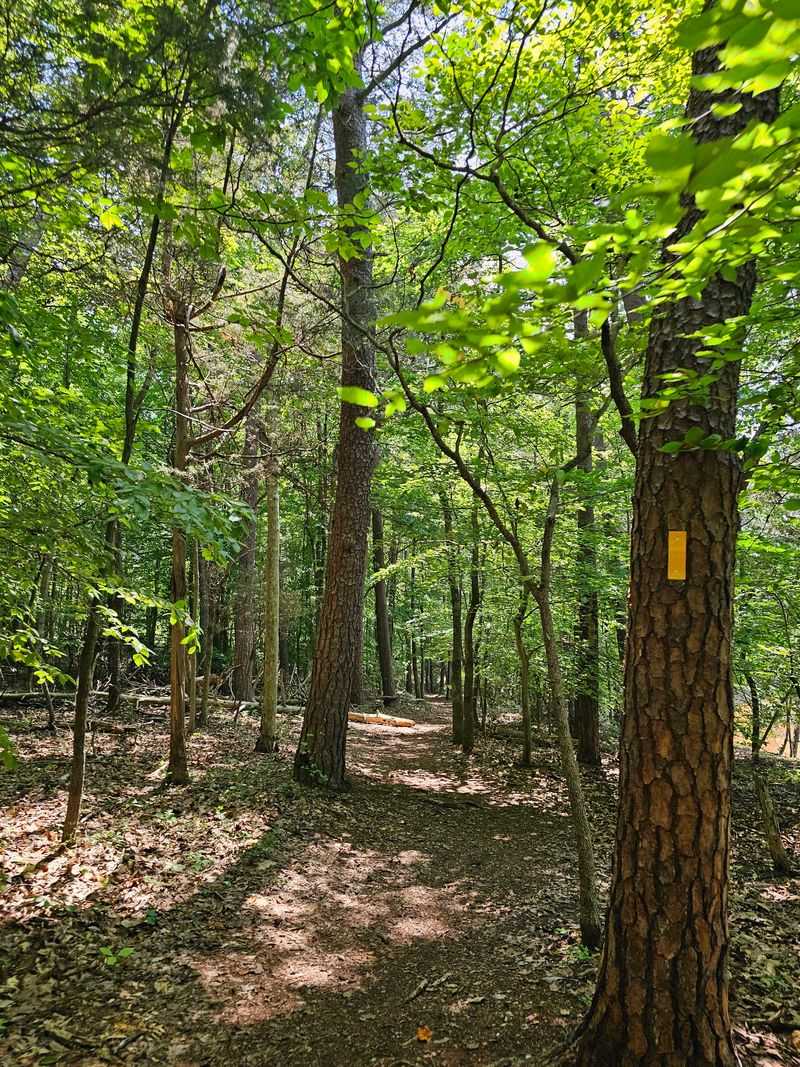
Look up, because not every snake stays on the ground. The eastern ratsnake is a skilled climber that scales tree bark with surprising ease.
This is the largest snake you are likely to see in the area. Adults can stretch past six feet, with shiny black scales and a white chin.
Ratsnakes are not venomous and play a helpful role in the woods. They keep mice and rats in check, which campers can surely appreciate.
Around Smith Mountain Lake State Park, they may turn up near picnic shelters or in trees. Rafters draw them too.
When startled, a ratsnake often freezes into a wavy, kinked shape. It may also shake its tail in dry leaves, sounding a bit like a rattle.
Don’t let that sound fool you into a sprint. It is just a bluff from a snake that would rather be left alone.
Young ratsnakes look very different from their parents. They wear gray blotches, so many people mistake them for another species entirely.
Spotting one draped on a branch is a real treat. Grab a photo, keep walking, and let it finish its climb.
Smart Trail Habits That Keep Surprises Small
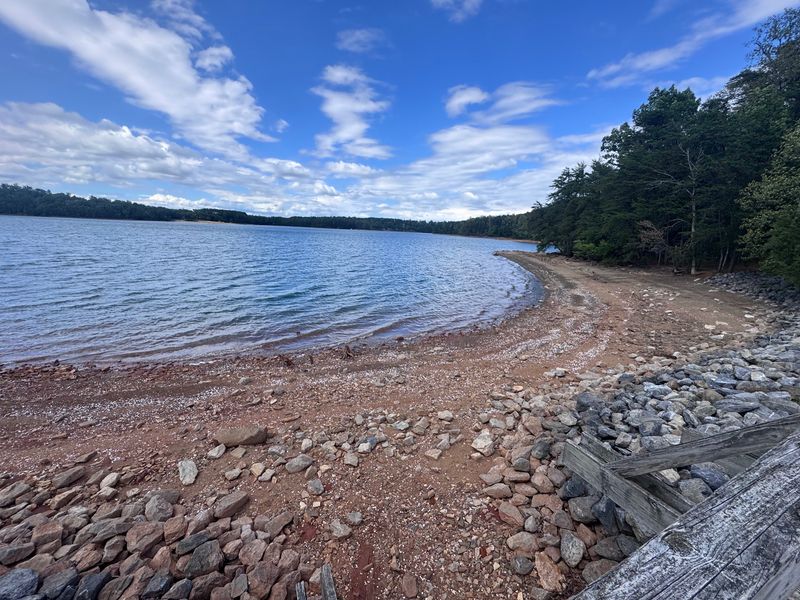
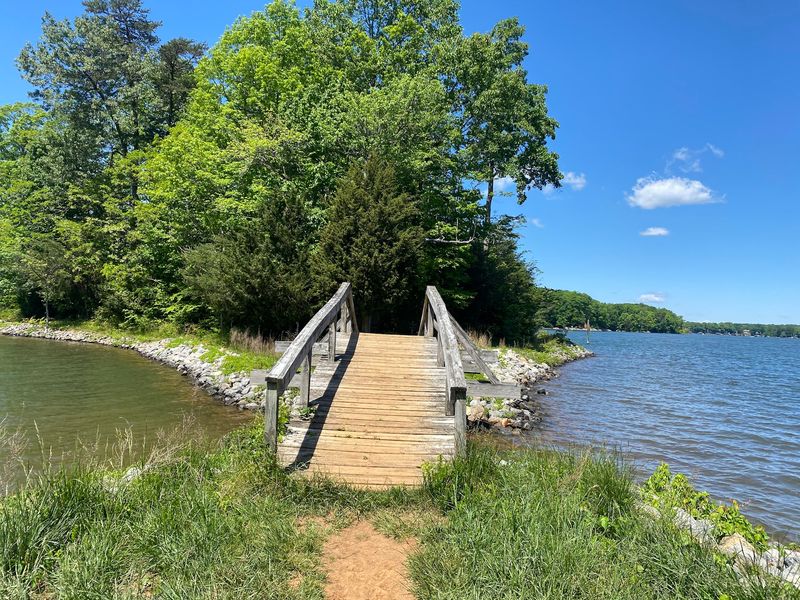
Hiking here feels like a stroll through a storybook forest. The park offers a network of trails, including the popular Turtle Island Trail near the water.
Staying on the marked path is the first and easiest habit. Clear, packed trails give you a better view of anything resting ahead.
Tall grass and thick brush hide a lot of secrets. Snakes enjoy those shady pockets, so wandering off-trail raises the chance of a surprise.
Step on a log, not over it, whenever you can. That way you can see what might be hiding on the far side.
Keep your eyes a few steps ahead instead of glued to a phone. A quick scan of the path is all it takes.
Trekking poles are handy for more than steep hills. Their gentle tapping sends vibrations that encourage snakes to slip away early.
Pets should stay leashed, as park rules require. Curious dogs love to sniff around, and a leash keeps noses out of trouble.
Hike with a buddy and carry water, a charged phone, and a small first aid kit. Preparation keeps the fun rolling all day long.
Beach Days, Docks, And A Watchful Eye
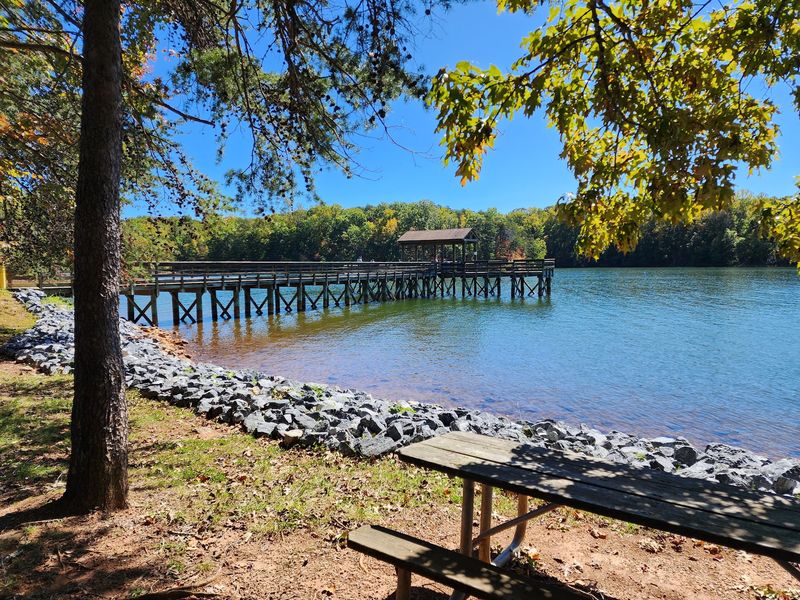
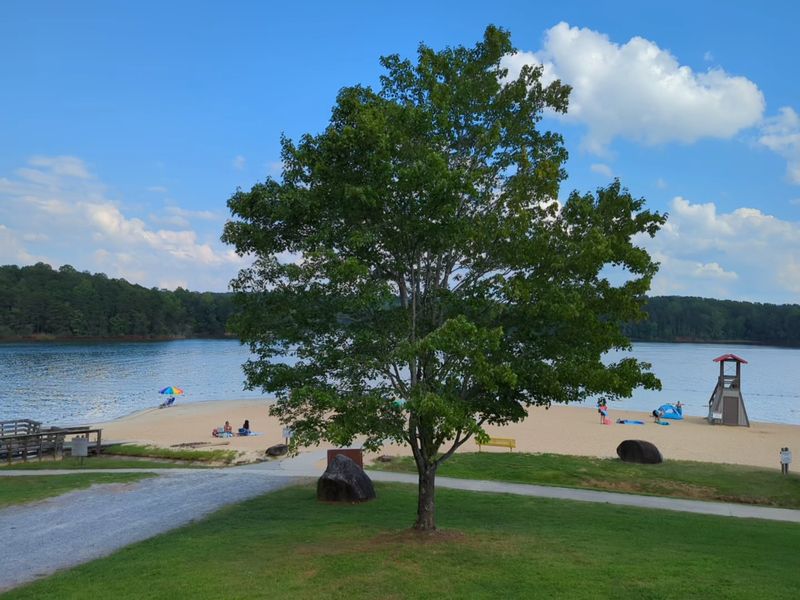
Sand, sunshine, and a cool swim sound like a perfect summer plan. The park’s swimming beach delivers all three during the warm season.
Busy beaches rarely attract snakes, since noise and splashing send them elsewhere. Quieter edges of the shoreline are where you may spot one.
Rocky areas beside the beach make ideal basking spots. Keep kids from climbing among the rocks without an adult checking first.
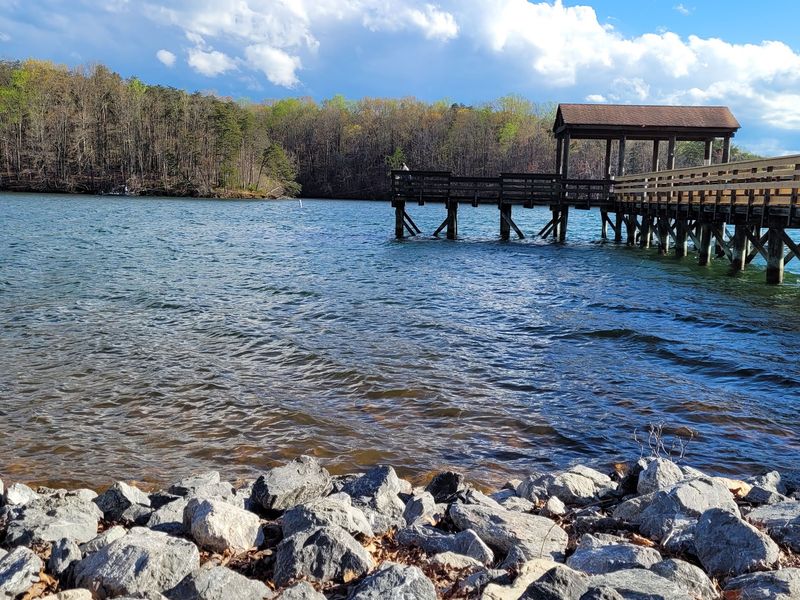
The fishing pier is another place where eyes should stay open. Watersnakes sometimes follow fish, and a dangling catch can look like dinner.
If a snake grabs your bait, stay calm and cut the line near its mouth. Trying to pull it up only creates stress for everyone.
Boaters and kayakers may see snakes swimming across quiet coves. Simply steer around them and give them plenty of room.
Life jackets matter far more than snakes on this big lake. Wind and boat wakes can build quickly, even on a pleasant day.
Before stepping onto a dock, glance at the boards and pilings. A basking snake will usually slide into the water once it notices you.
Campsites, Cabins, And After-Dark Strolls
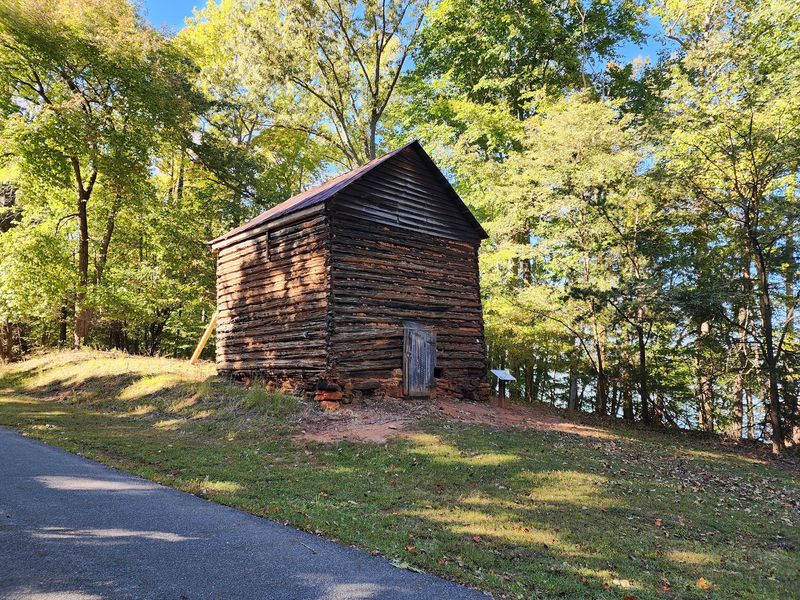
Night falls, the crickets begin singing, and the campground comes alive. Smith Mountain Lake State Park offers both campsites and cabins for overnight stays.
Warm summer nights are prime time for snakes on the move. Many species hunt after dark when the day’s heat finally fades.
A good flashlight or headlamp is your best friend after sunset. Light up the path on the way to the bathhouse or back from the fire.
Keep your site tidy and store food in a car or sealed container. Crumbs attract mice, and mice attract hungry snakes.
Zip tents closed at all times, even for a quick break. A shut door keeps out snakes, bugs, and any curious raccoons nearby.
Shake out shoes, sleeping bags, and towels left outside overnight. It takes seconds and avoids an unwelcome morning surprise.
Cabin guests should also glance around porches and steps. Snakes enjoy warm concrete and wooden decks as the evening cools.
Firewood piles deserve a careful look before you grab a log. Use gloves if you have them, and roll wood toward you, not away.
Seasons That Wake Snakes Up And Tuck Them Away
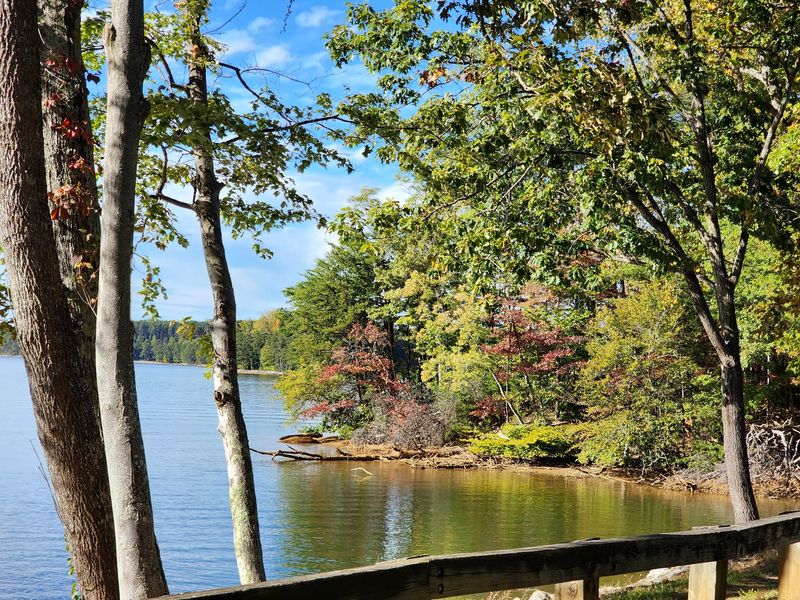
Snakes run on sunshine, which makes the calendar a handy guide. As cold-blooded animals, they depend on outside warmth to stay active.
Spring wakes them up around March or April. Early in the season, they bask in open sunny spots to warm up after winter.
Late spring also brings mating season, so snakes wander more than usual. You may notice more activity on trails and roads during this stretch.
Summer heat changes their schedule. On scorching afternoons, many snakes hide in shade and move around at dawn, dusk, or night.
Early fall is another busy time in the woods. Young copperheads are born in late summer and early autumn, adding more small snakes to the mix.
By late October and November, snakes head toward winter dens. Cooler days mean fewer sightings, though a warm afternoon can still bring one out.
Winter at the lake is quiet, crisp, and nearly snake-free. It is a lovely season for peaceful hikes with bare trees and wide water views.
Planning around these patterns helps you stay alert. It also makes every season feel like a new chapter at the lake.
Respect, Distance, And Learning From The Wild
Every snake at the lake has a job, and it takes that job seriously. They control rodents, feed hawks and herons, and keep the ecosystem balanced.
Park rules protect all wildlife, snakes included. Harming, capturing, or taking animals from Virginia State Parks is not allowed.
The best move is refreshingly simple. Stop, step back slowly, and give the snake a clear path to leave.
Most snakes will happily take that exit within a minute. Bites usually happen when people try to touch, move, or catch them.
Kids can learn a lot by watching from a safe spot. Turn an encounter into a fun science lesson about scales, colors, and habits.
Smith Mountain Lake State Park also hosts ranger-led programs through much of the year. Nature talks often cover local wildlife, including the reptiles along the shore.
The park’s Discovery Center is a great stop for curious minds. Its exhibits share stories about the lake, its fish, and the creatures nearby.
Leave the lake just as wild as you found it. That small act of respect keeps this peaceful place thriving for years to come.