
This Massachusetts Garden Shop Is Filled With Mossy Pots And One-Of-A-Kind Finds
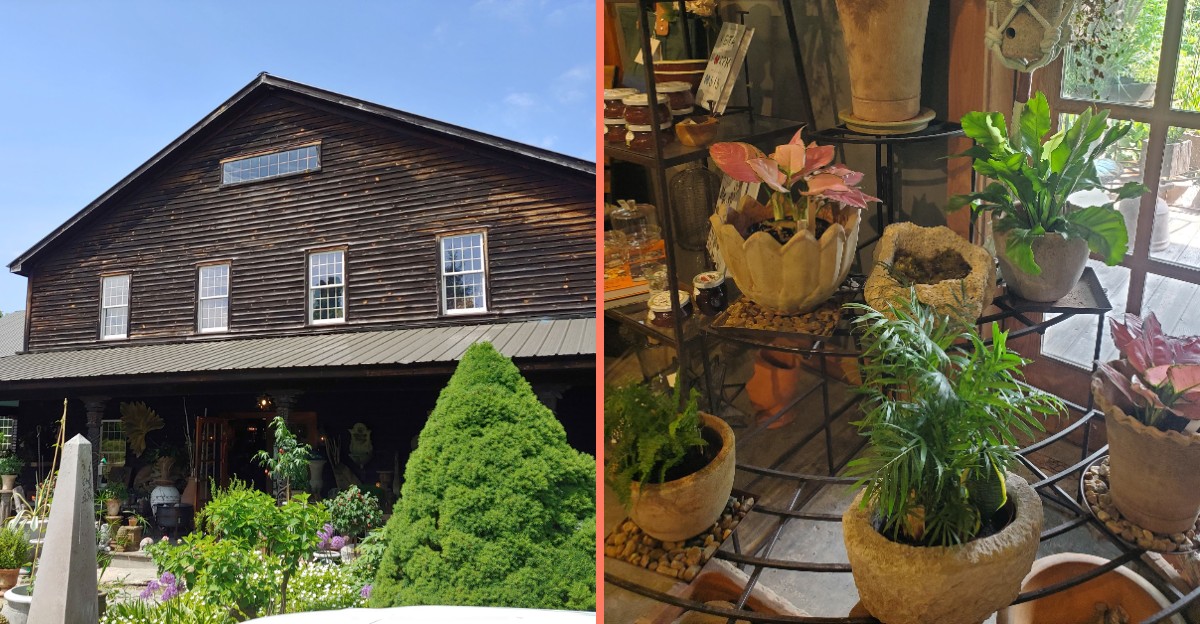
Some garden shops are about buying a plant and heading home. This Massachusetts stop feels more like a place to wander slowly, because every corner seems to hold something unusual.
Mossy terra cotta pots are a big part of the draw, but they are only the beginning. You can find weathered planters, carved stone, forged metal pieces, garden accents, and decorative objects that look collected rather than mass produced.
The shop has a strong old world feel, yet nothing about it seems stiff or overly formal.
That mix makes browsing surprisingly fun. You might come for a pot and end up studying a stone figure, a garden ornament, or a piece you did not expect to want.
Massachusetts has many garden centers, but this one feels more personal and artistic. It is less about filling a cart and more about finding something that gives a garden real character.
A Scenic Stop In The Southern Berkshires
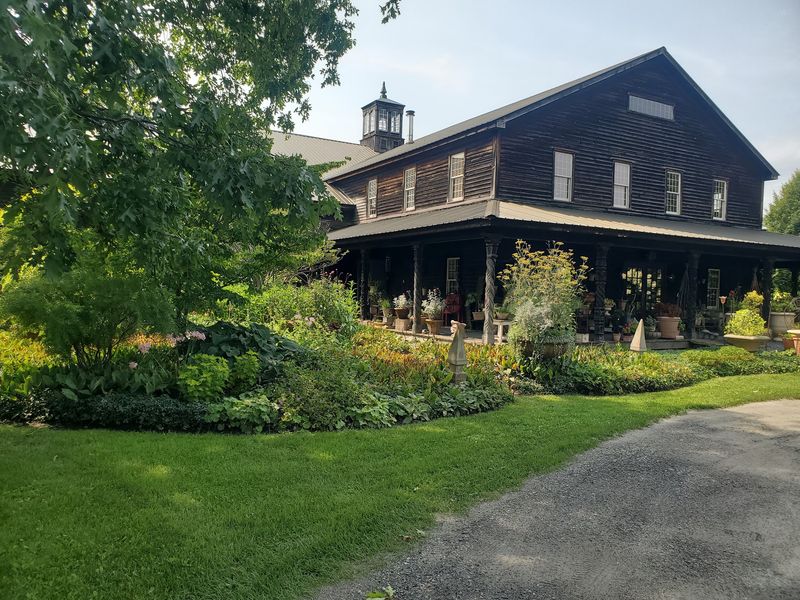
Route 7 is the kind of road that makes you slow down on purpose. Rolling hills, old farmhouses, and leafy trees line the way through the Southern Berkshires. It feels like the drive is part of the adventure.
Right along that road sits Campo de’ Fiori, a garden shop and design company with a big personality. You will find it at 1815 N Main St in Sheffield, Massachusetts.
The town is small and calm, which suits a place built around plants and patience.
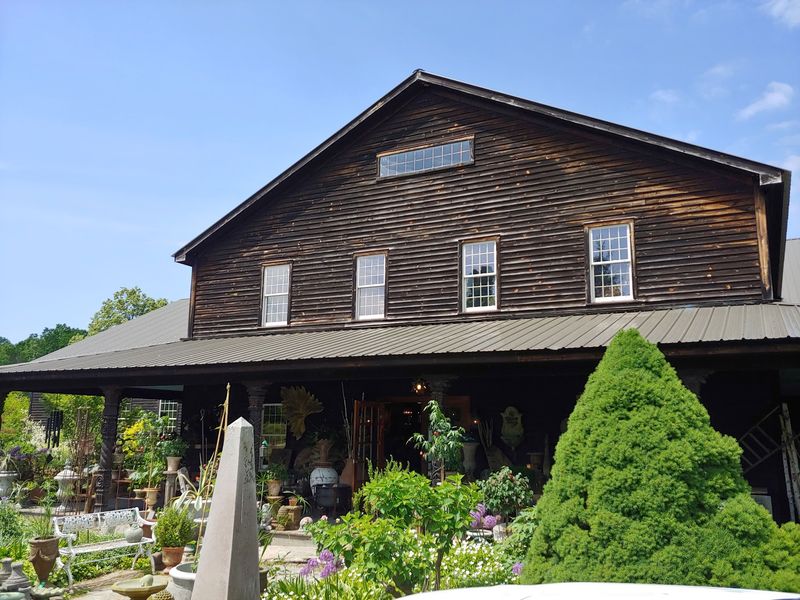
The shop lives inside a barn on a four-acre property. That means you get more than shelves and price tags. You get gardens, paths, and planted displays that show off what the shop sells in real life.
Planning ahead helps a lot here. The retail store is open every day of the week from 10 AM to 5 PM. That gives you plenty of chances to stop by, whether you are on a weekend trip or just exploring nearby towns.
Parking is limited, so arriving earlier in the day is a smart move. Bring a little extra patience and maybe a friend who likes plants too.
You will want someone to share the fun of spotting the perfect pot.
Wear comfy shoes, too. The gardens are worth wandering, and you will not want sore feet cutting your stroll short.
Roman Roots And A Roadside Beginning
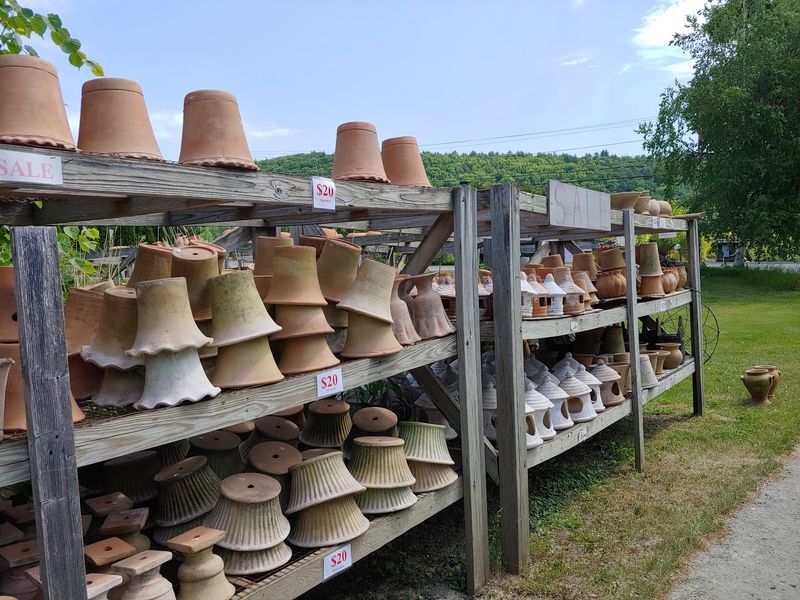
Every great shop has an origin story, and this one begins with a humble roadside stand. In the 1980s, Barbara Bockbrader and Robin Norris started working together along Route 7.
They sold organic vegetables, plants, and Mexican pottery.
That simple stand slowly grew into something much bigger. Today it is a full garden shop and design company. Still, the heart of the business remains close to the soil.
The name has a lovely backstory too. Campo de’ Fiori means Field of Flowers in Italian. It comes from a famous historic piazza in Rome, known for its busy market.
Here is the sweet part. Robin Norris’s mother used to buy fresh flowers and vegetables at that Roman market. The name honors those memories and the beauty of fresh blooms.
You can feel that Roman spirit in the shop’s style. Classic shapes, earthy colors, and old-world charm show up everywhere.
Many shoppers say the pieces feel like they belong in the Italian countryside.
So when you pick up a pot here, think of it as a tiny link to Rome. It is a bit of European history, now at home in a quiet corner of New England.
Not bad for a business that started with a table of vegetables.
Moss That Turns Clay Into Art
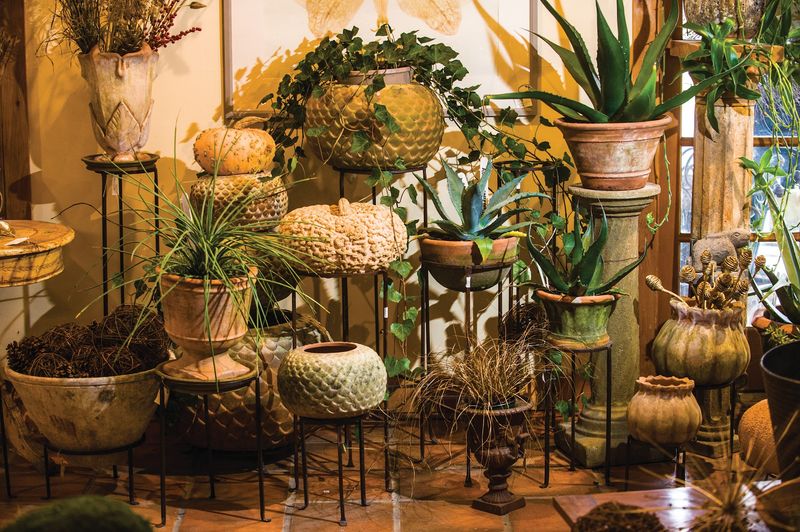
Moss is usually something people scrub away. At this shop, it is the star of the show. The naturally mossed terra cotta planters look like they came from an ancient garden.
The secret is not paint or tricks. The pots age inside an on-site greenhouse. There, moss spores travel from pot to pot and slowly settle in.
Over time, a living layer of green velvet forms on the clay. It is a soft, fuzzy coating that makes every pot feel special. No two look exactly the same, which is part of the magic.
This process takes real patience. Nature does not rush, and neither does the shop. Each mossy pot is the result of time, care, and the right conditions.
The list of aged designs is long and fun to explore. You might spot English Planters, Pie Crust Planters, and Scallop Planters.
There are also Orchid Planters, Berkshire Planters, and Venetian Fruit Bowls.
Keep looking and you will find Victorian Planters and Dragon Scale Planters. The Striato Series, Mecate Planters, Mimi Planters, and the Dimitri Urn round out the family.
Each has its own shape and mood.
A little tip: think about where your pot will live. A shady porch or damp garden spot can help that green coat keep thriving.
Treasures In Stone, Iron, Bronze, And Glass
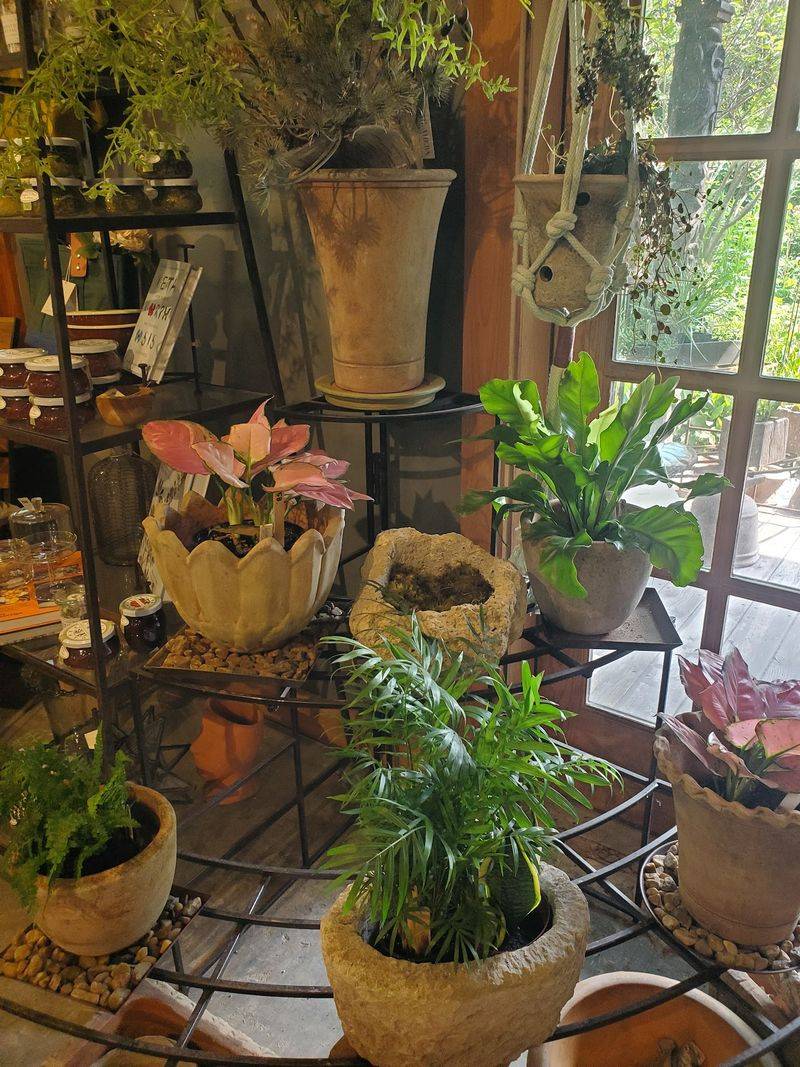
Terra cotta may steal the spotlight, but the supporting cast is just as charming. The shop carries pieces made from many materials.
Think hand-carved stone, forged iron, and cast bronze.
There is also hand-blown glass, wood, and zinc. Each material brings its own feel to a room or garden. Stone feels steady, while glass feels light and bright.
The range of items keeps things interesting. You can find lighting, architectural elements, garden stakes, and trellises.
Plant stands, hurricane lanterns, and candlesticks are part of the mix as well.
Indoor plant lovers get treats too. Terrariums and bronze flower vases make great homes for small green friends. They can turn a plain shelf into a mini garden.
Then there are the little surprises, like aged frogs. These decorative accessories add a playful touch to any flower bed. They look like they have been sitting by a pond for ages.
Glass fans should watch for the hand-blown Florcita bud vases. Their design takes inspiration from Mid-Century Modern European glass. A single stem in one of these looks simple and stylish.
Here is a helpful idea for gift shopping. A small vase or garden stake makes a thoughtful present. It is easier to carry home than a giant urn, too.
Two Makers With Very Different Talents
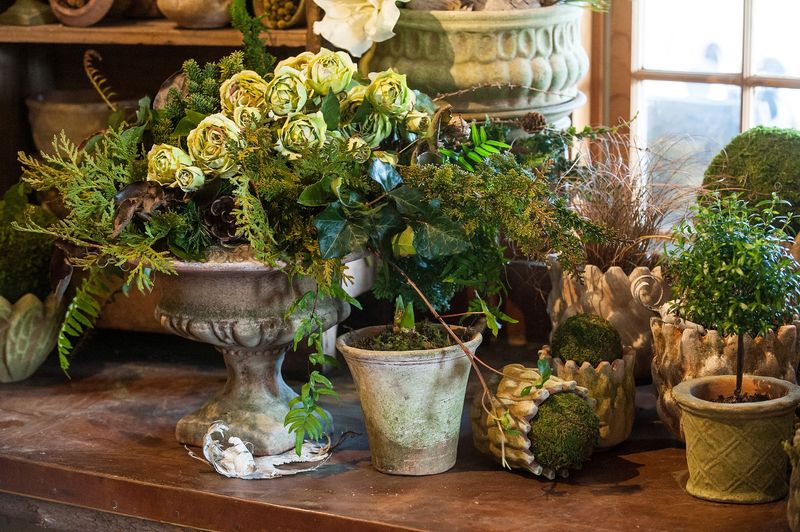
Great teams often work like a pot and its plant. One gives shape, and the other brings life. That is a good way to picture the two people behind Campo de’ Fiori.
Robin Norris designs the pots and planters. He also oversees how they are made. His eye for style took shape during a childhood in Europe.
Growing up there, he soaked in English and Continental design. You can see those influences in the graceful shapes and classic details. His work also grows from a lifelong care for ecology.
Barbara Bockbrader is the plant side of the partnership. She is a respected horticulturist and plantswoman. She arranges plants in the pots and looks after the gardens around the shop.
Her style is natural and relaxed. She often adds foraged items from the woods and her own garden. A twig, a pinecone, or a curly vine might end up in a display.
Together, they cover both sides of good garden design. One makes the container beautiful. The other shows how to fill it with living color.
Try borrowing Barbara’s trick at home. Look around your yard for fallen branches or interesting stones. They can make a store-bought planter feel personal and one of a kind.
Four Acres Of Gardens Worth Wandering
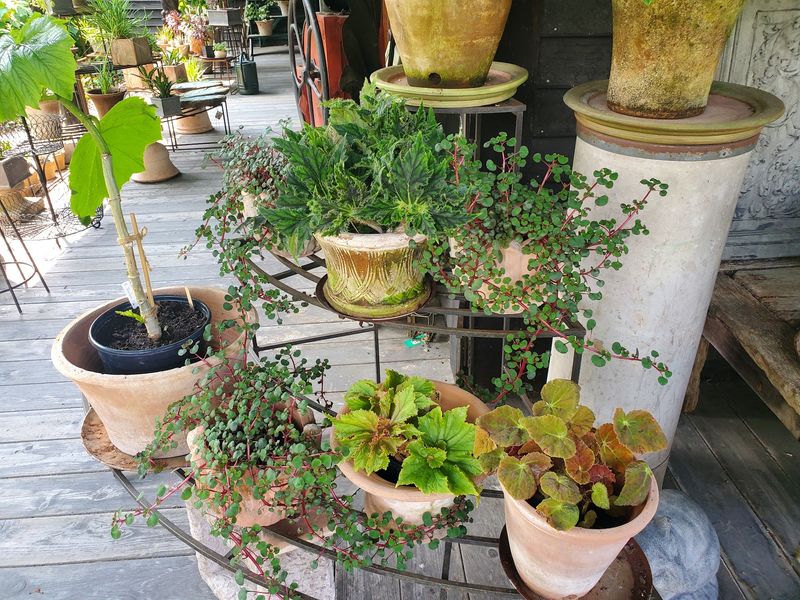
A catalog photo can only tell you so much. Seeing a planter surrounded by real flowers tells you everything. That is exactly what the gardens here are for.
The four-acre property is full of plant life. You will spot an amazing variety of leaves, blooms, and textures. Some plants may be ones you have never seen before.
These gardens are more than pretty scenery. They show how the pots and garden pieces work outdoors. You can see how a mossy urn looks next to ferns or how a trellis supports climbing vines.
Think of it as a free lesson in garden design. Notice how plants are grouped by height and color. Look at how a single large pot can anchor a whole corner.
Bring your phone and snap a few pictures. Those photos can guide your own garden plans later. It is much easier than trying to remember every detail.
The paths invite slow strolling, so take your time. Stop and look at shapes, shadows, and the way moss catches the light. Small details are where this place really shines.
Western Massachusetts summers are lovely for this kind of wandering. Early fall brings its own charm, with cooler air and changing colors in the hills.
Indoor Vignettes That Blur The Line
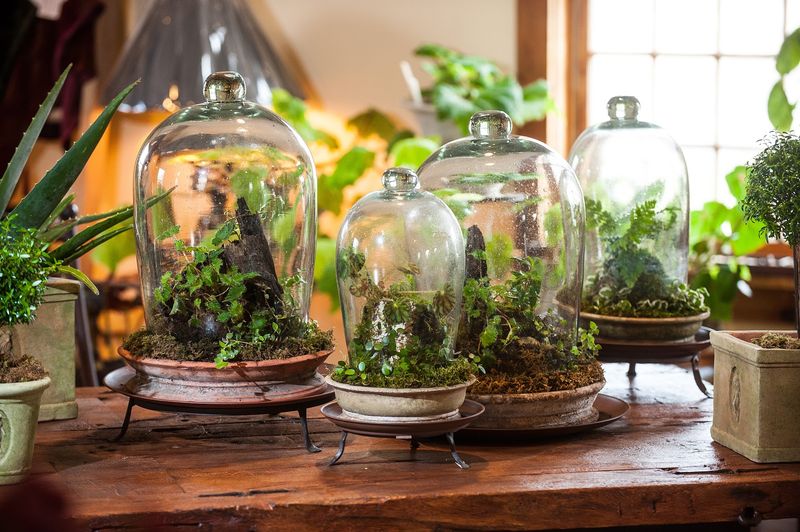
Stepping inside the barn feels a bit like the garden followed you through the door. Plants, pots, and natural objects fill the space. The mood stays green and earthy.
Barbara Bockbrader creates botanical scenes throughout the shop. These vignettes and tableaus mix living plants with decor. They help connect outdoor style with indoor living.
Each display works like a little stage. A mossy pot might sit beside a glass lantern and a trailing vine. Suddenly, you can picture that exact look on your kitchen table.
This is where many shoppers find their best ideas. You do not have to guess how items go together. The pairing has already been done with care.
Here is a handy trick to try. Pick one display you love and count its parts. Usually there is a plant, a container, and one or two accents.
Copying that simple formula at home works wonders. Start small with a windowsill or side table. Add a plant, a nice pot, and something natural like a stone or branch.
The best part is that these scenes change and grow. Plants shift with the seasons, so displays can feel fresh from one trip to the next. Keep your eyes open for new combinations each time.
Timeless Pieces Made To Last And Return
Trends come and go faster than dandelion fluff. The folks behind this shop simply do not chase them. They prefer designs that feel right year after year.
Their thinking is rooted in ecology. Robin Norris and Barbara Bockbrader value sustainable living and growing their own food.
Cultivating gardens is a big part of their everyday life. That mindset shows up in the products. The pieces are meant to last a long time.
Many are also designed to eventually return to the earth, following nature’s cycles.
Terra cotta is a great example of this idea. It is made from clay, a natural material. Over many years, it can weather and age gracefully.
Craftsmanship also travels a long way here. Many pots are designed by Robin and made in Mexico, near San Miguel de Allende.
That connection ties back to the Mexican pottery sold at the very first roadside stand.
Buying from Campo de’ Fiori means choosing something with staying power. One well-made planter can outlast many cheap plastic ones. It also gets more beautiful as moss and time do their work.
So before you leave Massachusetts, pick a piece that speaks to you. Give it a good spot, some water, and patience. It may become a favorite part of your garden for decades.