
This Small Georgia Town Once Held One Of The State’s Most Important Titles
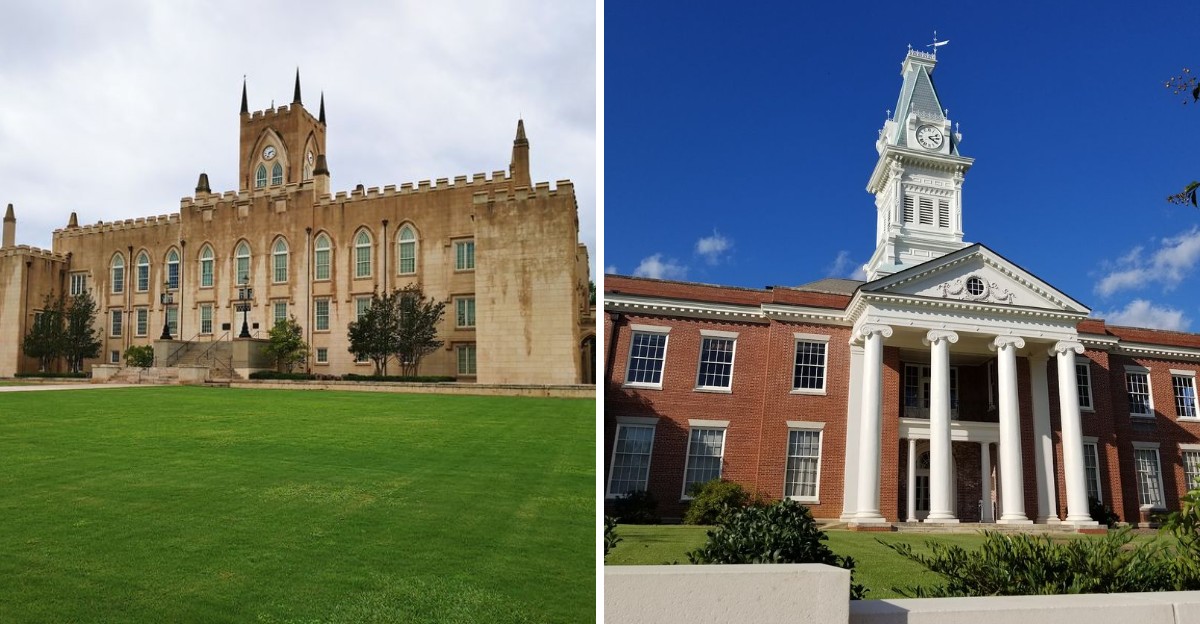
Most people think of Atlanta when Georgia politics comes up, but the state once had a very different center of power. Long before highways and skyscrapers changed the map, lawmakers, governors, and visitors were gathering in a much smaller town that carried enormous importance.
For decades, this place held one of the biggest titles in Georgia. The streets saw major political decisions, public ceremonies, and the daily business of running the state, yet today it feels far removed from the fast pace most people associate with a capital city.
That contrast is what makes the story so interesting. Historic buildings still hint at the role this town once played, and pieces of its political past remain visible if you know where to look.
It is the sort of place that can make you stop and wonder how such a small town once stood at the center of everything.
A Capital City Born By Design
Most towns grow by accident, but this one was drawn on paper first. Milledgeville was planned in 1803 to become the new seat of state government.
Leaders wanted a capital closer to the center of a growing state. They picked a spot along the Oconee River, where trade and travel could flow easily.
The town borrowed ideas from Washington, D.C., and Savannah. Its streets formed a neat grid, with public squares set aside for churches, government, and a cemetery.
The name honors John Milledge, a former governor who helped push the project forward. He was a popular leader, and the town carries his memory proudly.
By 1804, the official move was complete, and the new capital began to buzz. Horse-drawn wagons, lawmakers, and merchants filled the fresh roads.
Walking the downtown today, you can still feel that orderly plan underfoot. The wide streets make strolling easy, even for younger explorers with short legs.
Here is a helpful tip for your trip. Pick up a downtown map first, so you can spot the original squares and see how thoughtfully everything was arranged.
Sixty-Four Years As The Seat Of Power
Sixty-four years is a long time to hold the keys to a state. From 1804 to 1868, this river town served as the official capital.
During those decades, huge decisions were made inside its walls. Laws about land, schools, roads, and trade all came from here.
Governors lived in town, and lawmakers arrived each session by horse and carriage. Hotels, taverns for food, and shops popped up to serve the busy crowds.
The capital years also included the Civil War era. The state leaders met here as the country faced its biggest split.
In 1868, the capital moved to Atlanta, a fast-growing railroad city. Milledgeville suddenly had to find a new identity without its famous title.
Luckily, the town did not fade away quietly. It became a hub for education, health care, and history lovers instead.
Knowing this timeline makes every stop more meaningful. When you see an old building, ask yourself what powerful people once walked past its doors.
The Old State Capitol With Castle Vibes
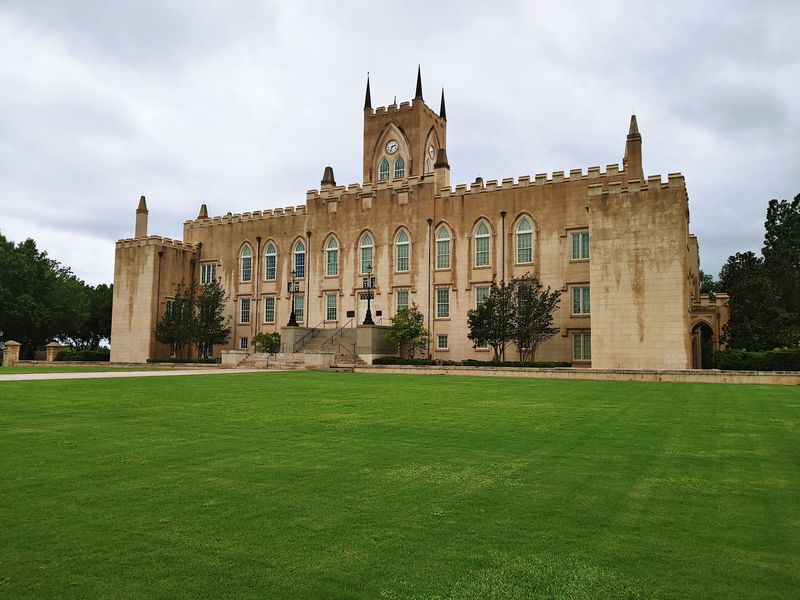
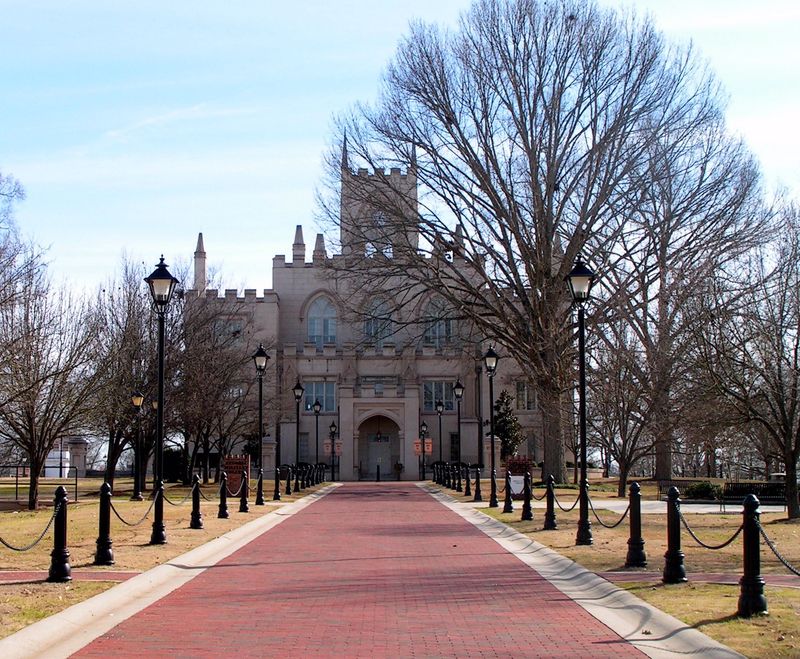
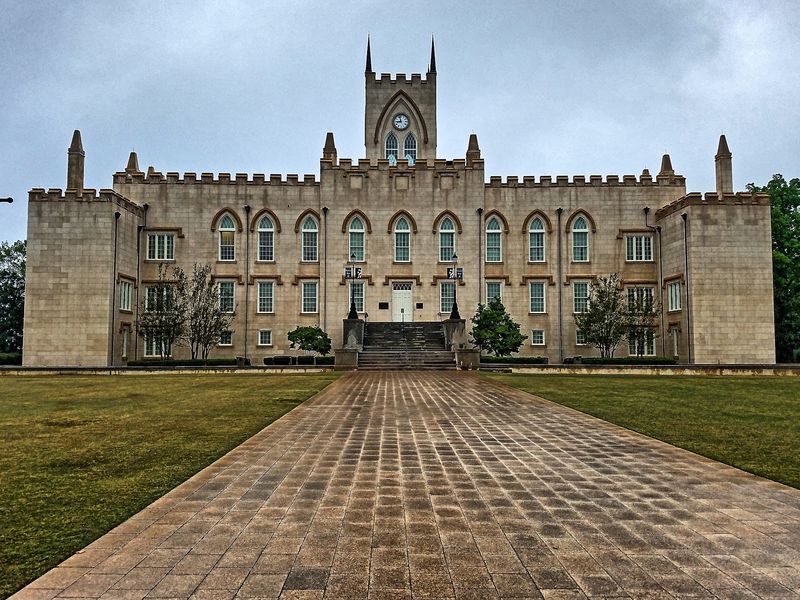
Who says government buildings have to look boring? The Old State Capitol looks more like a fairy-tale castle than an office.
Built starting in 1807, it is one of the oldest public buildings in the country designed in the Gothic Revival style. Pointed windows and crenellated rooftops give it a storybook charm.
You will find it on South Jefferson Street, anchoring a lovely campus. It now belongs to Georgia Military College, which uses the grounds for classes.
Inside, a museum shares the story of the capital years. Exhibits explain the town’s role in lawmaking and the dramatic changes of the 1800s.
The building has been restored after fires and years of wear. Its bright walls now glow beautifully during sunny afternoons, making photos extra easy.
The gates on the grounds are also worth a look. They were built from bricks of a former arsenal, adding another layer of history.
Plan to spend at least an hour here. Check museum hours ahead of time, since schedules can shift with the school calendar.
A Governor’s Mansion Fit For A Grand Entrance
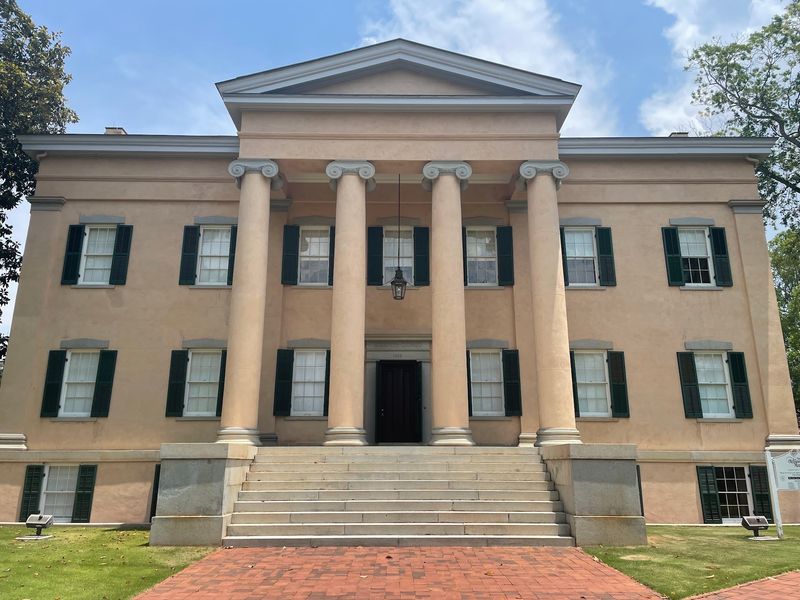
Few houses make a first impression quite like this one. The Old Governor’s Mansion greets you with massive columns and a glowing pink exterior.
Completed in 1839, it housed eight governors and their families. It is considered one of the finest examples of High Greek Revival design in the nation.
Step inside and look up at the rotunda. A gilded dome rises high above the center, and it can make anyone pause mid-step.
Guided tours share stories about family life, politics, and the people who kept the house running. The guides explain history clearly, so kids can follow along easily.
The mansion sits on South Clarke Street, right near the campus of Georgia College. Its location makes it simple to pair with a downtown stroll.
The house is a National Historic Landmark, which is a big honor. Careful restoration has returned rooms to how they looked in the capital days.
Tours run at set times, so plan ahead. Arriving a little early gives you time to admire the columns from the front lawn.
Where Flannery O’Connor Found Her Stories
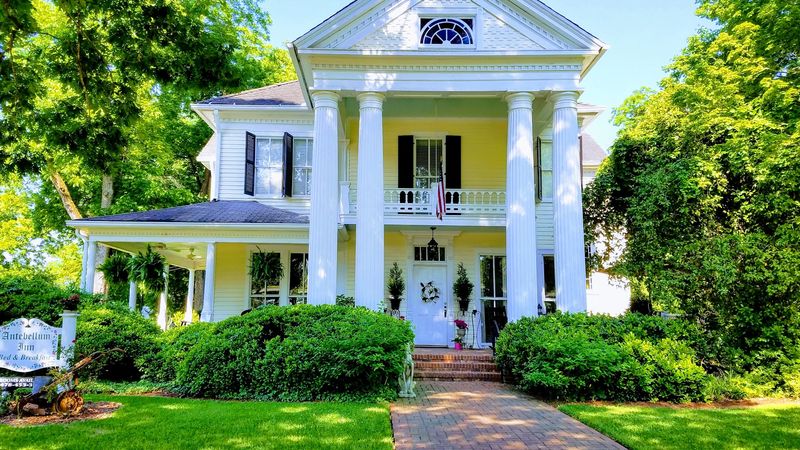
Peacocks and pen names make a surprisingly great pair. Famous author Flannery O’Connor spent much of her writing life right here.
She lived at Andalusia, a family farm just outside town. There, she wrote many of the short stories and novels that made her a legend.
O’Connor loved birds, especially peafowl. She raised dozens of them, and their bright feathers still show up in her story themes and fan art.
Today, Andalusia is managed by Georgia College. The farmhouse, grounds, and walking trails are open for exploring on scheduled days.
Her writing is known for sharp humor and strong Southern settings. Older students often read her work in high school or college classes.
Even if you have not read her books, the farm is peaceful and pretty. Open fields and shady trees make it a calm break from town.
Bring a notebook if you like to write. Sitting where a great author once worked might spark a story idea of your own.
College Town Energy On Every Corner
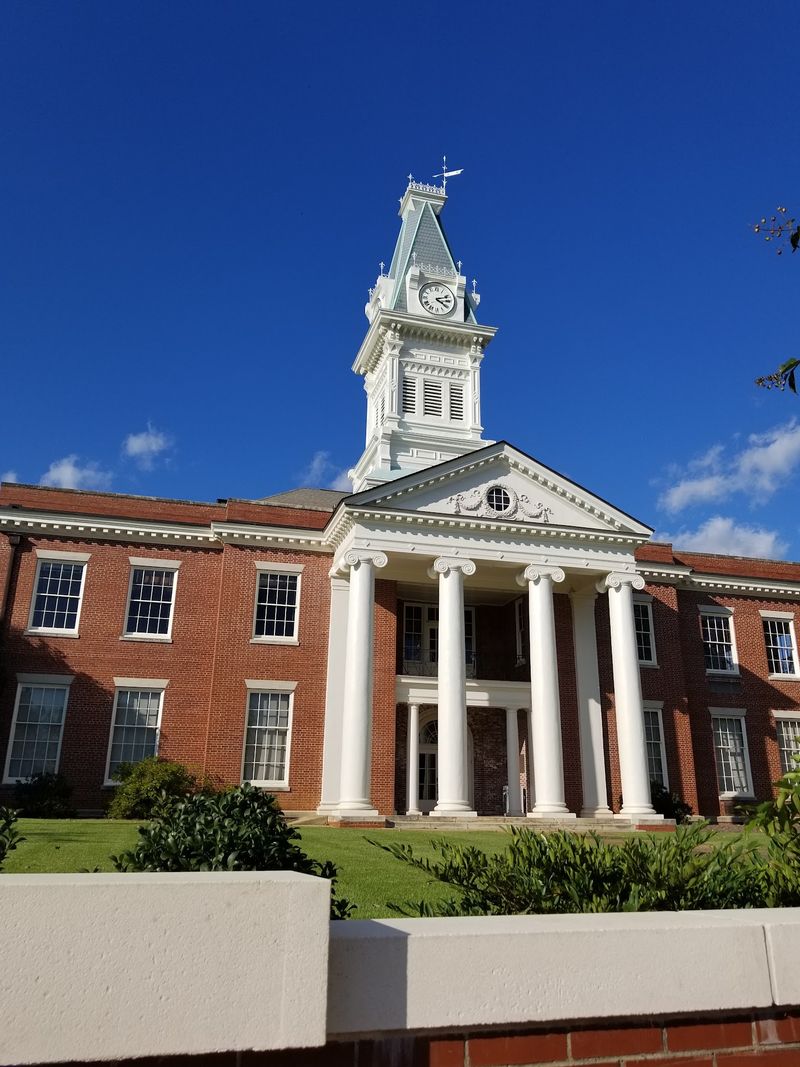
Lose the capital, gain a campus. That swap worked out nicely for this town.
Georgia College and State University sits right in the heart of downtown. It began in 1889 as a school for women and is now the state’s designated public liberal arts university.
Red brick buildings and white columns give the campus a classic look. Front Campus, with its sweeping lawn, is a favorite place for a relaxing sit.
Georgia Military College adds even more youthful energy. Founded in 1879, it operates on the grounds of the Old State Capitol.
Thanks to both schools, the area stays lively all year. Coffee shops, bookstores, and cafes fill up with students chatting about classes.
Campus events are often open to the public. Concerts, art shows, and lectures can turn a simple trip into a fun evening.
Check the university calendar before you go. Catching a free performance or gallery opening is an easy way to add extra flavor to your day.
Riverside Rambles Along The Oconee
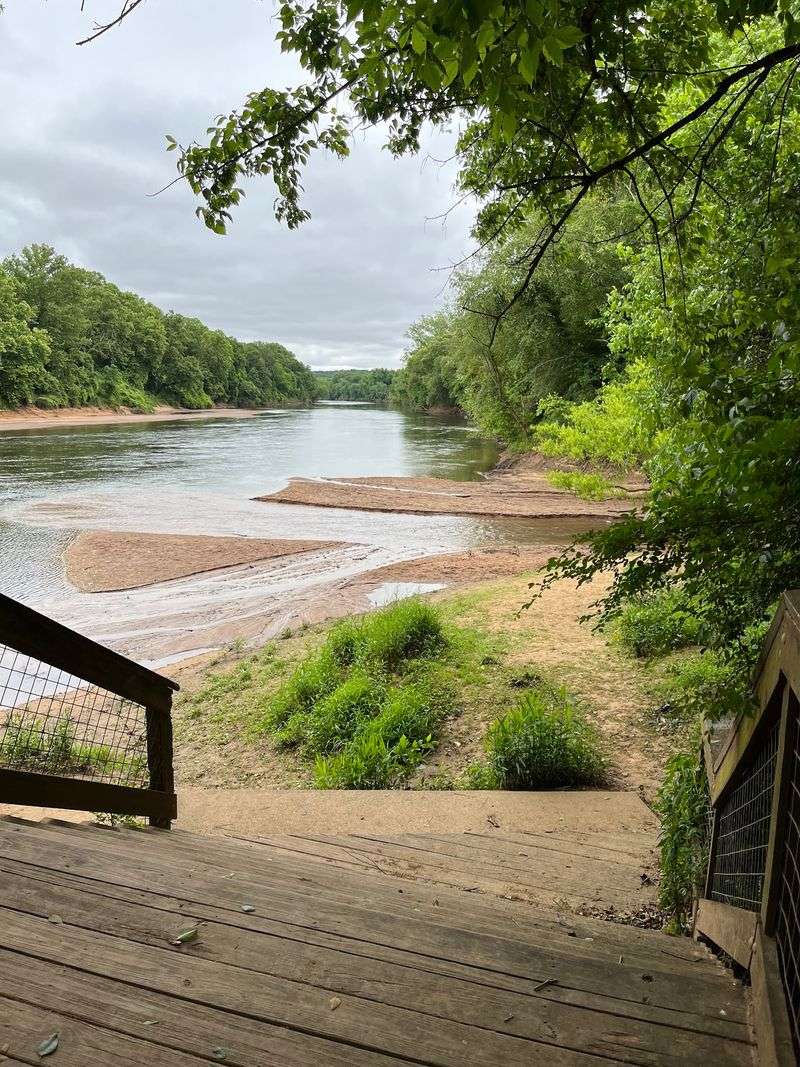
Every good capital needs a river, and this one picked a beauty. The Oconee River shaped the town’s founding and still frames its edges today.
Early settlers used the river for shipping cotton and goods. Flat boats carried products downstream toward bigger markets and the coast.
Now, the Oconee River Greenway offers a peaceful escape. Paved and natural paths follow the water, perfect for walking, jogging, or biking.
Kayakers and canoe paddlers enjoy the calm stretches too. A boat launch gives easy access for anyone ready to explore from the water.
Birdwatchers can spot herons, egrets, and hawks along the banks. Early mornings are usually the best time for quiet wildlife sightings.
The greenway also hosts community events and outdoor programs. Families often bring picnics and let kids burn off energy in open spaces.
Pack water, sunscreen, and bug spray during warm months. Summer in this part of the state gets steamy, so shady morning walks feel best.
Old Homes With Column-Heavy Confidence
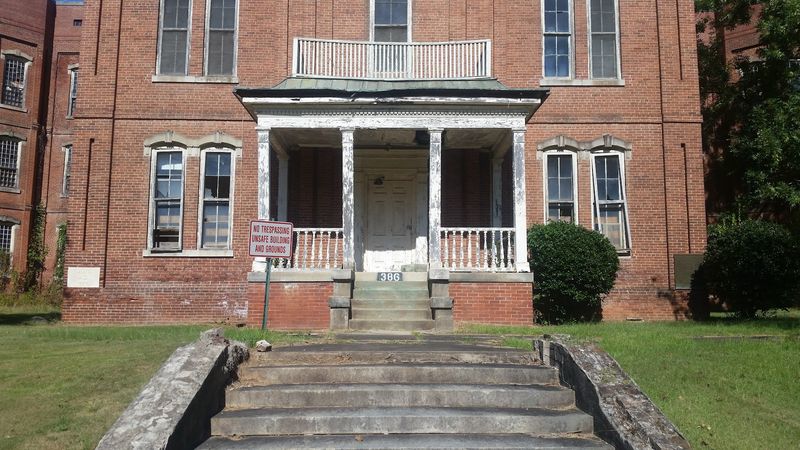
Some neighborhoods show off with gardens, while this one shows off with columns. Milledgeville’s historic district is packed with grand old homes.
Many were built during the capital years by wealthy families and political leaders. Styles range from Federal to Greek Revival to charming Victorian.
The district is listed on the National Register of Historic Places. That status helps protect these homes so future generations can enjoy them too.
A self-guided walking or trolley tour is a smart way to explore. Local tour options share fun details about builders, owners, and unusual features.
Look closely at porches, doorways, and window trims. Small details often reveal when a house was built and how styles changed over time.
Most of these homes are private, so admire them from the sidewalk. Being respectful keeps the neighborhood friendly for everyone.
Spring is an especially lovely season here. Blooming azaleas and dogwoods add bursts of color that make every photo look like a postcard.
Memory Hill Keeps The Town’s Stories
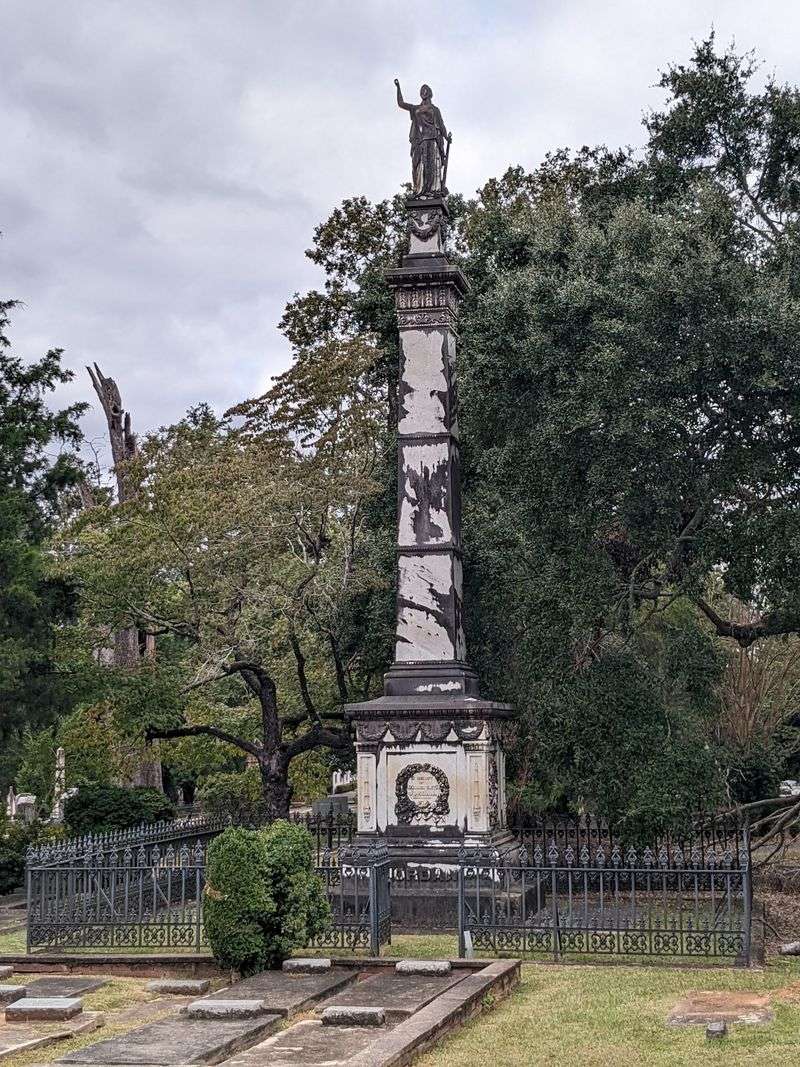
History buffs, this quiet spot is your treasure chest. Memory Hill was one of the four original public squares in the town plan.
Set aside in 1804, it holds many names tied to the capital era. Walking its paths feels like flipping through a local history book.
Flannery O’Connor rests here alongside her family. Many people stop by to pay respect to the celebrated writer.
Beautiful stone carvings show how art styles changed through the 1800s and 1900s. Some markers feature symbols like lambs, urns, and weeping willows.
A friends group helps care for the grounds and shares history. Their brochures and signs make it easier to find notable spots.
Towering oak trees give plenty of shade on warm days. The calm setting invites slow steps and thoughtful moments.
Please treat the area gently and quietly. Stay on paths, avoid touching fragile stones, and bring a camera to capture the fine carvings.
Downtown Bites And Small-Town Browsing
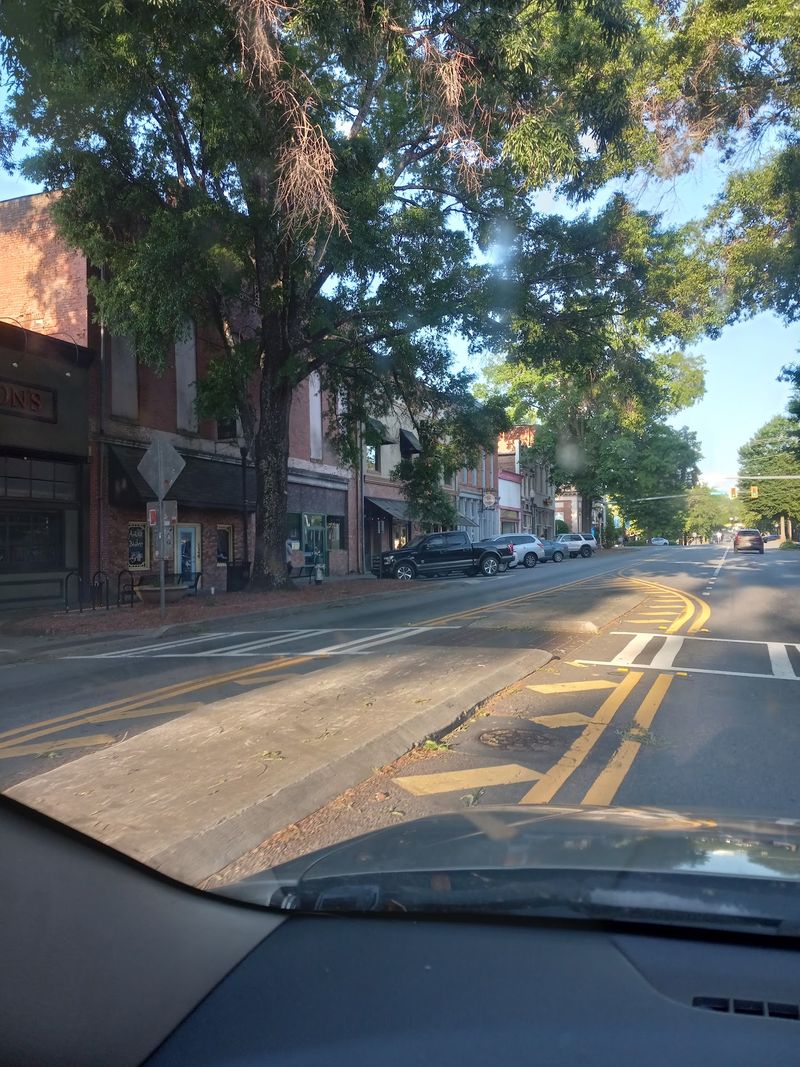
History makes you hungry, and downtown is ready to help. Hancock and Wayne Streets are lined with local cafes, bakeries, and shops.
Many businesses sit inside restored buildings from the 1800s and early 1900s. Old brick walls and tall windows add plenty of charm to lunch.
You can find Southern comfort food, fresh sandwiches, and sweet treats. Ice cream on a warm afternoon is basically a local tradition for students.
Boutiques and gift shops offer fun souvenirs. Look for books, local art, and items celebrating the town’s capital past.
Seasonal festivals often bring music and crafts to the streets. Events like holiday parades make downtown sparkle with community spirit.
The visitor center can point you toward current happenings. Staff there share maps, tour info, and suggestions for every age group.
Save this stop for the end of your day. Relaxing over a meal is the perfect way to reflect on everything this former capital shared with you.